Physical Address
304 North Cardinal St.
Dorchester Center, MA 02124
Physical Address
304 North Cardinal St.
Dorchester Center, MA 02124

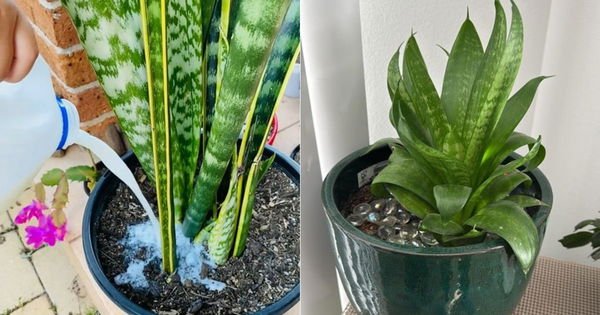

How surprised are you to know that something as simple as milk on your snake plant can be a perfect care hack? It sounds unusual, but when diluted and used correctly, this white elixir can act as a gentle, low-cost adjuvant for light feeding and foliar care. Let’s see how!
Your snake plant doesn’t require much already, so the real goal here isn’t “miracle growth”. It’s a controlled boost when your plant looks stunted, pale, or just doesn’t look as strong as it used to.
Of course, it’s not an arrow in the dark! Milk naturally contains small amounts of calcium, potassium, magnesium, phosphorus, nitrogen (trace), and micronutrients such as zinc and iron, which are usually listed on plant fertilizer labels.
In fact, many experienced gardeners use very diluted milk as a foliar care aid and mild anti-fungal spray. It was popular for powdery mildew in outdoor crops.
Pro tip: If your snake plant is already thriving, skip the milk altogether, as this trick is best every now and then. We have shared more about it below.

Milk is mostly water, but it also contains a small mixture of dissolved nutrients that plants can technically use. The most notable are calcium and potassium, along with traces of magnesium, phosphorus, nitrogen and some micronutrients.
Calcium plays a structural role within plants and helps strengthen cell walls and supports proper cell formation, especially in new growth. When calcium is available in small, consistent amounts, plant tissues tend to be more stable and less prone to breakdown or damage.
Potassium, on the other hand, helps regulate how water moves through plant cells. It supports internal water balance and helps plants cope with mild stress, such as changes in light, temperature or watering patterns.
The takeaway? For a snake plant, which stores water in thick, fleshy leaves, these functions are more important for maintenance than for growth. Milk does not encourage rapid growth or new shoots.
However, it offers leaf strength and internal balance, which makes diluted milk an excellent remedy if the plant is not healthy or just not at its best.
That being said, milk is an organic material. Once it sits on the ground or leaves, it can feed bacteria and fungi just as easily as it helps a plant. This is why overuse leads to a sour smell, sticky residue and sometimes a build-up of germs in the soil. Snake plants are particularly susceptible to this because they prefer dry conditions and slow feeding.
The key is self-restraint. Milk only works when very diluted, used infrequently, and combined with good air flow and drainage.

You can use a conservative dilution in which you use 1 part plain cow’s milk to 6-8 parts water. Just sprinkle a small amount around the soil, not at the crown where the leaves meet the soil.
Note: If your pot does not drain well, do not use this method. Milk and trapped moisture is the kind of combination that turns a tough snake plant into a “why is it suddenly mushy?” mystery.

Leaf feeding is where most people overdo it, so let’s keep it smart. Go for a very light dilution of milk that can be spread on the leaves for a mild nutrient boost and sheet-surface support protection.
Use 1 part milk to 9-10 parts water, then spray lightly. You should always spray in the morning so that the leaves are completely dry and air flow is maintained.
Pro tip: If you use milk spray for leaf problems, do it near a bright window (indirect light) and wipe the leaf lightly after it dries to avoid clumping.

The leaves of the snake plants collect the dust and the dust blocks the light. Less light means slower growth and duller foliage. If you use a little diluted milk, it can help remove dirt and leave the leaves looking cleaner.
All you need it is 1-2 teaspoons of milk in 1 cup of water. Next, wet a soft cloth, wipe each leaf from the base to the tip, then follow with a second cloth moistened with plain water to remove the residue. It will keep things clean without leaving a film on your plant.
Note: Avoid getting liquid on the ground with this method. This is leaf care, not feeding. And never shine the leaves with oil because snake plants don’t need an oily shine.

If you live in an area with very soft water (low mineral content), diluted milk can work as a small calcium supplement. Snake plants rarely suffer from dramatic calcium deficiency, but in long-term indoor installations with filtered water and no fertilizer, their leaves can sometimes change. They will feel thinner, slightly weaker or slower to hold their erect structure over time.
Now, calcium supports cell wall strength and helps new growth form properly, especially in actively growing months. And when indoor watering is mineral-free, trace elements can help maintain leaf vigor and plant structural stability.
An application of very thin soil once every 6-8 weeks during active growth can help balance this out, especially if you are not using a standard fertilizer.
If you notice a sour smell from the pot, sticky residue on the leaves, or unusually soft leaf bases, stop using milk immediately. These signs indicate a build-up of germs or excessive moisture, both of which snake plants strongly dislike.
Treatment: Wash off the soil with clean water and allow to dry thoroughly before continuing with normal care.

Milk is not a weekly routine for snake plants. These plants naturally prefer light feeding, and most care guides recommend fertilizing only during the active growing season and at moderate intervals.
The frequency: Do this every 4-6 weeks (or even less), depending on conditions. You should treat milk the same way as occasional thingnot often.
Synchronization: The best season is spring through the summerand sometimes early fall if your house stays bright and warm. In winter, snake plants slow down. So adding milk may backfire because the plant isn’t actively using them.
See; Applying milk to the Snake plant can be useful for light feeding and leaf care. Just keep it thinned out, infrequent and combined with good drainage. And don’t forget to monitor your plant and adjust care as needed!




