
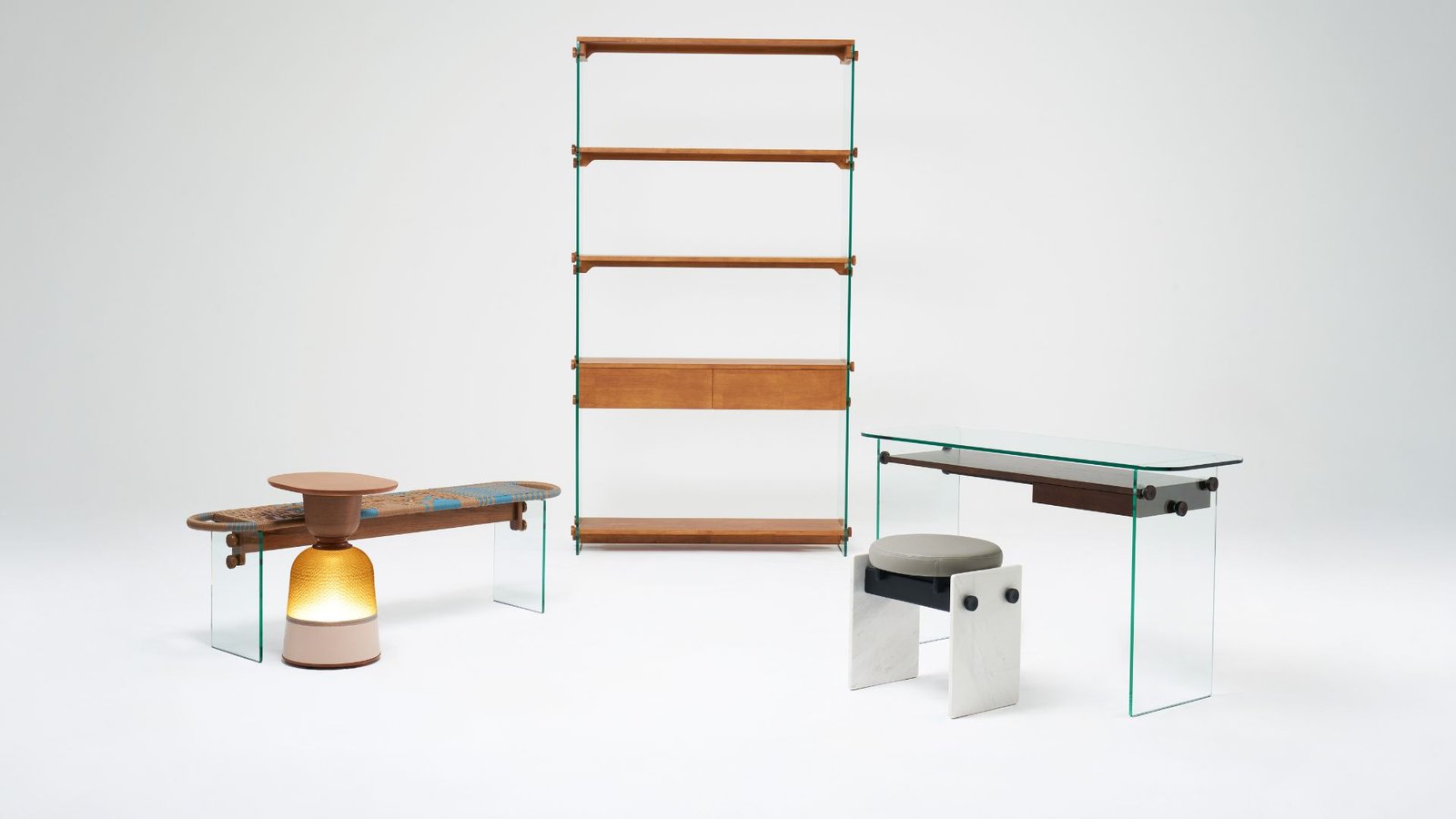

Materials often shape the identity of a work as much as form or function. At Host & Home 2026, presented at the Thailand Pavilion during Salone del Mobile (April 21–26), this perspective comes into focus through a curated selection of Thai brands that explore the intersection of material innovation, craftsmanship and contemporary living.
At the initiative of Thailand International Trade Promotion Department (DITP), Host & Home, since 2015, supports local entrepreneurs in the development of design-driven furniture and lifestyle products, with a special focus on creativity and innovation in production. The project brings together companies that combine construction expertise with clear design direction, placing Thai design in an international context while remaining deeply connected to local resources and cultural identity.
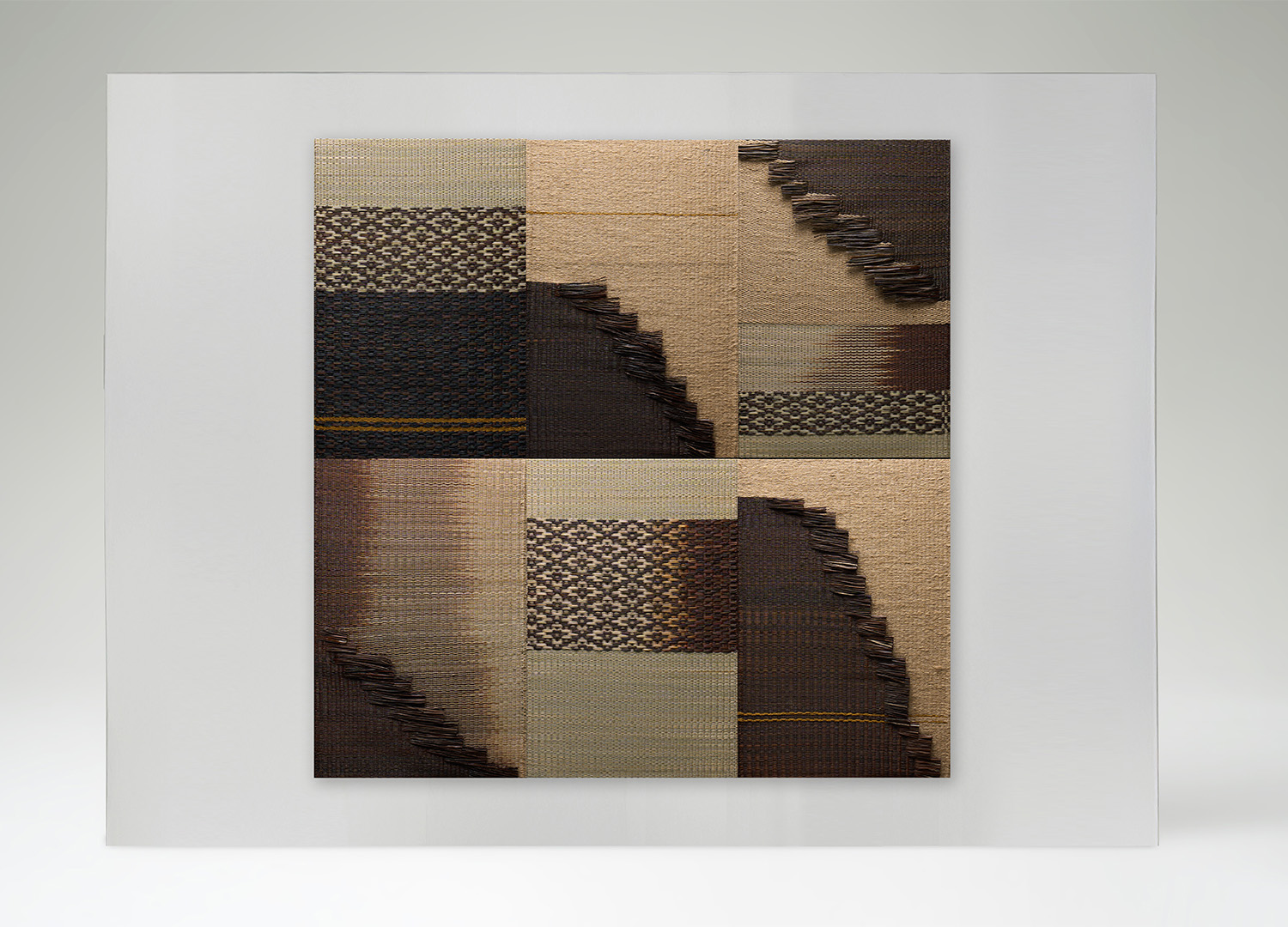
THORRs@ Host & Home 2026
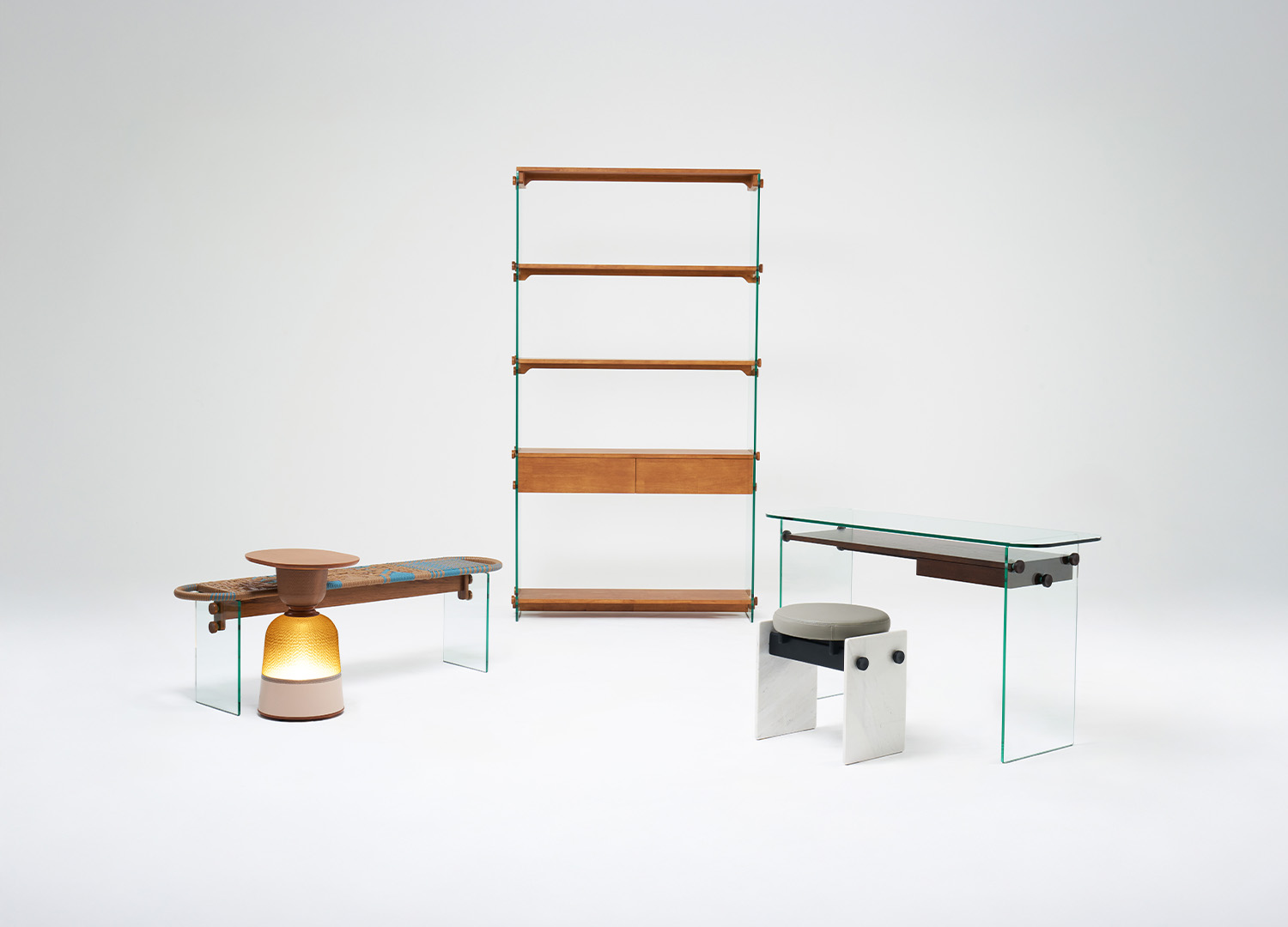
TAKEHOMEDESIGN@ Host & Home 2026
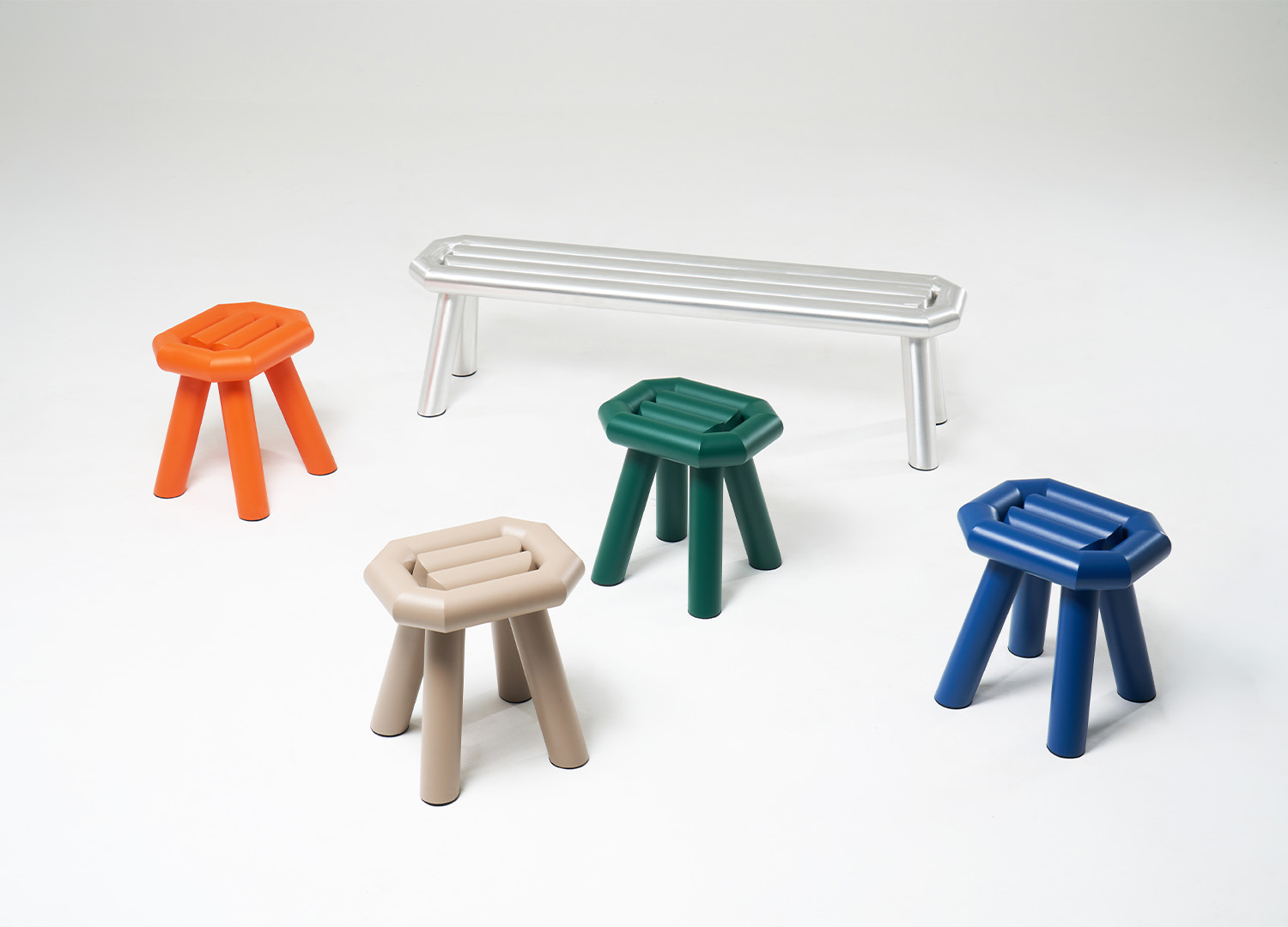
RES @ Host & Home 2026
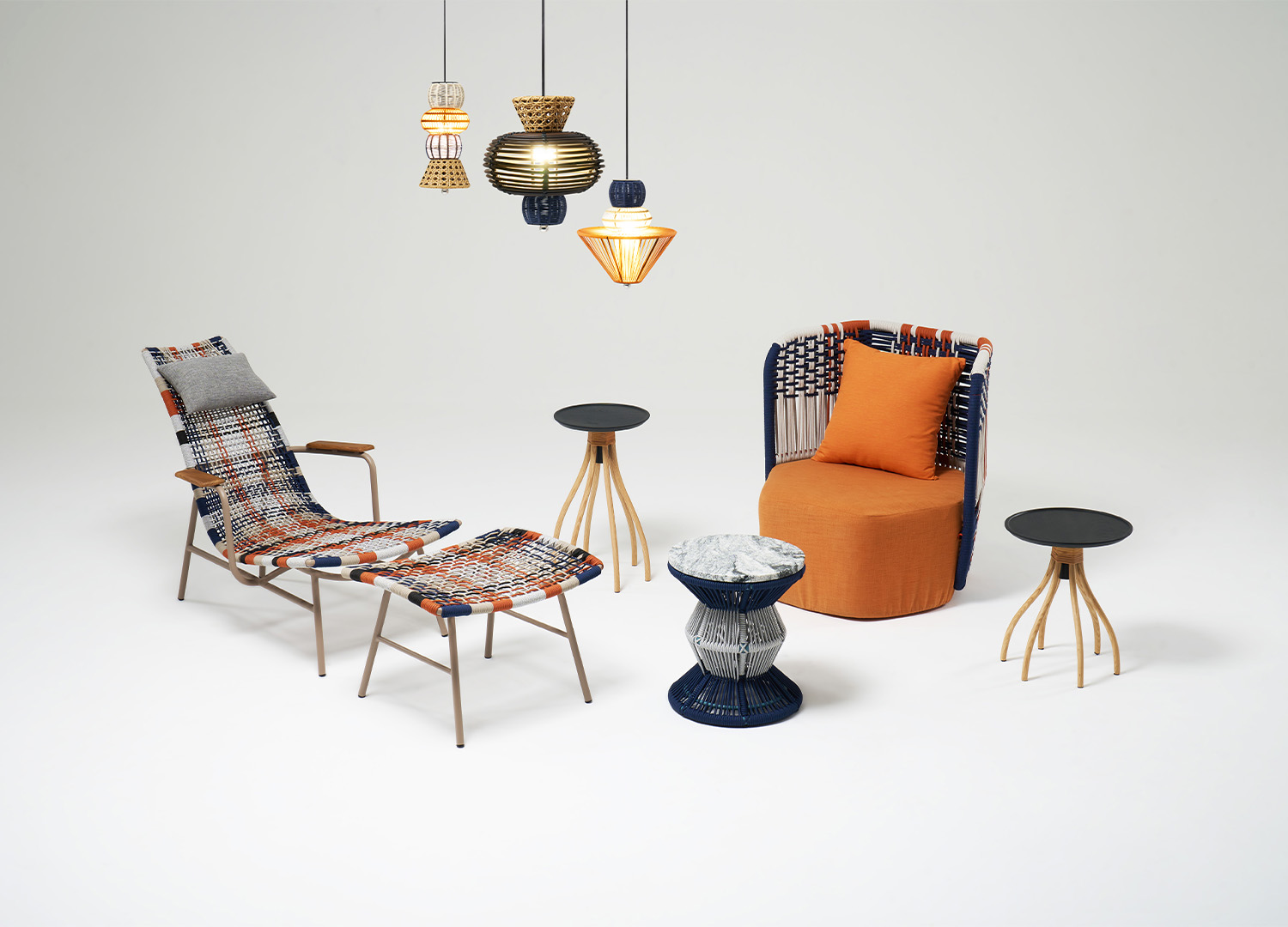
CORNER 43 DECOR @ Host & Home 2026
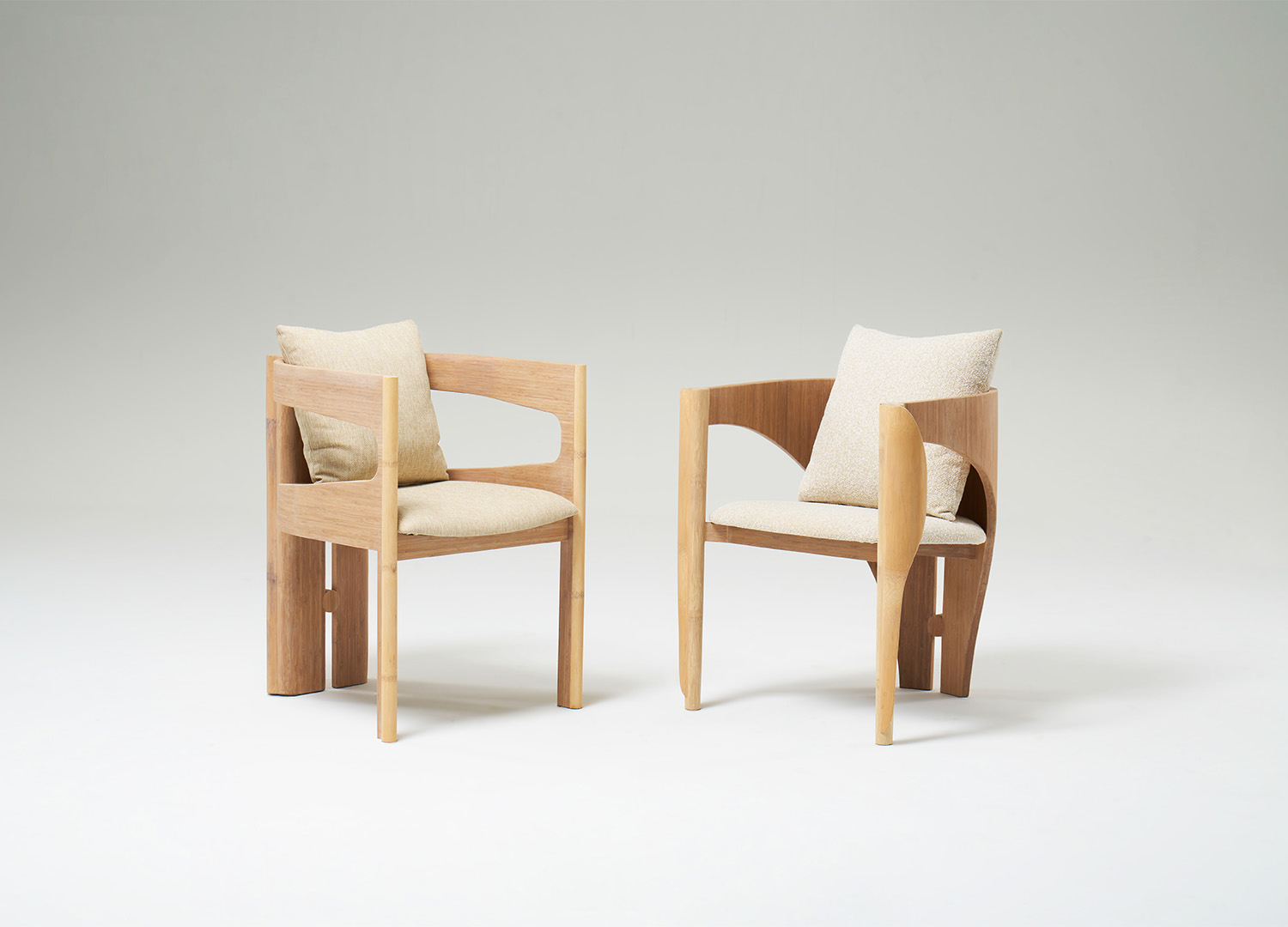
CORNER 43 DECOR @ Host & Home 2026
In the 2026 edition, fifteen Thai brands will showcase their work, presenting collections created for both residential and hospitality environments. In this article, we are excited to highlight five of these brands: Amo Arte, Corner 43 Décor, Res, Takehomedesign and Thorrs. Their pieces reflect a balance between comfort, functionality and aesthetic clarity, designed to create spaces that feel familiar, even in transient environments such as hotels or temporary living environments.
Materials play a central role in these collections. From bamboo and recycled elements to metals and local resources, each brand approaches materiality as both a technical and an expressive tool, shaping objects that respond to contemporary lifestyles while remaining rooted in their cultural origins.
Among the Host & Home exhibitors:
Amo Arte: Bamboo as structure and narrative
Among the exhibitors, I love art builds its identity around bamboo, a renewable resource that informs both structure and aesthetics. The brand develops furniture and decorative pieces, ranging from lighting to sculptural objects, through technical techniques that incorporate traditional Thai patterns and motifs. Each product reflects a clear commitment to sustainable living and renewable energy, translating cultural references into contemporary forms while maintaining a strong connection to craftsmanship.
Corner 43 Decoration: Layered textures and local materials
A different interpretation of material research arises with Corner 43 Decorationwhere locally sourced materials are combined with newer resources to create layered textural compositions. Drawing inspiration from the tropical environment as well as the dialogue between past and present, the brand works through surfaces, colors and patterns to produce furniture and home accessories that feel both tactile and appealing. This approach results in pieces that balance familiarity and innovation, shaped by a constant interplay between tradition and contemporary design.
With over seventy years of experience, Res approaches materiality from an industrial perspective, specializing in metal craft. Steel, aluminum and stainless steel are used to develop a wide range of furniture and decorative elements, ranging from interior pieces to outdoor applications. Beyond furniture, the brand positions itself as a provider of solutions designed to improve everyday life, combining technical know-how with a strong focus on quality and long-term performance.
Takehomedesign: Reclaimed materials and lightness of form
Material experimentation also defines his work Takehomedesignwhere modern aesthetics meets responsible production. The brand’s G collection explores clean, architectural lines combined with flat-pack engineering, resulting in lightweight yet structured pieces with carefully balanced proportions. At the same time, the award-winning RE-UP Collection repurposes recycled materials into distinctive objects, reinforcing a design approach that incorporates reuse into the creation of new design forms.
Thorrs: Craft as a bridge between communities and design
Finally, Thors brings a socially driven dimension to material-based design. The brand focuses on connecting local craftsmanship with modern production and global distribution, working closely with communities, including women and elderly artisans, to create economic and cultural value.
Through this process, materials and techniques become tools for preserving local knowledge, using culture as a foundation to bridge traditional wisdom with the modern world.
What connects these brands is not a single aesthetic language, but a common way of approaching design, one that starts with materials. Thailand’s natural resources, combined with a long tradition in craftsmanship, offer a foundation that is constantly reinterpreted through modern production processes and methods. But what happens when local materials meet a global design mindset? The result is a body of work that feels both rooted and forward-looking.
Each brand maintains its own identity but contributes to a larger narrative, where design is shaped by context, culture and creation, while remaining open to international dialogue. The collections presented at Host & Home reflect this balance, bringing together objects that can be adapted to different environments without losing the sense of their origin. There is a quiet coherence throughout the exhibition, not in style, but in intent.
Sustainability naturally becomes part of this conversation. Whether through renewable materials, reclaimed components or responsible production processes, these projects reflect an awareness that goes beyond aesthetics. It raises a simple question: can planning exist today without considering its long-term impact? Here, the answer seems to take shape through tangible, material choices.
From 21 to 26 April 2026, visitors to Hall 7, Booth D10 will encounter a selection of objects where material, process and identity converge. A moment to observe, but also to reflect: how does design evolve when it remains deeply connected to the resources and cultures that shape it?



