
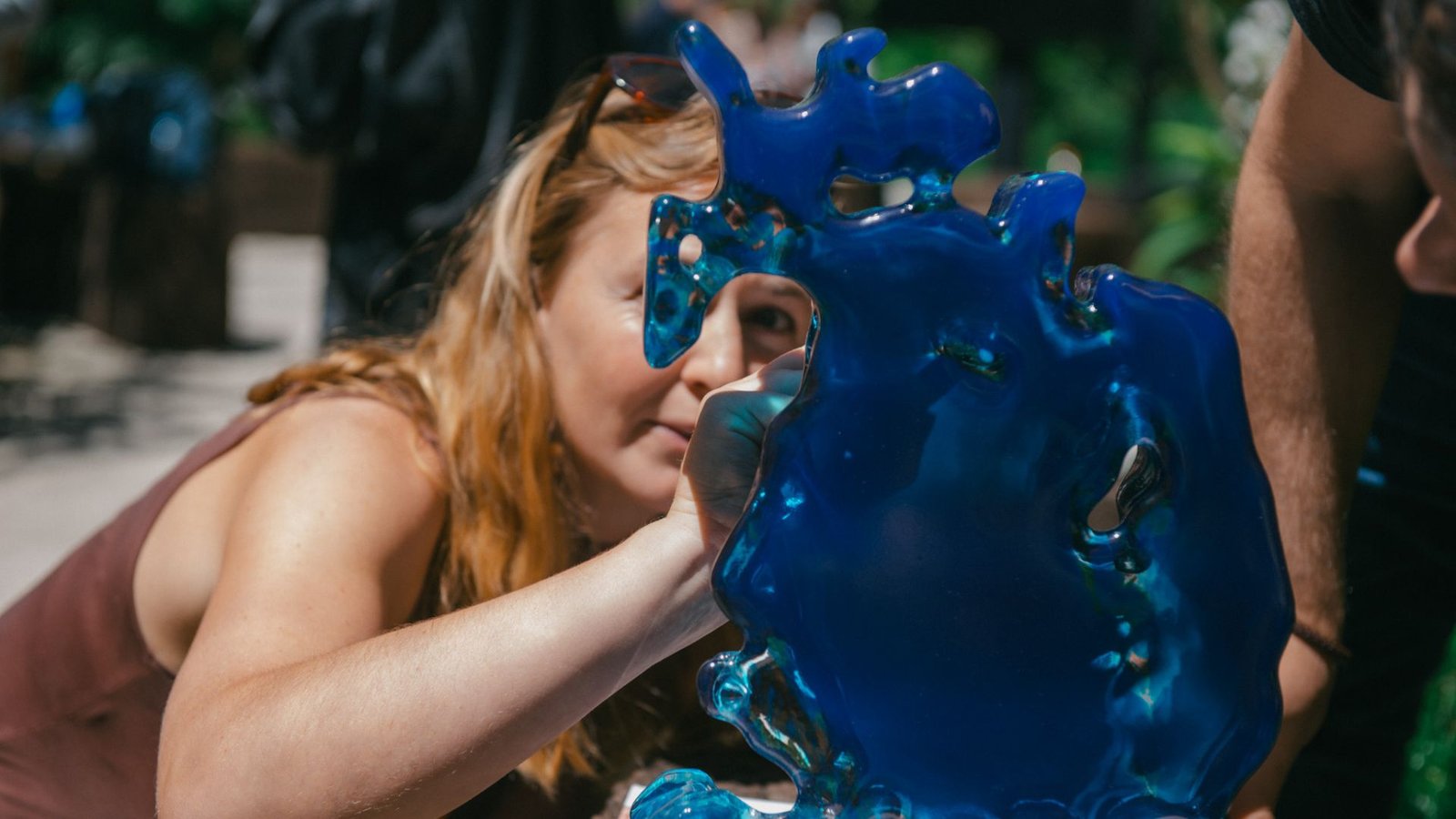

After two editions that positioned it as one of the most relevant emerging platforms for design perspective, Future Days 2026 enters a new phase. This year, the festival moves to Copenhagen, taking over the Royal Danish Playhouse during Copenhagen Design Week (June 10-12) and marking a shift from discussion to something more ambitious: building a shared infrastructure for imagining the future.
After its previous editions in Lisbon – where the focus was on building a global dialogue between the sciences – this third chapter marks a geographical and conceptual expansion. The theme, “Currents of Tomorrow,” reflects a growing urgency: understanding how ideas, systems, and cultures flow, intersect, and ultimately shape the conditions of tomorrow.
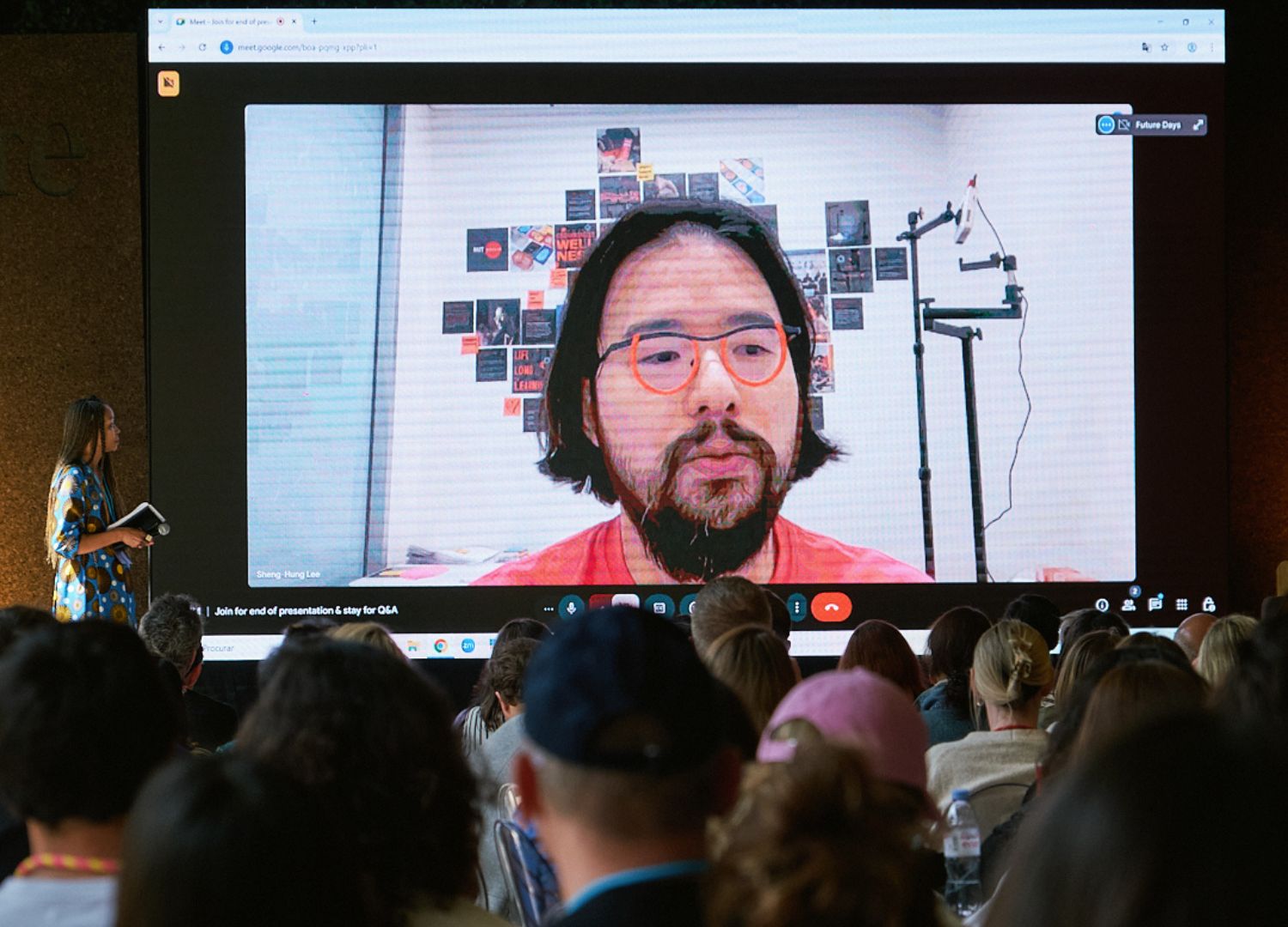
2025 Edition – @Future Days
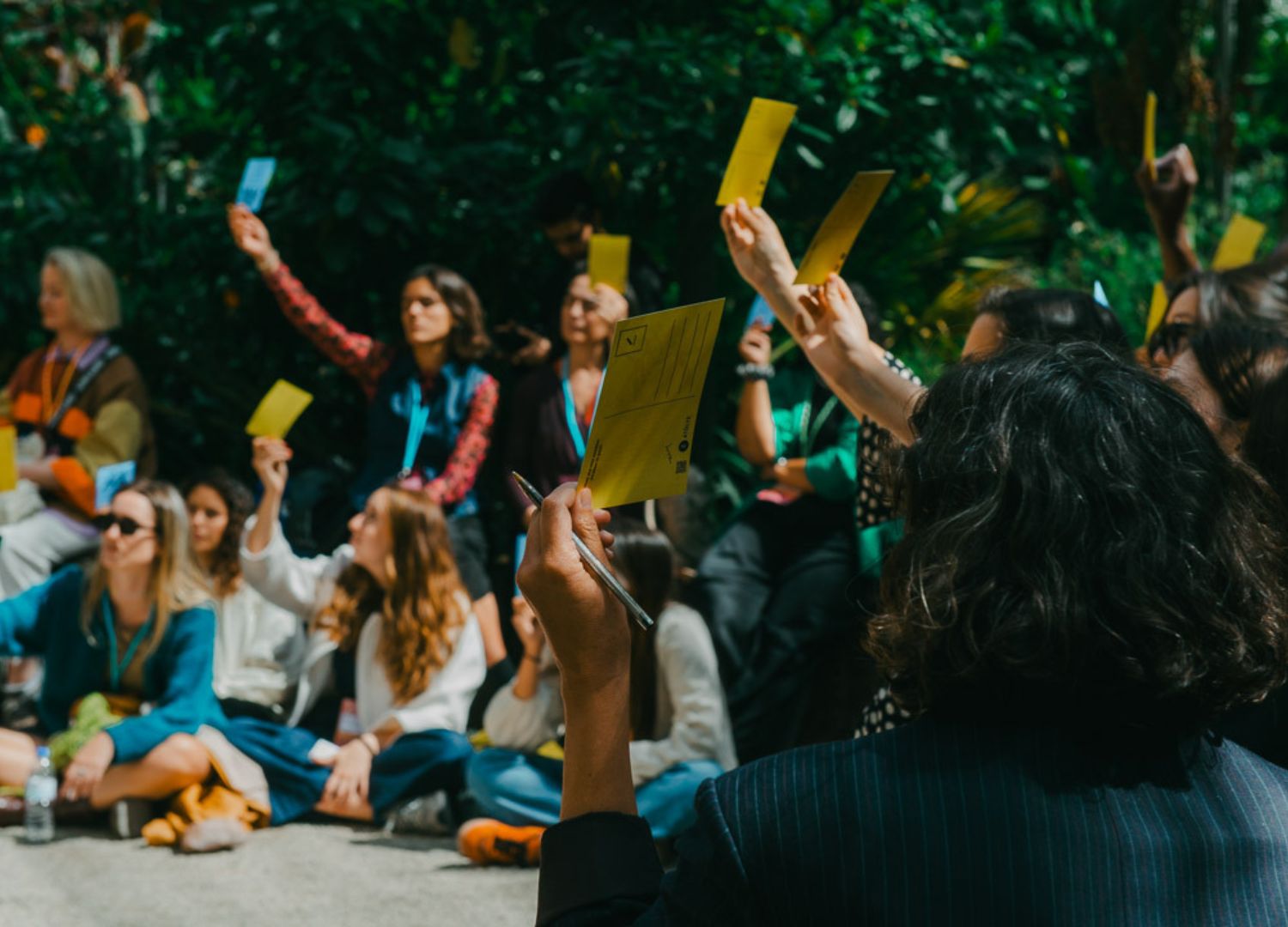
2025 Edition – @Future Days
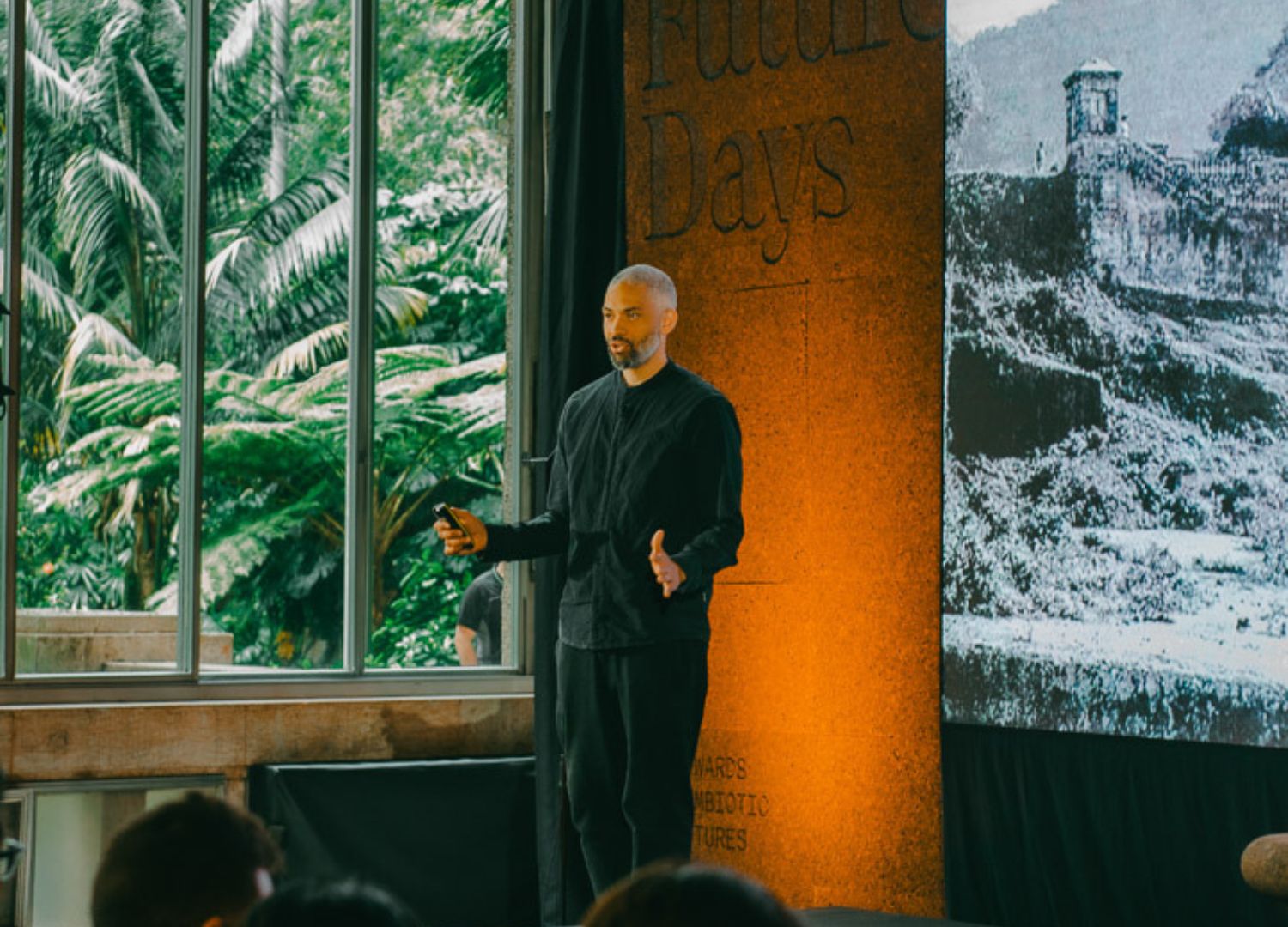
2025 Edition – @Future Days

2025 Edition – @Future Days
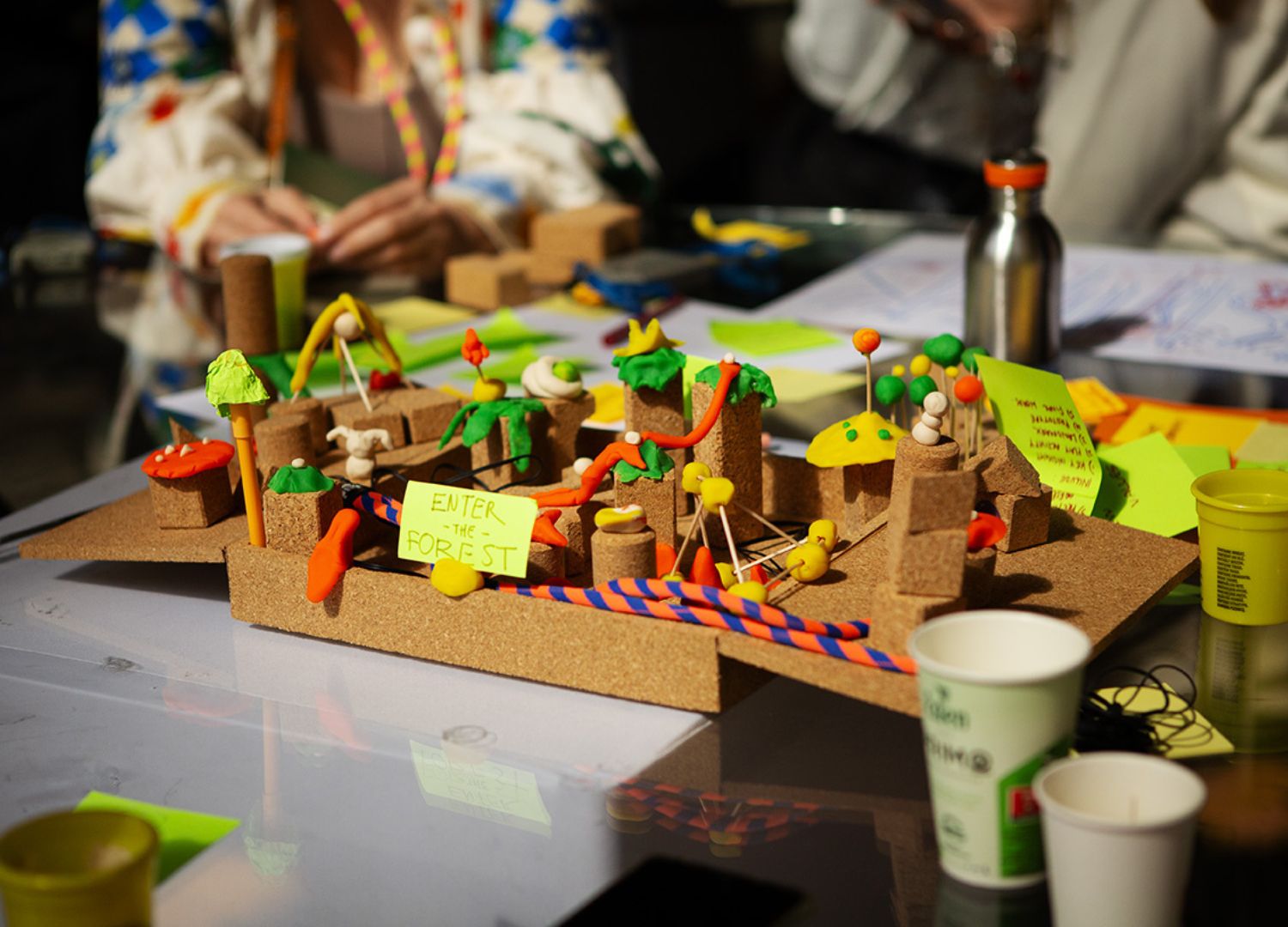
2025 Edition – @Future Days
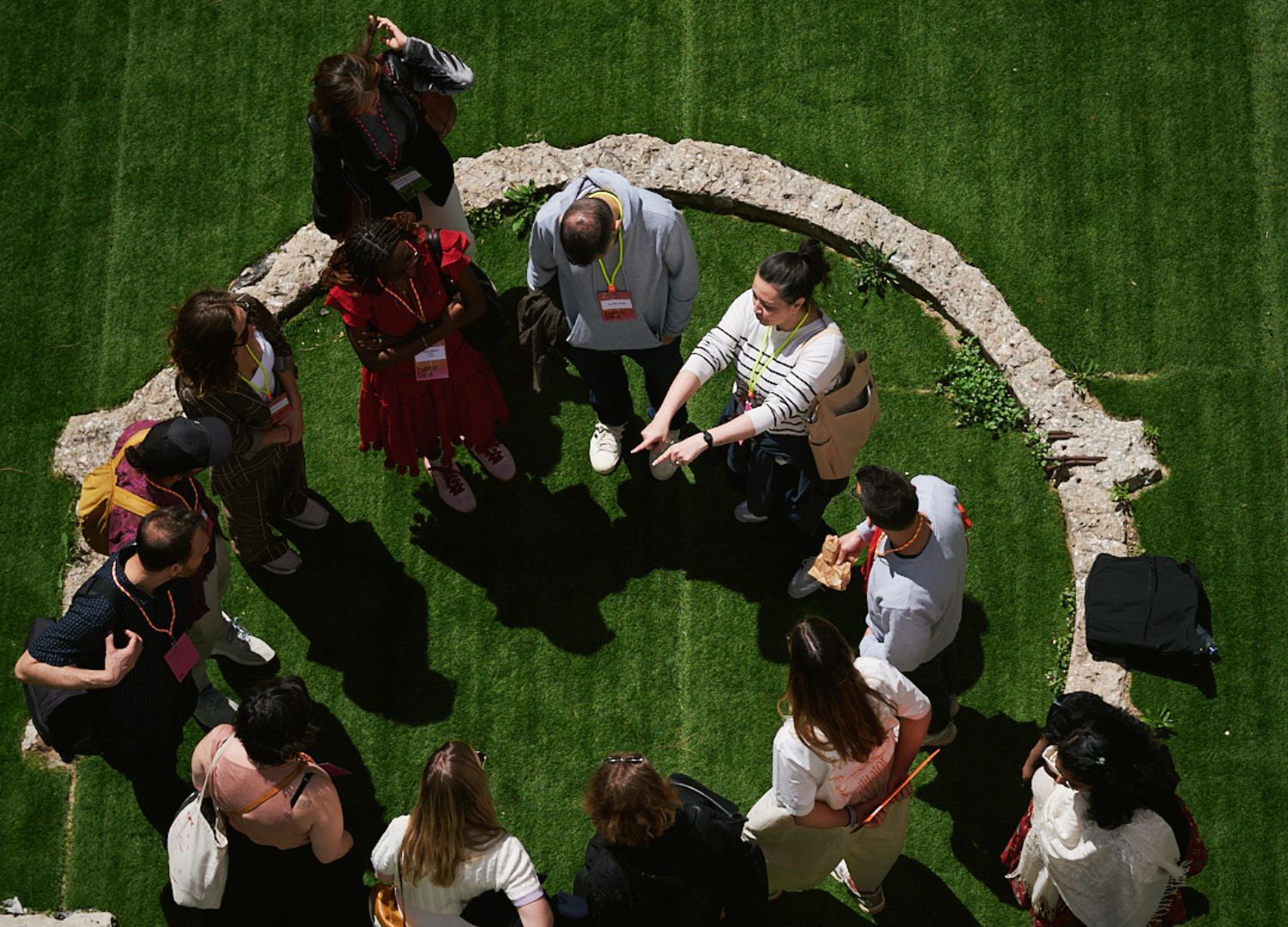
2025 Edition – @Future Days
We’ve got you covered Future Days 2025 when the festival brought together over 600 innovators and change-makers from 30 countries at Lisbon’s Estufa Fria around the theme Towards Symbiotic Futures. What struck us then was how the festival managed to feel less like a conference and more like a movement – a space where politics met poetry and systems thinking shared a room with sonic experiences. The Future Days 2026 version takes this thread and pulls it further.
From platform to ecosystem
When we first spoke with Meri Sahade and Uri Casademont, Founders of the project, it was clear that the initiative was not just another design festival. In 2026, this intention becomes clearer. “Our journey reflects a clear demand for meaningful international dialogue between the sciences,the founders explain.Copenhagen marks an important step in expanding this shared infrastructure and creating a global space for imagination as a civic practice.” This idea of imagination as civic practice is key. It reframes design not as a tool for producing objects, but as a method for collectively navigating uncertainty.
Future Days 2026: Five trends shaping the future
The 2026 program is structured around five thematic “streams”, each addressing a critical dimension of contemporary transformation:
- Back to Connection — rethinking human relationships in an increasingly mediated world
- Water Commons — exploring water as a shared resource and design challenge
- Infrastructures of imagination — building systems that enable collective prediction
- The Living Lab — experimentation as ongoing, embodied practice
- Economies of meaning — redefining value beyond development and extraction
Together, these themes outline a shift away from linear problem-solving towards a more systemic and relational understanding of design, where social, environmental and cultural dimensions are deeply intertwined.
A program between thought and action
Future Days 2026 continues to operate in multiple formats—talks, participatory workshops, exhibitions and curated site visits—bridging theory and practice. The confirmed line-up reflects this hybrid approach, bringing together voices such as Anab Jain, Julia Watson, Christian Bason and Bas van de Poel, among others.
Their work spans fields from speculative design and All included in indigenous knowledge, urban resilience and governance—highlighting the increasingly blurred boundaries between disciplines. What emerges is not a traditional conference, but a distributed learning environment where participants are invited not just to listen, but to engage, experiment and co-create.
Strategic partnerships and global relevance
Future Days’ growing relevance is also reflected in its collaborations. For the 2026 edition, the festival is supported by organizations such as H&M (Innovation & Exploration), PwC Japan (Future Design Lab) and the Copenhagen Institute for Futures Studies – a long-standing institution in the field of future thinking.
These partnerships reinforce the platform’s position at the intersection of industry, politics and design, suggesting that the conversations taking place at Future Days are increasingly connected to real-world transformation.
What’s next for design?
If previous editions were about framing questions, Future Days 2026 is about testing answers. By moving to Copenhagen – a city often associated with progressive urban models and systems thinking – the festival aligns itself with a framework that incorporates many of the ideas it seeks to explore. But more importantly, it marks a broader evolution: from design as discourse to design as infrastructure.
At a time when the challenges facing society are deeply interconnected, Future Days suggests a different role for design—one that is less about writing and more about facilitating the collective future. The question is no longer simple what to plan next? But how do we design the conditions that allow better futures to emerge?



