

As a gardener, there’s a good chance you spend a lot of time thinking about your soil. But, it is important! Good soil is what leads to strong, healthy plants. Soil amendments are an important addition to your garden, and perlite and vermiculite are both popular choices. But which one is best and which one is right for you? Let’s find out! Today we’ll compare perlite to vermiculite to determine the best uses for each in your garden.
Both of these materials are common soil additives you can expect to see in bagged soil mixes or sold separately in garden center bags. They can be a great tool to have on hand to improve your own soil or adjust your own potting mixes. To use them properly, think testing your soil first let’s see what is needed.

In this case, you will be more concerned with soil structure than nutrients, so it will be very easy to determine. But, if you want to get a better picture of what’s in your soil, consider using a simple one home soil test kit.
Perlite and Vermiculite: The Basics
Understanding the fundamental differences between perlite and vermiculite is crucial to choosing the right soil for your garden. Both of these natural minerals are used to improve soil structure, but they have distinct properties and applications. Each of these are lightweight materials – but the best choice for your application depends on the type of plants and soil you’re working with. Let’s take a closer look at each one.
What is Perlite?
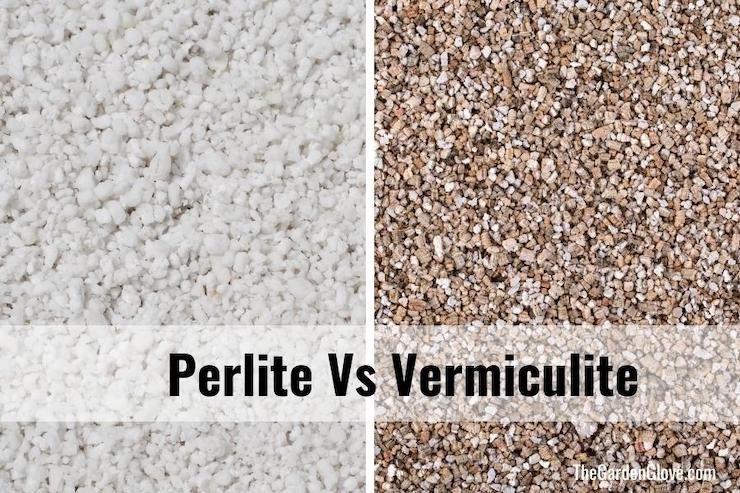
Perlite is that white granular material you usually see in bags of soil sold at garden centers. Perlite is a natural volcanic glass that, when exposed to extreme heat, expands like volcanic popcorn to form a lightweight, porous material. This expanded perlite is widely used in gardening because of its excellent aeration and drainage properties.

The tiny, white, pebble-like particles create air pockets within the soil, preventing compaction and promoting healthy root growth. Perlite is especially beneficial in potting mixes and for plants that need well-draining soil, such as succulents and cacti. Good drainage is important in many applications – it prevents fungal diseases and promotes healthy plants! Use too much perlite, however, and your plants may get too little water. It’s all about balance.
What is Vermiculite?
Vermiculite is a hydrated phyllosilicate mineral that undergoes significant expansion when heated. The resulting product is a light, spongy material that is capable of holding large amounts of water and nutrients.
The water holding capabilities of horticultural vermiculite make it an ideal soil conditioner for plants that require a consistently moist environment. Often used in seed starting mixes, container gardens and plants that thrive in moisture rich conditions. It also helps improve soil structure and nutrient exchange, supporting overall plant health and growth.

Since vermiculite can absorb a lot of water, it can help manage moisture levels for bulb or bulb storage. I use vermiculite for my storage ranunculus bulbs every year! I know it seems counterintuitive to use the stuff we say helps create moist soil… but you can almost think of it like putting your phone in a bag of rice after it gets wet – the rice just soaks up all the water!
Perlite vs. Vermiculite: Key Differences
Choosing between perlite and vermiculite depends on the specific needs of your plants and the conditions in your garden. Each material has distinct characteristics that make it suitable for different purposes.
Moisture retention
Perlite is known for its excellent drainage abilities, meaning it retains very little moisture. You can use perlite to adjust potting soil for plants that prefer dry conditions or need well-draining soil to prevent root rot. Perlite allows excess water to drain quickly, preventing the soil from becoming waterlogged.
In contrast, vermiculite excels at retaining moisture. Its spongy texture can hold large amounts of water, slowly releasing it over time to plant roots. This makes vermiculite a perfect choice for plants that require a constant supply of moisture and for seed initiationwhere constant moisture is vital for vegetation.
Ventilation and Drainage
The porous nature of perlite creates air pockets within the soil, greatly enhancing aeration and preventing soil compaction. This improved airflow around the roots promotes healthy growth and is especially beneficial for plants that need well-oxygenated soil, such as succulents and cacti.
While vermiculite also improves soil structure, it shines in water retention rather than aeration. Vermiculite enhances soil aeration to some extent, but not as effectively as perlite. Consider it a good choice to keep the soil from being compacted or heavy. The biggest difference between it and perlite is that it is more suitable for plants that thrive in moisture-rich environments than those that need a lot of aerated soil.
Best uses for each
Given its superior drainage and aeration properties, perlite is best used in potting mixes for houseplants, container gardening, and plants that need well-draining soil. It is also useful in hydroponic systems and for propagating cuttings where quick drainage is essential.
Vermiculite’s ability to retain moisture makes it ideal for seed starting, as it provides a steady supply of water to germinating seeds. It is beneficial for container gardens, hanging baskets and plants that require a constant supply of moisture such as ferns and tropical plants. Vermiculite can also help improve sandy soils by increasing water and nutrient retention. For tips on how to incorporate it into your soil mixes, see the helpful information at Gardener’s World.

Professional advice for gardeners New to vermiculite and perlite
If you’re new to using vermiculite and perlite in your garden, there are a few tips and tricks that can help you get the most out of these soil amendments. Understanding how to properly use each material will ensure that your plants thrive in the best possible growing conditions. Here are our secrets!
Understand the needs of your plants
Before choosing between perlite and vermiculite, consider the specific requirements of the plants you are growing. Plants that prefer dry, well-draining soil, such as succulents and cacti, will benefit most from perlite. On the other hand, moisture-loving plants such as ferns and tropical species will thrive with vermiculite.
Mix well
When incorporating perlite or vermiculite into your soil, it’s important to mix it well to ensure even distribution. A common potting mix ratio is to combine one part perlite or vermiculite with two parts potting soil. Adjust the ratio based on your plants specific moisture and drainage needs.
Use for seed starting
Vermiculite is especially useful for starting seeds. Fill your seed trays or pots with vermiculite, plant the seeds and water gently. Vermiculite will retain moisture, providing a stable environment for seed germination. Once the seedlings have roots, you can transplant them into a more suitable soil mix. Alternatively, consider filling the seed starting trays with vermiculite and filling the rest with seed starting soil mix.
Improving soil structure
Both perlite and vermiculite can be used to improve garden soil structure. For heavy clay soil, adding perlite can enhance drainage and aeration, facilitating root growth. In sandy soils, vermiculite can help retain water and nutrients, creating a more welcoming environment for plants.
Perlite vs. Vermiculite: Who Wins?
Ultimately, the choice between vermiculite and perlite depends on the specific needs of your garden and the types of plants you grow. Perlite is amazing for drainage and aeration, making it ideal for plants that thrive in well-draining soils and for preventing root rot. Vermiculite, with its next-level moisture-holding and nutrient-holding abilities, is best suited for moisture-loving plants and seed starters.
Consider the plants you grow and the soil you currently have when choosing between vermiculite and perlite. Either way, don’t sleep on soils – they can make a huge difference when it comes to the health of your plants. Organic gardeners can benefit greatly from understanding these differences and applying the correct amendment for their needs. Happy growing!



