
New constructions boast a certain architectural courage, often from a place of hubris, when they are realized from the ground up—a seductive clean-slate promise that the future need not answer to the past. Bureau de Change would argue otherwise. With Tracetheir profoundly renovated residential project in Euston, London, the firm suggests something more challenging and interesting: that true ingenuity lies not in erasing, but in negotiation.
Located along Drummond Street, the project redevelops a tired 1980s brick building into five bright apartments, adding two new floors while retaining the majority of the existing structure. But this is not preservation in the nostalgic sense, nor is it wholesale reinvention dressed up in heritage elements. Instead, Trace deliberately sits on what the architects describe as “a fine line between being religious in references to the past and completely ignoring them.”
It’s a balancing act that feels increasingly urgent. In cities like London, where demolition remains the default way forward, adaptive reuse can be seen as a compromise. Trace reframes it as writing.

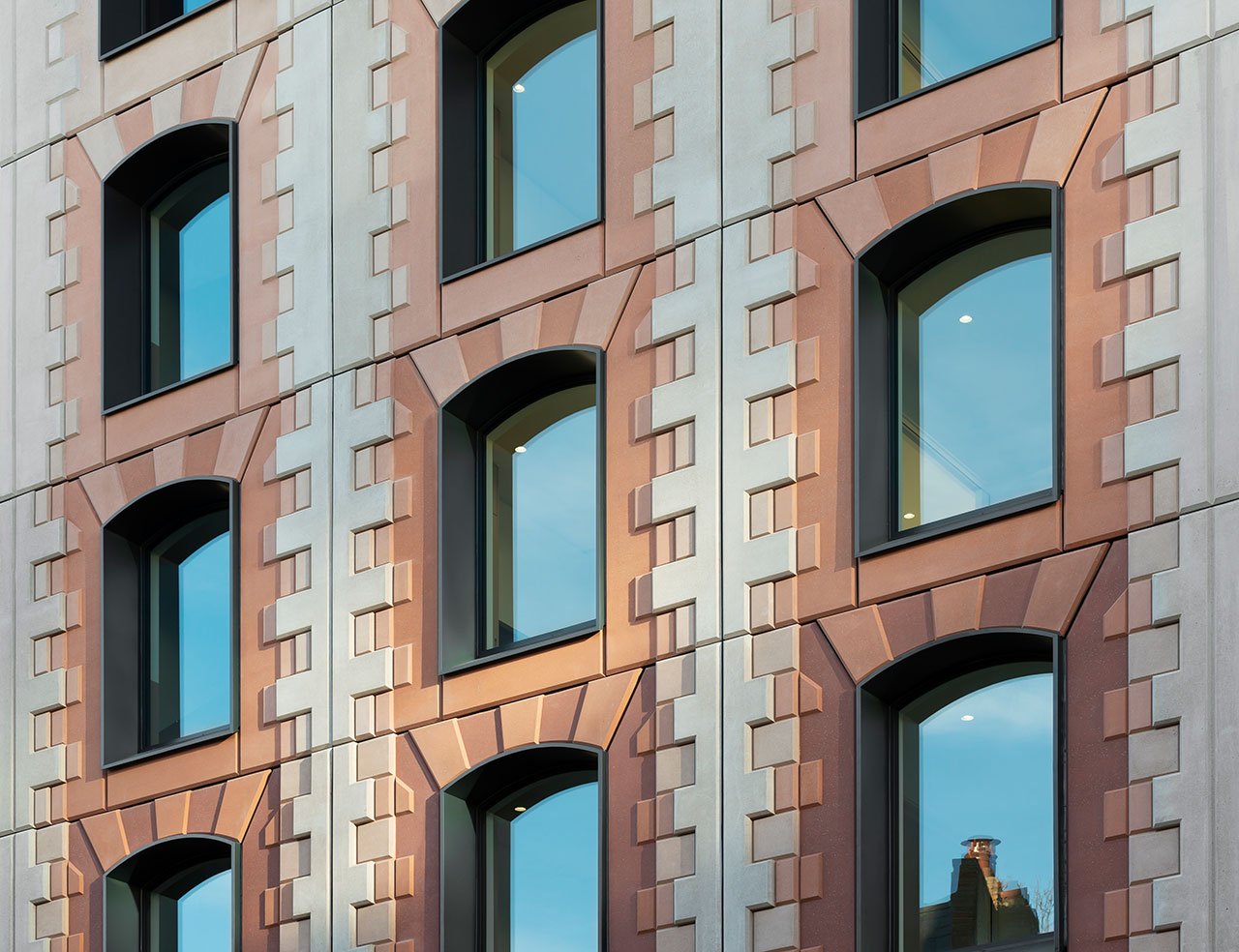
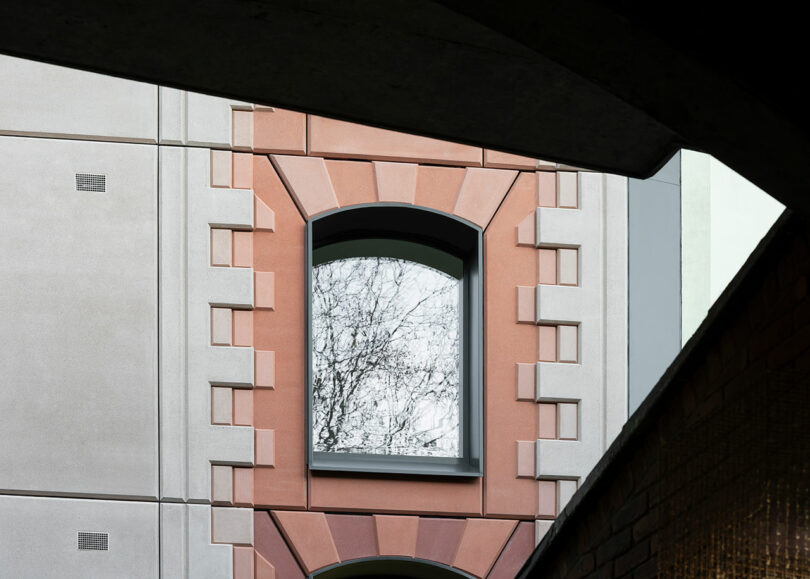
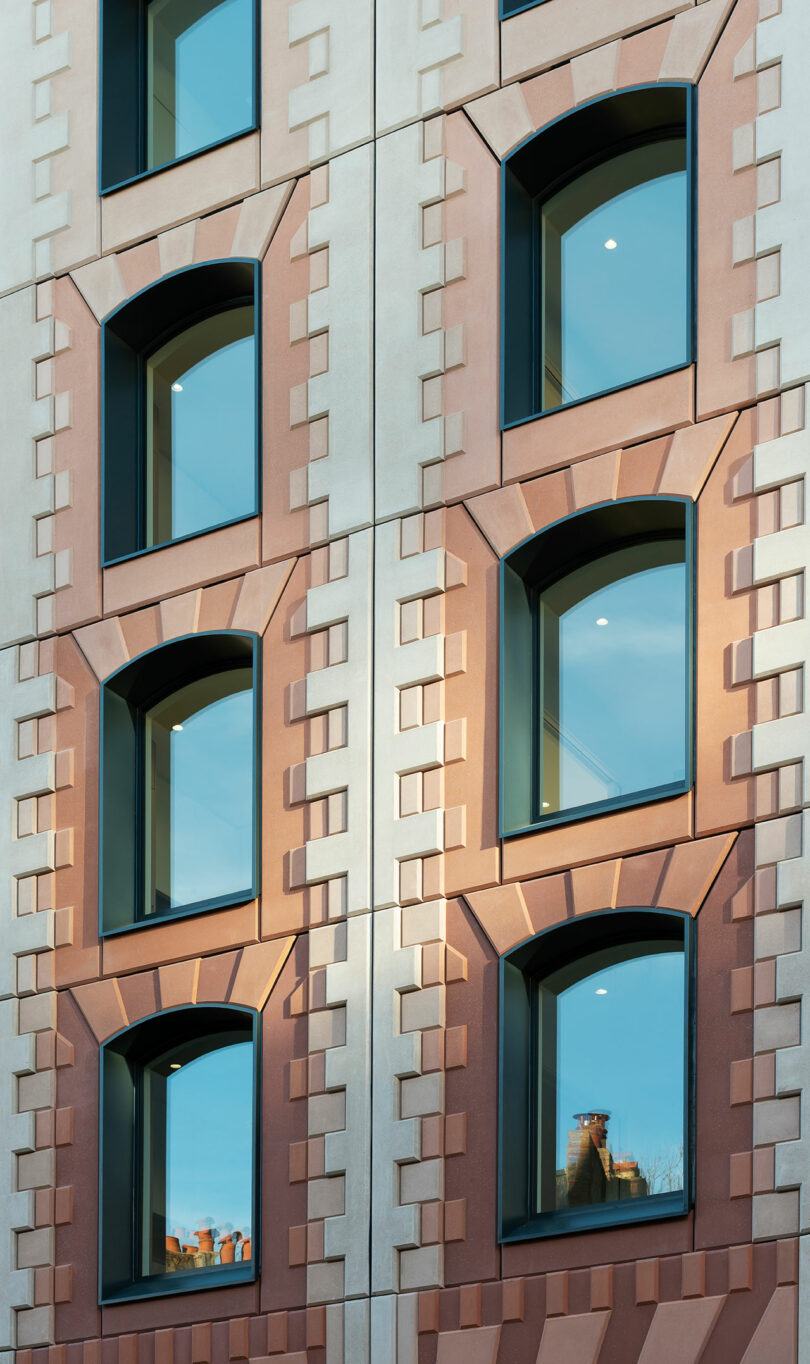
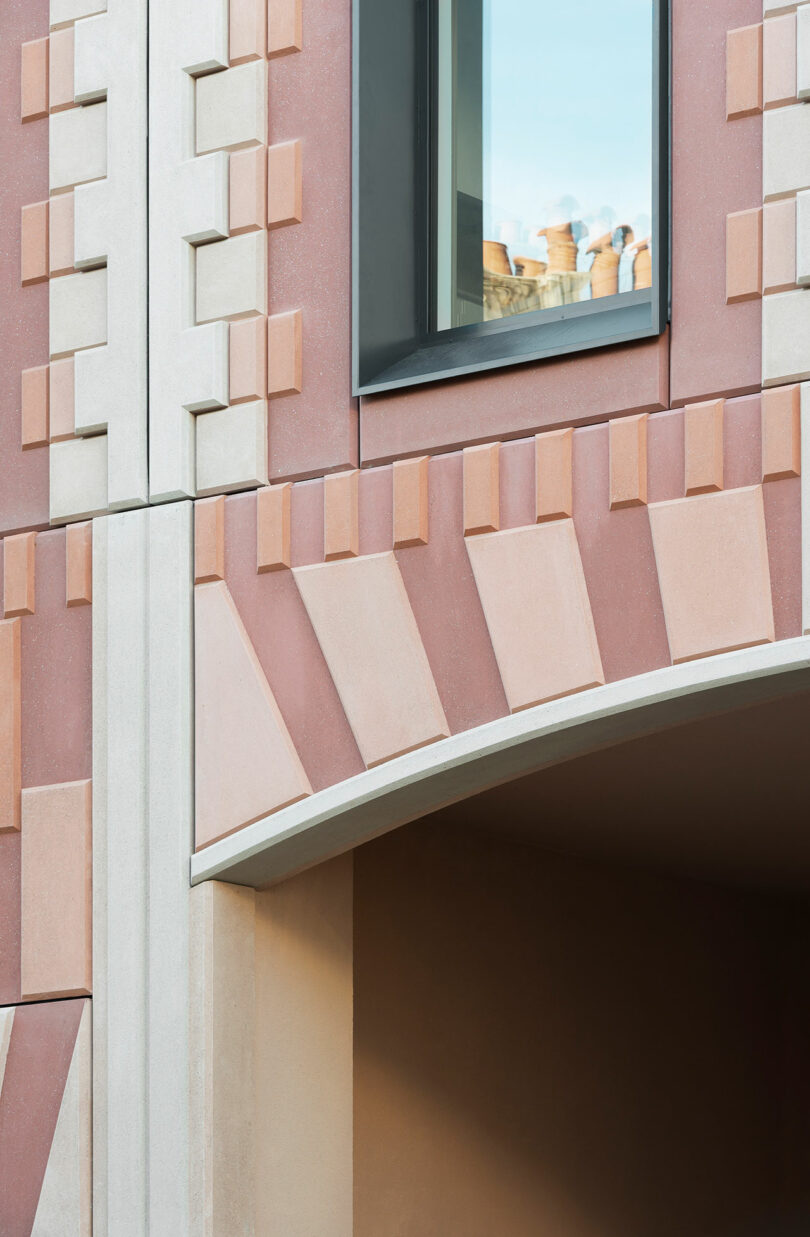
At the heart of the play is an essentially literal interpretation of its name. Rather than being discarded, the existing brick facade consists of crushed and embedded aggregates within a new glass-reinforced concrete cladding system. The result is a textured, rustic surface that literally incorporates the building’s past life into its current form. It is, by all accounts, a record of the time, full of adoration.
This gesture works across multiple registers. Environmentally, it significantly reduces construction waste and preserves embodied carbon – an increasingly critical metric in assessing a building’s true footprint. Conceptually, it turns demolition from an endpoint into a beginning, folding the act of destruction into a circular narrative of renewal. As the architects note, there is “something beautiful about enclosing the past life of the space in the new building.”
Beauty, here, is no accident. Bureau de Change’s methodology resists the idea that sustainability should be aesthetic repentance. Instead, limitation becomes a catalyst for invention. The crushed aggregate brick produces a richly varied surface, its gradients and irregularities enhancing depth and shadow. And as cities are increasingly defined by flatness—both literal and experiential—this commitment to texture reads subversively.

“Tactility is so important in new buildings,” explains the studio. “We are surrounded by more and more bland buildings that make our experience of the city less and less rich.” Their answer is architectural seduction: facades that invite a second glance, then a third. surfaces that encourage passers-by to slow down, look up, reach out and touch. It is a quiet rebellion against the frictionless roller of modern life.

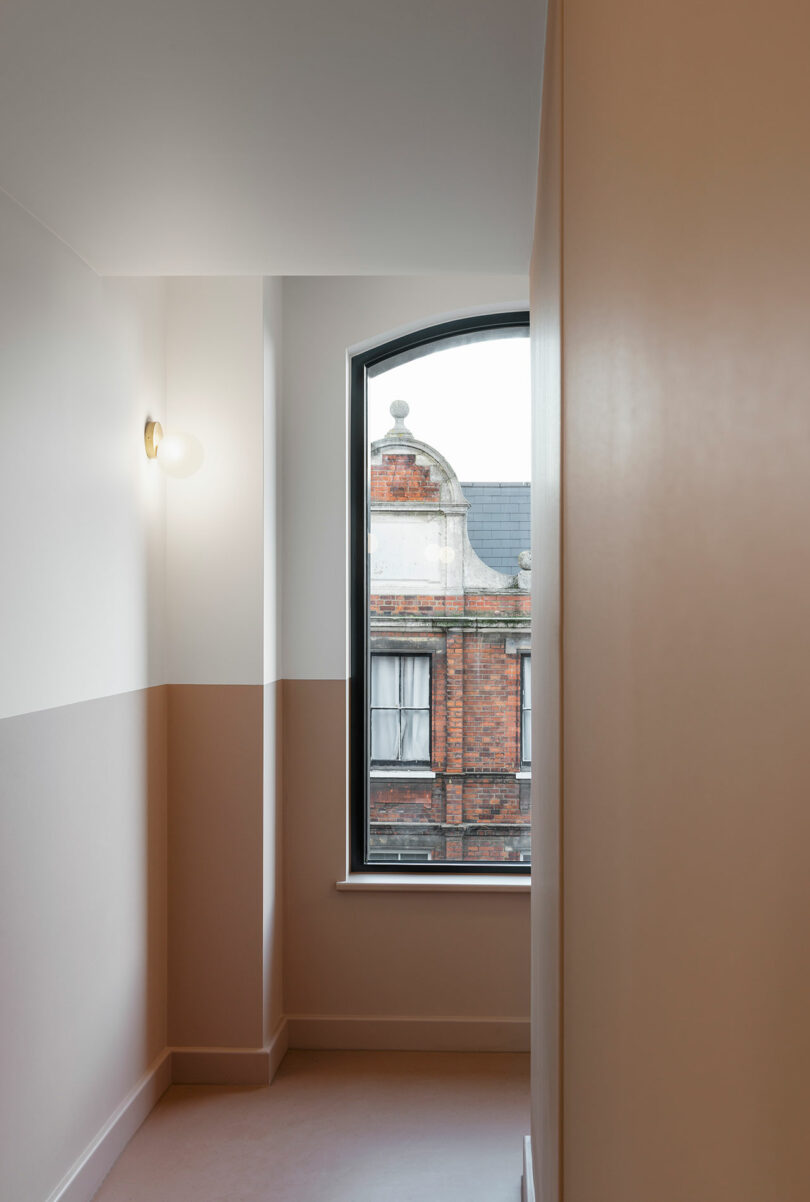
The same ethos extends to the official language of the building. Drawing from the surrounding environment – Georgian terraces, the ghost of Euston Station and the multi-layered urban fabric of Tolmer’s Square – the facade reinterprets traditional arches and proportions through a contemporary lens. Openings are organized within a disciplined grid, their sectional forms stretched and scaled to accommodate larger windows, increased daylight and cross ventilation.
The story becomes less of a reference point and more of a working material, as it should be.
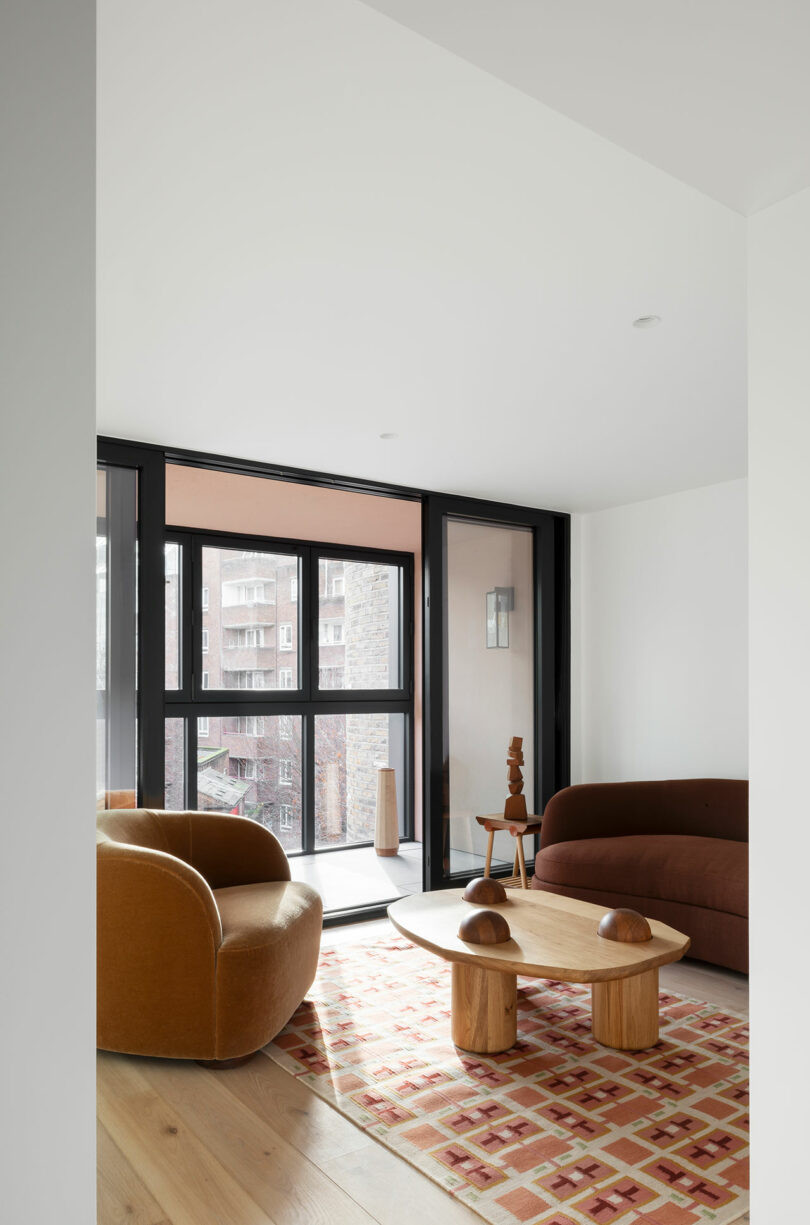
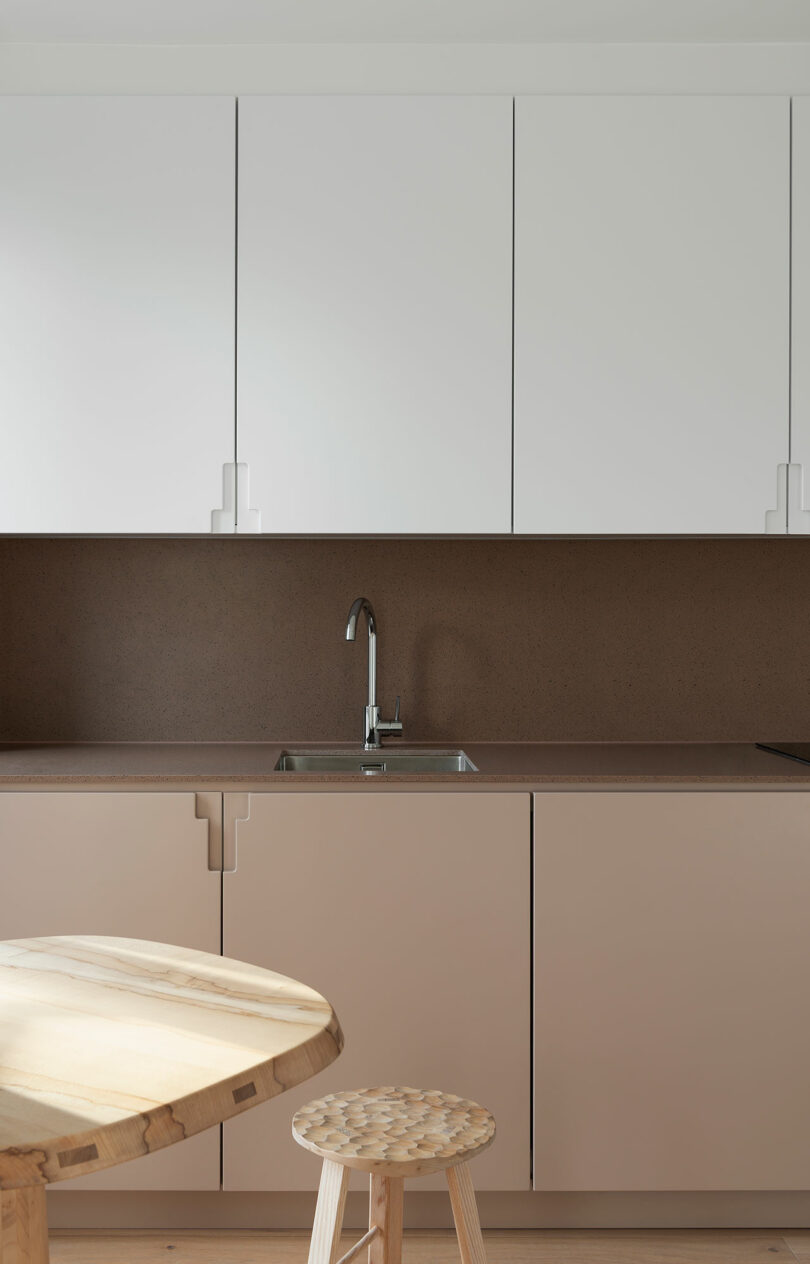
The interiors follow suit. The apartments are arranged in stepped, double-sided layouts that subtly demarcate the kitchen, dining and living areas without resorting to partitions. It is a spatial strategy that privileges light, air and adaptability. Winter gardens extend this logic further, occupying this ambiguous area between inside and outside, offering residents a protective boundary against both density and isolation.
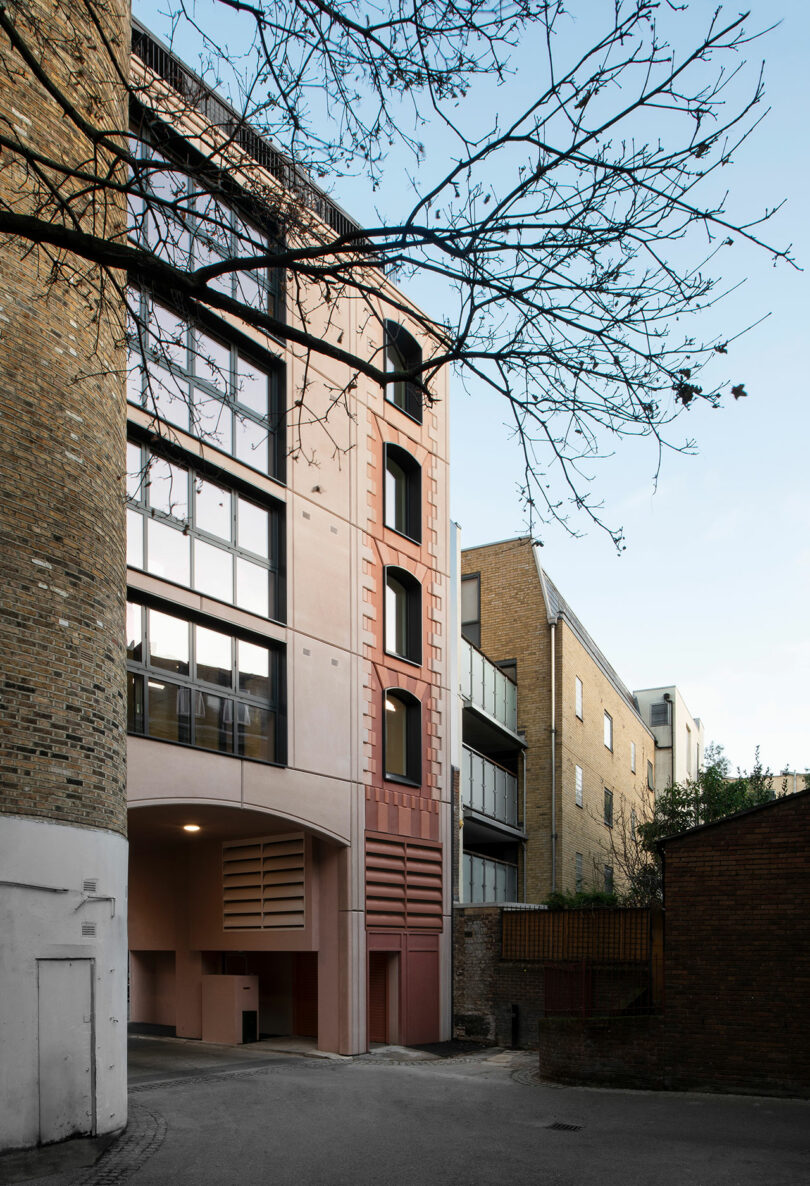
The Bureau de Change describes their process as an excavation: “We approached this project as archaeologists more than anything else.” Rather than imposing a single vision, architects sift through layers of history—Georgian aspirations, postwar decline, late 20th-century redevelopment—assembling a narrative that acknowledges what was while speculating about what could be.
This approach redefines the role of the architect altogether. No longer just a designer of new forms, but a curator of existing ones – and above all, a manager of accumulated meaning. It’s a position that feels both humbling and more radical, particularly in an industry still in love with the spectacle.
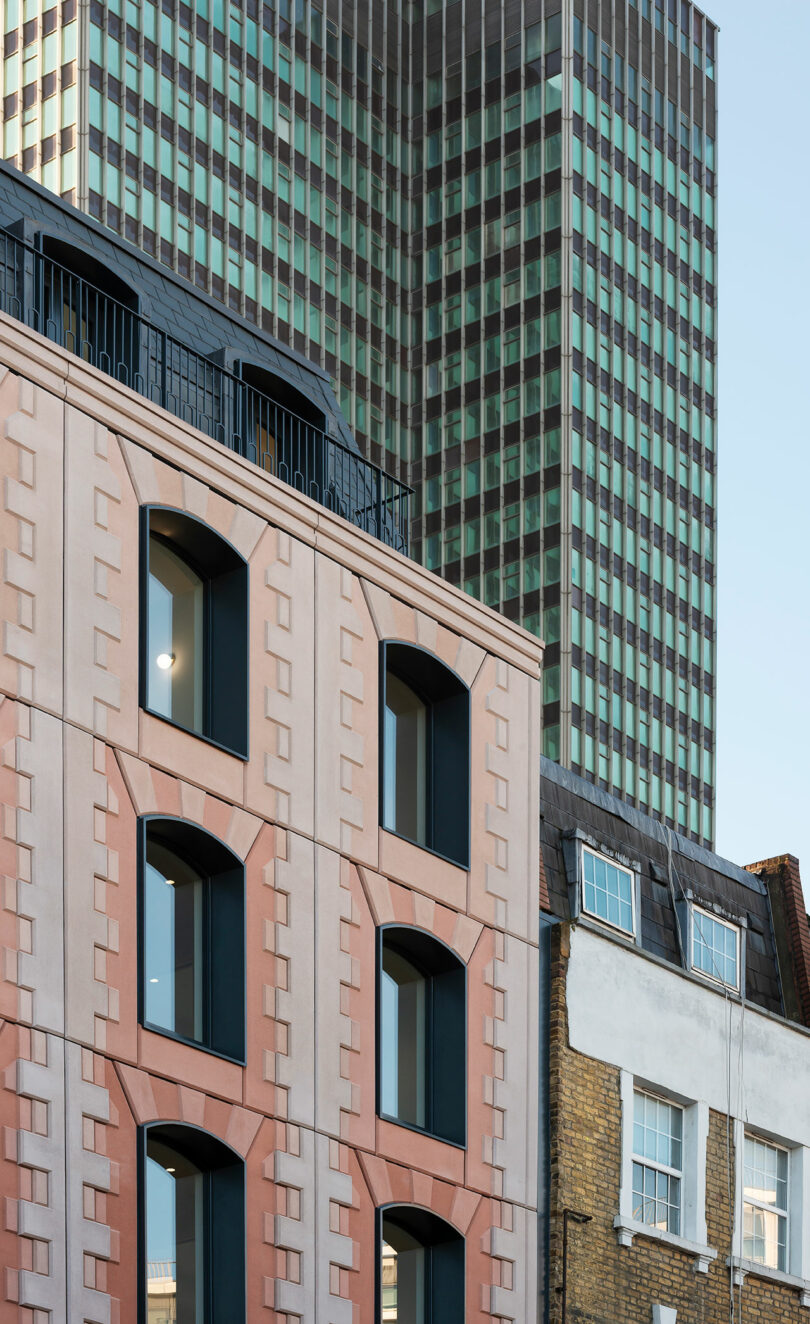
However, there is nothing cowardly about Trace. Perhaps the most quietly challenging aspect of the project is its scalability. Placed within the wider ambitions of the Euston Area Plan, the structure shows how small-scale interventions can have a big impact. In dense urban environments, these liminal sites—often overlooked in favor of grand regulatory plans—offer fertile ground for experimentation. In many ways, they offer the ideal testing grounds for a more circular, materially conscious architecture.
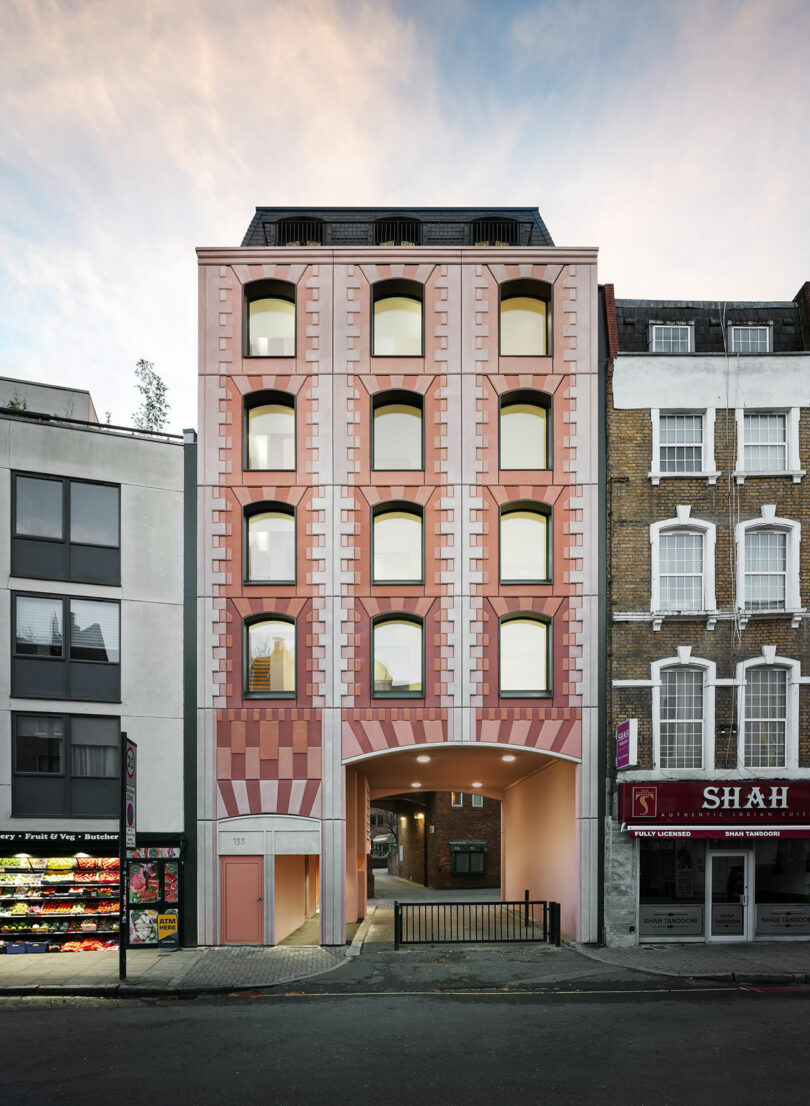
In an age defined by both environmental urgency and cultural amnesia, adaptive reuse is proving to be the most progressive move of all.
To learn more about the company’s ingenuity and ethos, or to view its portfolio, visit b-de-c.com.
Photo by Gilbert McCarragher..