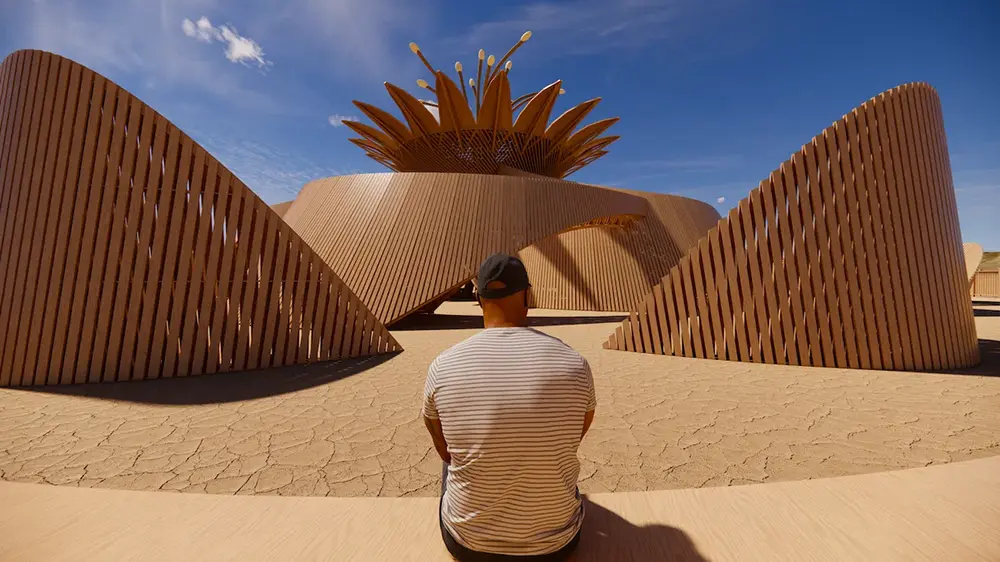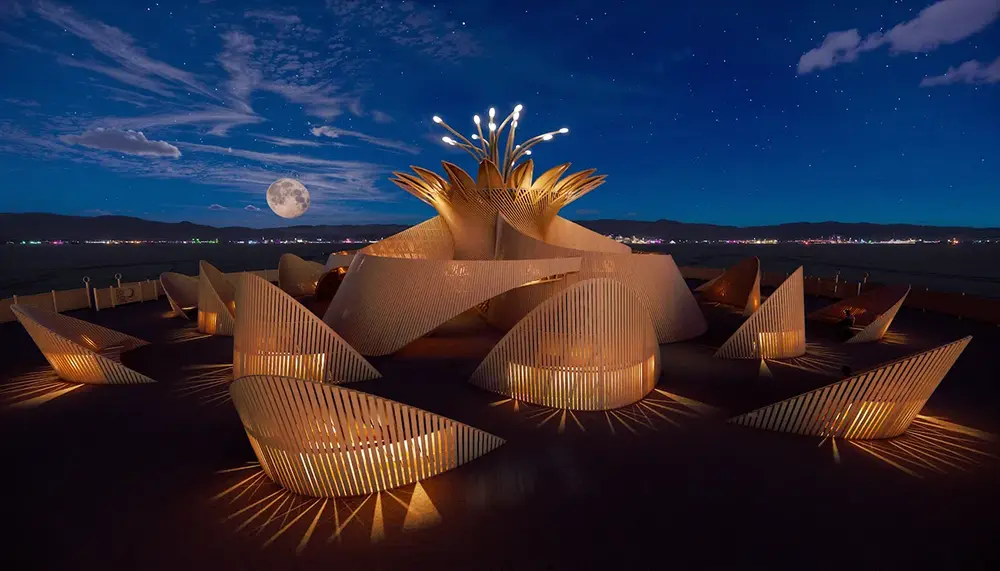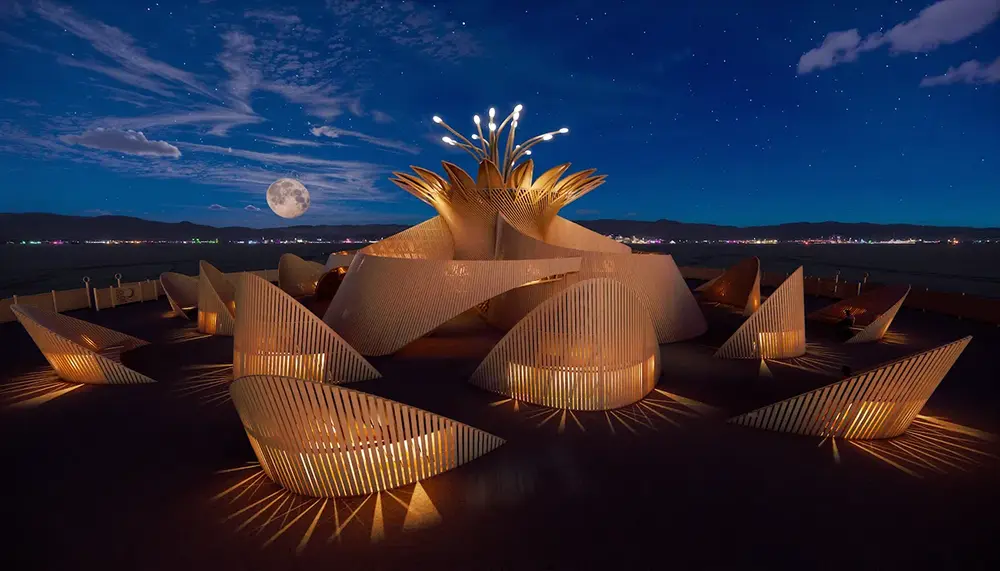

The legendary Burning Man 2026 is a temporary city that breathes and disappears just as quickly. For architects, it poses a poetic challenge: how do you give deep meaning to something designed to be dismantled? This year, designer James Guertzman responds with Temple of the Moon—a stunning fusion of parametric design and raw emotion.
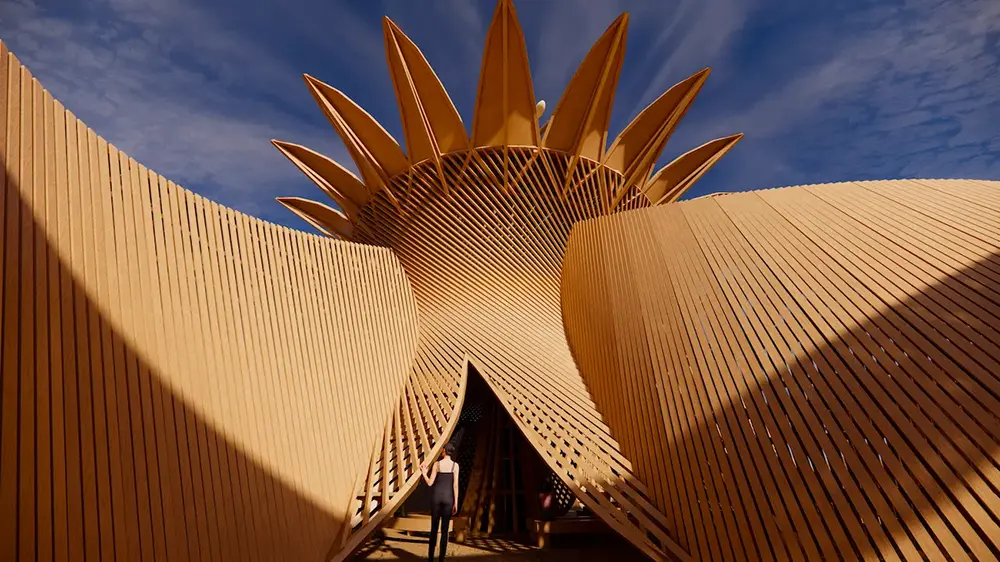
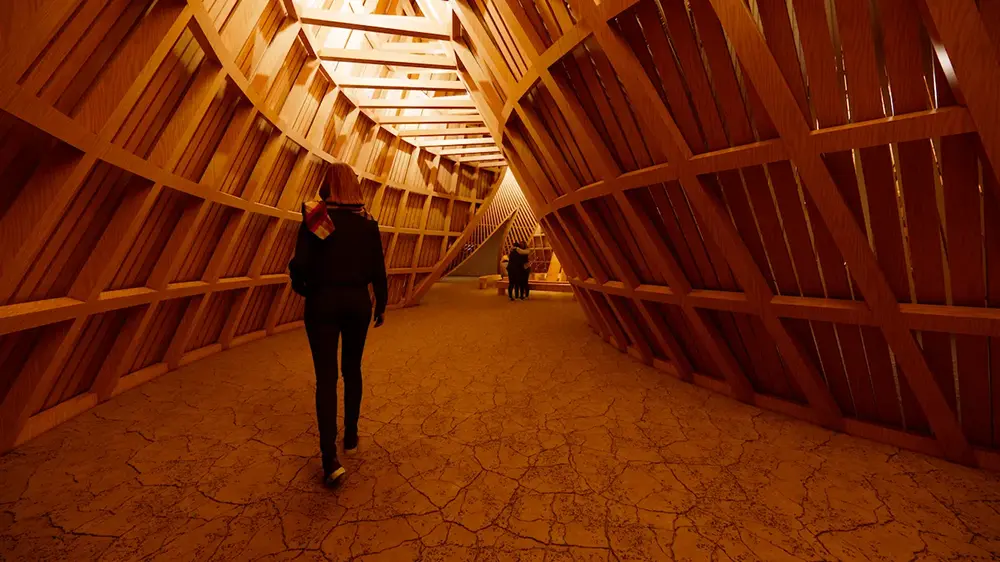
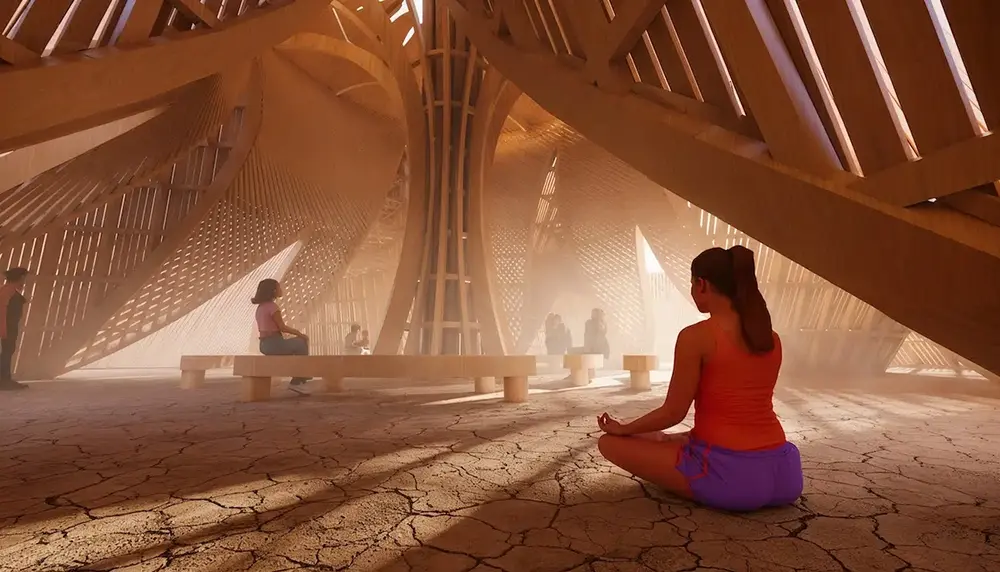
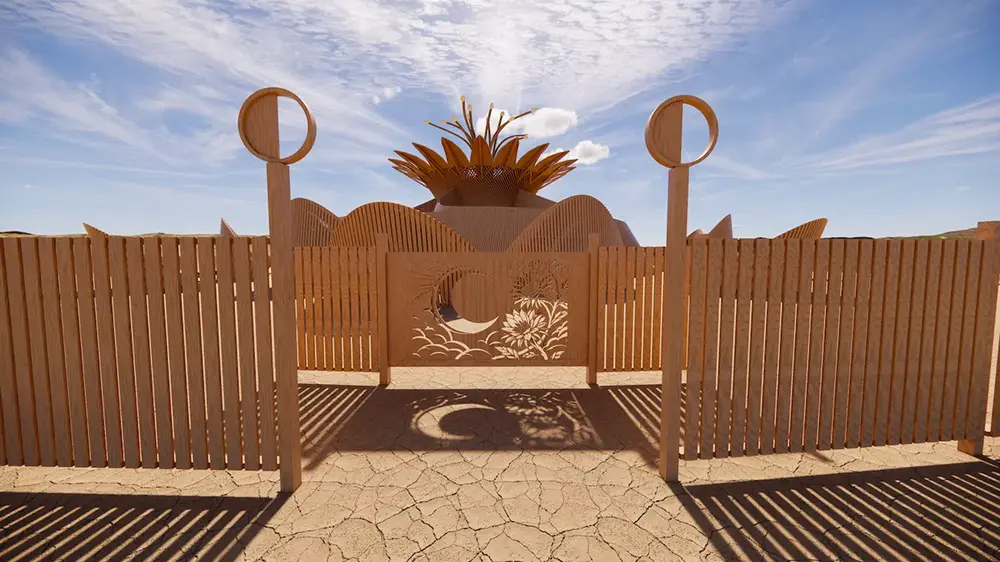
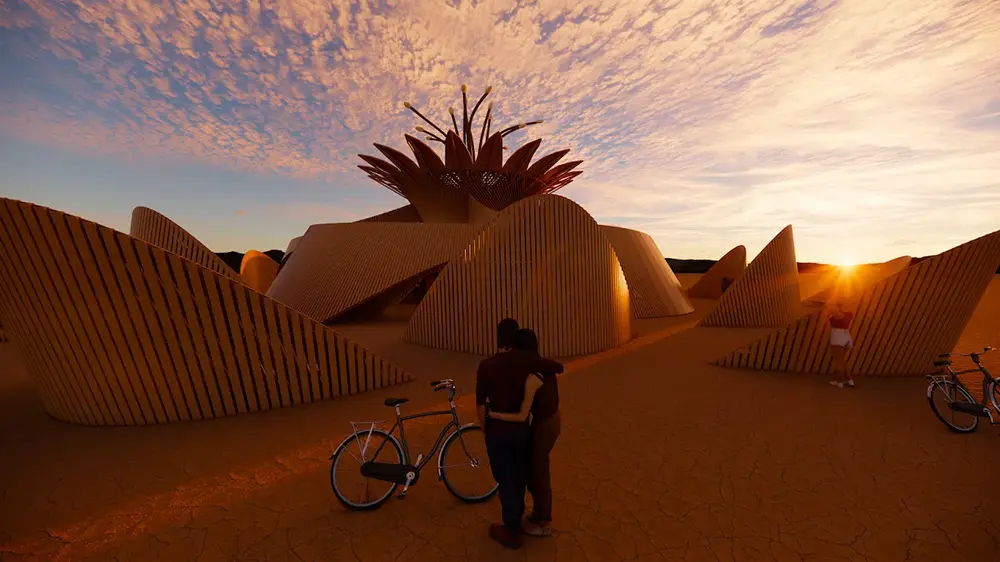
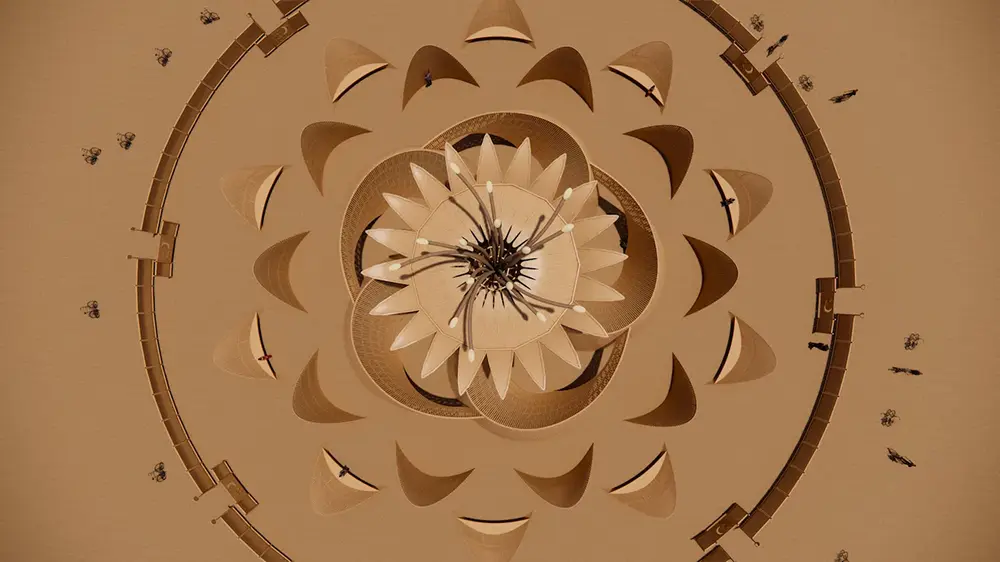
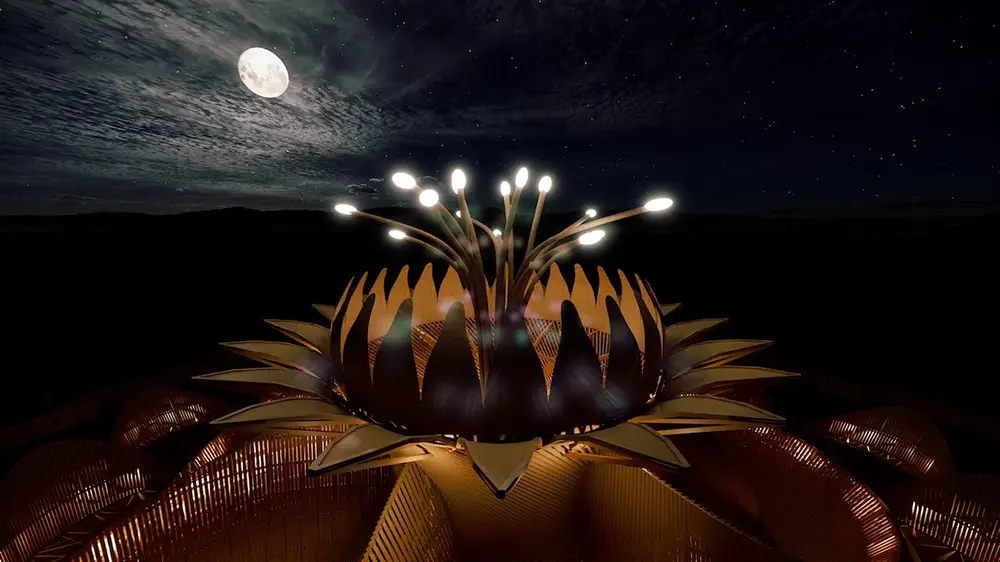
Inspired by the Queen of the Night, a rare cactus flower that only blooms for one night, the structure’s radial design mimics a short, beautiful life cycle. Using parametric modeling, Gwertzman transforms straight timbers into sweeping arcs that look like unfolded petals. Rather than an enclosed box, the Temple of the Moon filters the movement, light and sound of the desert, taking you from the open sand to a quiet, focused interior.
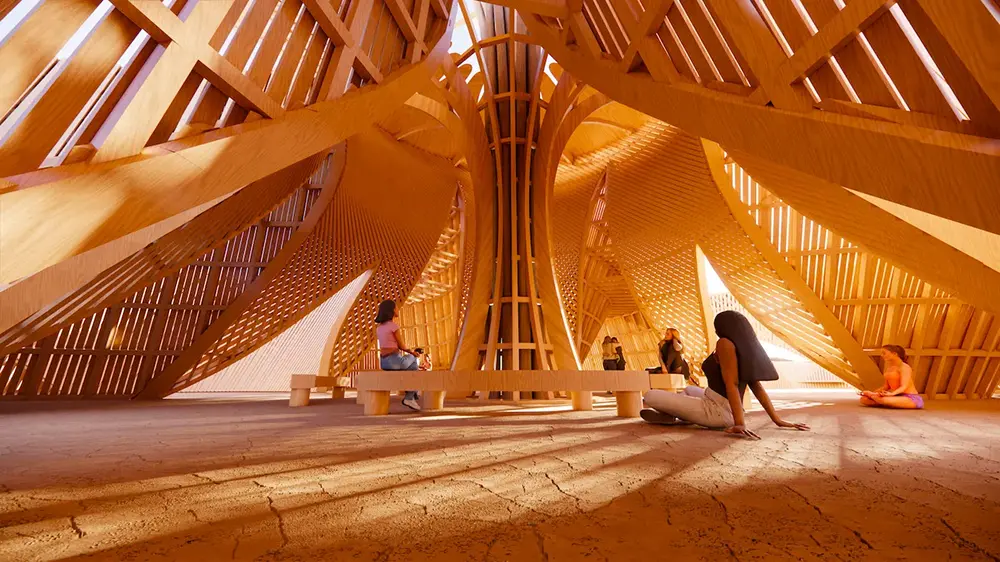
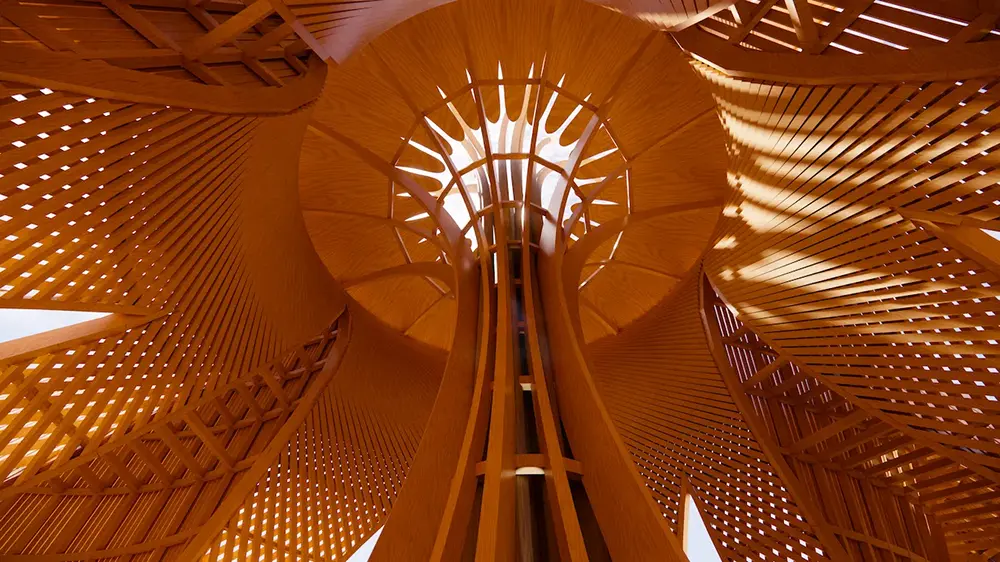
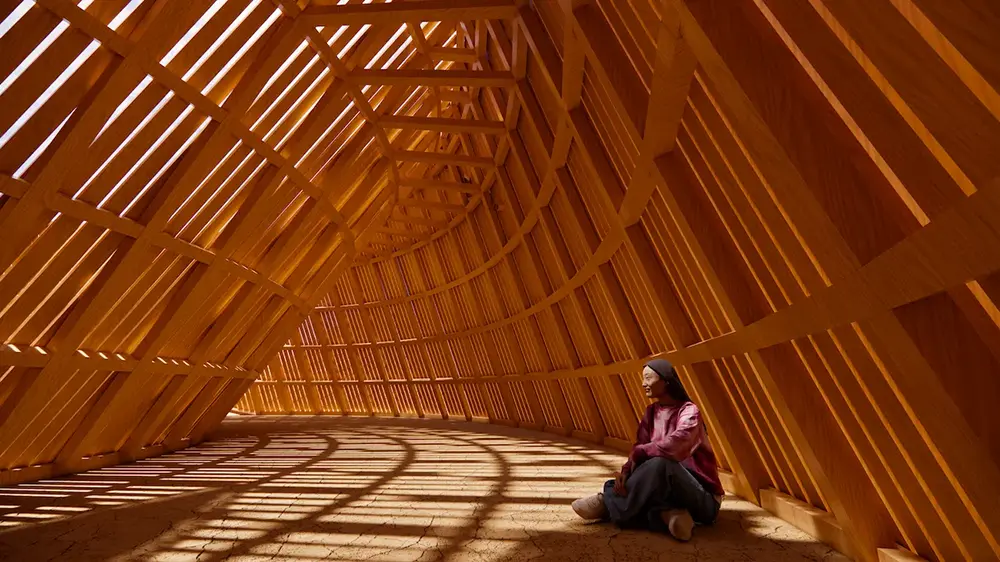
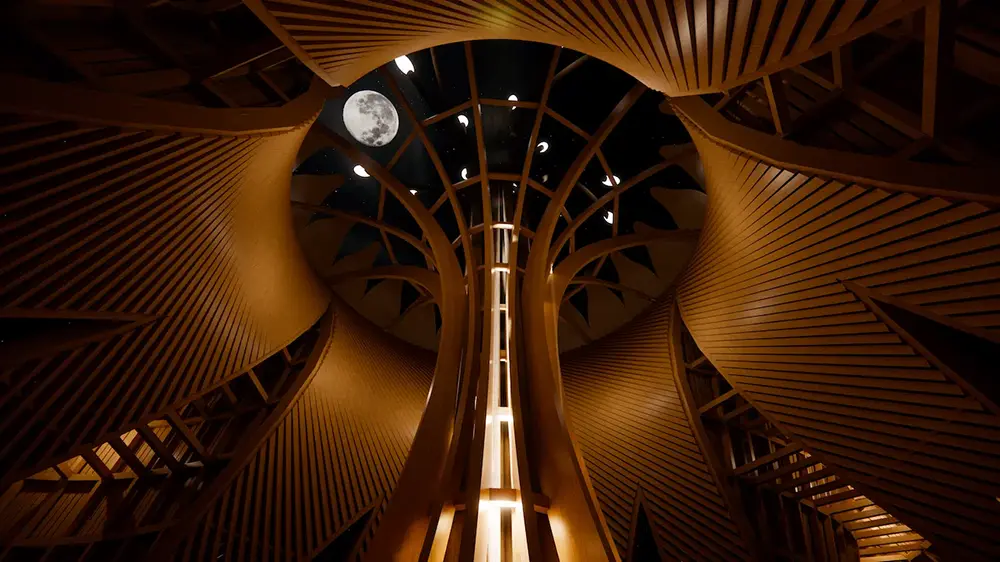
The atmosphere is entirely dictated by the sky. During the day, the petal openings capture the moving sun, while the evening brings moonlight and starlight into the central chamber. At sunrise, shadows dance across the wood, reshaping the room every minute.
As the week of Burning Man 2026 progresses, participants transform the site into a living archive, leaving behind photographs and memorials. At this point, the design ceases to belong to the architect and begins to belong to the community. When the temple finally burns, the natural wood is gone, but its emotional impact remains. It’s a powerful reminder that the most meaningful experiences are often those framed by time, light and a shared human spirit.