
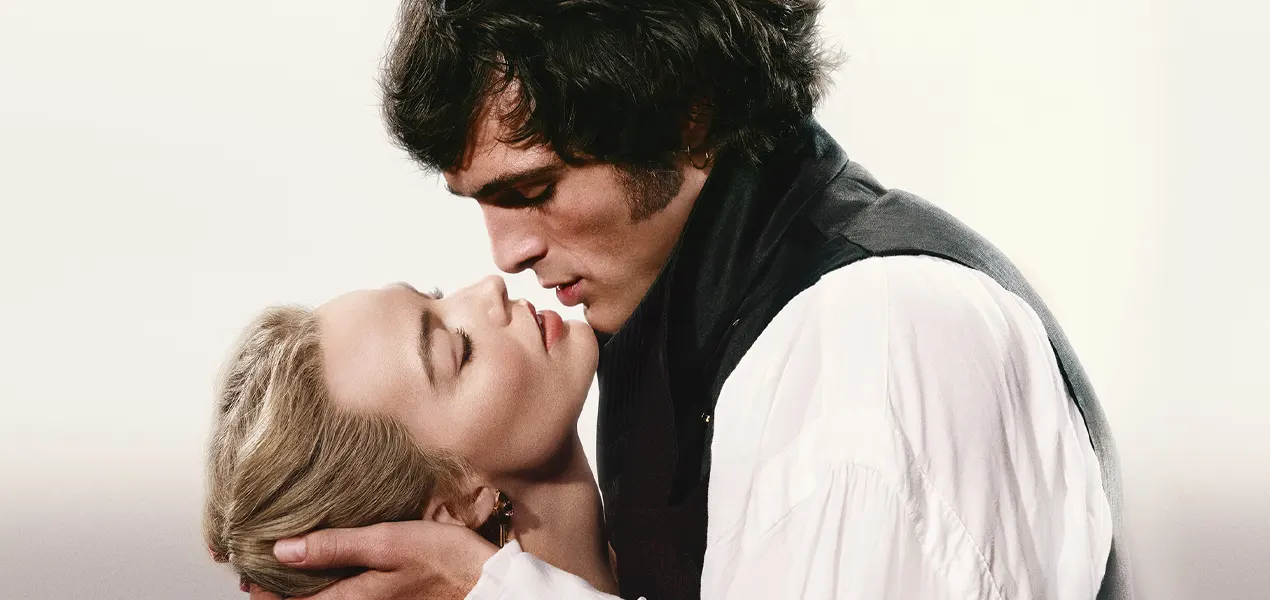

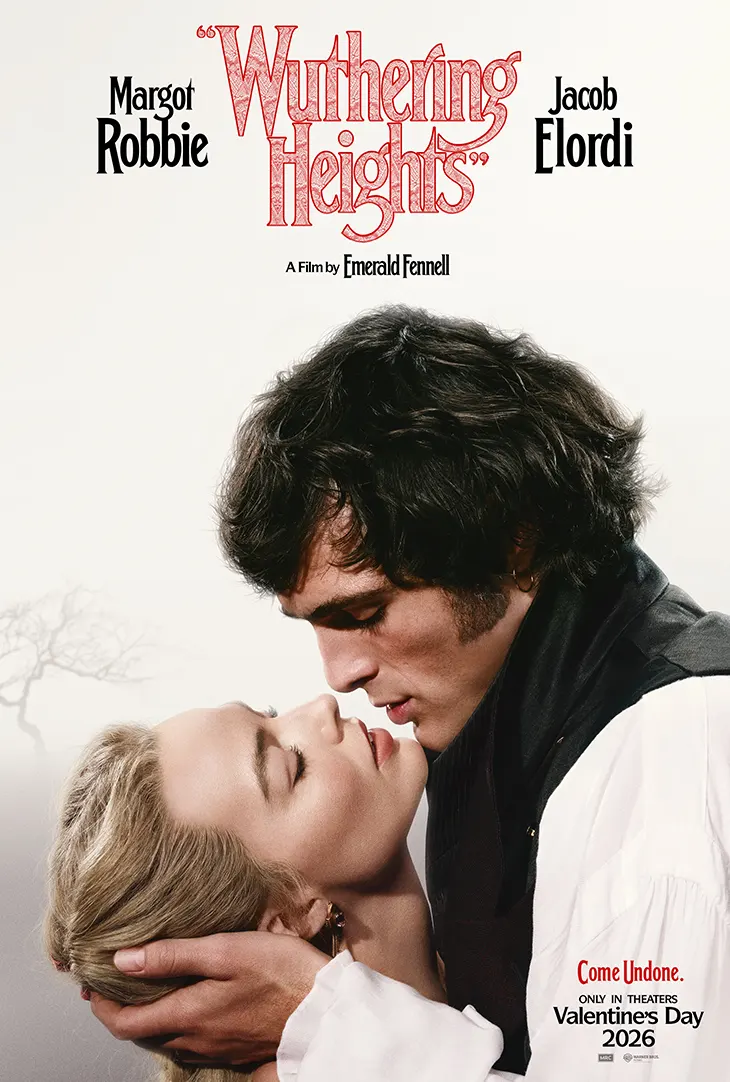
There’s something exciting about watching a movie that the internet has already decided to hate. Until Emerald Fennel‘small “Wuthering Heights” hit theaters, the animosity had been building for nearly two years. The reactions started the moment the project was announced, intensified when Margot Robbie and Jacob Ellord They were cast as Catherine and Heathcliff and exploded when the trailer hit the internet.
Critics attacked everything: the casting, the costumes, the accents, the soundtrack, the wedding dress, the romantic tone. Even the title was controversial. Not Wuthering Heights, but “Wuthering Heights”, quotation marks are included, as if to emphasize that this edition belongs to Fennell and not Emily Brontë. The hostility was relentless.
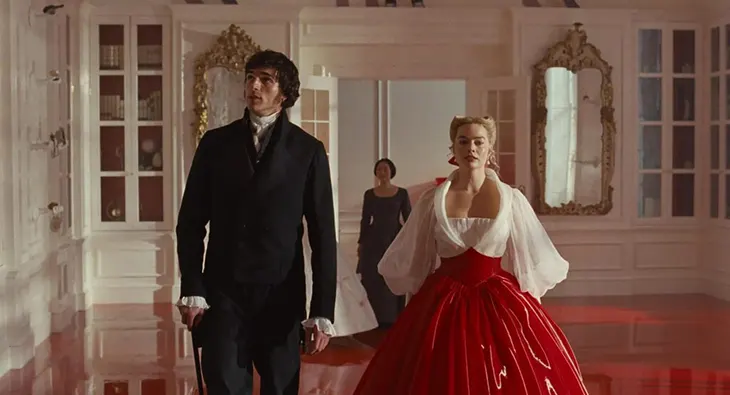
But when I went to see it at the cinema with a friend, the experience was strangely different from the online narrative. Two women sat next to us and spent most of the movie whispering their frustration. Each scene sparked a comparison. It doesn’t happen like that in the book. The 1992 version did it better. This is not true. It was like sitting next to two curators guarding a literary monument. And yet, on screen, the film did something far less formal. It was fun.
There’s something exciting about watching a movie that the internet has already decided to hate.
This seems to be missing from the discussion surrounding ‘Wuthering Heights’. The film does not pretend to be a definitive interpretation of Emily Brontë’s novel. It’s closer to a flamboyant, chaotic remix. The quotation marks around the title signal just that: this is a Wuthering Heights, not Wuthering Heights. Margot Robbie and Jacob Elordi immediately push the story into a different cultural register. Their presence carries the energy of modern celebrity rather than Victorian literature. Catherine and Heathcliff stop behaving like sacred literary figures and start looking like unstable images from modern pop mythology.
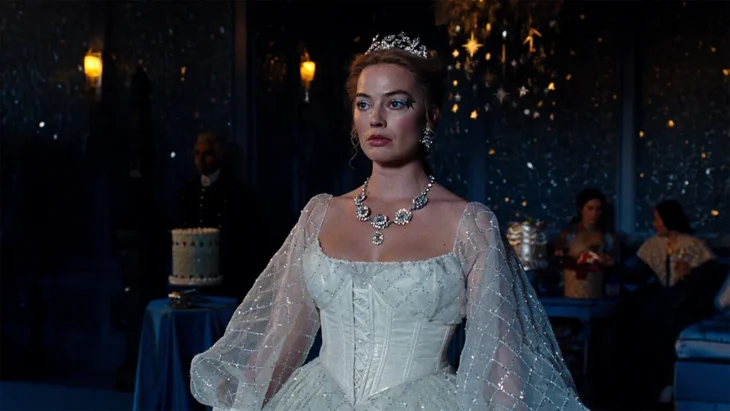
Catherine is especially transformed in this version. Margot Robbie’s performance is closer to a glamorous modern anti-hero than the tragic Victorian heroine that readers often imagine. Her Catherine feels impulsive, unpredictable, occasionally ridiculous and completely watchable. The same goes for the film’s aesthetic choices. The costumes have been mocked relentlessly online, especially Catherine’s wedding dress, which many critics have insisted looked out of place for decades. But that slightly anachronistic feeling is exactly what makes the film visually interesting. The clothes feel closer to sentimental styling than historical reconstruction. Catherine looks like she belongs both in the nineteenth century and in a fashion campaign.
This is a Wuthering Heights, not Wuthering Heights.
Then there’s the music. Few things enraged the internet more than the discovery that Charli XCX appears on the soundtrack. For purists, this was proof that the film had abandoned all historical integrity. But hearing contemporary music collide with Brontë’s universe actually produces something strangely effective. The emotional chaos of Wuthering Heights suddenly seems closer to contemporary pop melodrama than heritage cinema. Which, frankly, makes sense.
Emily Brontë’s novel is not kind. Catherine and Heathcliff behave like emotional weather systems. Their love story is obsessive, destructive, irrational and occasionally cruel. The polite, fog-shrouded prestige adjustments that preceded it often softened that violence. Fennell’s version leans towards this. Of course, the internet had already decided that the film represented some sort of cultural crime.
Some novels eventually become cultural property. Readers feel protective of them, as if adaptation were a form of violation.
Part of that backlash has more to do with Emerald Fennell than the film itself. From Promising Young Woman and Saltburn he became a director who provokes strong reactions. Her style is ostentatious, visually aggressive and gratuitously theatrical. For some critics, this sensibility is incompatible with the respect traditionally accorded to Brontë. But piety is exactly the problem.
— Emerald Fennell (@emeraldfennell) July 12, 2024
Some novels eventually become cultural property. Readers feel protective of them, as if adaptation were a form of violation. Wuthering Heights is one of those books that people come across in adolescence, during the most emotionally impactful phase of life. For many readers, Heathcliff becomes the prototype of toxic romantic obsession. History merges with their personal memory. Therefore, any reinterpretation looks like an attack on this memory. Which explains the furore surrounding “Wuthering Heights.” The debate has very little to do with whether the film works as cinema. It’s about whether a classic should be allowed to change.
Maybe the point of adjustment isn’t accuracy at all.
Watching the film in a packed theater makes that tension palpable. Some viewers clearly want a museum piece: misty suitcases, faithful costumes, tragic lovers speaking in literary tones. What Fennell offers is something messier, more stylized, occasionally outrageous. But it’s also fun. And that might be the most radical thing about it.
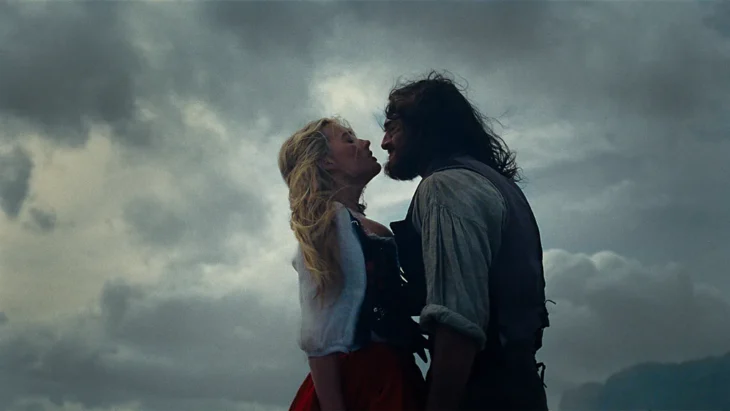
Cinema, after all, is supposed to be fun. The experience of watching “Wuthering Heights” in a theater, surrounded by skeptics, critics and murmuring fans, is strangely exhilarating. The film may not satisfy literary purists, but it moves, shocks, seduces and unnerves in equal measure. Which is probably closer to the spirit of Emily Brontë than endless reverence.
Cinema, after all, is supposed to be fun.
Because the novel itself was not polite Victorian entertainment. It was wild, obsessive and deeply strange. Catherine and Heathcliff behave like forces of nature, not characters designed to teach moral lessons. In this sense, the chaotic energy of “Wuthering Heights” seems strangely appropriate.
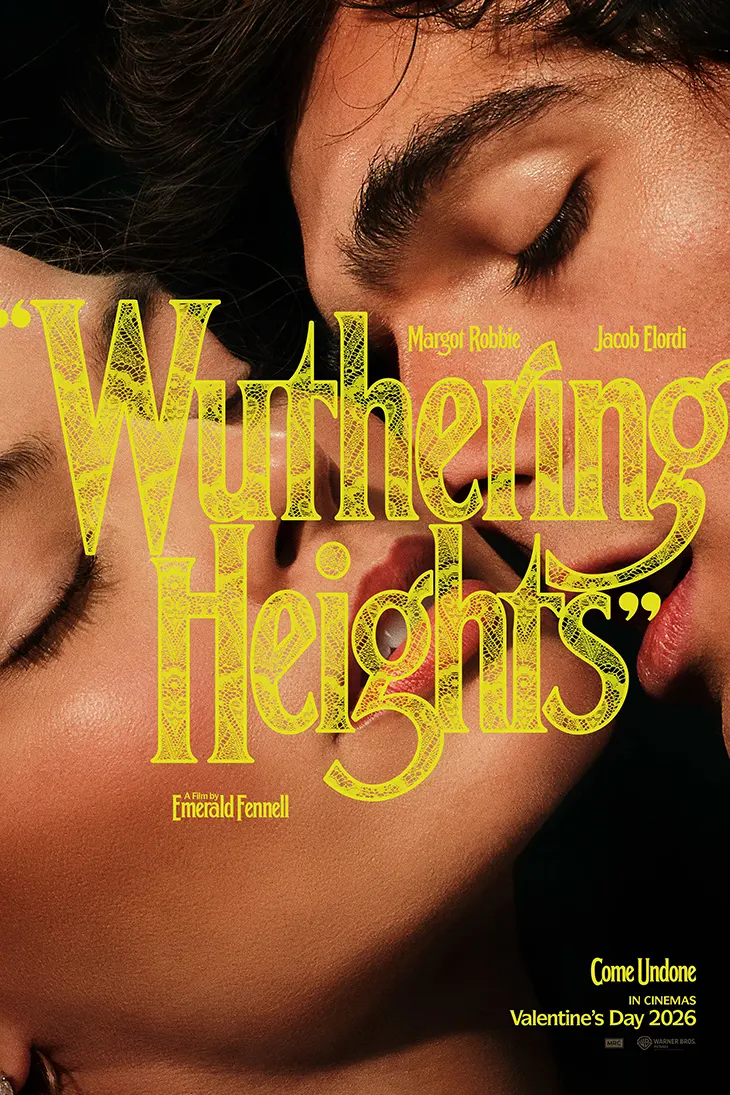
The internet can go on and on about casting, costumes, accents, and Charli XCX. The dialogue will probably last months. But inside a cinema, away from the commentary of social media, the film is revealed as something much simpler.
Not a holy text.
Just a loud, messy, visually stunning movie that’s actually a lot of fun to watch.



