


Painting your home in 2026 can cost a lot less than expected, as long as you know how to navigate the tax breaks available.
Although there is no bonus exclusively for painting, there are specific tools to recover a significant part of the costs incurred.
The main one is the restructuring bonus, governed by art. 16-bis of the TUIR, which allows interesting discounts both for those who work in their first residence and for those who have other properties. Understanding when and how the painting falls within this perimeter is fundamental: making a mistake in a bureaucratic step or not categorizing the work correctly could mean you lose your right to compensation entirely.
When painting gives the right to a tax deduction
Not all paint layers are created equal in the eyes of the IRS. If you decide to whitewash the walls of your apartment as an individual intervention, the Revenue Service classifies the operation as simple routine maintenance: no reservations, no refunds. The picture changes radically, however, in two very specific scenarios.
The first concerns the common areas of the condominium: stairs, entrance halls, shared facades also benefit from the discount for routine maintenance work, unlike private units. The second scenario is that of integrated interventions: if the painting is part of a larger project such as the renovation of the facade with thermal insulation, the modification of the internal distribution, the restoration of worn plaster or work on the systems, then the expenditure on painting is integrated into the main intervention and becomes fully deductible.
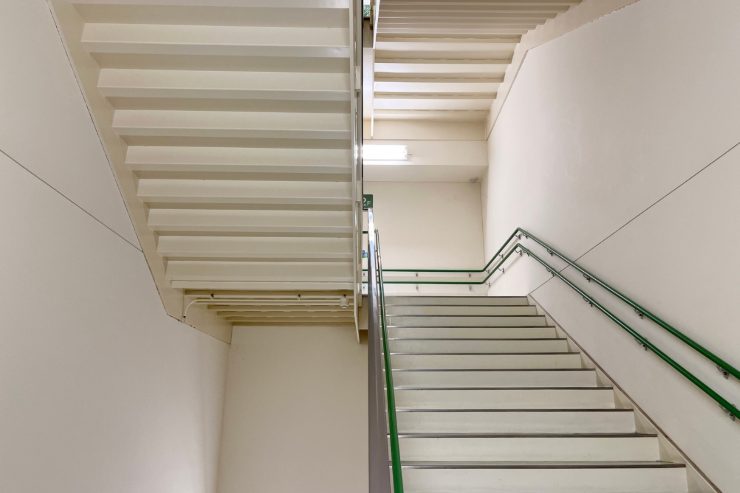
Planning the project in an organic way, inserting the table into a structured project, is therefore the most effective strategy to not lose a single euro from the discount.
Rates, caps and mandatory obligations in 2026
The 2026 budget law confirmed the already known rates: 50% discount for interventions on the main residence and 36% for all other types of propertyincluding secondary residences and non-residential properties, with a maximum expenditure limit of €96,000 per property unit. The collection is made in ten annual equal installments on the tax return: with a spend of 10,000 euros, those who have access to the 50% rate will be refunded 500 euros every year for a decade.
It is worth remembering that the Facade Bonus is definitively out of the game from 2023, so today the only regulatory reference for facade interventions is the Renovation Bonus or, in cases of energy efficiency improvements, the Ecobonus. At the bureaucratic level, it is mandatory to pay by bank transfer with a special justification, to respect the invoices issued to the applicant and to indicate the cadastral data of the property in the declaration.
Credit transfer and invoice discount are no longer accessible for routine interventions: in 2026 direct discount is the only viable option and meeting every formality from the beginning is necessary to avoid wasting savings.



