
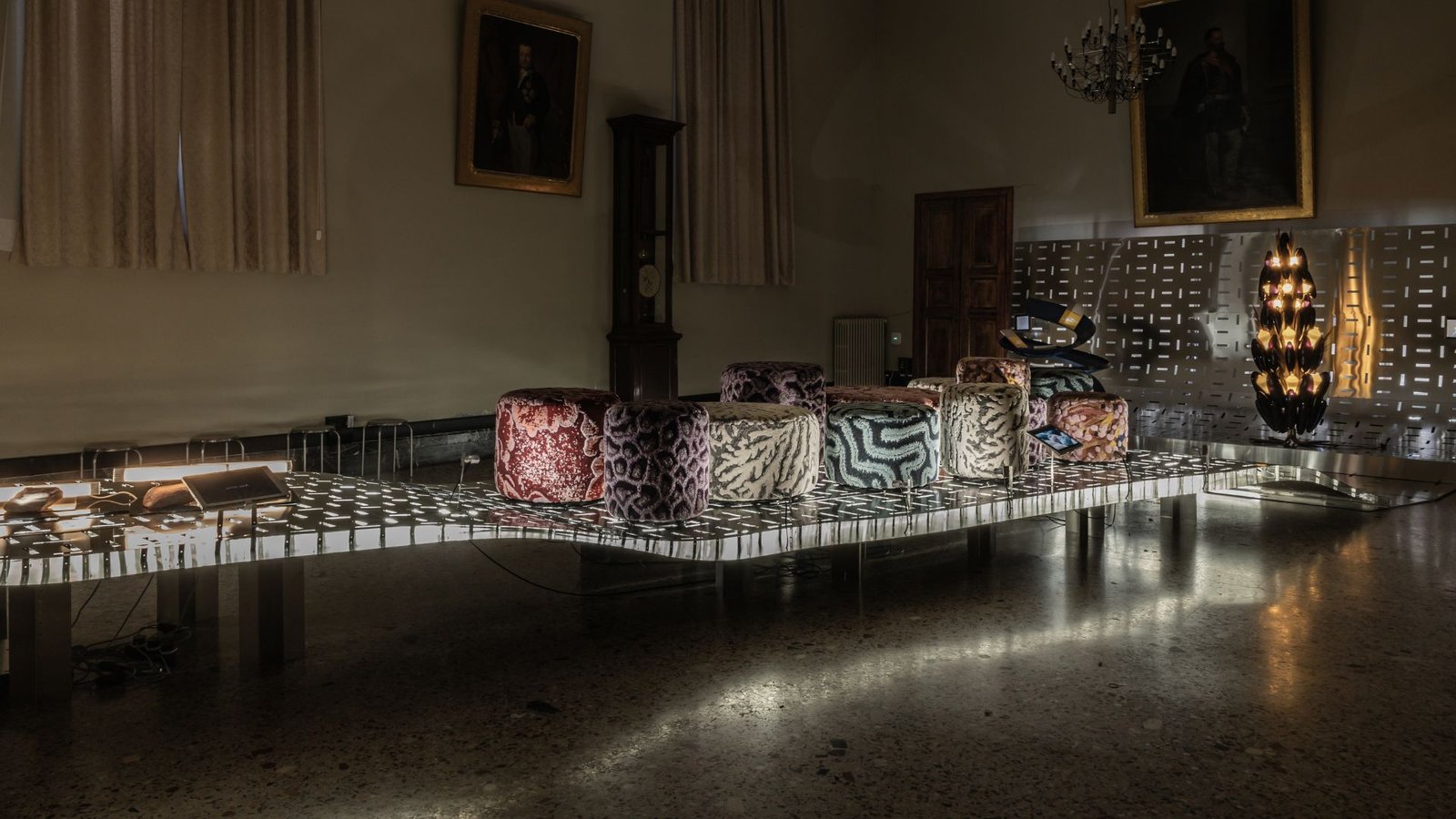

Five Saudi designers, three international collaborations, a room at the Pinacoteca di Brera during a week where every yard in Milan becomes a statement of intent. “How can we bridge the gap for Saudi designers to reach the world?” – that was the question Sami YamaniCurator and Creative Director, started by. What Jusoor Design Collections Offers are harder to come by than an answer – not a set identity, but the process of taking form.
Jusoor means bridges in Arabic. But the most interesting bridges are those that span incredible distances, more than those that connect points that were already close. Riyadh, New Delhi, Kathmandu, Barcelona: the geographies of this exhibition say something before you even look at the objects.
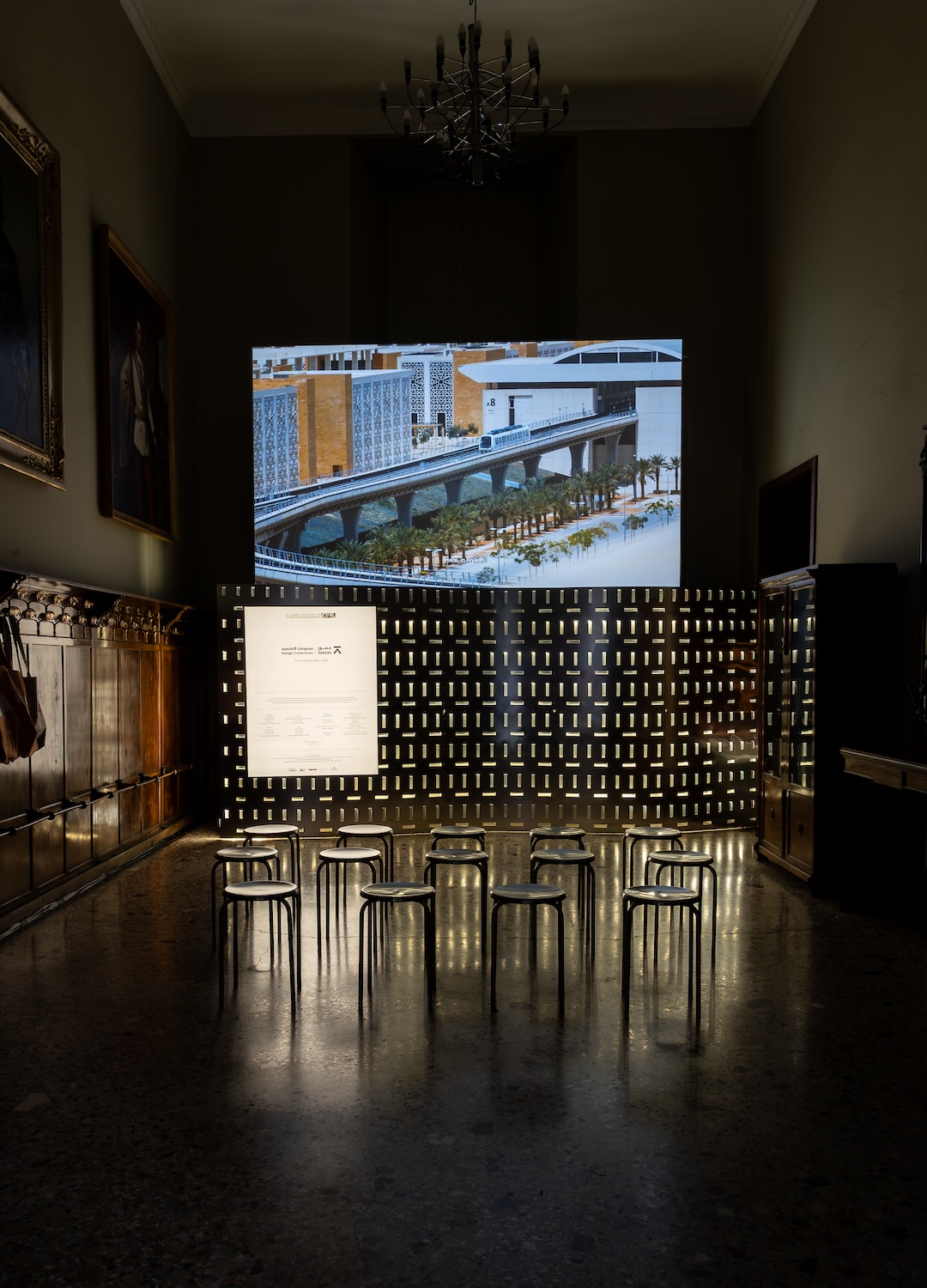
Jusoor Design Collections exhibition at Milan Design Week 2026 © Architecture & Design Commission
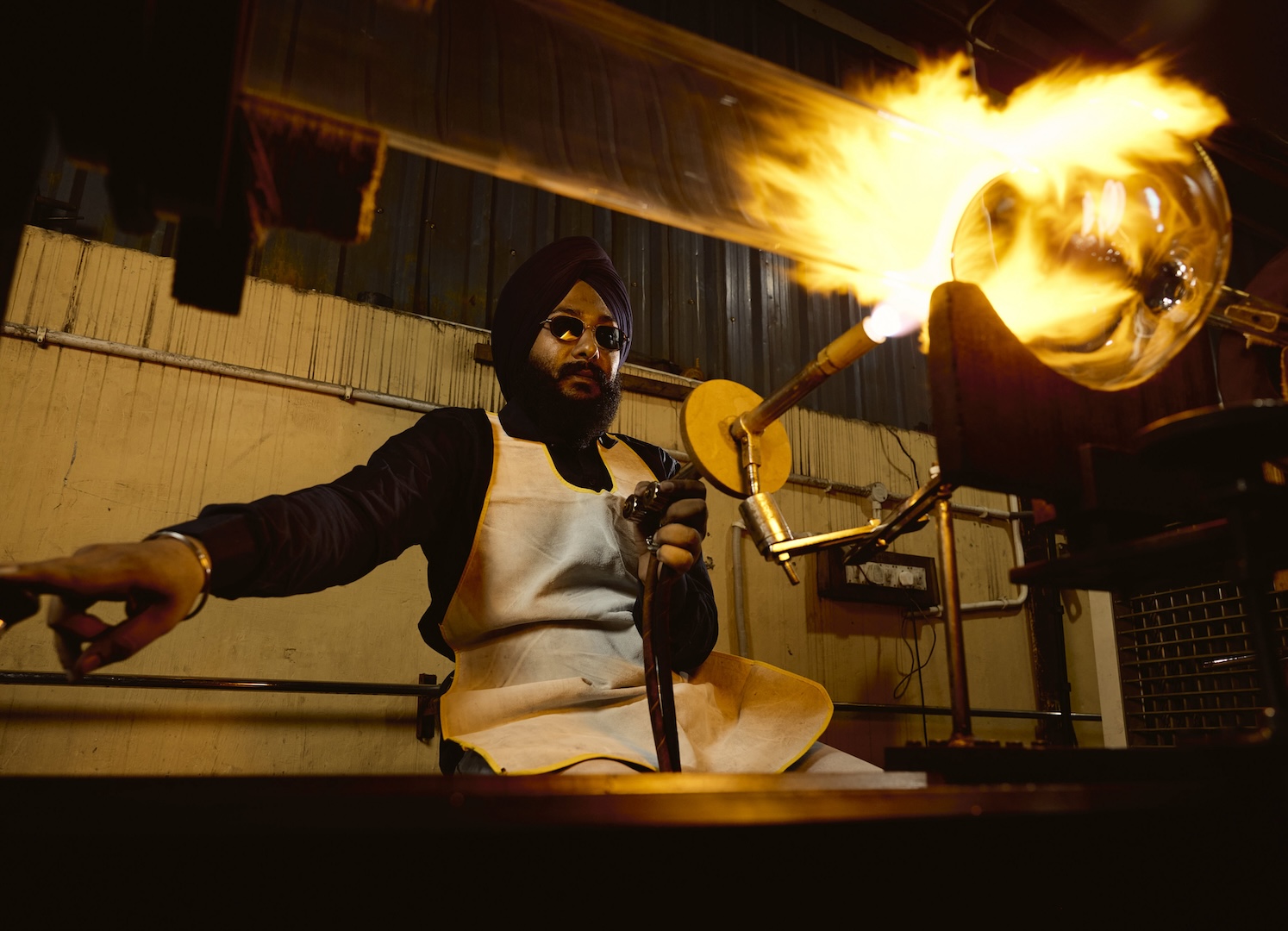
India, Worker’s Factory © Architecture & Design Commission
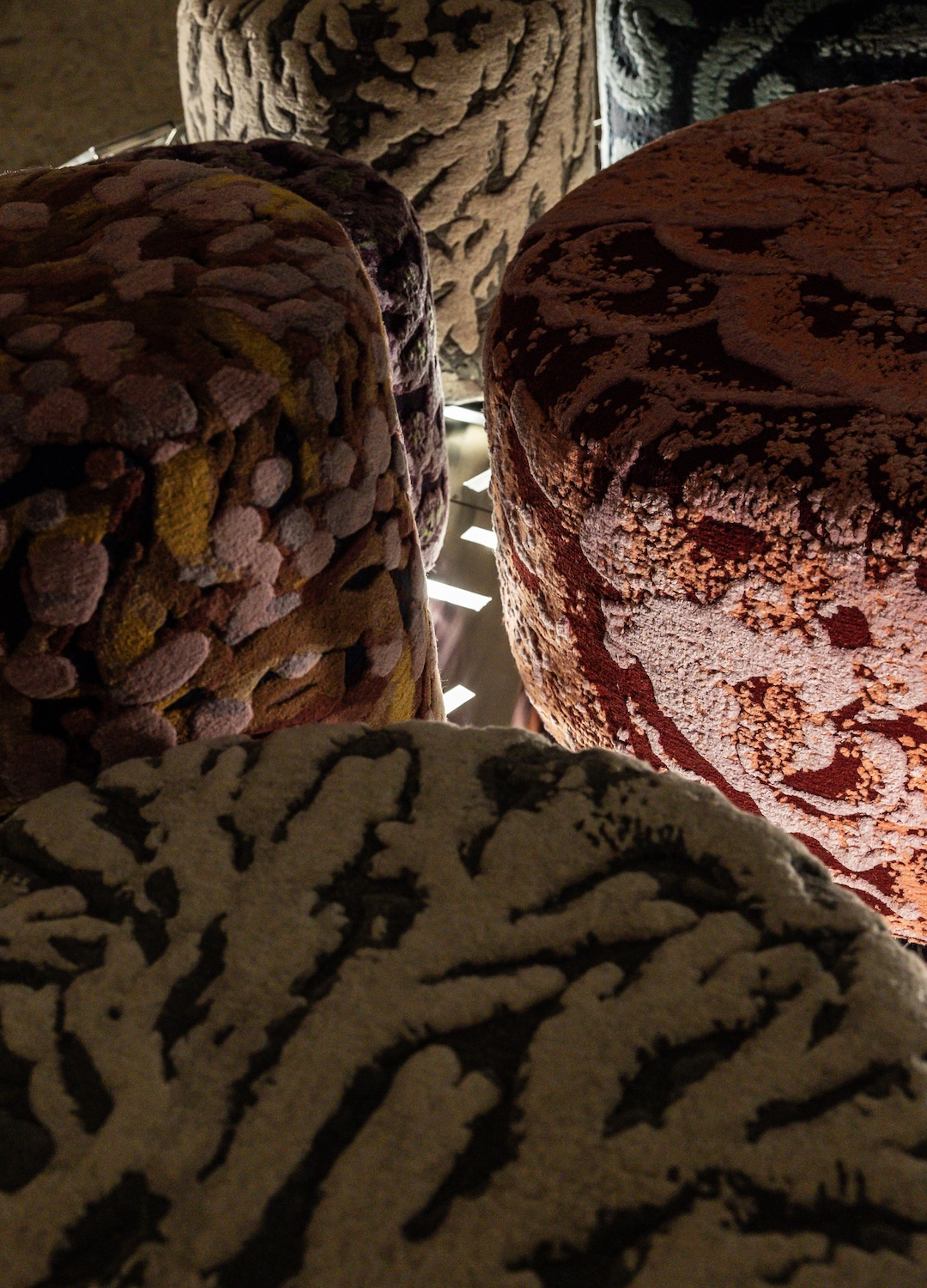
Jusoor Design Collections exhibition at Milan Design Week 2026 © Architecture & Design Commission
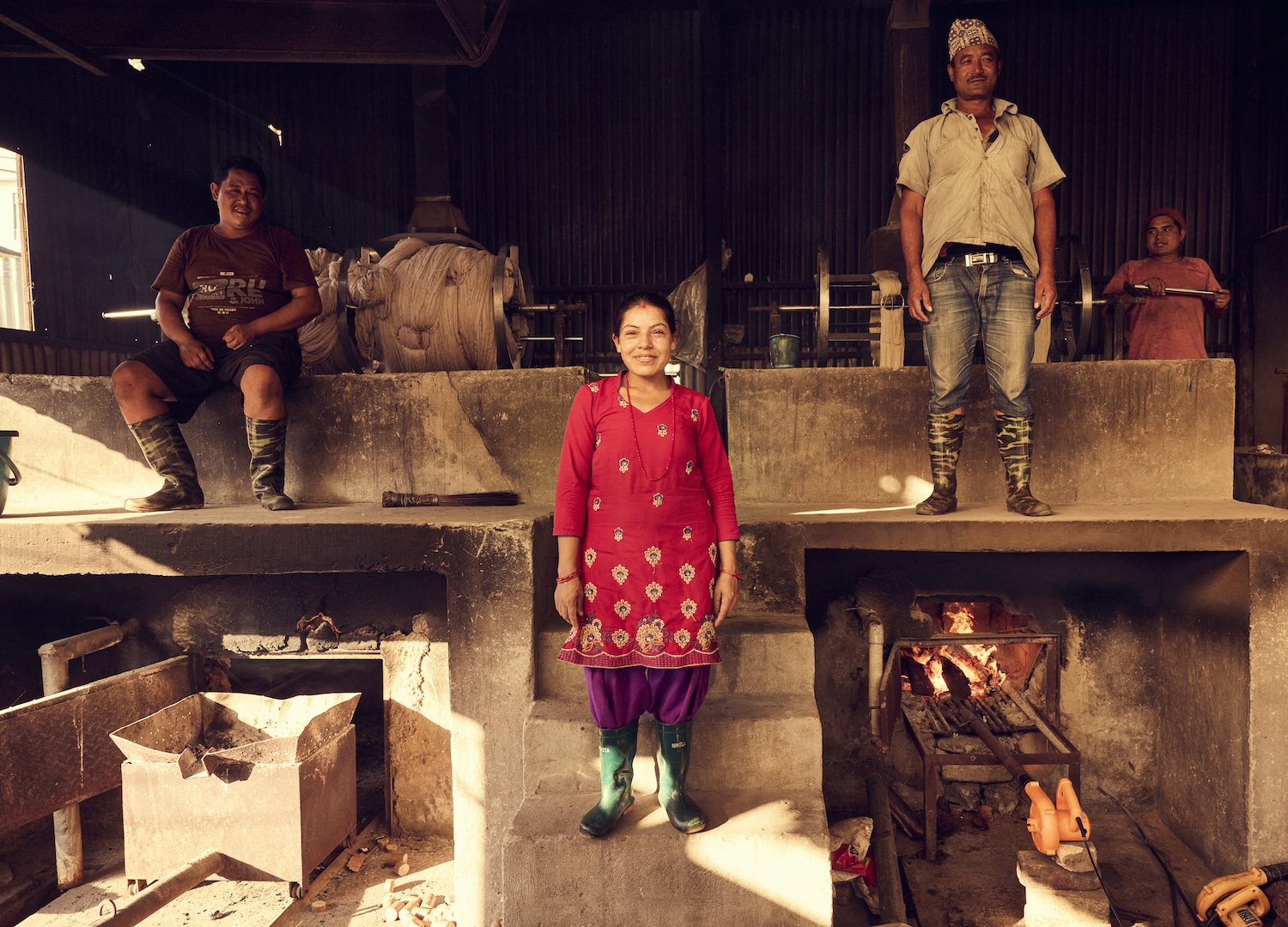
Nepal, portrait of factory workers © Architecture & Design Commission
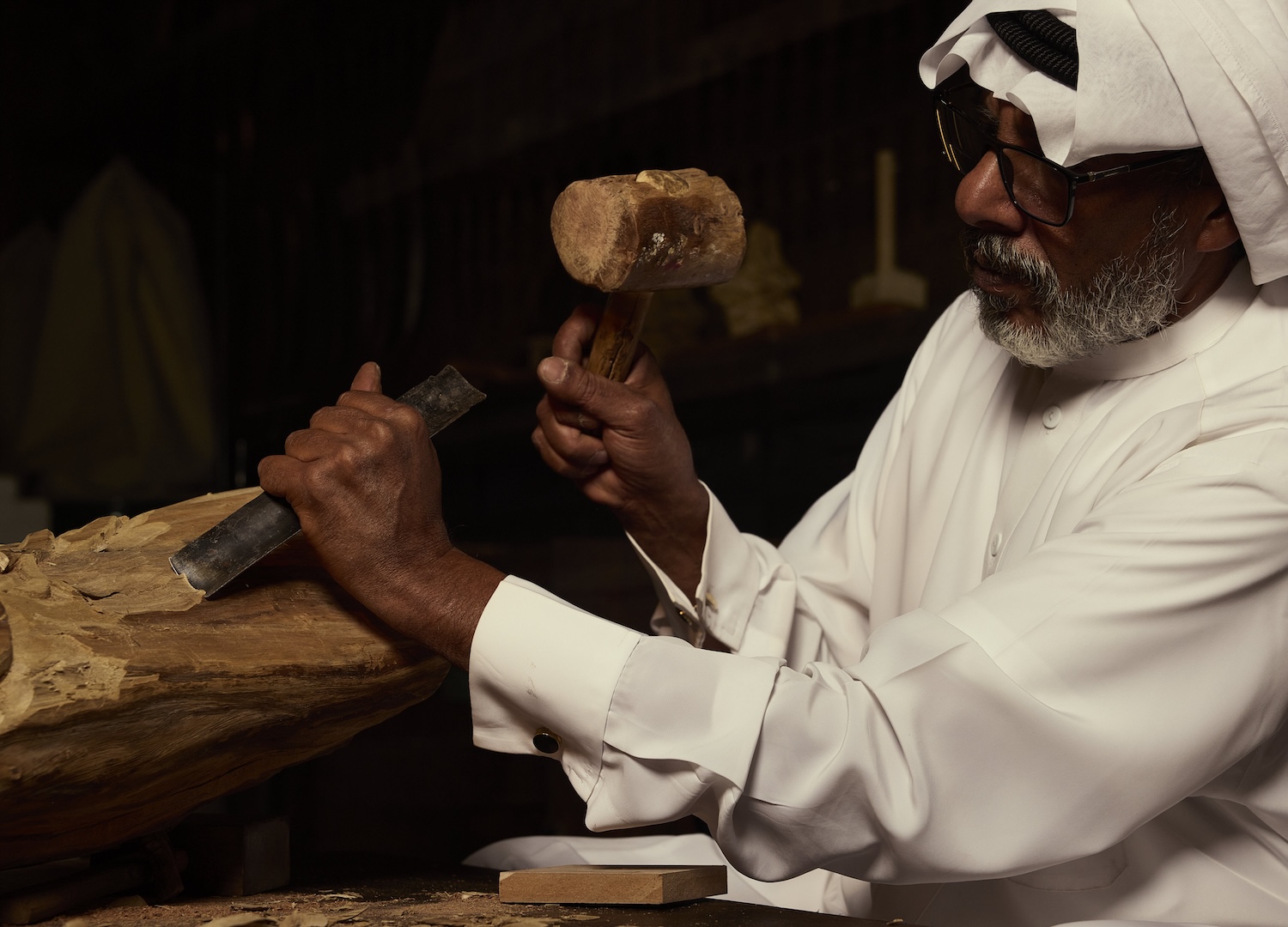
Portrait of the Craftsman of Riyadh © Architecture & Design Commission
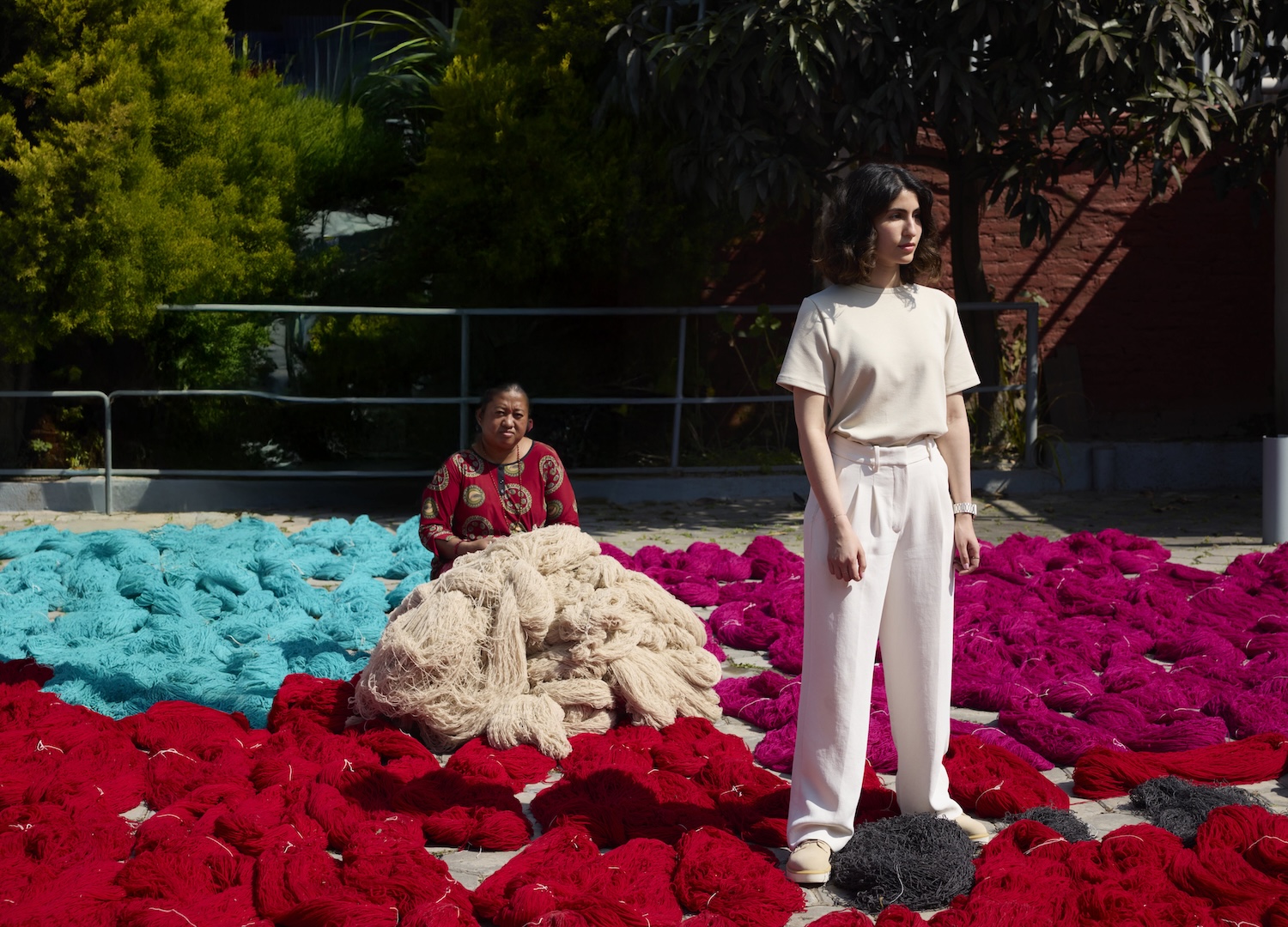
Nepal, Abeer AlRabiah’s Portrait © courtesy Jusoor Design Collections
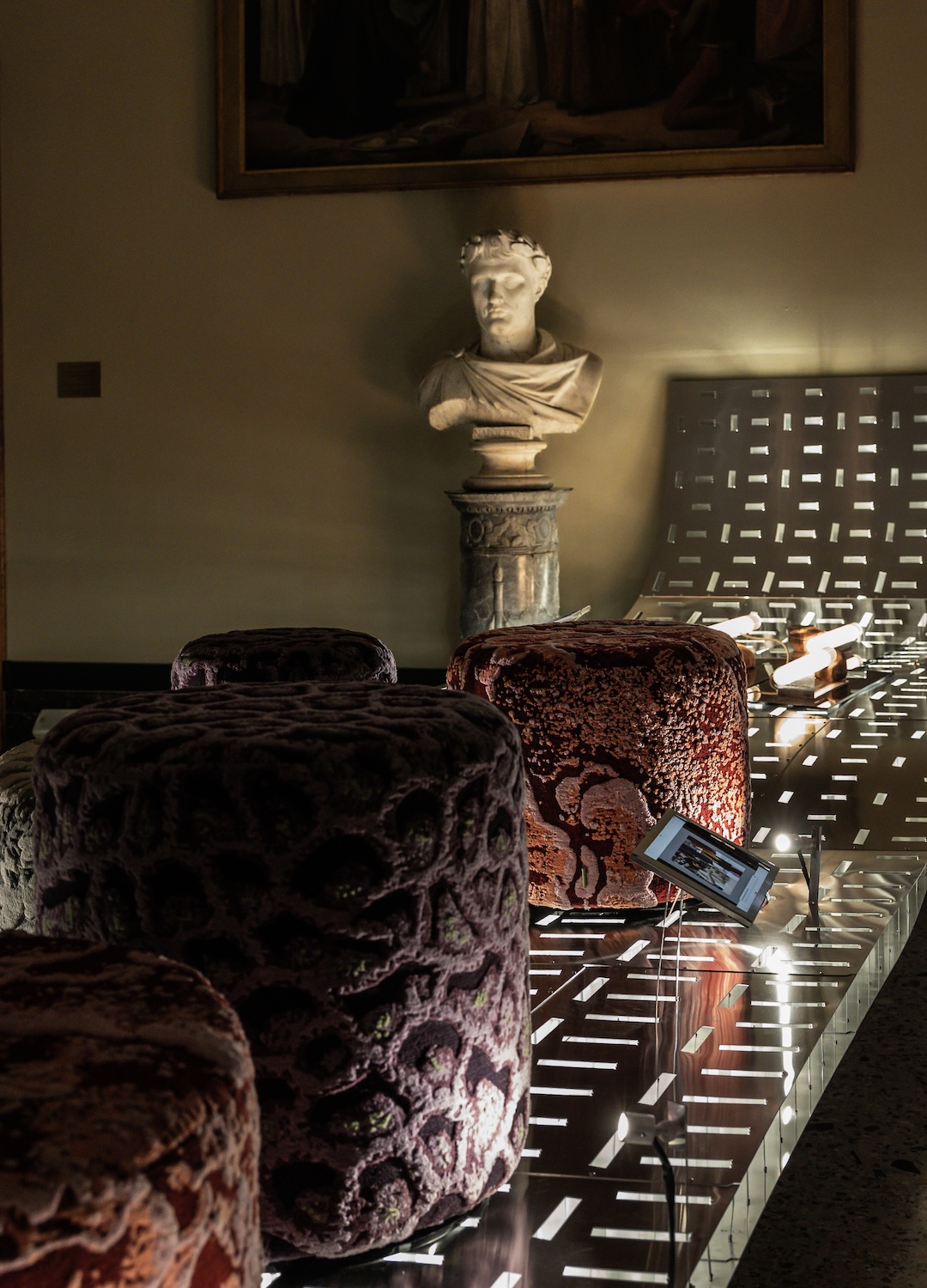
Jusoor Design Collections exhibition at Milan Design Week 2026 © Architecture & Design Commission
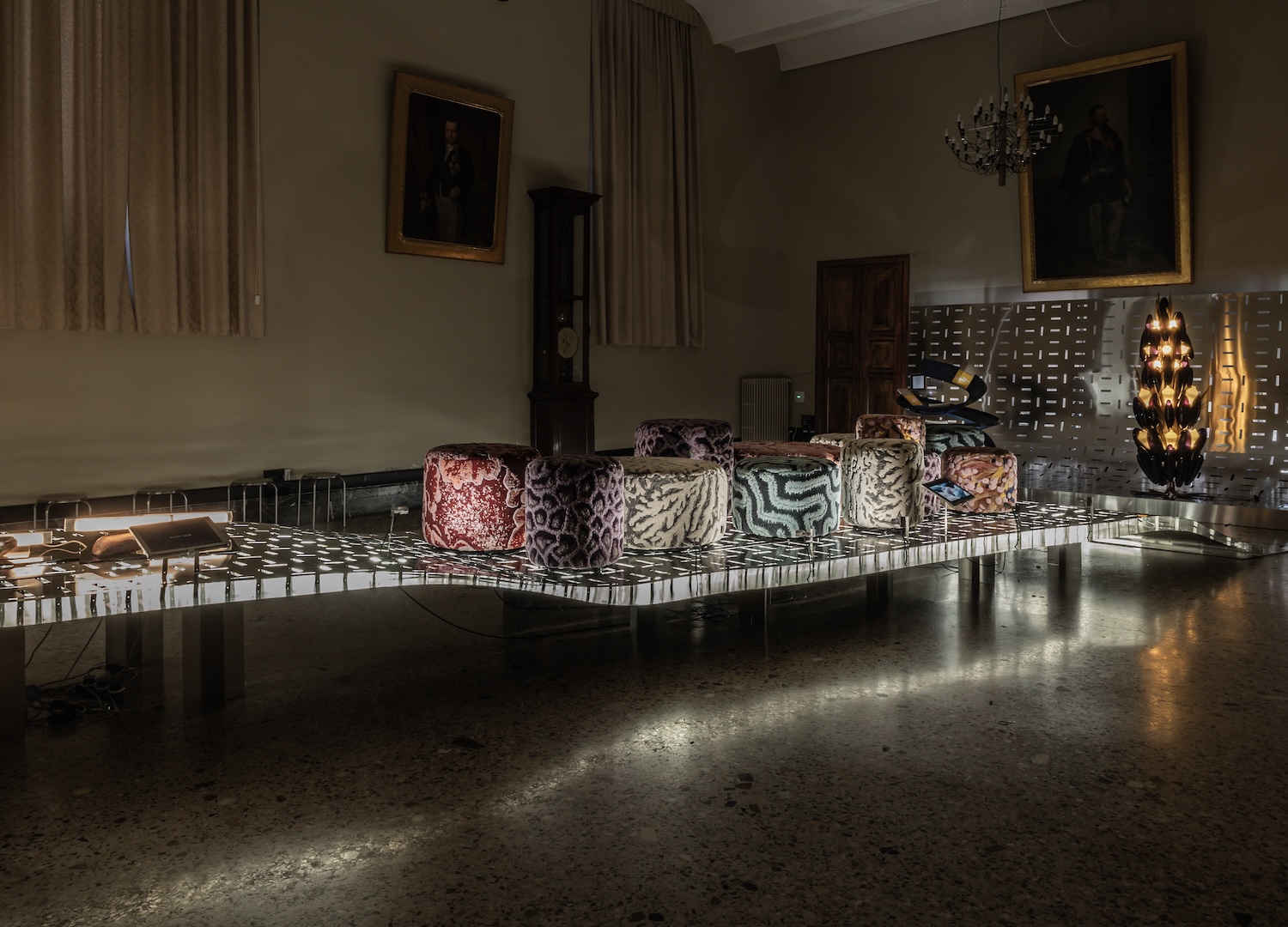
Jusoor Design Collections exhibition at Milan Design Week 2026 © Architecture & Design Commission
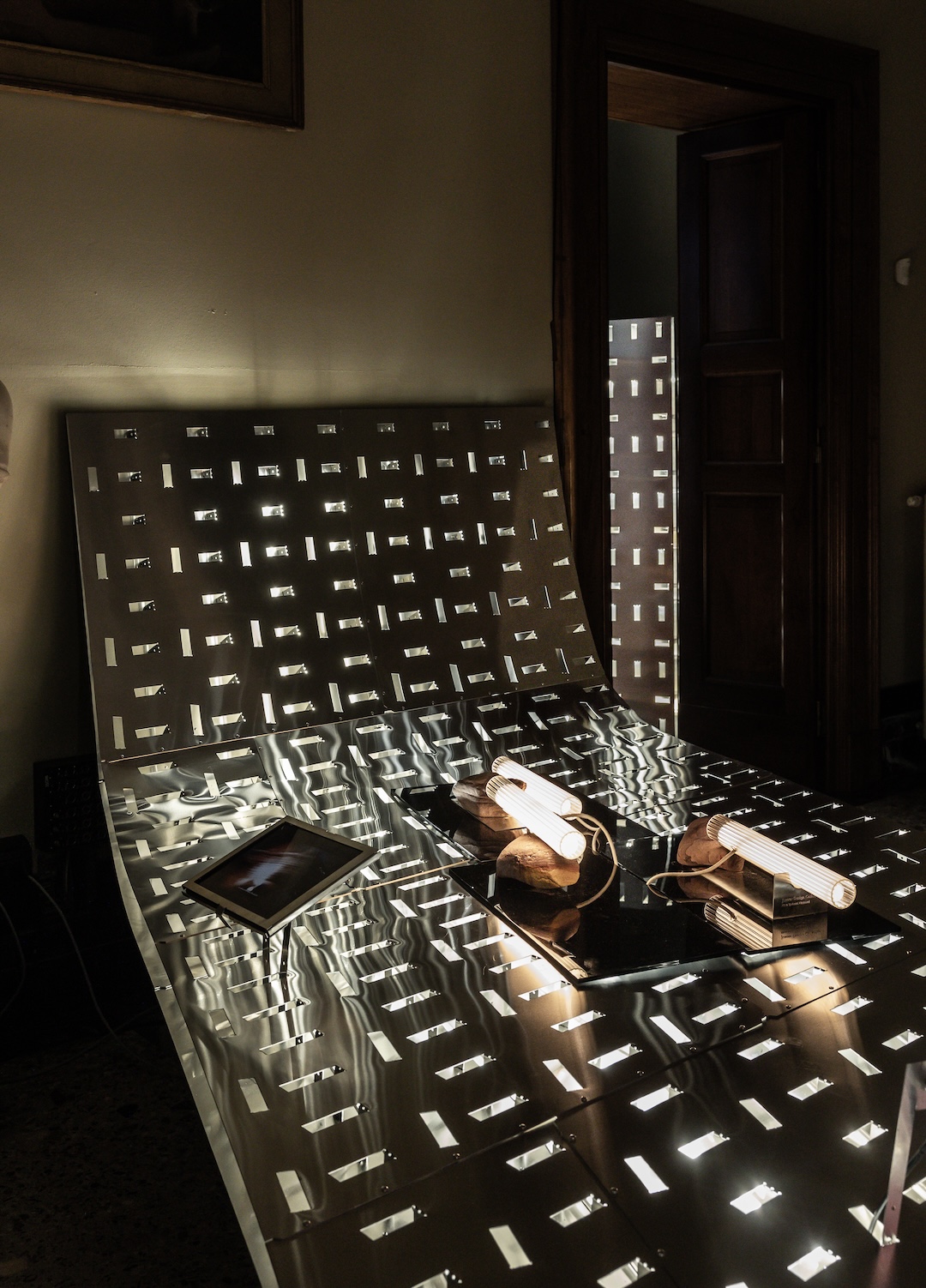
Jusoor Design Collections exhibition at Milan Design Week 2026 © Architecture & Design Commission
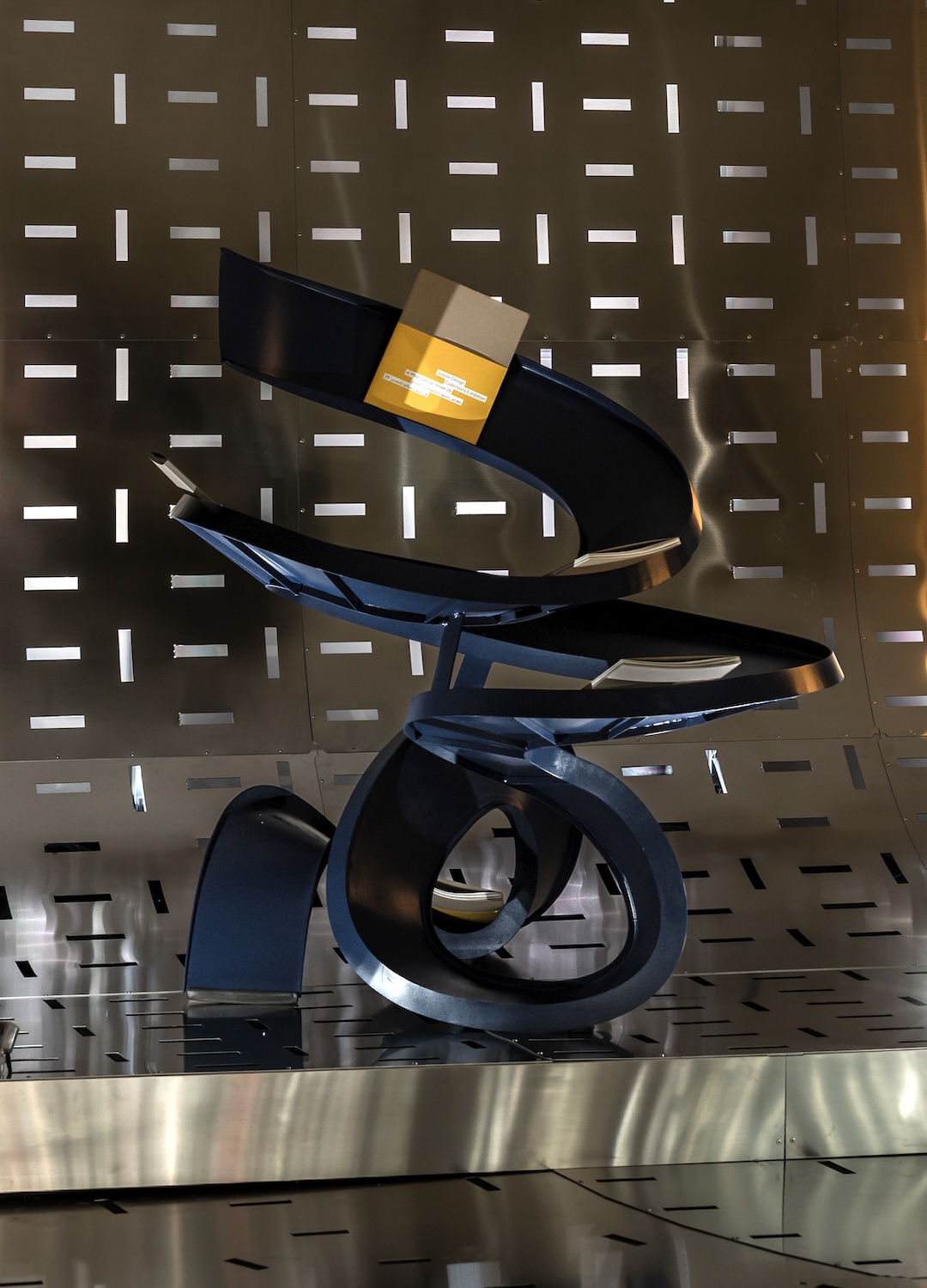
Jusoor Design Collections exhibition at Milan Design Week 2026 © Architecture & Design Commission
Commissioned by Saudi Arabia Architecture & Planning Commissionthe project combines a new generation of Saudi designers with established international brands, letting material experimentation, local knowledge and co-production guide the work – exploring local creativity through the lens of culture and society, not only through practice but also through its impact on local crafts and materials. The Milan presentation is the first time these collaborations have appeared together, and what binds them together is a shared willingness to leave things unfinished.
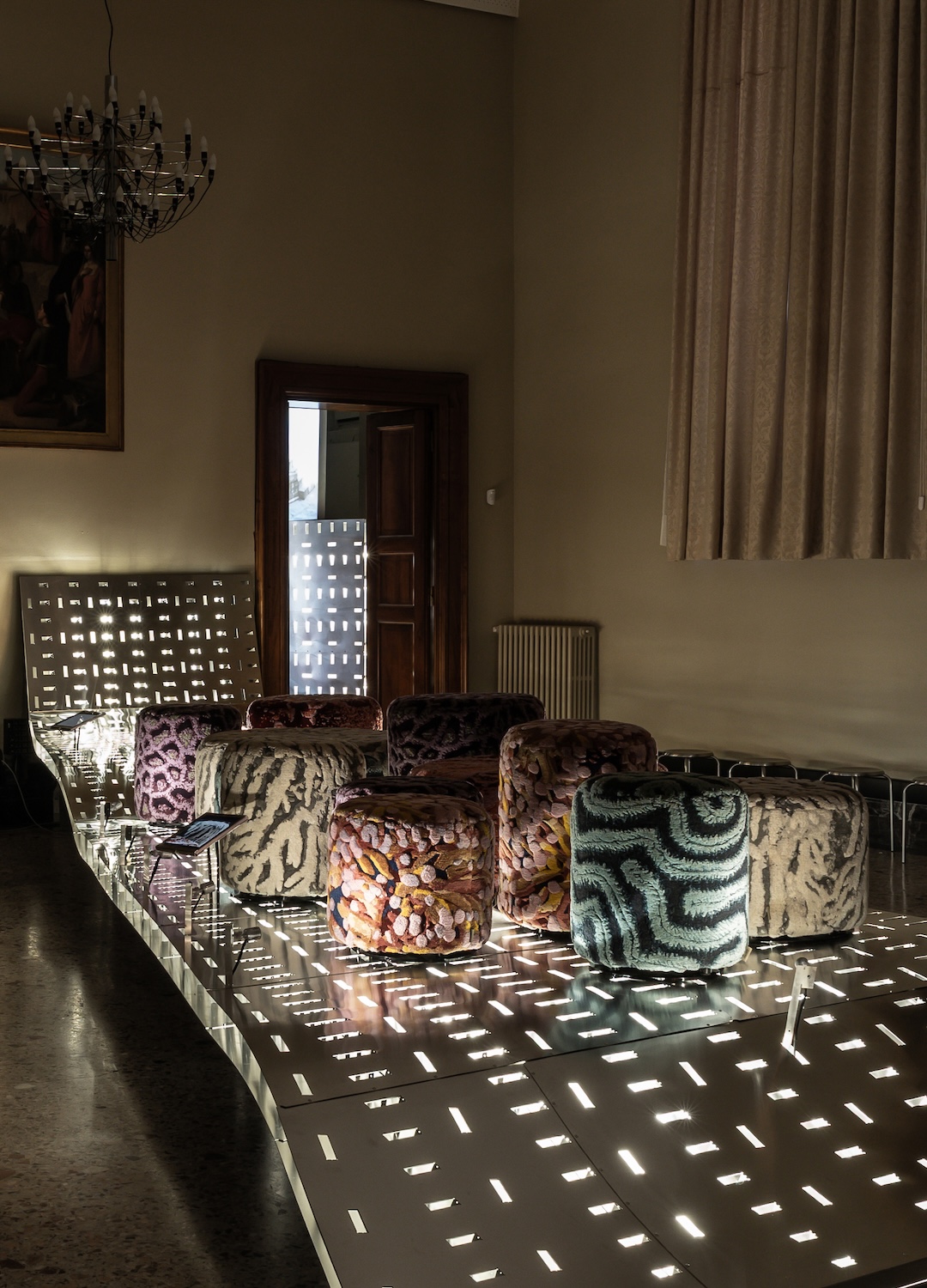
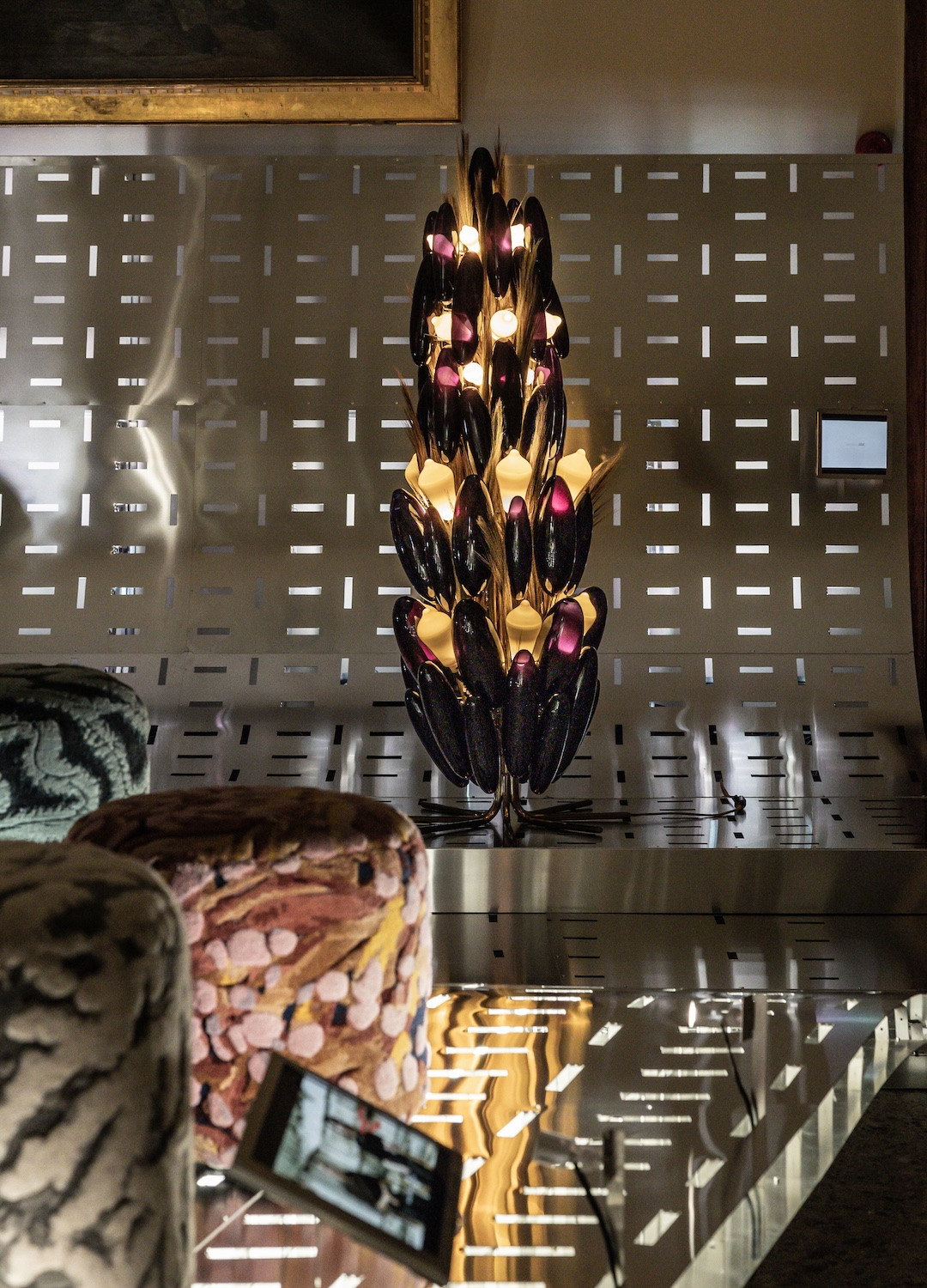
The purest thread that passes the exhibition it is a refusal of easy synthesis. In Thanoon, Muotaz Abbas and Clove Studio translate the resilience of a desert plant into a large-scale lighting object made of glass, metal, natural fibers, and here the growth patterns are abstracted into a system of interlocking forms, where light and shadow do structural work.
Aseel Alamoudi continues the discussion with the same studio at Takweena series of table lamps that hold sandstone, glass and steel in deliberate tension, making each material retain its own character, resisting complete integration. Light, again, is the only thing that holds them together, which feels less like a compositional choice and more like an honest description of how cross-cultural creation really works.
That voltage shifts are recorded at CORA collectiondeveloped by Abeer AlRabiah and Albandari Suleiman – who was born and raised in Jeddah, the bride of the Red Sea, a city shaped by its proximity to the coast – in collaboration with Ivan Maktaby. Woven rugs are reshaped into sculptural seats derived from coral species sourced from Saudi Arabian waters: the reef, its colors, the life that exists beyond the surface. The pieces move between object and environment, with bleached variations that introduce an ecological subject without spelling it out. The conversation has expanded from hardware to ecosystem, from the studio to something harder to contain.
The most personal work of the exhibition is TAH shelfa collaboration between Saud Alsaleh and the Spanish studio Lagranja Design. “TThe development of this library became a very personal storysays the designer, who has lived with dyslexia since childhood. Its spiral structure – part furniture, part narrative device – reframes reading and knowing as non-linear processes. It is the most resistant to simple operation and the one that fits least comfortably into the idea of a national design showcase. Exactly what makes it worth going forward.
In these works, Jusoor resists the temptation to present the Saudi plan as something stable. The point is to show a scene that is still self-defining – spherically connected, materially grounded, shaped by exchange without being dissolved by it. In its wider context Milan Design Weekwhere national pavilions tend to rationalize complexity into visibility, this exhibition does not resolve the questions it raises about authorship, cultural exchange, or what it means to make something together at a distance. He makes them visible, for now, in a room in Brera.



