
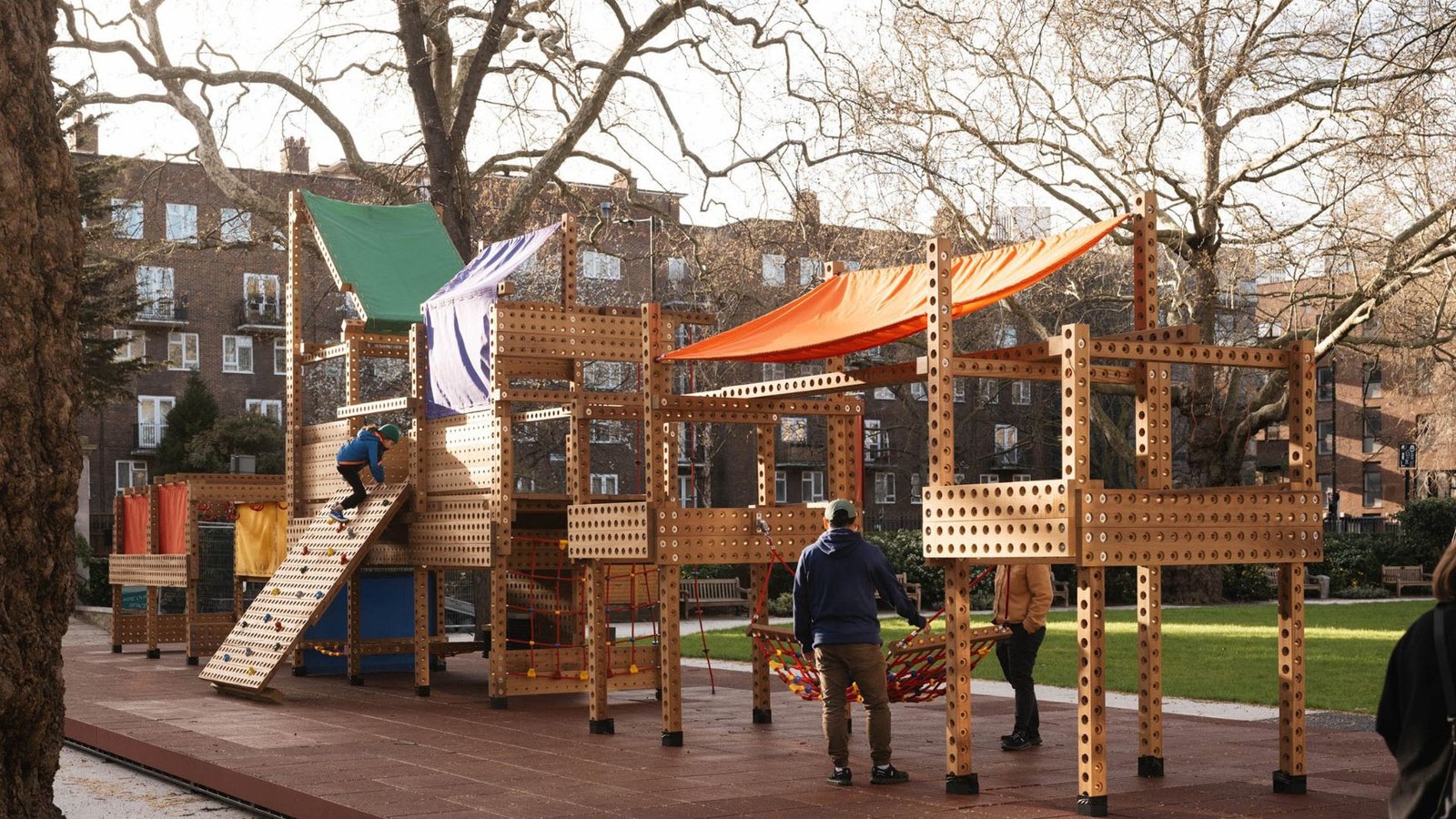

Worldwide, 48 million children are displaced by conflict and war, according to UNICEF. Meanwhile, UNHCR says 52% of all displaced people are children. These children live in difficult conditions, where there is no place for them. For example, in the Aysaita refugee camp in Ethiopia, there are no playgrounds for the more than 10,000 children who live there.
Playrise is a newly founded UK charity trying to do something about that last number. Founded by Alexander and Ariana Mouyiaris Meininger, co-founded by Hikaru Nissanke, the project brings together architects, structural engineers and builders to design and build play structures that can be transported and installed at disaster relief sites around the world.
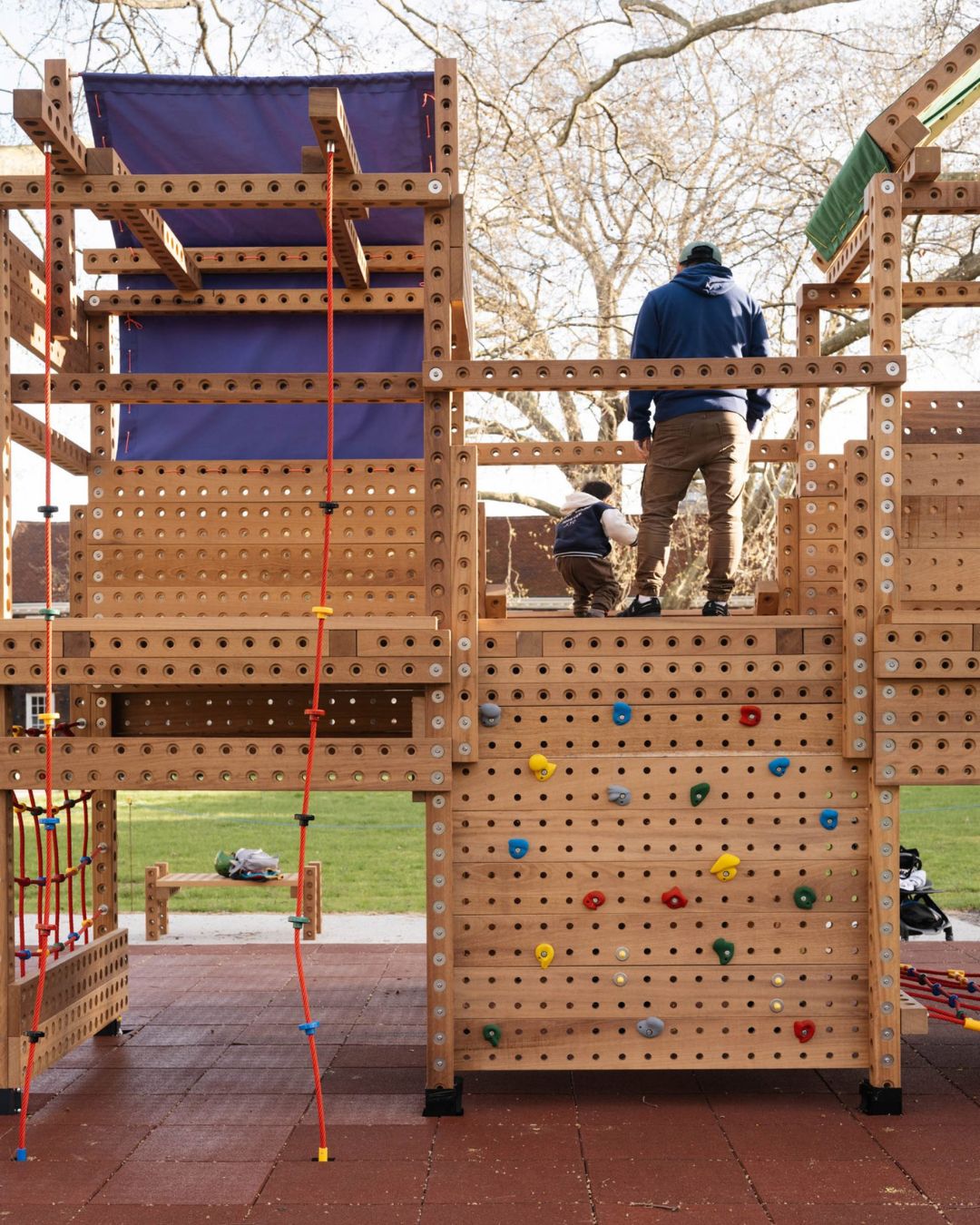
A habitable game © Playrise
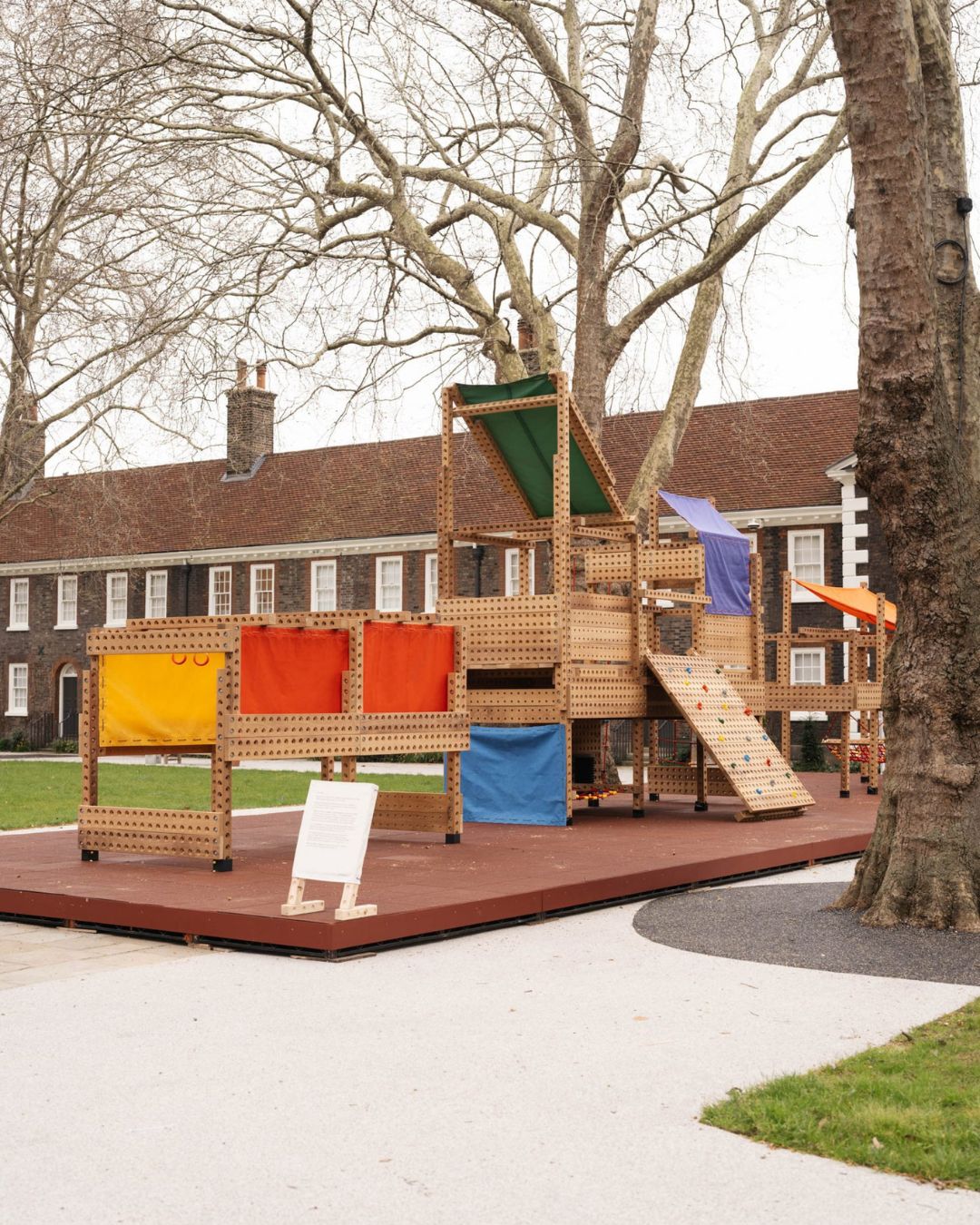
A habitable game © Playrise
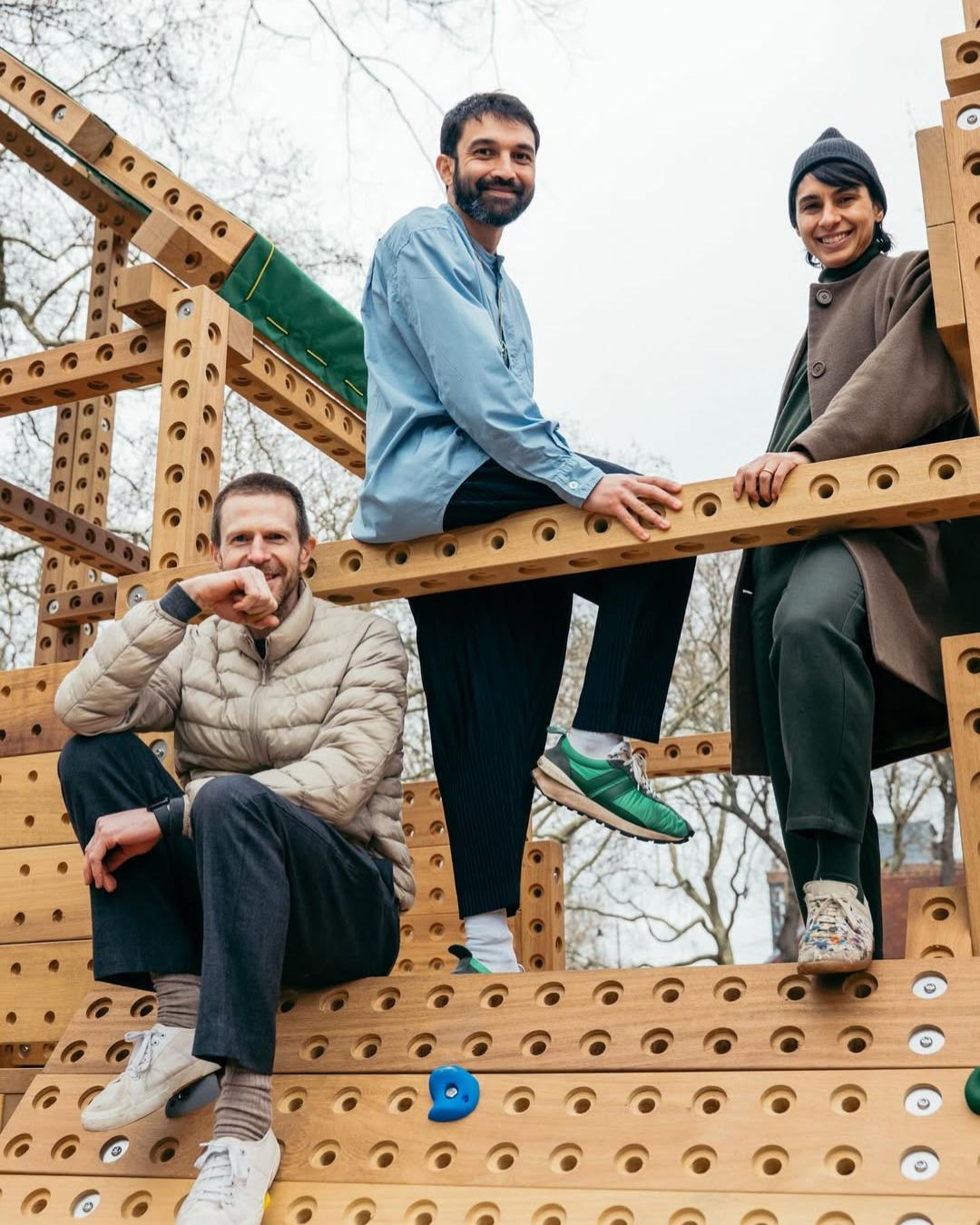
The Team © Playrise
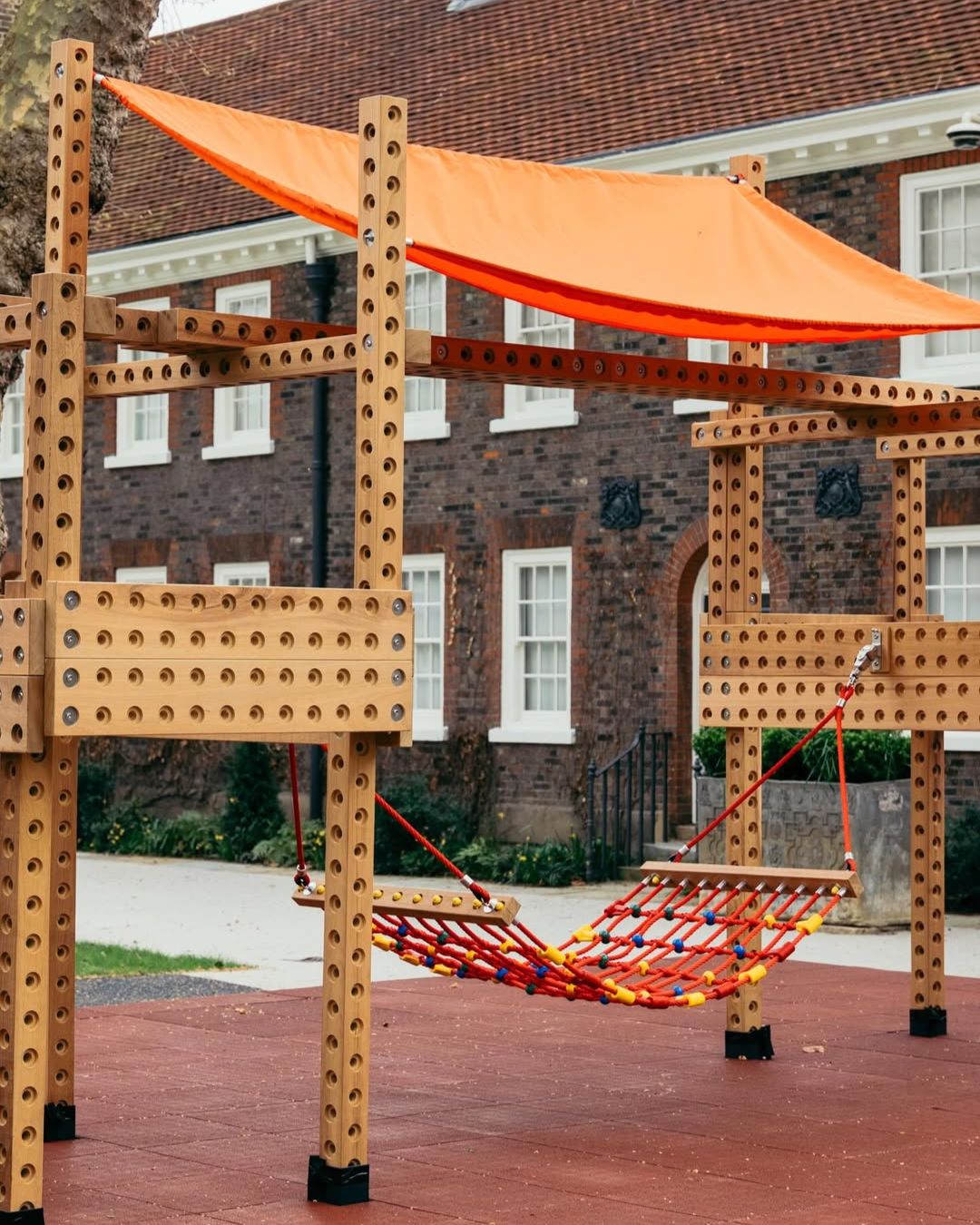
A habitable game © Playrise
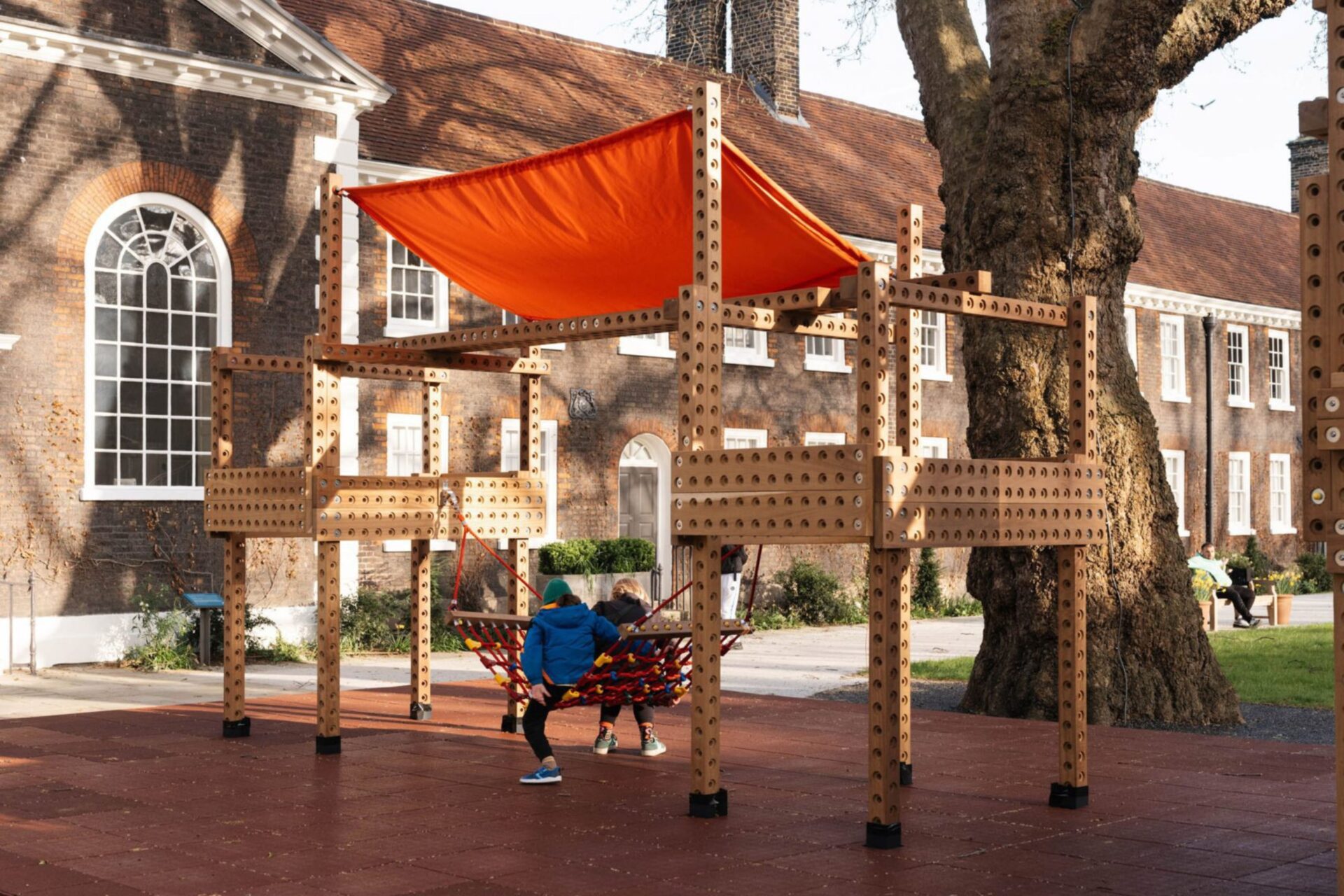
A habitable game © Playrise
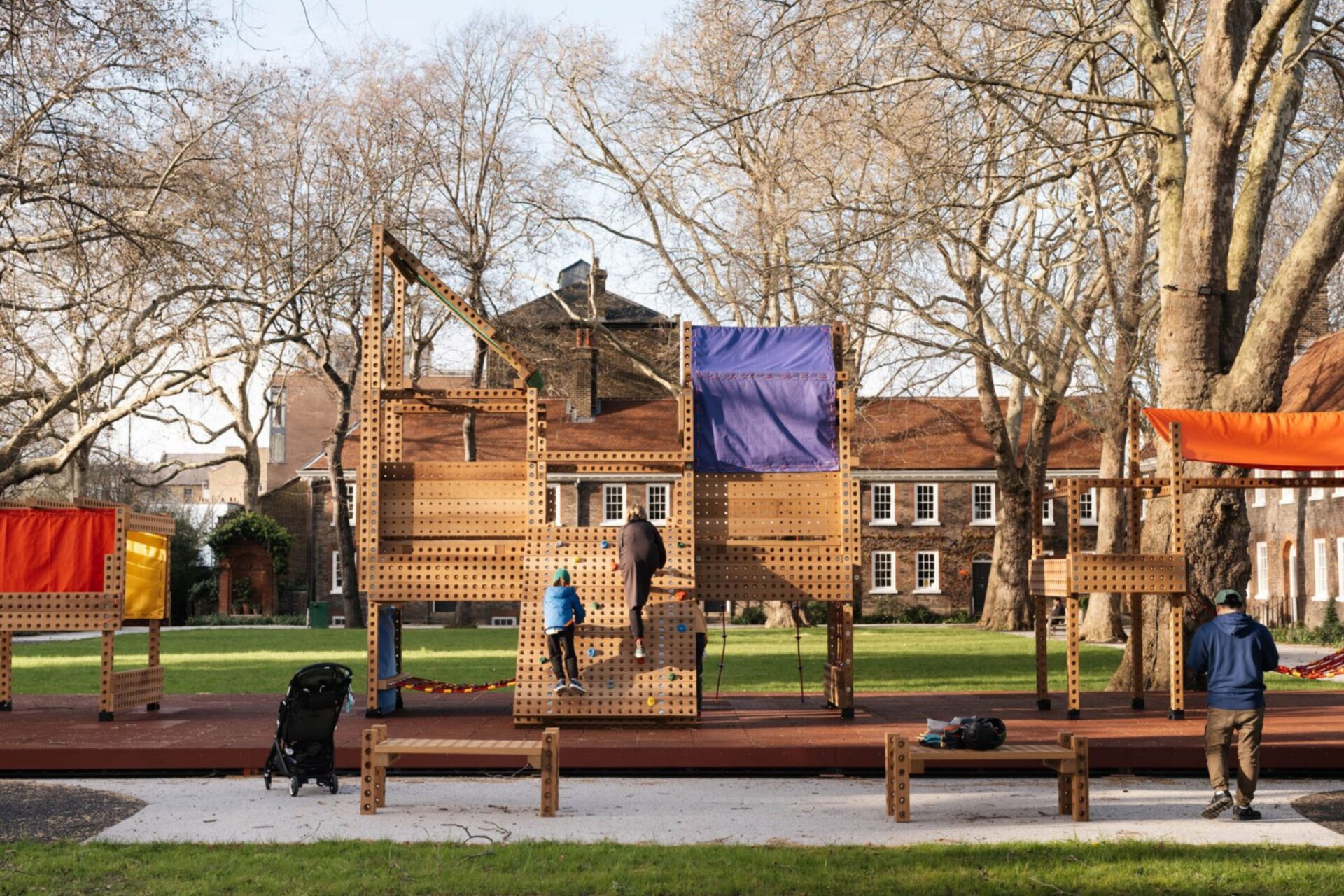
A habitable game © Playrise
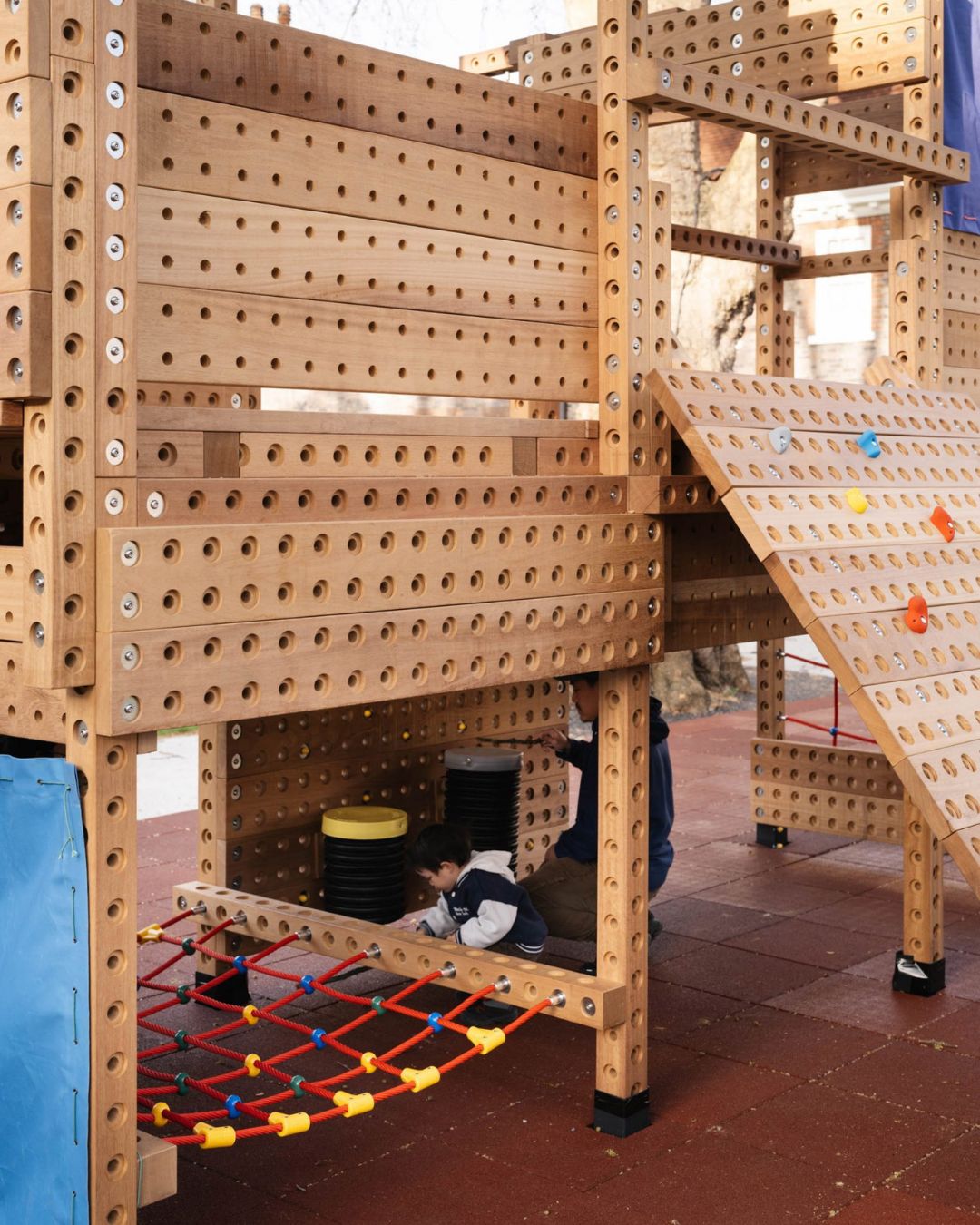
A habitable game © Playrise
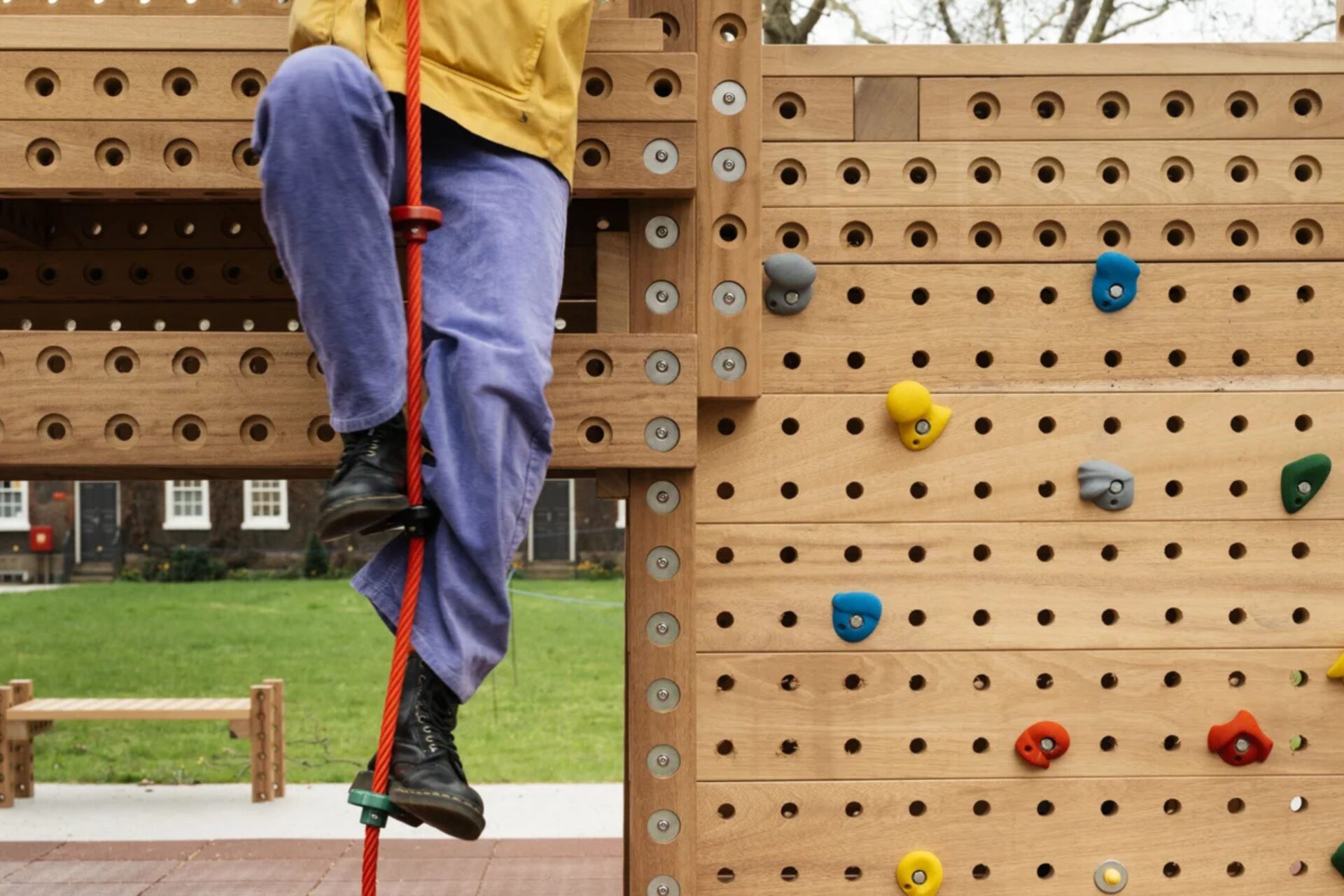
A habitable game © Playrise
The design work is by OMMX, a London-based architecture practice, co-directed by Hikaru Nissanke. The structure of the playground is modular, made mainly of wood, using a system of beams, boards and slabs held together with metal fasteners. Attachments such as nets, ropes, monkey bars or basketball hoops can be added or removed depending on community needs and site limitations.
The system is reconfigurable, meaning the same kit can become a playground, theater, tunnel, or what the team describes as simply a safe space. It can be assembled, disassembled and reassembled, designed to be light enough to carry easily and simple enough to be installed by anyone without special equipment.
The group’s relevant advisor is CatalyticAction, a charity founded by Joana Dabaj and Ricardo Conti, who have been working in this space since at least 2015, when they completed the Ibtasem playground in Lebanon, a modular playground designed with Syrian children and built with local materials. Their association with the group represents a lineage of thinking about how architectural practices can work in humanitarian contexts, not romanticizing any condition but simply creating something useful.
What distinguishes this work is the seriousness with which it takes the argument for play, framing it not as an adjunct to more pressing needs, but as a matter of rights. The right to play is described in Article 31 of the United Nations Convention on the Rights of the Child and the organization explicitly mentions it in its mission statement. Play is central to motor development, emotional regulation, peer building and community bonding and should not be reserved for the most fortunate of children. In crisis settings, the absence of play exacerbates existing psychological damage and delays recovery.
The research behind the project was profound. the team conducted field visits to three communities: the Aysaita camp for Eritrean refugees in Ethiopia, a Palestinian community in Cairo, and a Sudanese refugee camp in Egypt. The workshops they conducted were participatory by design, involving children directly in the process of identifying what kind of play mattered most to them, what configurations they found useful.
What does he do? Playrise interesting is its framing, the insistence that a play structure is not furniture, but infrastructure. Modular kit is an inhabitable toy, something that belongs to the children who use it, that can be rearranged according to their needs, and takes seriously the idea that agency and ownership matter even when resources are scarce.



