
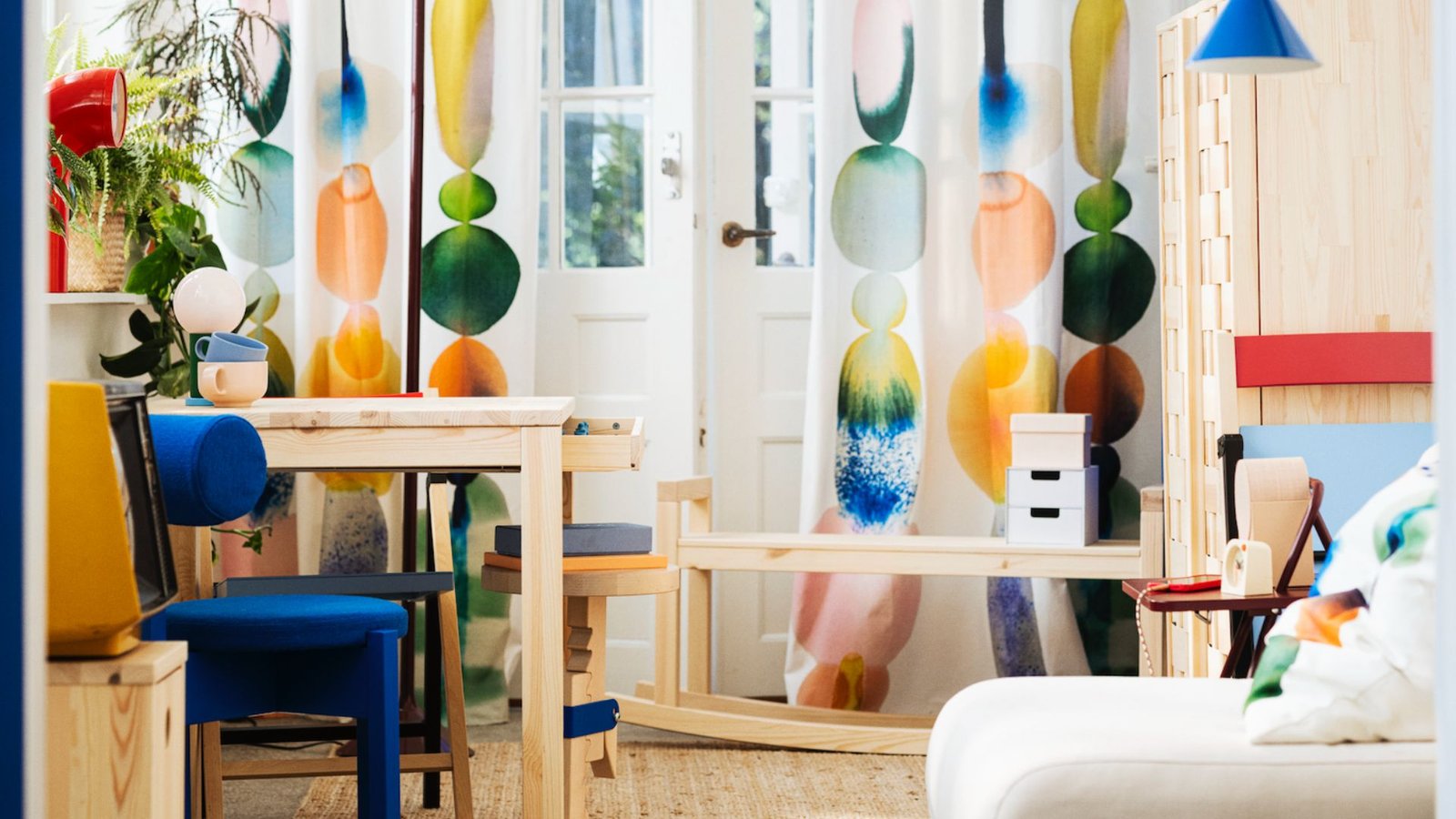

For IKEA, design has always combined joy and meaning: quality, functionality and prices that challenge the idea that design should be a privilege for the few. With IKEA PS 2026 – the tenth edition of a long-standing collection – this engagement takes on a new dimension: playful. These are objects that are useful yet fascinating, capable of raising a smile on even the dullest of days, each with a story to tell.
Launched in 1995 as a response to an identity crisis and a return to the roots of Scandinavian simplicity, the PS collection – an acronym for post scriptum, an addition outside the standard catalog – has evolved into a recurring workshop for innovative, accessible design. Now in its tenth iteration, the theme is stated without hesitation: functionality meets joy.
IKEA PS 2026 © IKEA
IKEA PS 2026 © IKEA
IKEA PS 2026 © IKEA
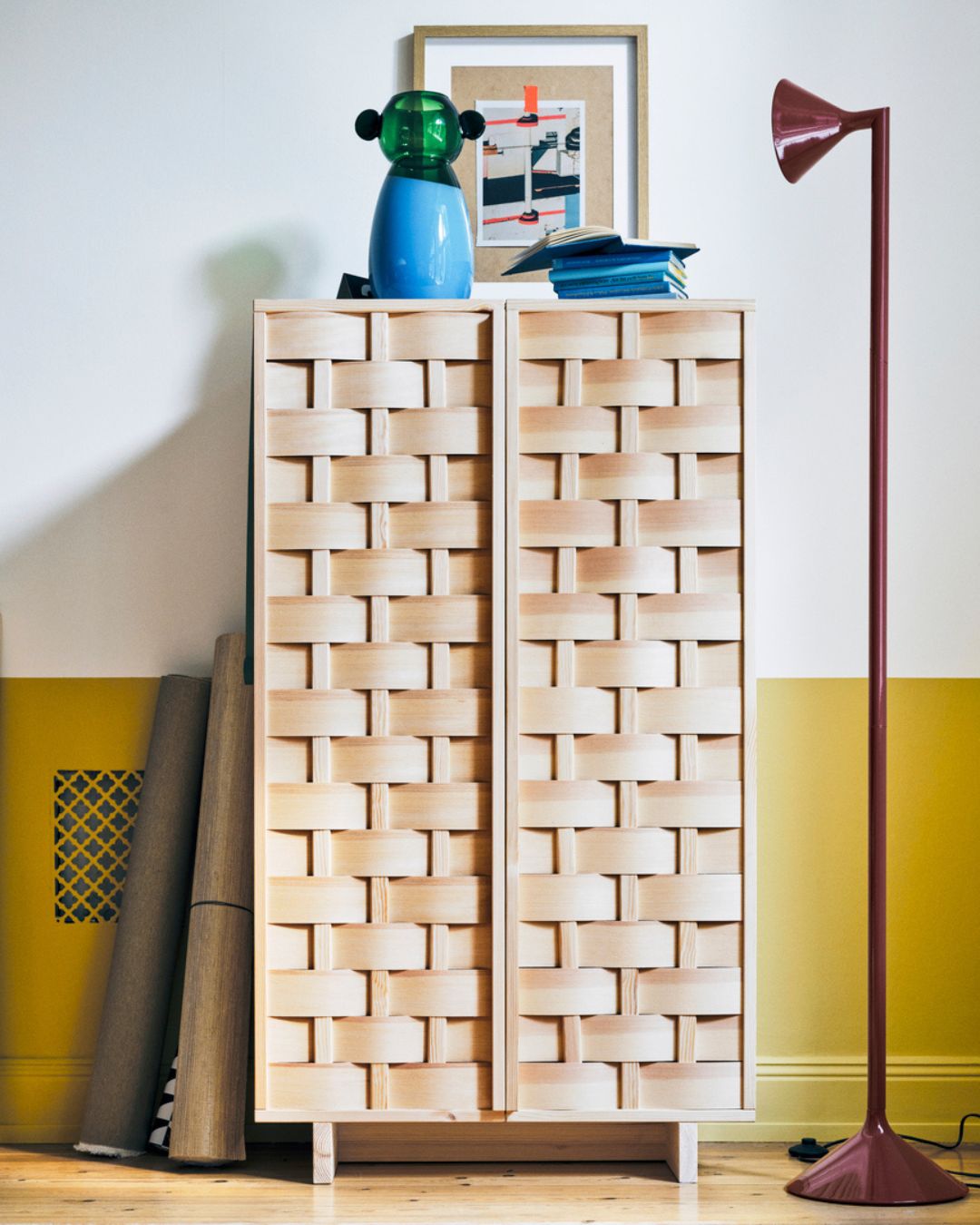
IKEA PS 2026 © IKEA
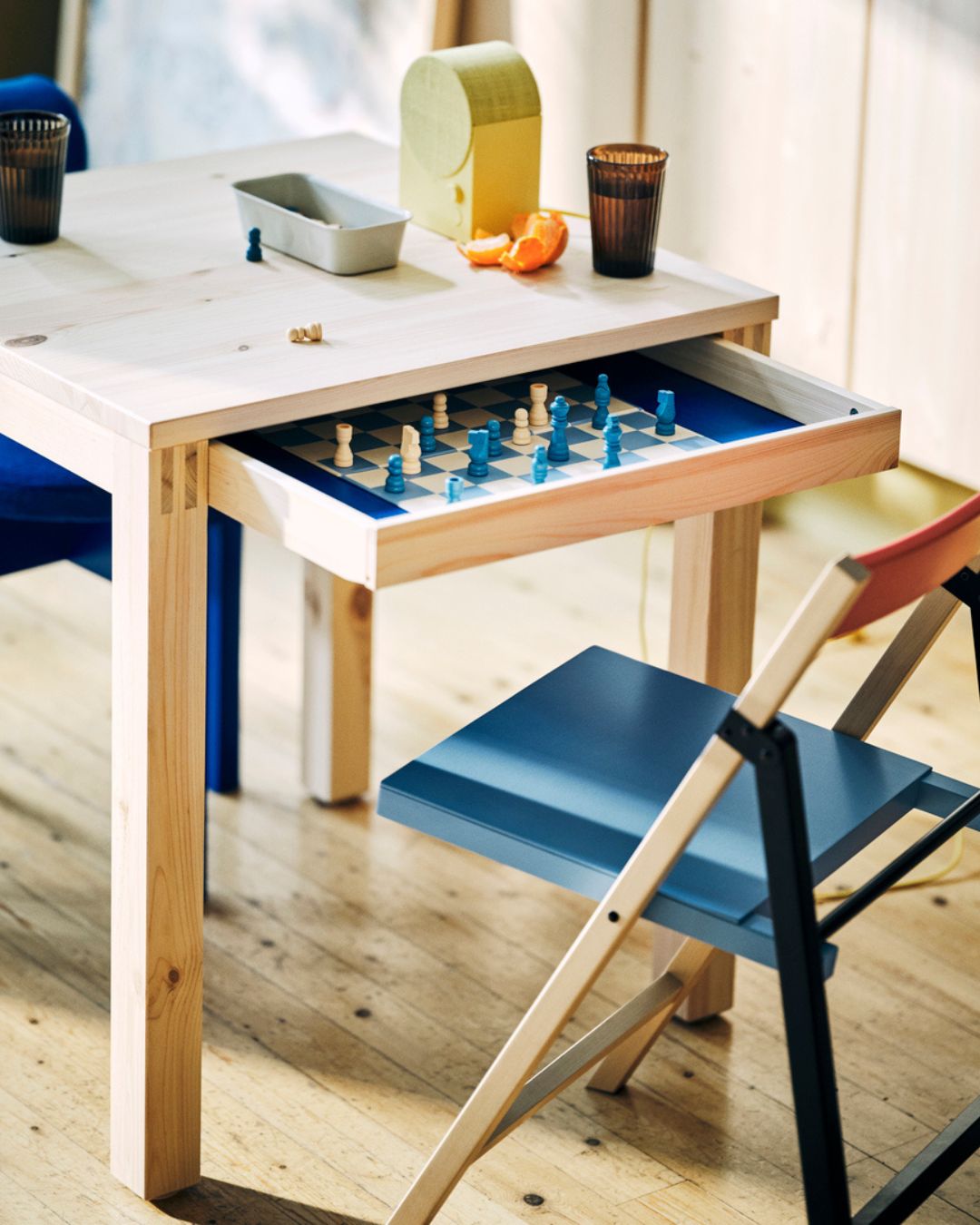
IKEA PS 2026 © IKEA
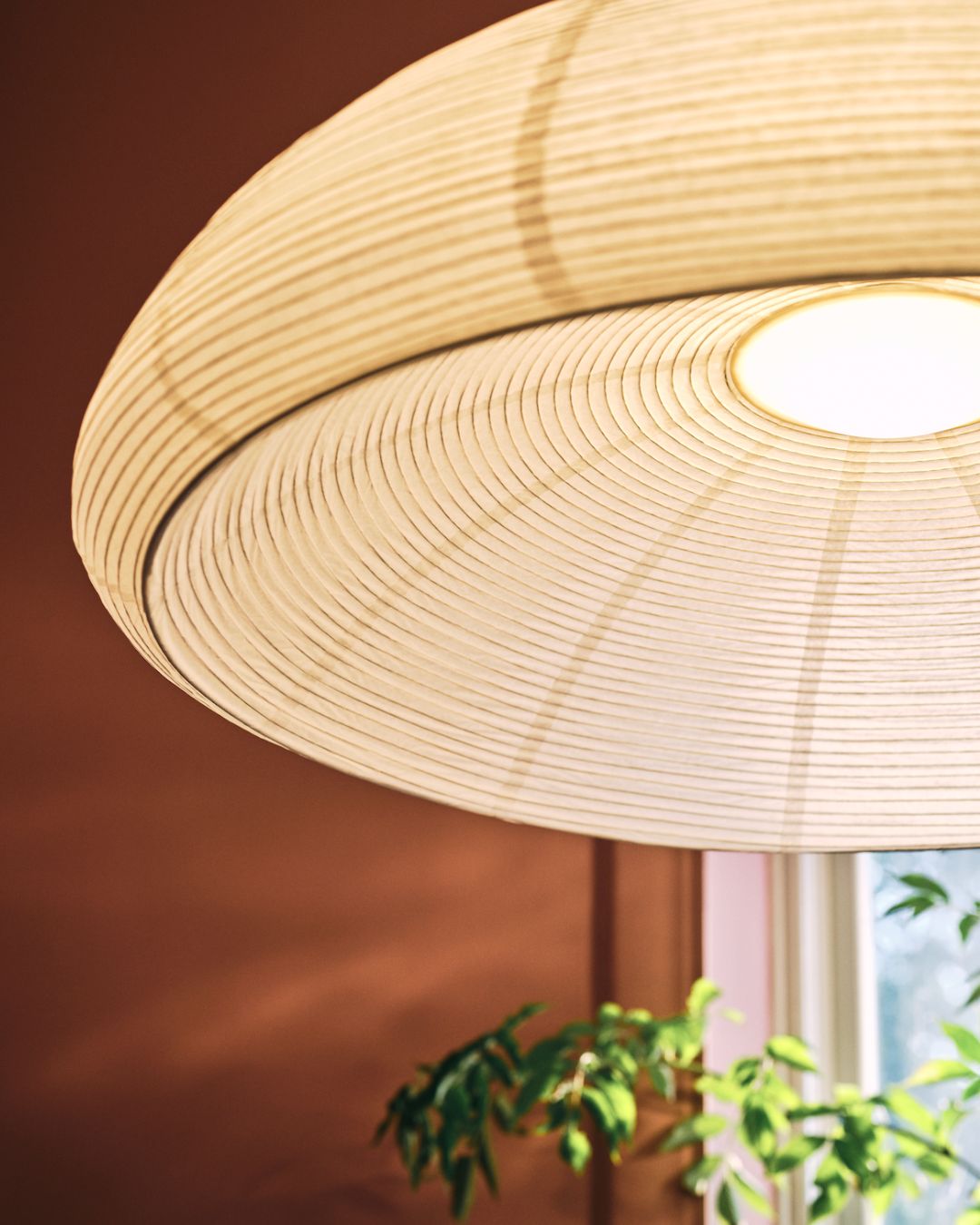
IKEA PS 2026 © IKEA
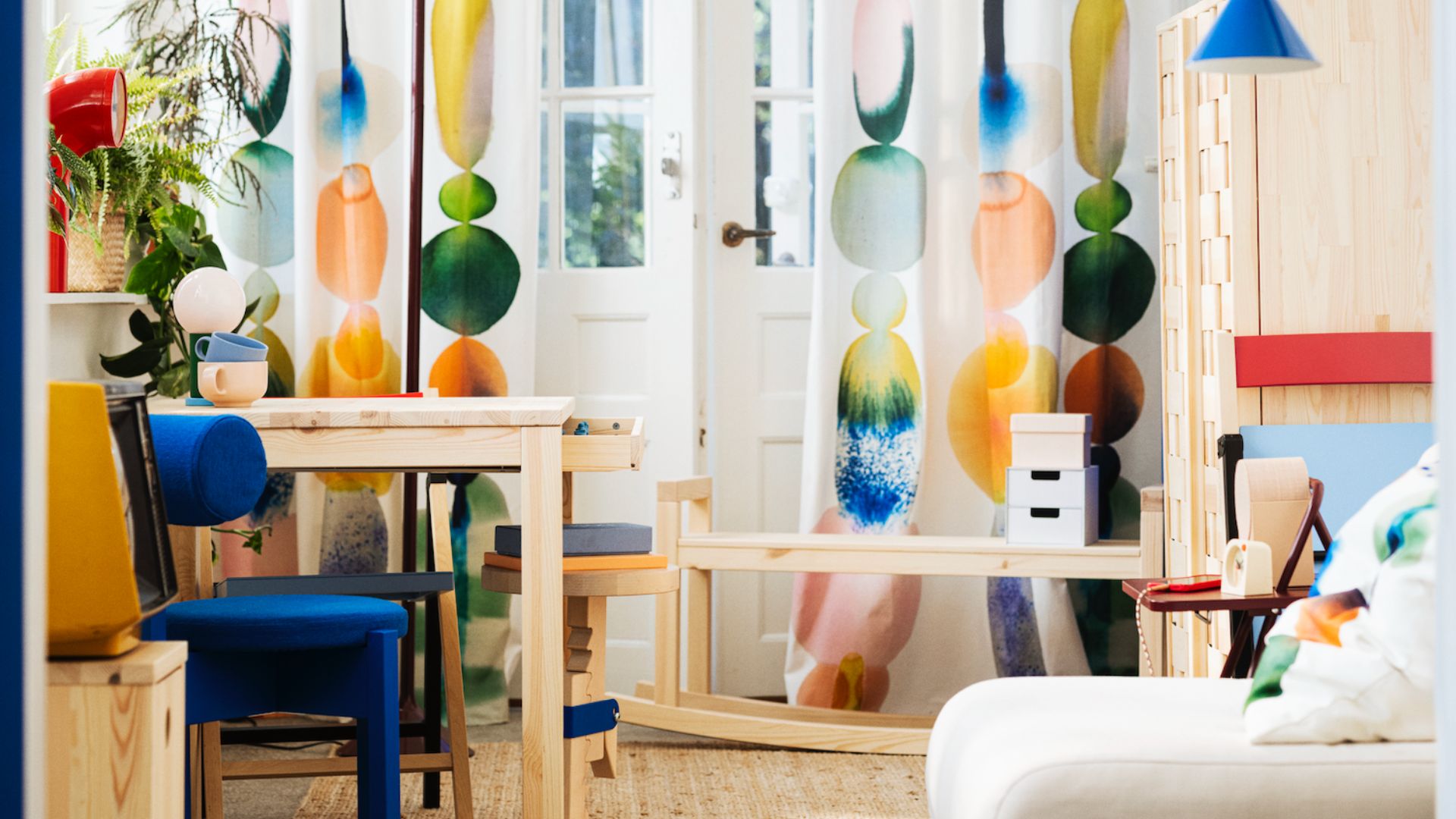
IKEA PS 2026 © IKEA
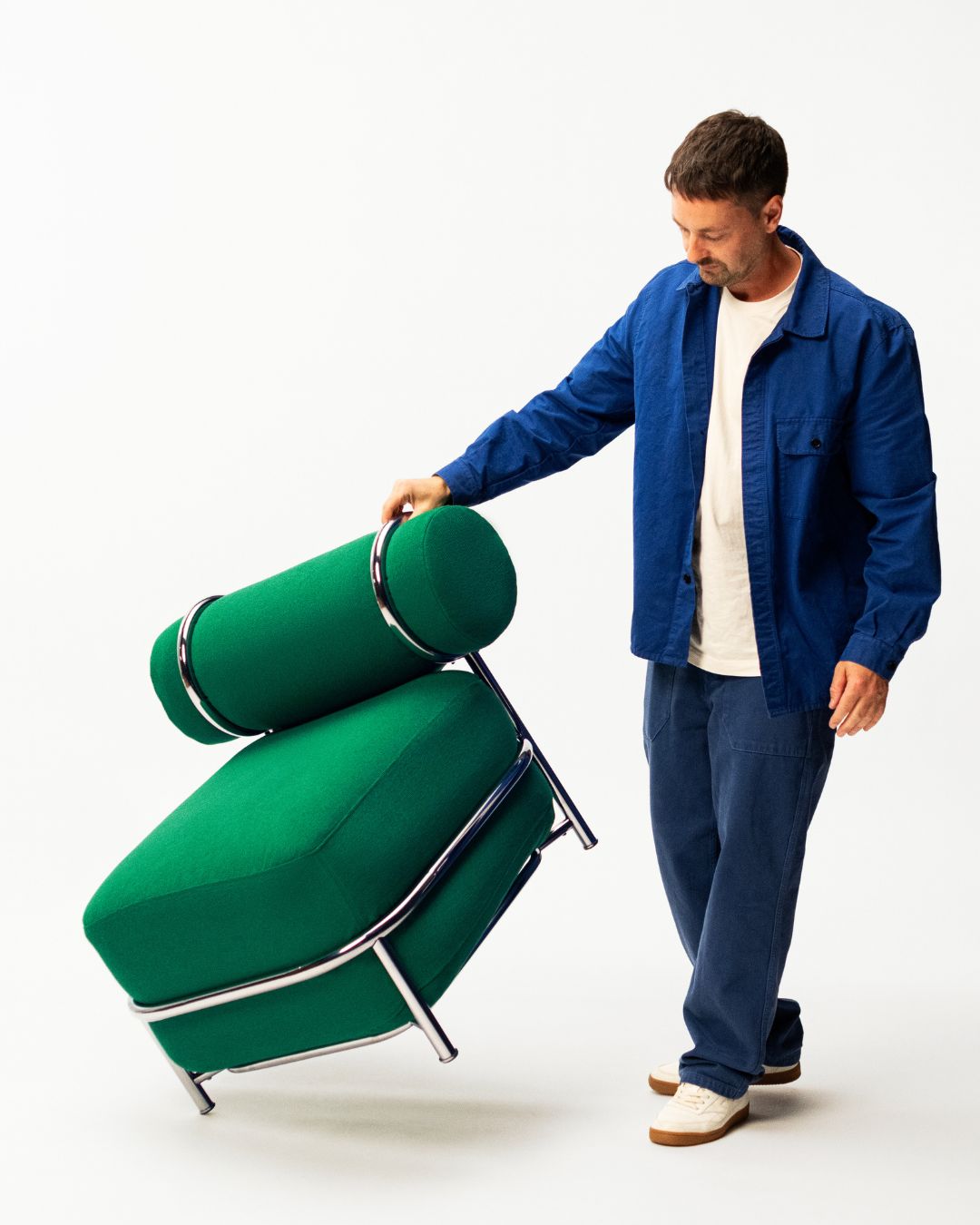
IKEA PS 2026 © IKEA
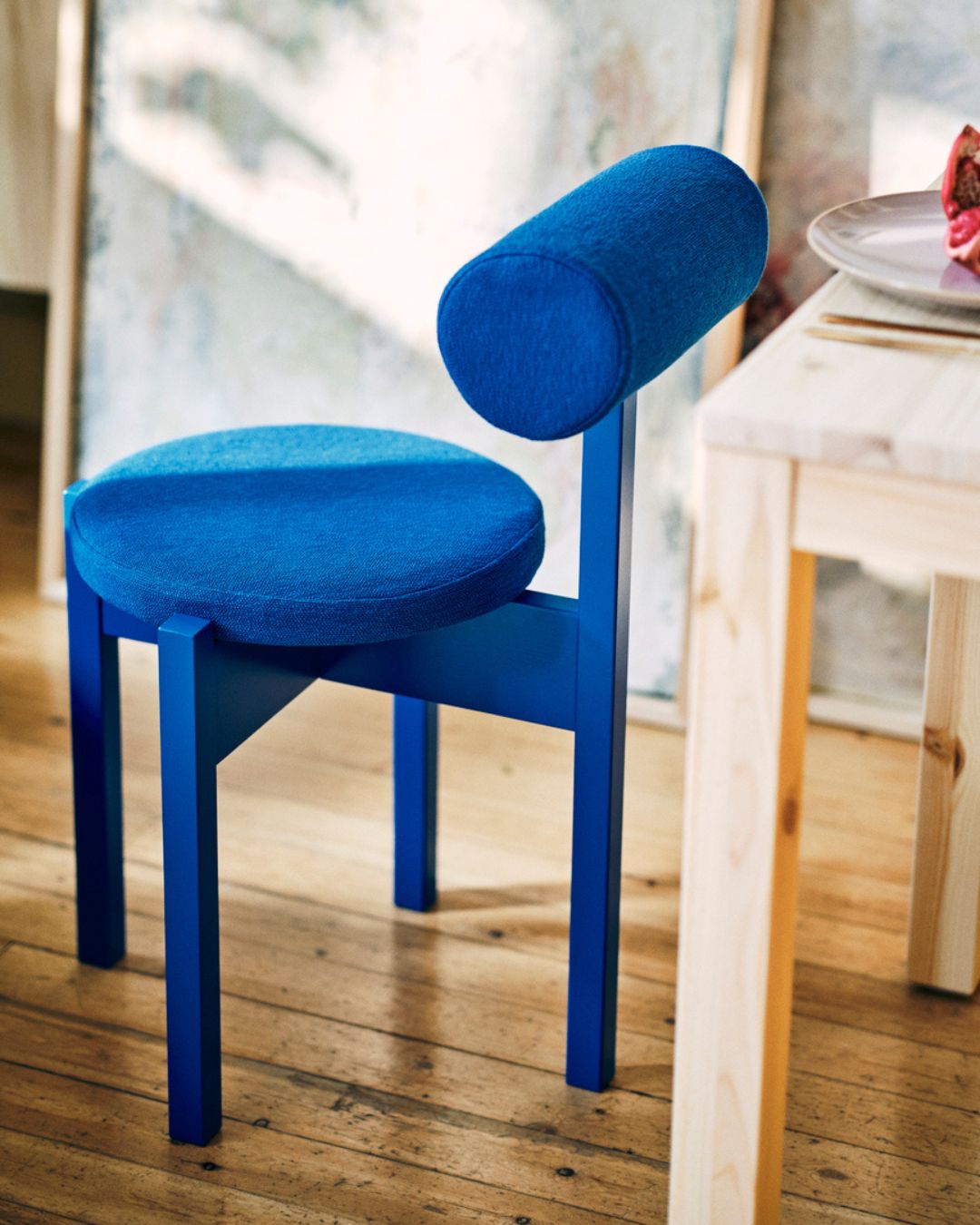
IKEA PS 2026 © IKEA
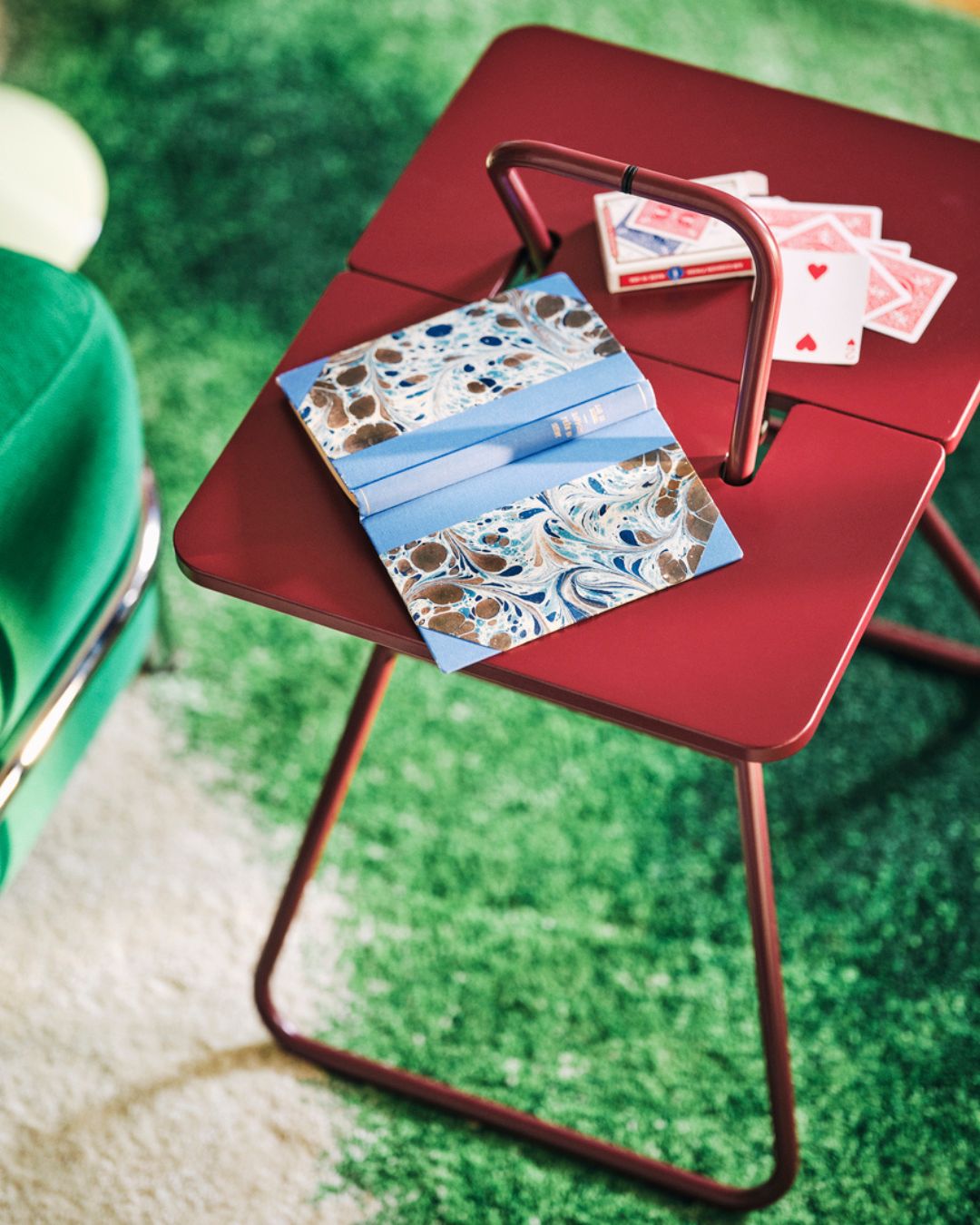
IKEA PS 2026 © IKEA
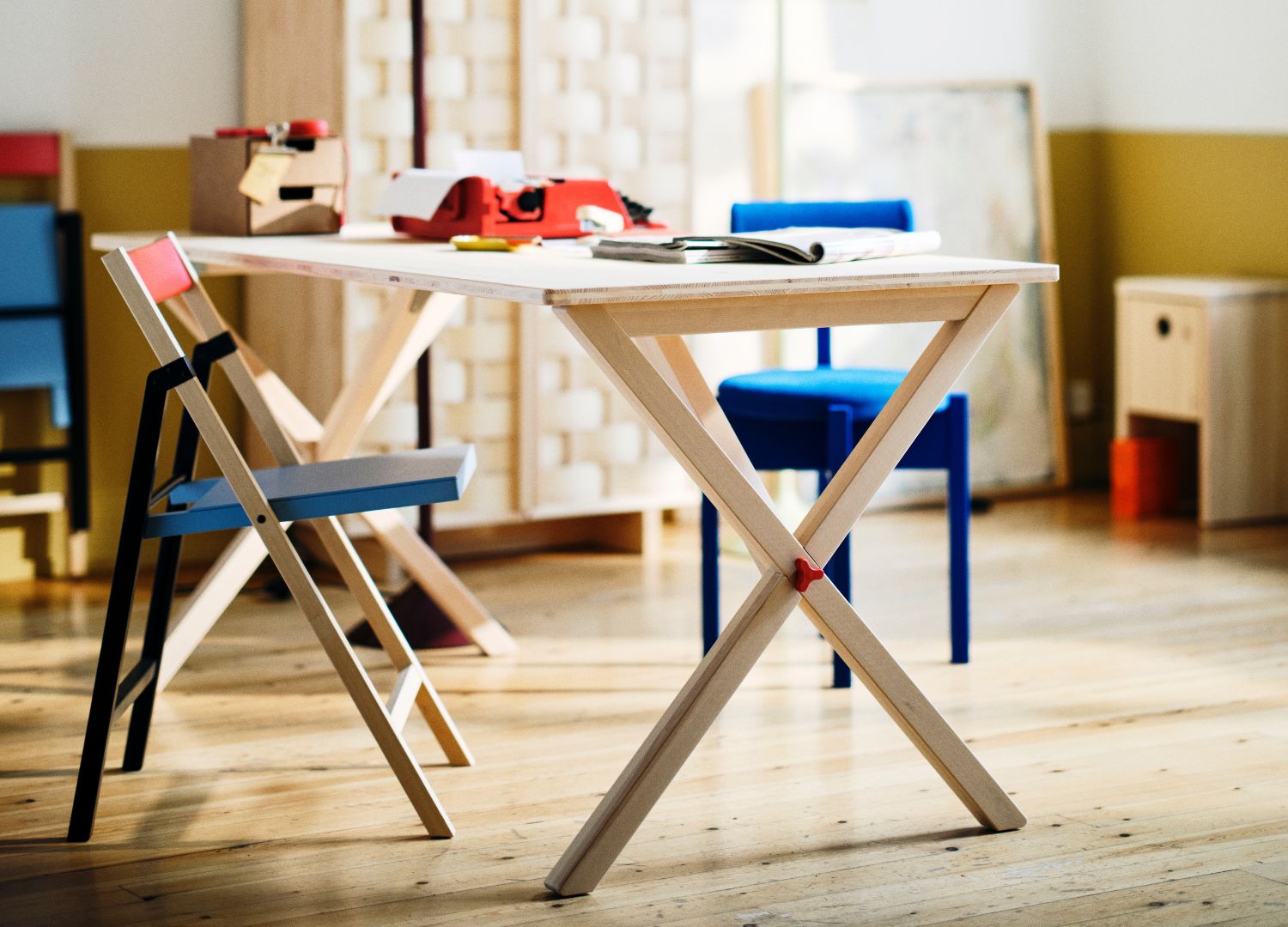
IKEA PS 2026 © IKEA
IKEA PS 2026 © IKEA
IKEA PS 2026 © IKEA
IKEA PS 2026 © IKEA
IKEA PS 2026 © IKEA
IKEA PS 2026 © IKEA
He is the leader of the project Maria O’Brienthe creative leader of the collection, who invited twelve designers – David Wahl, Lex Pott, Maria Vinka, Lukas Bazle, Ola Wihlborg, Ellen Hallström, Marta Krupińska, Mikael Axelsson, Henrik Preutz, Friso Wiersma, Matilda Lindstam Nilsson, Michelle Armas – with a deliberately open and radical brief:I let them know very openly. I think play and breathing space is what we need right now. If we look around the world, there are few things we need more than a little breathing room.” The guiding thread of this edition can be distilled into a mantra as simple as it is challenging: simplify without being boring.
As O’Brian explains:Simplicity doesn’t have to make it boring. This is something we really wanted to challenge – this simplicity done right can be extremely interesting and interesting if you add an element of surprise, an unexpected appearance, a twinkle in the eye.”
IKEA PS 2026 – The 10th Edition:
Playful functionality designed for compact living
But playful does not mean frivolity. The collection revolves around two exact words – playful functionality – and their combination is not at all accidental. “Once you put functionality in there, you know you have other values and criteria to meet,” notes O’Brian. A creative intensity that designers have translated into objects designed specifically for small spaces, where every centimeter must justify its presence. As Ellen Hallström points out: “My starting point was the theme of small space living. If you make products that are only fun, they will also be incredibly annoying. When you live small, you can’t afford to just have fun – they also have to be functional.”
The idea of playful functionality emerges – perhaps most clearly – in the very names of the products: descriptive, almost narrative names that refer to everyday gestures and situations. IKEA PS 2026, after all, “does things»: folds, clicks, peeks, hides, flips, climbs, follows you, sleeps, puffs up, colors, changes direction, crosses his legs, listens, rocks, moves, observes.
Rocking benches, folding lamps and interactive objects
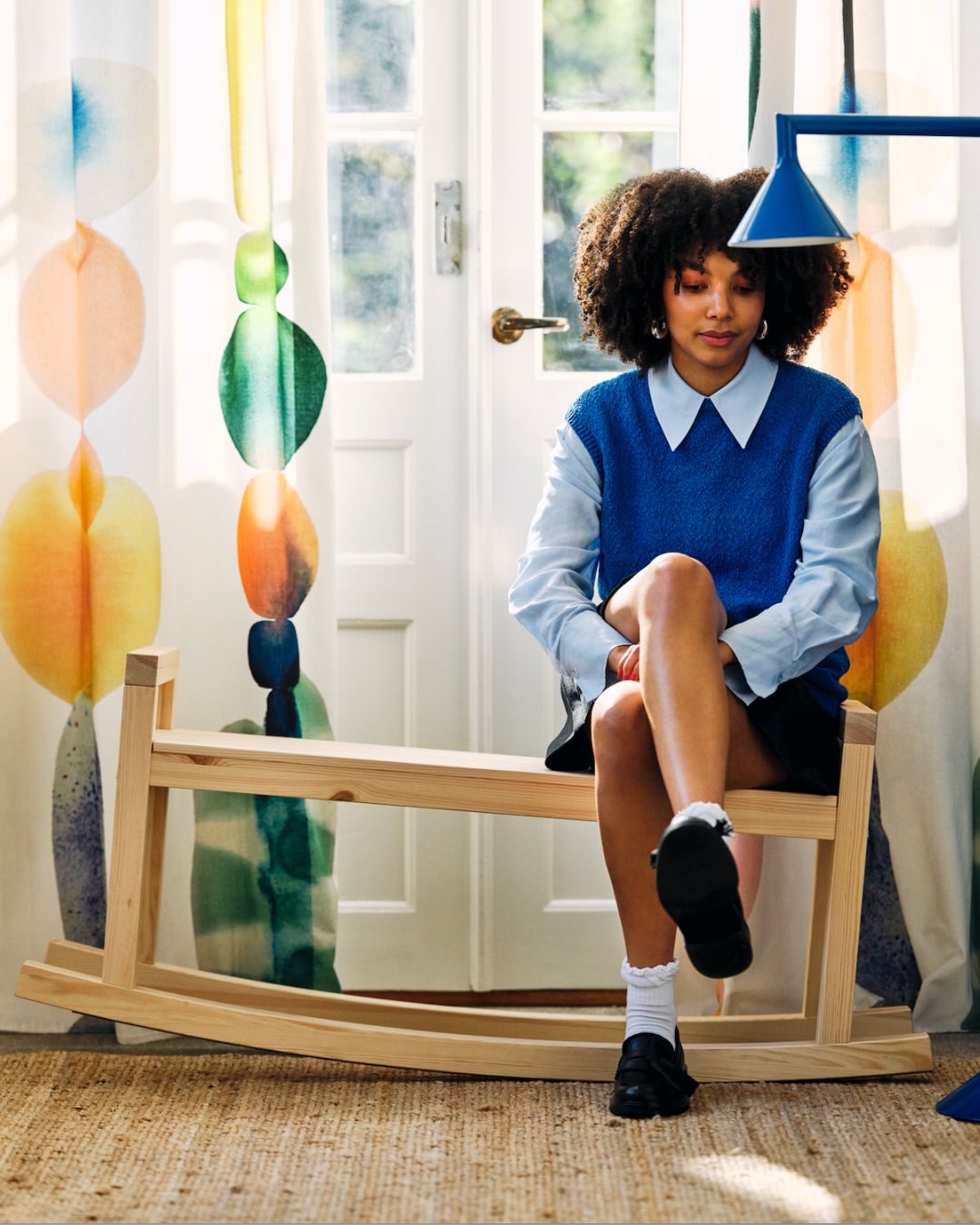
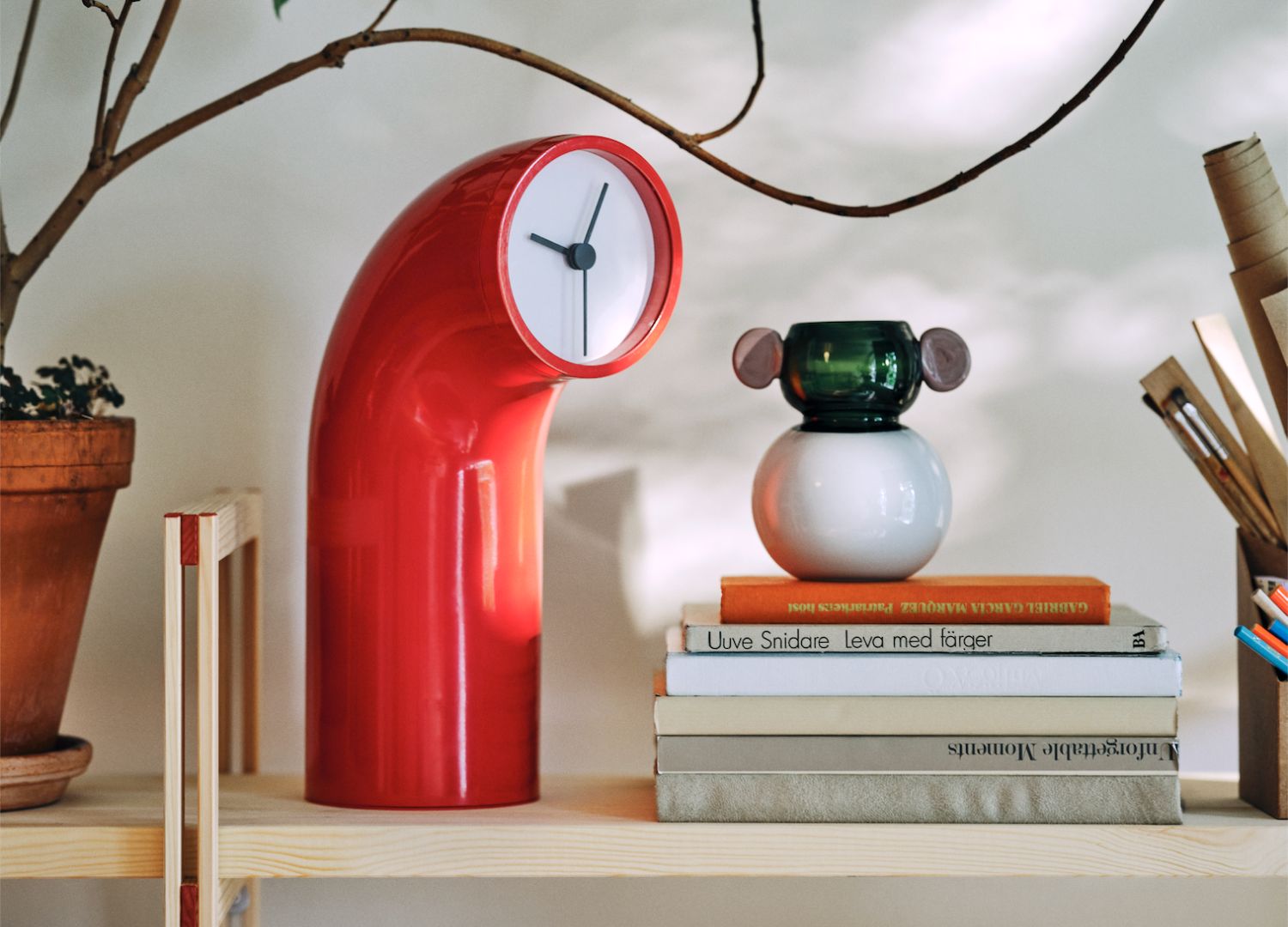
This spirit finds a living expression Marta Krupińskadesigner of the rocking bench. “Someone once called me the ambassador of fun,” he says. “Not taking everything too seriously… that’s what makes life easier and more enjoyable.” Her idea takes shape through a process that embraces obstacles:I’m never afraid if someone tells me my project won’t work. For me, problems are really an opportunity to do better.” He also designed the concealment solution – a handcrafted footstool that doubles as a seat and storage – and the peeping clock, inspired by a periscope.
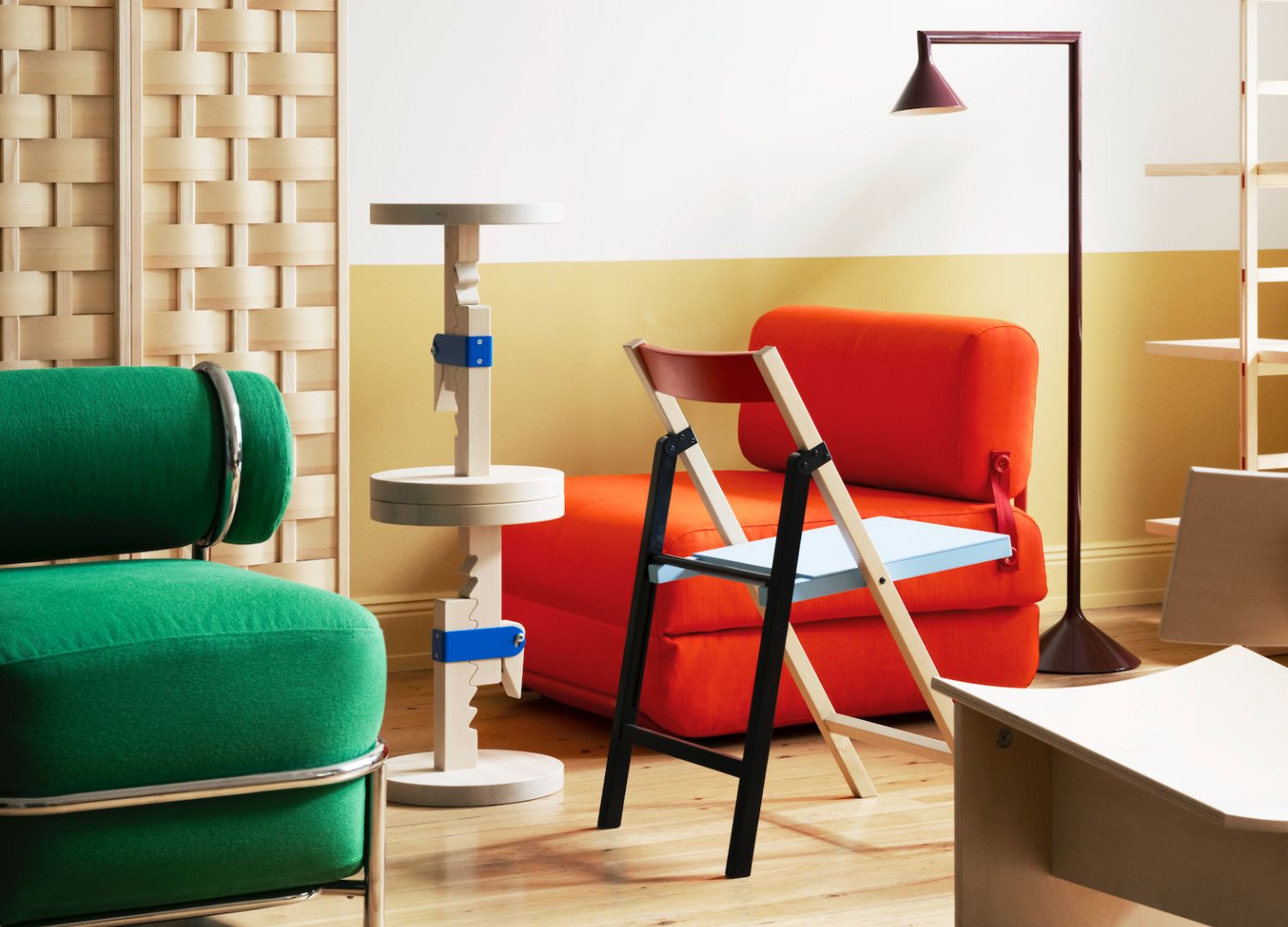
A similar balance between play and function informs his work Lex Pottsdesigner of the folding lamp. “When a product only focuses on being fun, it risks feeling artificial… but if you manage to combine fun with functionality, then you have an interesting design.” The lamp – both a floor light and a spotlight – comes from a simple movement: cutting a cylinder at a 45-degree angle. From there, multiple recomposition possibilities invite users to reshape it. “The magic is in the creation.”
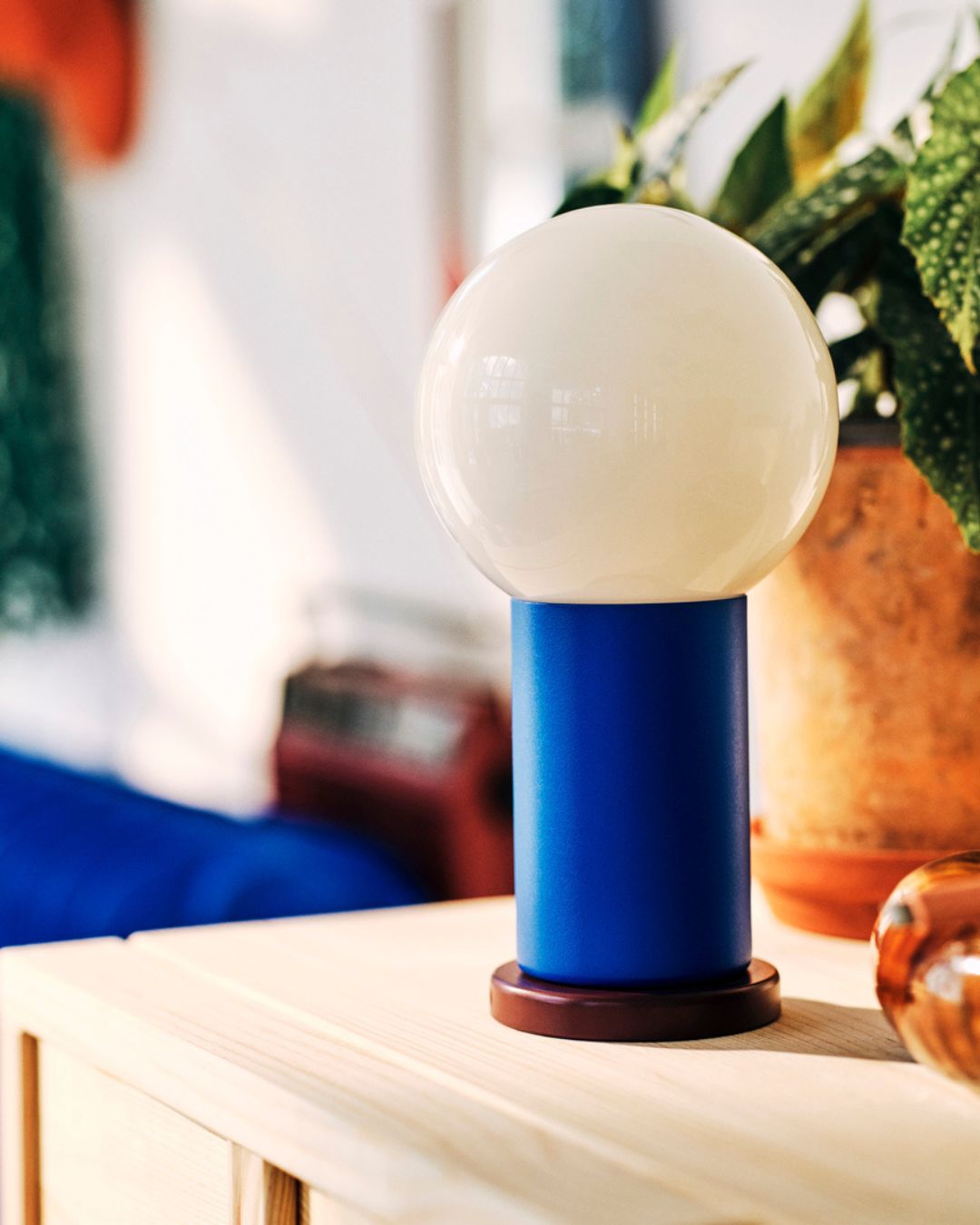
Pott also designed a light blue rolling cart that follows you around the house, a wheeled “little friend” created to carry items that are usually left wherever they are, along with spotting recycled paper decorations that look like playful characters. Another highlight is the accompanying portable lamp, designed by drawing simple geometric forms and made of glass and metal to convey a sense of solidity and quality. Rechargeable and easy to move, it comes in three different colors, extending its use to different home settings.
Inflatable seats, woven lockers and material experimentation
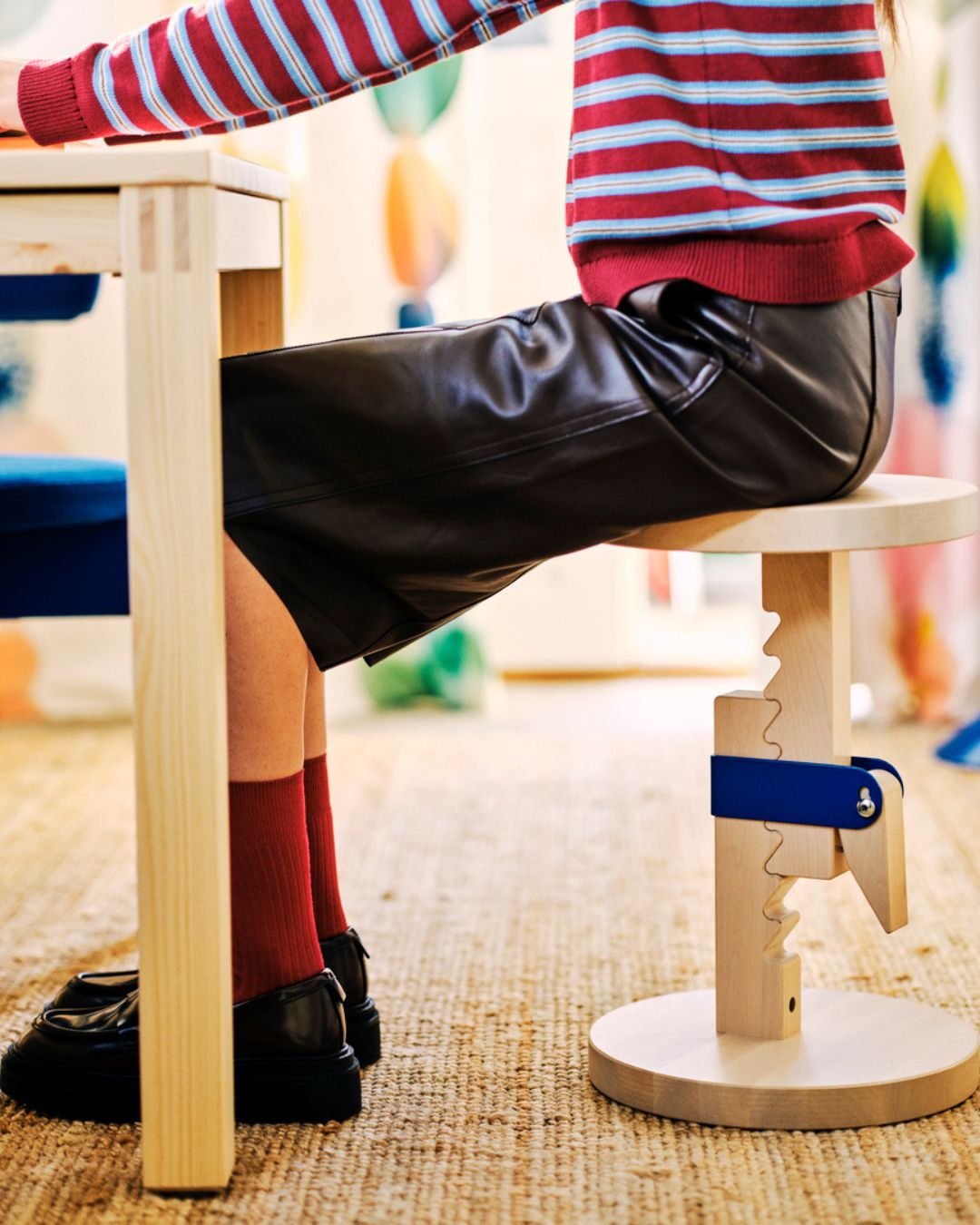
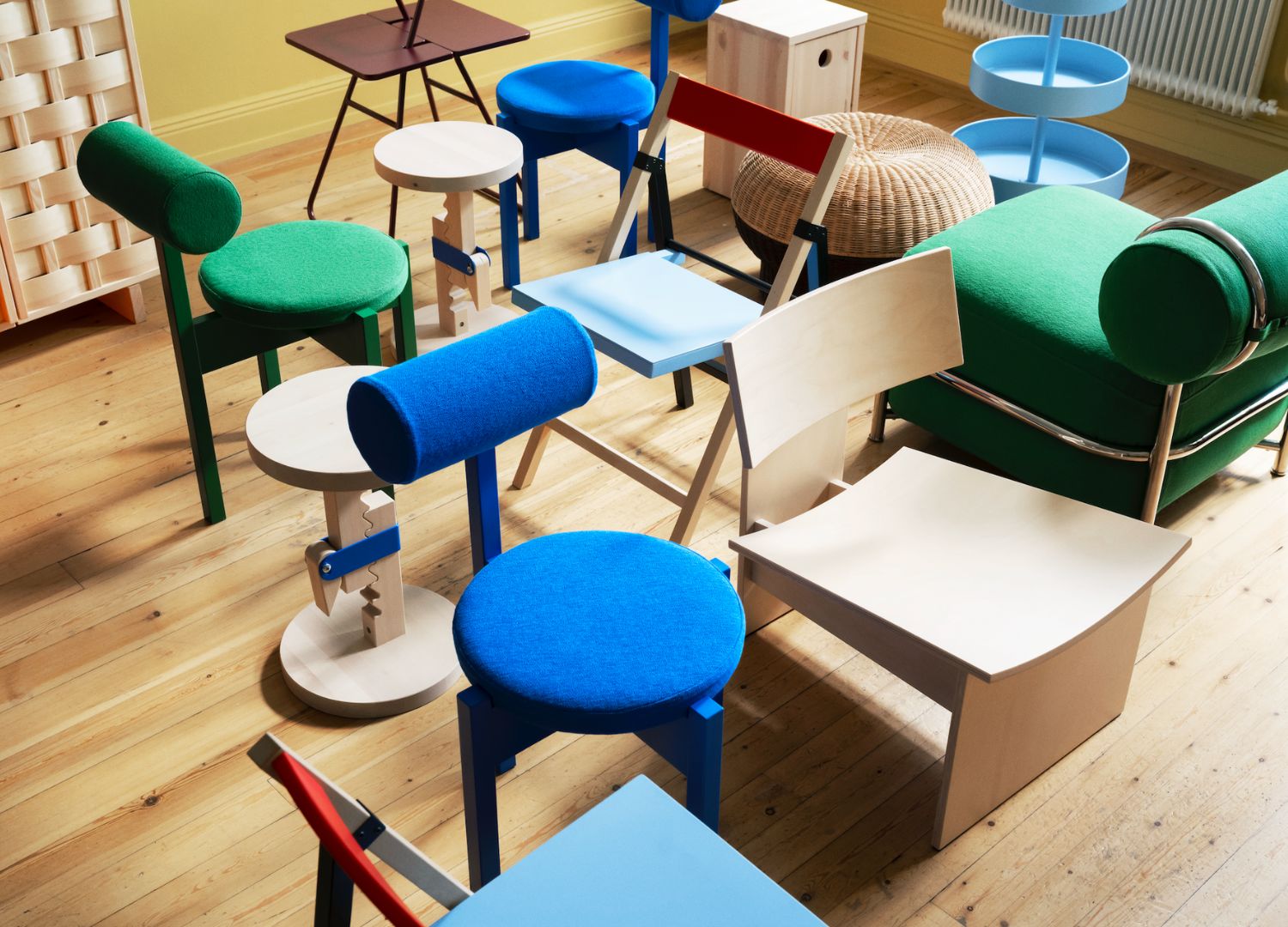
If Pott works with geometry, Michael Axelson turns to an even more radical material: air. His inflatable armchair revises the aesthetics of the 1990s with modern rigor. “Air is the perfect material… it’s free and accessible to everyone.” However, air design requires a completely different approach: Axelsson developed prototype after prototype until it achieved comfort and durability comparable to a traditional armchair. The climbing stool completes its contribution, with a ratchet construction inspired by woodworking tools.
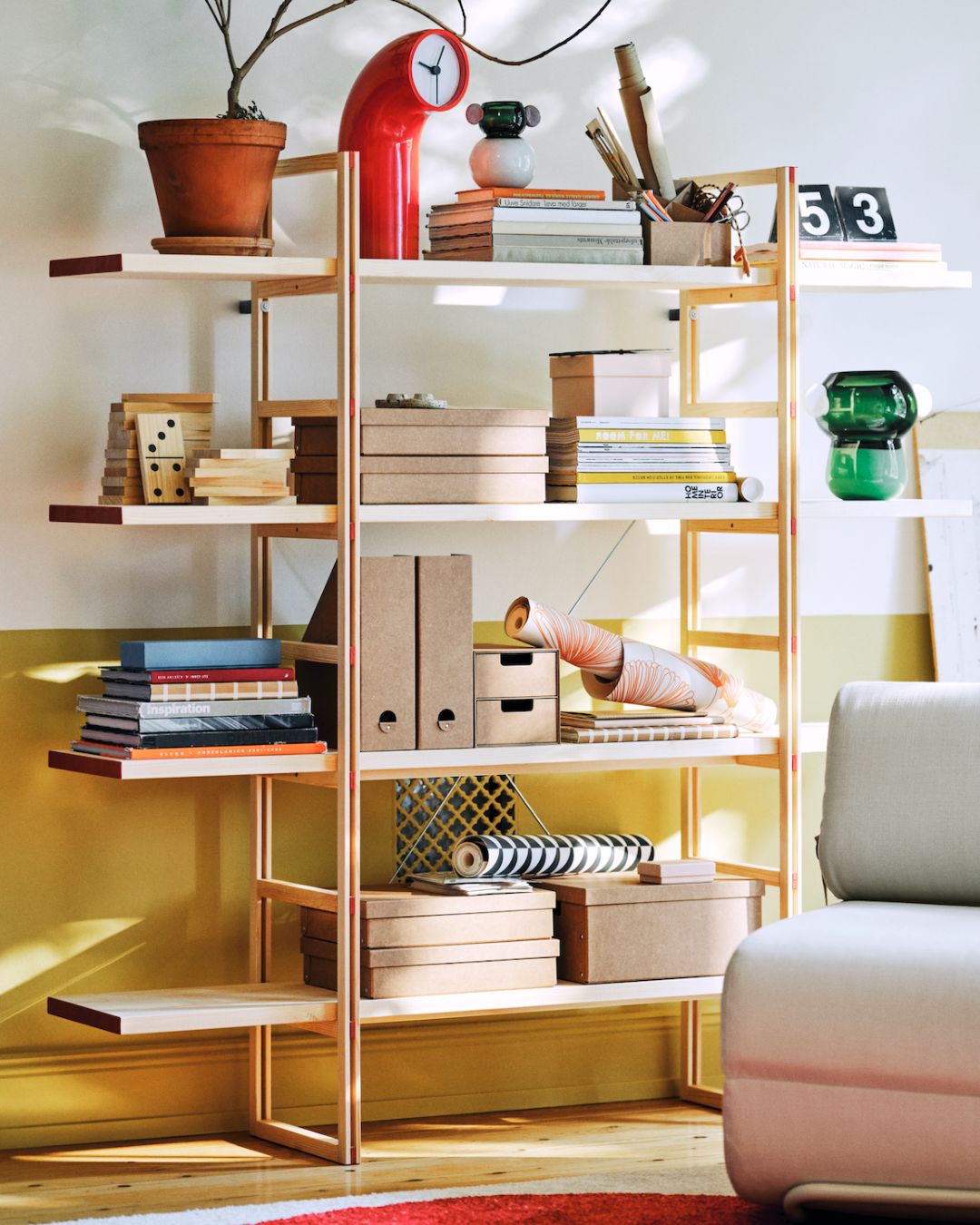
Wood, on the contrary, is his language Friso Wiersmacabinetmaker and shipbuilder. “Y.G is like a marriage and a celebration between craftsmanship and industrial productionThe rapidly moving wardrobe, with its handmade, raw solid pine doors, makes its gesture visible.In weaving, you can immediately perceive the movement of the hand.” The same sensibility carries over to the collection shelves, a reinterpretation of an IKEA bookcase from the 1980s.”I wanted to honor a mentor and father figure to me in design at IKEA — Nils Gammelgaard. He was one interior designer in the eighties. The open shelves with red painted edges are a nod to Nils, his work and style, but to my material: wood.“
Folding tables, directional chairs and customizable home furniture
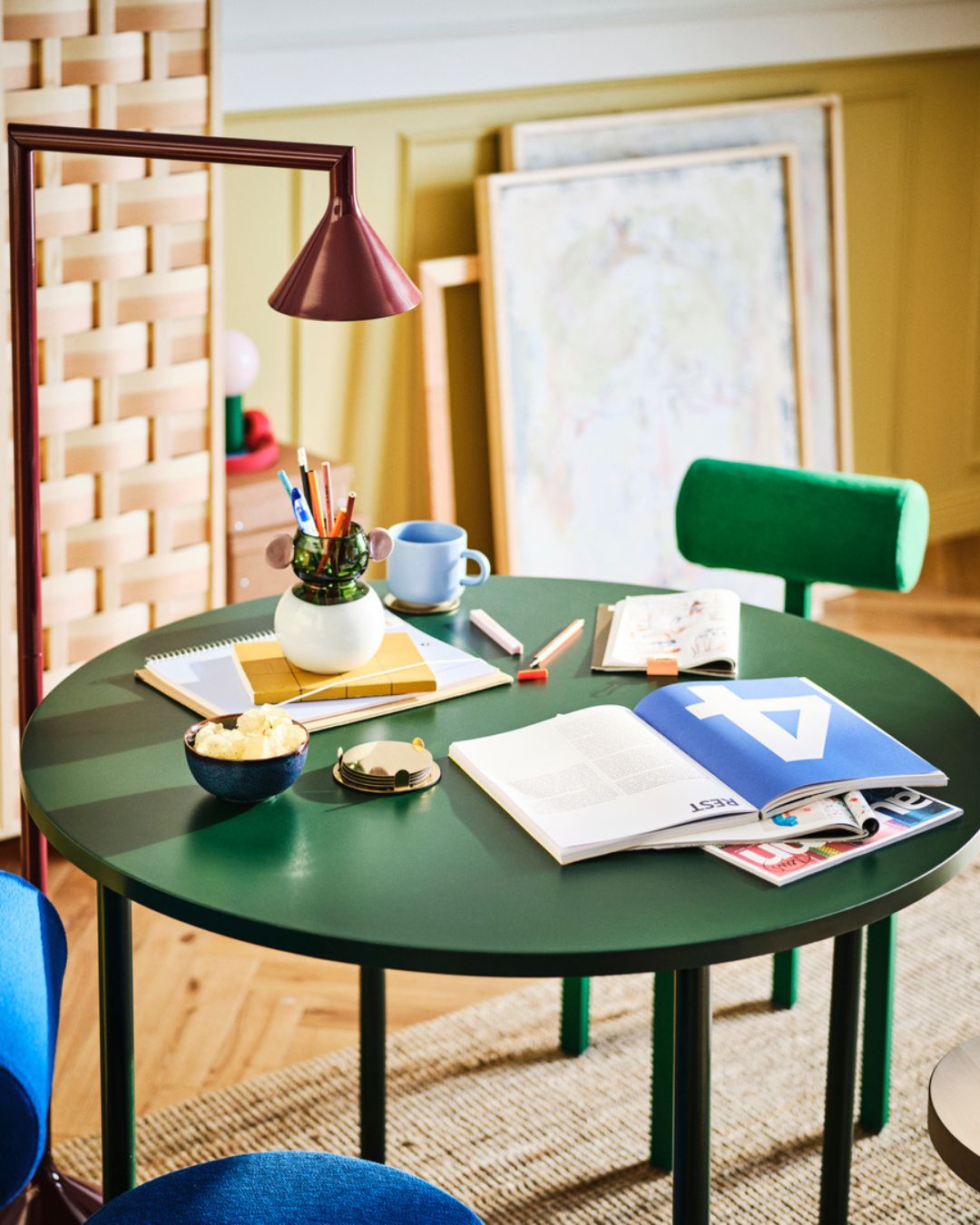
Among the most productive contributors, All Wilborg creates a constellation of sharply defined objects. The color scheme introduces a bright green to the space. The table that crosses its legs combines sturdiness with folding. The sofa that loves to sleep prioritizes comfort with a mattress-like structure. Together with these, the nightstand that turns in perspective, inspired by a birdhouse, and the communication table, with a drawer accessible from both sides, translate Scandinavian simplicity into smart everyday solutions.
Henrik Proitzmeanwhile, he draws from domestic life to design the chair that changes direction, designed to adapt to the rhythms of a truly inhabited kitchen. “This chair doesn’t decide how you should sit – it invites you to try new positions.”
Asymmetric mirrors, portable lighting and transformable objects
Helen Hallstromwho received the collection brochure while traveling in China – without internet or social media – developed her ideas in a sketchbook, creating four pieces: the moving mirror, with its asymmetrical frame; the coat stand that snaps into place, designed to free up floor space. The upward-pointing chair, which when hung becomes an almost cubist work of art. and the tribute chair, a declaration of love in birch plywood. “I was traveling in China for two weeks when I got notified. I couldn’t use Instagram, Pinterest or the internet. I just had a sketch and some music I’d downloaded. That was so liberating – I could actually sit down with myself and think about things. It was a really good starting point.”
The collection is completed by the shiny lampshade from Lucas Baslecreated by deconstructing a paper ball. the listening jars from Maria Vinkain blown glass; the click table from Choice Davidwith mechanism improved for more than a year. the folding armchair from Matilda Lindstam Nilsson; and the flowery fabrics from Michel Armasmade with the blooming ink technique.



