


There is a question that Ukrainian design has been forced to ask for more than three years now, a question that no design school has ever put on a curriculum and yet, in a country under invasion, it has become the most urgent of all: can an object help someone return to themselves? Not to heal in the clinical sense, not to compensate for the loss, but to regain motor coordination, concentration, the feeling of doing something with one’s hands, without that hand trembling or completely missing.
The sixth edition of Ukrainian Design and Innovation Week (UDIW)held in Kyiv and online from May 4 to 10 on the topic AMBIENCEhosted among his works what is perhaps the least spectacular and the most necessary: the collaboration with the National Rehabilitation Center INACTIVE – a rehabilitation center specializing in complex prosthetic, surgical, physical rehabilitation, psychological rehabilitation, housing and reintegration for war-affected Ukrainians.
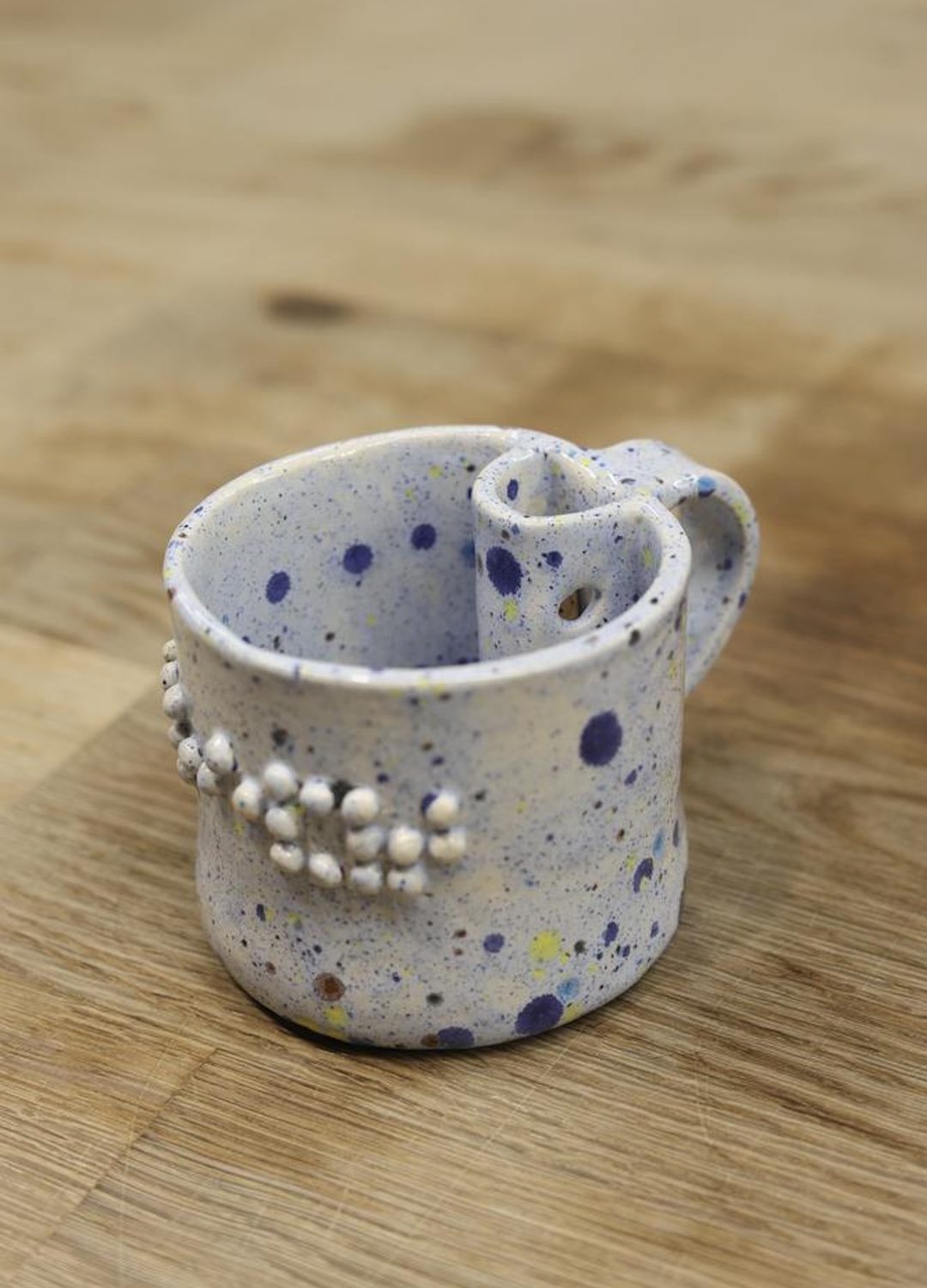
UNBROKEN © Ukrainian Design and Innovation Week (UDIW)
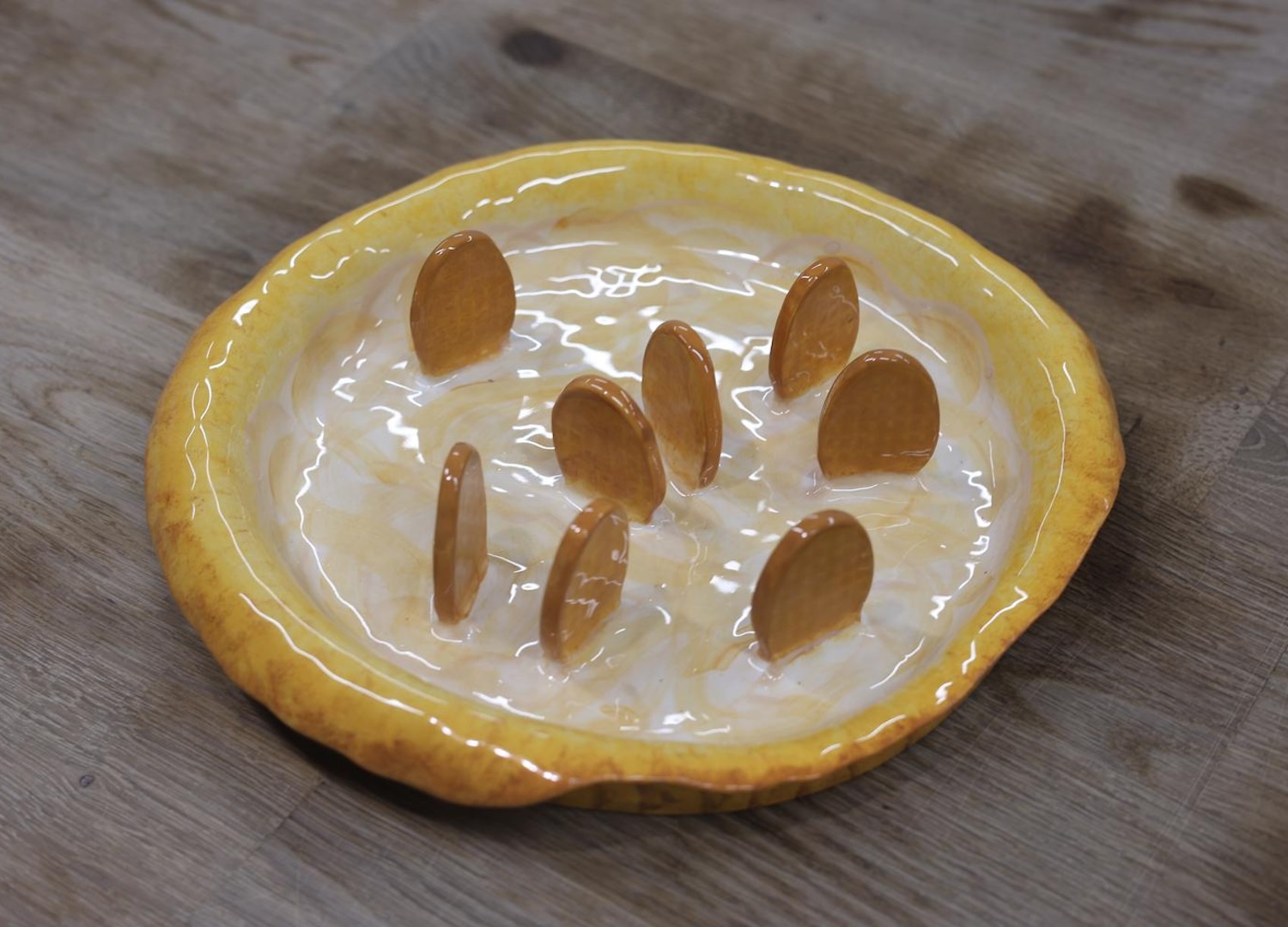
UNBROKEN © Ukrainian Design and Innovation Week (UDIW)
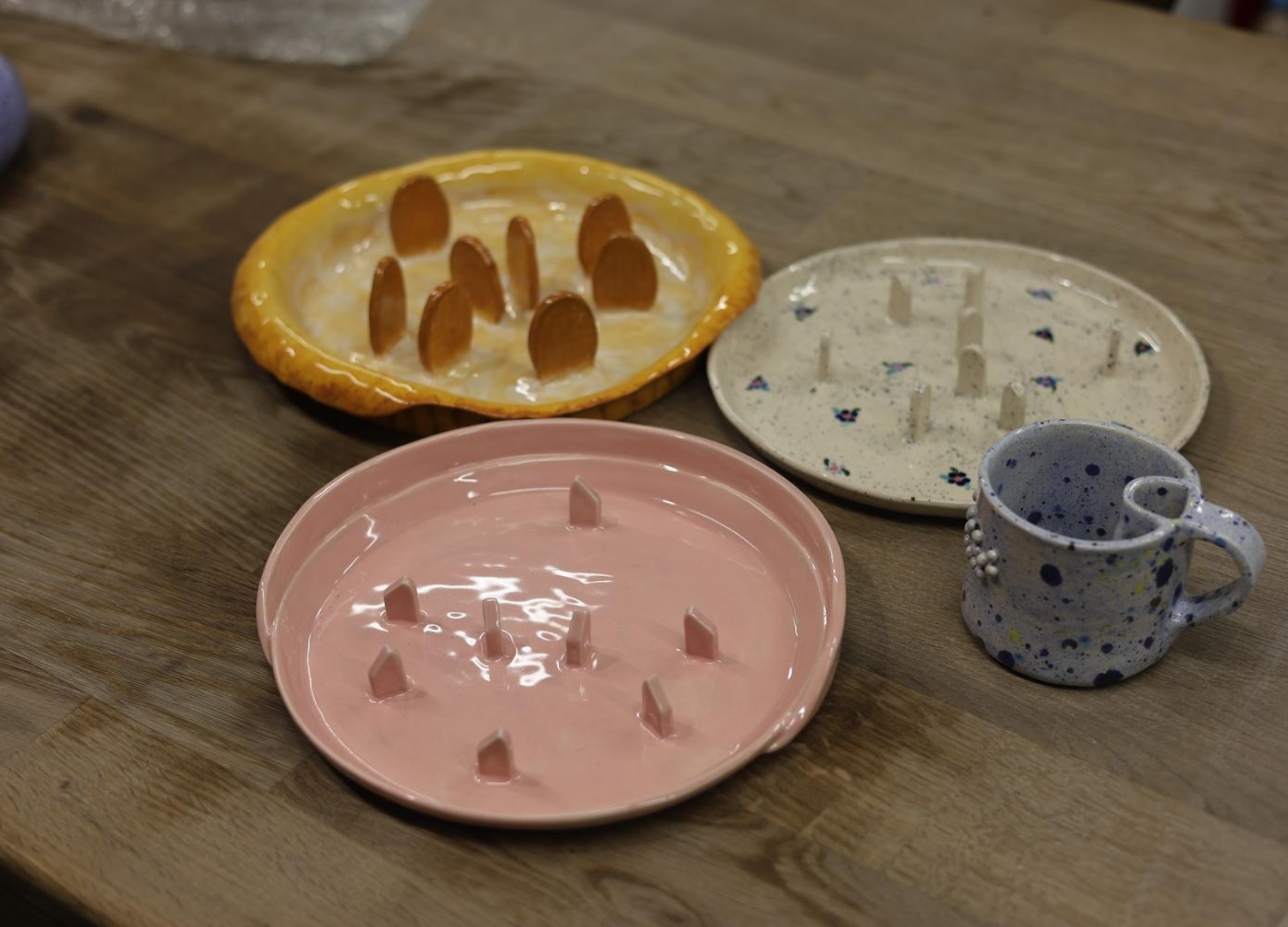
UNBROKEN © Ukrainian Design and Innovation Week (UDIW)
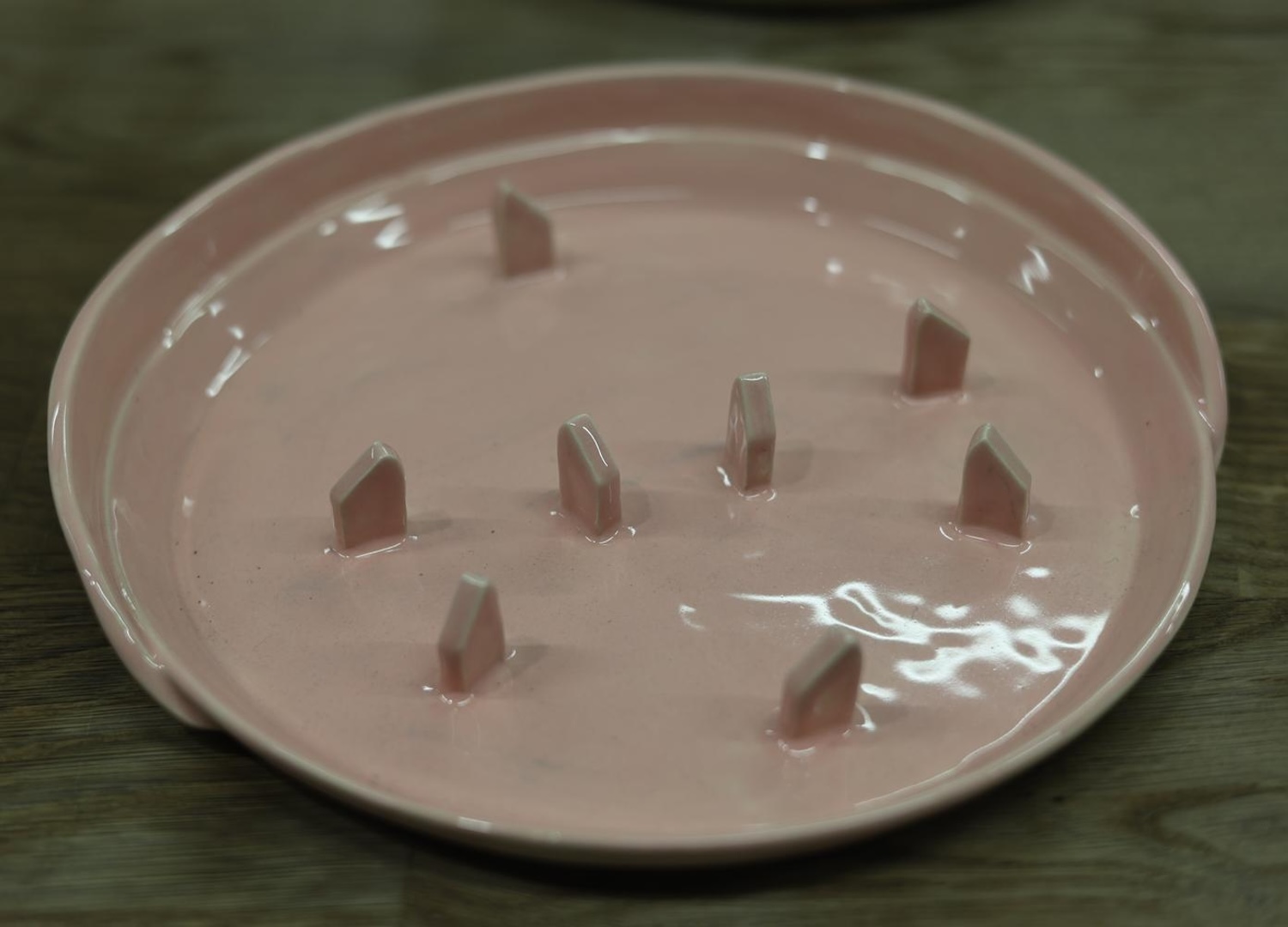
UNBROKEN © Ukrainian Design and Innovation Week (UDIW)
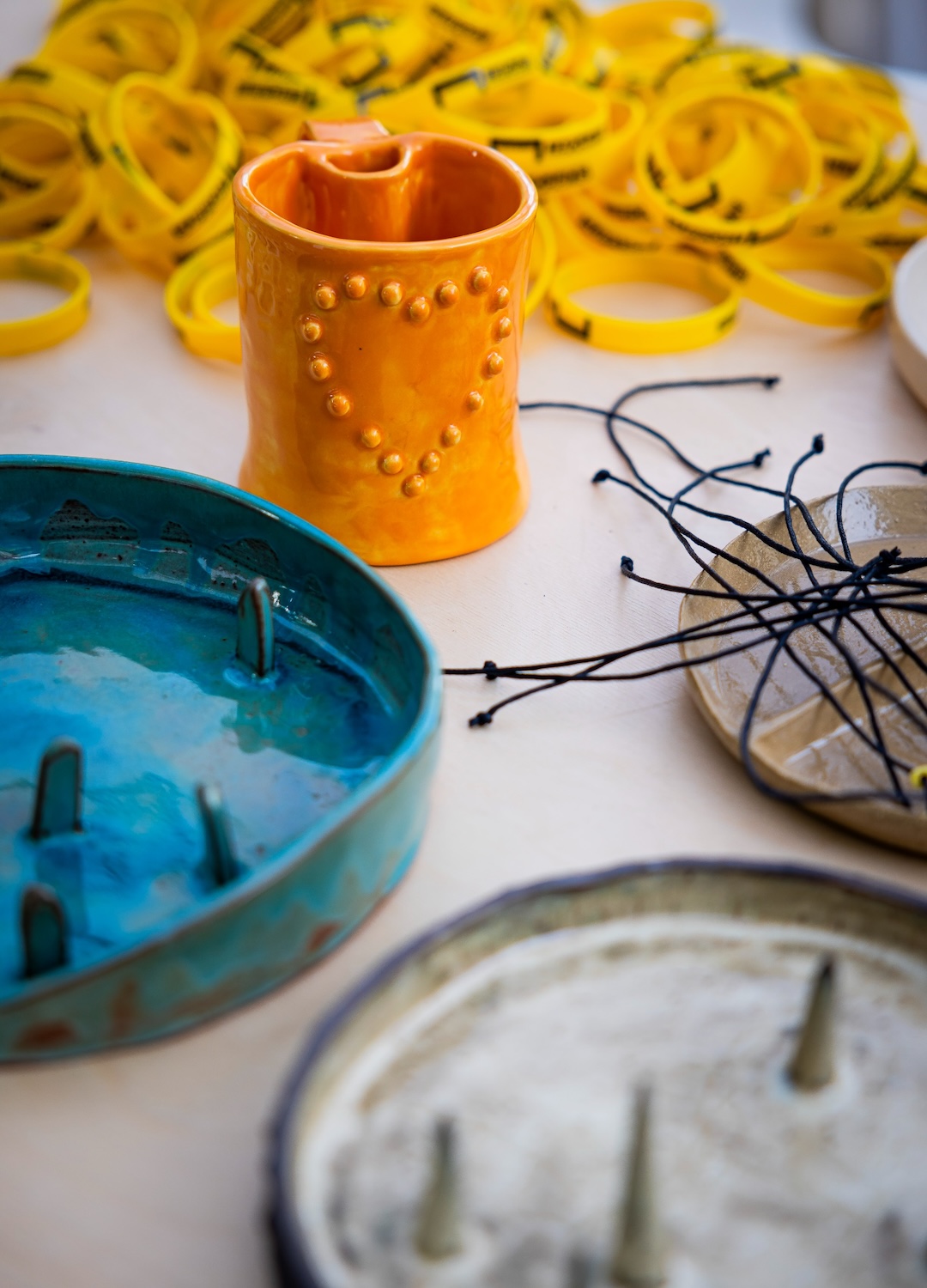
UNBROKEN © Ukrainian Design and Innovation Week (UDIW)
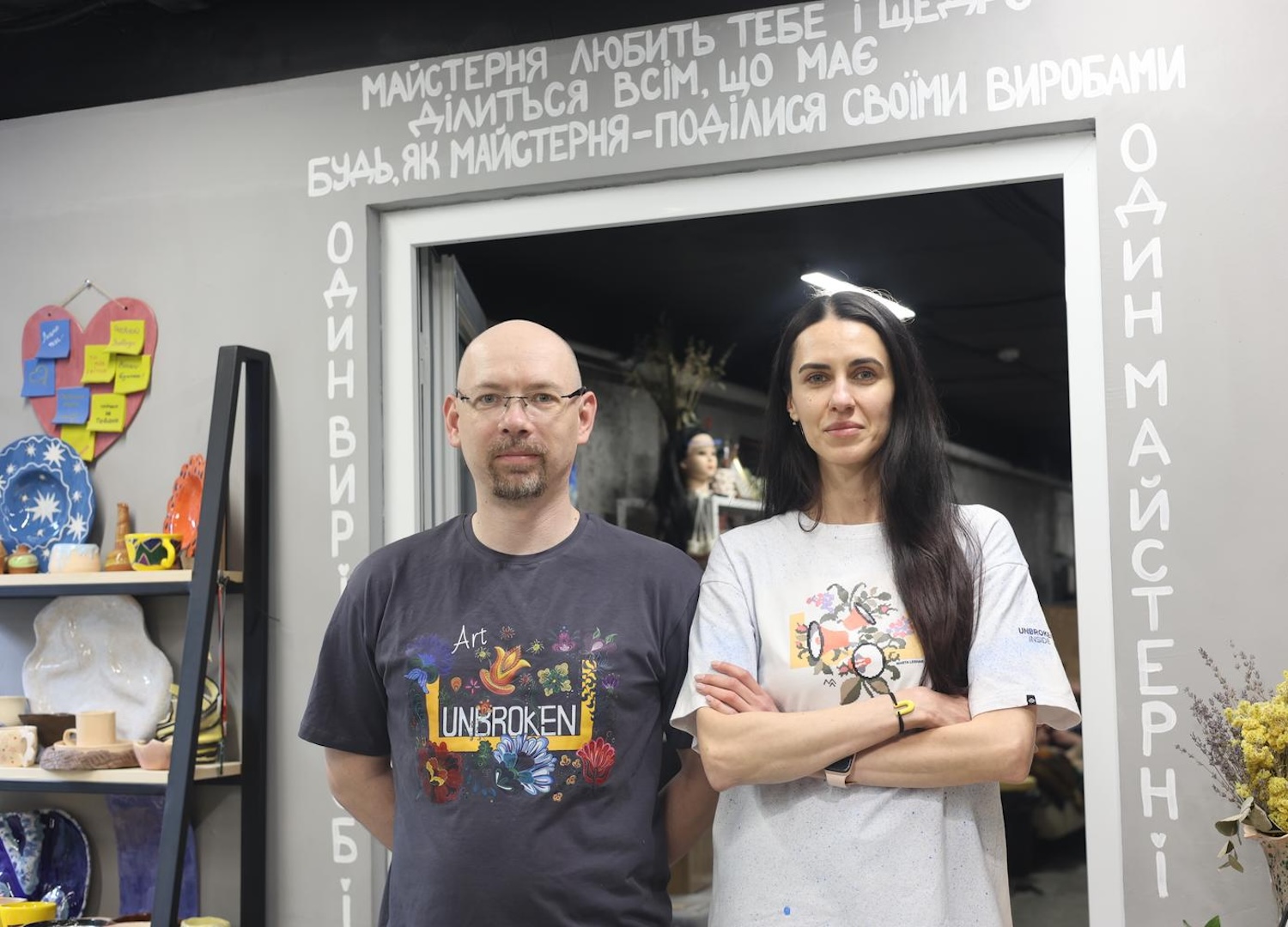
UNBROKEN © Ukrainian Design and Innovation Week (UDIW)
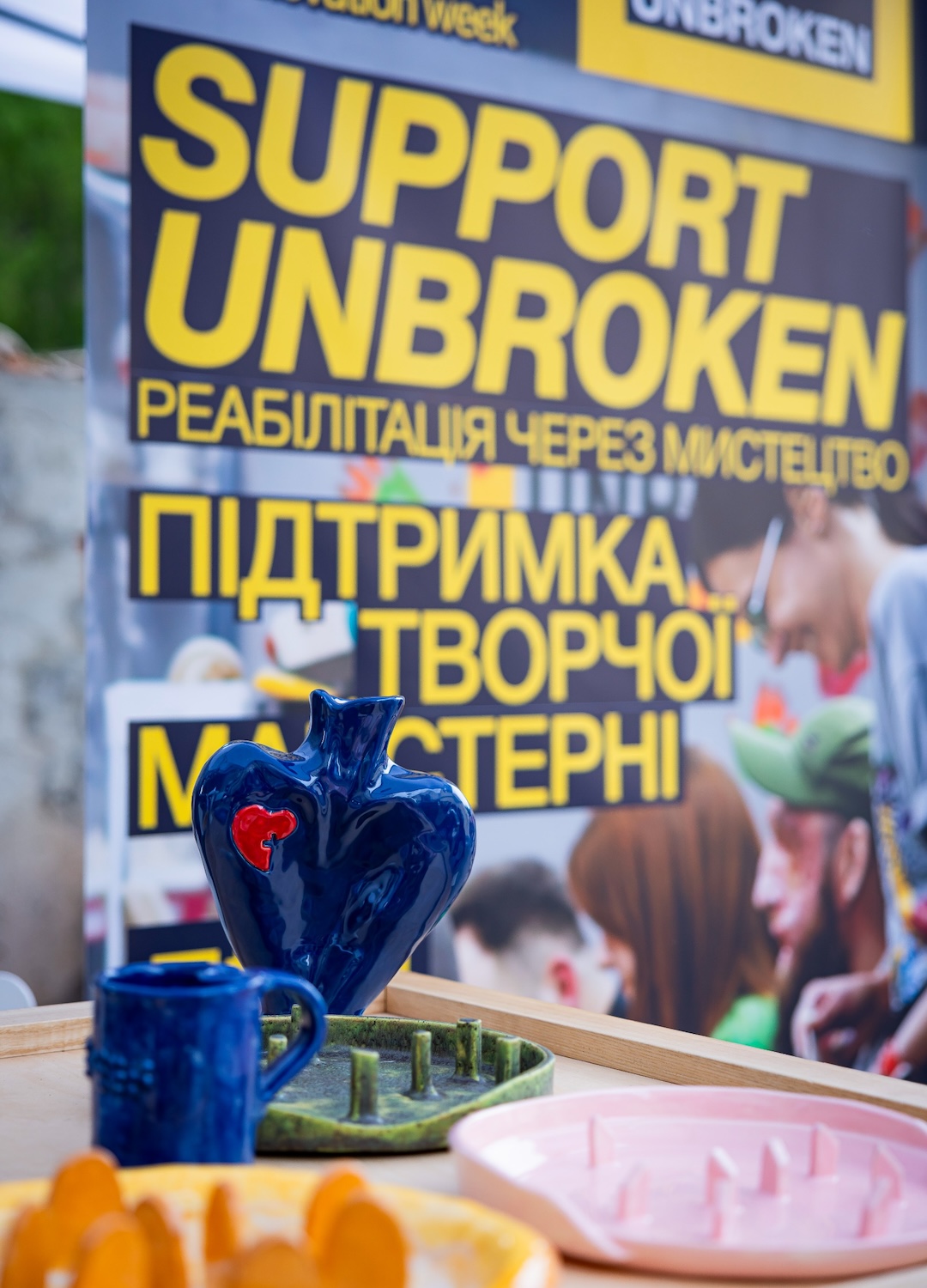
UNBROKEN © Ukrainian Design and Innovation Week (UDIW)
This collaboration produced neither a fairly ready-made collection nor a rhetorical manifesto for resilience, a world that in public discourse about Ukraine now has the consistency of a cliché – but it brought to Mystetskyi Arsenal a series of everyday objects: tableware, interior pieces, ceramic accessories, made in a creative workshop where politicians and military use a manual for children and military.
UNBROKEN at Ukrainian Design and Innovation Week:
The laboratory as a threshold
UNBREAKABLE is a full-cycle rehabilitation center – prosthetics, physiotherapy, psychological support – developed in-house POOL Arta program that integrates ceramics, weaving, painting and other applied practices into the healing process, not as entertainment to ease the dead time of a hospital stay, but as a tool to rebuild what violence has interrupted: the connection to one’s body, to one’s ability to act on things, to produce something that exists in the world. The repeated gesture – shaping the clay, threading the loom, controlling a stroke – is healing precisely insofar as it is also a re-appropriation of the power that war takes away.
“The process was not built like a classical design scheme,“The UNBROKEN Art Association explains,”There was no external design brief or separate designer-led research phase. The starting point was the experience of the patients themselves: their rehabilitation, their adaptation to the prosthesis, their physical limitations, their daily needs and their emotional state. In the creative laboratory, patients work with materials, test ideas and gradually transform their needs into objects. Marta Batura, Head of UNBROKEN Creative Workshop, and Kostyantyn Tsyrkot, Ukrainian veteran, provides technical support, implementation assistance and safe work process assurance, but authorship remains with patients.“
This work is important because it shows design not as external authorship, but as a tool for recovery, adaptation, and practical self-support. Objects are valuable because they were created by people who understand these needs from their own experience. As an explanation of the work states: “Patients often began working with materials as part of psychological rehabilitation, but the process led them to create functional objects based on real needs.“
Against the object as a signature
The project’s stages are an implicit critique – and all the more effective for being unstated – of a design culture that still thinks of itself in terms of authorship, market innovation, the object as signature. That’s why the pieces produced in UNBREAKABLE lab topic: because they don’t seek that kind of recognition. They are – in the most precise and unpretentious way possible – functional objects, characterized by specific bodily histories, conceived from the point of view of adaptation, from the renegotiation of habitual gestures after injury, and their form is not the result of a creative brief but lived experience.
It is no coincidence that inclusive design appears here not as an aesthetic category or a market label, but as a direct response to a body that had to relearn how to use things.
“One of the key insights was how naturally the process moved from a therapeutic activity to practical problem solving. Patients often began working with materials as part of psychological rehabilitation, but the process led them to create functional objects based on real needs.” continues the UNBROKEN Art Association “Their experience has given them an accurate understanding of what would be useful, comfortable and relevant for people undergoing similar rehabilitation. This made the final objects very specific and personal, rather than stylistically unified.“
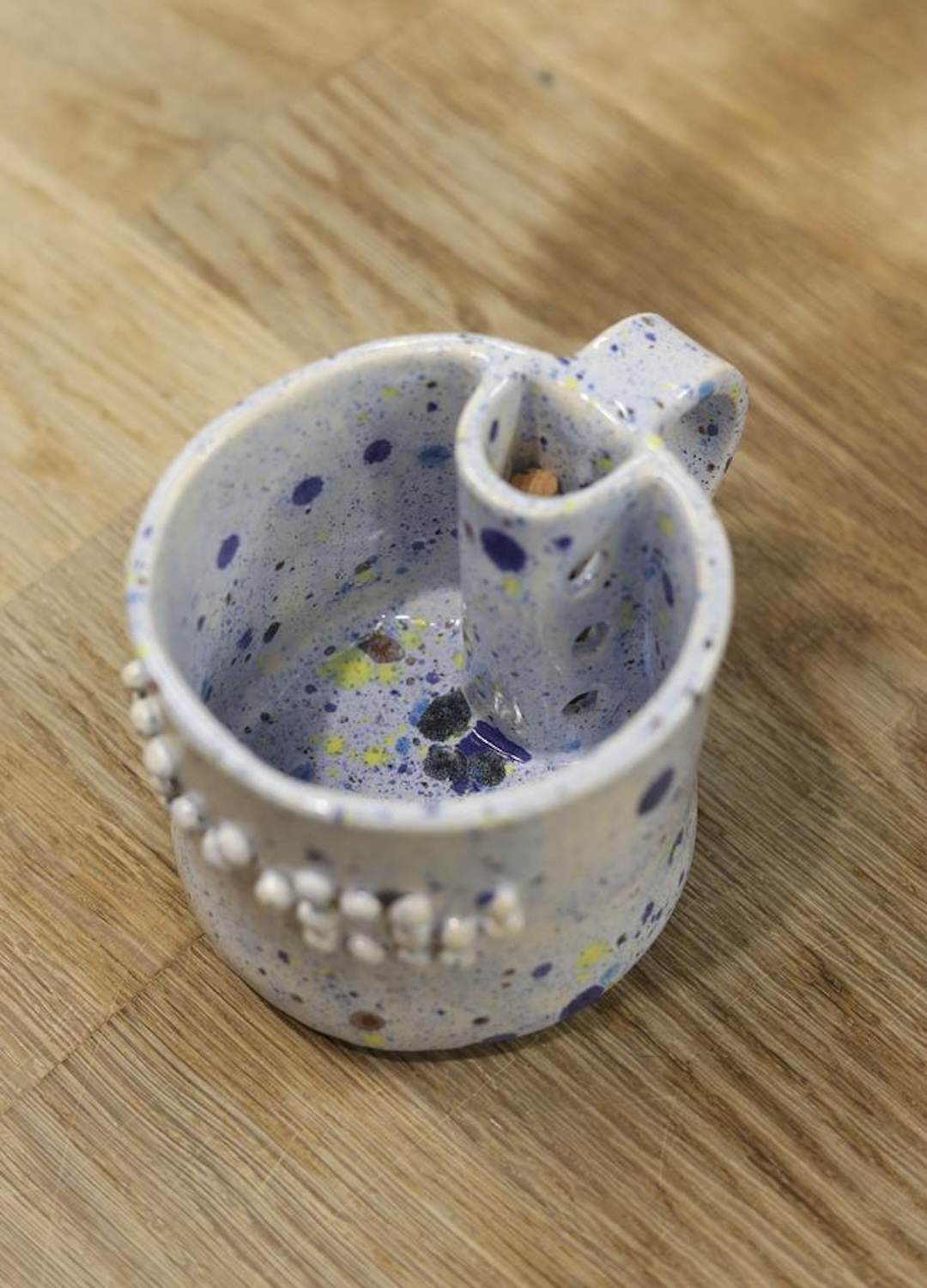
What they have created are not design products in the traditional commercial sense. Most of them respond to patients’ changed physical needs, daily routines, and new physical experiences after injury and prosthetics. Forms are shaped directly through physical experience: grip, balance, weight, comfort and ease of use become key factors in the manufacturing process, particularly for people adapting to prosthetics and altered physical conditions. Some items were made for personal use, while others were created for co-patients, friends or siblings with similar needs. In this sense, objects combine practical function with psychological recovery as they help patients regain agency through creation.
The scale that reconstruction ignores
There is also a political dimension that the work carries without needing to articulate it: while the debate on the reconstruction of Ukraine it almost always focuses on infrastructure, architecture, foreign investment – the logic of buildable space as the terrain of economic reboot – this function shifts attention to a scale that logic tends to ignore, but which is most important to the lives of citizens and their need for a normal daily life.
The domestic and physical scale – that of the house, the table, the object held in one’s hands – is no less urgent a scale. it is where it is decided whether everyday life will become viable again, whether the surviving body can also recognize itself with an ordinary gesture, whether the continuity of everyday existence – the cup, the plate, the gestures of the kitchen – can be recovered as a form of presence rather than a simulation of what came before.
“The practical process was central to the outcome. Patients made decisions through direct work with the materials and through their own physical experience. For people undergoing prosthetic rehabilitation, aspects such as grip, weight, balance, comfort and ease of use are particularly important. These practical factors directly influenced the form and function of objects. The collaborative environment also mattered. Patients could share experiences, observe each other and create objects not only for themselves but also for people with similar needs,,” says the UNBROKEN Art Association.
The public program at UDIW included, on May 10, an art therapist Iryna Holubetska in a panel discussion on the relationship between environment and recovery, and yesterday, a discussion on the center’s methodologies with specific reference to the role of creative practices in neuropsychological therapy. The publication also incorporated an immediate social mission, aiming for 200,000 UAH to be raised through donations and the sale of ceramic objects produced in the workshop.
His proposal UNBREAKABLE it remains, in this sense, both cultural and practical: a reminder that contemporary design cannot be separated from the practice of care – not abstract care, but the concrete reconstruction of gestures, routines and the ability to imagine something next.



