


Casio not exactly a brand associated with the avant-garde. for decades, it occupied a niche of affordable, functional and slightly wild items like calculators and wristwatches. However, it also had a second life in the memories of producers and experimentalists, anchored in the lo-fi charm of the SK-1, a 1985 sampling keyboard that allowed many to start making music creatively for the first time.
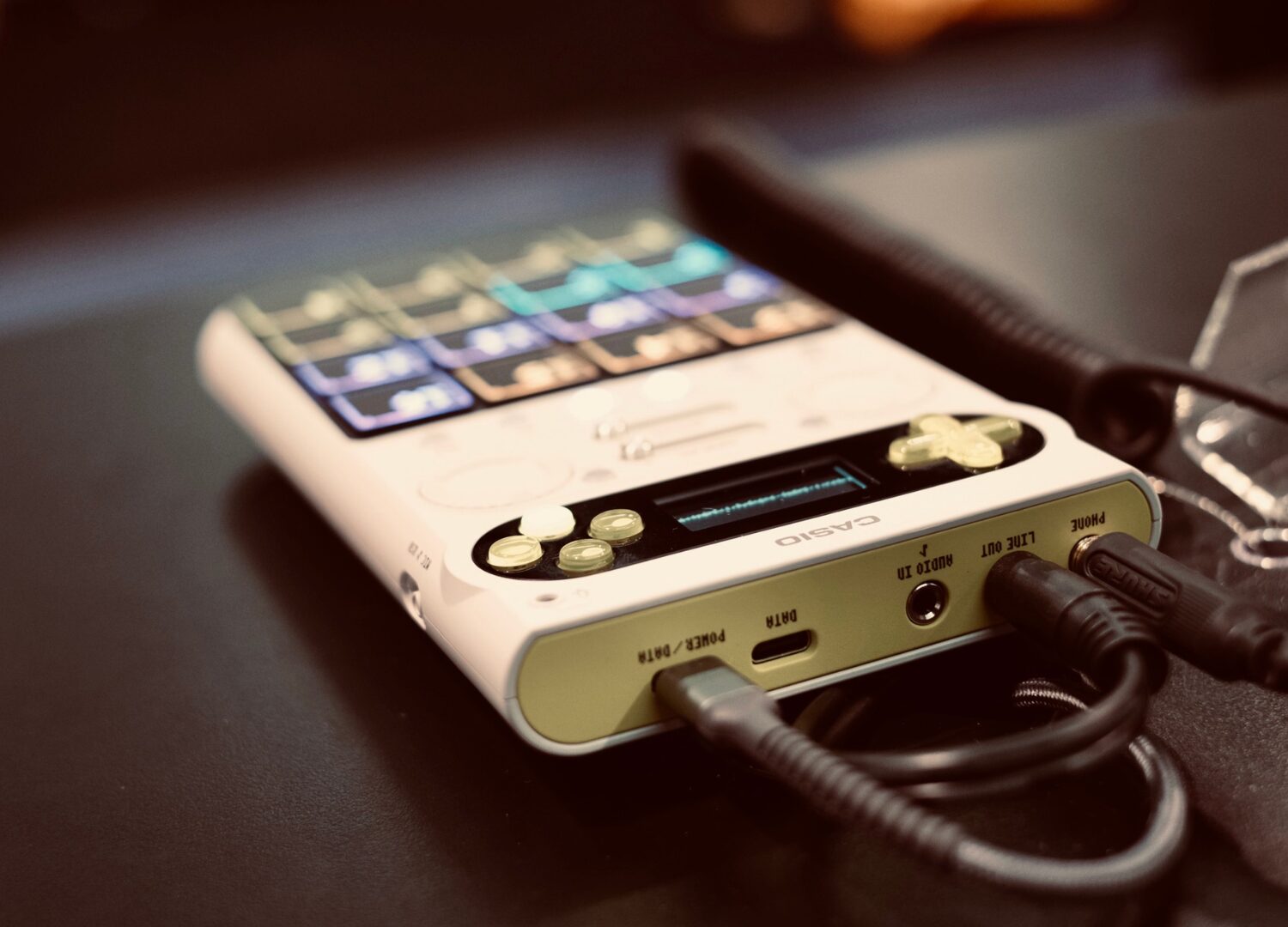
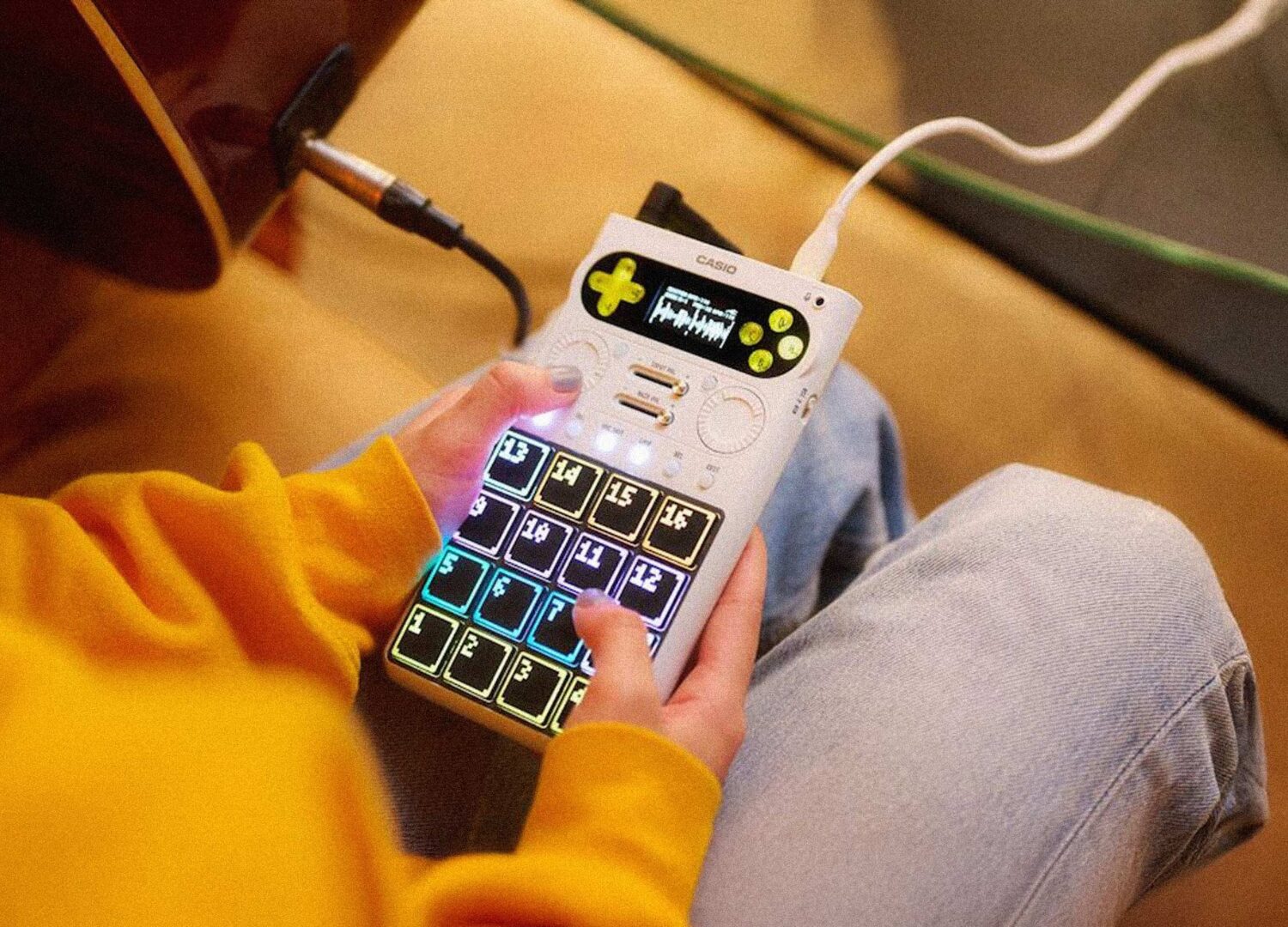
Now, we have his successor. THE SXC-1 is a stand-alone portable sampler that debuted as a prototype at one of the world’s largest music industry trade events, NAMM 2026and sits aesthetically somewhere between a games console and a beat machine.
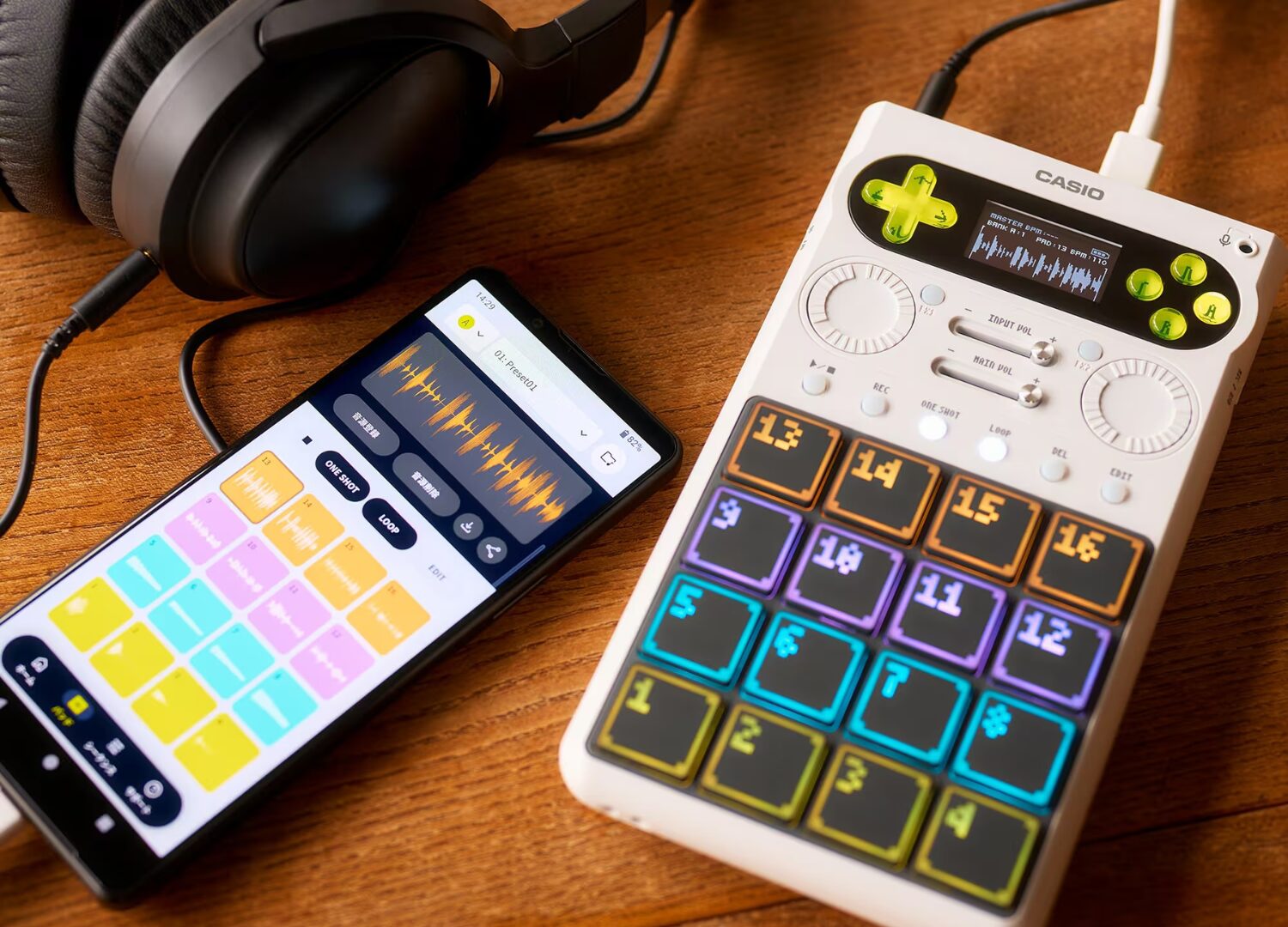
SXC-1 © Casio
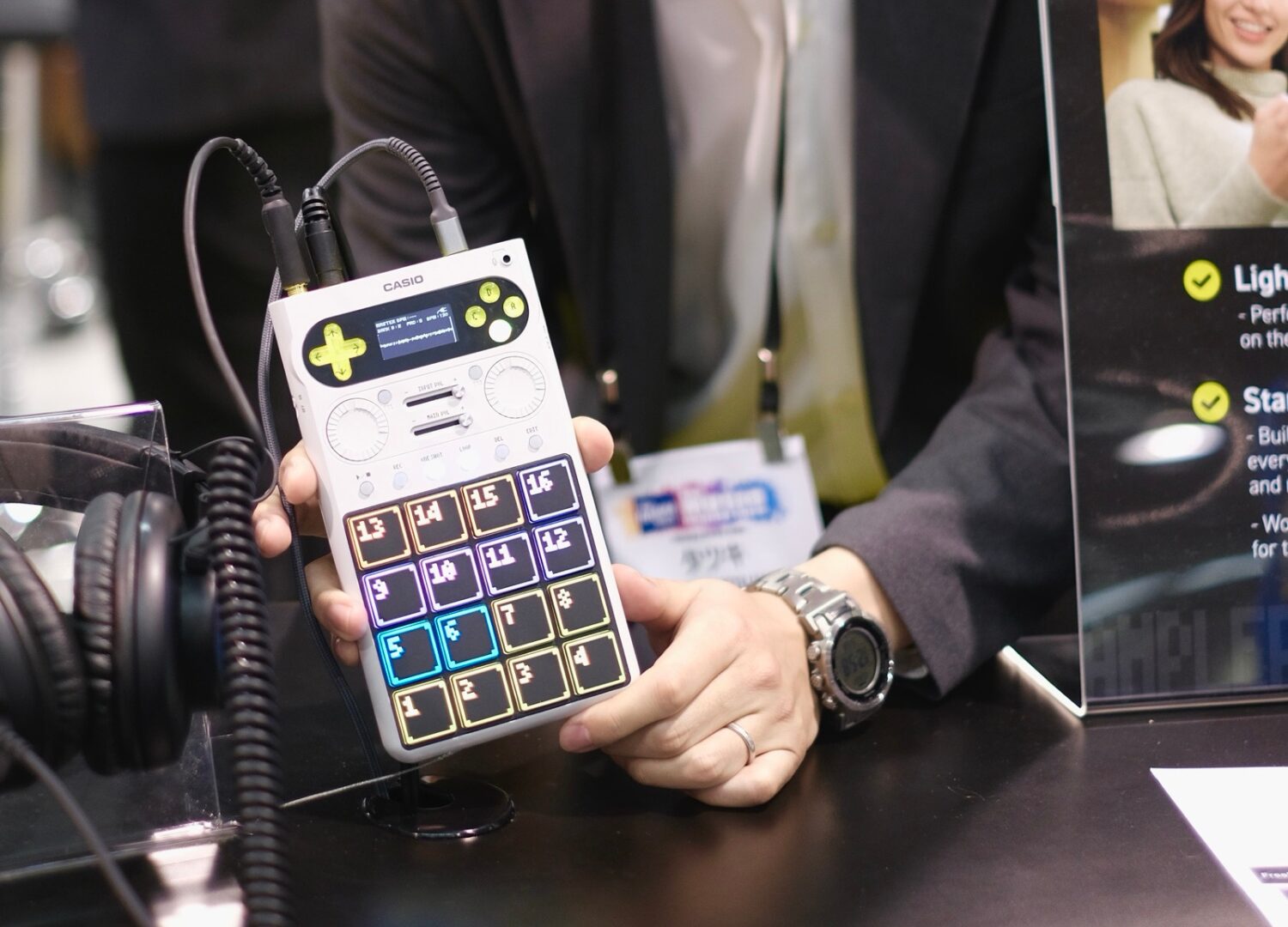
SXC-1 © Casio
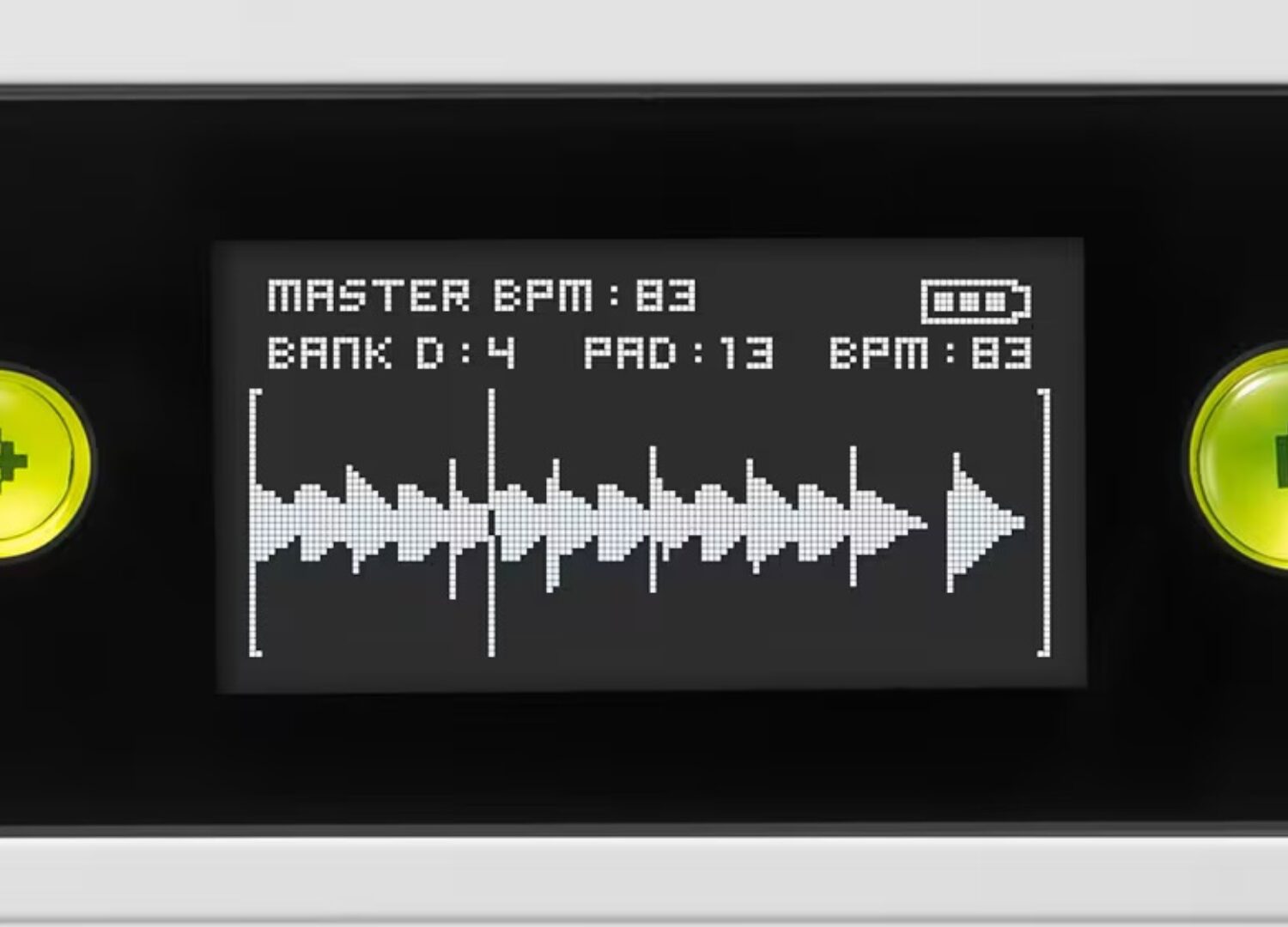
SXC-1 © Casio
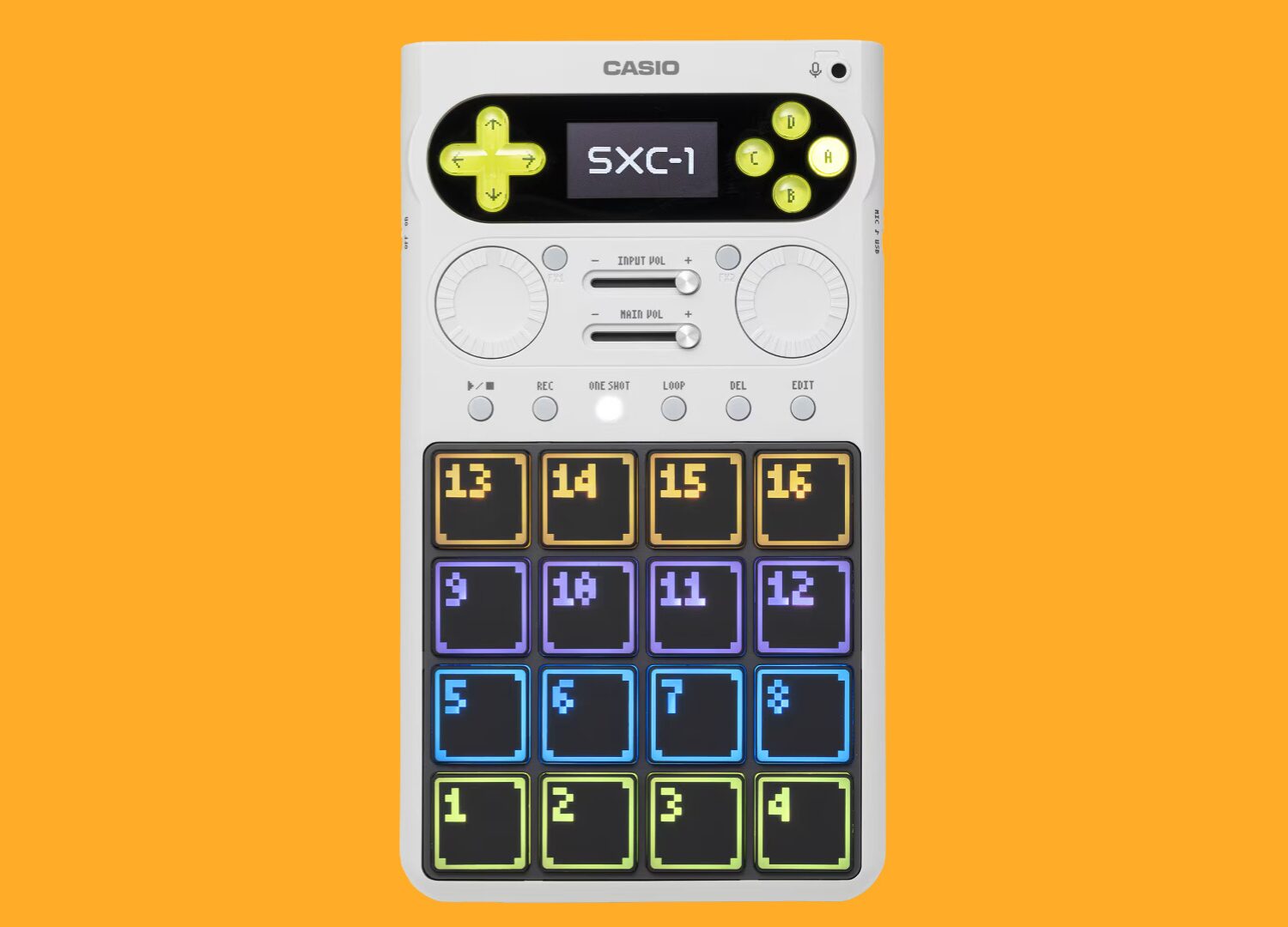
SXC-1 © Casio
SXC-1 © Casio
SXC-1 © Casio
Technical specifications
The SXC-1 comes loaded with over 80 sample banks drawn from the brand’s classics: the SK-1, SK-5, CZ-101 and MT-40. The device carries the legacy of its forebears, but also acknowledges the particular texture of early digital sampling, with its 8-bit grain and compressed frequency range. What was once a technical limitation is now perceived as a language.
The device maintains an extremely compact design that houses a high-fidelity sampling engine capable of capturing audio with clarity, allowing the user to sample field sound, vinyl or live instruments. The front panel includes a 4×4 grid with 16 backlit pads, a small OLED display, and two rotary knobs: one covers the filter, flanger, phaser, and bitcrusher, while the other handles delay and four-note roll types.
The return of analog
Something absurdly refreshing about the SXC-1 is that it doesn’t require an app, subscription, or connection to anything else. it exists in the physical world as a complete, bounded object. This seems like a common observation, but it’s actually rare to find autonomous products in technology anymore, as we now even have light bulbs that only work by connecting to an app on our phones.
Sales of analog gear are steadily increasing. Embracing retro technology is one of the dominant wellness trends of recent years, with young people actively seeking to disconnect from their hyper-connected lives. What’s interesting is what’s driving it, as the trend seems to stem from the human desire for tactile experiences rather than the vague umbrella of nostalgia. When a 22-year-old buys a record player, he doesn’t try to return, he has nowhere to return. they try to go somewhere different from where they are. It is about the awareness and experiences of longing that slow down life.
Constraint as freedom
What emerges from the retro trend is not a total rejection of technology so much as a renegotiation of its terms: people are signaling that convenience without consent is no longer a great proposition. Every device in the technology ecosystem extracts something from its users: attention, data, behavior, in exchange for its convenience. A stand-alone sampler doesn’t output anything, and even with its limitations, it can offer musicians considerable creative freedom compared to digital applications.
THE Casio The SXC-1 arrives at a time when the appeal of limited, stand-alone tools is no longer niche. Experienced and amateur producers buy computer machinery Not out of nostalgia, but because it completely removes a category of decision-making, with no add-ons, subscriptions or distractions to manage, and therefore brings the artist closer to the art.



