


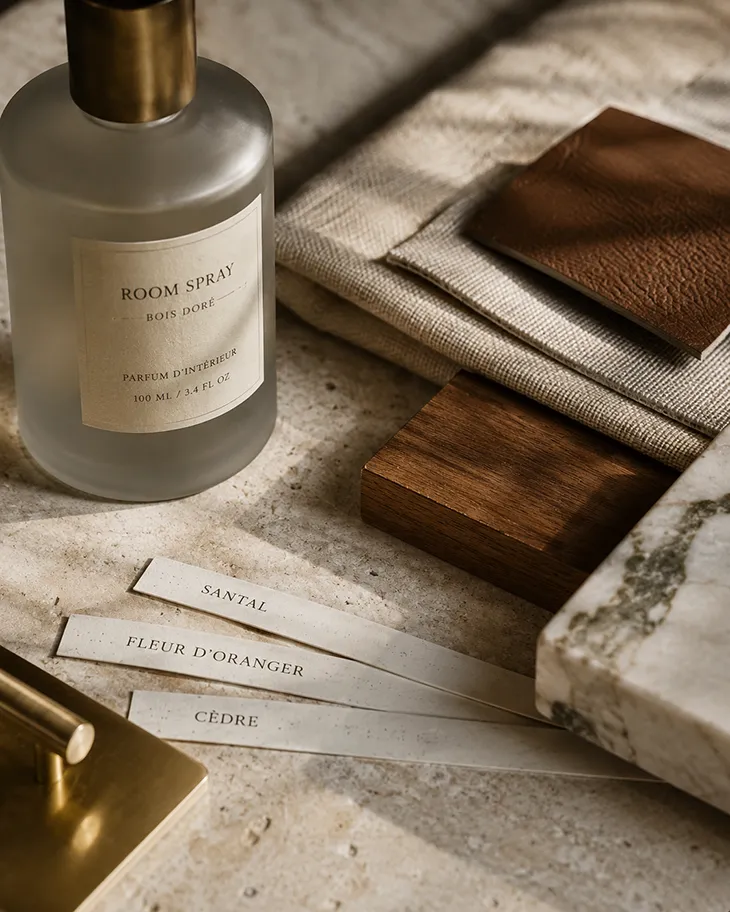
The elevation of a space goes beyond what is seen or touched. Scent is a critical, often overlooked element that shapes the atmosphere of high-end interiors. Scents can affect emotion, evoke memories and add a layer of signature that distinguishes a home or a special space in the luxury sector.
Today, fragrance stands alongside light, texture, sound and layout as a component of luxury interior design. As a subtle but powerful tool, fragrance can shape the way any room is experienced, from an entryway created for impact to quieter areas designed for relaxation. When incorporated into the design process, fragrance adds an intangible layer where memory, sensation and style meet.
Defining a space through the characteristic selection of fragrances
Scent often acts as the emotional introduction to a space, setting expectations before any visual details are noticed. A carefully chosen fragrance can create a sense of harmony, sophistication or vibrancy, aligning with the desired mood or function of each area. In luxurious interiors, references to fine perfume houses such as Clive Christian it can help frame the scent as part of the wider design language, connecting atmosphere, personal taste and spatial identity.
The use of a signature fragrance in residences, luxury hospitality spaces or private living rooms is common in high-end interiors. Scents engage memory and emotion, leaving lasting impressions on residents and visitors. For many, the scent of a space is as recognizable and characteristic as the color palette or basic furniture.
Beyond creating ambiance, distinctive scents contribute to spatial identity and brand recognition in commercial luxury environments. Luxury hotelsprivate clubs and exclusive retail environments invest heavily in the development of custom scents to ensure their spaces are instantly recognisable. This olfactory brand extends to home design, where homeowners seek unique fragrance compositions that reflect personal taste and lifestyle. Working with fragrance consultants or perfumers allows for personalized creations that cannot be replicated elsewhere, ensuring that the fragrance becomes as distinctive as the architectural features or curated art collections within the home.
Creating a visual atmosphere through scent profiles
Choosing the right fragrance profile involves knowledge of perfumery categories such as fresh, woody, resinous, floral or smoky. Each style communicates a distinct visual and emotional atmosphere. For example, fresh notes work in airy, minimalist contexts, while deeper wood tones suggest warmth and substance suitable for classic or contemporary interiors.
Matching fragrance to design styles requires understanding and creativity. Minimalist shapes paired with soft citrus or green scents, while modern classic settings can complement powdery flowers or dry woods. Art Deco and Brutalist designs can be accentuated with bold, resinous or leather notes that highlight their unique features.
Incorporating aromatic containers and methods into the decoration
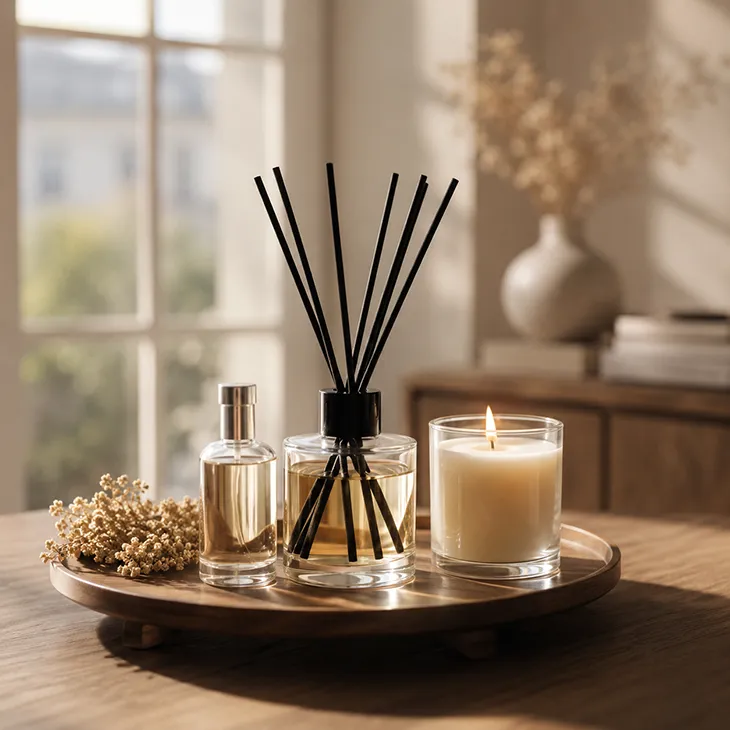
The aroma diffusion method contributes to both air quality and visual harmony in luxurious environments. Candles, reed diffusers, electrical appliances and integrated HVAC aroma systems each provide distinct aesthetic and aesthetic effects, reflecting individual and spatial preferences.
Well-designed perfume containers serve as functional decoration, often echoing the style or architecture of the room. Placing a reed diffuser on a sculptural shelf, or incorporating a well-crafted electric diffuser into table settings, adds visual coherence. Placement and scale are important: a statement candle can serve as a visual accent, while subtle HVAC diffusers fit into a minimal setting without distraction.
Harmonizing fragrance with interior finishes and belts
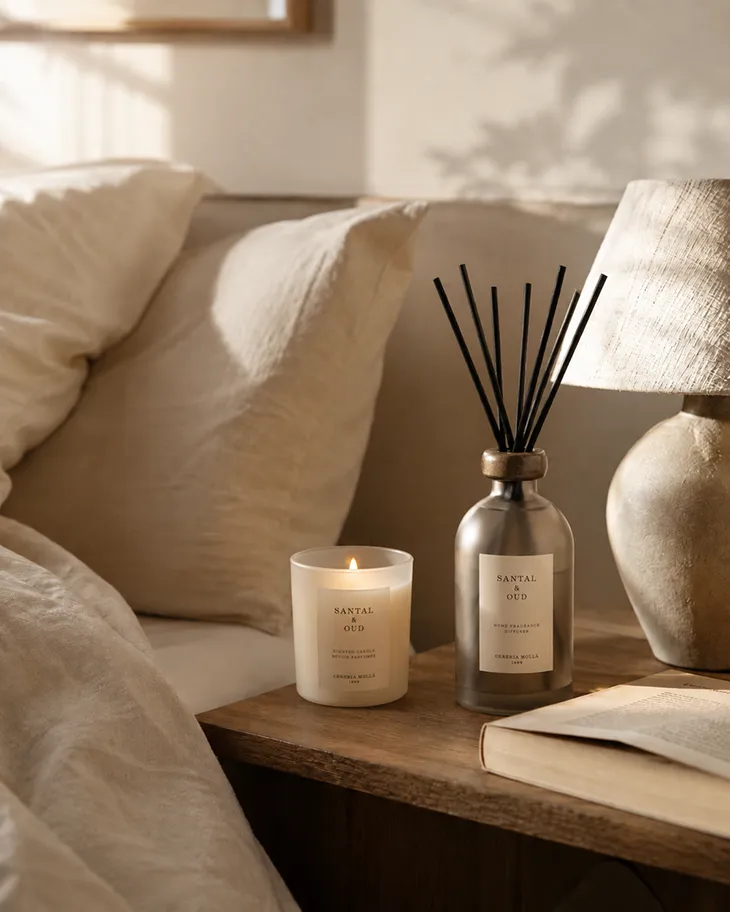
Materiality plays an important role in the combination of fragrances, as wood, leather, stone, metal and textiles harmonize best with specific fragrance families. Light, herbal aromas can enhance the freshness of linen or pale oak, while resinous or spicy aromas can enrich the depth of a leather or dark stone finish.
The most sophisticated results are achieved by ensuring that the scent of the environment does not compete with the practical scents from kitchens or cleaning products. Using low intensity diffusion or zoning in different areas supports a more cohesive experience throughout the home.
Balancing intensity, layering and seasonal transitions
Defining fragrances recognizes that different rooms require different intensities. What works in one entrance may overwhelm a small one bedroom or study. Lighter diffusion is best for rest areas, while living areas can support more complex layers of scents without becoming obtrusive.
Seasonal changes can cause a rotation of scents to complement changes in weather and lighting. A curated collection or “perfume closet” supports consistency based on key notes while allowing for subtle variations. Maintaining consistent base scents in public areas, with gradual seasonal adjustments in more private areas, maintains a harmonious setting.
Fragrance acts as a sophisticated layer that completes the luxury design experience, connecting what is seen and what is felt within a space. Used carefully, fragrances enhance interiors, providing coherence and a sense of intentional artistry that endures beyond first impressions.



