In a world demanding design that is more streamlined, relentlessly optimized and infinitely useful, IKEA PS 2026 meets the moment with an enticing proposition to consumers: What if functional objects could also flirt? What if home furnishings could do their job beautifully while pushing us towards pleasure? And what if the things we live with every day could remind us to sit, store, fold, light or gather with joy?
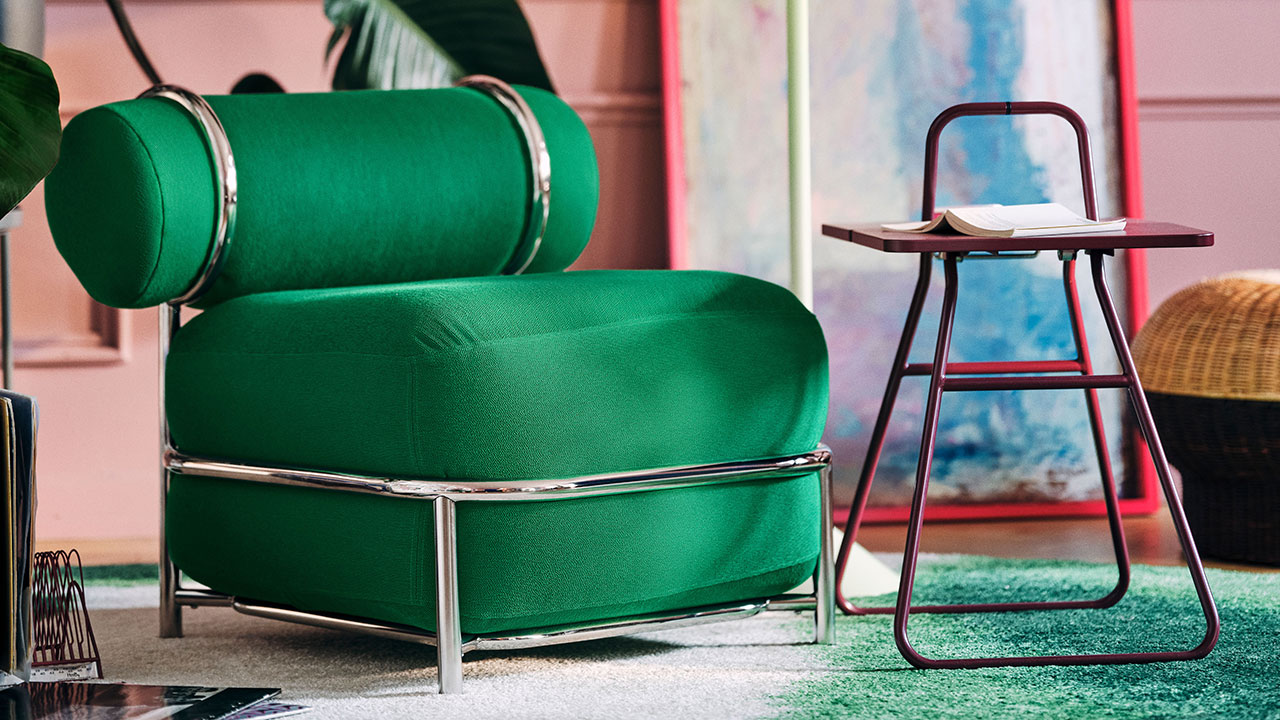
These considerations are at the heart of IKEA’s latest PS collection, the tenth edition of the brand’s most experimental design platform. First launched in 1995 at the Milan Furniture Fair alongside the formalization of Democratic Design, IKEA PS has served as a sort of creative postscript to the main line. It’s where IKEA designers are invited to push further, test ideas more freely and explore what Scandinavian design can become when simplicity is challenged – where the detail of everyday life is more magical.
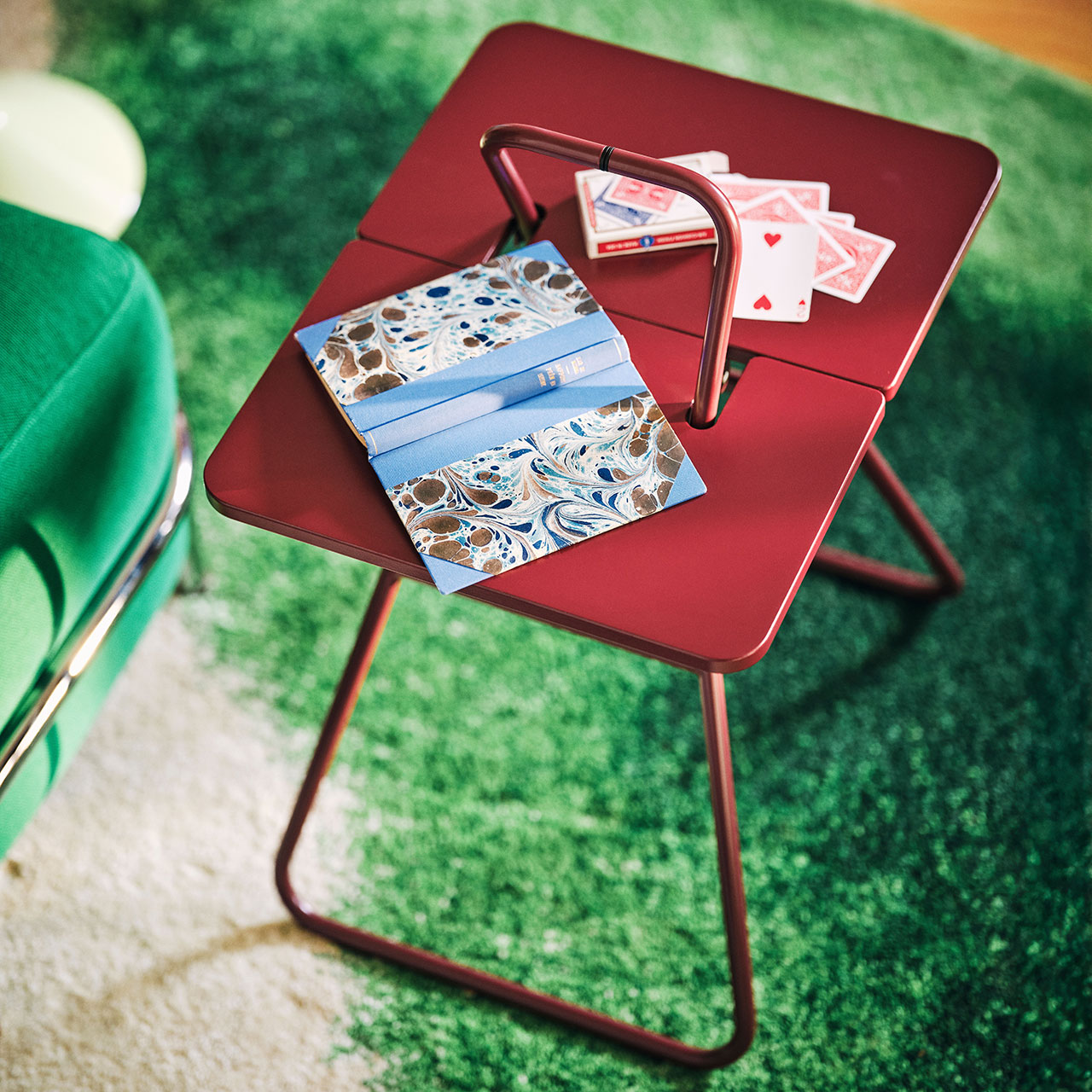
For 2026, that challenge takes the form of “playful functionality,” a phrase that sounds almost paradoxical until you experience the emotional logic of the collection. Functionality, as Anna Granath, Range Identity Manager at IKEA Sweden, explains, is essential to the way IKEA works. It’s logical, useful, and one of the reasons people keep products in their homes over time. Play, on the other hand, is emotional. Some may consider it frivolous, even unnecessary. But for IKEA PS 2026, the two are inseparable.
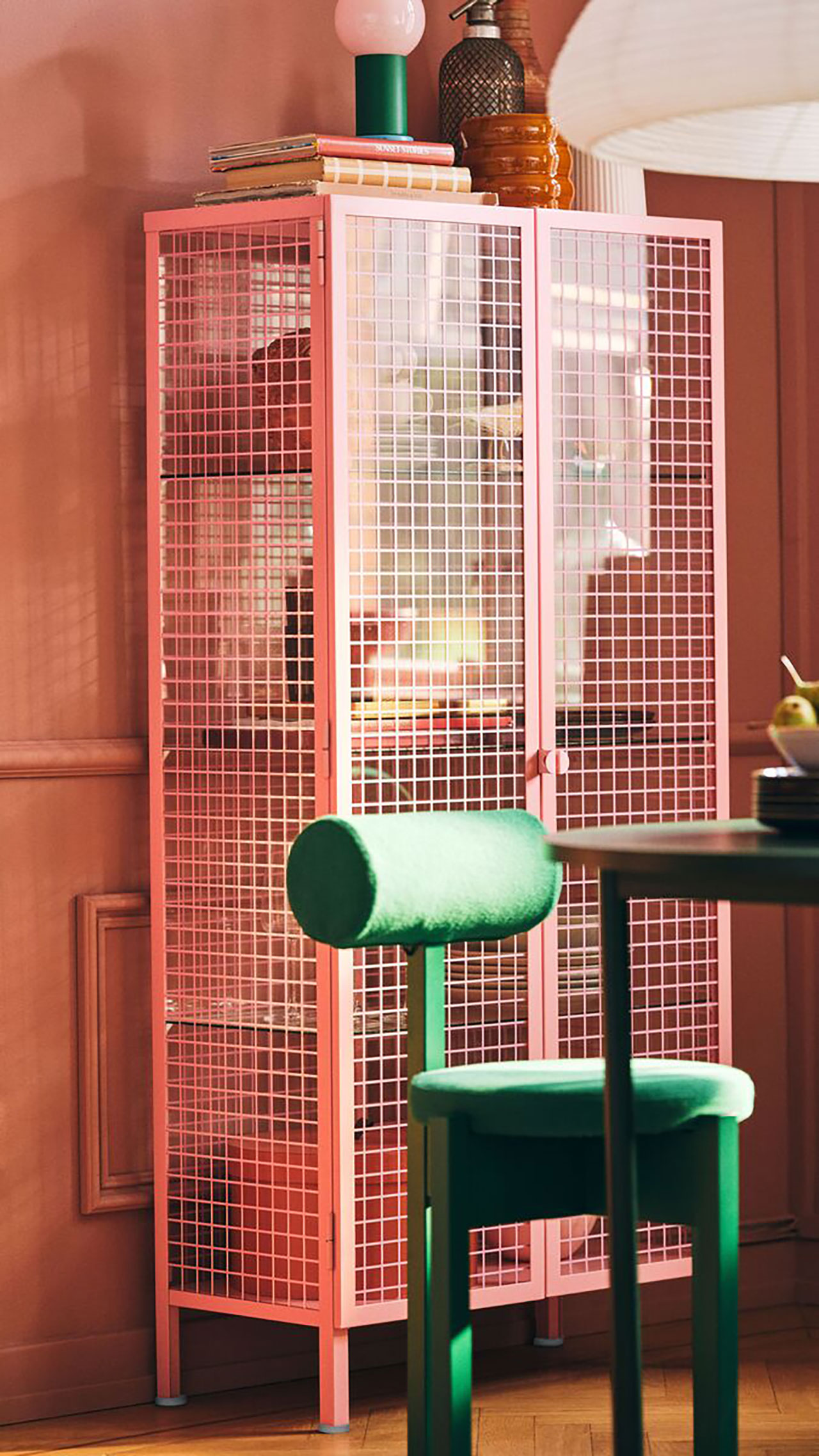
Through the lens of twelve designers, the collection explores what happens when these two forces meet—when an object earns its tenure through utility, but gains affection through surprise and delight. It’s also, quietly, a love letter to designers. Contributors—Mikael Axelsson, Henrik Preutz, Lukas Bazle, Ellen Hallström, Ola Wihlborg, Matilda Lindstam Nilsson, Michelle Armas, Lex Pott, Friso Wiersma, Marta Krupińska, David Wahl and Maria Vinka, led by Maria Vinka’s open interpretation in a short performance by Ola. his own way and they make it anything but boring.
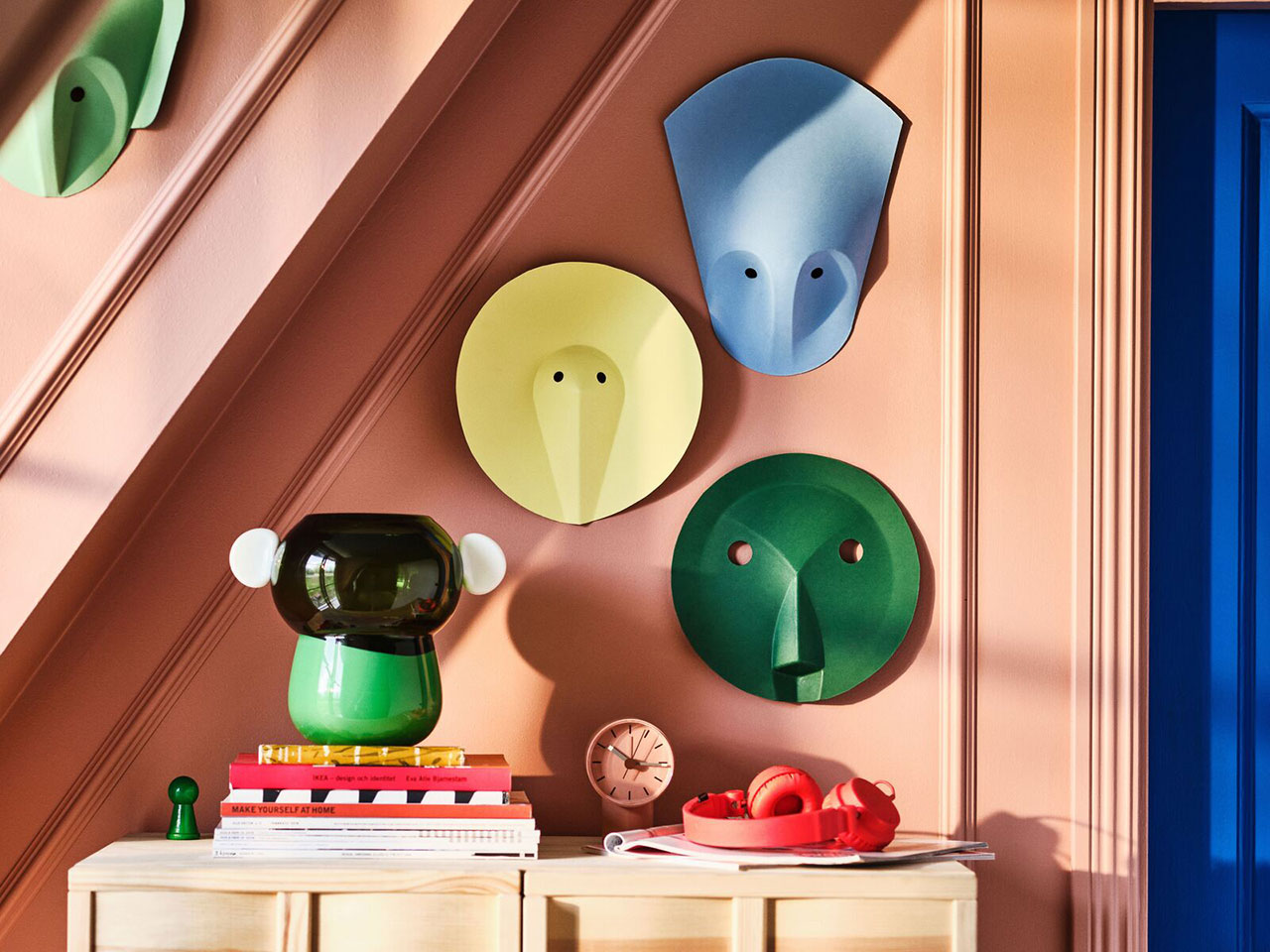
The result is a 44-piece collection that includes furniture, lighting, textiles, storage and decorative objects. Chairs, benches, dining and storage pieces, handcrafted glass vases and graphic fabrics are all rooted in Scandinavian simplicity, but energized by small touches. Some pieces invite immediate interaction, such as a rocking bench that sets the body in motion the moment one sits, or a height-adjustable stool that openly wears its lever mechanism rather than hiding its cleverness. Others reveal their function more slowly: a solid wood dining table that folds completely flat, an armchair that turns into a guest bed, a sofa built on pocket springs that doubles as a proper bed, or a chair that can be hung on the wall like a piece of cubist art when not in use.
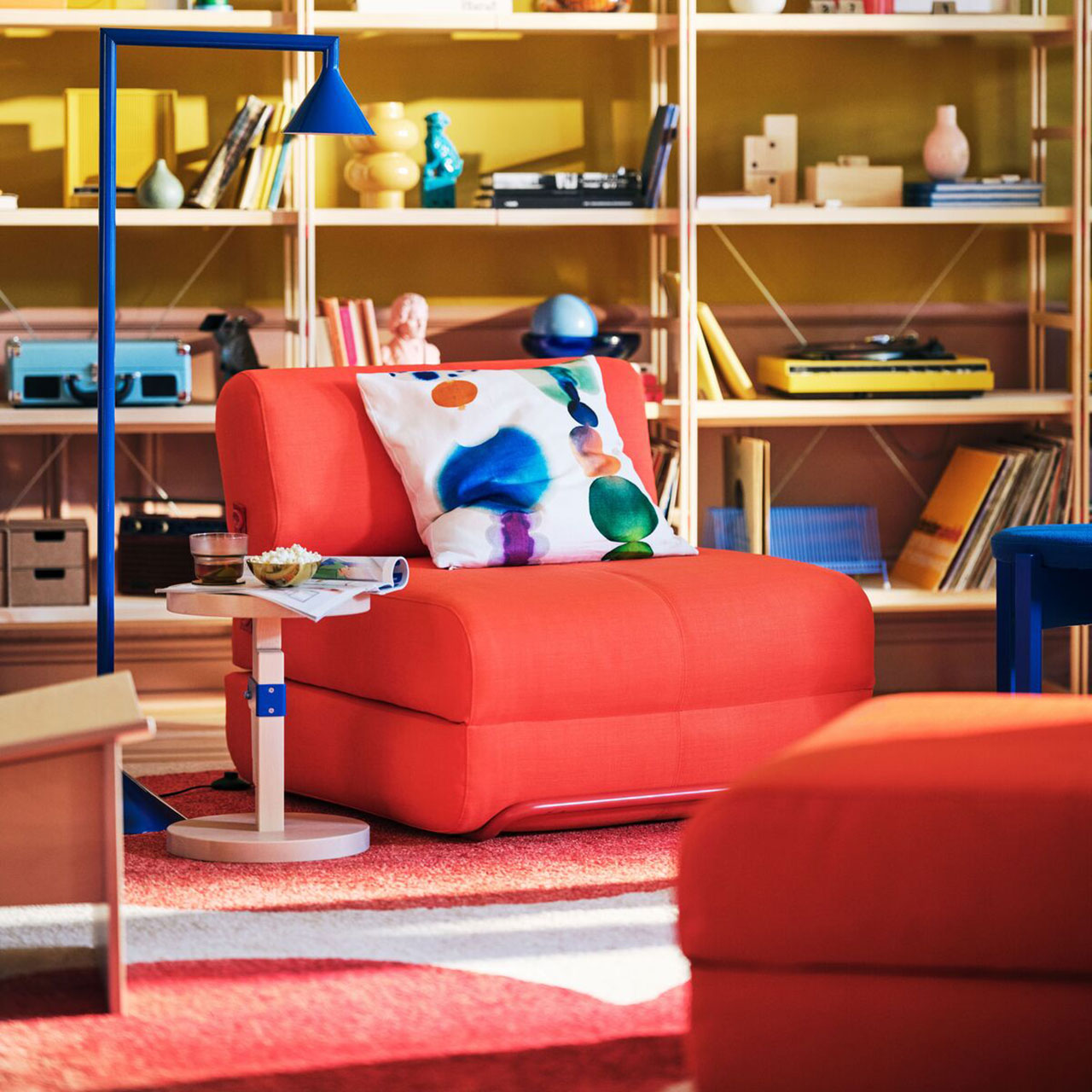
These are not gimmicks or widgets dressed up as a design. They are functional objects with a relaxed wink built into them. IKEA PS 2026 seems to understand that good design goes beyond solving problems, giving users permission to live with a greater sense of whimsy and ease.
“I think, perhaps more than ever, we need more fun and joy in our lives,” says Granath. “As we’re in a time of great uncertainty and anxiety, I think the relief of joy is something that resonates with people.” In this context, play is not an escape from seriousness, but a counterbalance to it. It’s becoming a way to soften the home, make everyday life less automatic, and reconnect with the tactile world at a time when so much of our attention has been absorbed by screens.
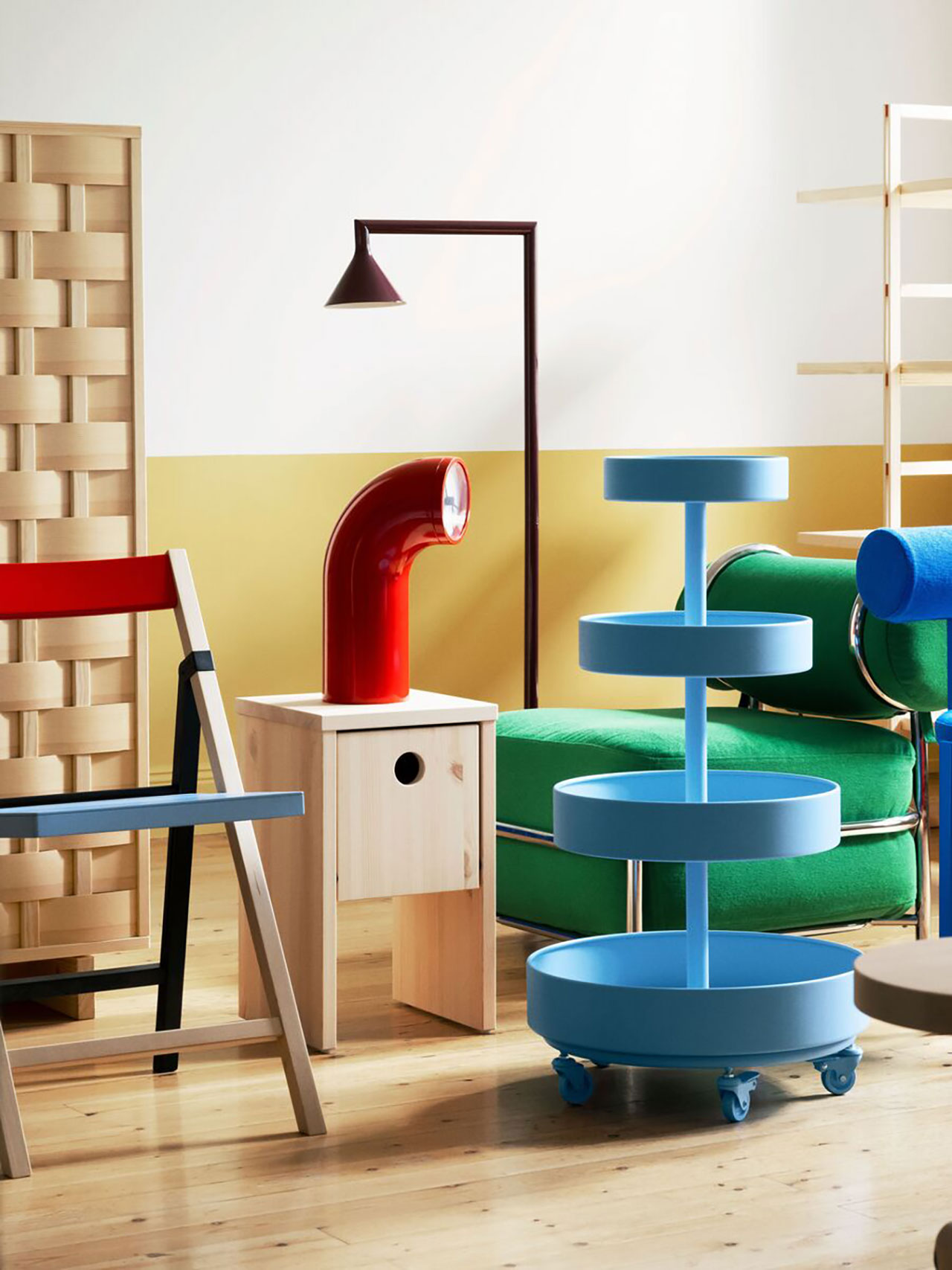
Consumers will also find grounding in materiality. IKEA PS 2026 works with blown glass, steel, cotton, rice paper, solid birch, solid pine, plywood, birch veneer, fibreboard, aluminum and molded pulp. Longevity matters here, not just as a sustainability principle, but as an emotional principle.
IKEA PS has always had an unusually close relationship with its customers. Over the past three decades, pieces from past PS releases have become sought-after icons, appearing on auction houses and second-hand markets long after their initial release. This afterlife says something important about the collection’s place in design culture. IKEA PS may be accessible, but it was never disposable.
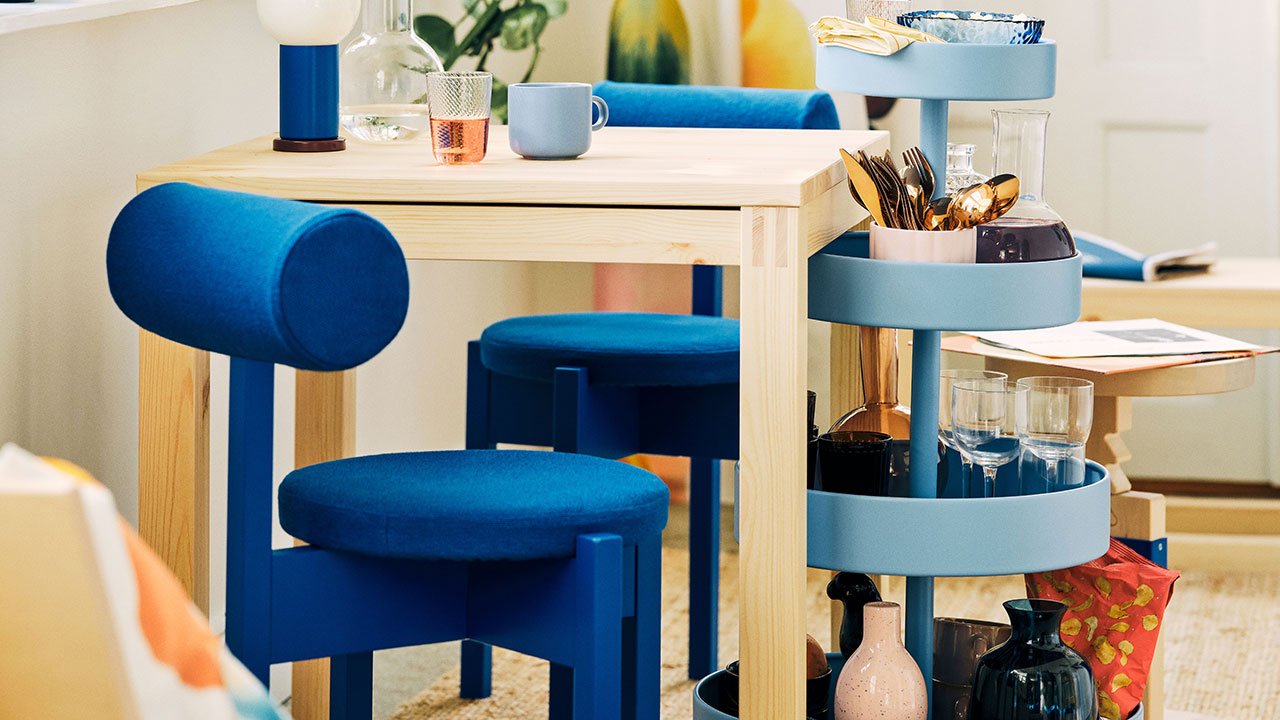
Ultimately, the IKEA PS 2026 feels like a love letter to many audiences. It offers customers items that are useful enough to stay and happy enough to love. For designers, it celebrates the value of experimentation at scale. And to oneself, it extends a rare invitation: touch the lever, open the drawer, rock back and forth, sit the “wrong” way and let the ordinary become strange again.
To buy the IKEA PS 2026, visit IKEA.com.
Photo provided by IKEA.