
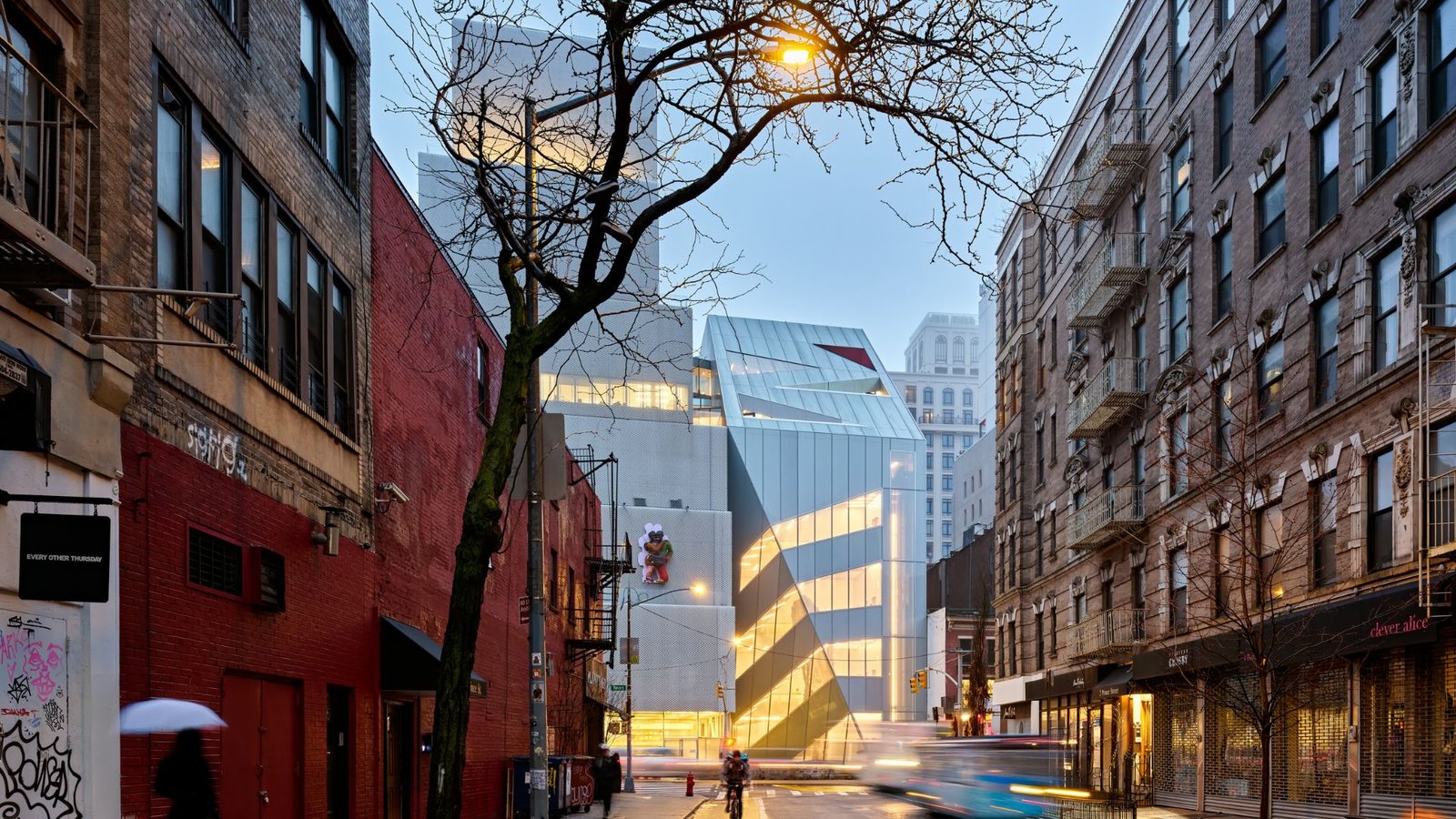

When the New Museum opens its expansion doors on March 21, 2026, it will mark the culmination of a nearly decade-long effort to give one of New York’s most unconventional institutions the space it has always deserved. The new building at 231 Bowery, designed by OWN partners Shohei Shigematsu and Rem Koolhaasit adds approximately 60,000 square feet to the museum’s existing footprint, doubling the gallery space.
The expanded New Museum will become one of the city’s most architecturally ambitious spaces, as well as one of the only places in the world where the work of two living Pritzker Prize-winning architects (SANAA and OMA) exists in continuous, connected dialogue.
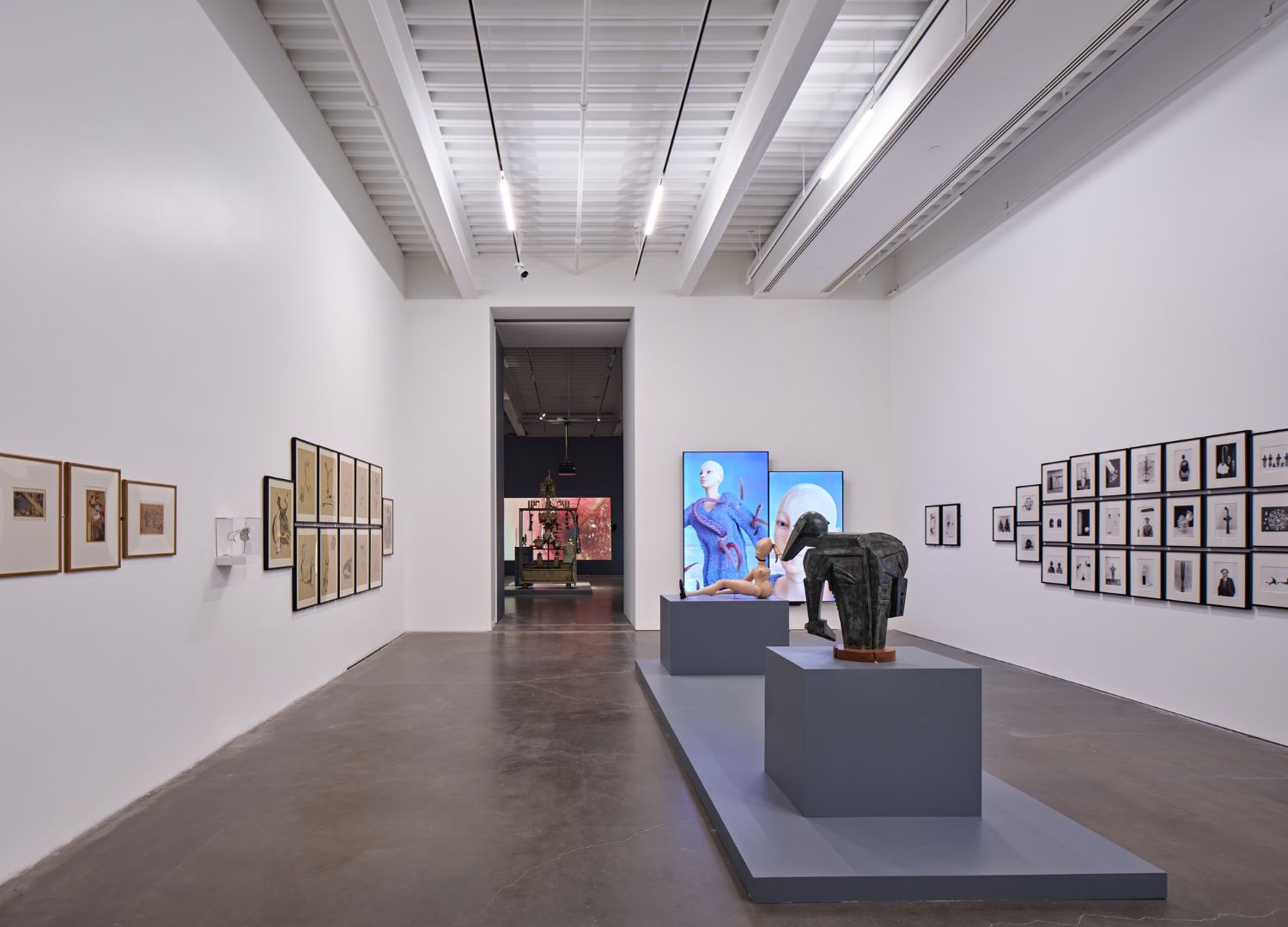
The first exhibition of the New Museum to reopen © Jason Keen
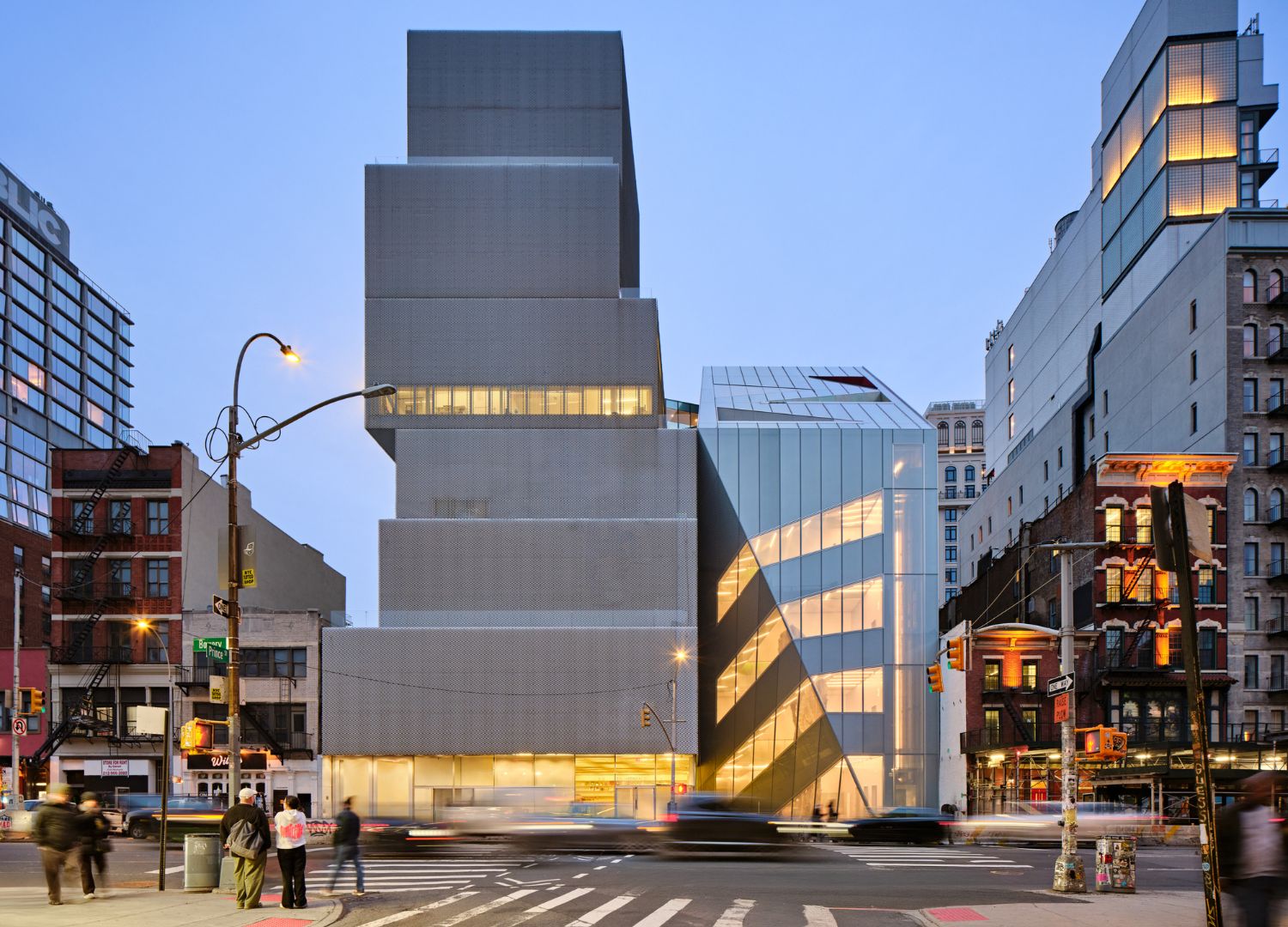
New extension of the Museum by OMA © Jason Keen
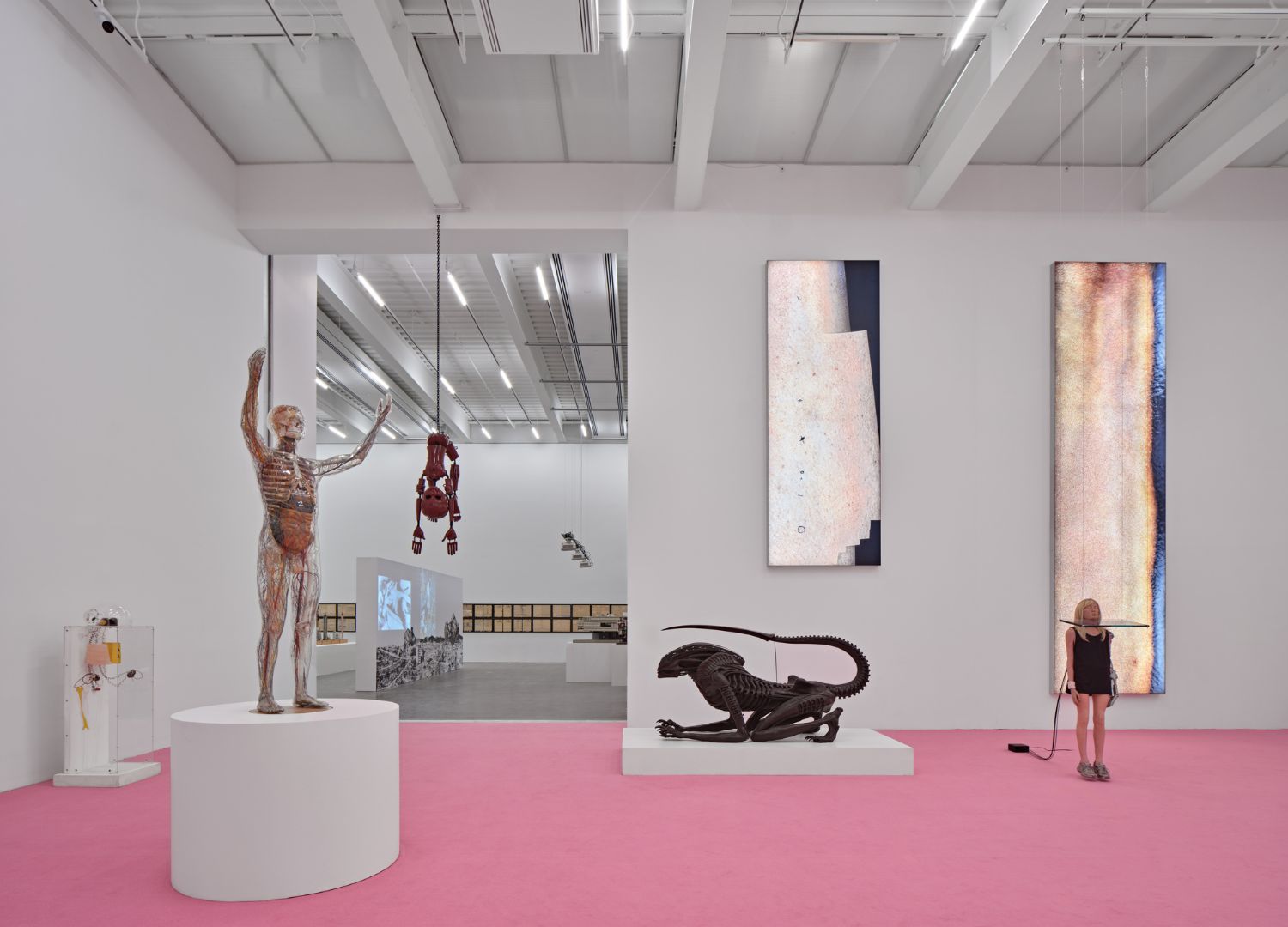
The first exhibition of the New Museum to reopen © Jason Keen
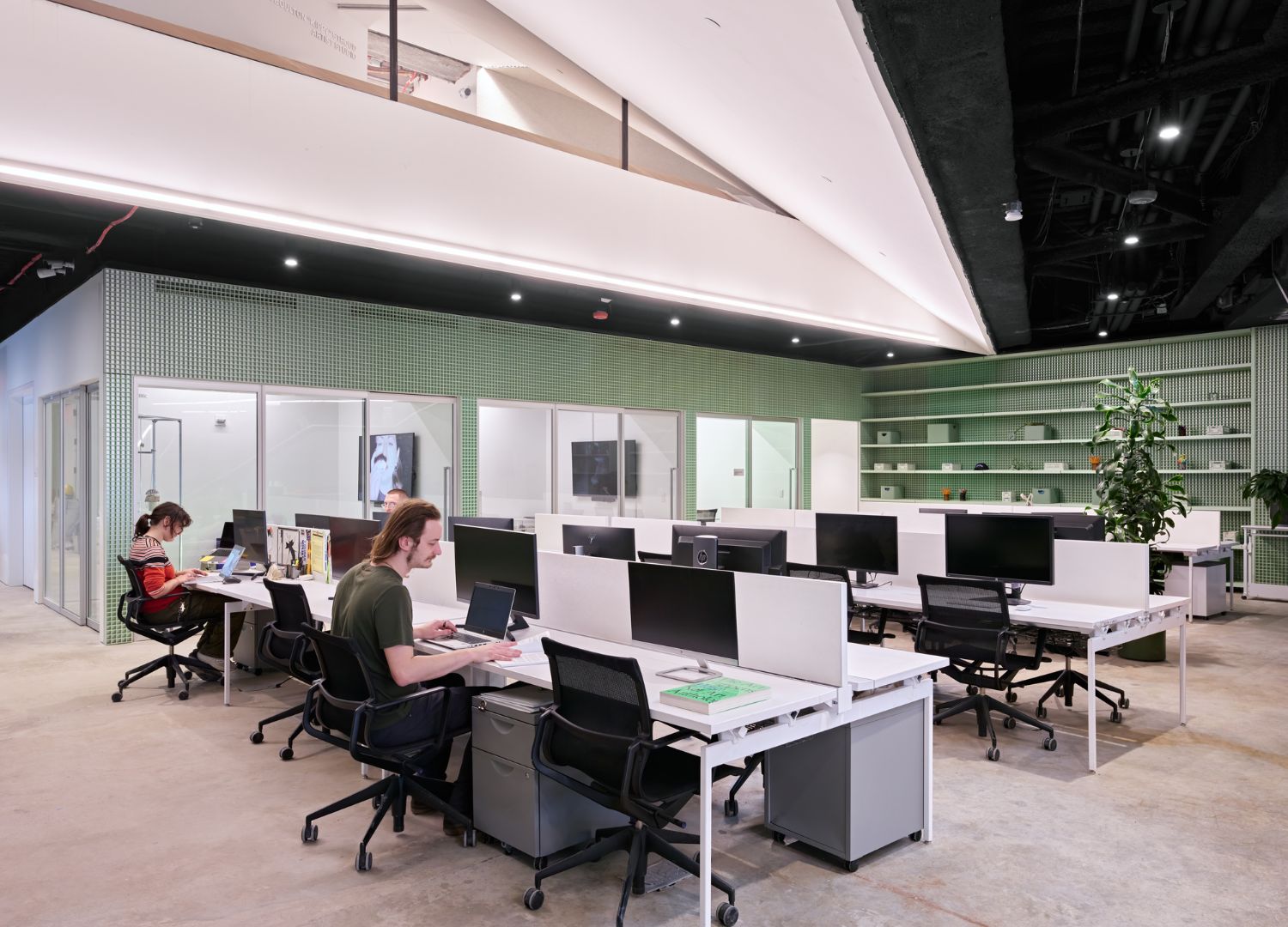
New Museum offices © Jason Keen
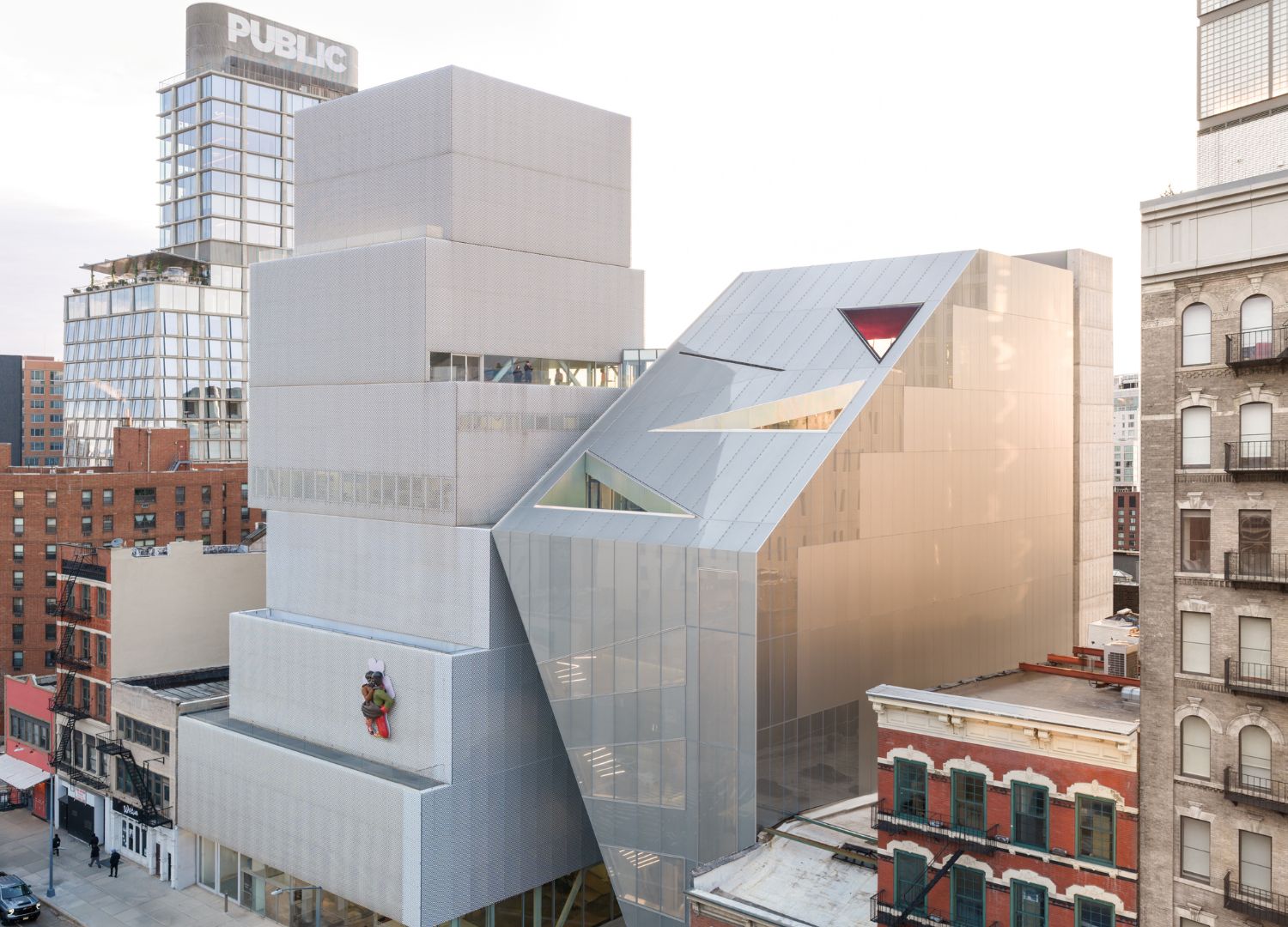
New extension of the Museum by OMA © Jason O’Rear
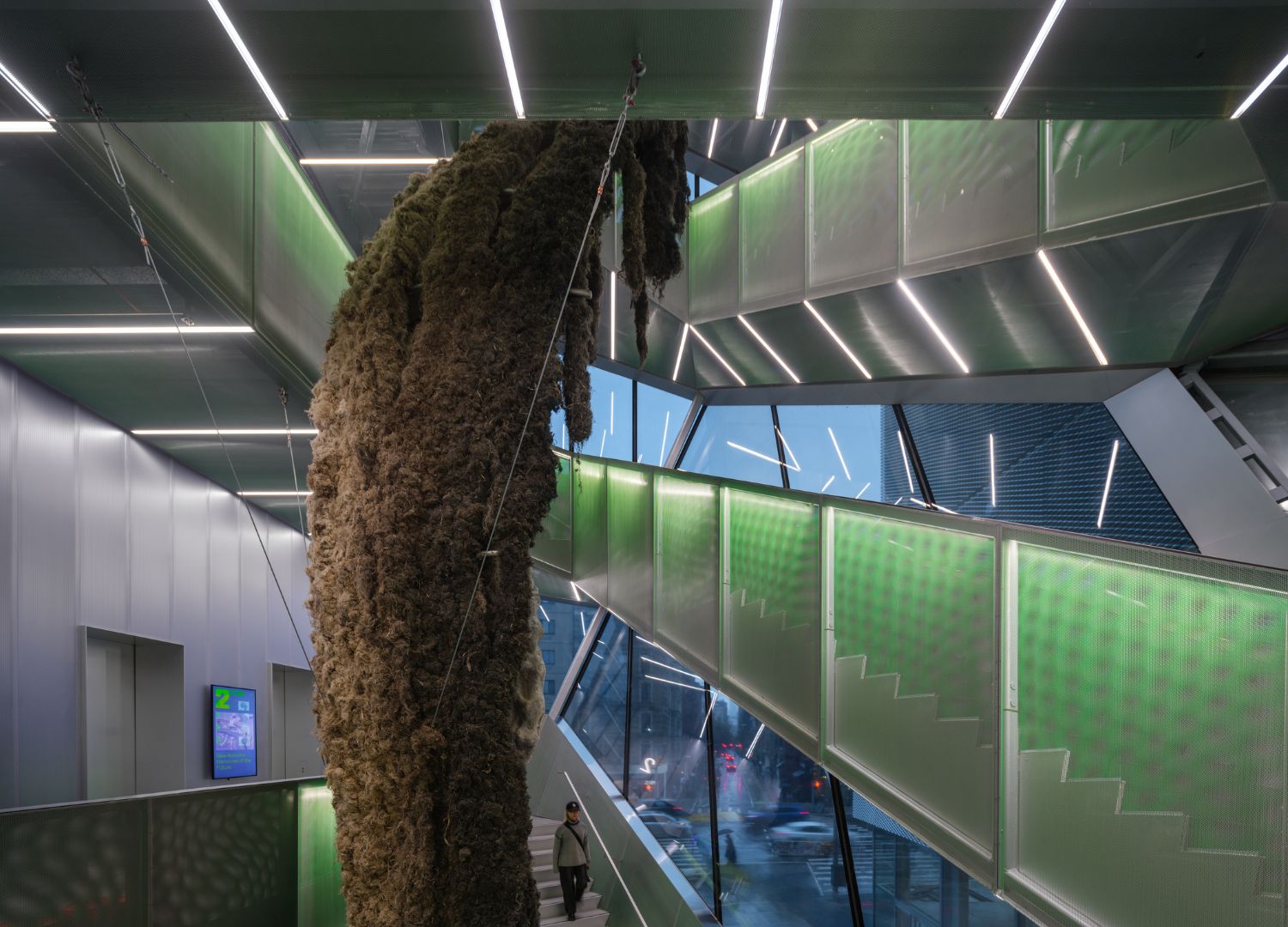
The first exhibition of the New Museum to reopen © Jason O’Rear
The museum was originally born almost fifty years ago, from an idea in the mind of Marcia Tucker, a curator at the Whitney Museum of American Art, who observed firsthand that contemporary work did not easily assimilate into conventional exhibition spaces. When Tucker formally established the foundation in 1977, it operated out of small office spaces and temporary homes, each reflecting his nomadic and mobile spirit.
Its current location opened in 2007, designed by SANAA as a sculptural stack of rectilinear boxes, moved off-axis around a central steel core, which internally created a variety of open, fluid spaces, each with a different character. The exterior is clad in aluminum mesh to clothe the building in a strong yet delicate skin, making it an instant Bowery landmark. The foundation soon acquired its neighboring lot in 2008, using it as archive and studio space until 2017, when OMA was announced as the architect of the new building.
The challenge of the New Museum is that it is an extension, and therefore, the new structure must be in dialogue with the existing architectural image. The gallery spaces are connected on three levels, the second, third and fourth floors, with ceiling heights calibrated to align with the structures. The result is that each new gallery can function as a separate space or dissolve into the adjoining rooms of the older buildings, creating what the architects describe as high flexibility and horizontal flow.
The extension also shapes the visitor experience through the introduction of an atrium staircase, offering views of Prince Street and the surrounding neighbourhood, along with three new lifts. It also includes an expanded lobby spanning both buildings, a larger bookstore, a forum on the sixth and seventh floors, and a new full-service restaurant. The expansion also inaugurates a public plaza at the building’s entrance, which will serve as the site for a commissioned sculpture by Sarah Lucas, a British artist selected as the first recipient of the Hostetler/Wrigley Sculpture Prize.
For the facade, OWN has chosen laminated glass with an interlayer of metal mesh, which echoes SANAA’s aluminum skin while allowing greater transparency. In daylight, the two structures are read as a single presence, while at night, the OWN The building opens up, allowing passers-by to spy inside, while the older building remains more private. Shigematsu said she wants the new building to be an extension of the street, drawing the energy of the Big Apple into its seven floors.



