Physical Address
304 North Cardinal St.
Dorchester Center, MA 02124
Physical Address
304 North Cardinal St.
Dorchester Center, MA 02124

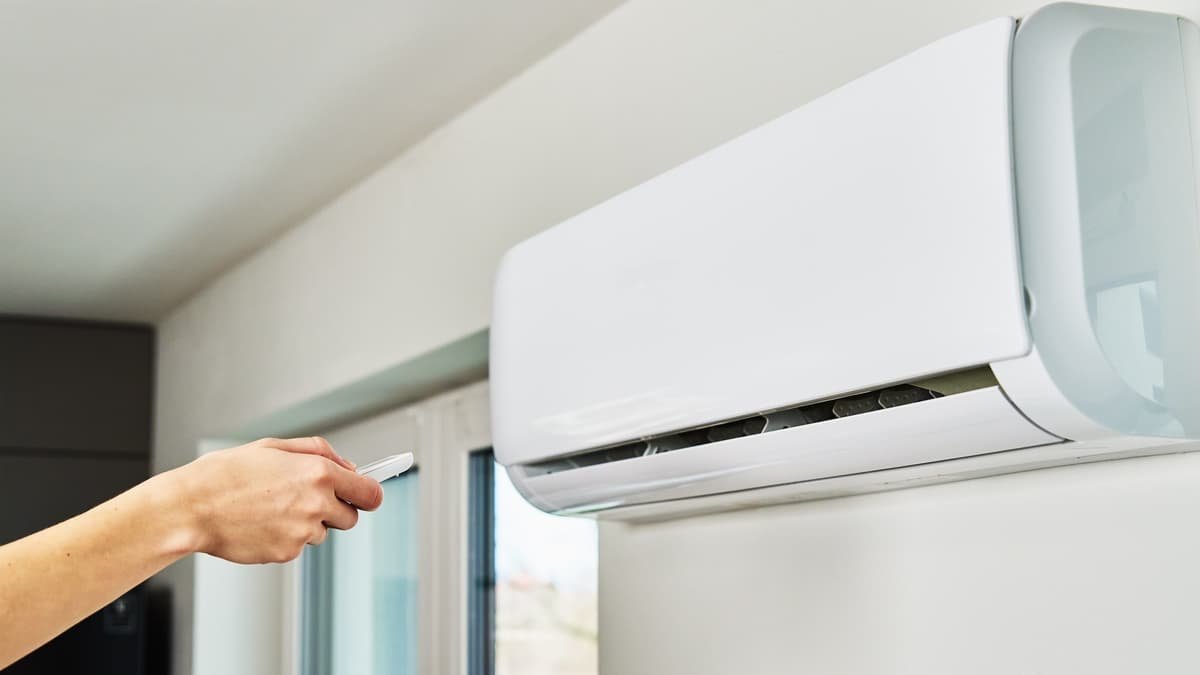
Don’t panic, it’s quite common for the AC to not start after months of inactivity. The reason for this could be a simple switch that has tripped or a thermostat setting or a clogged filter. However, winter can also wreak havoc on your system. You have three points if your AC won’t turn on. You can call a professional HVAC contractor to carry out maintenance and possible repair, or you can try to solve the problem yourself or (what is recommended) do a quick examination yourself, collect a history and call specialists who already know all the symptoms of the problem.
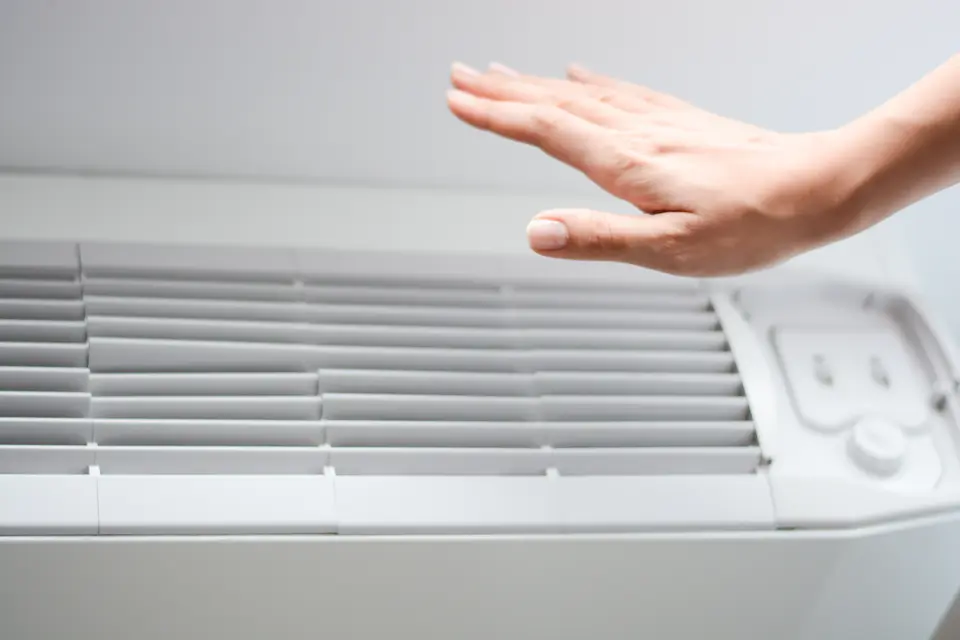
A tripped switch or blown fuse is often the easiest fix. AC systems draw a lot of power, and after sitting unused for months, a sudden start can trip a breaker. But before you reset it, make sure you know why and when it happens. If it happens again right away, it could mean a short circuit, motor problem, or electrical overload, in other words things you can’t ignore. Likewise, a blown fuse in the disconnect box near your outdoor unit could be the reason. But if you replace the fuse and it blows again, it’s time to call a professional, too. Also, if the switch goes off after the air conditioner has been running for some time, it may mean that the compressor is struggling (due to low refrigerant, bad capacitor, or motor failure). Better to touch your switch and if it feels hot to the touch, it may be overloaded or failing. This is a sign that you should call an electrician, not just an HVAC technician.
Your thermostat is the AC boss, and if it doesn’t work, your system won’t start either. The most common problems with the thermostat are dead batteries or incorrect settings (it should be set to “cool” and below room temperature). Smart thermostats may also lose Wi-Fi connection or need firmware updates. If adjusting the settings and replacing the batteries doesn’t help, try bypassing the thermostat by manually connecting the wires to the control panel – if the AC turns on, you’ve found the problem.
In addition to dead batteries or incorrect settings, a thermostat can fail because its internal sensor is dirty (and your thermostat is simply reading the wrong temperature). Clean it gently with a soft brush or compressed air. Also, if the thermostat wire runs through an attic or crawl space, rodents or old insulation clips may have damaged it.
A heavily clogged air filter can overstress your system, causing it to overheat and shut down for protection. Blocked airways cause the same problem. Some modern ACs have pressure sensors that prevent starting when airflow is too low. So, in case the AC is not working, the first thing you should do is replace the air filters and ensure that all the vents are open and unobstructed. It’s also a good idea to consider a professional air duct cleaning if your system has struggled with poor airflow or stubborn dust—dirty ducts can add stress to your unit and reduce performance. If your system still won’t start, dirt build-up inside the drive may be causing it.
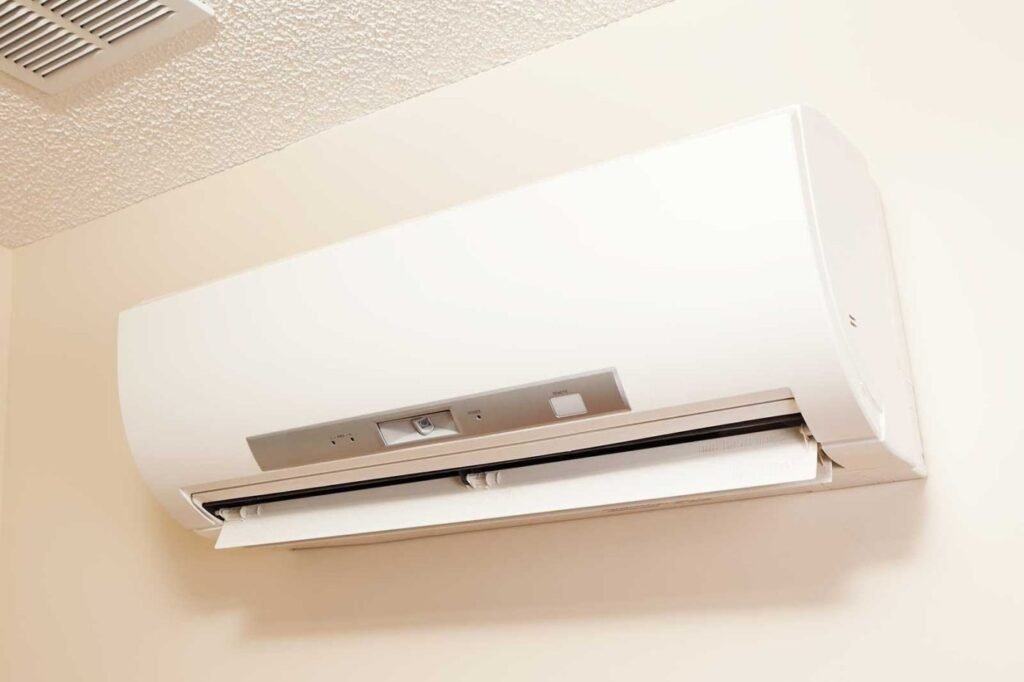
Your AC doesn’t “consume” refrigerant like fuel – it should stay at the same level unless there’s a leak. If the refrigerant is low, your system may not start because modern units have low pressure safety switches to prevent damage to the compressor. Signs of low refrigerant include ice in the refrigerant lines, hissing noises, or poor airflow from the vents. If you suspect a leak, don’t just “get it over with” – it needs to be found and fixed to avoid bigger problems down the road.
Coolant leaks often start in the winter. The cold can cause small cracks in the refrigerant lines due to metal contraction and expansion. If your system was running fine last summer but suddenly won’t start, a leak could have developed during the off-season. If you suspect low refrigerant but your AC won’t turn on, check the refrigerant lines. If you see ice forming shortly after startup, your levels may be low. But if the system won’t start at all, it could be in low pressure lockout mode – designed to protect the compressor.
Winter can be brutal on outdoor units. Ice and snow build-up can bend coil fins, water can freeze inside components, and rodents seeking warmth can have chewed through wiring. A quick pre-start inspection can reveal problems: Look for physical damage, check for loose or frayed wires, and clean up any debris. If your unit hums but won’t start or you smell burning, stop immediately – something may have shorted out over the winter.
Aside from the obvious snow and ice damage, lesser known problems that winter can cause are contactor freezing, short circuits caused by vermin, or fan blade nesting. The contactor is like the “on/off switch” for your AC compressor. Moisture from snow or rain can cause corrosion or sticking. If your AC makes a faint click but won’t start, that could be the problem. Mice and squirrels love to chew through wiring during the winter. If your AC turns off the switch immediately after starting, a chewed wire may be grounded. Birds or squirrels may have built nests in your outdoor fan over the winter. If the fan motor is blocked, the system will not start. A quick visual inspection can save you from burning out the engine.
The pre-season checklist includes:
If everything looks good, but the AC won’t start or runs poorly, further troubleshooting may be needed.
If you’ve checked the power supply, thermostat, filter, and unit for visible problems, but your AC still won’t start – or if it’s running but struggling to cool – it’s time to call a professional. You should also bring in a professional if you notice strange noises (humming, clicking or screeching), burning smells (may indicate an electrical fault), repeated switch trips (indicative of an underlying electrical problem), ice build-up in the coolant lines (could mean a leak or airflow problem), hot air instead of cool air (could indicate coolant problems).




