
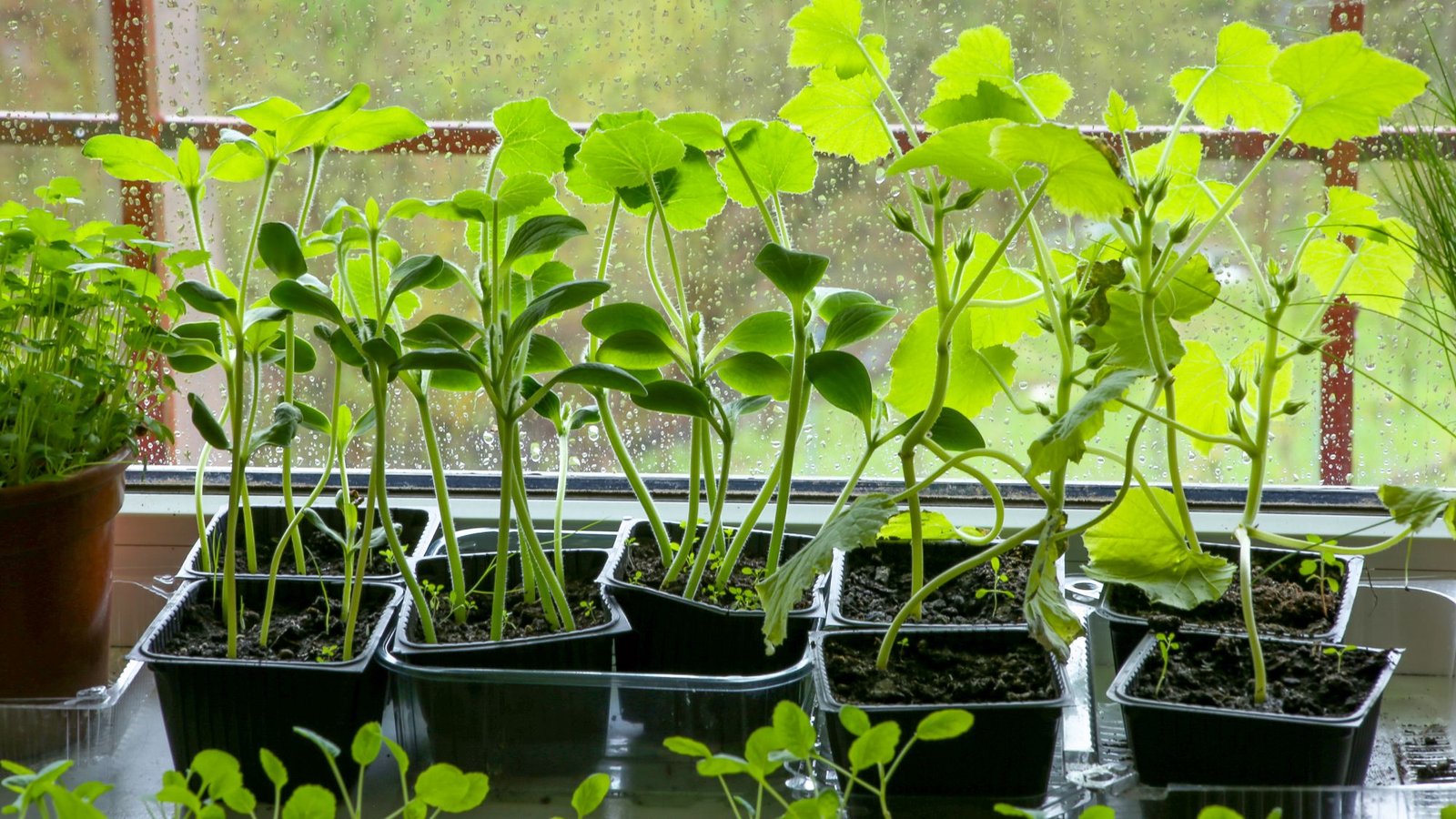

Starting seeds too early is a classic mistake that often results in a tray of tall, pale, leggy plants that can barely stand. These seedlings are structurally fragile because they have spent their lives in a still, warm pocket of air with no wind or temperature swings to push them back.
The result is soft tissue and stems that look okay under the grow light, but lack the strength to stay upright once outdoors. This common seed starting error it also gives you plants that are big enough to transplant, but outside temperatures that are too cold to do so.
Take this time until the weather warms up to harden off your plants for that final move outside. A few targeted shifts, such as encouraging physical movement and giving the roots some room to grow, will turn discount plants into hardy, transplant-ready starters. It takes a little daily attention, although none of these steps are difficult to get right. Here’s how to do it.
Why are my seedlings struggling?
Starting seeds indoors too early can result in weak, leggy seedlings that struggle to thrive even after transplanting outdoors. This is because the seedlings are not exposed to conditions like they would experience outside and become soft and brittle.
Stems thicken in response to physical stress through a process called thygmomorphogenesis. Plants interpret movement as a structural threat and redirect energy away from vertical height toward building denser cell walls of lignin and cellulose. This acts a bit like lifting weights for the plants, making them short rather than tall and fragile.
Research published in HortScience, one of the journals from the American Society for Horticultural Scienceconfirmed that seedlings exposed to mechanical stress such as fanning or regular brushing remained approximately 20% to 30% shorter than intact controls.
These smaller plants had measurably thicker, stronger stems that handled transplant shock much better. Indoor plants miss this and grow thin and weak because they never have to withstand anything like they would outdoors.
How to save weak seedlings
There are a few simple ways you can save your weak seedlings, even if you started them too early. Here’s what you need to do to boost them before it happens time to transplant seedlings outside.
1. Imitate the wind

(Image credit: Surasak/Getty Images)
Running a small oscillating fan on low for a few hours a day is a reliable way to mimic a natural breeze. The goal is not to blow the seedlings, but to create a gentle and consistent airflow that causes the stems to sway. A clip-on oscillating fan, like this one from Amazoneasily placed at any height.
Keep the fan a few feet away so the stems can move without bending all the way. Consistency matters more here, as missing days reduces the cumulative effect. Avoid running the fan throughout the day as too much air flow can stress the plants dries out the soil very quickly.
2. “Inhabit” your seedlings

(Image credit: Max Kegfire/Getty Images)
If a fan is not an option, “stroking” your seedlings achieves almost the same results. Gently running a hand over the tops of your pubes twice a day creates enough discomfort to trigger this thickening response. It feels almost too simple, but the plant registers the touch as a physical challenge regardless.
It is a good practice to make petting the plants part of you seedling watering routine. About thirty seconds of light contact a day is enough to make the tissue feel stiff and firm within a week. This tactile interaction is one of those small steps that really changes the structural profile of the plant.
4. Adjust the light and temperature

(Image credit: Shutterstock)
Gums it happens when plants stretch for light, so keep the light source close to stop this stretching. For most people LED grow light settingsplace the lights just 2 to 4 inches (5-10 cm) above the canopy, although you should follow your specific lamp’s recommendations. While existing culm cannot be undone, proper lighting ensures that new growth is strong and compact. A simple one LED light like this one from Amazon it can make a difference in terms of legginess.
Warm nights lead to rapid cell division, which produces soft, weak stems. If the growth environment can stay somewhere around 60 to 65°F (15-18°C) overnight, the tissue that forms will be noticeably denser and harder. A seedling heat mat with thermostat, like this one from Amazonmakes it easier to reach this temperature during the night.
5. Give more space to Roots

(Image: Natalia Bohren/Shutterstock)
Moving to a 3- or 4-inch (8-10 cm) pot buys a little more time for the seedlings’ roots to spread out properly. This root health shows in the way your plant grows above ground, so it’s worth doing while you wait out the weather.
A well-drained one starter seed mix, like my favorite from Amazonit’s what you should use when potting up seedlings. Typical potting soil clumps and holds too much moisture for the roots at this stage.
Transplantation of plants to larger containers at least two weeks before going outside to give your plants time to settle. Seedlings left in tiny cells for too long can root bound and this problem is difficult to recover before transplantation.
6. Harden Off Seedlings

(Image: Elena Medoks/Getty Images)
The last step is to gradually accustom the plants abroad. This process is called hardening. Start with an hour or two somewhere sheltered and shady, then increase sun and air over the course of a week.
Leaf cuticles take time to harden. Skip this step and the foliage may turn white or the leaves may burn in the sun. If the leaves turn white or silver, this is too early. Pull them back inside or in the shade for a day before trying again.
Seedlings that seemed like a lost cause indoors often surprise once they hit real soil. What makes this possible is to get the stem strength and root growth right before moving. Ideally, plants should not just survive transplanting, but take off and grow once in the ground.
Watch the soil moisture that first week and those that start out once floppy tend to tighten up quickly. The miscalculation of initial seeds to early ones quickly fades once the plants find their rhythm in the soil.
Seed Starting Basics

FRIENGOOD oscillating fan with clip
Mimic outdoor air for your seedlings indoors to help them grow big and strong.

Verdenu Seed Starter Trays with Grow Lights and Heat Mat
This seed starting kit comes with trays, grow light and heating mat. All you need is soil and seeds!

Miracle-Gro Indoor Potting Mix for Seed Starting
Give your seedlings a strong start with a high-quality seed starter mix like this one from Miracle-Gro.



