Physical Address
304 North Cardinal St.
Dorchester Center, MA 02124
Physical Address
304 North Cardinal St.
Dorchester Center, MA 02124

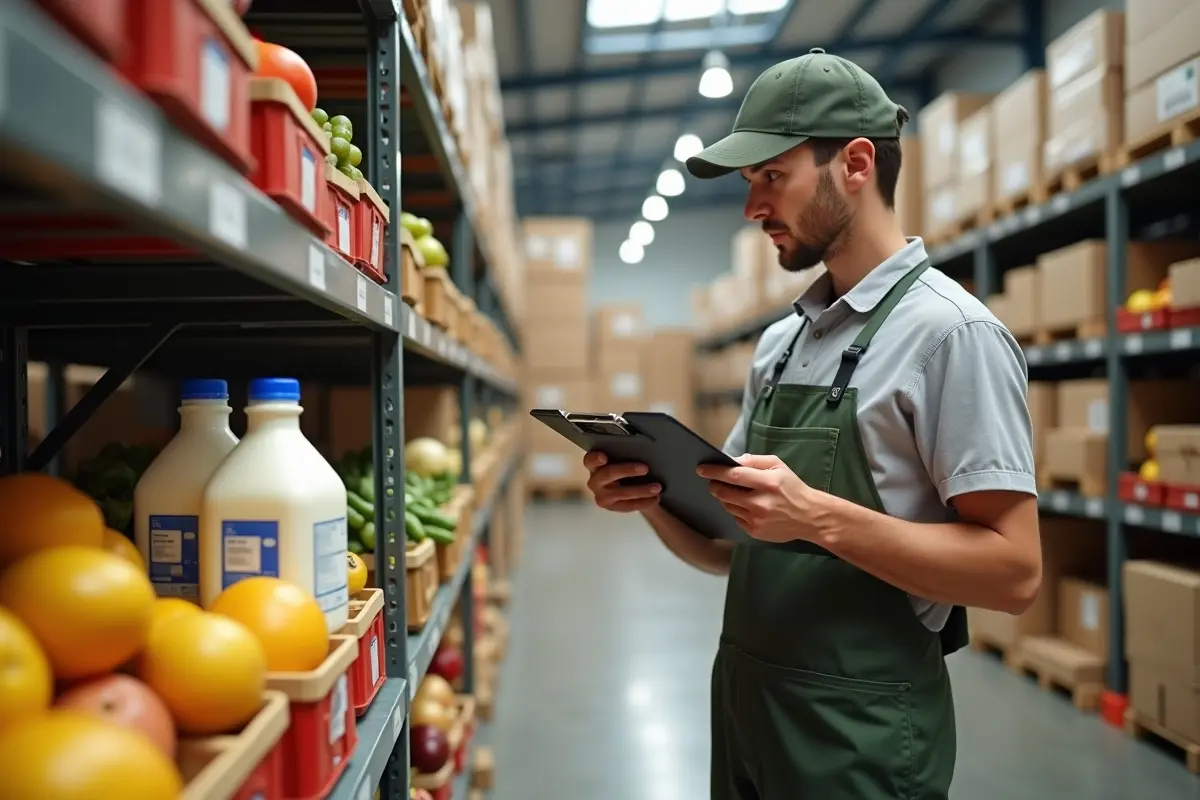
Thousands of dollars worth of product is dumped at the loading docks every day. Not because of quality issues at the source, not because of packaging failures, but because something went wrong in transit. The disappointing part? Most of these losses are completely preventable.
Businesses that ship perishable goods face a challenging reality. A spike in temperature, a tracking gap, a miscommunication with a carrier, and an entire shipment can go unsold. The stakes are high, the margins are often thin, and the difference between a successful delivery and a total loss sometimes comes down to decisions that seem trivial at the time.
This is where many companies run into trouble. They assume that any refrigerated truck will keep products cold, that all carriers have the same standards, that temperature control is basically a solved problem in modern logistics. None of this is true.
Temperature stability matters more than most people realize. A product may need to remain between 35 and 38 degrees for the entire journey. Not 34 degrees, not 40 degrees, but right in that narrow window. Some carriers treat this as a critical specification. Others treat it as a rough guideline. The difference is apparent when you open the trailer doors.
Products don’t always fail in obvious ways. Sometimes the damage is subtle. The product loses a few days of its shelf life. Pharmaceuticals degrade enough to affect efficacy without being visually apparent. Dairy products develop off-flavors that won’t show up until customers open them. By the time someone notices the problem, the shipment has already been delivered and the brand damage is done.
Temperature problems don’t always start in transit. Sometimes they start hours before a truck even arrives.
Product sitting on a dock in the heat of summer, waiting to be picked up. Boxes stacked incorrectly so cold air cannot circulate properly once loaded. Trailers that were not pre-cooled to the correct temperature before loading began. These scenarios happen more often than they should and create problems that no amount of careful driving can fix later.
The loading process itself also matters. How fast does the product get from the cooler to the truck? Is the trailer door open for five minutes or fifty minutes while loading? Are the boxes packed tightly enough to keep the cold in but with enough room for air to circulate? Working with experts cargo ship companies that they understand these details can mean the difference between products that arrive in perfect condition and products that have already begun their decline before the truck leaves the facility.
Palletizing options also affect temperature retention. Products stacked directly on the cooling units may freeze. Products in the center of a poorly placed load may not have sufficient cool air flow. Professional logistics companies know how to shape loads for optimal temperature distribution, but not every carrier has that expertise or takes the time to get it right.
Temperature monitoring sounds straightforward until you see how it actually works in practice. Some operators use basic systems that record the temperature once an hour. Others use advanced systems that record data every few minutes and send alerts if something goes out of range. This difference is huge.
An hourly reading means you may not catch a cooling unit that has failed and recovered. You might not see a fifteen minute period where the trailer got too hot during a fuel stop. Gaps in data create gaps in accountability, and when a shipment arrives damaged, figuring out what really happened becomes nearly impossible.
Real-time monitoring with instant notifications changes everything. If a refrigeration unit starts struggling in Nevada at 2am, someone needs to know right away, not when the driver checks the log at the next stop. The sooner problems are identified, the more options there are to resolve them before products are compromised.
Documentation is important for another reason. When disputes occur, when insurance claims are filed, when customers ask for explanations, detailed temperature logs provide answers. “The truck was cold” doesn’t cut it. Minute by minute data with timestamps and GPS coordinates.
Problems in transit are sometimes unavoidable. Cooling units can fail. Traffic delays occur. The weather creates challenges. What separates the good carriers from the bad ones is how they handle these situations when they happen.
A professional intervention calls immediately when something goes wrong. They have backup plans. They know which repair facilities along the route can fix cooling problems quickly. They understand which products can tolerate short temperature excursions and which cannot.
Less experienced or less committed carriers? They may not immediately notice a problem. They may notice, but they believe they can reach the destination before it becomes critical. They may not have the network or relationships to quickly resolve issues down the road. By the time someone realizes there is a problem, the product has already been hacked.
Communication before problems arise is also important. Clear specifications on temperature requirements. Agreement on Monitoring Protocols. Understanding what constitutes acceptable deviation and what requires immediate intervention. These conversations prevent misunderstandings that can cost thousands of dollars later.
Not all refrigerated trailers are created equal and not all carriers maintain their equipment to the same standards. This is one of those areas where cutting shipping costs often pays off spectacularly.
Older cooling units are less reliable and less efficient. They may struggle to maintain stable temperatures in extreme weather conditions. They are more likely to fail midway. They often lack the tracking capabilities that modern units include as standard features. A carrier with ten-year-old equipment is taking risks with your product, whether they admit it or not.
Maintenance practices also vary greatly. Some operations inspect and maintain refrigeration units on strict schedules. Others run the equipment until it breaks. The difference shows up in failure rates, and failure rates show up in damaged shipments and unhappy customers.
The trailer itself matters beyond the cooling unit. Insulation degrades over time. The door rubbers wear out. Small air leaks that seem insignificant can make cooling units work harder and create temperature inconsistencies. Carriers serious about quality maintain their trailers as complete systems, not just mechanical parts.
Price shopping for refrigerated transport it’s tempting. One carrier offers $3,000 for out-of-country shipping, another $4,200. The natural instinct is to go with the lower number and pocket the difference. This math works great until the first rejected mission.
Calculate the cost of a failed delivery. The lost value of the product. Customer relationships damaged. The struggle to find the replacement product. The fast dispatch to solve the problem. The administrative time for dealing with claims and disputes. One failure can easily wipe out the savings from dozens of cheaper missions.
Premium carriers cost more for important reasons. Better equipment. Better maintenance. Better tracking. Better workout. Better communication. Better backup plans. These things aren’t free, but they’re a lot cheaper than dealing with lost products and angry customers.
The most expensive option is not always the best. The goal is to find carriers that match their capabilities to your specific needs. Someone who ships sustainable products may have different requirements than someone who ships organic products. Understanding what your products really need and then finding carriers that can reliably deliver it beats both the cheapest and most expensive option.
Smart companies don’t just hope their shipments arrive safely. They create processes that detect and prevent problems systematically. This means choosing carriers carefully. It means verifying that the monitoring systems are actually working and that someone is actually monitoring them. It means there are clear escalation procedures when things go wrong.
It also means looking at your own functions honestly. Are the products properly cooled before shipping? Is the loading dock set up to minimize exposure to temperature? Does your staff understand the correct palletizing for refrigerated transport? Do you give carriers clear, specific instructions about temperature requirements and monitoring expectations?
Companies that ship perishable items on a continuous basis are successfully treating temperature control as a complete system, not just the carrier’s responsibility. They verify. They are watching. They communicate. They plan for contingencies. They choose partners based on ability and track record, not just price. And when problems do occur, they are thoroughly analyzed to prevent recurrences.
Every rejected shipment, every lost product, every quality complaint related to transportation is a learning opportunity. The question is whether businesses are taking advantage of these opportunities or simply continuing to make the same mistakes until the costs become prohibitive. The answer appears in long-term success rates, client satisfaction, and bottom line results that either justify the care taken or reflect the angles.




