Physical Address
304 North Cardinal St.
Dorchester Center, MA 02124
Physical Address
304 North Cardinal St.
Dorchester Center, MA 02124

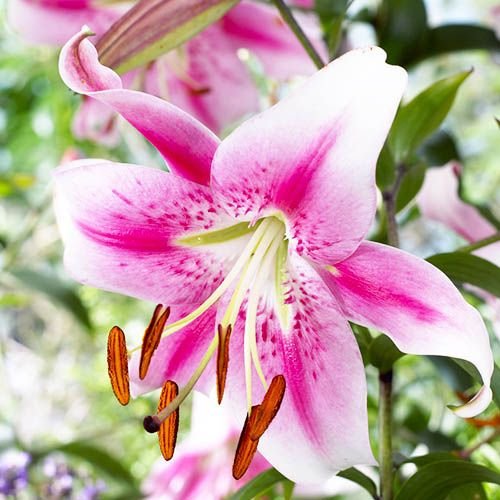
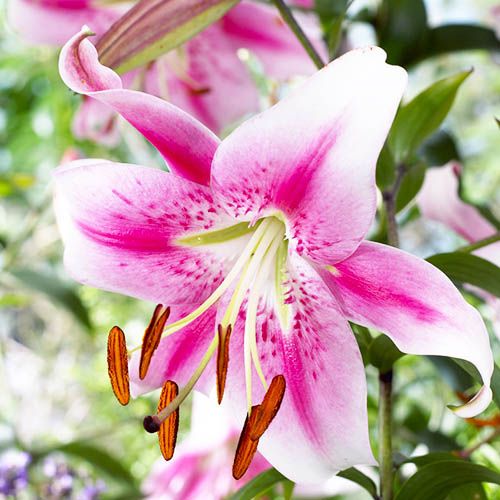
Lilies are majestic, fragrant flowers that bring color and elegance to any garden. However, growing lilies in a dry climate can present unique challenges. Heat, lack of rain and reduced soil moisture can damage growth and flowering. In this article we tell you how to grow lilies in dry conditions by optimizing watering, variety selection, soil and plant protection. With these tips, your lilies will be able to thrive even in arid areas.

Lily they need a lot of light to bloom, but in dry climates, strong sun can dry out the leaves and flowers. It is recommended that you plant your lilies in a location that benefits from morning light or light shade at the end of the day. This helps reduce water stress and optimize flowering.
Well-drained soil is essential to prevent bulb rot. However, it must also retain enough moisture to nourish the plants. Enriching the soil with compost, potting soil or decomposed manure improves its ability to hold water and provides the nutrients needed for healthy growth.

In dry areas, it is better to water deeply but less often. This method encourages the roots to extend deep and makes the lilies more drought tolerant. Avoid surface watering that does not reach the roots.
Mulching is a very effective technique for retaining soil moisture. Chips, straw or dead leaves create an evaporation barrier, protect roots and reduce heat stress on plants.

Some varieties of lilies are better adapted to dry conditions. Asiatic and trumpet lilies are generally more heat and drought tolerant, while oriental lilies require a little more moisture. Choosing the right varieties results in healthy, abundant blooms with less effort.

In dry climates, it is important not to over-fertilize, as too much fertilizer can burn the roots. Slow-release fertilizers or organic formulations provide the necessary nutrients gradually. Fertilize especially during active growth and flowering and reduce applications while the bulbs are resting.
Observe your lilies regularly for signs of stress, such as yellowing or wilting leaves. Quick intervention allows you to correct water or nutrient deficiencies before flowering is compromised.
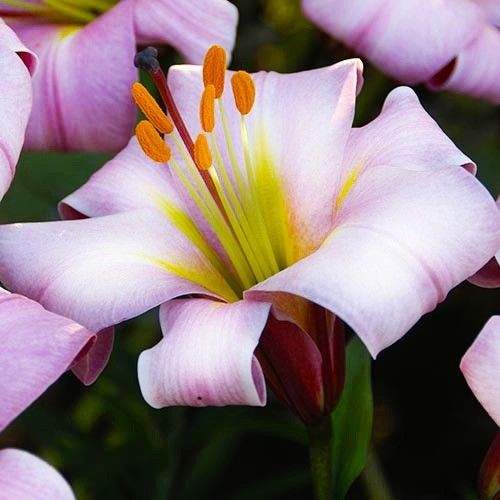
In dry areas, wind can accelerate evaporation and damage the flowers. The installation of natural windbreaks, such as bushes or hedges, or artificial structures helps to protect the lilies and maintain a favorable microclimate.
Planting lilies with ample spacing allows for better air circulation and reduces competition for water and nutrients. Regular flower removal focuses the plant’s energy on developing bulbs and new shoots, promoting long-lasting blooms.
Combining lilies with plants adapted to dry climates, such as herbs or Mediterranean soils, can improve moisture retention and create an aesthetically pleasing and durable garden. This association promotes a more balanced ecosystem and reduces stress on the lilies.
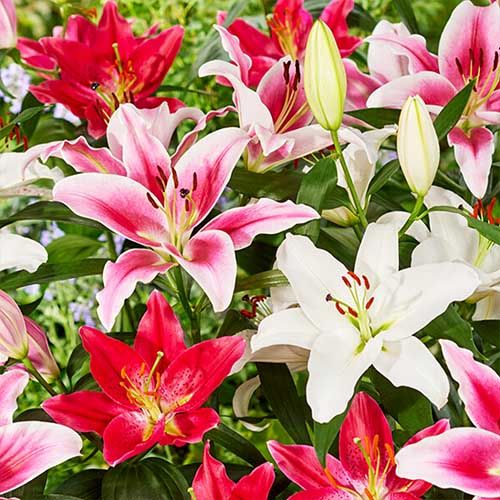
Growing lilies in a dry climate requires care, planning and proper techniques. Site selection, soil type, deep watering, mulching, selection of hardy varieties and wind protection are essential to success. With these methods, your lilies can bloom and provide spectacular blooms despite the harsh conditions. By following these tips, your garden becomes a colourful, fragrant and resilient space, proving that even in dry environments, nature’s beauty can thrive.




