Physical Address
304 North Cardinal St.
Dorchester Center, MA 02124
Physical Address
304 North Cardinal St.
Dorchester Center, MA 02124

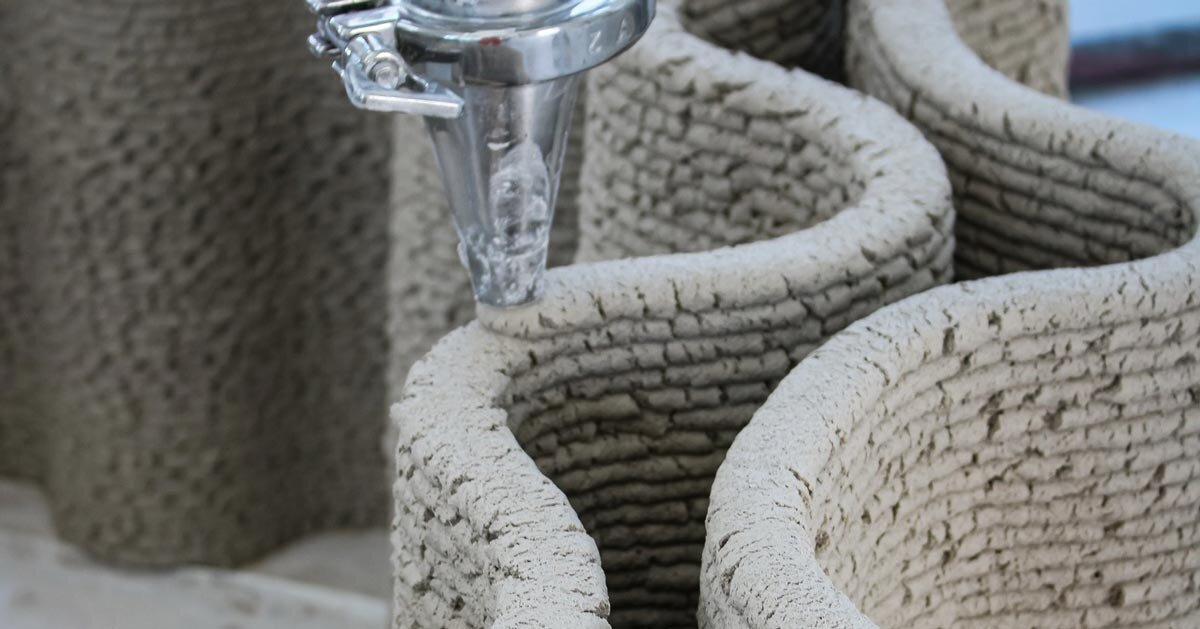
MANUFACTURA developed CORNCRETL as a bio-based building material which combines corn byproducts, recycled nejayote and lime-based aggregates to reduce carbon emissions and introduce circular economy principles into the construction industry.
of Mexico The construction sector faces significant environmental and social challenges. The widespread use of carbon-intensive materials has positioned the industry as a major contributor to national CO₂ emissions. At the same time, working conditions in construction remain unstable, with limited access to technical training and high occupational risk. CORNCRETL, developed by MANUFACTURA, proposes a circular materials strategy that addresses both environmental impacts and production models in the construction industry.
CORNCRETL is a bio-based construction material derived from calcareous aggregates, corn residues and recycled nejayote, the calcium-rich wastewater produced during the nichtation of corn. The research combines references to pre-Hispanic Mayan construction techniques with robotic 3D printing technologies. Compared to conventional concrete, the material achieves up to a 70 percent reduction in carbon emissions while operating within a circular economy framework.
all images by Dinorah Schulte
Maize has shaped Mexican society for more than 7,000 years, influencing agricultural systems, settlement patterns, and cultural identity. Archaeological finds in Tehuacán, Puebla trace its early domestication, and many Mesoamerican cultures incorporated maize into their economic and spiritual structures. Today, Mexico remains one of the top corn producers in the world. However, food waste is a major issue, with about 38 percent of production lost annually. Tortillas account for nearly 30 percent of that waste. The utilization of corn by-products, including nejayote, presents both environmental and economic opportunities.
Traditionally discarded, nejayote contains calcium compounds and organic residues that can be reprocessed into manufacturing inputs. CORNCRETL incorporates these residues with Geocalce T, a mineral-based aggregate consisting of natural hydraulic lime (NHL 3.5), geobinders, silica river sand, dolomitic limestone and Carrara marble dust. This formulation creates a dialogue between Mexican agricultural by-products and Italian mineral materials, reflecting cross-cultural collaboration in materials development.
Lime-based construction has a historical precedent in Mesoamerica. Known as Sak-Kaab (“White Earth”) in Mayan culture, lime mixtures such as sascab were valued for breathability, durability and environmental compatibility. CORNCRETL from Design practice based in Mexico MANUFACTURA reinterprets these qualities through modern construction. Unlike Portland cement, lime-based systems harden at room temperature and require lower firing temperatures, reducing energy consumption and greenhouse gas emissions. Lime materials also provide moisture-regulating and self-healing characteristics for small surface cracks.
CORNCRETL is a bio-based building material developed by MANUFACTURA
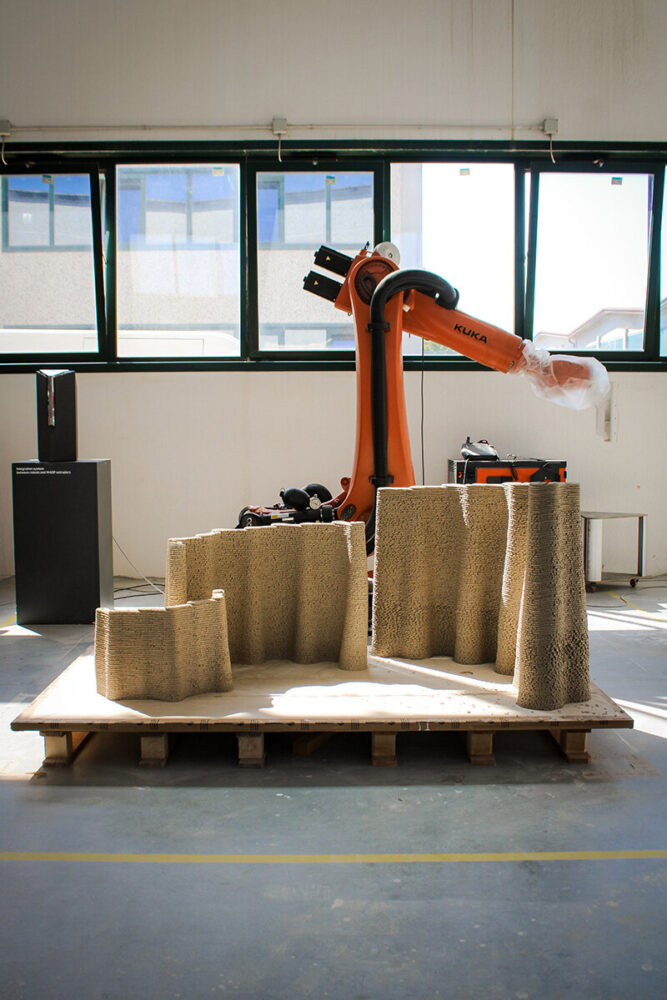
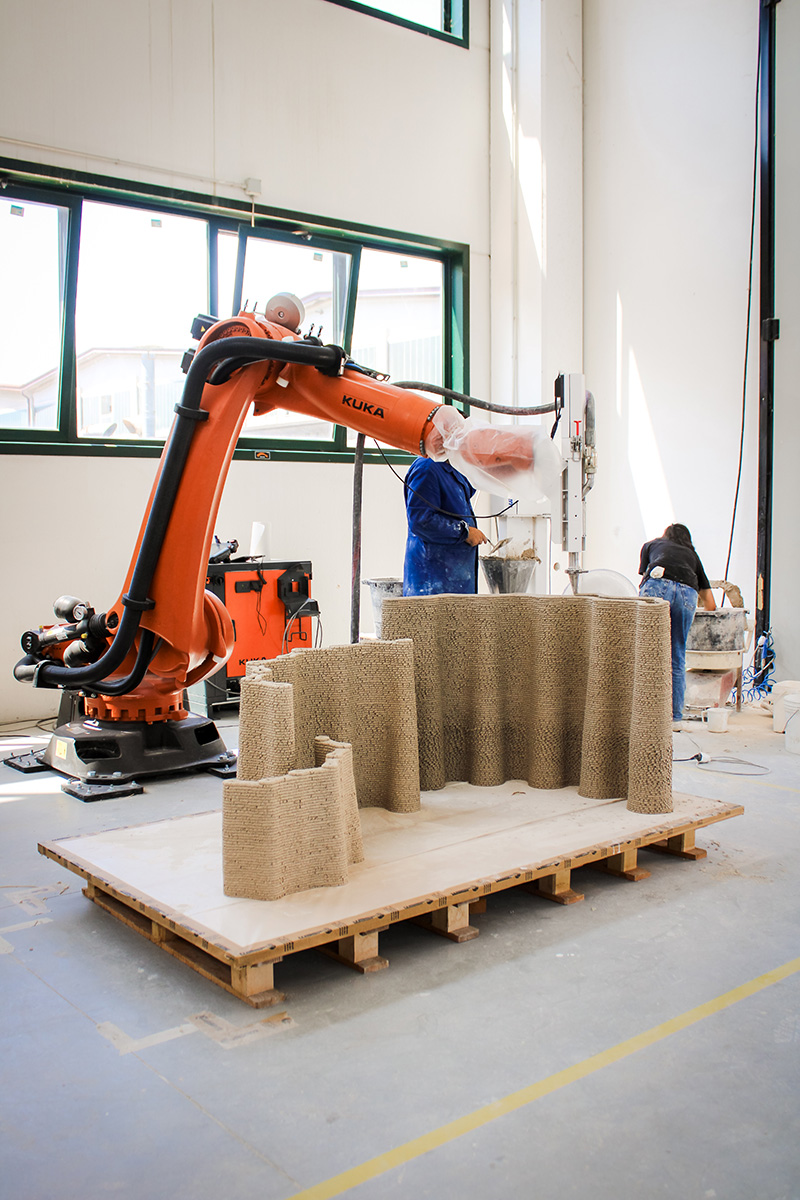
The manufacturing process was optimized for robotic 3D printing. The Nixtamal waste was collected, dried, shredded and pulverized to achieve a consistent particle size suitable for extrusion. The material was then mixed with mineral aggregates and organic binders to produce a printable mixture. Printability tests were performed using a WASP Concrete HD continuous feed system integrated with a KUKA robotic arm. Three wall prototypes were printed at various scales and cured at room temperature for two to three days.
Additive manufacturing eliminates the need for conventional formwork, reducing material waste by up to 90 percent while allowing for geometric accuracy. During the WASP Residency 2025 in Massa Lombarda, Italy, research focused on improving the mixture and testing scalability for architectural applications. Structural assessments assessed compressive performance and material use per linear meter. Modular wall panels with heights of 40 cm, 60 cm and 80 cm were developed as possible components for lightweight, low-cost housing systems. The wall geometries referenced terrazzo patterns from Rimini, demonstrating the material’s capacity for patterns, curvature and non-linear forms. Combining agricultural waste streams, lime-based mineral systems and robotic construction, CORNCRETL positions bio-based construction as both a technical and cultural proposition.
The project frames construction as a space of material recovery and technological adaptation. Through the integration of knowledge of ancestral lime, corn by-products and digital construction, CORNCRETL proposes an alternative path for sustainable building practices in Mexico, emphasizing reduced emissions, circular resource flows and scalable housing applications.
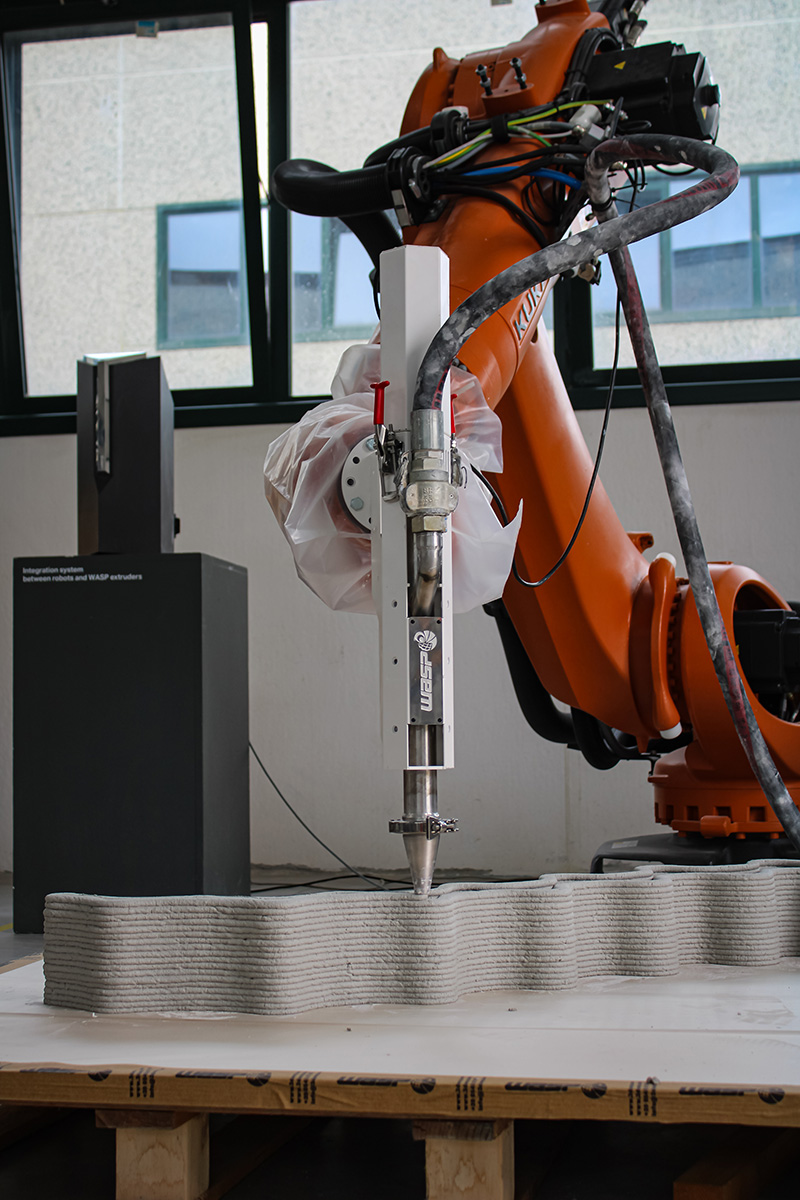
the manufacturing process was optimized for robotic 3D printing
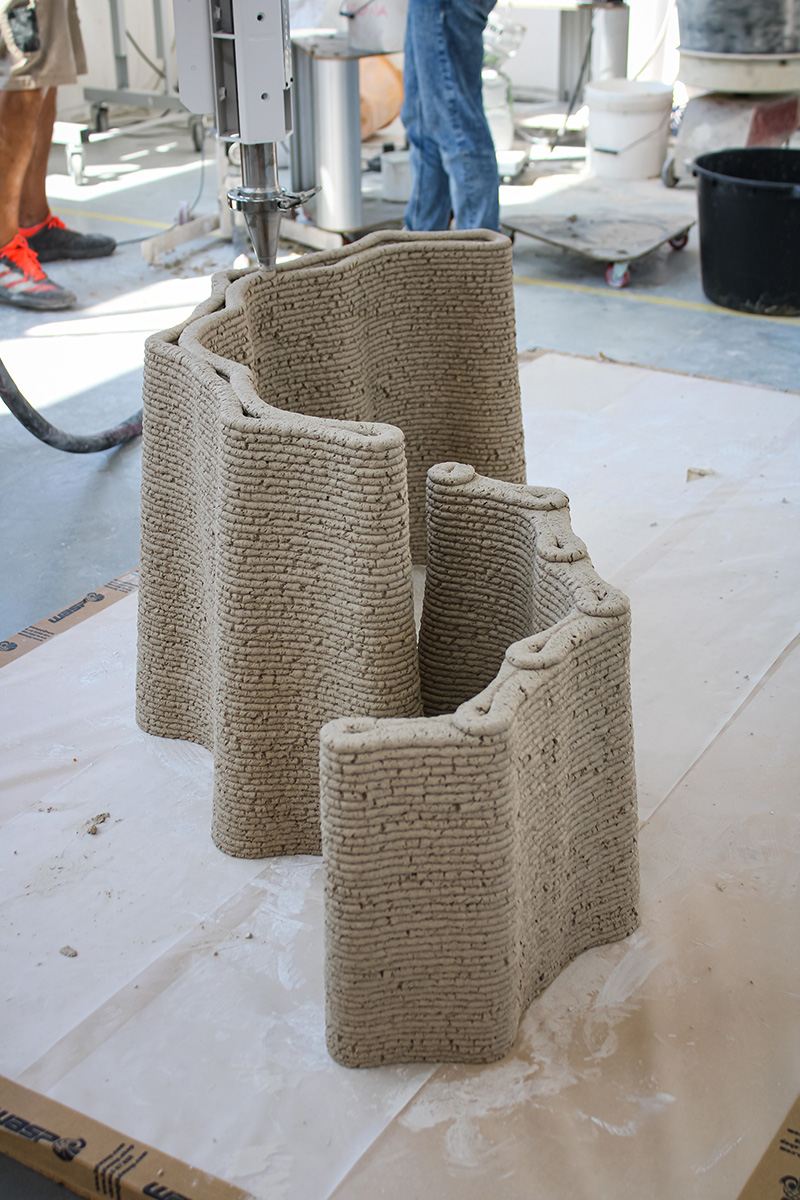
the mixture incorporates natural hydraulic lime, silica sand, dolomitic limestone and marble powder
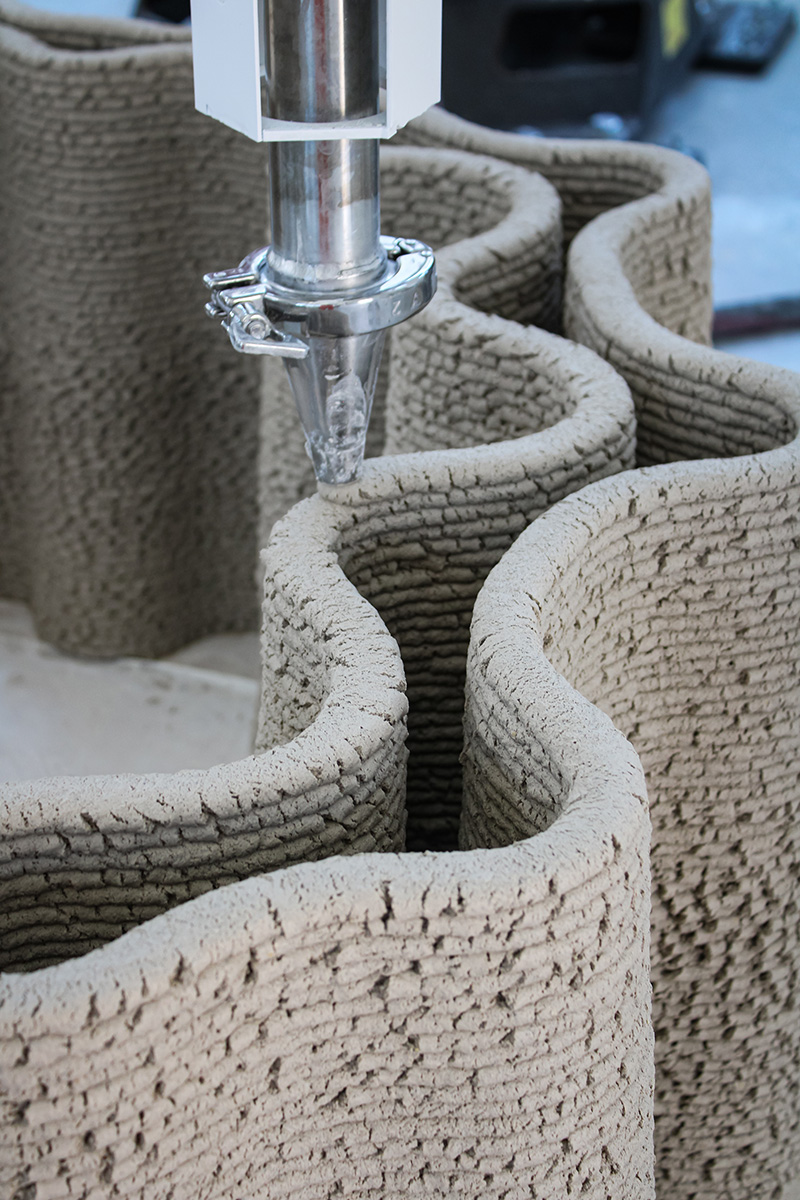
CORNCRETL incorporates limestone with agricultural waste streams
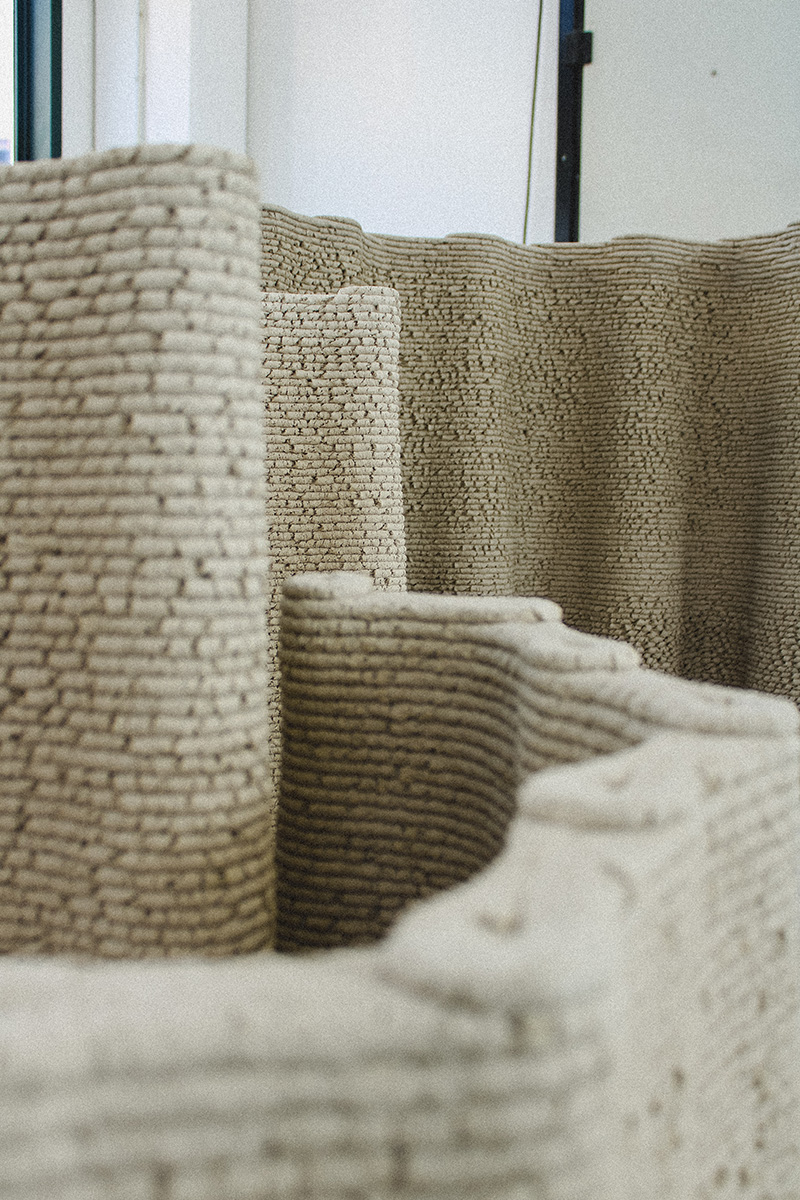
the material reduces carbon emissions by up to 70 percent compared to conventional concrete
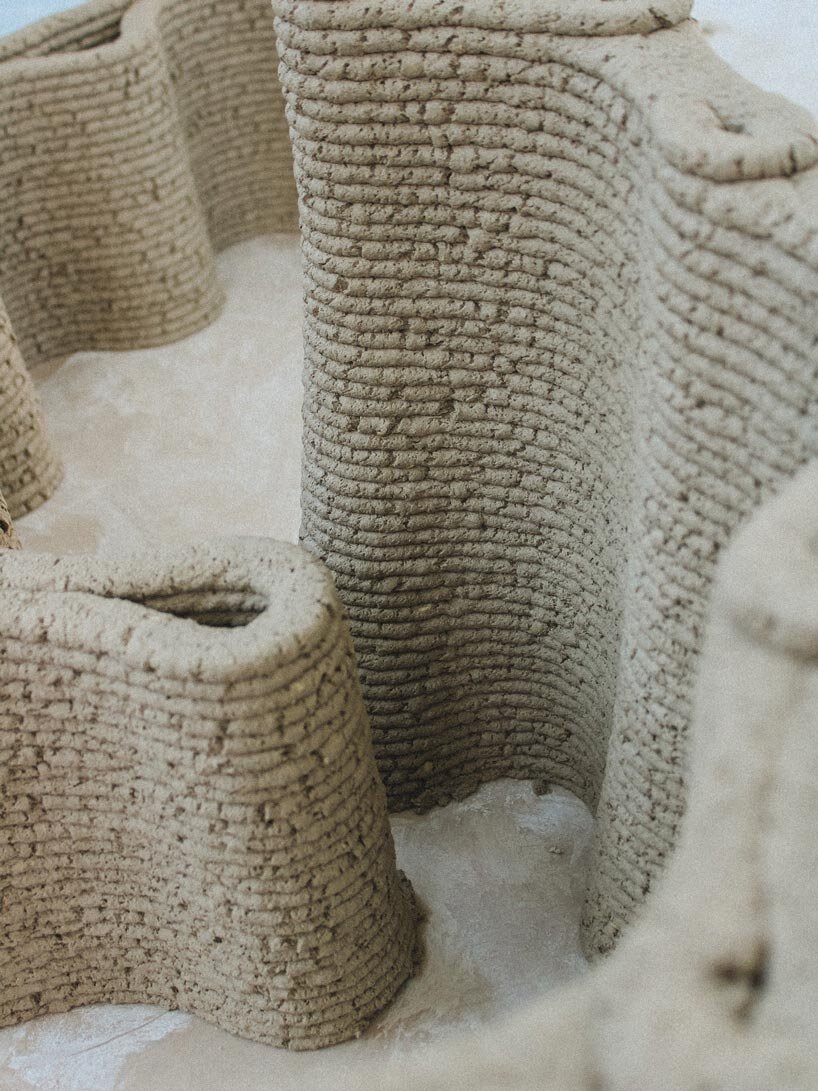
CORNCRETL proposes a circular economy model for the construction industry
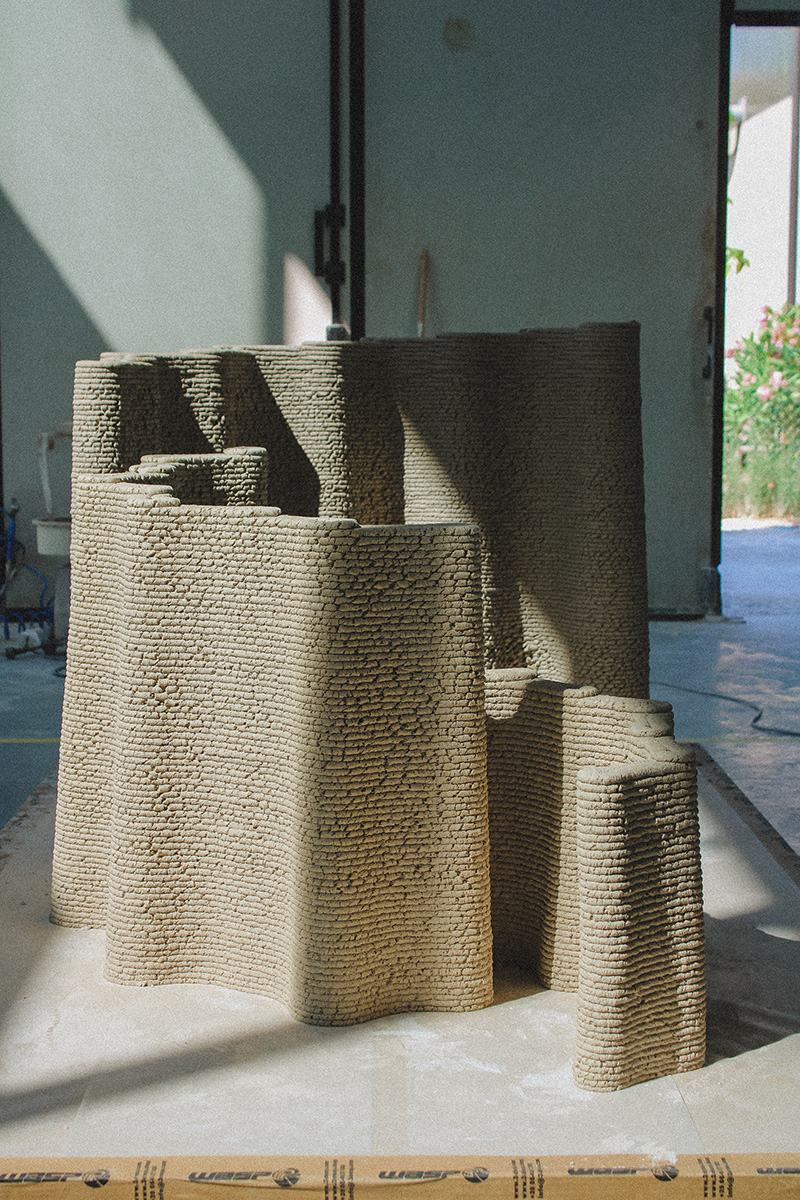
Additive manufacturing reduces material waste by eliminating formwork
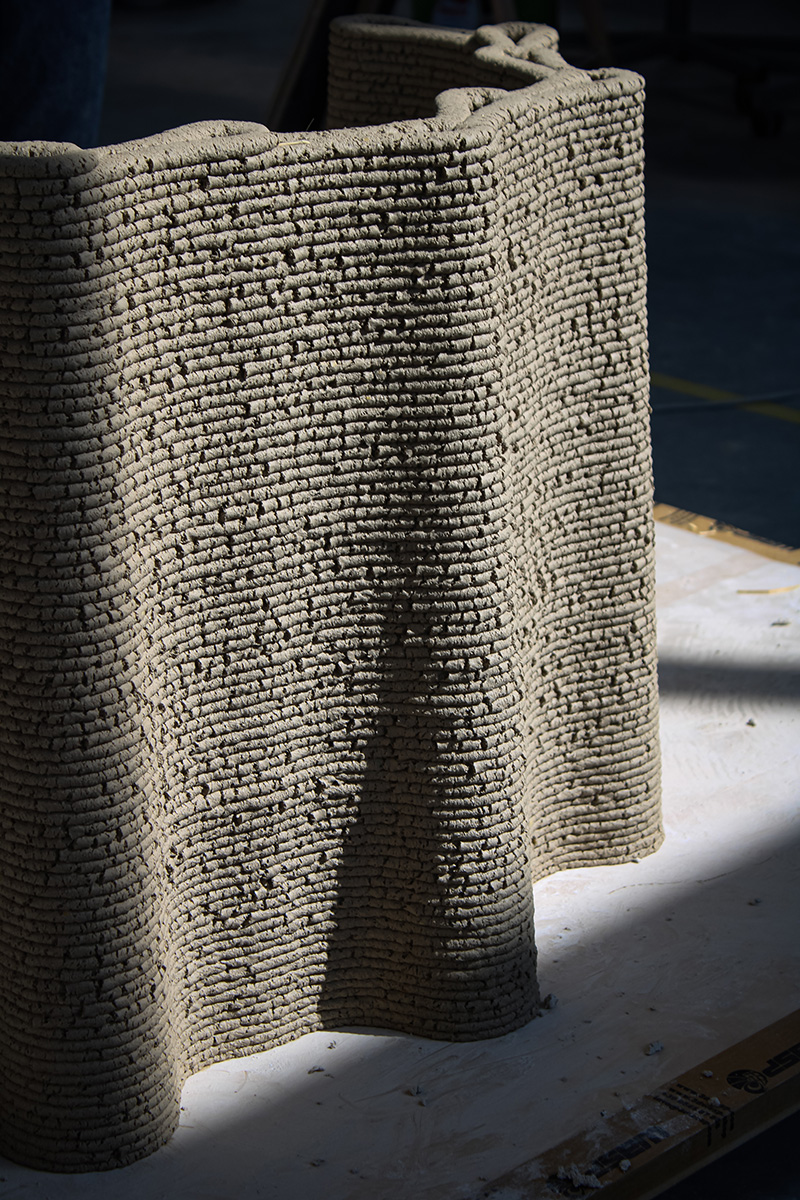
Modular panels were developed for lightweight, low-cost housing applications
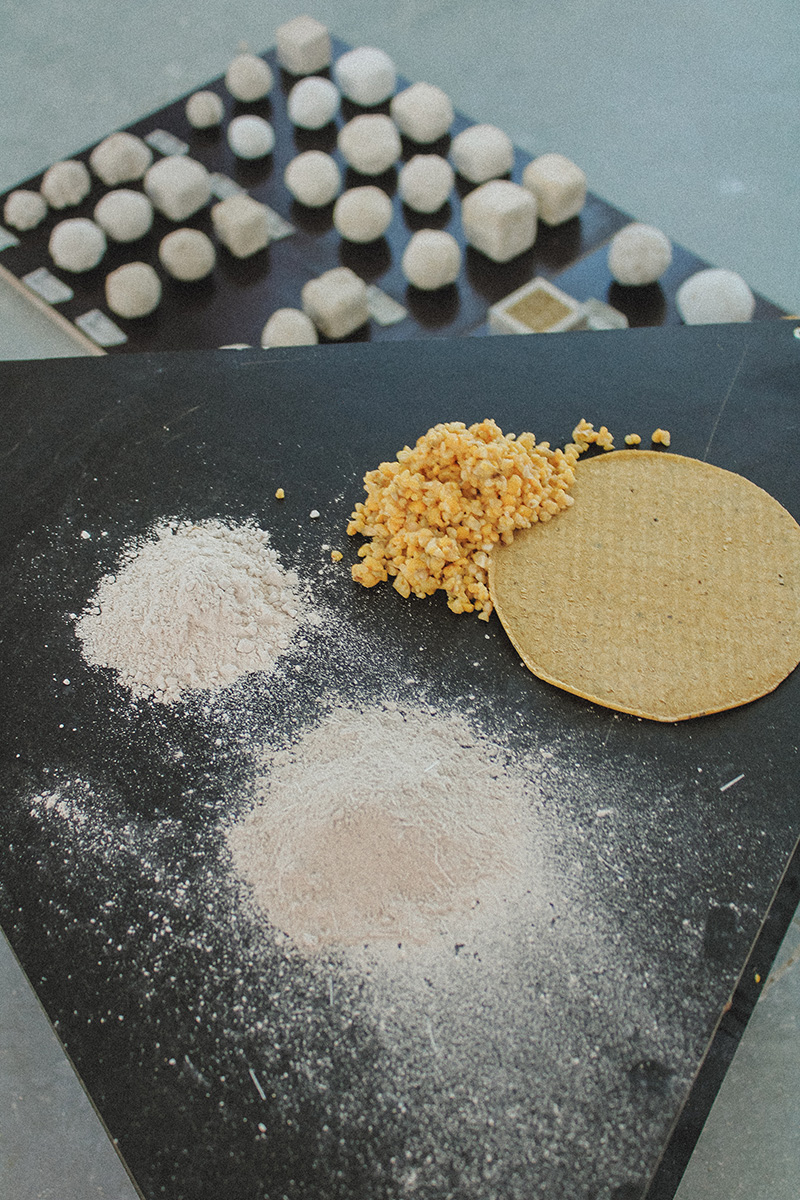
the material combines corn residues, recycled nejayote and lime-based aggregates
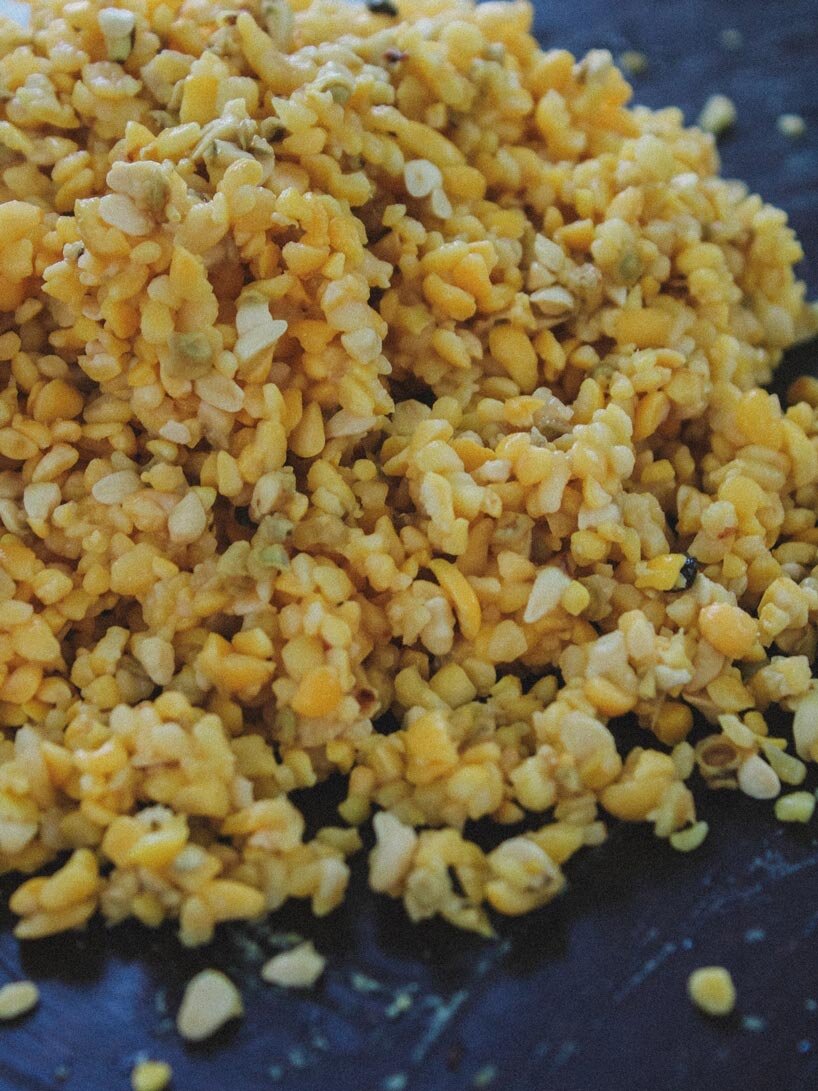
Maize has shaped Mexican agriculture and settlement patterns for more than 7,000 years
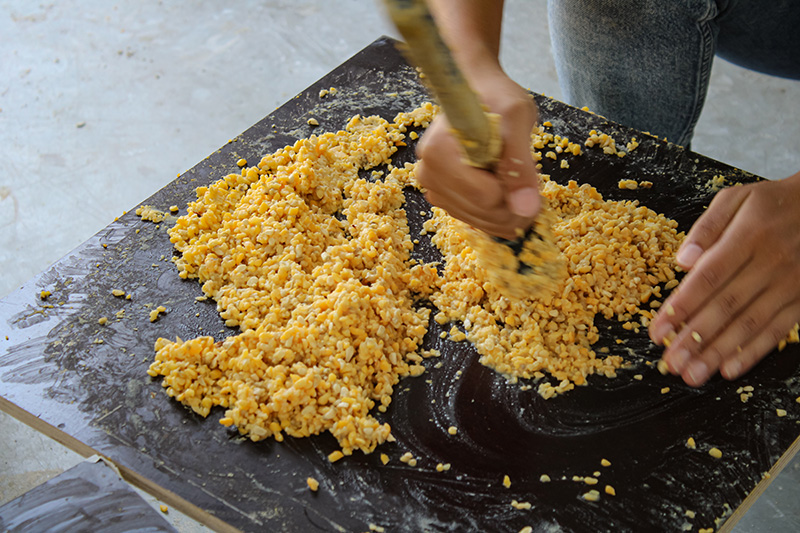
Utilization of corn by-products, including nejayote, presents both environmental and economic opportunities
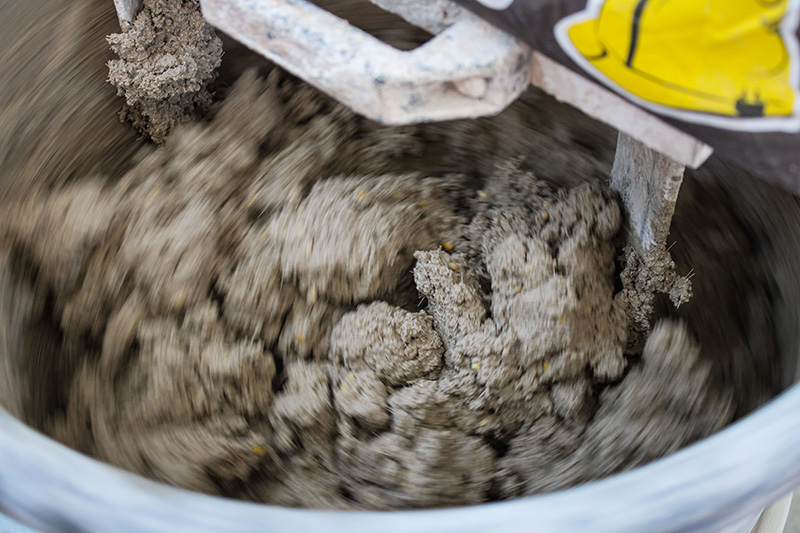
CORNCRETL combines agricultural by-products, lime chemistry and digital manufacturing into a scalable manufacturing system
project information:
name: CORNKRETL
designer: CONVERT | @manufacturamx
lead designer: Dinora Schulte
project manager: Endurne Morales
senior computer designer, 3D printing development: Andrea Menardo / Zeitgeistructures
structural engineer: Jorge Armando / TACO KWEEN + TLAXCALLI
material donor: WASP 3D Industrial Partners
photographer, videographer: Dinorah Schulte, WASP 3D
designboom received this project from us DIY submissions feature, where we welcome our readers to submit their own work for publication. see more project submissions from our readers here.
edited by: Christina Vergopoulou | designboom




