Physical Address
304 North Cardinal St.
Dorchester Center, MA 02124
Physical Address
304 North Cardinal St.
Dorchester Center, MA 02124

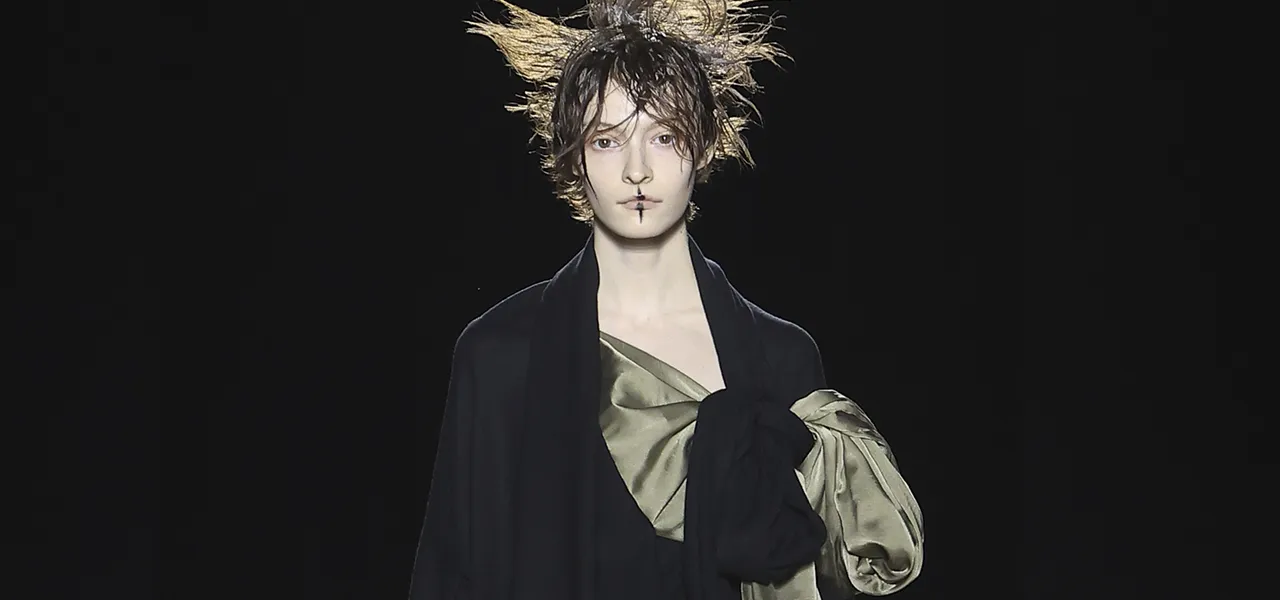
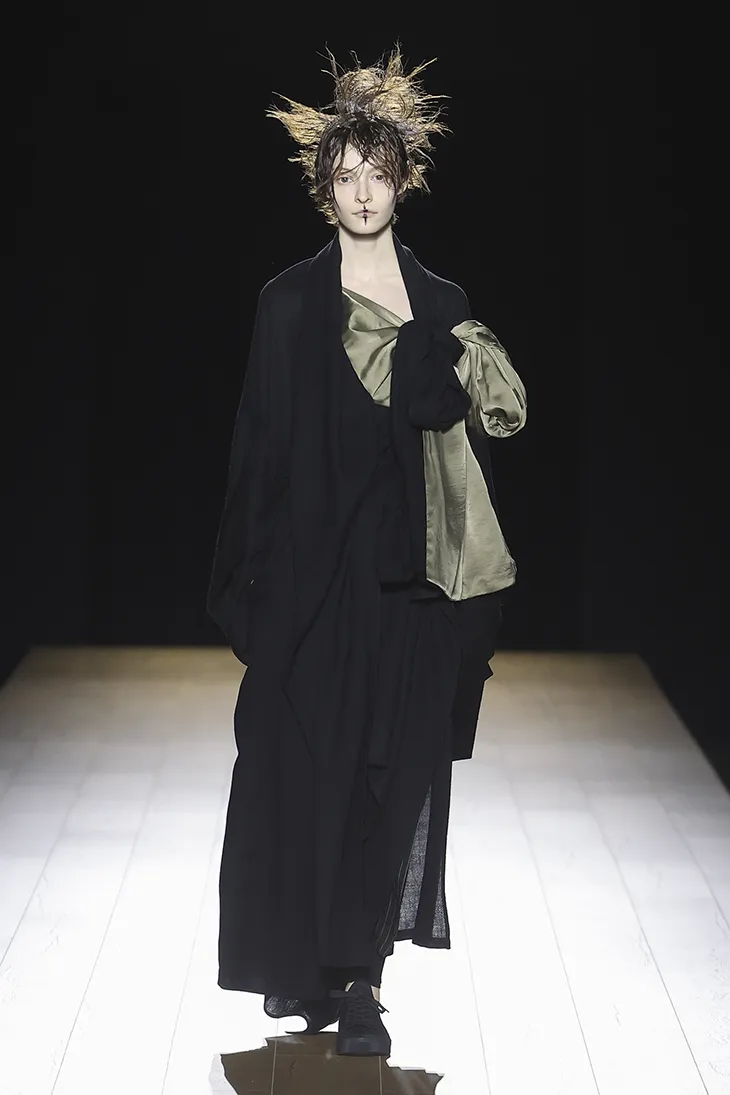
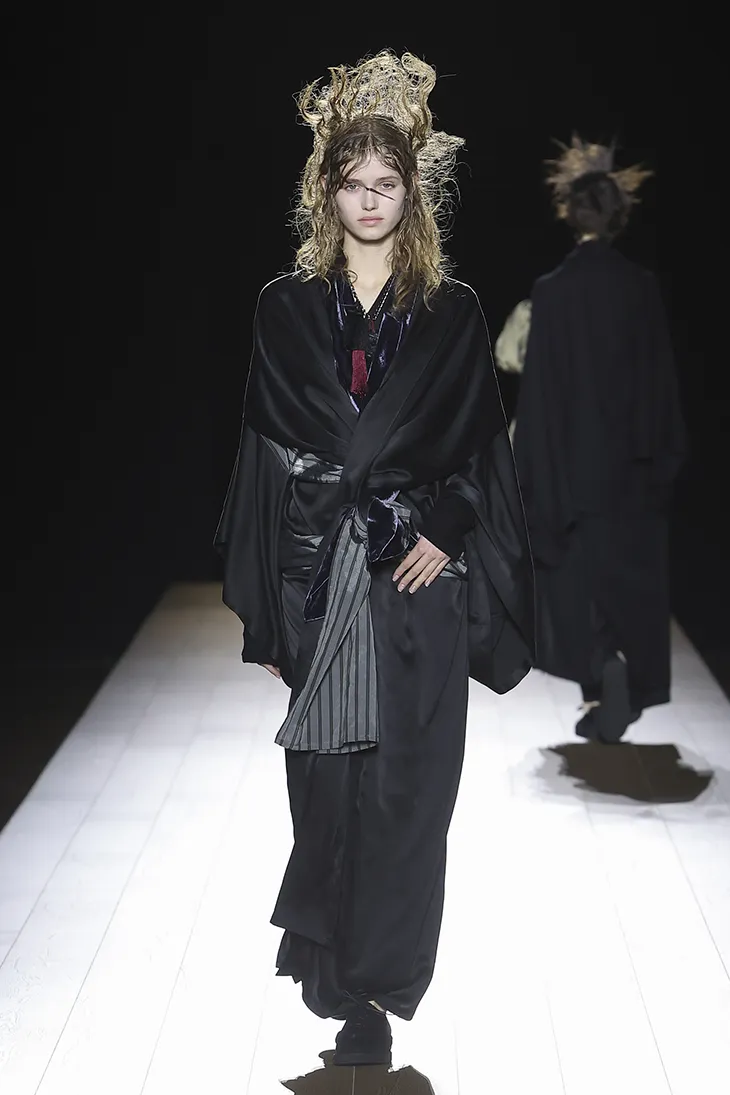
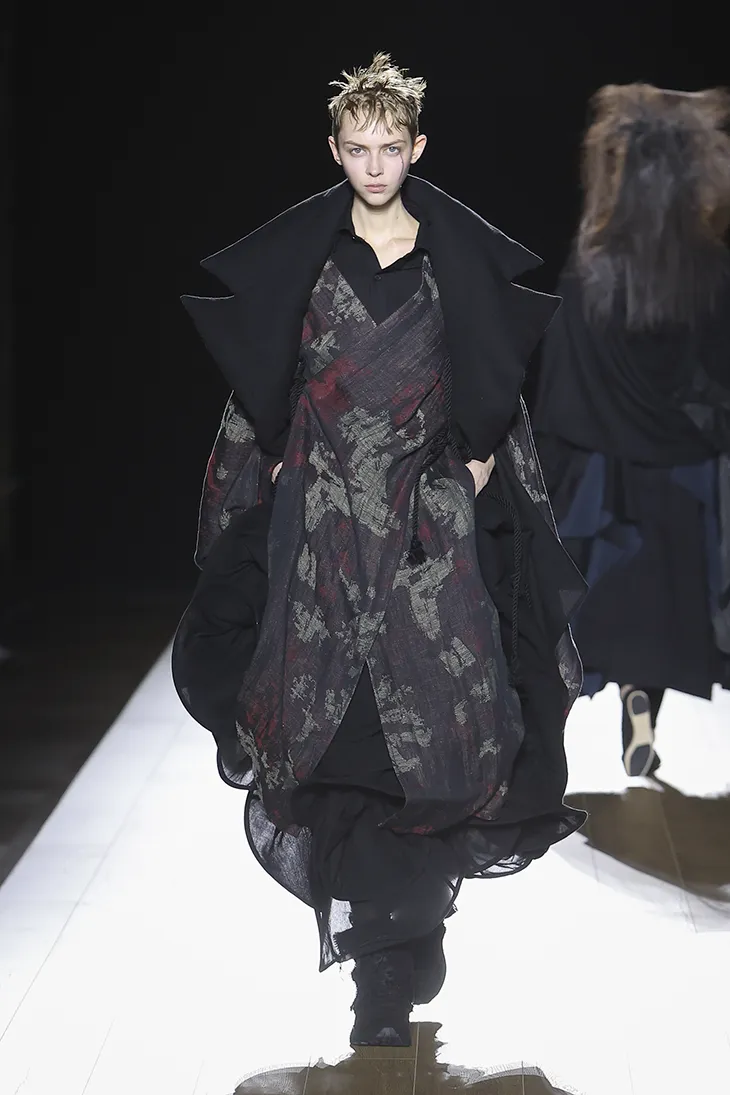
Yohji Yamamoto presented the Fall Winter 2026 collection as a study in clothing shaped through personal research, historical observation and Japanese dress traditions. The collection reflects Yamamoto’s long-term engagement with clothing produced over the centuries, while articulating a personal interpretation of these influences through contemporary design.
The collection follows a path that connects Japan with European tailoring traditions. Yamamoto draws from a wide field of references gathered through years of observation and study. Elements associated with English tailoring appear alongside Scottish tartans, while references to 1950s tailoring and historical dress from previous centuries inform the structure of many garments. Neo-medieval dresses and eighteenth-century silhouettes contribute additional layers to this dialogue between periods and techniques.
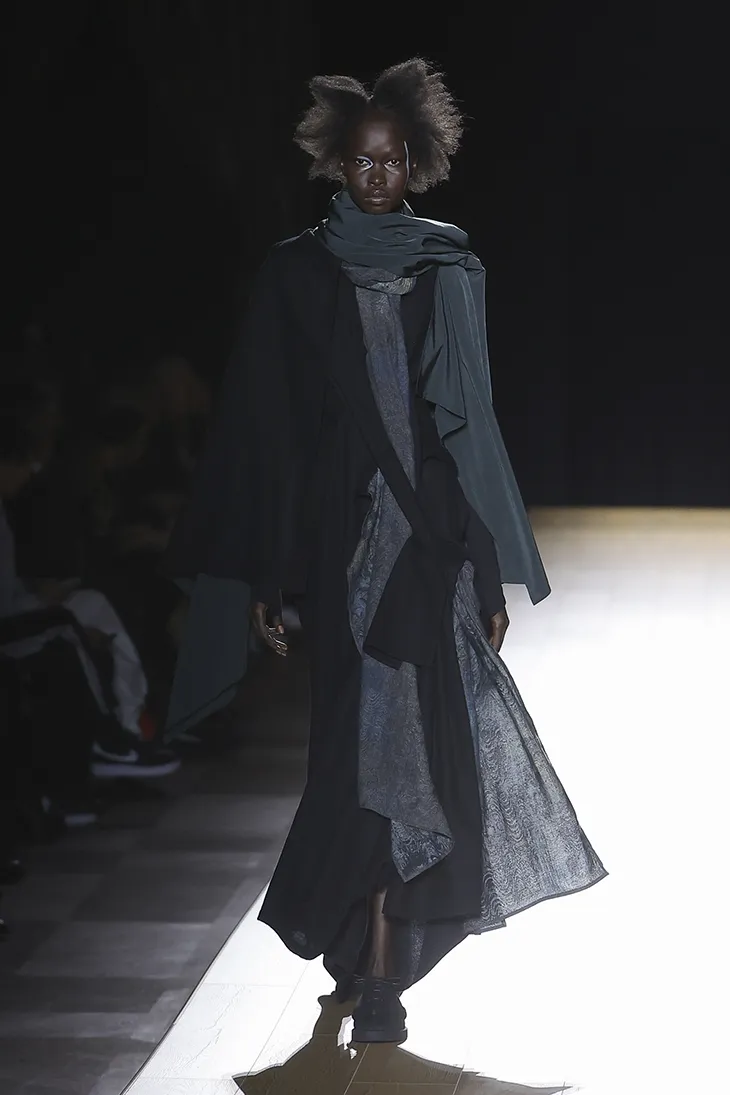

Yamamoto approaches historical clothing through technical understanding rather than imitation. Studies clothes produced by previous generations of couturiers to understand the manufacturing methods that shaped their work. This method informs the collection, which reflects his ongoing study of how clothing evolves through structure, fabric treatment and cutting techniques.
The collection also introduces a stronger Japanese presence in Yamamoto’s design language. Yamamoto has often described himself as a Tokyoite, while keeping clear national references outside of his work. The Fall Winter 2026 collection changes this perspective, placing Japanese clothing traditions within the structure of the garments. Several designs refer to the kimono through their cuts and methods of placing the fabric around the body.


These garments reinterpret kimono construction through contemporary clothing. Yamamoto treats the kimono as a system of dress rather than a cultural symbol associated with a single meaning. This approach allows the garments to communicate a way of dressing that extends beyond national borders and adapts to today’s life.
The show’s closing featured five dresses printed with images from Japanese woodcuts by Katsushika Hokusai. Hokusai serves as a key influence on the collection. His work documented Japan during a moment of transformation before the Meiji period, when the relationships between nature, culture and modernity had not yet been separated. Hokusai’s influence also extended beyond Japan through the reception of his work by European artists such as Edgar Degas, Claude Monet and Vincent van Gogh.

Yamamoto shares a comparable cultural exchange through his own relationship with Paris. He traveled to the city early in his career by taking the Trans-Siberian Railway and continued this dialogue between Japan and Europe throughout his work. This geographical exchange informs the emotional structure of the collection, which reflects Yamamoto’s connection to both cultural contexts.
Throughout the collection, Yamamoto combines colors with restraint and sophistication. Fabrics interact through unexpected pairings that create garments defined through technical experimentation and refined construction. Cuts and materials interact through layered structures that reveal the designer’s study of clothing through time.


These garments showcase Yamamoto’s ongoing research into clothing as both art and spiritual pursuit. The Fall Winter 2026 collection reflects his study of historical clothing, his engagement with Japanese clothing traditions and his personal interpretation of garments shaped through decades of observation and design.