
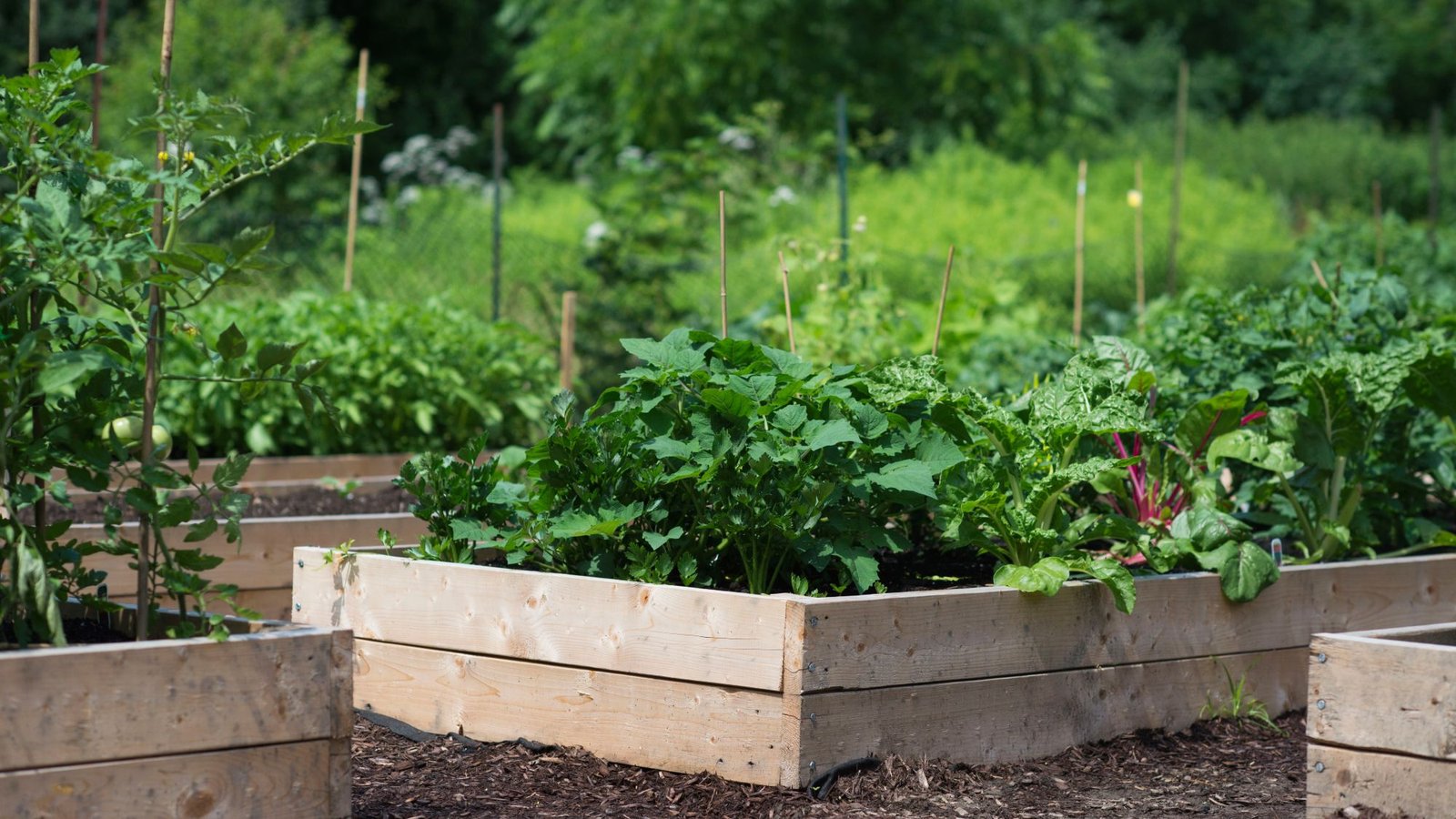

Raised garden beds offer many benefits from simply placing plants in the ground. They allow you to adjust and improve the ground, provide better drainage and are easier to access – especially if you have back or knee problems. Raised beds also give gardens a neat and tidy look.
But the one big downside to raised beds is how expensive they can be. Whether you want to build a DIY raised bed or buy a pre-made one, the cost can add up quickly. That’s why finding free materials to build cheap raised beds it’s a great way to save money and get all the benefits that raised beds provide.
You can find free lumber to make your own raised beds from a variety of unlikely places, as long as you know where to look. I’ve rounded up the best places to find free wood for raised beds to help you build your dream garden on a budget.
The article continues below
1. Timber yards

(Image credit: Juanmonino/Getty Images)
Yes, you can start right at the source and possibly find some free lumber for your raised beds at a lumber yard. Instead of assuming you’ll need to buy new wood from your local yard, ask if they have any scrap that you can have for free.
Lumber yards often have small pieces or slightly damaged lumber they can’t sell, so it never hurts to ask. One of the best types of wood for raised beds it is cedar. So ask lumber yards if they have cedar or other hardwoods that are durable for outdoor use.
2. Construction sites

(Image: mixetto/Getty Images)
New housing developments are particularly fertile ground for free timber. They usually have a scrap pile consisting of the offcuts from the pressure treated lumber. Cuts are the pieces that are too short to use in the construction project, but are often the ideal length for construction raised beds for a small garden.
Another type of construction site to target is any home or building that is getting new doors or windows. Window and door manufacturers use heavy wooden frames to carry and protect the glass. They are usually made from untreated wood. But you can use the Shou Sugi Ban technique to make the raw wood last longer and add a beautiful dark color to your beds.
If you are looking for lumber at a construction site, always be sure to ask the person in charge before taking any material.
3. Appliance & HVAC warehouses

(Image credit: bgwalker/Getty Images)
Appliance and HVAC warehouses are other great places to find heavy-duty wood frames. Large appliances like refrigerators and air conditioning units are shipped on sturdy wooden stands that you can easily convert into raised beds. Builders typically use 4×4 or 2×4 lumber to hold these heavy pieces of equipment and appliances, which are perfect for building recycled raised beds.
If you have a warehouse near you, find the boss and ask if they have any free lumber left over that you can have.
5. Wholesale of Tiles & Stones

(Image credit: Cameris / Shutterstock)
Another product that requires sturdy timber to support it is tile and stone. These heavy materials are shipped on pallets, but not like you see in other setups. These pallets are larger and much more durable.
Visit your local tile or stone wholesaler to see if they have used ones pallets that you can turn into raised beds. They’re often willing to let them go for free because they can’t be easily recycled or reused like smaller pallets can.
6. Local Fencing Contractors

(Image: Vitalii Petrushenko/Getty Images)
Old wooden fences tearing it out and replacing it with new materials is often great free lumber for frugal gardeners. Fencing contractors often have to pay to have the old fencing sent to the landfill, so they will probably agree to your offer to remove some of it for free.
Of course, old fences are often worn or rotten, so be selective about what lumber you get. Look for old cedar fences first. Cedar raised beds they are excellent because they naturally resist rotting, even without treatment. This type of wood is therefore an excellent choice for safe, sturdy raised beds.
7. Your neighbors

(Image: Kathleen Walters / Future)
Sometimes it makes sense to approach your neighbors for free lumber if they are building their own or getting rid of an old fence. Keep an eye out for piles of materials they get rid of to see if there’s anything you can use.
Fences and old decks they are especially good sources of free lumber for raised beds. But you might also find something useful through their home. If their renovations are extensive, like knocking down a wall, they may have old framing lumber they’re trying to get rid of.
Start a conversation with your neighbor about their work to find out if they have something you can use in your garden.
8. Online shopping

(Image credit: Juan Algar/Getty Images)
You can often find free lumber by driving around town looking for renovation projects or going to local warehouses and distributors. But you can also expand your search by going online.
Look on sites like Facebook Marketplace or your local Nextdoor page to find people getting rid of wood or lumber for free.
Warning: Beware of treated lumber
As you search for free lumber, keep in mind that some types of treated wood are not safe for use in the garden. Modern pressure-treated lumber is considered safe, but beware of older recycled products.
Lumber is often treated with chemicals to make it last longer. The eldest treated wood for raised beds that you find for free may be contaminated with these toxic chemicals, including some arsenic-based preservatives. These can wash into the soil and get into plants. It is particularly dangerous to use this type of timber with edible plants in a raised bed vegetable garden.
Modern pressure-treated lumber uses copper-based compounds, which are safer. They can still cause copper to build up in the soil, but it rarely moves enough to put plants at risk of taking it up in their roots.
If you’re worried about chemicals, you can use untreated wood to build your raised beds, but be aware that they won’t last as long. Another option is to choose a wood that naturally resists rot, such as cedar.
Buy raised beds

Best Choice Products Raised Garden Bed
This raised bed is perfect for patios. Plus, it makes gardening easier on your back.

Vego Garden Raised Garden Bed Kit

Infinite Cedar Premium Cedar Raised Garden Bed
Cedar raised beds can be a bit pricey, but they’re worth the splurge because they hold up so well. Get this for under $200.
SUBJECTS



