
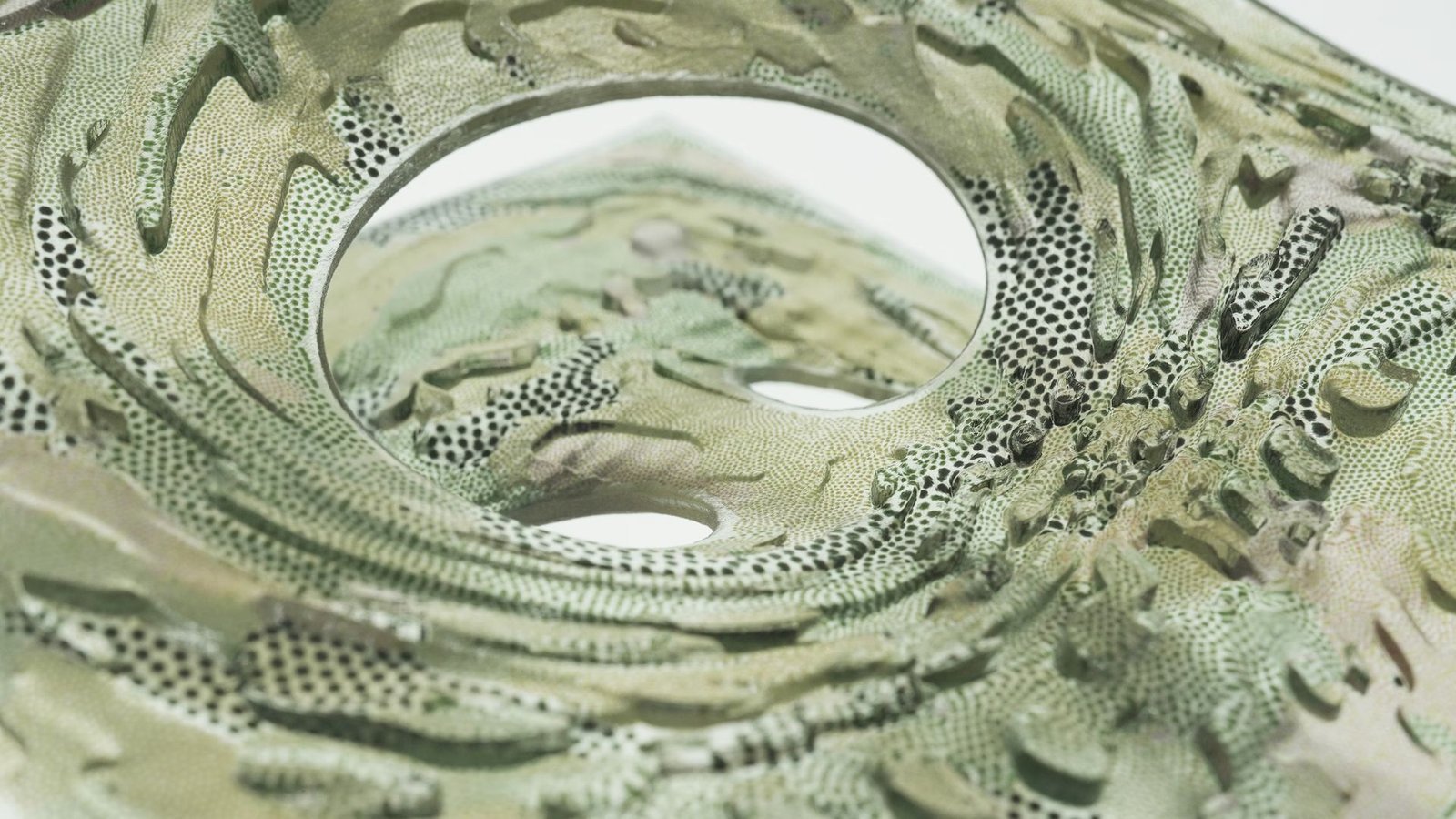

What if a sustainable building didn’t just avoid harming the environment, but actively functioned as an ecosystem in its own right, protecting endangered species, sequestering carbon, and rekindling the land beneath it? This is the research question behind EDENan ambitious architectural initiative by OXMAN design workshop. Unveiled as part of the studio’s inaugural portfolio, it represents a challenge to more than a century of architectural practice. a practice based, quite literally, on shifting the natural world to make room for human life.
EDEN is a design philosophy more than an architectural design, a mindset that OXMAN encourages all designers and architects to adopt. It raises awareness that the dichotomy between built and living environment is not inevitable, but chosen, and for the first time in history, we have the ability to un-choose it. This new paradigm is called “Ecological Planning,” treating the biological needs of other species as architectural requirements, no different than a building code.
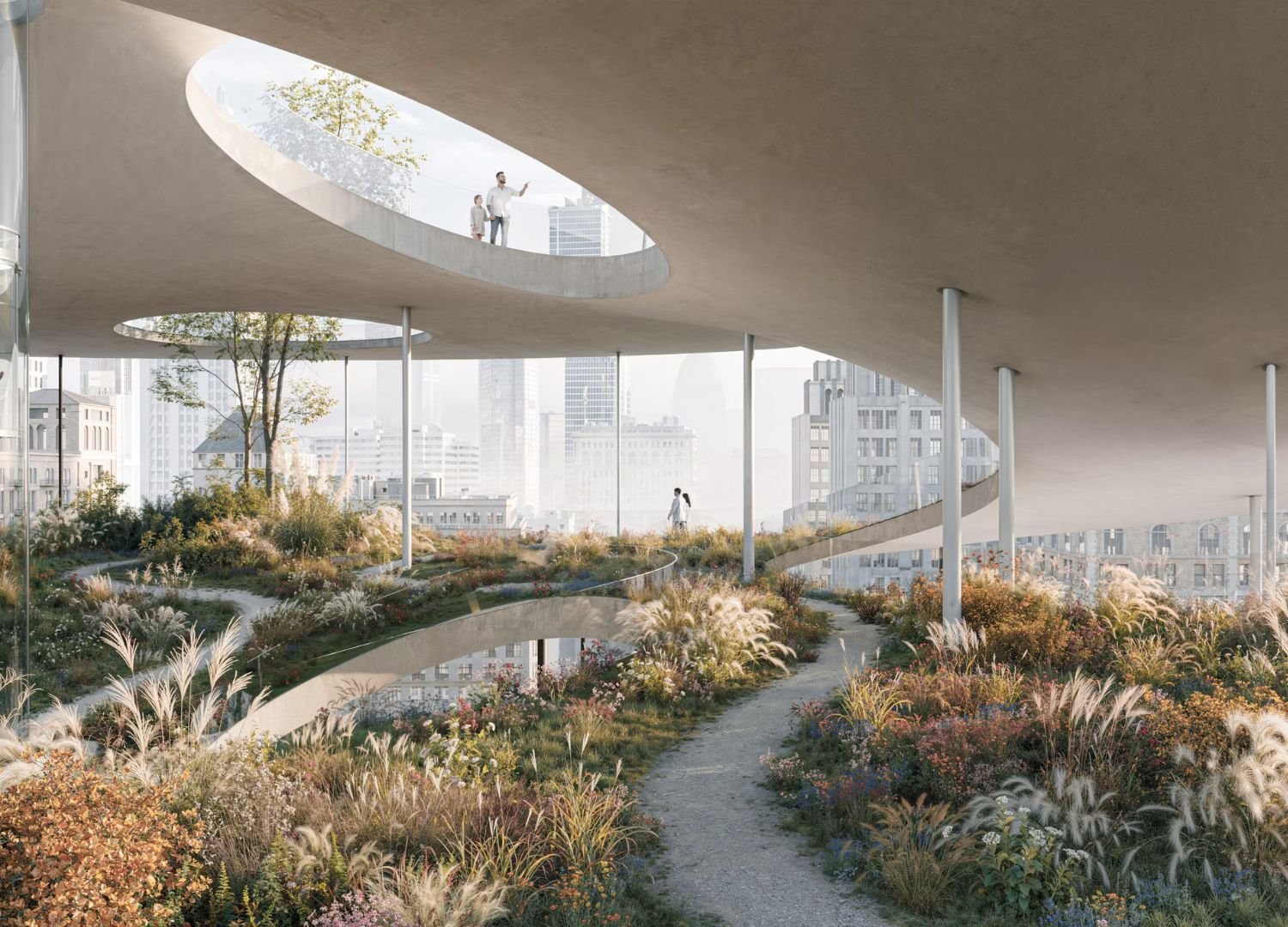
EDEN Tower © OXMAN
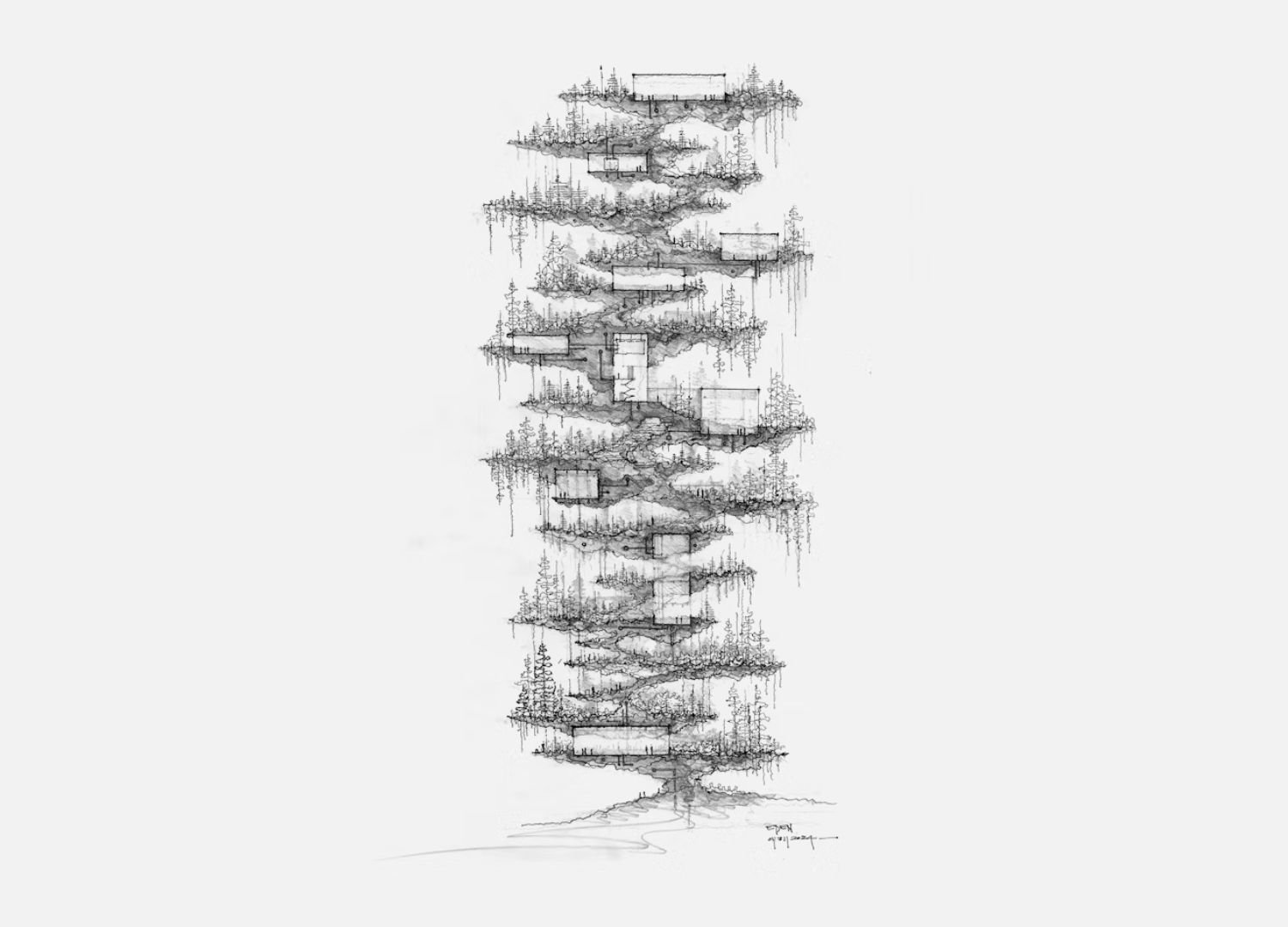
Original sketch of EDEN Tower © OXMAN
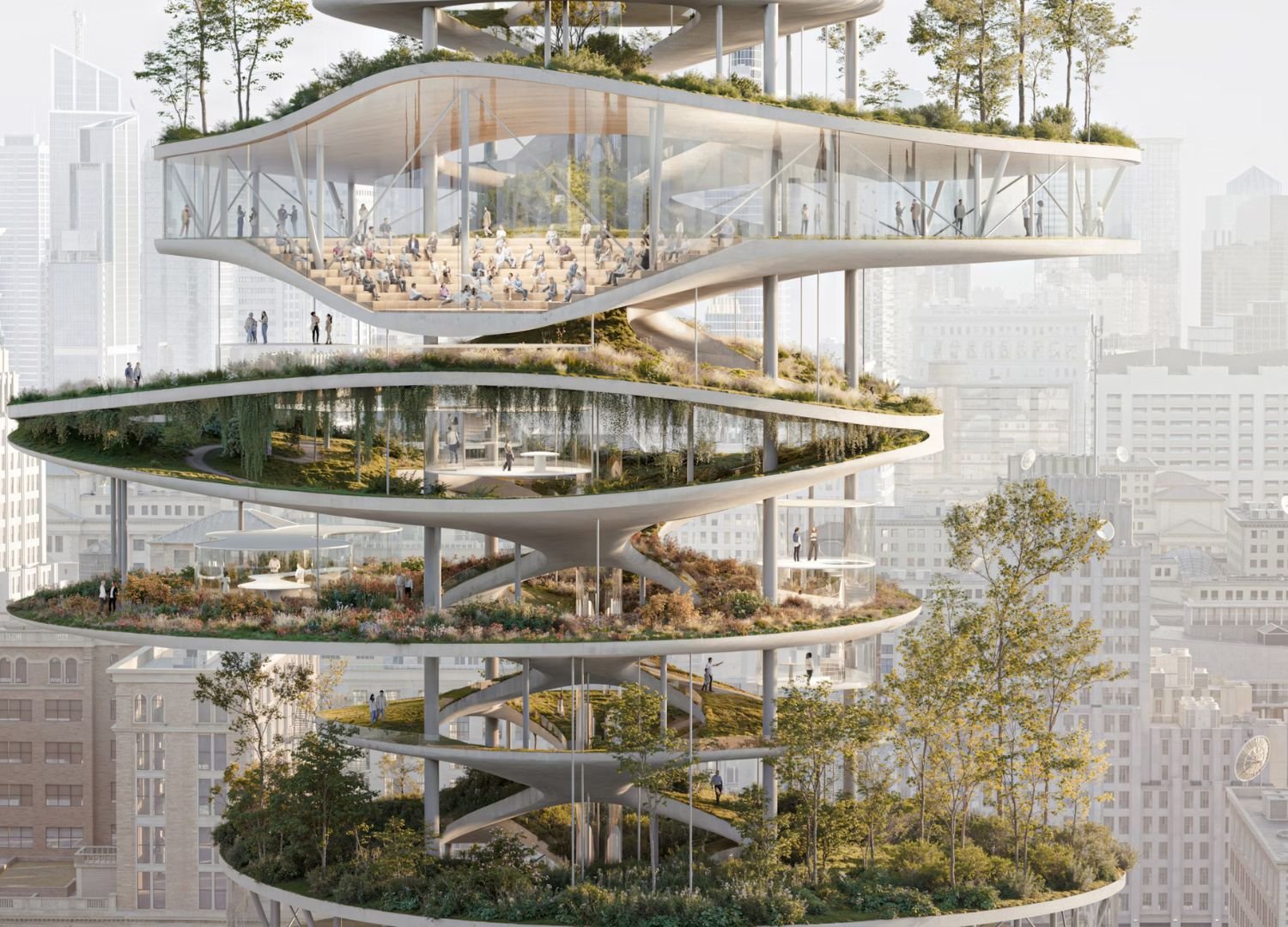
EDEN Tower © OXMAN
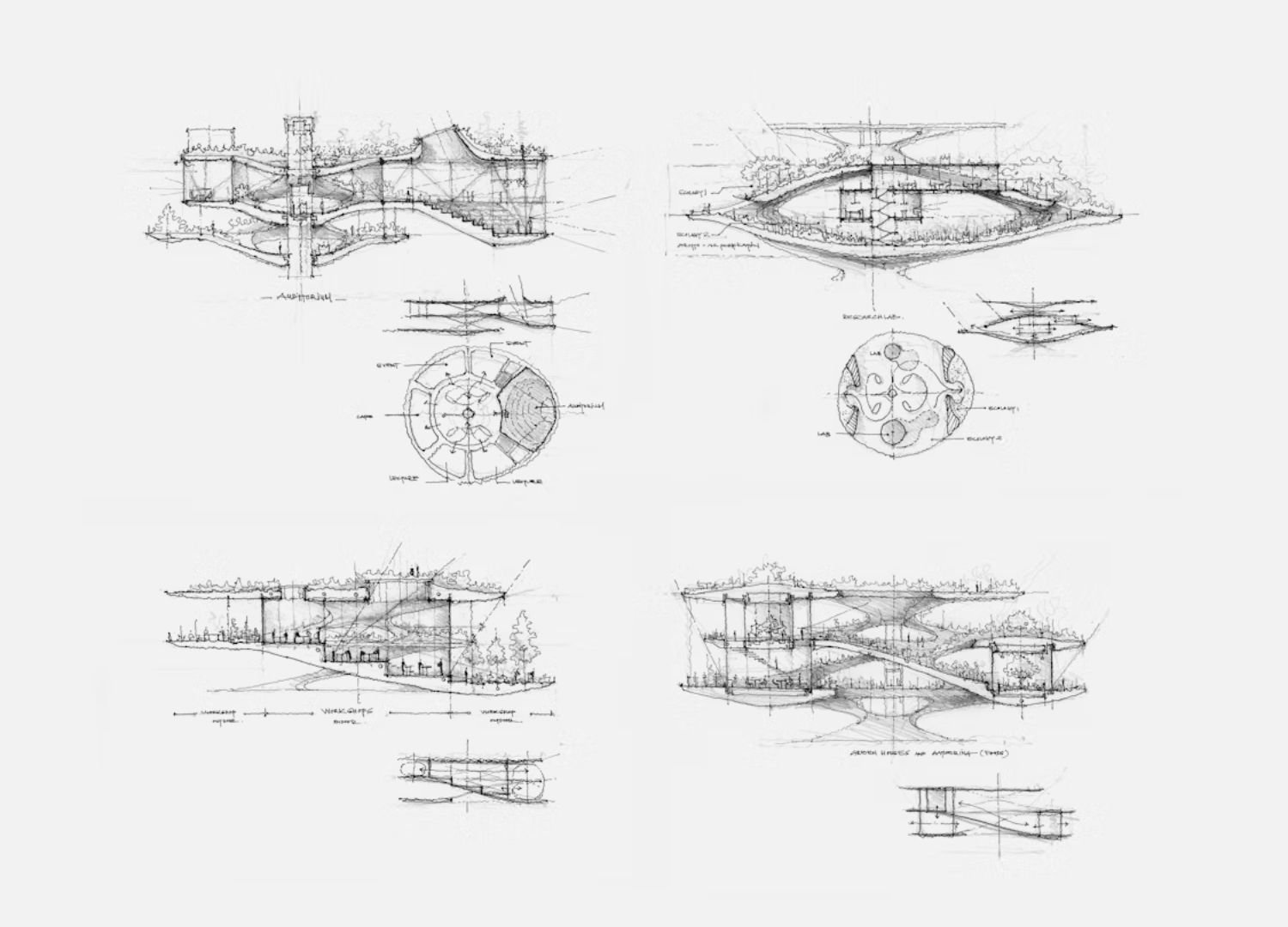
Original sketch of EDEN Pavilion © OXMAN
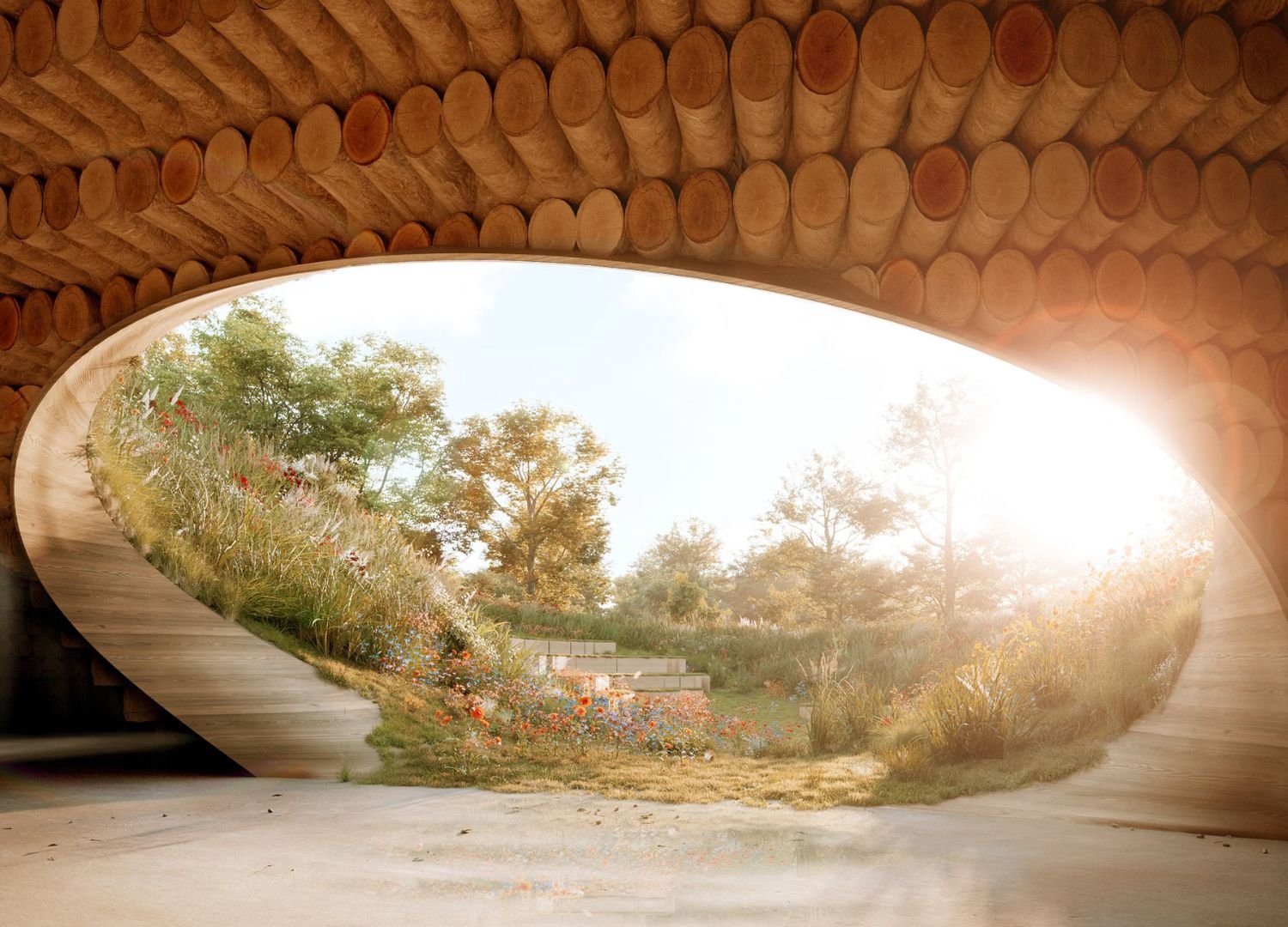
EDEN Booth © OXMAN
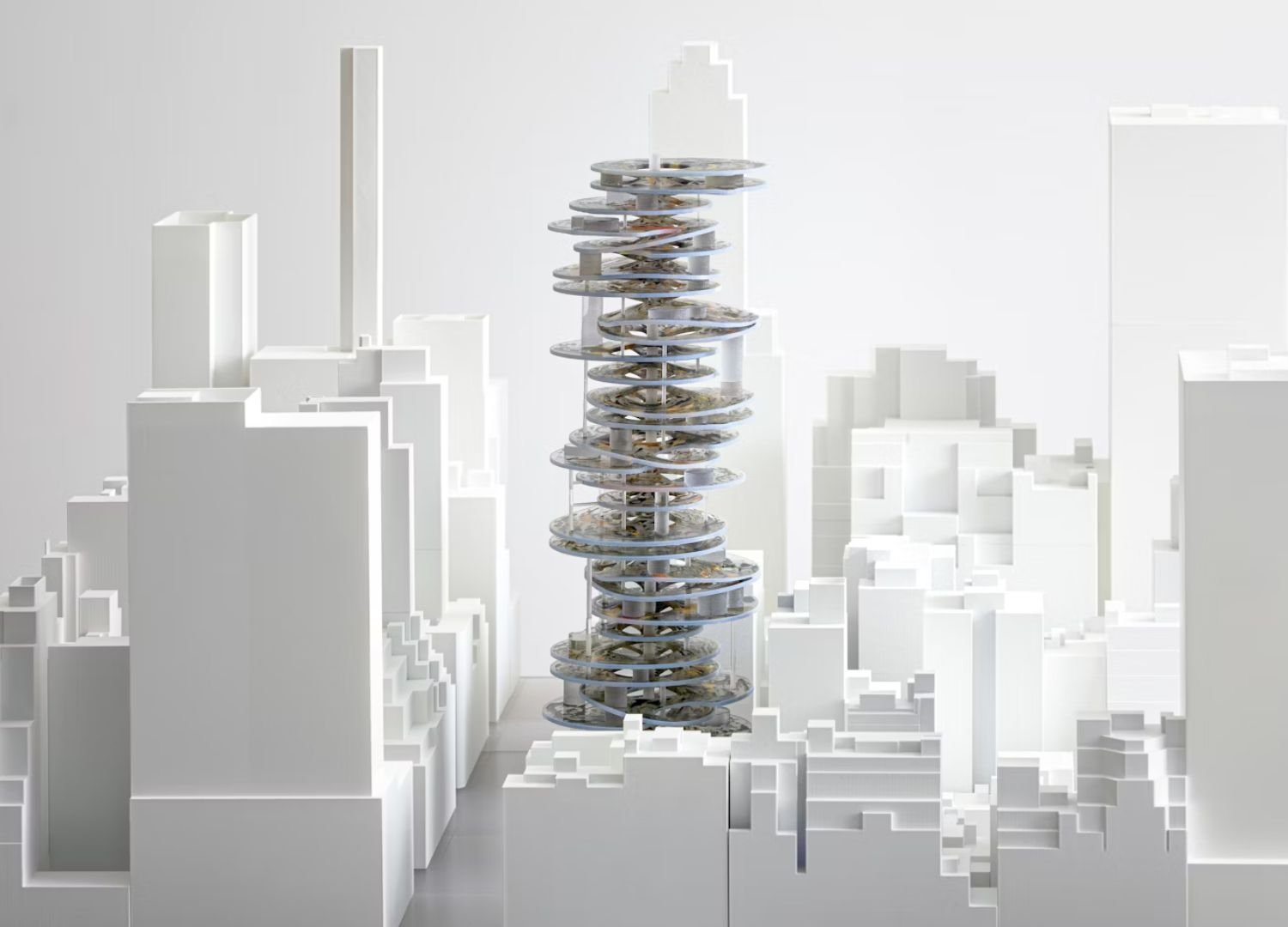
EDEN Tower © OXMAN
The art of place-making comes at the price of environmental well-being, and modern building and design practices have contributed substantially to habitat loss, pollution and the ongoing collapse of biodiversity. It is estimated that three billion hectares of degraded land worldwide have been stripped of their ecological function. Buildings occupy some of Earth’s most valuable biological land and have systematically excluded all non-human life forms from it.
While the five kingdoms of life (animals, plants, fungi, bacteria, and archaea) thrive in the full range of environmental conditions, the buildings are designed only for the comfort of humans, except for a few ornamental species of plants or pets. The result is a centuries-old narrative of displacement, and EDEN’s ambition is to reverse it.
At its core is an ecological program, which functions like an architectural program in that it defines the requirements of space and adjacency, but applies those requirements through the lens of what allows all life on Earth to thrive. What environmental conditions do other species require, what levels of sunlight, moisture, soil chemistry, temperature? How can a building be designed to provide these conditions while meeting human needs?
The system incorporates artificial intelligence to analyze site-specific data and generate thousands of architectural configurations, then compare them to arrive at one, an exploratory process that no human team could duplicate by hand. Fast environmental simulations run in real-time throughout the optimization processes, allowing the team to assess the impact of design decisions as they work. The algorithm is guided by three key principles: biodiversity, resilience and ecosystem services.
So far, the research platform has been applied to two case studies to demonstrate its capabilities: a skyscraper and a garden pavilion. The EDEN tower proposes a vertical typology centered on a stabilizing structure and support mechanism, with meadows and forest ecosystems developing on the outside of the building. The EDEN stand is set in what was once a varied English landscape and is now monoculture. The pavilion’s ambition is to restore lost diversity through the principles of permaculture and the ancient technique of Hügelkultur, which uses fallen trees to support other plants.
Unlike zero construction, which aims to minimize the negative impact of a building on its site, by OXMAN The platform seeks to maximize ecological well-being, to create buildings whose combined impact on the site is greater than that of their absence. The goal is not to leave things as they were, but to let them go better.



