

1. Lay out entrance mats

High quality entry mats are essential to trap dirt and moisture at the door, preventing them from being tracked inside. Studies show that a well-designed mat can remove up to 85% of dirt from shoes. The International Association of Certified Home Inspectors recommends using mats that are firm, stable and non-slip to enhance safety and cleanliness (nachi.org).
2. Create a no shoes policy

Enforcing a no-shoes rule indoors can greatly reduce the introduction of dirt, bacteria, and trash into your home. Studies show that 30% to 40% of pollutants in homes come from outside. In addition, research from the University of Arizona highlights that contaminants such as PFAS (per and polyfluoroalkyl substances) can be present in household dust, posing health risks.wrrc.arizona.edu). By removing shoes upon entry, you can minimize these pollutants, leading to a cleaner and healthier indoor environment.
3. Vacuum frequently

Regular vacuuming is essential to maintaining clean floors, effectively removing dirt, dust and allergens from both hard floors and carpets. The US Environmental Protection Agency (EPA) recommends using filters with a minimum efficiency reference value (MERV) of 13 or greater to effectively remove small particles, including allergens (epa.gov). Additionally, HEPA filters, which capture at least 99.97% of airborne particles as small as 0.3 microns, are highly effective at reducing allergens and improving indoor air quality.
4. Clean up spills immediately

Cleaning up spills in a timely manner is vital to prevent stains and sticky residue from entering your floor. Addressing spills promptly helps maintain the cleanliness and longevity of your floor. For effective stain prevention strategiesconsider consulting reliable sources that offer guidance on keeping floors clean.
5. Use area rugs in high traffic areas

Installing rugs in high-traffic areas protects your floor from wear and tear and dirt build-up. Materials such as wool and polypropylene are durable and stain resistant, making them suitable for such belts. Wool rugs are known for their resilience and natural stain resistance, while polypropylene rugs are easy to clean and maintain (eastonflooring.com).
6. Weekly mop with the right cleaner

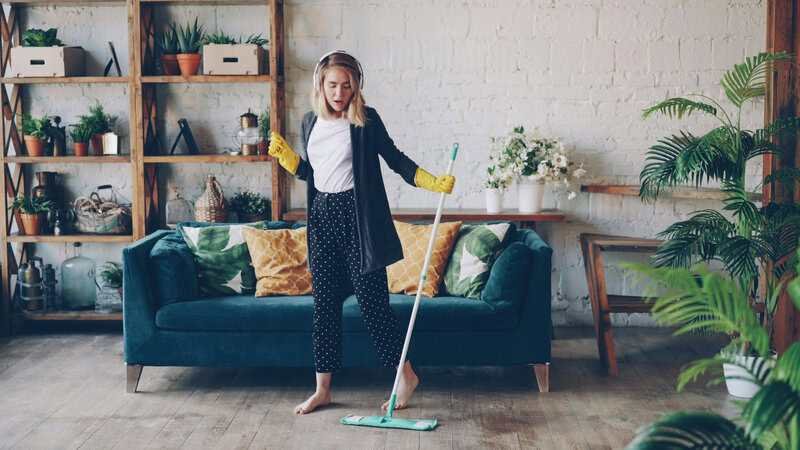
Regular mopping is essential to maintaining clean floors, with a weekly schedule recommended for high traffic areas. Choosing the right cleaner for your floor type is vital to prevent damage and ensure effective cleaning. For wooden floors, Bona’s Timber Floor Cleaner is specially formulated to clean and protect sealed wooden surfaces without leaving any residue (bona.com.au). For tile and laminate floors, Bona’s Stone, Tile & Laminate Cleaner is designed to effectively clean these surfaces without leaving a dull residue. Always follow the manufacturer’s recommendations to maintain the integrity and appearance of your floors.
7. Keep pets’ paws clean

Wiping your pet’s paws before they enter your home can greatly reduce the amount of dirt and debris carried indoors. Regular grooming, including trimming the fur between the foot pads, helps prevent dirt build-up. The ASPCA recommends brushing your pet regularly to keep the coat clean and reduce shedding (aspca.org). Additionally, using washable rugs near entryways can effectively trap dirt and moisture, while foot wipes offer a convenient option for quick cleaning. For more tips on keeping a clean home with pets, check out the ASPCA’s guidelines.
8. Install the door trash

A door sweep installation effectively prevents dust, leaves and debris from entering your home, keeping floors cleaner. In addition, they can improve energy efficiency by sealing gaps under doors, reducing drafts and heat loss. For more information on the energy-saving benefits, see Energy.gov’s guide to door waxing and cleaning (energy.gov).
9. Schedule Deep Cleaning Days

Setting aside specific days of each month or season for deep cleaning allows you to tackle hard-to-reach dirt and maintain a healthier home environment. The American Cleaning Institute offers comprehensive cleaning checklists to guide you through these tasks (cleaninginstitute.org).
10. Tidy up messy zones

Removing clutter—such as shoes and bags—from entryways and living areas not only enhances the aesthetics of your home, but also makes floor cleaning more efficient. By organizing these items, you create a more inviting and functional space. Good Housekeeping offers practical organization tips to help you effectively manage and reduce clutter (goodhousekeeping.com).
11. Use door mats on exterior and interior sides

Implementing a dual-carpeting strategy by placing mats both outside and inside your doors effectively traps dirt and debris, keeping your floors cleaner. (bobvila.com) The outer layer removes larger particles, while the inner mat captures finer dirt, enhancing cleanliness. For more information on keeping floors clean, check out Bob Vila’s home care guides (bobvila.com).
12. Daily sweeping in high traffic areas

Regular sweeping in high-traffic areas like kitchens and hallways helps keep floors clean. Dust mops are particularly effective in these areas as they efficiently collect fine dust and debris without scattering particles, making them ideal for daily maintenance. Incorporating this habit into your routine can significantly reduce the build-up of dirt and grime (marthastewart.com).
13. Encourage Family Involvement

Involving all household members in cleaning routines, such as delegating simple tasks on the floor, can make maintenance more manageable and foster a sense of shared responsibility. Research shows that couples who work together on housework experience reduced levels of stress. For example, one study found that women’s stress levels decreased when their husbands participated more in housework. In addition, effective coping strategies in couples, including shared responsibilities, contribute to better stress management (psychologytoday.com). By dividing tasks fairly, families can create a more harmonious and less stressful home environment.
14. Clean under furniture and appliances

Dust and trash often accumulate under couches and appliances, resulting in a build-up of dirt that’s easy to overlook. To effectively clean these hard-to-reach areas, consider using extension tools such as long-distance vacuum attachments or specialized cleaning brushes. HGTV recommends using a flexible crevice tool to reach behind and under appliances without moving them. Additionally, a simple DIY method involves attaching a sock to a wire hanger to sweep under appliances, effectively collecting dust and debris (idealhome.co.uk). Regular cleaning of these areas helps maintain a healthier home environment by reducing the accumulation of dust and potential allergens.
15. Refresh the floors with a steam mop

Using a steam mop is an effective method for disinfecting and deep cleaning sealed floors while minimizing the use of chemical cleaners. High temperature steam penetrates surfaces, eliminating bacteria and dirt without leaving residue. According to The Wirecutter reviewstop steam mops offer features like adjustable steam settings and fast heat-up times, improving cleaning efficiency.
Conclusion

Keeping floors clean in high-traffic areas is achievable through consistent, small habits. Regular cleaning routines such as daily sweeping and periodic deep cleaning can greatly improve the appearance and longevity of your floors (servicemasterclean.com). By incorporating these practices, even in busy homes, you can enjoy a cleaner, healthier and more welcoming living space. Remember, consistency is the key to effective floor maintenance.



