


Milan Design Week offers something that most industry environments don’t: the space to slow down and disagree. Villeroy & Boch and Ideal Standard use this space intentionally and, with their exposure Design Continuumheld at their showroom at Foro Buonaparte 70, from April 21 to 26, 2026, the two brands bring their combined heritage – spanning nearly three centuries of ceramic manufacturing and design collaboration – to a discussion of the questions shaping the field today.
For both companies, innovation has never been pure. It accumulates in the production processes, in the research of materials, in the decision to commission a designer rather than stick to the contract – and Design Continuum makes this accumulation visible. The exhibition does not present prototypes or speculative scenarios, it presents products already in production, each the result of a specific technological choice applied to a specific design problem. Additive manufacturing, reactive glazing, precision surface engineering, gesture-based interfaces: these are tools developed with a clear understanding of their purpose.
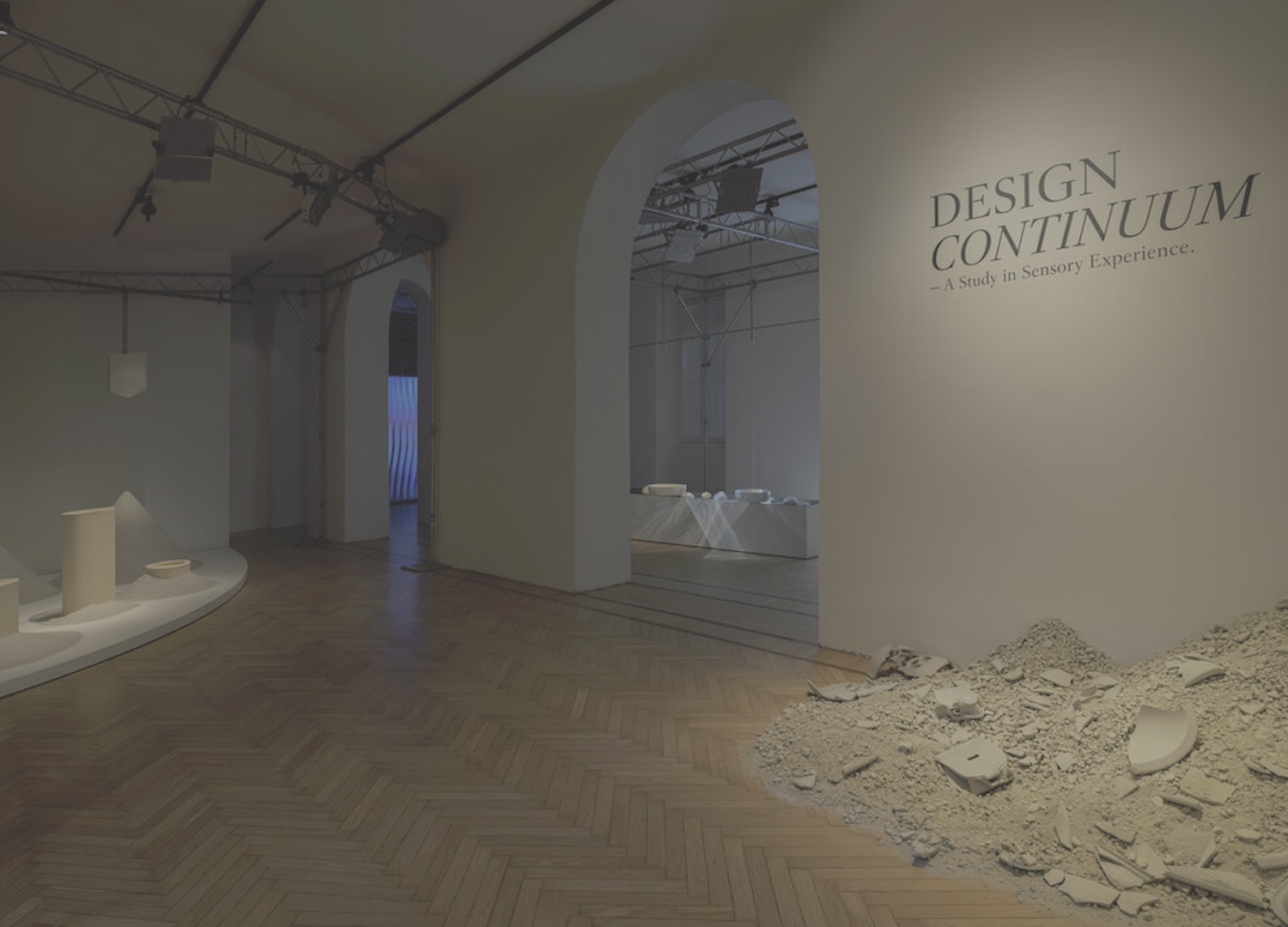
Design continuum ©Villeroy & Boch + Ideal Standard
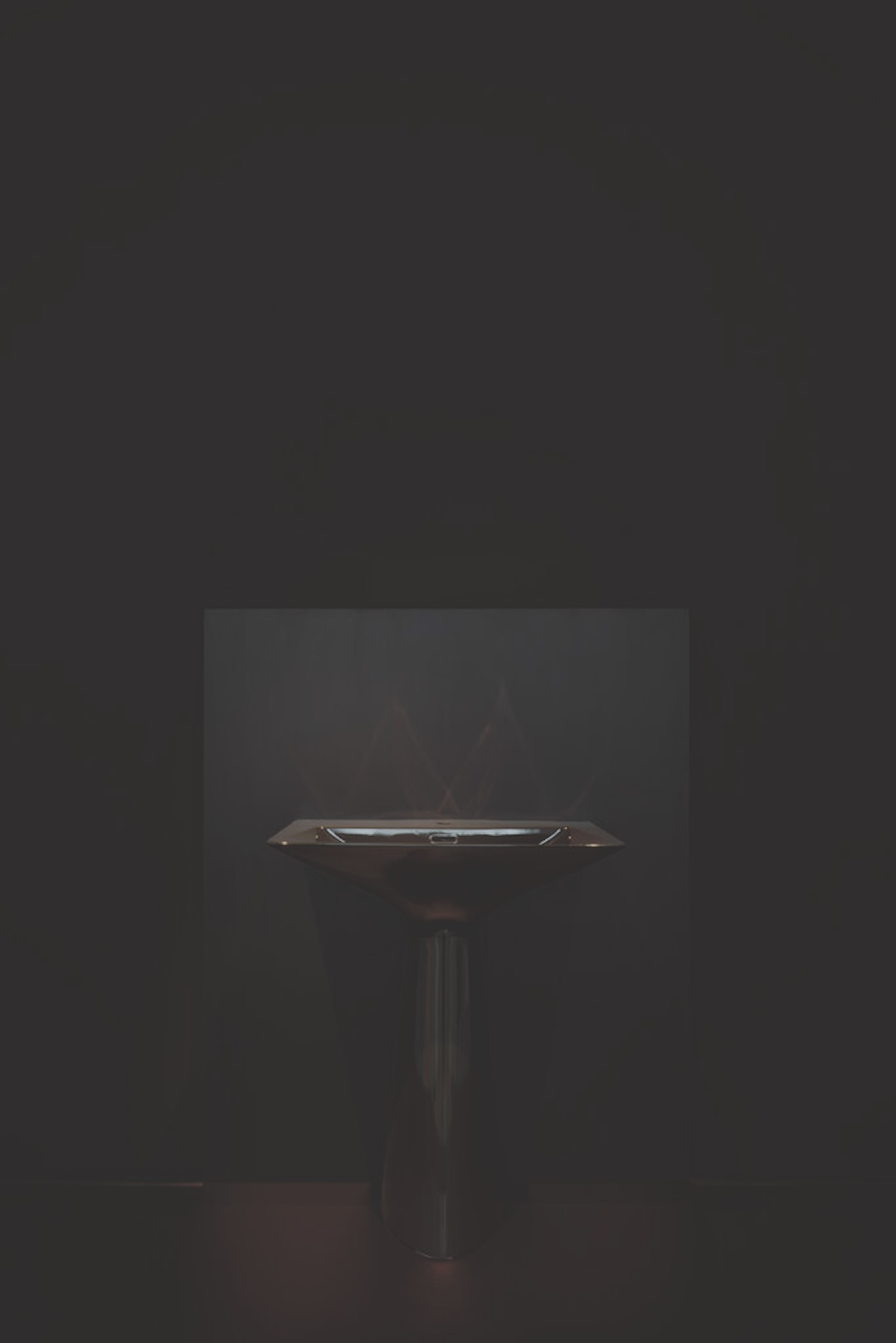
Atelier Collections by Palomba Serafini Associati (PS+A) x ©Ideal Standard
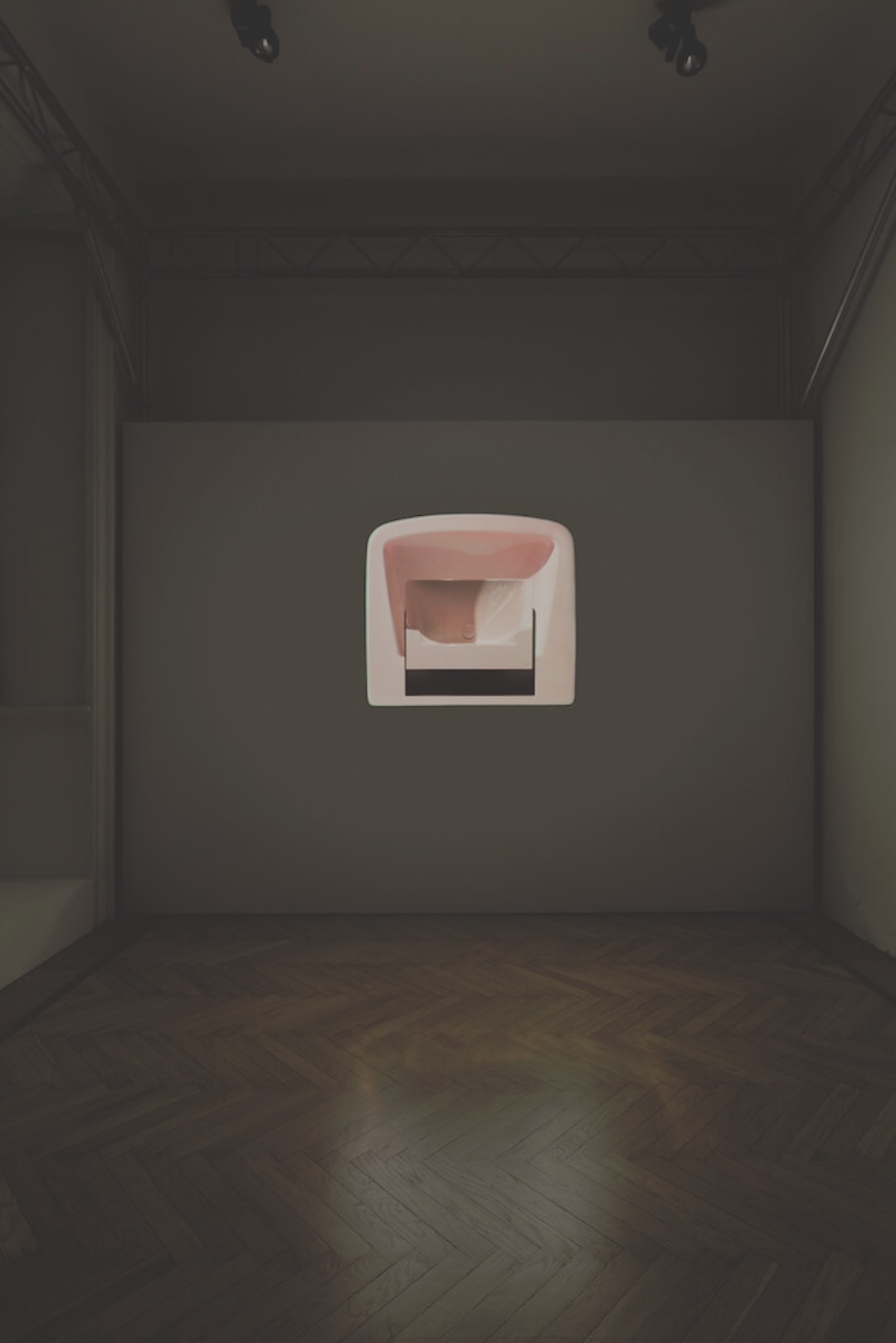
Atelier Collections by Palomba Serafini Associati (PS+A) x ©Ideal Standard
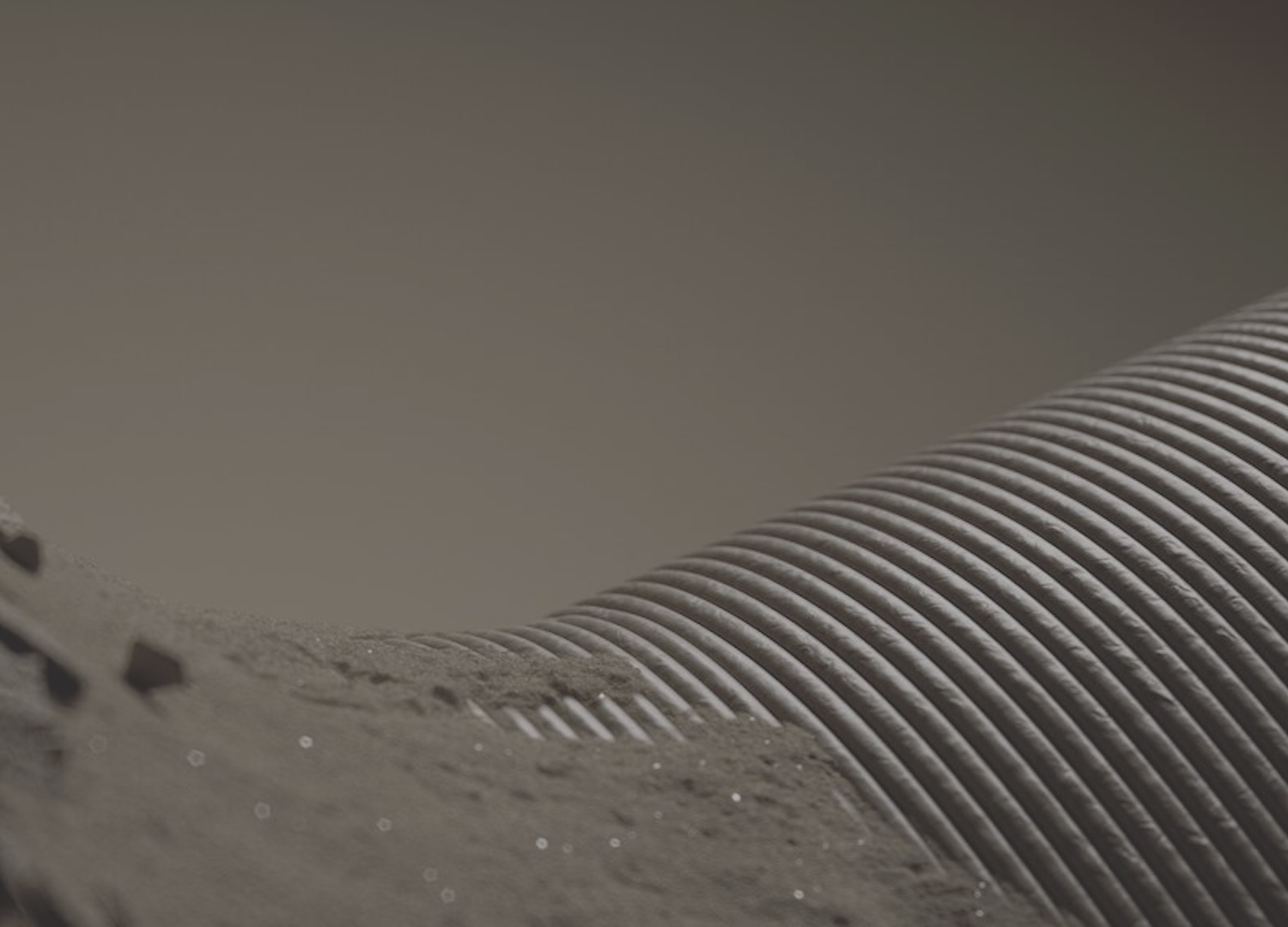
Design continuum ©Villeroy & Boch + Ideal Standard
Design continuum ©Villeroy & Boch + Ideal Standard
Design continuum ©Villeroy & Boch+ Ideal Standard
Design continuum ©Villeroy & Boch+ Ideal Standard
Design continuum ©Villeroy & Boch + Ideal Standard
Design continuum ©Villeroy & Boch + Ideal Standard
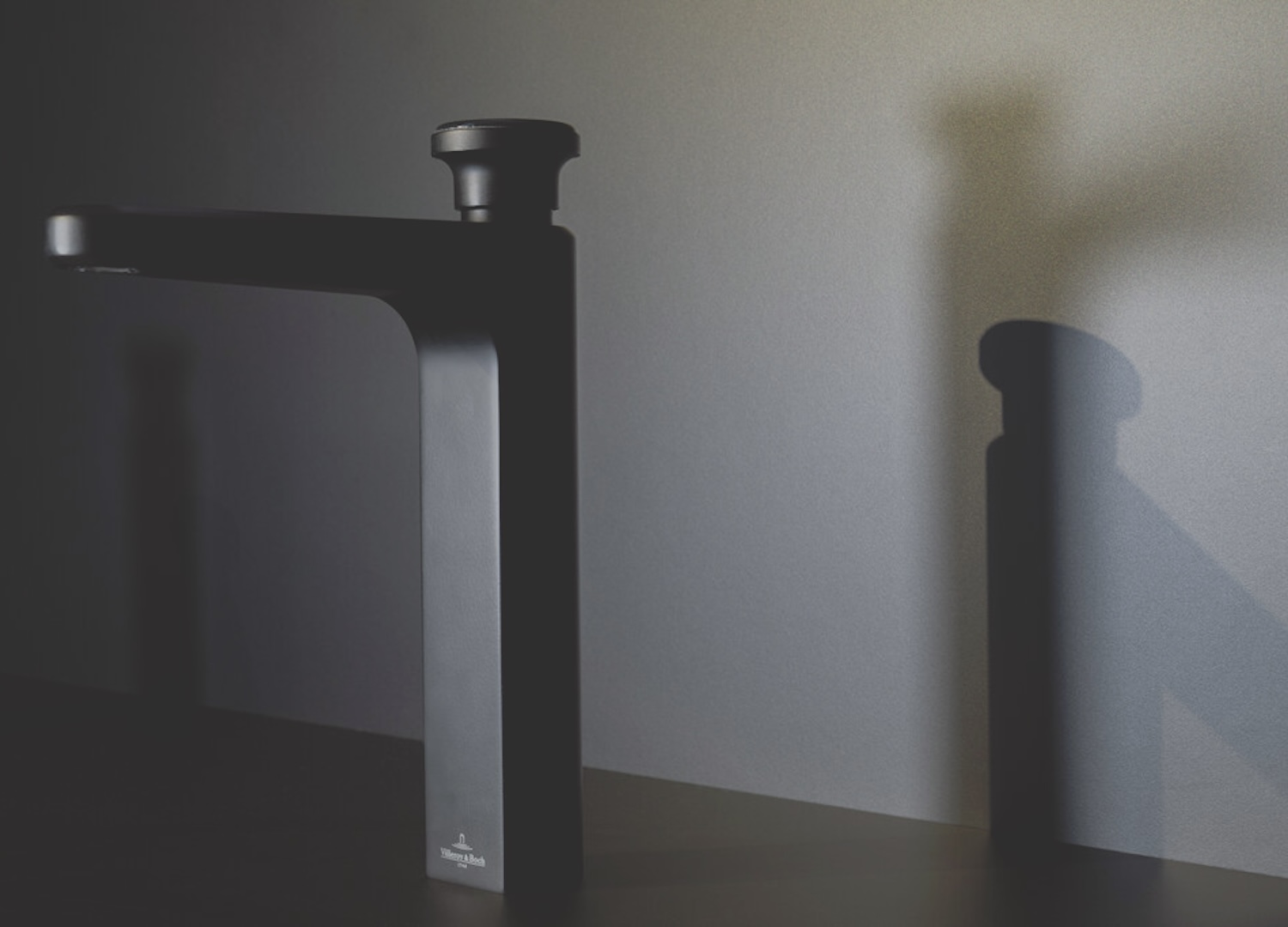
Vea accessories by Christian Haas x ©Villeroy & Boch

Vea accessories by Christian Haas x ©Villeroy & Boch
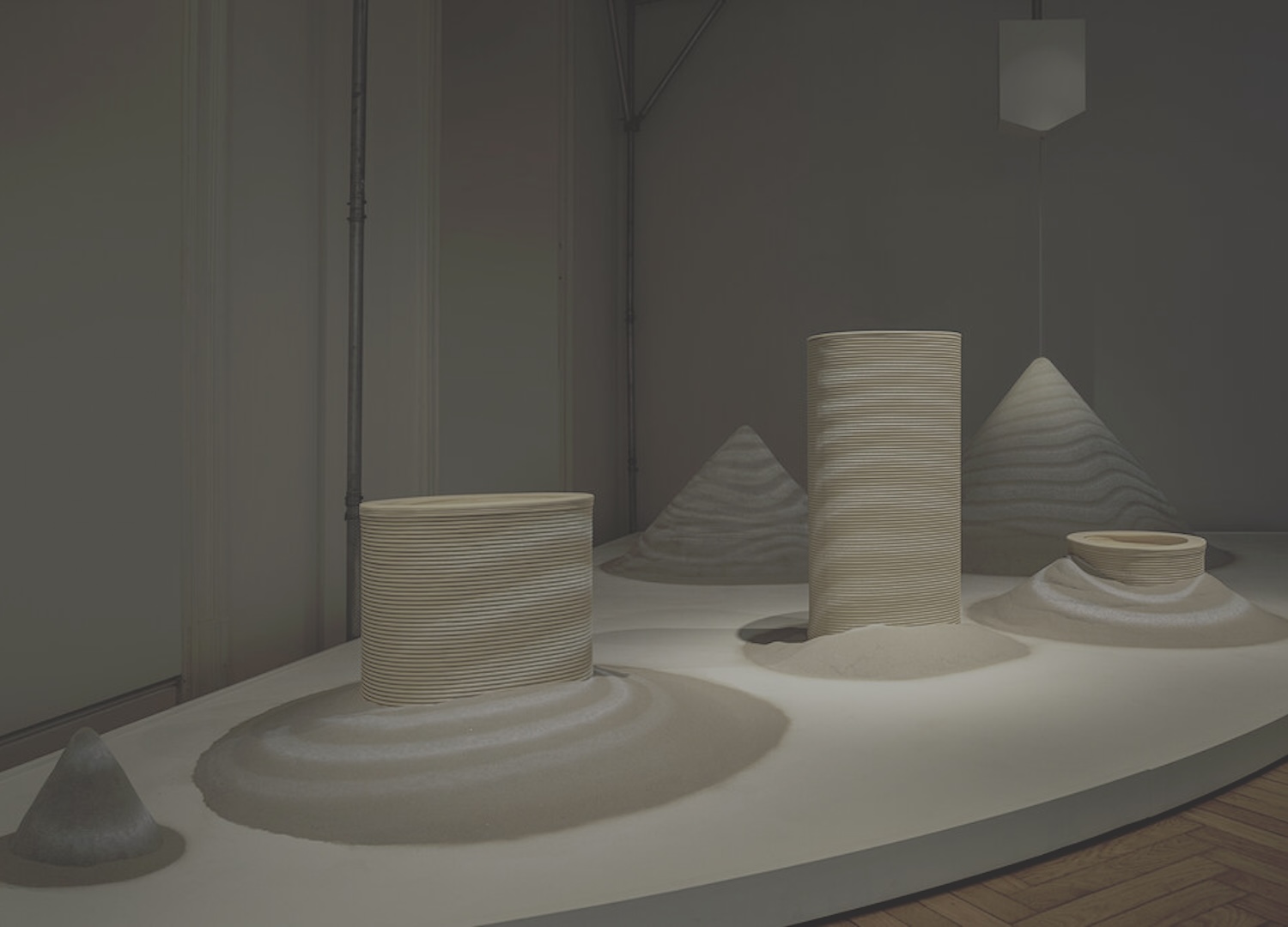
Antao Earth by KASCHKASCH Studio x ©Villeroy & Boch
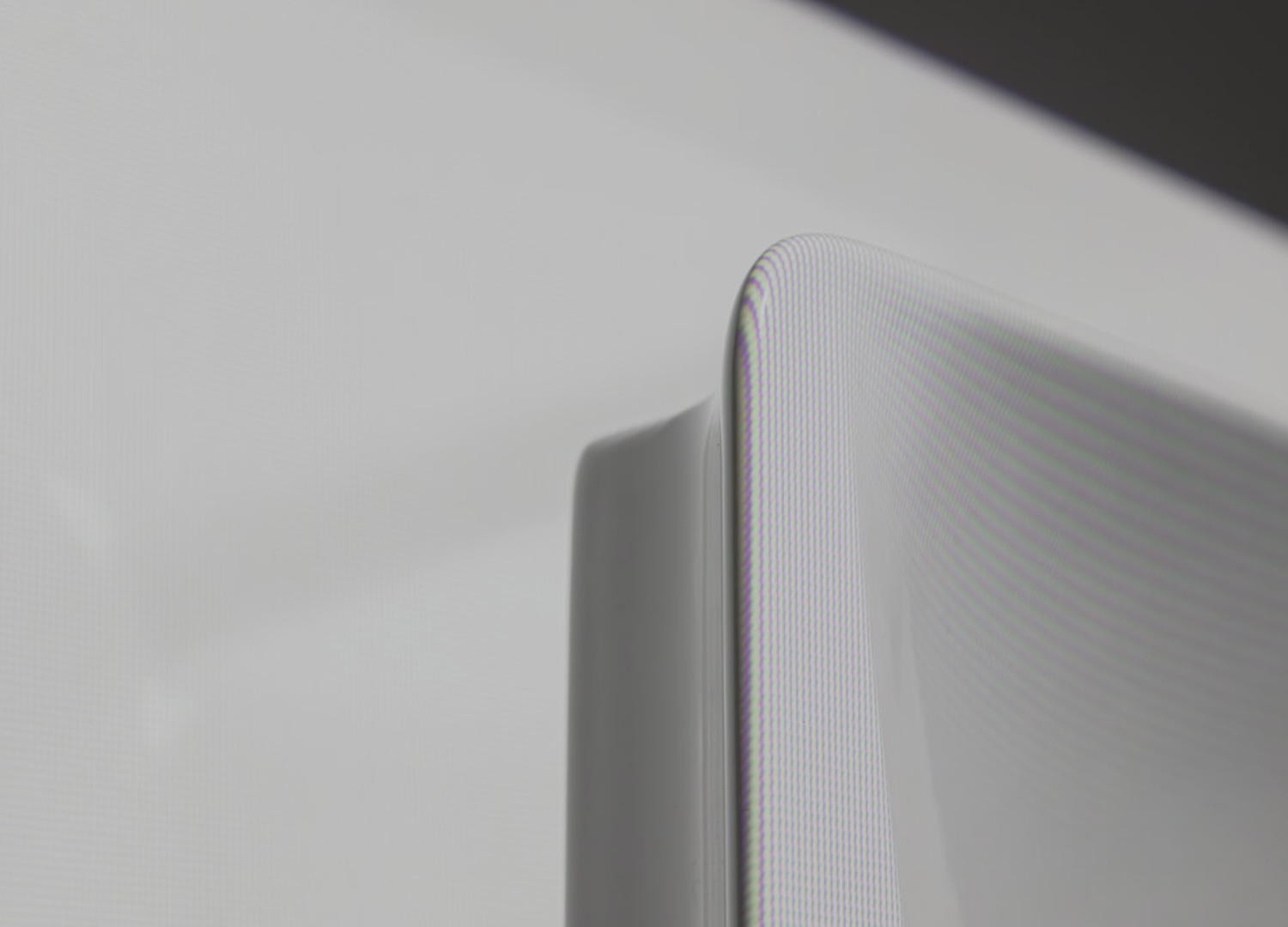
Atelier Collections by Palomba Serafini Associati (PS+A) x ©Ideal Standard
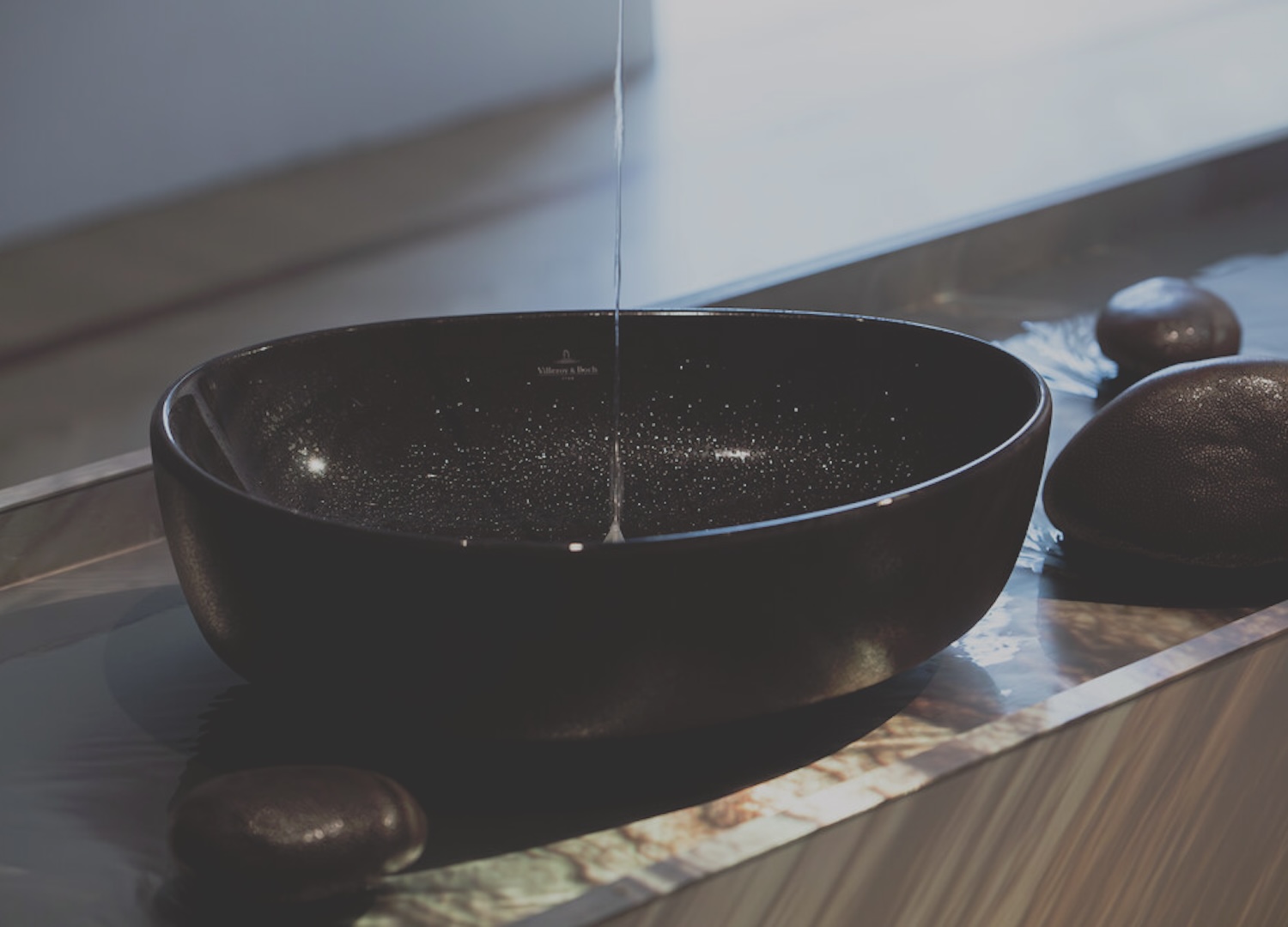
Antao Earth by KASCHKASCH Studio x ©Villeroy & Boch
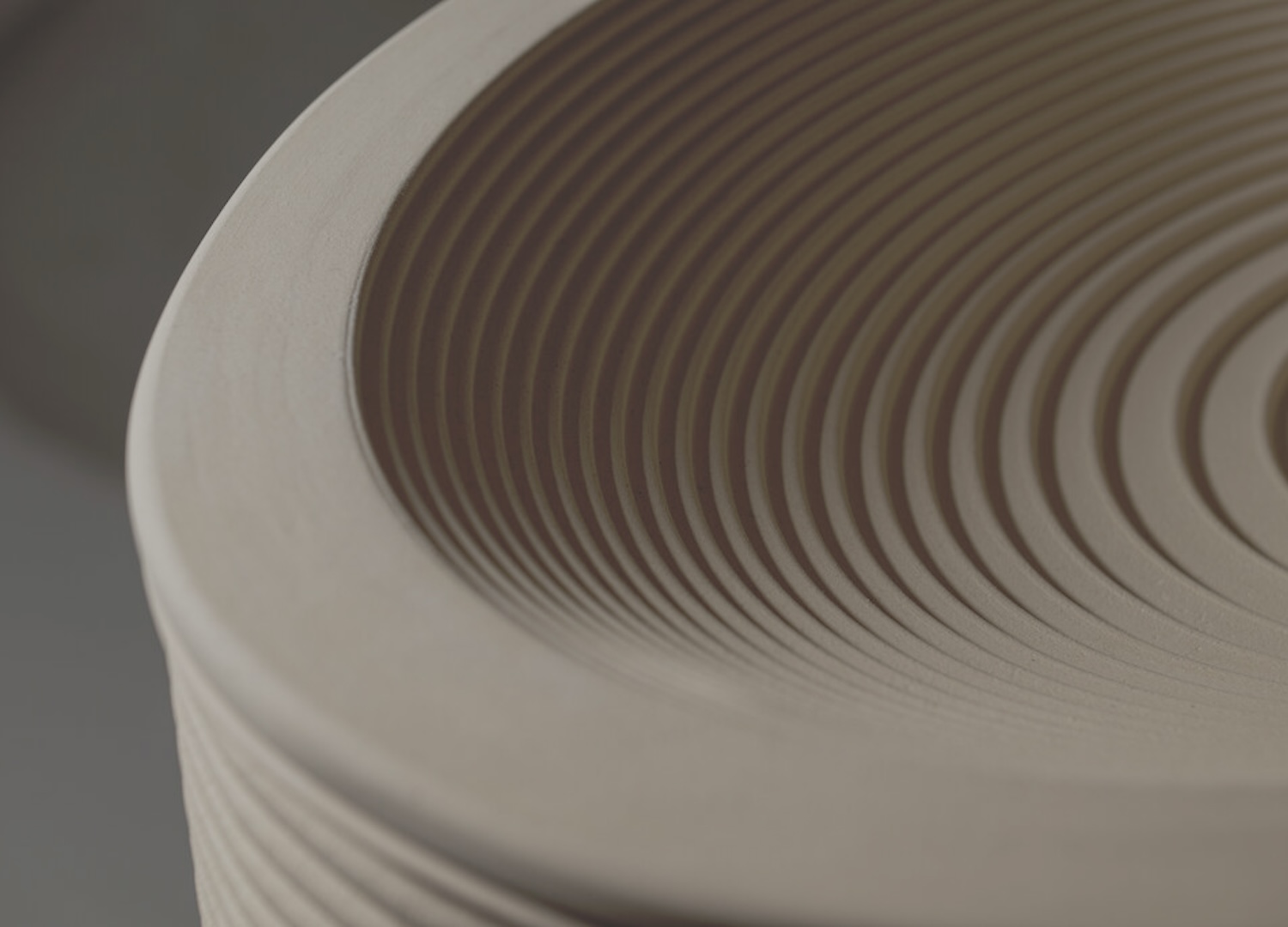
Antao 3D by KASCHKASCH Studio x ©Villeroy & Boch
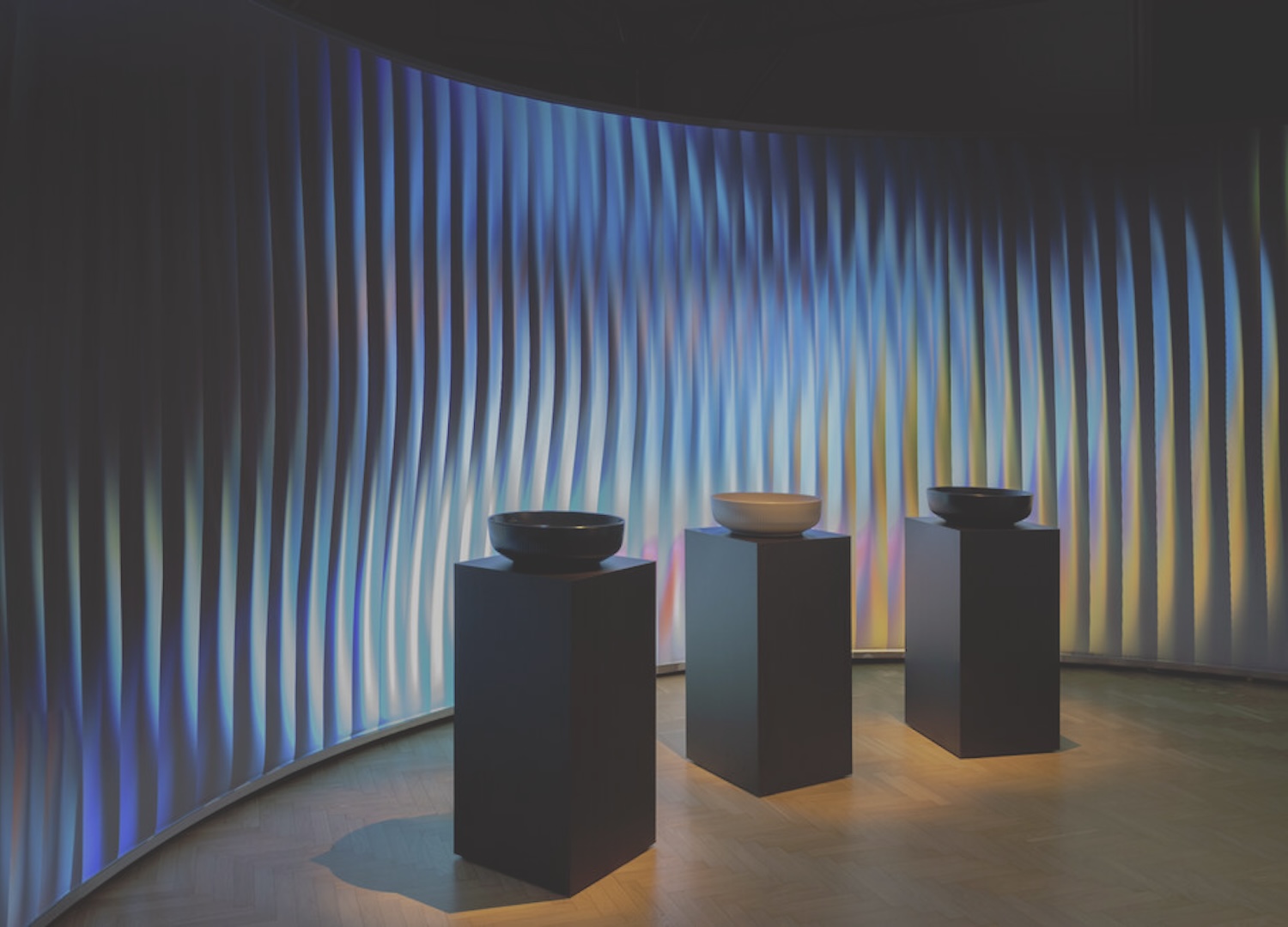
Artis Sense by Christian Haas x ©Villeroy & Boch
Villeroy & Boch was founded in 1748, when François Boch began manufacturing ceramic tableware in the village of Audun-le-Tiche in Lorraine. The company as it exists today was officially founded on April 14, 1836, when the Boch family merged with Nicolas Villeroy’s business – a union of two distinct ceramic traditions that produced one of Europe’s most enduring industrial names. From the beginning, the company’s growth was inseparable from its material, and every expansion was in scale, every change in production method was also a change in what ceramics could do and mean.
Ideal Standard has a different pedigree: founded in America and arriving in Europe at the beginning of the twentieth century, it focused exclusively on bathrooms from the 1970s onwards, building its reputation through manufacturing precision and a continuous investment in design collaboration – starting in 1954, when Son of Pontis created ceramic sanitary ware for the brand. This decision – to treat the design as a structural commitment rather than a finishing layer – shaped everything that followed.
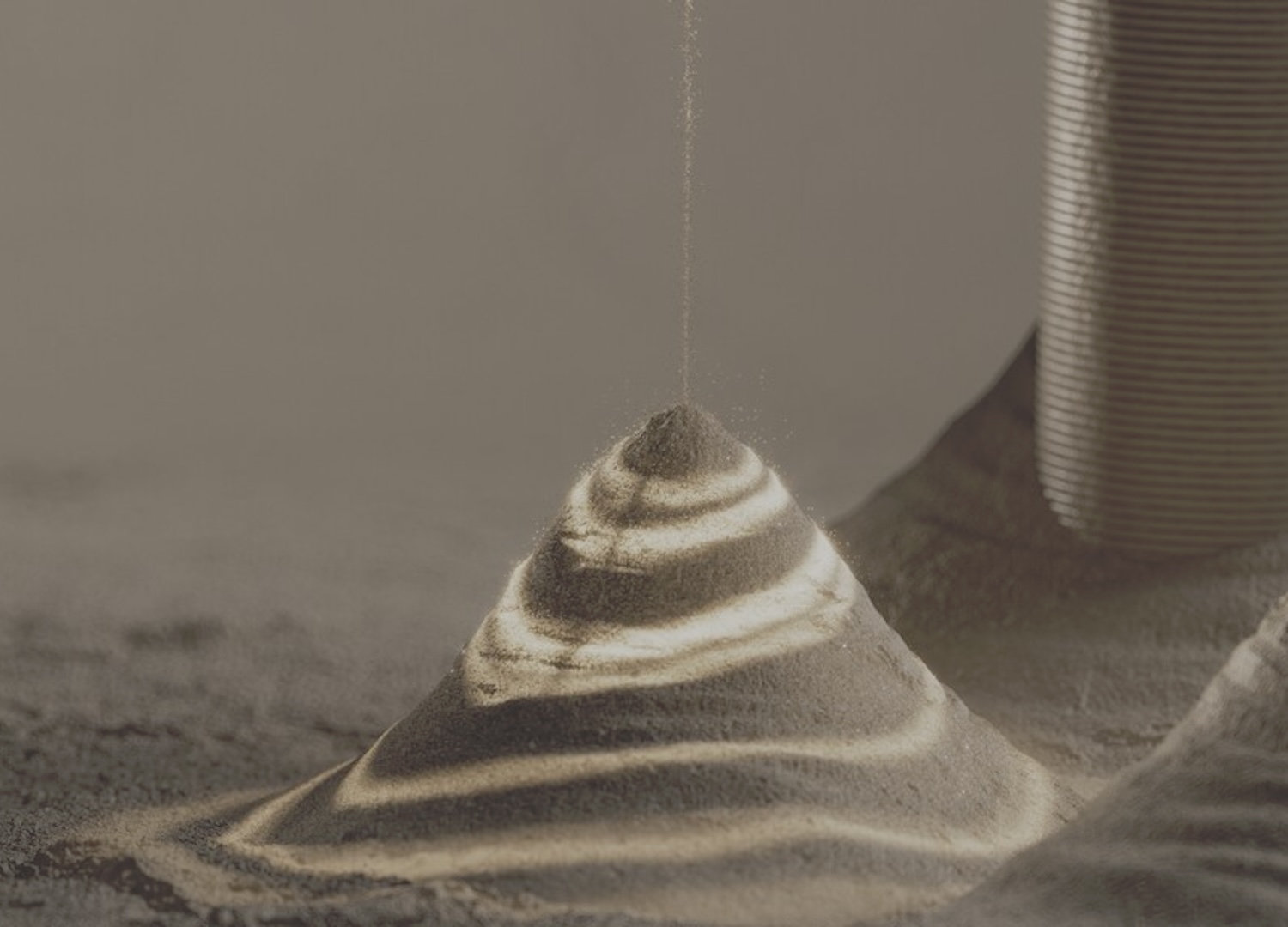
The Design Continuum uses a sequence of product narratives to make this visible – moving from matter to form, from perception to interaction. The starting point is the ceramic, which is approached as a system open to transformation and its multiple adaptations, which develop into new, innovative and technological products. Antao 3Dcreated by Design Studio KASCHKASCH for Villeroy & Bochintroduces additive manufacturing in this context.
The basin is made with 100% internally recycled ceramic, allowing the process to remain legible on the surface, creating an effect that resists the conventional idea of perfection associated with industrial ceramics and where small irregularities, density shifts and visible stratifications become part of the object’s identity. 3D printing here is used to redefine how ceramics can be shaped rather than reproducing existing typologies more effectively, insisting on waste that can be reintegrated and how variety can be controlled without being eliminated. The technology, which proposes a circular approach where the production residue becomes the starting point for new manufacturing cycles, acts directly on the logic of the material.
From material, narrative shifts to form and its ability to persist. With the Atelier Collections, Ideal Standard it repositions innovation as refinement rather than invention. Since 2018, Ideal Standard has been collaborating with an Italian design studio Palomba Serafini Associati (PS+A)in collections like Conca, Tipo-Z and La Dolce Vitadesigned by Ludovica Serafini and Roberto Palombathey work with calibrated proportions, clear geometries and a controlled visual language. Conca pays homage to Paolo Tilze‘s original design, while Type-Z reinterpreted by Gio Ponti Zeta Basin – forms that have already proven their durability are promoted through updated materials and production processes rather than replaced. The assumption is that some forms have already solved something.
“Simplicity is complexity solved, as Constantin Brâncuși once said. Every design choice matters – we aim not to surprise, but to delve into the function and beauty of what is essential“, he says Roberto Paloba.
The task, then, is not to reinvent, but to understand what made them work and advance that intelligence. Against a design landscape increasingly driven by algorithmic production and rapid iteration, these projects suggest a different temporal model, where innovation as maintaining coherence over time, adaptation rather than replacement, and, even if the technological dimension is less clear, still exists, is grounded in the capacity of modern production systems and pre-production coherence. forms.
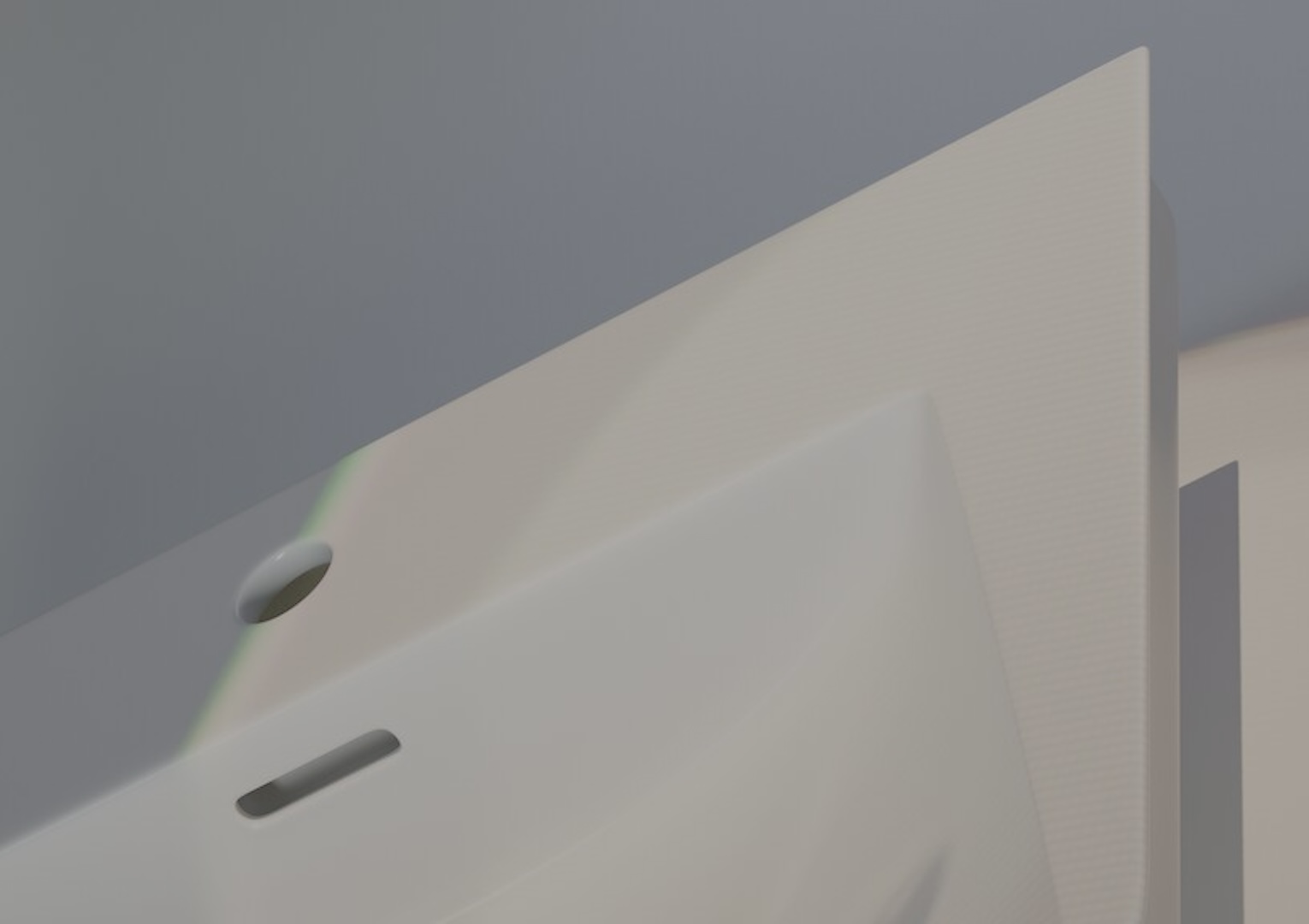
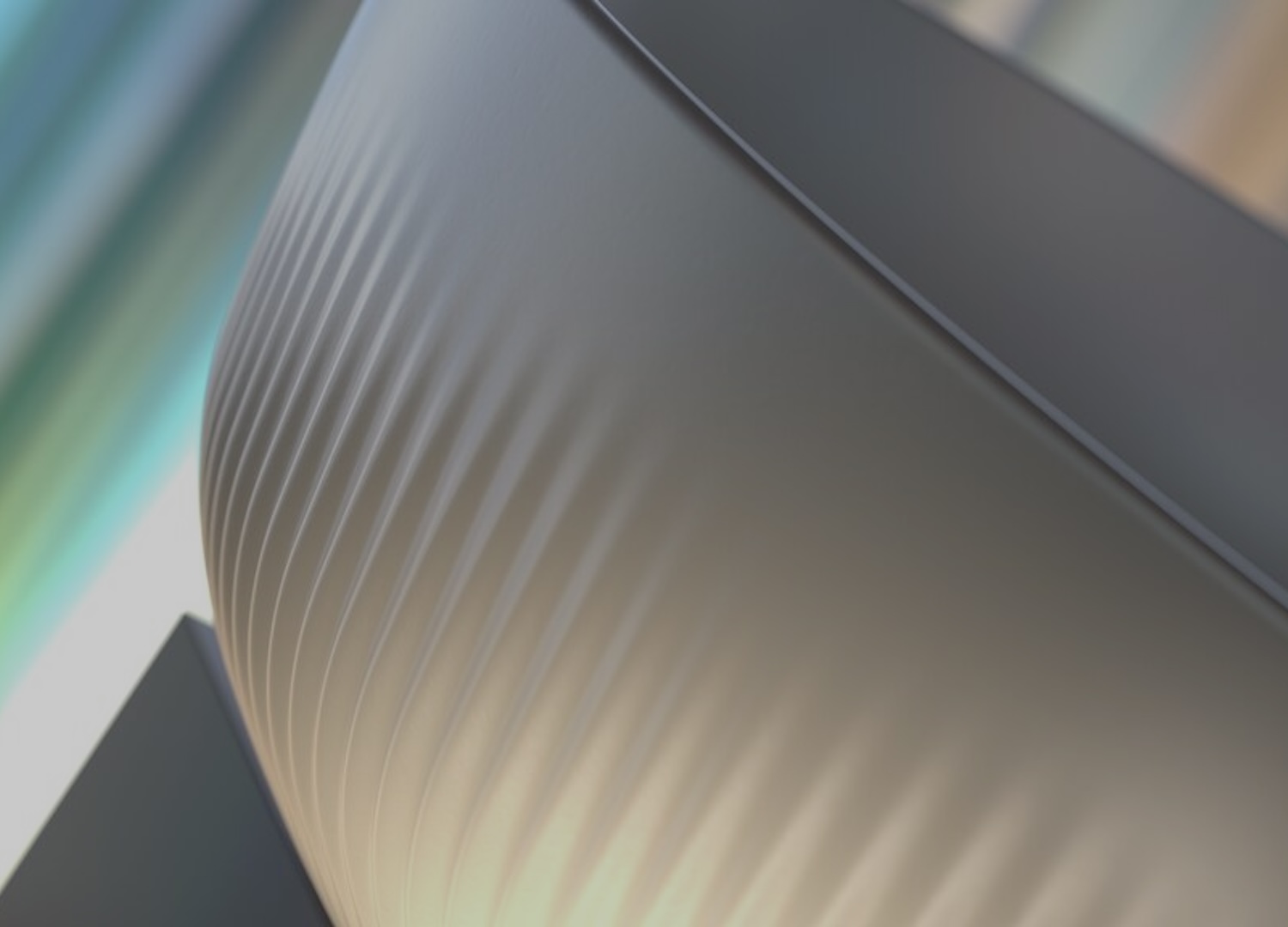
A third shift occurs at the surface level, where design moves from object to interface. With Artis Sensedesigned by Christian Haas for Villeroy & Boch in a color sense from Gesha Hansenthe pelvis becomes a site of sensory modulation. Ribbed textures structure the surface, catching and diffusing light in a way that alters the perception of color and depth, in an effect that goes beyond pure visibility, and the relief introduces a tactile dimension that engages the body in use. Technologies in mold making and finishing now allow fine-grained textures to be controlled with increasing precision and reproduced at scale – the surface is an active component shaping the spatial and sensory experience.
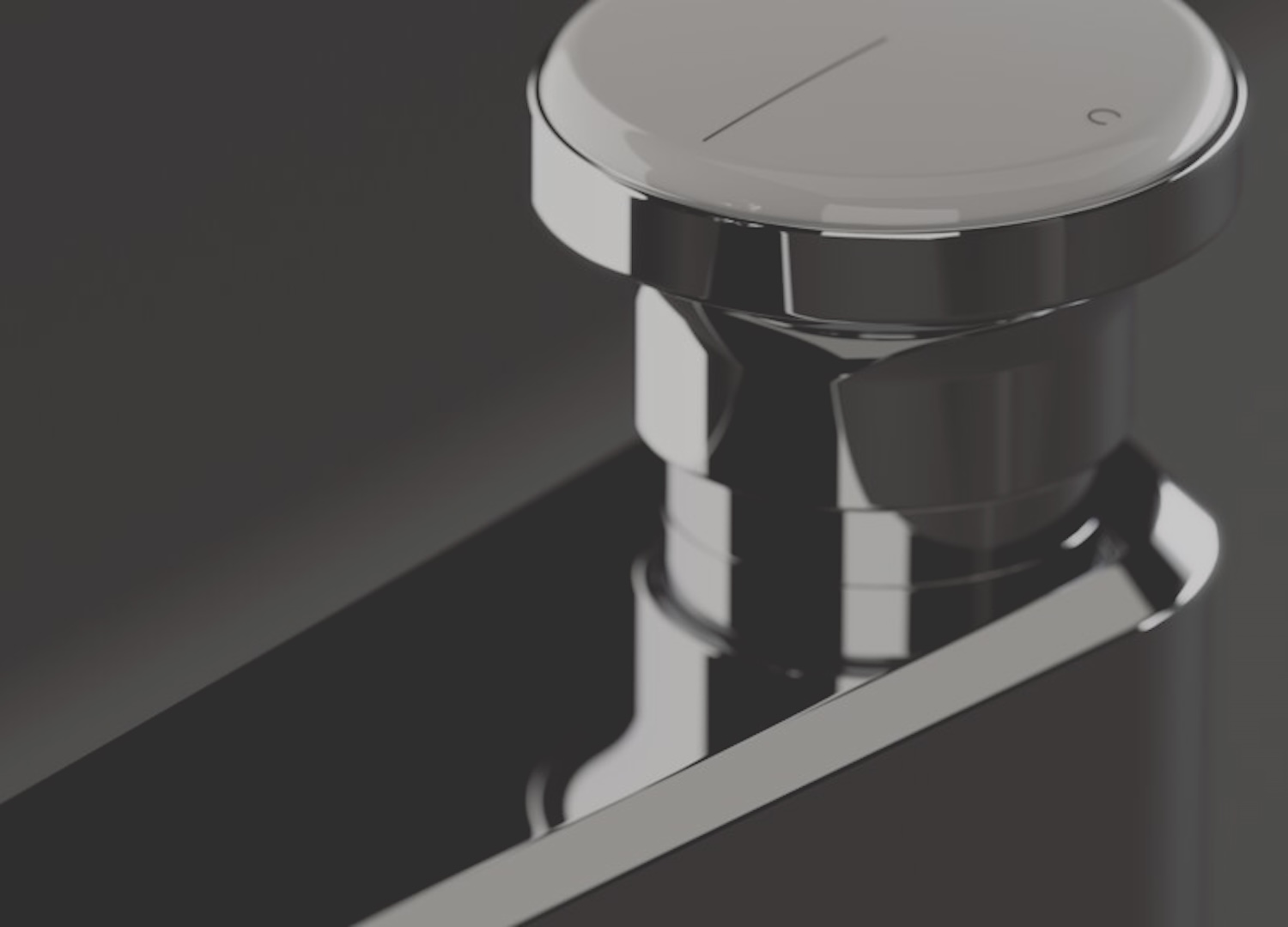
Interaction becomes the next field: the Vea collection of accessories, also from Christian Haas for Villeroy & Bochtranslates technological development into gesture, with ViPush technology at its core, where water flow is activated by pressing and adjusted by turning a single control, reducing the interface to a minimal sequence – press, turn, release – while increasing the level of control available to the user. The design is based on the typology of perfume bottles, introducing a familiar reference that is reinterpreted through precise engineering and, through faceted surfaces, enhances interaction, reflecting light differently as the hand engages with the object, enhancing the perception of movement and feedback. The tap functions here as a micro-interface, where mechanical innovation, ergonomics and sensory cues converge in the everyday act of using water, reframed as an intentional action, structured by technology, but experienced through the body.
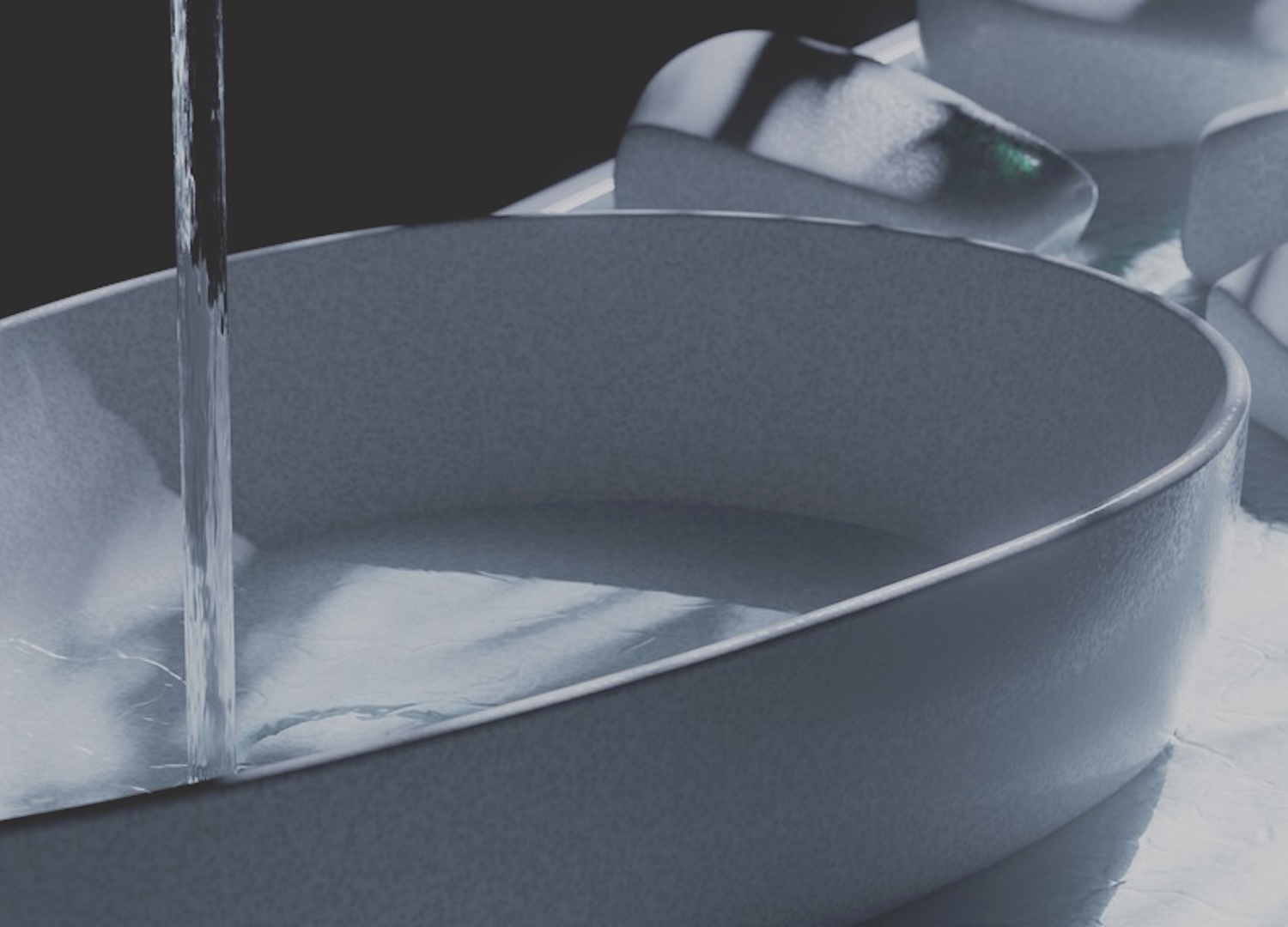
The final pass returns to the material from a different angle. Antao Earthagain from Design Studio KASCHKASCH for Villeroy & Bochexplores how industrial production can accommodate variability. A reactive glaze technology produces subtle differences in color and texture in each bowl – finishes such as Terra, Sand and Smoke bear surface effects created by chemical reactions during firing. Unlike conventional glazing processes that aim for uniformity, this approach allows for controlled unpredictability and, here, the technological innovation lies in calibrating this variability. By defining the parameters within which difference can occur without compromising performance or quality, each piece is slightly distinct while remaining the result of a highly managed process. The collection defines a hybrid condition where craft and industry intersect – and where the surface bears a sense of material authenticity, and yet is entirely the result of engineering decisions made upstream.
Across these five product narratives, a consistent logic emerges: innovation is not isolated to a single breakthrough – it is distributed across multiple levels, including raw material sourcing, manufacturing techniques, surface engineering, interaction design, and so on. And each project addresses a specific aspect of this system, while all contribute to a broader redefinition of what the bathroom can be and do.
At Design Continuum In the exhibition, finally, we can argue about how technology is positioned in relation to design, and the expression is that nowadays it is not as an external guide applied from the outside, but an intrinsic element that shapes its potential from within – working alongside heritage, material knowledge and intuition, not in place of them. Progress, in this model, is cumulative, not disruptive. the objects that appear do not introduce new features in isolation – they articulate new relationships between processes and outcomes, between users and systems, between consistency and variation, acting as a present state already in progress.
Design Continuum is available at the Villeroy & Boch and Ideal Standard showroom, Foro Buonaparte 70, Milan, from 21 to 26 April 2026. Opening hours vary during the week: 10:00-19:00 on 21, 23, 24 and 25 April. 10:00-17:00 on April 22. and 10:00-14:00 on the last day.



