
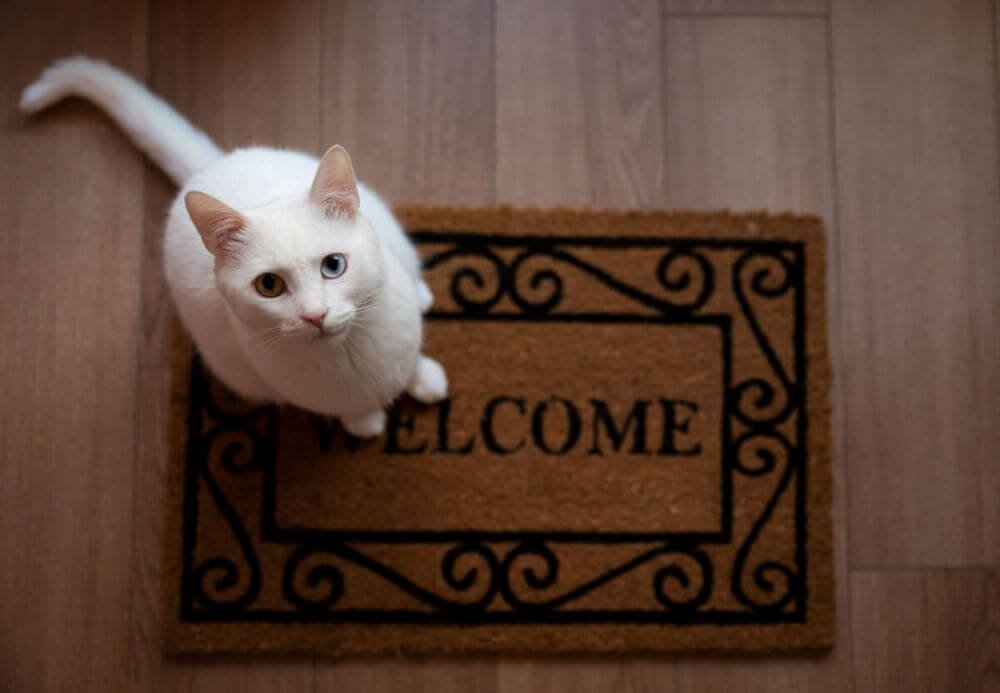

Discover effective and practical tips to remove cat odors from your home. Say goodbye to lingering odors with our tips.
Moving to a new house it’s an exciting experience, but discovering that it carries lingering cat smells can dampen your excitement. Whether the previous owners had cats or your feline friend is accompanying you to your new place, it is essential to deal with the smell of cats immediately to ensure a fresh and welcoming environment.
Why does cat smell linger?
If you have cats or are moving into a home where the previous residents were cat lovers, then you know how getting rid of cat smells can be quite difficult. This is mainly due to the habits and biological characteristics of these animals. Cat urine, which contains strong-smelling compounds such as ammonia, can seep into carpets, upholstery, and even hardwood floors, making it difficult to completely remove.
Cats also have scent glands on their feet and face, which they use to mark their territory by rubbing surfaces. This behavior leaves behind oils and pheromones that contribute to persistent odor. In addition, cat fur and hair can become embedded in fabrics and air ducts, constantly releasing a subtle but noticeable smell. Even their grooming habits, which spread saliva on their fur, can add to the overall smell in a home.
Here are some effective and friendly tips to help you get rid of unpleasant feline odors in your new home.
Get rid of the smell of cats in your home with the following tips
1. Deep clean carpets and floors
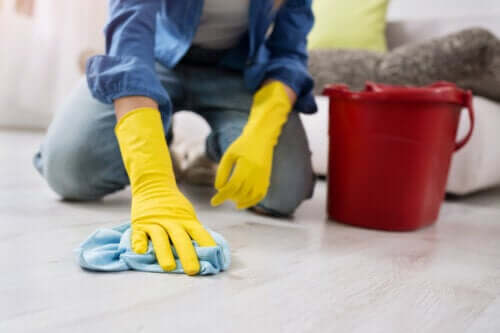
Carpets and floors can trap odors, especially cat urine, which contains strong-smelling ammonia. Start from vacuuming to remove fur and hair. Consider hiring a carpet cleaner or hiring a professional cleaning service to deep clean your carpets.
For hardwood or tile floors, use a pet-safe enzymatic cleaner to break down any organic compounds that cause cat odor. Enzyme cleaners are specifically designed to target pet odors and can be very effective.
2. Wash walls and base
Cats often rub against walls and baseboards, leaving behind oils and scents from their scent glands. Wash these areas with a mixture of water and white vinegarwhich is excellent for neutralizing odors.
For stubborn spots, a little baking soda can help remove any residue. Be sure to rinse thoroughly with water to remove any cleaning solution and allow the surfaces to dry completely.
3. Clean the air ducts and replace the filters
Air ducts can harbor dust, dander, and odors, as well as cat smells that circulate throughout your new home. Remove the vent covers and clean them with soap and water. Use a vacuum cleaner to remove any debris inside the ducts.
Additionally, replace the air filters in the HVAC system. High-quality HEPA filters can capture more particles, including pet dander, improving overall air quality and reducing cat odor.
Of course, just cleaning the air ducts and filters may not be enough. Over time, cat fur, dander, and odors can build up in your HVAC system ducts, which can then circulate throughout your home whenever the system is running. By thoroughly cleaning the air ducts, you can remove these trapped particles and reduce lingering cat odor.
This process not only helps reduce odor but also improves the overall air quality in your home, making it a healthier environment for everyone. Hiring a professional duct cleaning service will be worth your money if the smell of cats in your new home is overwhelming.
4. Update the wallpapers and curtains
Upholstered furniture and curtains can absorb and retain pet odors. If possible, remove and wash all fabric covers. For non-removable upholstery, use an enzyme cleaner that secures the fabrics and a steam cleaner to penetrate deep into the fibers and remove cat odors.
Just make sure everything is completely dry before putting it back in place to prevent mold or mildew from growing.
5. Use natural odor absorbers
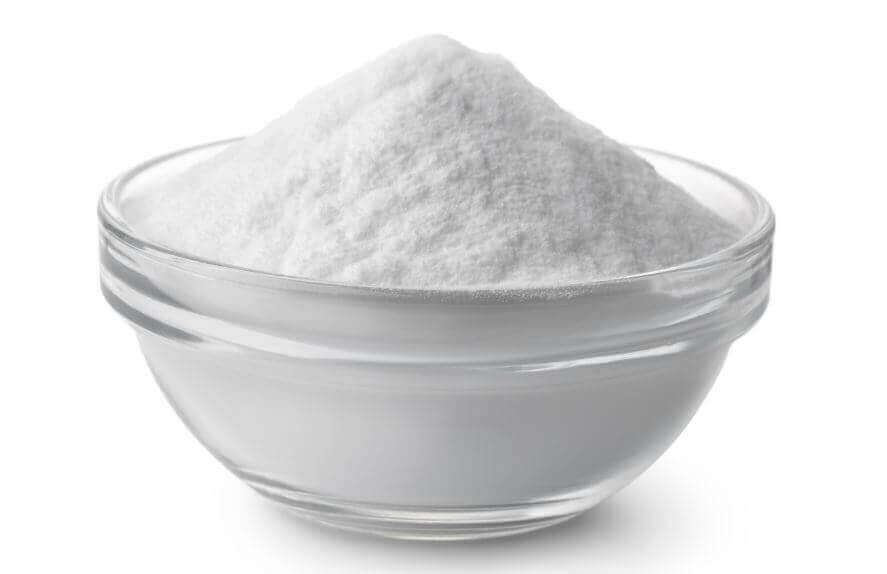
Natural odor absorbers such as baking soda and activated charcoal can help eliminate cat odor. For example, you can place bowls of baking soda or bags of activated carbon in rooms where the smell is more intense. These materials absorb odors over time and leave your home smelling fresher. Replace them every few weeks to maintain their effectiveness.
6. Ventilate and clear the air
Good ventilation is key to removing persistent odors. Open windows and doors to let fresh air circulate in your new home. Consider using air purifiers with HEPA filters to capture pet dander and other particles that contribute to cat odor. Running fans can also help move air and disperse odors more quickly.
By following these steps, you can effectively get rid of cat odor in your new home and create a clean, inviting space for you and your family. With a little effort and the right tools, you’ll be able to enjoy your new home without unwanted odors.
Moving to a new house it’s an exciting experience, but discovering that it carries lingering cat smells can dampen your excitement. Whether the previous owners had cats or your feline friend is accompanying you to your new place, it is essential to deal with the smell of cats immediately to ensure a fresh and welcoming environment.
Why does cat smell linger?
If you have cats or are moving into a home where the previous residents were cat lovers, then you know how getting rid of cat smells can be quite difficult. This is mainly due to the habits and biological characteristics of these animals. Cat urine, which contains strong-smelling compounds such as ammonia, can seep into carpets, upholstery, and even hardwood floors, making it difficult to completely remove.
Cats also have scent glands on their feet and face, which they use to mark their territory by rubbing surfaces. This behavior leaves behind oils and pheromones that contribute to persistent odor. In addition, cat fur and hair can become embedded in fabrics and air ducts, constantly releasing a subtle but noticeable smell. Even their grooming habits, which spread saliva on their fur, can add to the overall smell in a home.
Here are some effective and friendly tips to help you get rid of unpleasant feline odors in your new home.
Get rid of the smell of cats in your home with the following tips
1. Deep clean carpets and floors
Carpets and floors can trap odors, especially cat urine, which contains strong-smelling ammonia. Start from vacuuming to remove fur and hair. Consider hiring a carpet cleaner or hiring a professional cleaning service to deep clean your carpets.
For hardwood or tile floors, use a pet-safe enzymatic cleaner to break down any organic compounds that cause cat odor. Enzyme cleaners are specifically designed to target pet odors and can be very effective.
2. Wash walls and base
Cats often rub against walls and baseboards, leaving behind oils and scents from their scent glands. Wash these areas with a mixture of water and white vinegarwhich is excellent for neutralizing odors.
For stubborn spots, a little baking soda can help remove any residue. Be sure to rinse thoroughly with water to remove any cleaning solution and allow the surfaces to dry completely.
3. Clean the air ducts and replace the filters
Air ducts can harbor dust, dander, and odors, as well as cat smells that circulate throughout your new home. Remove the vent covers and clean them with soap and water. Use a vacuum cleaner to remove any debris inside the ducts.
Additionally, replace the air filters in the HVAC system. High-quality HEPA filters can capture more particles, including pet dander, improving overall air quality and reducing cat odor.
Of course, just cleaning the air ducts and filters may not be enough. Over time, cat fur, dander, and odors can build up in your HVAC system ducts, which can then circulate throughout your home whenever the system is running. By thoroughly cleaning the air ducts, you can remove these trapped particles and reduce lingering cat odor.
This process not only helps reduce odor but also improves the overall air quality in your home, making it a healthier environment for everyone. Hiring a professional duct cleaning service will be worth your money if the smell of cats in your new home is overwhelming.
4. Update the wallpapers and curtains
Upholstered furniture and curtains can absorb and retain pet odors. If possible, remove and wash all fabric covers. For non-removable upholstery, use an enzyme cleaner that secures the fabrics and a steam cleaner to penetrate deep into the fibers and remove cat odors.
Just make sure everything is completely dry before putting it back in place to prevent mold or mildew from growing.
5. Use natural odor absorbers
Natural odor absorbers such as baking soda and activated charcoal can help eliminate cat odor. For example, you can place bowls of baking soda or bags of activated carbon in rooms where the smell is more intense. These materials absorb odors over time and leave your home smelling fresher. Replace them every few weeks to maintain their effectiveness.
6. Ventilate and clear the air
Good ventilation is key to removing persistent odors. Open windows and doors to let fresh air circulate in your new home. Consider using air purifiers with HEPA filters to capture pet dander and other particles that contribute to cat odor. Running fans can also help move air and disperse odors more quickly.
By following these steps, you can effectively get rid of cat odor in your new home and create a clean, inviting space for you and your family. With a little effort and the right tools, you’ll be able to enjoy your new home without unwanted odors.



