
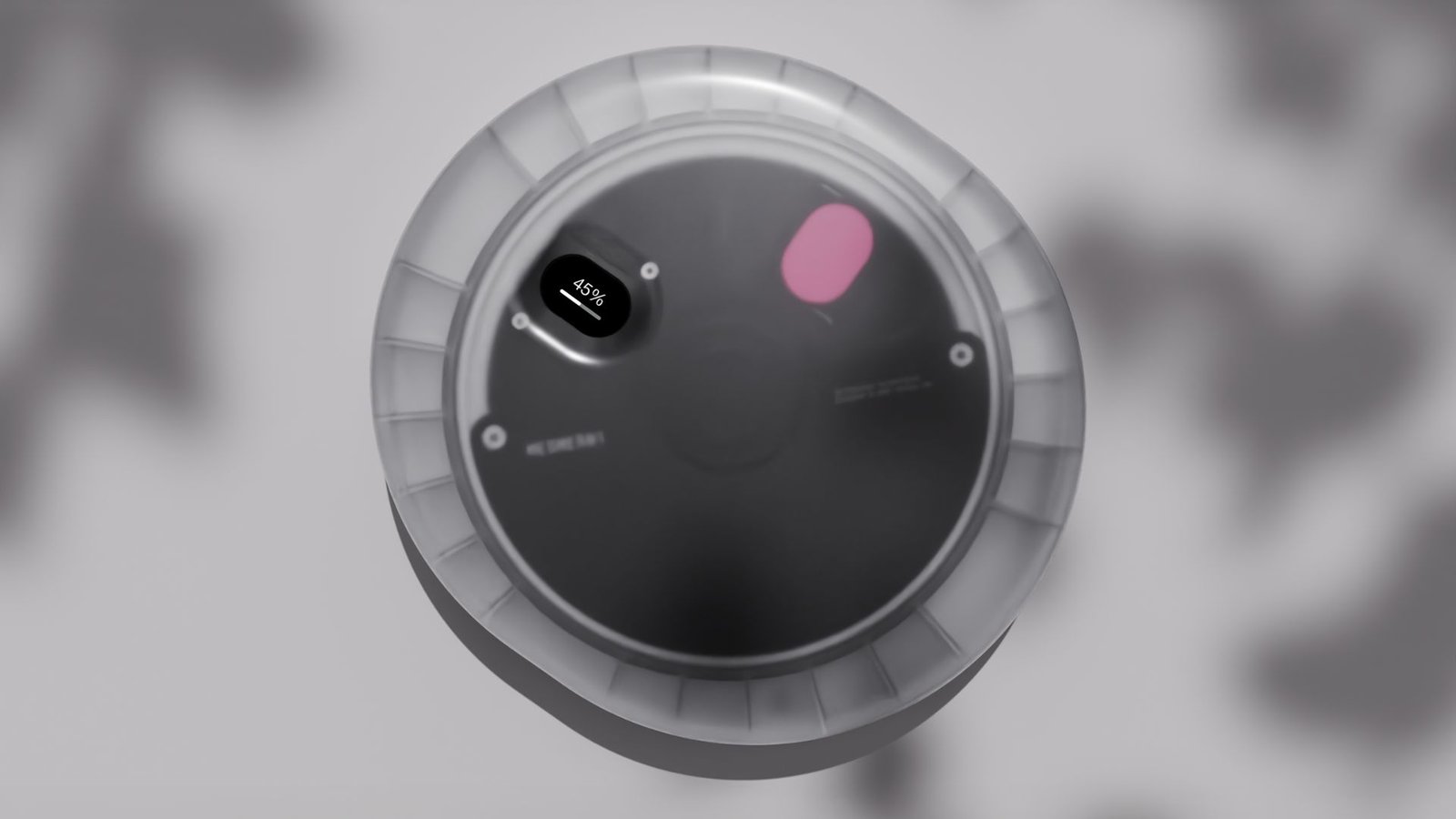

Designing for science has a particular kind of problem: visual culture. Most fields have color associations, material expectations, and languages that the public already has in their shared cultural knowledge, but deep tech phenomena occur below the threshold of human perception, in triple protein states and radical pair dynamics. The designer’s job, in such contexts, is not to represent science but to invent the representation itself, dealing with the balance between accuracy and intuitive understanding.
MESMER01developed from Berlin WINT Design Lab in collaboration with startups Mimotype Technologies GmbHis a project that takes this challenge seriously, creating a new way of visualizing the invisible.
MESMER01 © WINT Design Lab x Mimotype
MESMER01 © WINT Design Lab x Mimotype
MESMER01 © WINT Design Lab x Mimotype
MESMER01 © WINT Design Lab x Mimotype
MESMER01 © WINT Design Lab x Mimotype
MESMER01 © WINT Design Lab x Mimotype
MESMER01 © WINT Design Lab x Mimotype
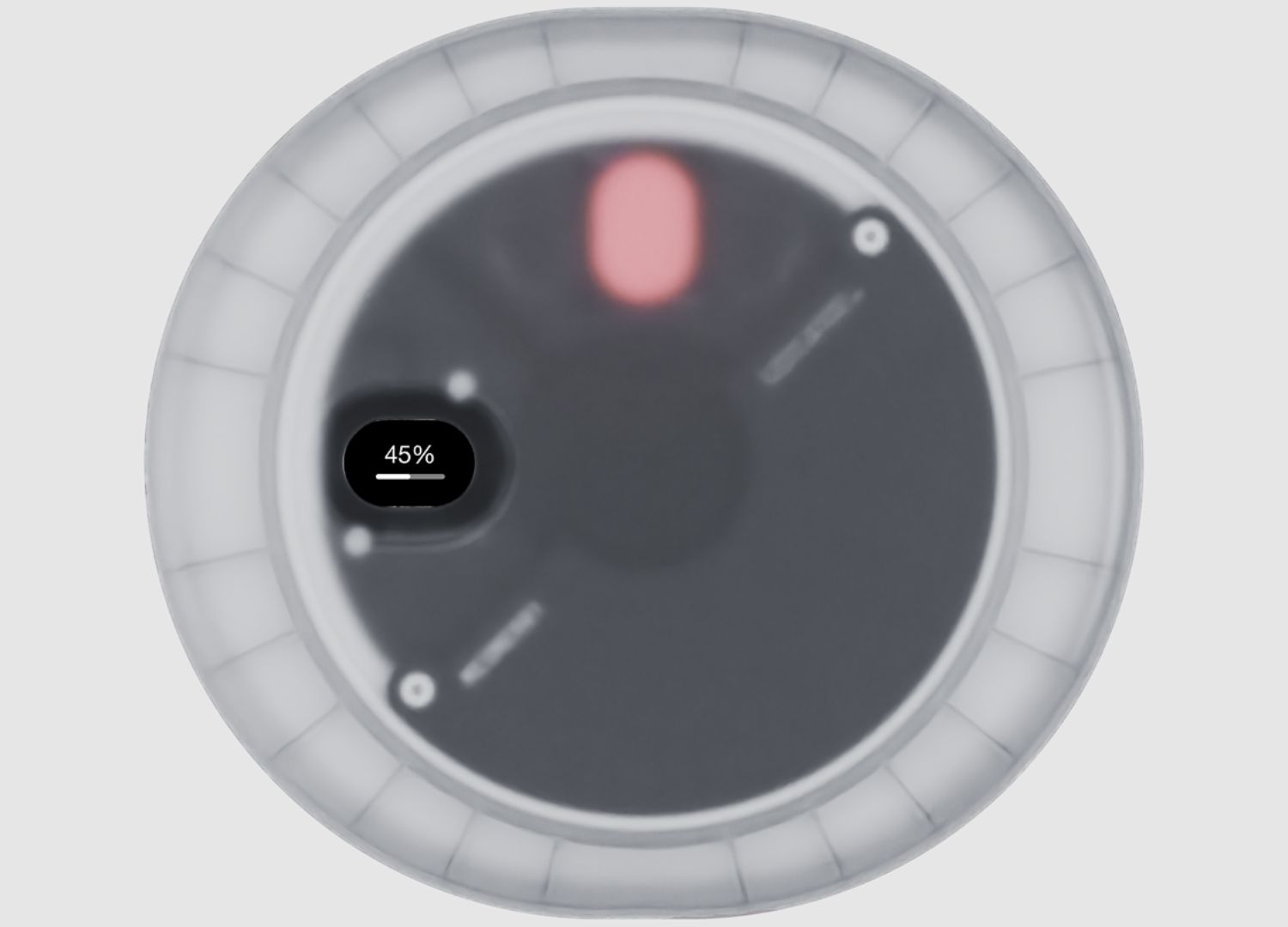
MESMER01 © WINT Design Lab x Mimotype
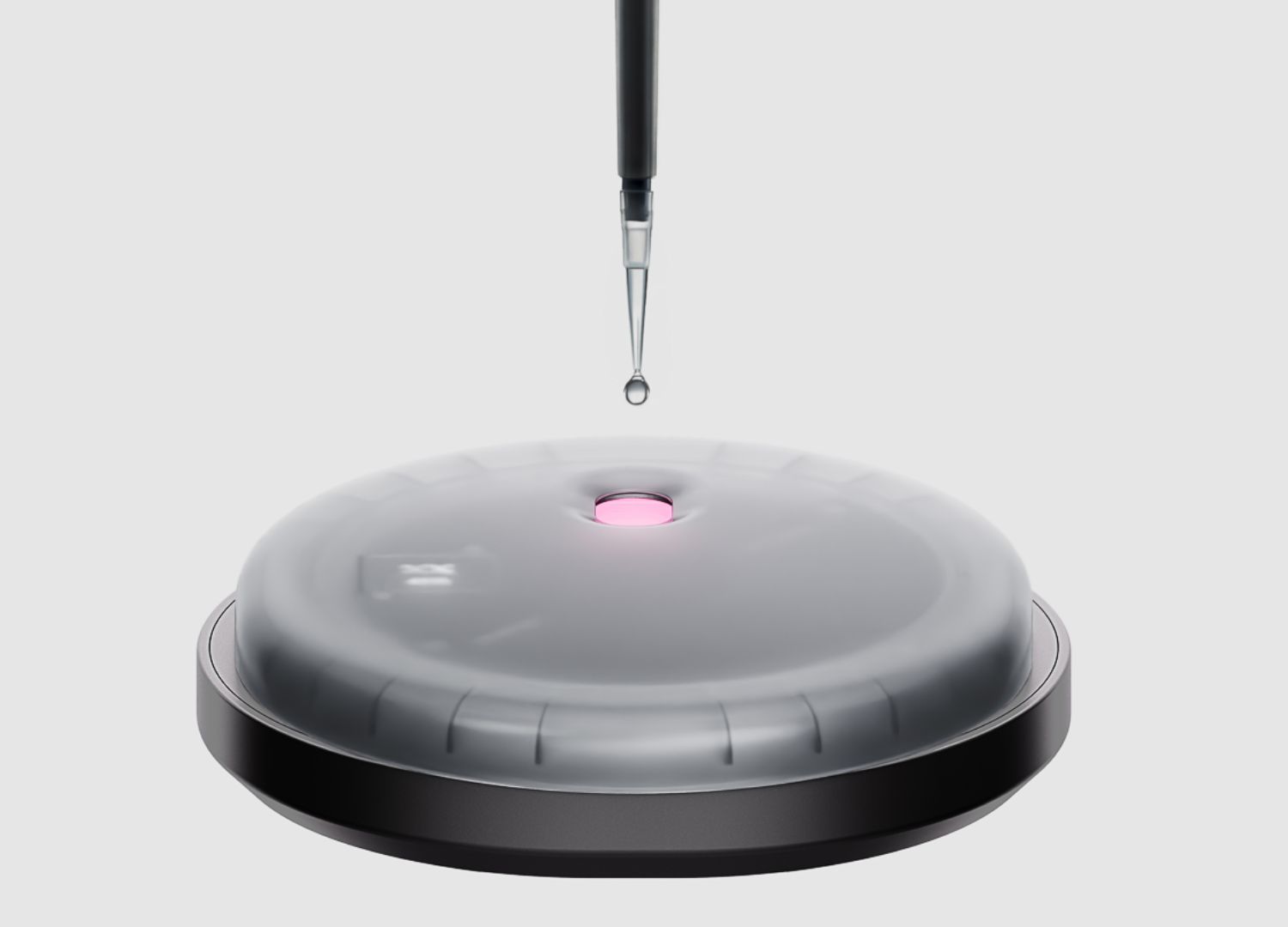
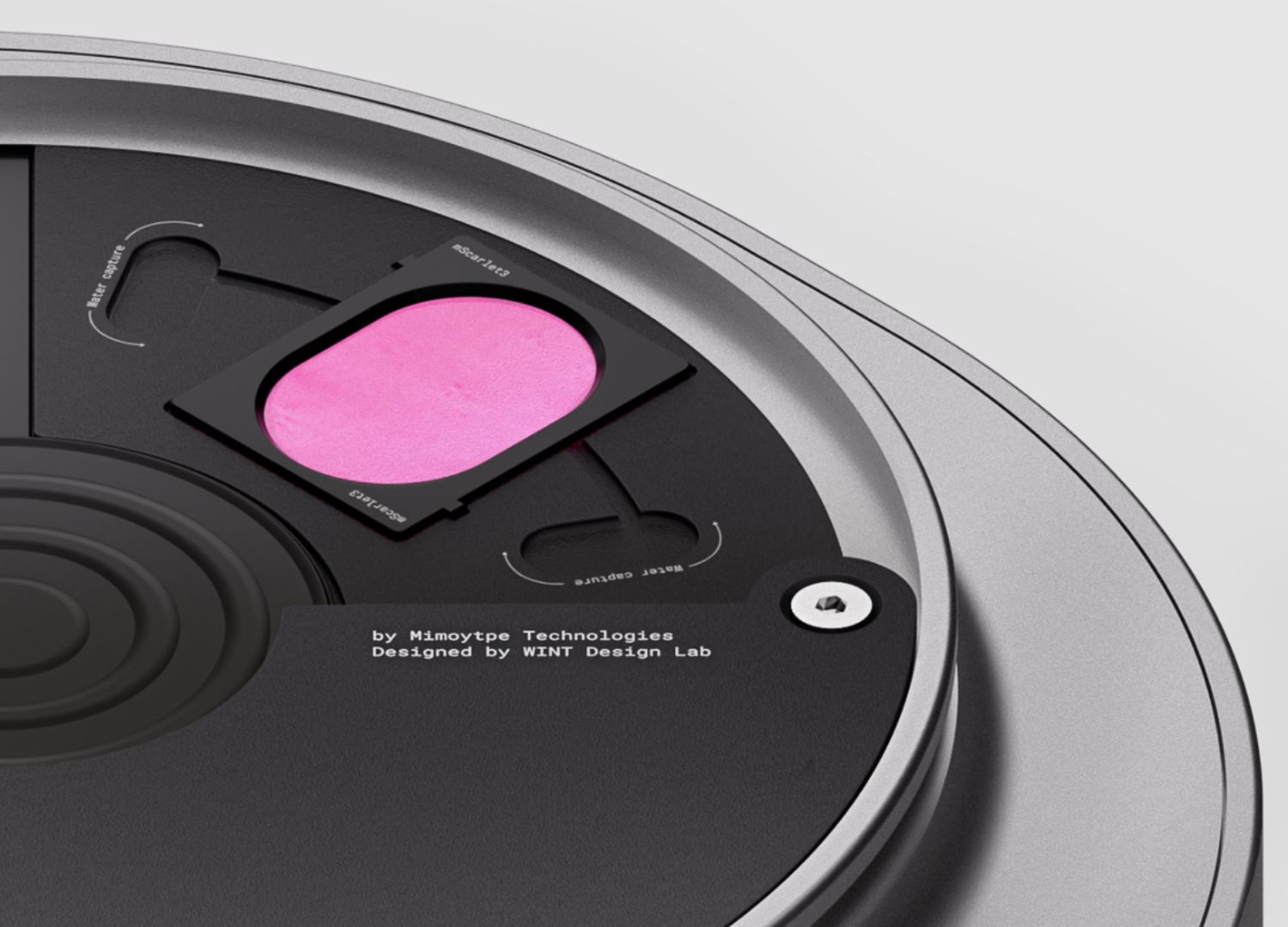
Mimotype’s product is a first-generation hybrid bio-optoelectronic chip that integrates magnetically sensitive fluorescent proteins with advanced semiconductor substrates, using quantum physics to achieve fluorescence and electron transport at room temperature. Essentially, it’s a biological protein that glows and whose glow can be modulated by a magnetic field, meaning it can be used for internal imaging and understanding without invasive procedures.
Most quantum biology only works at cryogenic temperatures, making it useless for anything medical, but these proteins can work in a warm, living body. The chip is not a finished product, but a demonstration, a proof of concept for a class of technology that could eventually find its way into wearable biosensors, implantable diagnostics and soft neuromorphic devices.
The WINT Design Lab is a studio founded in 2019 by Robin Hoske and Felix Rasehorn and serves as an infrastructure for interdisciplinary exchange, in collaboration with biology, material science, software and other project areas addressing future living scenarios. Their approach is to integrate design while the products are being created, not as an afterthought, so the MESMER01 biosensor was developed through close collaboration with Mimotype’s research team and the involvement of WINT.
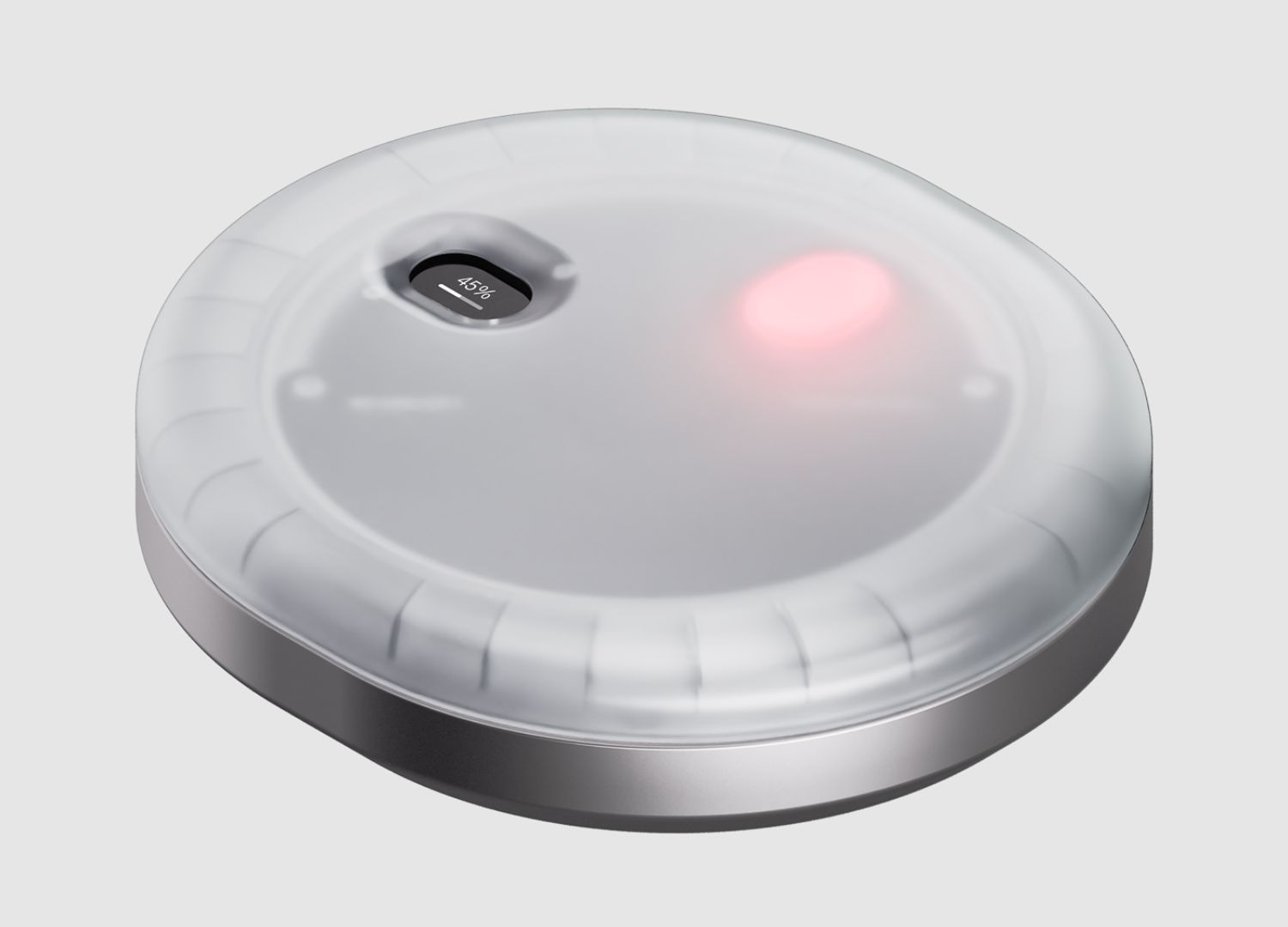
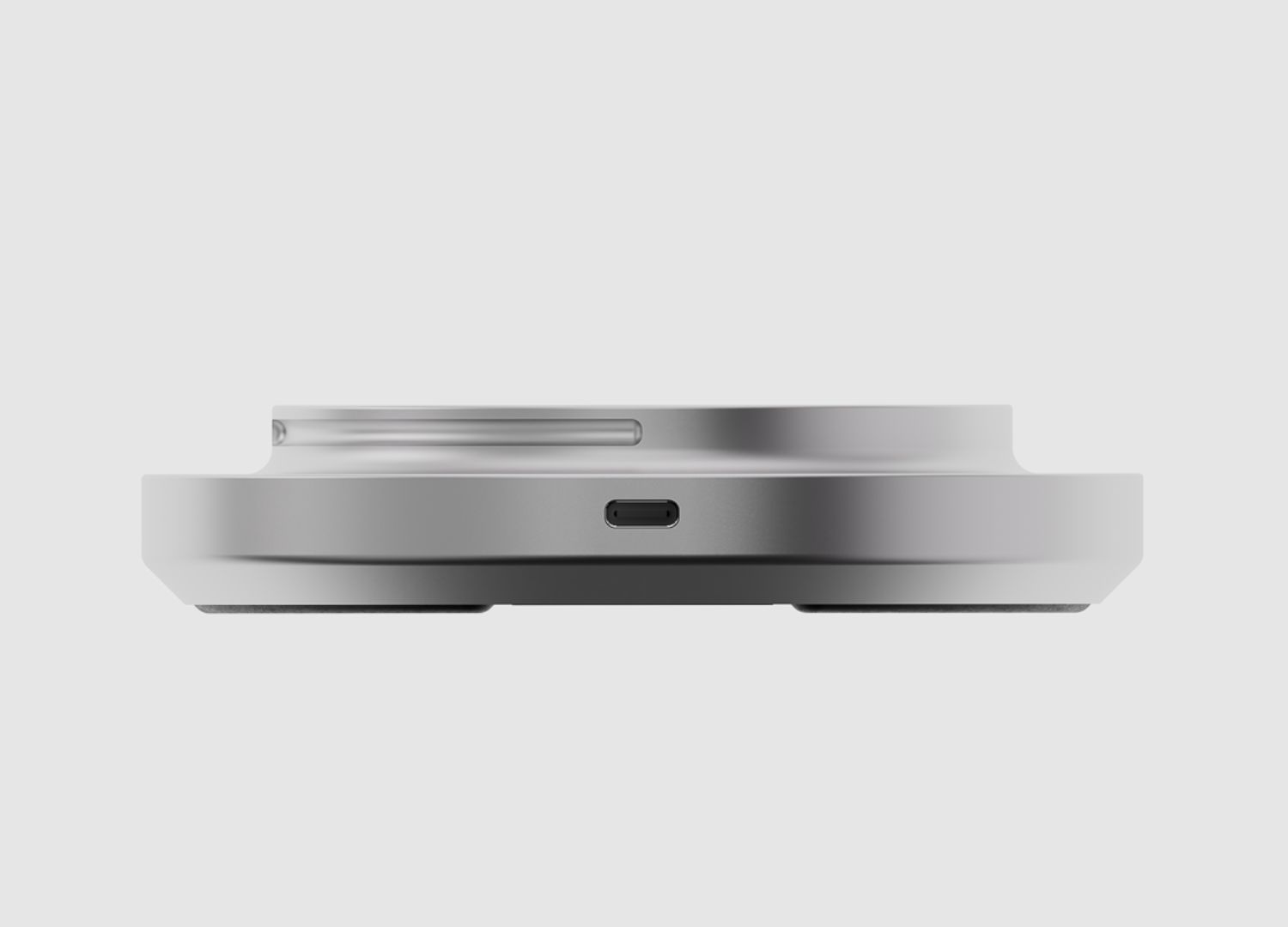
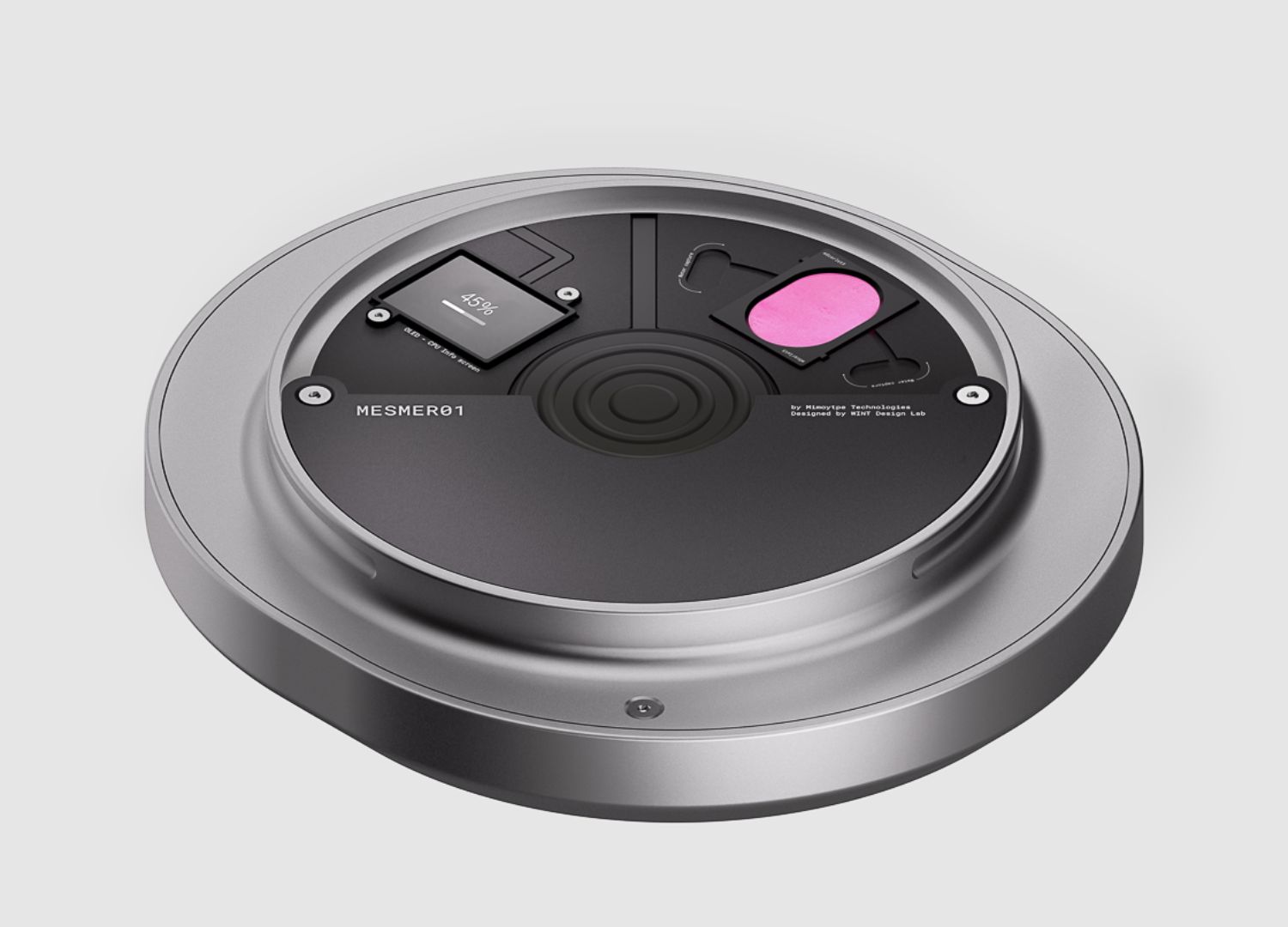
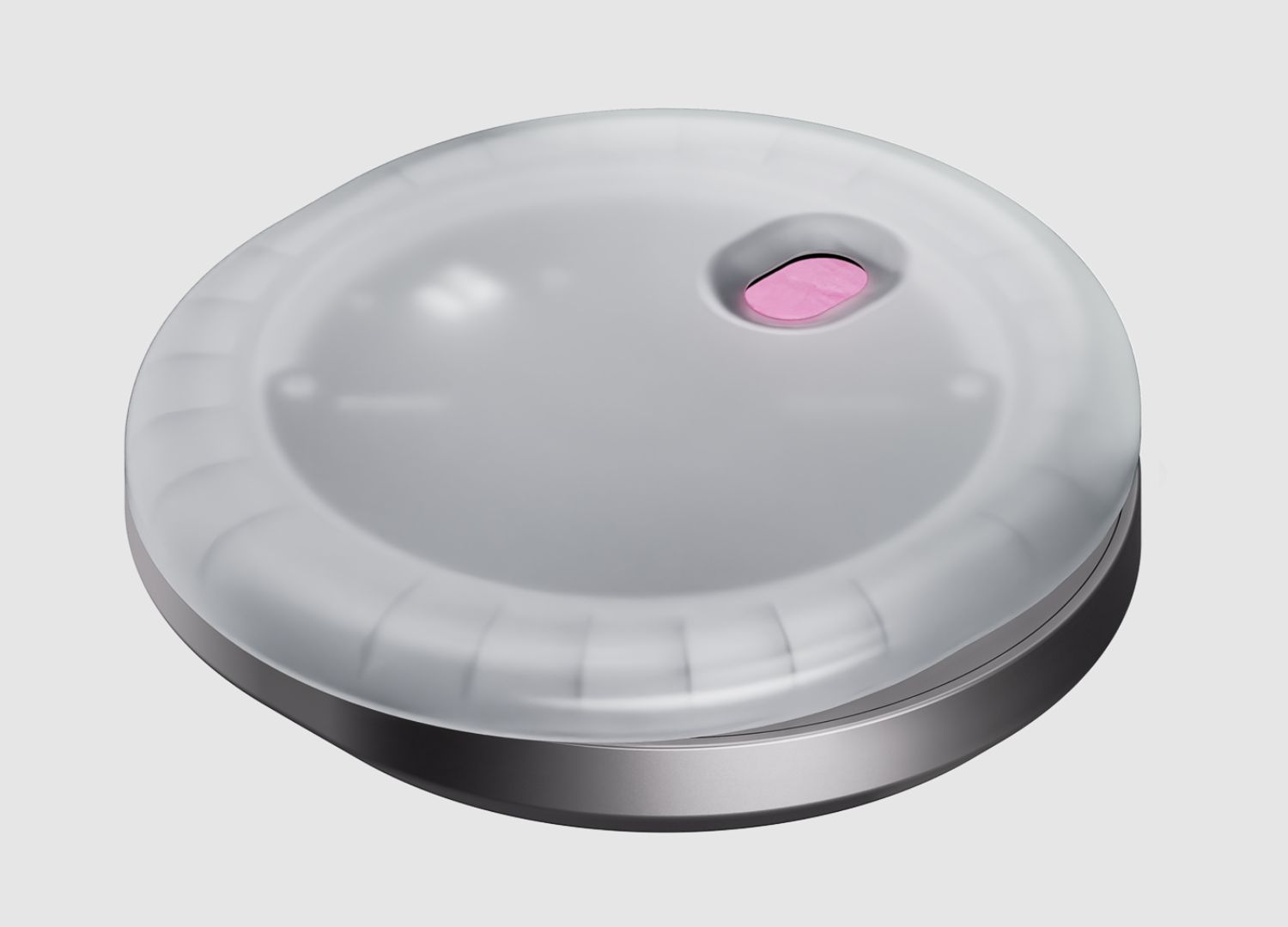
The most distinctive feature of the device is a circular opening mechanism that initiates the analytical process, resulting from the operational requirements of fluid handling systems. Rotating the sensor opens and closes it, exposing a screen that tracks time and depicts the sensor’s progress in real time, exposing a process that is, by its very nature, invisible to the naked eye.
The studio’s design choices not only make the technology beautiful as well as functional, but also make its use commensurate with its importance. The interaction is described by the team as “almost ritualistic”, suggesting a physical grammar that celebrates this innovative process and encourages the researcher to enjoy it, insisting on presence and embodiment.
Beyond the physical prototype, WINT has also developed a comprehensive visual language and branding system for Mimotypeincluding digital interfaces, communication hardware, etc. This graphic project aims to translate complex science to very different audiences, creating a recognizable brand without compromising technical depth for all stakeholders.
How deep technical continues to develop, the question of how to make quantum biology, synthetic materials and more readable is increasingly relevant. Research that cannot be shared will struggle to attract the collaborations and funding it needs to mature. Design is now a useful infrastructure for science, not decoration. MESMER01 is a demonstration of how one can make these tensions work together.



