
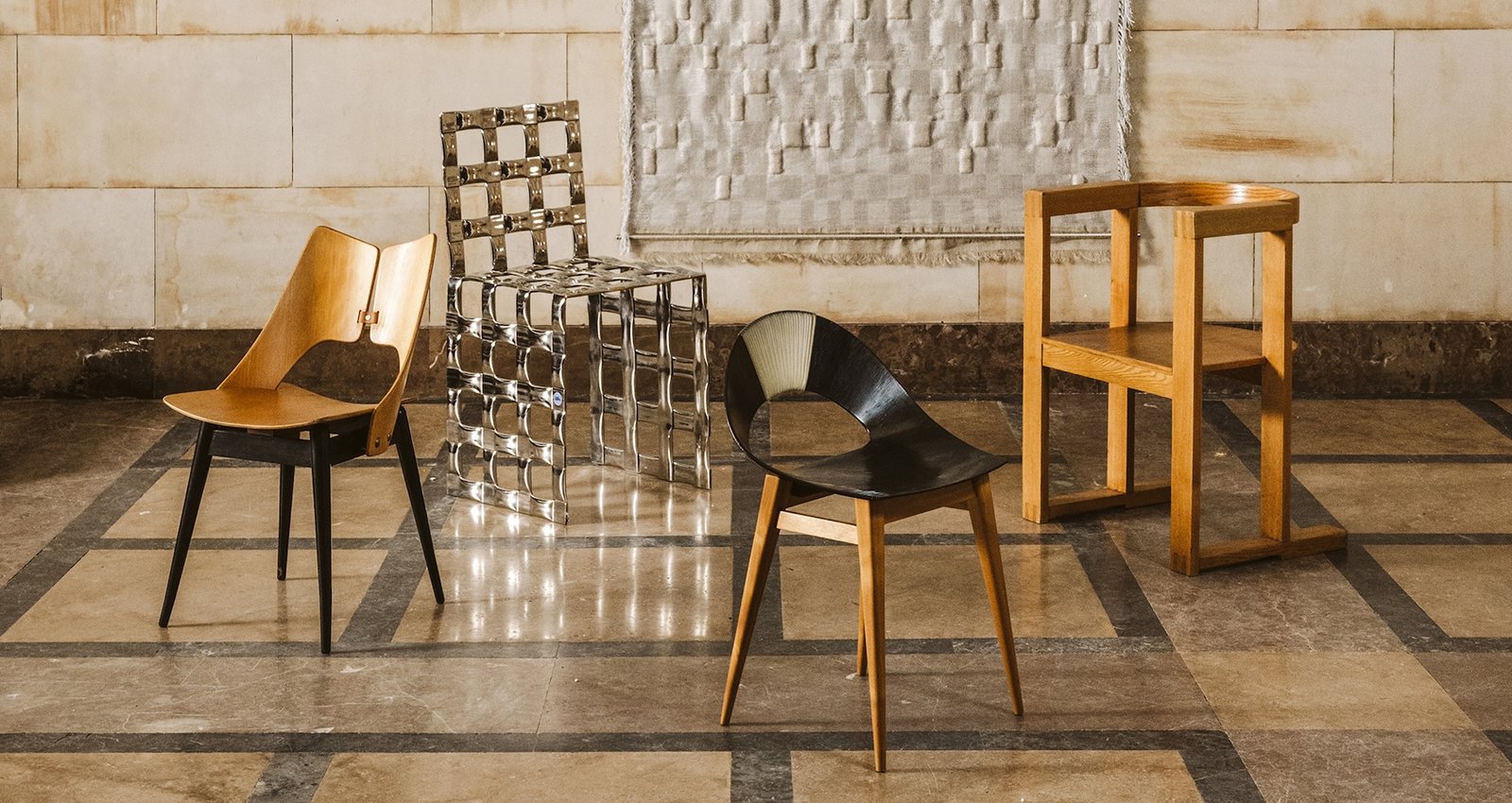

Isn’t there something quietly radical about mounting an exhibition of Polish Modernism on the sixteenth floor of the Torre Velasca – a building that Milan’s architectural establishment has argued over for decades, unsure whether to love or reject? A choice that may seem either random or perfectly calibrated – but either way, it works. Because Polish Modernismas claimed, A fight for beautymakes it readable, he was never comfortable in normal spaces, but arose, as Irena Krzywicka wrote in 1948, from linen, hemp, shavings – thus, from a lack of material that forced a different kind of intelligence, from the intelligence of necessity. And necessity, historically, produces more interesting design than convenience.
What the Wisteria Foundation has done, with Polish Modernism curated by Anna herself and Federica Salain Milan in 2026 – after its positive debut in the previous design week with Romantic Brutalism: A Journey into Polish Art and Design – refuses the linear reading of a ground and a movement, because the history of design and design culture, with Modernism in it, is not a timeline, it is a gesture, emerging cyclically, contracting into austerity, then expanding back to ornament, then contracting again.
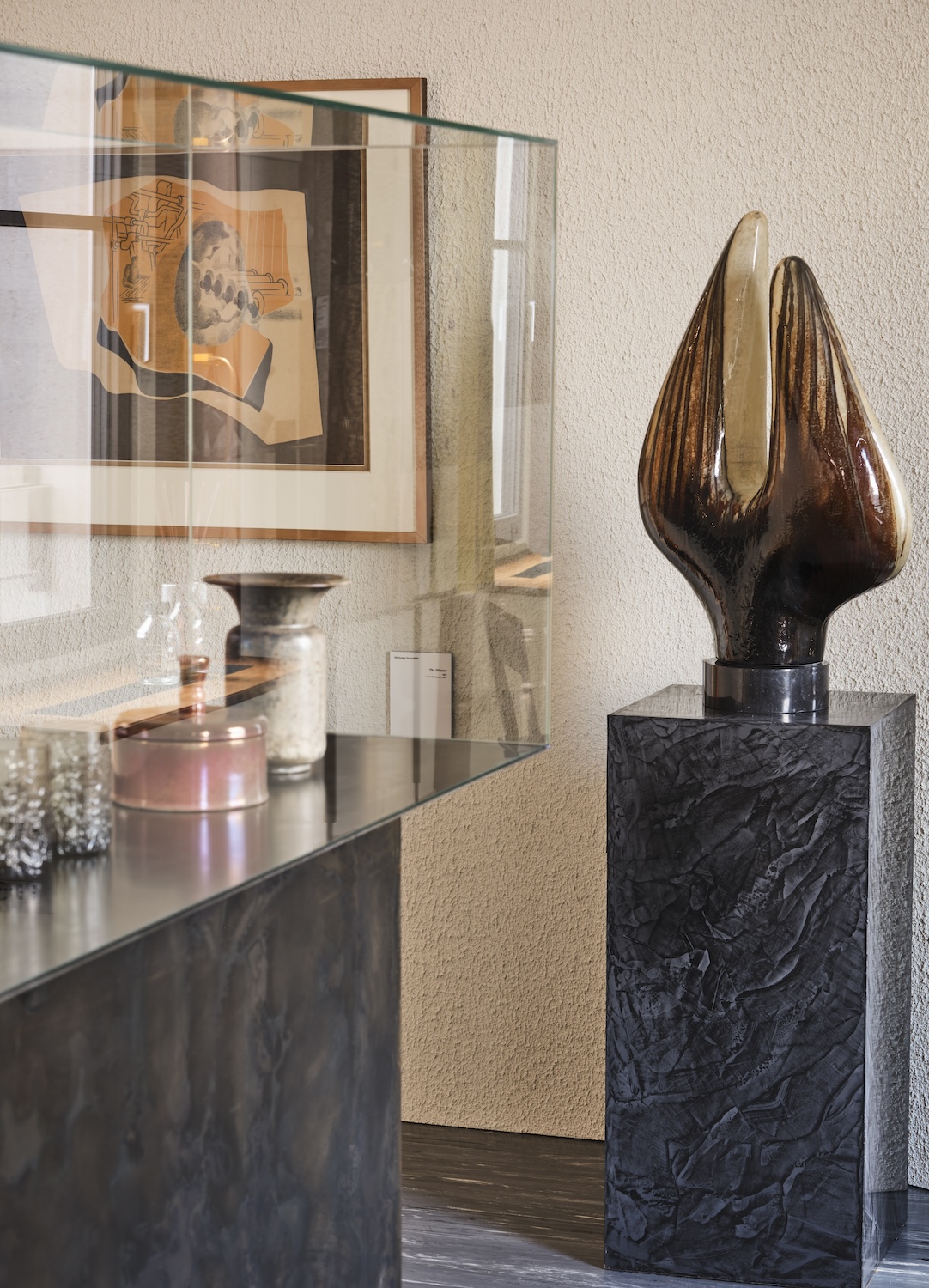
Polish modernism – a struggle for beauty, © Visteria Foundation
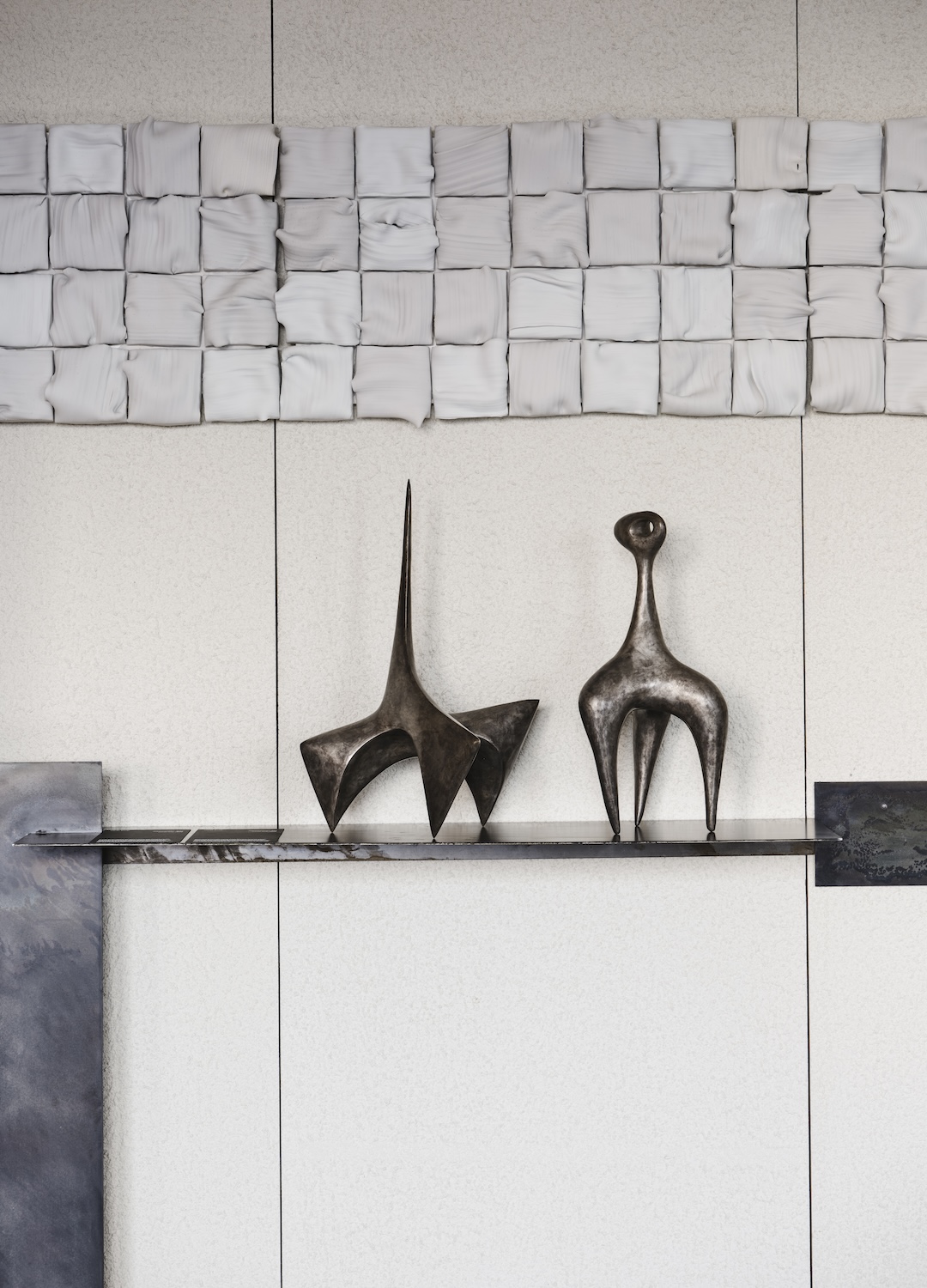
Polish modernism – a struggle for beauty, © Visteria Foundation
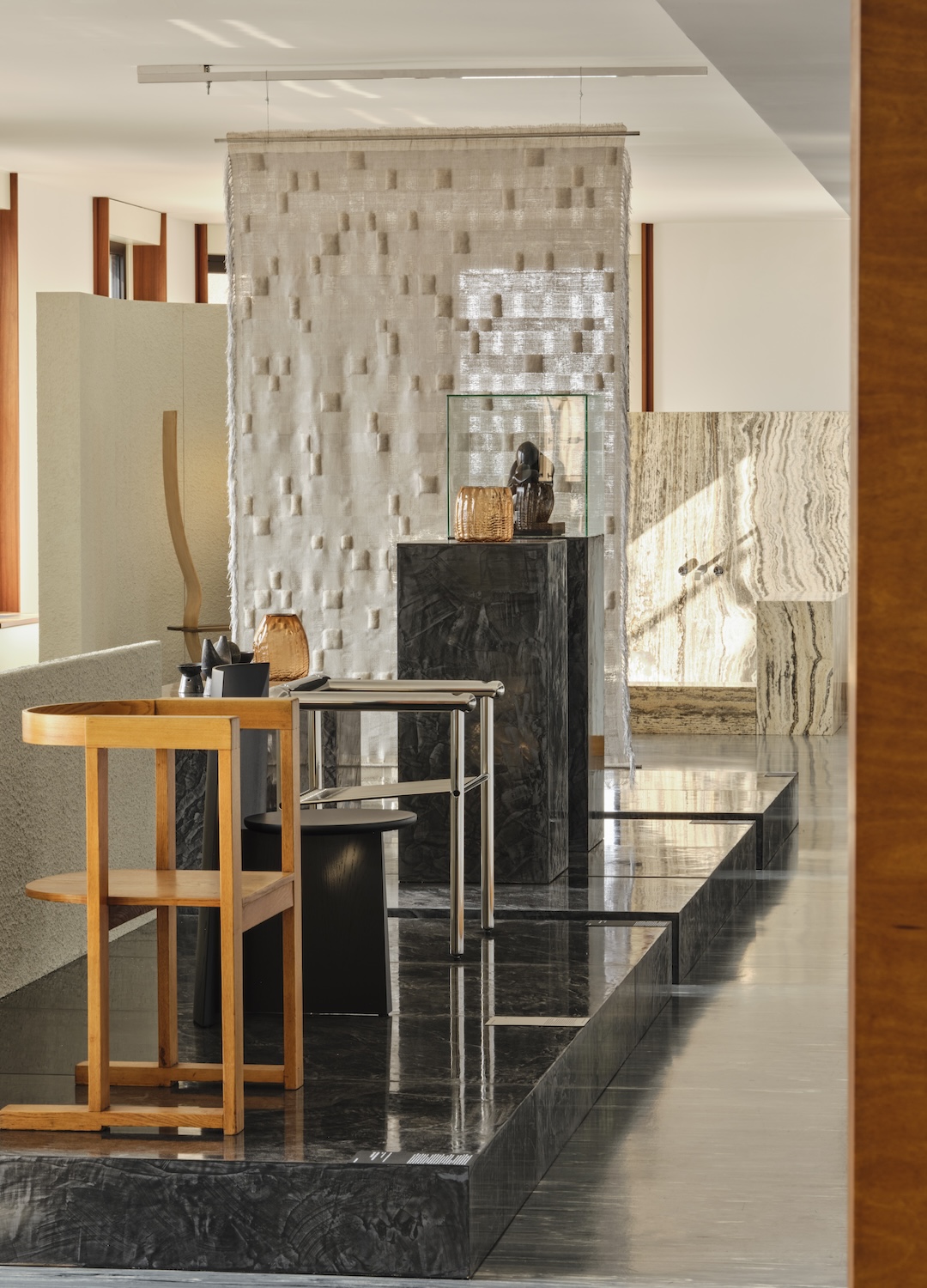
Polish modernism – a struggle for beauty, © Visteria Foundation
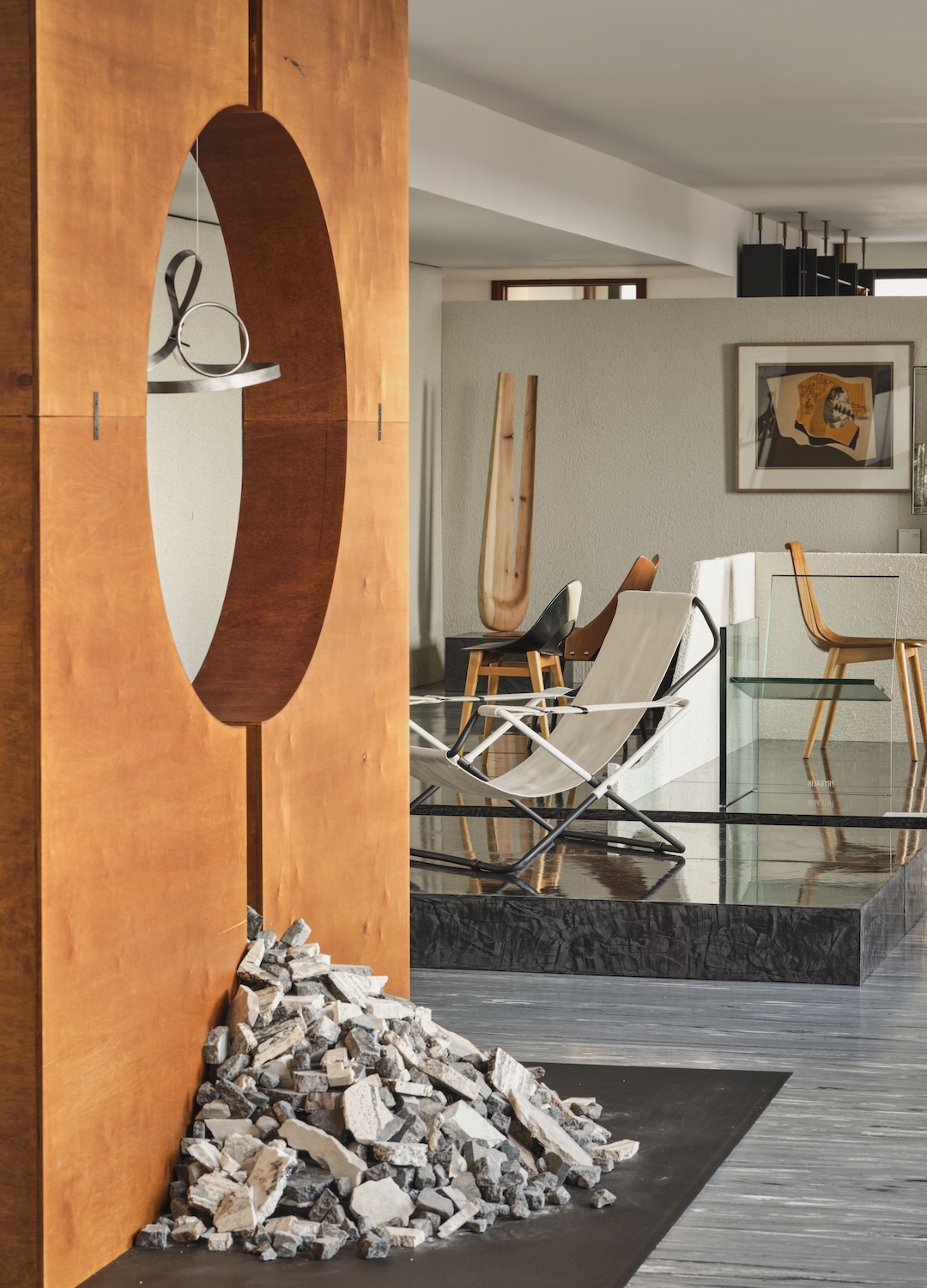
Polish modernism – a struggle for beauty, © Visteria Foundation
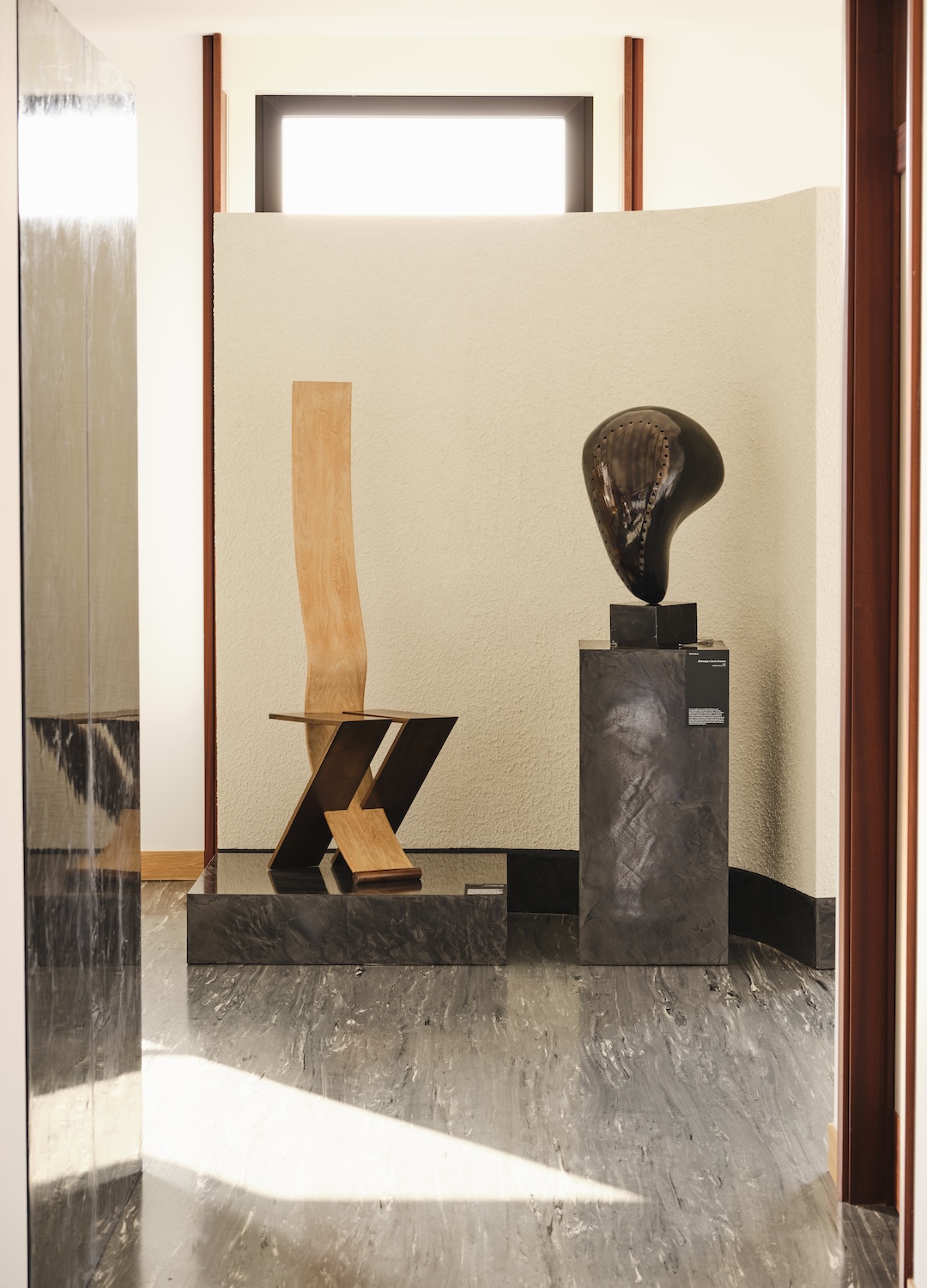
Polish modernism – a struggle for beauty, © Visteria Foundation
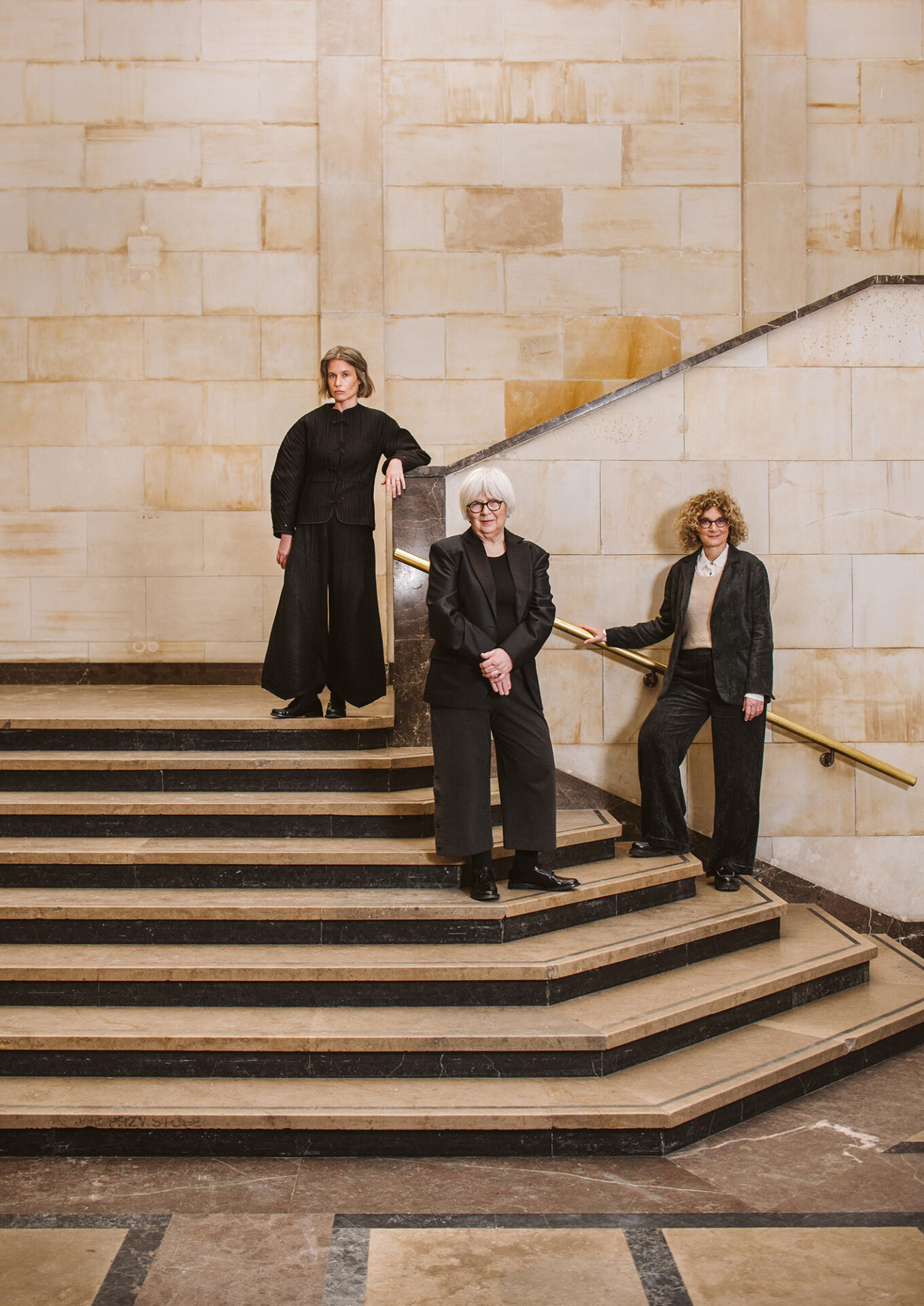
Zofia Wyganowska (exhibition designer), Anna Maga and Federica Sala (curators) ©Visteria Foundation, ph. Michał Łukasik
A more vintage piece next to another, more postmodernist one, defines that the modernist impulse is structurally adaptive, that it bends to the conditions it inhabits rather than imposing a fixed formal language upon them. In the exhibition, designed by the Pole Zofia Wyganowska Studiothis is modernism understood as a methodology, not just an aesthetic, and this distinction is not academic.
Because the design world, at times – particularly the version of it that convenes annually in the city – has developed a remarkable knack for reflecting only what it wants to see, where innovation is performed precisely as innovation, sustainability as material choice.
The norm selects itself, amplifying the voices already in the room and mistaking this amplification for cultural breadth. On the other hand, Polish Modernismprecisely because it developed under conditions of political pressure, material limitation, deliberate exclusion from European cultural exchanges, it built a different kind of resilience – it learned to carry aspirations without resources, to participate in an international debate while operating, structurally, outside it.
So, together with unique works on loan from the archive of the National Museum in Warsaw – including furniture from Jan Kurzątkowski, Bohdan Lachert and Teresa Kruszewska – Polish Modernism presented selected works by contemporary artists and designers whose practices reflect the legacy of modernist ideas and who were commissioned to create new pieces specifically for the exhibition. Among them, Dead SipioraMarek Bimer, Aleksandra Hyz, Monika Patuszyńskaand Małgorzata Markiewicz, as well Tomek Rygalik, Maria Jeglińska-AdamczewskaPaweł Olszczyński, Igor Polasiak (Craftica Gallery), and Maja Ganszyniec.
Download icons – the wall unit (a modular wall unit, extremely popular in Poland in the 1970s and 1980s, designed to optimize small living spaces) or American (a compact, folding sofa-bed) – and asking contemporary designers not to reconstruct them but to interrogate their underlying logic is a fundamentally different brief from revival.
It asks: what problem did this problem solve and is this problem still alive? And, in most cases, it is – the convertible armchair exists because living space was compressed, because a single room had to perform multiple functions in a day. This situation has not gone away. has intensified in many cities. The planning system tends not to address this because the planning system is geared towards the consumer with discretionary space and discretionary income – and, in Polish Modernismshowed.
“In a world of dizzying growth, where production has become overproduction or production that is no longer sustainable, what does it mean today to be modern? What are the needs of a modern society? These are the questions that the exhibition seeks to pose, asking if today the decorative arts, or more broadly the applied arts, might not be more modern precisely because they are more human, representing the ultimate spiritual, aesthetic and material researchfree from the temporal laws of productivity“, he says Federica Sala.
This question, posed by Sala, is structural: If the applied arts are bound to be used, with the body, with the rhythms of real everyday life, does that make them more modern than the objects that are celebrated as such? Design, at its most pervasive, has never had the luxury of pure concept – it has to work. But therefore work – meaning that it works within constraints, serves a human need, survives time without becoming obsolete – is something that much modern design quietly sidesteps.
Time, inside Polish Modernismit is structural, and the arc from interwar functionalism to postwar resistance to contemporary reinterpretation is a conversation that keeps returning to the same set of questions, and each generation answers them with the materials and policies at its disposal.
This is what a trajectory looks like when it’s honest, not like a line moving forward, but more like a series of returns that are never the same return. The struggle for beauty, as the title frames it, was a struggle for a place at the common table – and that, too, has not been resolved.



