

Many people think that energy consumption at home depends only on how many devices are used, but this is not the case. A non-negligible part of the consumption comes from those that appear to be disabled. In fact they remain in a constant state of standby, ready to be activated again at any moment. It is the so-called “stand-by” consumption, which is often underestimated because it is invisible but constant.
This type of absorption is not high for a single device, but becomes significant when adding multiple devices active 24 hours a day together. And right here lies the difference between a home that consumes the right amount and one that wastes energy without realizing it.
TVs and entertainment systems: always ready, always on
Television is one of the most obvious examples. Even when turned off, it continues to consume power to keep functions active such as remote control receiverautomatic updates or network connection.
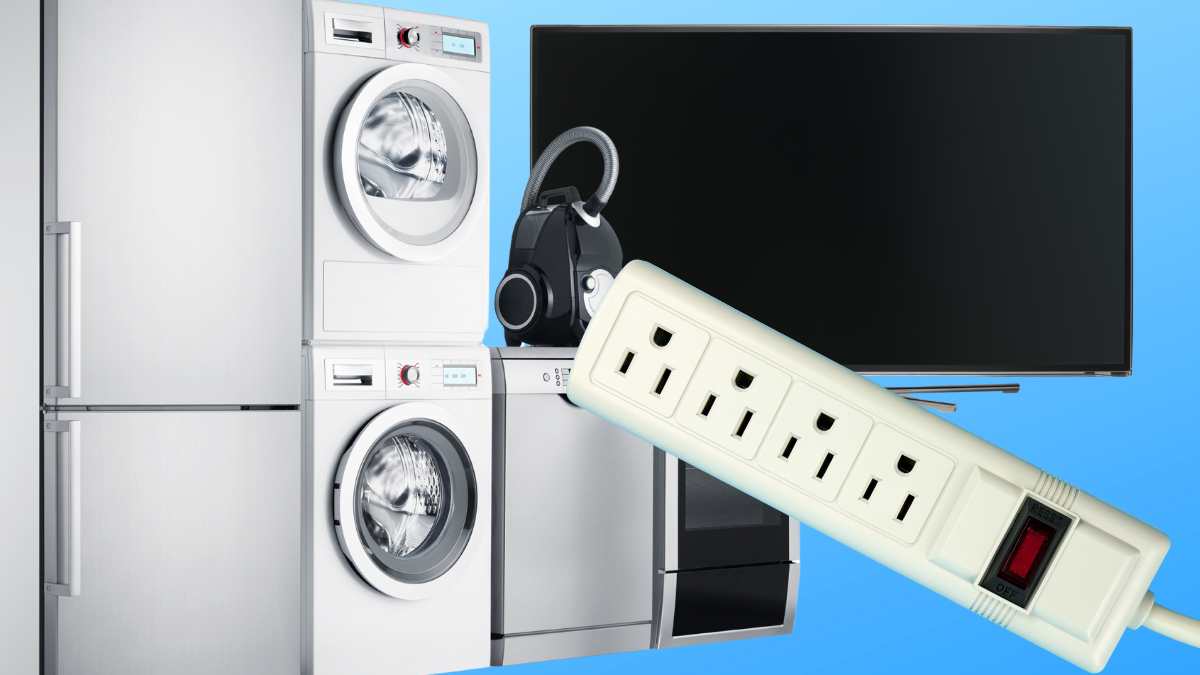
The same goes for set-top boxes, sound bars and game consoles. They often remain connected and active, ready to use, but that means that they never really go away. The consumption may seem minimal, but on an annual basis it affects more than you think.
An effective solution is to use multiple outlets with a switchso that these devices are completely turned off when not needed. Alternatively, some newer models allow you to disable advanced standby features directly from the settings.
Kitchen appliances: low continuous absorption
In the kitchen there are various devices that consume energy even when not in use. The electric oven, for example, keeps it digital display and the clock. So does the microwave. Quick-start coffee makers stay at temperature so they’re always ready.
Even the refrigerator, although it is always on by necessity, can consume more than it should if it is not properly adjusted or if the flanges do not close properly. It’s not a wait, but it’s still a consumption that can be optimized.
To reduce waste, it is useful unplug less used devices or turn them off completely when not needed. In the case of the refrigerator, however, it is important to maintain an adequate temperature and periodically check the condition of the seals.
Chargers and devices always connected
A very common mistake is to let it go charger plugged in even when they are not loading anything. Also in this case the consumption is low but continuous. The same goes for devices such as voice assistants, modems and routers, which remain active throughout the day.
Some of them are essential, like the router, but others can be managed more consciously. Disconnecting unused chargers is a simple gesture which over time helps to reduce overall consumption.
Washing machine and dishwasher: hidden consumption
Even household appliances like washing machines and dishwashers, when not in use, continue to use energy to keep them running internal electronic systems. They are not large quantities, but they are constant consumption.
If they are not being used for long periods, it may make sense to disable them completely via itswitch or disconnectespecially if they are not recent models.
How to intervene without complicating your life
Reducing these consumptions does not mean a complete change of habits, but an awareness. Really turn off devices, use outlets and choose more efficient devices are simple but effective interventions.
Even buying devices with a good energy class and with active savings features it can make a difference in the long run.
An invisible consumption that weighs more than it seems
Standby consumption is never apparent, but always present. It is precisely this continuity that makes it relevant. It is not about eliminating all absorption, but about reduce the unnecessary.
Small gestures, repeated every day, can have a greater impact than a single major intervention. And this is exactly where more efficient home energy management begins.



