
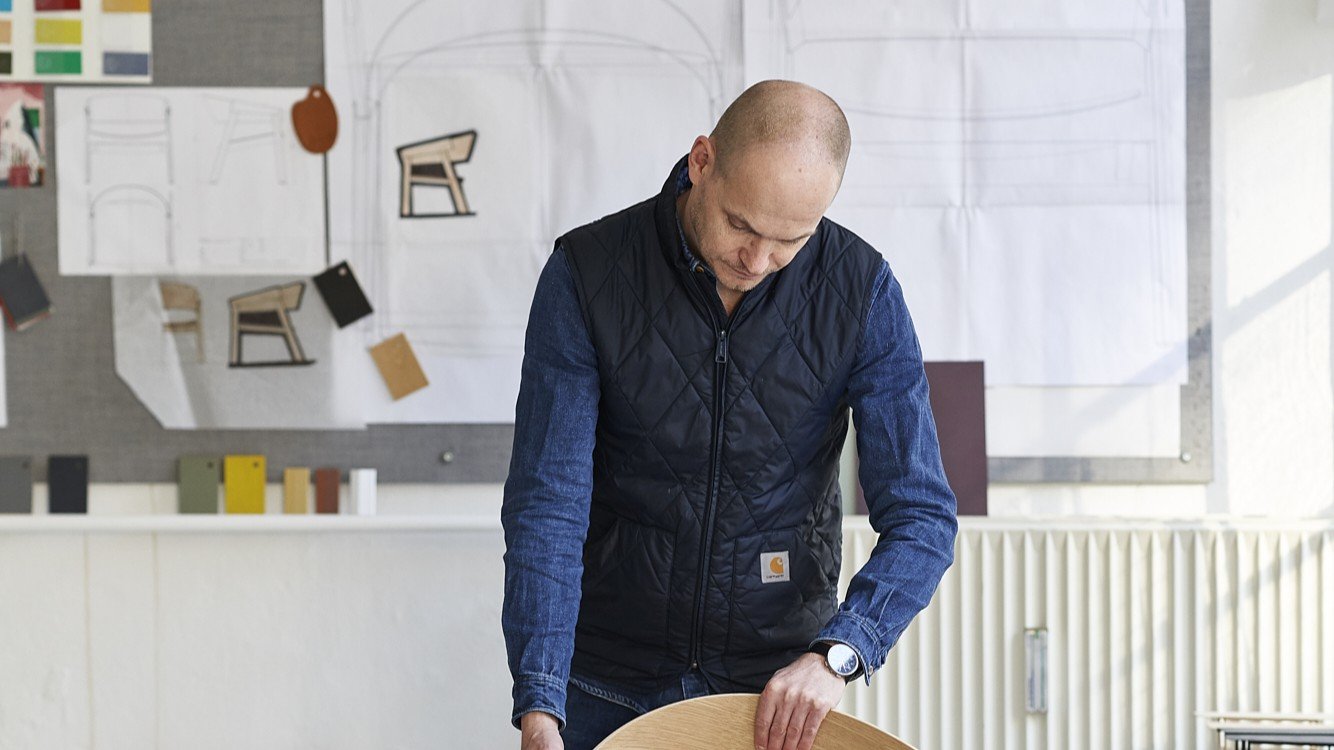

When you look Thomas BenzenHis work, something immediately feels right, but it’s often hard to articulate exactly why. Its objects have only what they need to exist, function, and endure. There is no unnecessary decoration, no formality”noise.” However, this radical reduction does not produce the coldness usually associated with strict industrial minimalism. Instead, it creates a quiet sense of inevitability, as if the object has always existed in the collective imagination, waiting to materialize.
I first noticed this when analyzing his lighting work for Muuto: what seems effortless is actually the result of an unusually rigorous, almost exhaustive refinement method. Bentzen belongs to a certain, almost stoic tradition of designers who believe that the object should speak much louder than its creator.
His approach is deliberate”silent– not just as a stylistic choice, but as a basic design theory. The goal is never to impose a personal aesthetic or a trendy signature, but to find the most determined, honest version of an idea. In this sense, his work requires a necessary comparison with Super Normal move.
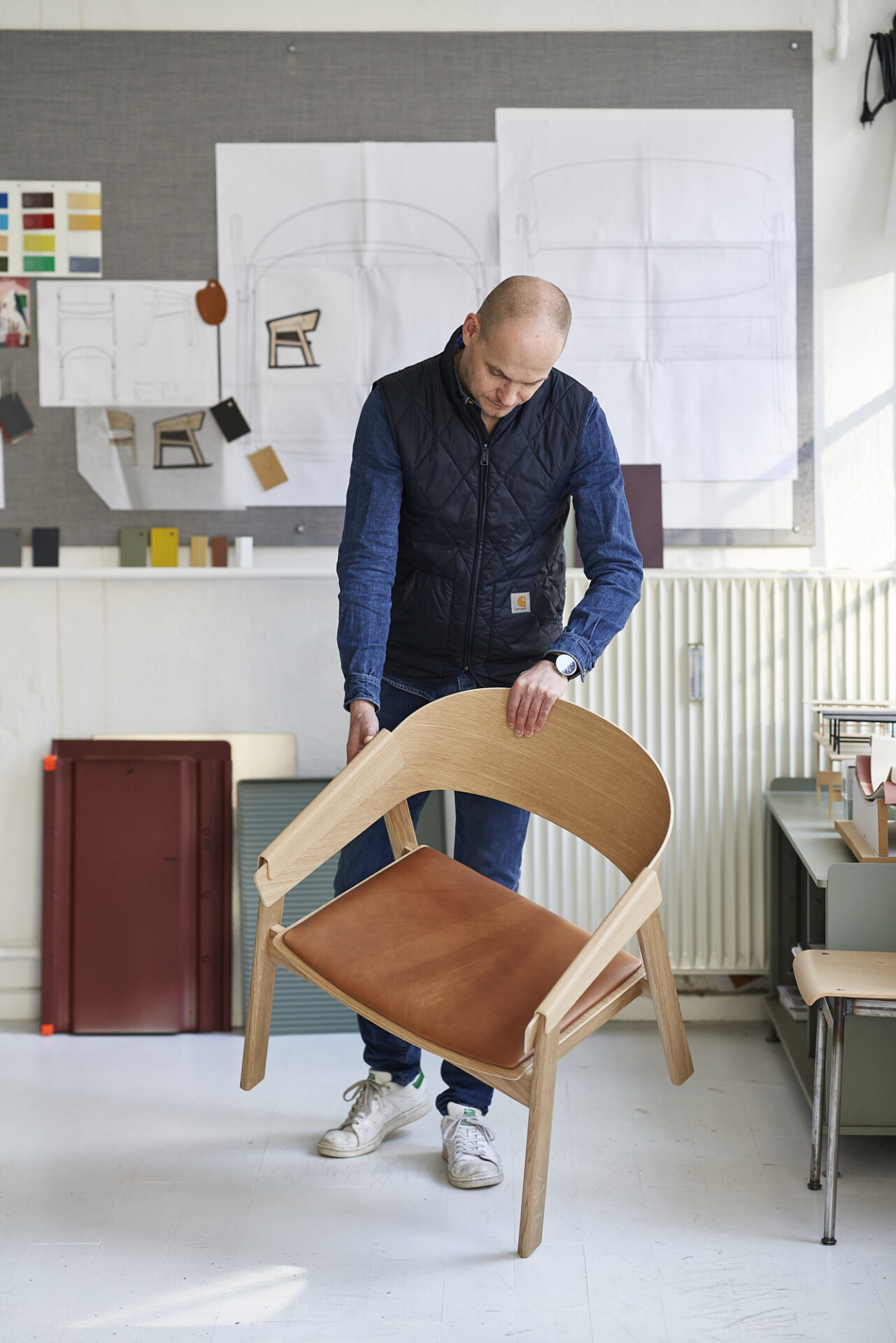
Thomas Bentzen with his Cover chair designed for Muuto – © Muuto
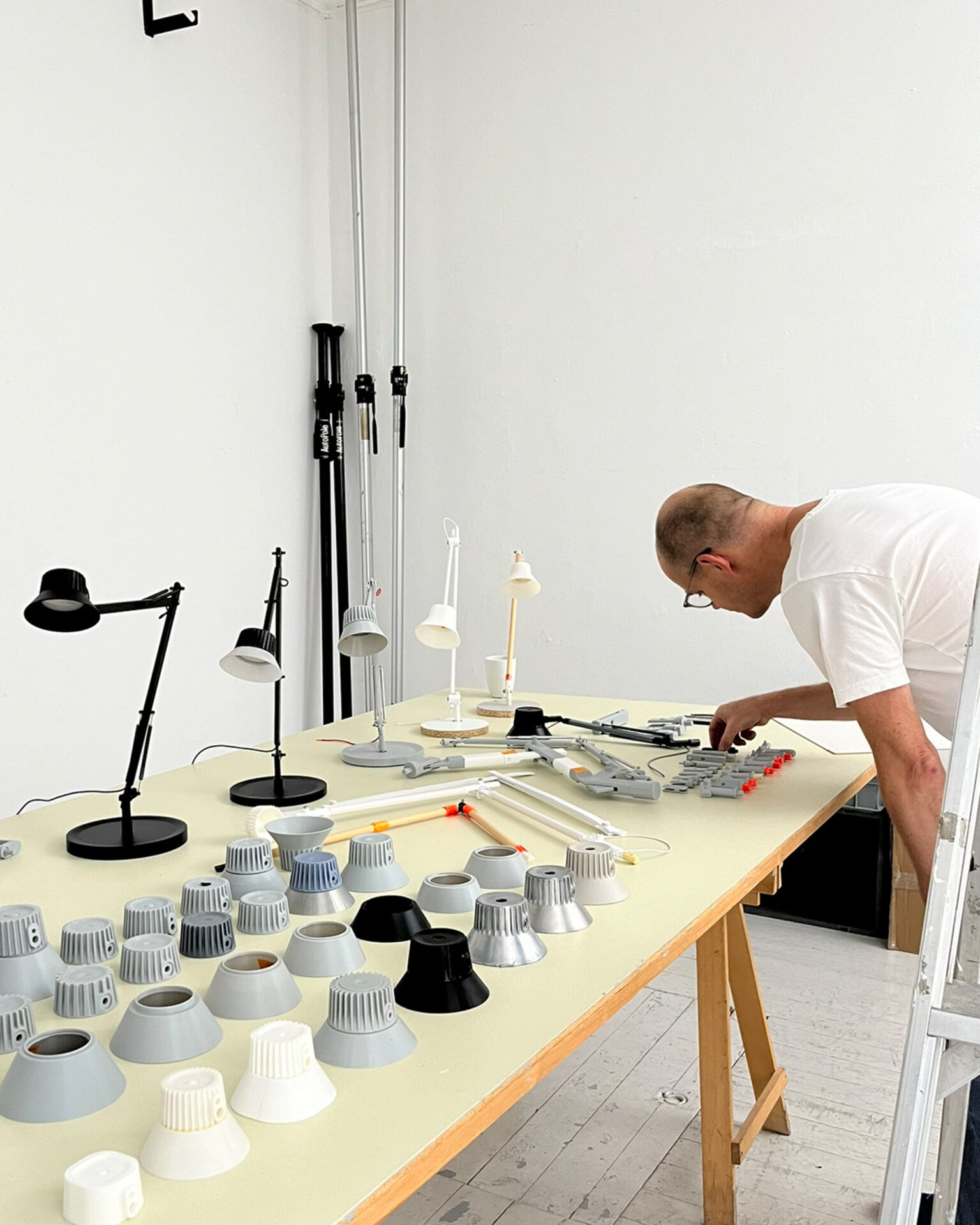
Thomas Bentzen during the development process of the Dedicate lamp for Muuto – © Thomas Bentzen
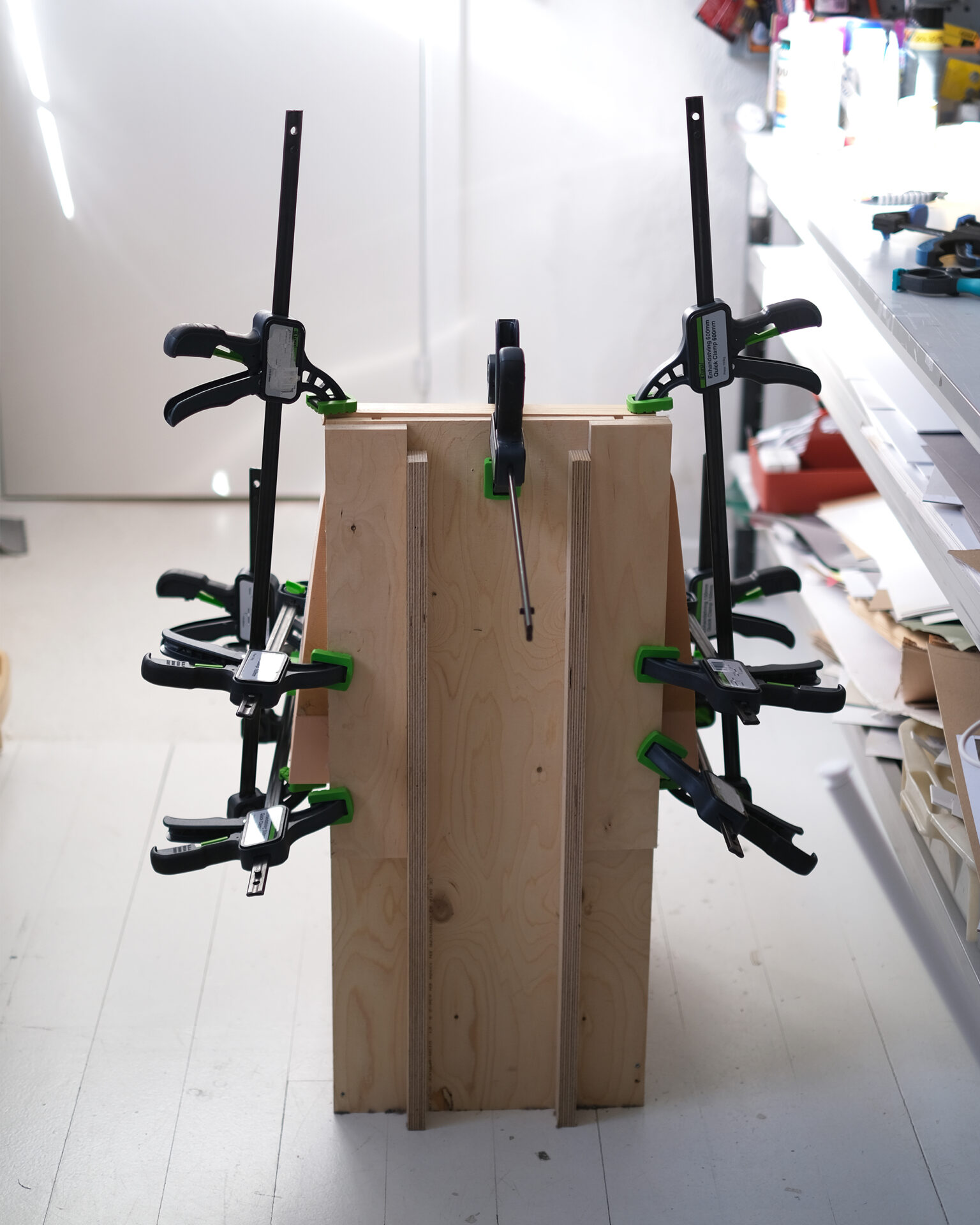
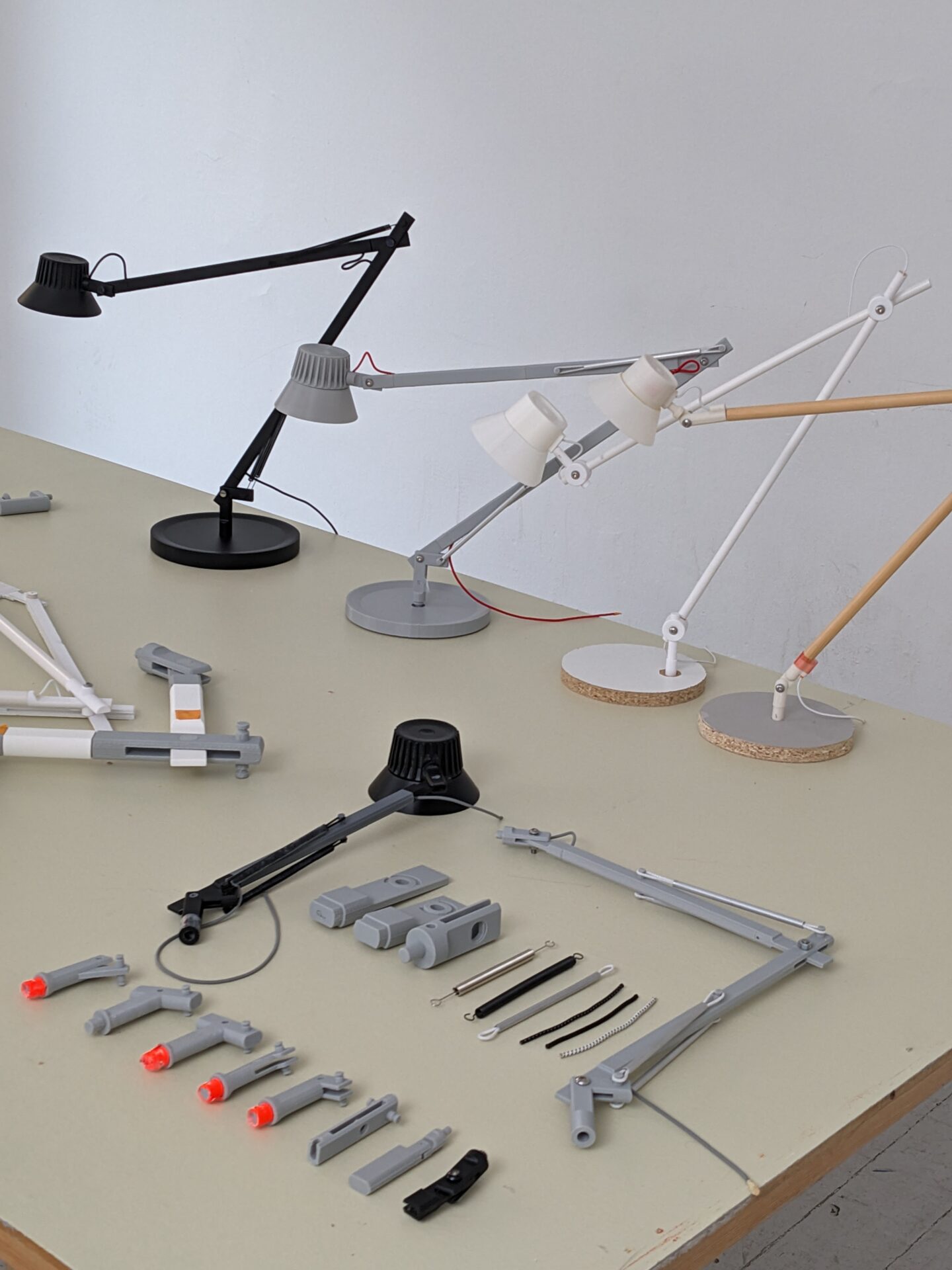
Prototyping in process in the studio – © Thomas Bentzen

Dedicated lamp – © Muuto

Bang & Olufsen Ex Headphones – ©Bang and Olufsen
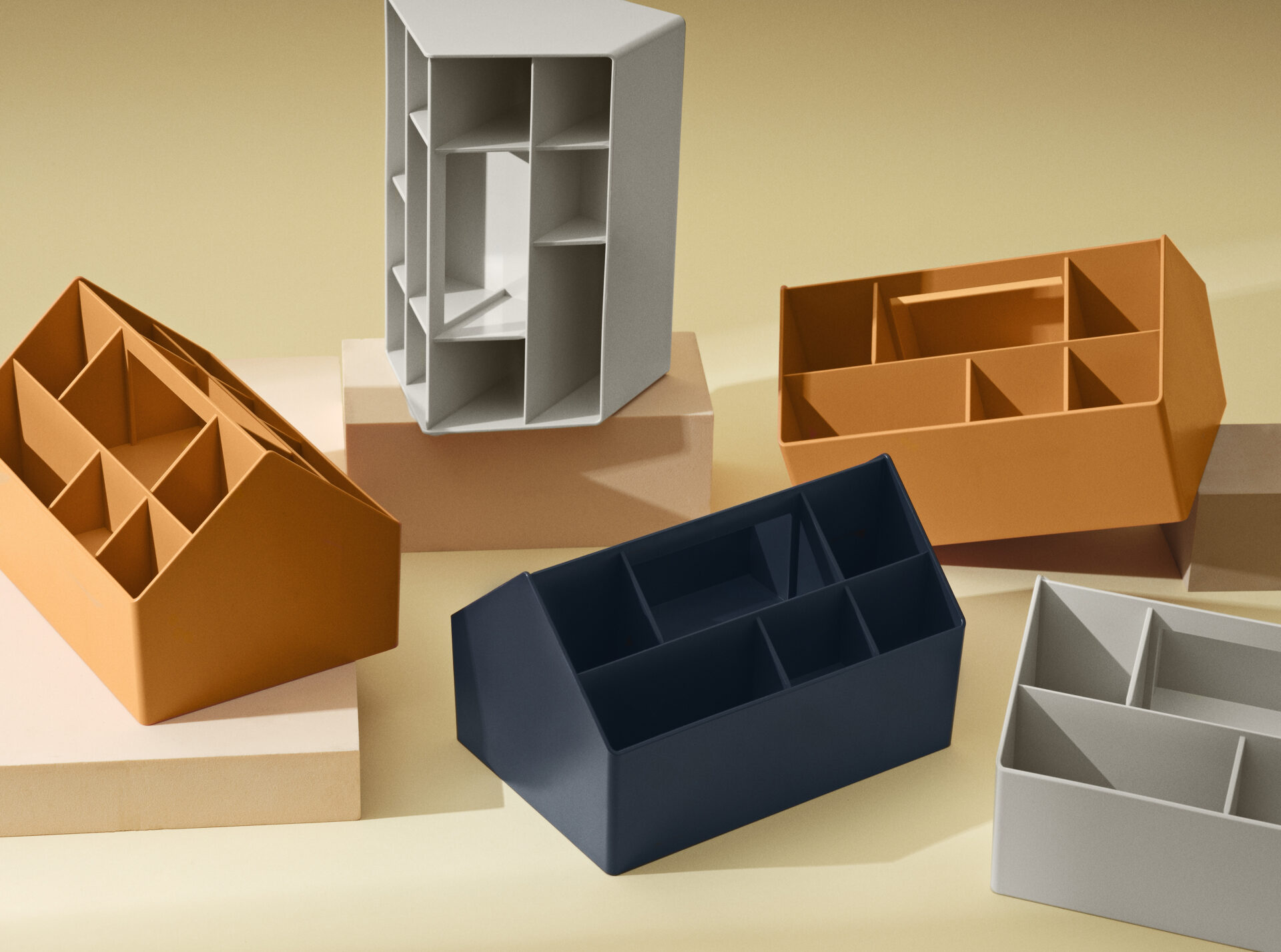
Toolbox sketch for Muuto – © Muuto
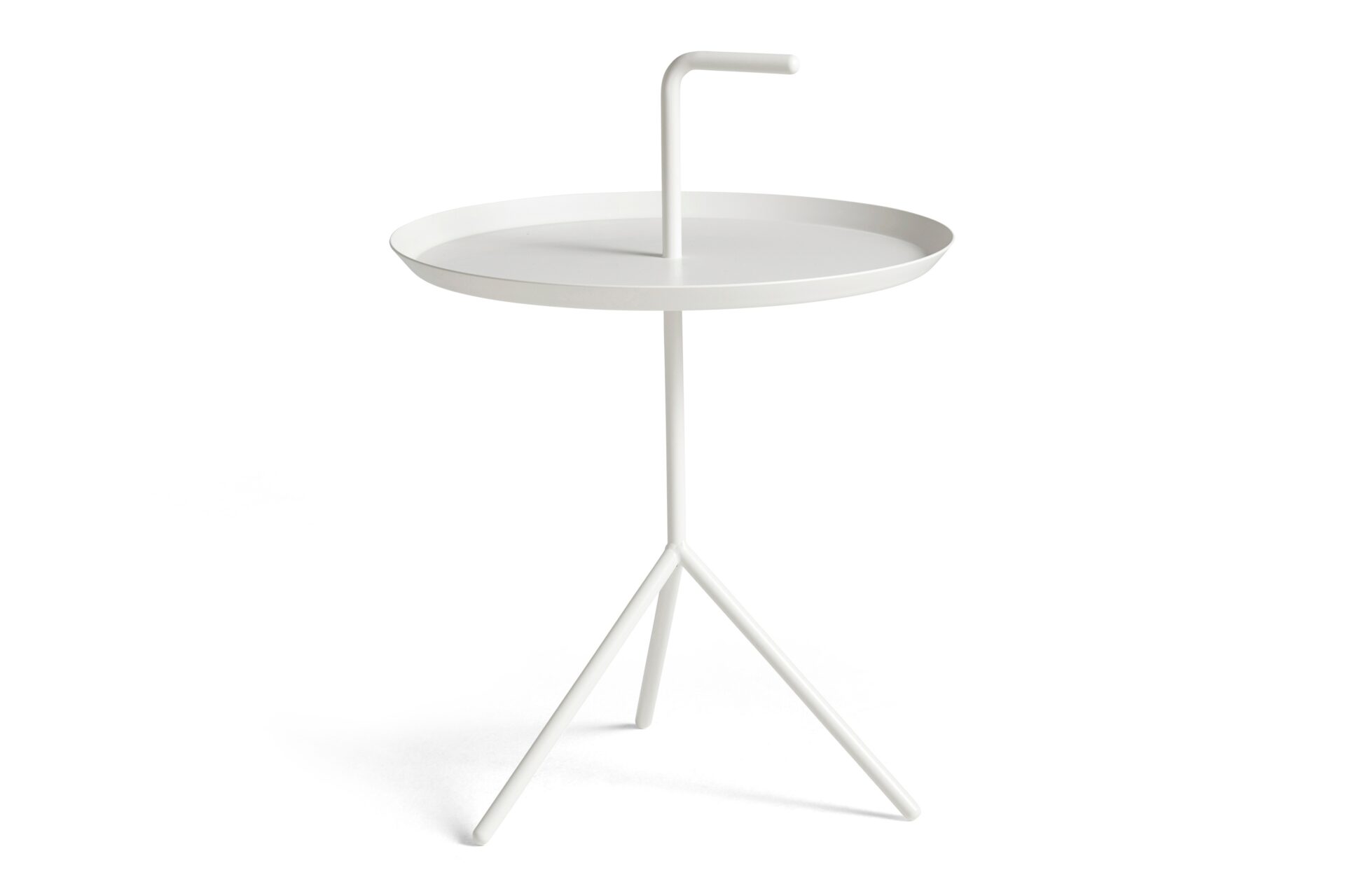
DLM table for Hay – © Hay
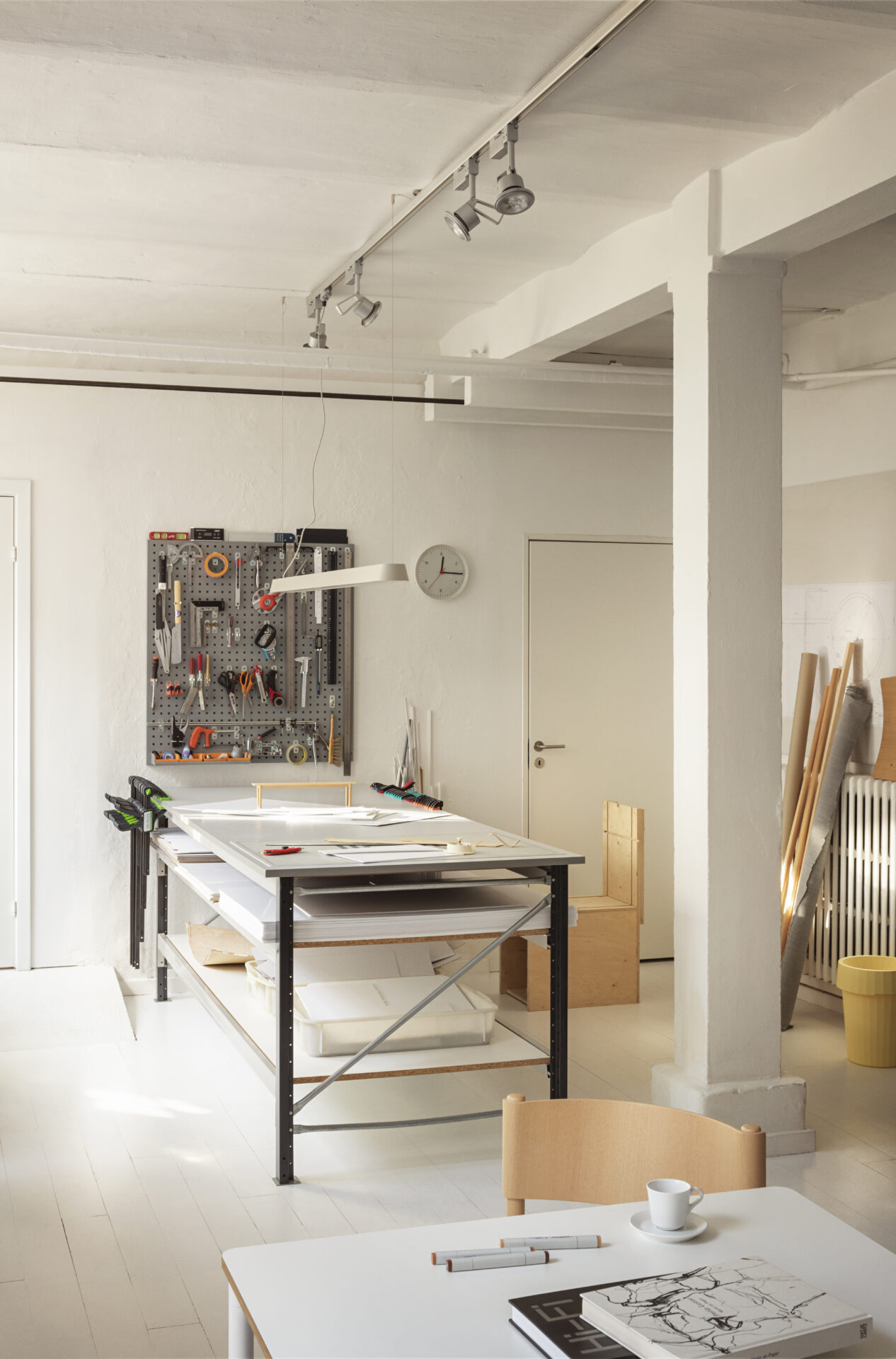
Thomas Bentzen’s studio – © Thomas Bentzen
However, while previous generations used ordinariness as a form of cultural positioning, Bentzen operates through a different prism: what remains consistent in his works is not a visual language, but a quality of technical analysis. The signature is not in the figure. it is in perfection of execution.
The strategic value of the internal perspective
This discretion and technical focus make it an ideal partner for global brands such as Muuto, Hay and Bang & Olufsen. A critical element of his success, which I discussed during our conversation, is his background as a Design Director In the army. This tenure gave him an insider’s understanding of the delicate machinery behind a major brand: distribution networks, logistics, cost efficiency and market position.
For a designer, this perspective is a strategic weapon. It allows him to enter the boardroom not just as a creative but as someone who understands the context of production. He does not see industry limitations as a limit to his creativity. he sees them as the parameters of a challenge. This synergy between a designer’s technical skill and a brand’s vision is a “magical combination.” One without the other produces either unresolved academic experiments or lifeless commodities. Thomas Bentzen’s work occupies the rare middle ground where high-end design meets efficiency.
Mapping the family tree of solutions
To understand how Bentzen achieves this level of precision, you need to examine his process, a method that is far more natural and iterative than you might expect from a designer working on such a large industrial scale. The core of his method is a kind of project mapping. When he starts a new brief, he refuses to stop at the first successful prototype. Instead, it branches into every possible variation, essentially developing a family tree of solutions.
Every length of a component, every thickness of a surface, every fine radius of a curve becomes a variable to be tested. He doesn’t just ask “Does this work?”? he asks, “Could it be 1mm thinner and still be structural?“or”Does this curve respond better to light?His studio in Denmark functions like a traditional one bottegaa workshop based on physical fabrication rather than digital rendering. This practical finesse stems from a genuine familiarity with objects that goes back to his childhood passion for model making. Sculpting and refining the prototypes by hand, he ensures that the soul of the item is not lost in the digital translation on the factory floor.
Reinterpreting the archetype: beyond innovation
A recurring theme in Bentzen’s work is the identification and reinterpretation of archetypes. It conducts a kind of historical research, looking at how objects have been made over decades and then evolving those methods through a modern lens. His Muuto table lamp is perhaps the clearest example of this theory in action. If you look closely, you can recognize all the classic elements of a traditional desk lamp: the hinges, tension springs and mechanical movements that have defined the typology for over a century.
Thomas Benzen it doesn’t try to reinvent the wheel. improves the wheel. It takes these mechanical elements and makes them more elegant, better adapted to modern production technologies and modern interiors. The result is an object that works with the reliability of a traditional tool but feels entirely of its time.
This contrasts interestingly with his side table for Hay. There, the idea is clearer: the table has a handle, designed around the specific action of carrying it. The design logic is immediately legible to the user. However, in most of the “silentObjects such as the garden chair or his other furniture for Muuto, there is no additional function that announces the idea. In these cases, the allure comes entirely from the perfection of the form itself. Surprisingly, this requires even more work when there is no trick to hide, every line has to be perfect.
The physical reality of high-tech design
Even when the challenge is technological rather than purely material, Bentzen’s approach remains grounded in physical reality. For Bang & Olufsen, a brand synonymous with high-end audio technology, he designed wireless headphones, a typology where the archetype is still relatively new and fluid.
Instead of starting with a digital CAD file, he started by casting a human ear. He needed to understand the physical reality of the human body before implementing the technology. Deriving the basic shape required for comfort and stability, he built the technology around anatomy. This is an important step from his method: whether it is a wooden chair or a piece of wearable technology, the process remains the sculpting and testing of real objects. This transparency of development is something that both the manufacturer and the end user can perceive.
The honesty of the resolved object
Ultimately, Thomas Bentzen’s contribution to contemporary design is not based on the innovation of his forms but on the honesty of his approach. It reminds us that the role of the designer in the 21st century is not necessarily to invent something completely new every season. It is to evolve what already exists to its most resolved state, to continue to improve until the object reaches a point where nothing can be taken away and nothing needs to be changed.
Bringing the intimacy of the workshop to the scale of global production, it proves that the most enduring designs are those that feel like they were sculpted by hand, even when produced by the thousands. This is the ultimate goal of his design theory: to reach a state of industrial perfection where the object feels so right that it becomes an archetype in itself, silent but deeply present.
If you enjoyed this article, explore more design theories from international designers like Daniel Rybakken or Thelonious Goupil.



