
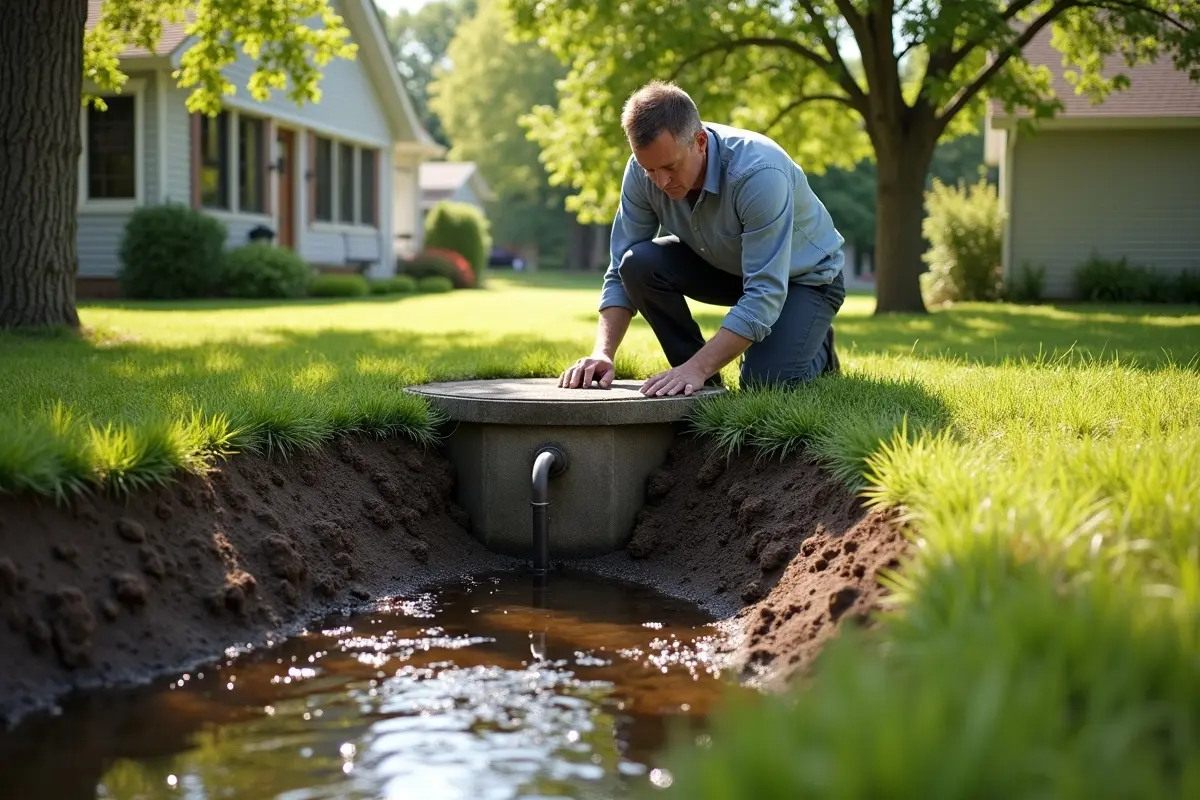

Florida’s natural beauty relies heavily on healthy waterways and vibrant ecosystems, yet these precious resources are at risk from nitrogen pollution linked to antiquated sewage systems. More specifically, nitrogen contamination from older septic systems is a growing challenge for homeowners across the state.
Understanding why this is happening and knowing how to take action are both critical to protecting Florida’s aquatic environment. Homeowners looking for practical guidance can start by learning about the benefits of a nitrogen reduction septic systeman effective upgrade that directly addresses the issue at source.
Septic systems have long been part of Florida’s wastewater treatment approach, particularly in areas not served by central sewer systems. However, as these systems age, their ability to filter harmful nutrients such as nitrogen declines, often threatening local groundwater and surface water. The growing need for solutions has spurred new technologies and policy support, offering homeowners the opportunity to make a real difference with their choices.
Awareness of the consequences of domestic sewage and practical solutions is more important than ever. In addition to individual residential properties, other types of facilities, such as commercial septic tank businesses are increasingly adopting modern technologies to minimize their environmental impact. These developments, combined with public programs, create a path for widespread improvement in Florida’s water quality.
Understanding Nitrogen Pollution
Nitrogen is an essential element in natural cycles, but an oversupply can cause widespread problems in aquatic ecosystems. Excess nitrogen flowing from septic systems often finds its way into Florida’s springs, rivers and coastal lagoons, fueling rampant algae growth.
When these algae occur, they block sunlight, reduce oxygen levels, and can even produce toxins, resulting in fish kills, reduced recreational opportunities, and threats to public health. According to the US Environmental Protection Agency (EPA), nutrient pollution is one of the most widespread and costly environmental challenges facing America’s waters.
Effects of aging septic systems
Florida is home to approximately 2.5 million septic systems, many of which lack design features to prevent nitrogen pollution. These legacy systems are often found in neighborhoods that were developed before modern environmental standards.
As ingredients degrade over time, seepage and overflows increase, and nutrients, including nitrogen, can leach directly into groundwater. In sensitive areas, this escalates pressure on springs, rivers and lagoons. A Scientific American report found substantial evidence linking aging septic systems to large-scale water degradation at sites like the Indian River Lagoon.
Improved septic systems that reduce nutrients
Upgrading to an Enhanced Nutrient Reduction (ENR) septic system supports environmental protection through multi-step processes that remove solids, grease and grease and target nitrogen compounds. ENR technology can reduce nitrogen production by 65-80%, comparable to municipal treatment plants, improving water quality and aquatic habitats.
Particularly useful in areas with high aquifers or permeable soils, some models incorporate additional filtration or constructed wetlands to support natural nutrient processing. Homeowners gain increased property value, peace of mind and future protection against regulatory changes while actively supporting local ecosystems.
Financial incentives for homeowners
Many Florida counties promote nitrogen reduction systems through grants and rebates for lower initial costs. Orange County provides up to $10,000 and Brevard County provides at least $6,000 for eligible homes near bodies of water. State and federal programs can also help make green septic tank upgrades more affordable.
Seeking professional guidance is recommended as licensed septic contractors assist with incentive eligibility and paperwork. Local governments offer free workshops and technical support. Using these resources reduces costs, provides system knowledge, and encourages community action, improving water quality in all neighborhoods.
Proper maintenance and use
Even the most advanced septic system needs regular maintenance to function properly and prevent problems. Homeowners should have a professional inspect the tank every 1 to 3 years and pump it as needed to prevent clogs or failures. Only biodegradable waste should go in, avoiding chemicals, electronics and grease. Water saving it also reduces pressure on the system, limiting the release of nutrients. The New York Times points out that proper maintenance can significantly extend the life and effectiveness of a septic system.
Owners should keep detailed records of inspections, maintenance and repairs to identify problems early and plan for future updates. Community monitoring helps neighbors report water quality issues such as algae or odors. Sharing information and maintaining responsible practices support environmental stewardship and community health.
Conclusion
Protecting Florida’s water starts with conscious choices. Using modern technology, financial assistance and responsible habits, homeowners can reduce nitrogen runoff. Upgrading and maintaining wastewater systems helps preserve landscapes, improve recreation, and secure resources for future generations. Many households taking preventive measures accelerate the recovery and resilience of waterways.
Increased awareness fosters policy changes and funding. These efforts lead by example, encouraging sustainable septic practices and innovation throughout Florida. Whether you’re new to managing a family property or upgrading and caring for your septic system, it benefits your land, the ecosystem and future Floridians.



