
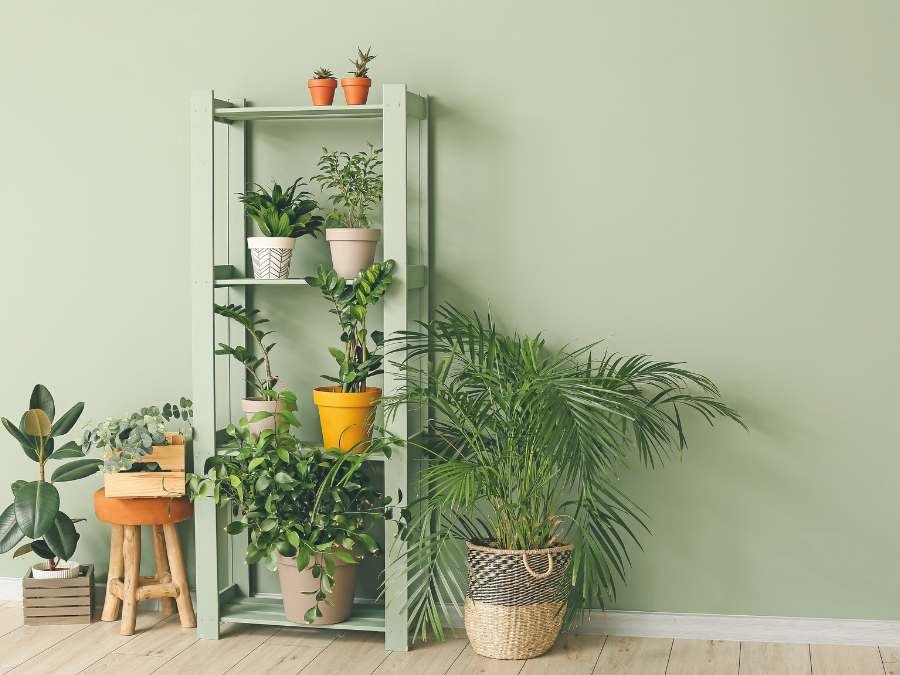

As the winter season approaches, those of us with houseplants face the challenge of providing proper care for our indoor companions. Cold, dry air and reduced sunlight can pose challenges to the health of your houseplants.

Today, we’re going to take a look at some basic tips and strategies to help you care for your houseplants during the tough winter months. Don’t worry – it’s easier than you think with some basic knowledge!
11 Tips for caring for indoor plants in winter
As winter approaches, your houseplants may need a little extra care to ensure they thrive in the season’s harsh conditions. Here’s everything you need to know to keep your plants happy during the colder months.
1. Move plants for more sunlight
As daylight hours become shorter, it’s important to reposition houseplants to maximize their exposure to available sunlight. Windowsills or other well-lit areas can make a significant difference in maintaining healthy growth.

Remember that the areas with the best sunlight in your home will shift a bit over the seasons, and adjust your plant placement accordingly.
2. Add some moisture
Do you run your heaters in the winter months? Indoor heating systems can create a dry environment, which is not ideal for most indoor plants. Try to increase humidity levels by misting your plants regularly, using a humidity tray or investing in a room humidifier.

There are many humidifier options now that look really nice with your regular decor. Just be sure to size up if you’re looking for something to dehumidify an entire room. If you’re just looking for something to accompany some plants and decor on a shelf, however, a small ornament will do just fine.
(show_shopthepost_widget id=”5091639″)
3. Move outdoor plants inside
Some outdoor plants can be moved indoors for the winter to protect them from the cold, especially in particularly cold areas where the ground freezes regularly or there is heavy snowfall. These may include tropical plants, succulents, orchidsand potted herbs. Make sure they gradually adapt to indoor conditions and try to keep them in well-lit areas.

4. Don’t panic if you see less growth
It is common for indoor plants to slow down or even stop growing during the winter. This is a natural response to reduced light and lower temperatures. It also makes caring for winter houseplants a little easier – less growth means less water and nutrients needed! Be patient and avoid over-watering or over-fertilizing to encourage growth – your plant will return to its normal self once the daylight hours and temperatures increase.
5. Losing some leaves is normal
As houseplants adjust to winter conditions, it’s normal for them to drop some leaves. These are often larger or lower leaves that the plant no longer needs. Remove any yellow or brown leaves to maintain the overall health of the plant.

6. What about lubrication?
In general, you don’t need to fertilize your houseplants during the winter months. Over-feeding your plants can lead to nutrient build-up in your planter’s soil, which can be harmful. You can resume regular fertilization in the spring when your plants begin to actively grow again.
7. Reduce watering of indoor plants
With lower light levels and slower growth, your indoor plants won’t need as much water in the winter. Plus, cooler temperatures mean that not as much water evaporates from your indoor planters. Adjust your watering schedule to allow the top of the soil to dry out between waterings to prevent root rot or any type of mold or fungus growth.

Are you leaving to go on vacation? Don’t worry about setting one up or self-watering system unless you will be away for more than a week. Any less and your plants should be fine.
8. Be aware of vents and drafts
Keep your indoor plants away from heating vents, radiators and sliding windows. Sudden temperature fluctuations and dry air from these sources can stress your plants. Vents, in particular, can cause extra dryness, while drafts blowing directly on your plant can cause blasts of cold air that many houseplants are susceptible to.
9. Wait to transplant until spring
Winter is not the ideal time to repot houseplants unless absolutely necessary. Transplanting can be stressful for plants, so it’s best to wait until spring when they’re actively growing. If your plant is visibly sick or you suspect a soil problem such as a fungus, you can repot your plant to try to save it.

10. Keep sheets clean
Dust can build up on houseplant leaves, reducing their ability to absorb sunlight and photosynthesize, which is how plants get their energy. Gently wipe the leaves with a damp cloth to keep them clean and free of dust and dirt.

11. Stay tuned to pest control
Pests can still be a problem in the winter, so continue to monitor your plants for signs of infestation. Isolate and treat affected plants immediately to prevent the problem from spreading.

This winter houseplant care tip is especially important for any outdoor plant that you can bring indoors. While pests may lie dormant or struggle to survive the cool weather outdoors, they can come alive and multiply quickly once inside and then spread to houseplants. Inspect outdoor plants carefully before bringing them inside.
Bonus tips to take your houseplants from survival to prosperity
While the previous 11 tips can help your houseplants get through the winter months in good health, you can up your indoor gardening game by going the extra mile. Here’s how to level up your houseplant game to ensure your houseplants come out of winter in top shape.
12. Get a grow light
If you find that your houseplants are still struggling to get enough light, even after relocating them by the window, consider investing in a plant. These artificial light sources mimic the spectrum of the sun and provide the necessary light for your plants to thrive. They are especially useful for plants that require light, such as succulents and some tropical species.
(show_shopthepost_widget id=”5093124″)
13. Create a DIY indoor greenhouse
To create a microclimate that’s perfect for your indoor plants, create one DIY indoor greenhouse. There are many ways to do this, including several IKEA cabinet hacks like the one you see below. By enclosing a specific area with clear plastic or using a designated shelf, you can control humidity and temperature, ensuring your houseplants enjoy an optimal environment all winter long. This method is ideal for moisture-loving plants such as ferns, orchids and tropical species.
14. Choose the best indoor plants to thrive in winter
Sometimes, the key to thriving houseplants over winter starts with first choosing the right ones. These plants are more likely to bloom in your home when the winter season arrives, requiring less intervention to thrive.
Consider indoor plants with easy care which are naturally adapted to low light conditions and cooler temperatures, such as snake plants (Sansevieria), lust (Epipremnum aureum), violin-leaf fig (Ficus lyrata), or Chinese evergreens (Aglaonema).
Winter houseplant care is easy if you follow these tips!
I hope these tips and tricks help you feel confident about caring for your houseplants as we head into the winter season. If you’re looking for more ways to keep gardening indoors during the winter, check out our posts how to force bulbs, pillar plantsand how to start seeds indoors! Or, maybe create an entire indoor space dedicated to gardening in the cold with yours DIY greenhouse?!



