

Have you ever considered using cover crops in your home garden or thought they were only for organic growers? While the use of these plants is much more common in agriculture than the home garden, these plants can be a valuable tool for the home gardener. And it’s much easier to use than you might think!

These unsung heroes play a critical role in maintaining soil health, preventing erosion and improving overall crop productivity during the colder months. Today, we’ll explain what cover crops are, why you should use them during fall gardening, and which ones are best for your home garden.
What are cover crops?
Also known as “green manure”, this is a diverse group of plants that are grown primarily to benefit the soil and ecosystem rather than for harvest. These crops are sown at specific times of the year, such as autumn and winter, to provide ground coverand protect and enrich the soil between plantings.
Understanding Crops
The primary role of cover crops is to enhance soil health and fertility. They prevent soil loss, especially during heavy rain or snow melt. Apart from improving the soil, these useful plants can also attract beneficial insectsbirds and other wildlife, promoting biodiversity in agricultural ecosystems.
Many cover crops grow quickly and densely, out-competing weeds for sunlight, water and nutrients. This natural weed control reduces the need for herbicides. Some types have deep root systems that can access nutrients deeper in the soil. These nutrients then come to the surface when the cover crop is later incorporated into the soil. For a better understanding of these unique benefits, I highly recommend checking out this articlebut we’ll look at some basics below.
Benefits of crops in autumn and winter
Crops play a particularly important role in fall and winter gardening. You can use raised frost bed covers to protect plants from the cold. Well, your soil needs protection in the cold of winter too! Crops help protect it from the erosive forces of winter rains and melting snow. This prevents soil erosion and maintains your soil structure, reducing the risk of runoff and nutrient loss.
These cover crops continue to grow and absorb nutrients from the soil throughout the fall and winter, effectively trapping and storing valuable nutrients that might otherwise be lost. When the plants are later incorporated into the soil, these nutrients are released, enriching it for the next growing season.
Choosing the right crops
It is important to consider the unique needs of your garden when deciding to use a crop. Different plants have different advantages. They have different appearance, water and light requirements and growth cycles. If you’re not sure where to start, here are some of our favorites.
Legumes:
Legumes, such as clover, vetch, and winter pea, are an excellent choice for fall and winter planting. Plants of this category have a remarkable ability to they bind atmospheric nitrogen and convert it into a form that can be used by plants. This natural process of nitrogen fixation enriches the soil with this essential nutrient, benefiting subsequent crops.
Greens:
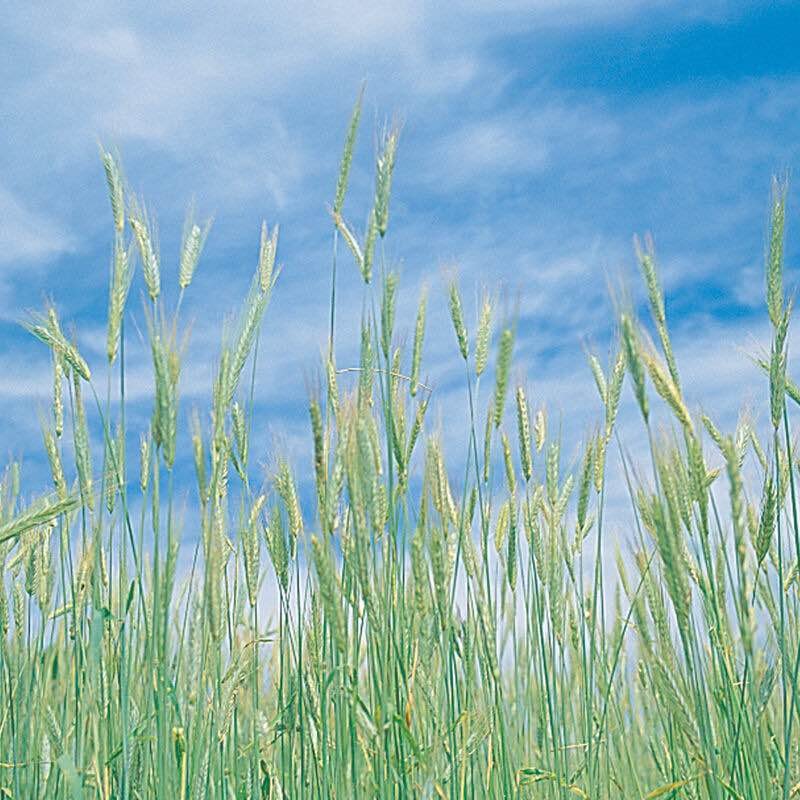
Grasses, such as rye, wheat, barley and oats, are hardy and hardy fall and winter crops. These and more drought tolerant perennials they have extensive root systems. These roots help bind soil and prevent erosion, making them ideal for areas prone to heavy rainfall or runoff. They are also valuable for weed control, effectively competing with weeds and reducing weed pressure. If you’re not a fan of greens, there are plenty alternatives to grass which are equally effective.
Brassicas and mustards:
Plants such as radishes, turnips, canola and mustards are fast-growing and versatile options for your garden. Brassicas release compounds which can suppress soil-borne pests and diseases. This makes these plants valuable for disease management and pest control. Some brassicas also have deep roots that break up soil compaction and improve aeration and drainage.
Planting and Crop Management
Once you’ve selected the right cover crops for your fall and winter season, it’s time to learn how to plant and manage them. Timing is critical when planting – aim to plant them in autumn after you do autumn garden cleaning it’s often a great time to go ahead and get the seeds in the ground or before you start planting spring bulbs.
Prepare the soil by removing debris and weeds and ensuring a smooth, level seed bed. Lightly sand or rake the surface to create a good contact with the soil. Different crops require different seeding rates to achieve the desired coverage. Usually, you can just sprinkle your seeds over your soil and tamp them down.
To manage your crops, remove any weeds that emerge during the early stages of growth. Keep it well watered and cut your chosen variety (usually before you’re ready to plant your spring vegetables) before it flowers or goes to seed. Once cut, work the plant material and roots into the soil to allow it to release nutrients and nourish the soil for whatever you choose to plant next.
Conclusion:
Fall and winter crops can be a valuable addition to any garden. While they don’t provide anything you can harvest, they can add vital nutrients to your soil, improve soil structure, help suppress weeds, and act as a natural disease and pest repellant.
Choosing the right variety can take some time – you might want to experiment with different fall and winter crops to find what works best for your garden. If you have some space after you autumn vegetable harvest and you’re not sure what to plant next, consider refreshing your garden beds with fall and winter crops!



