
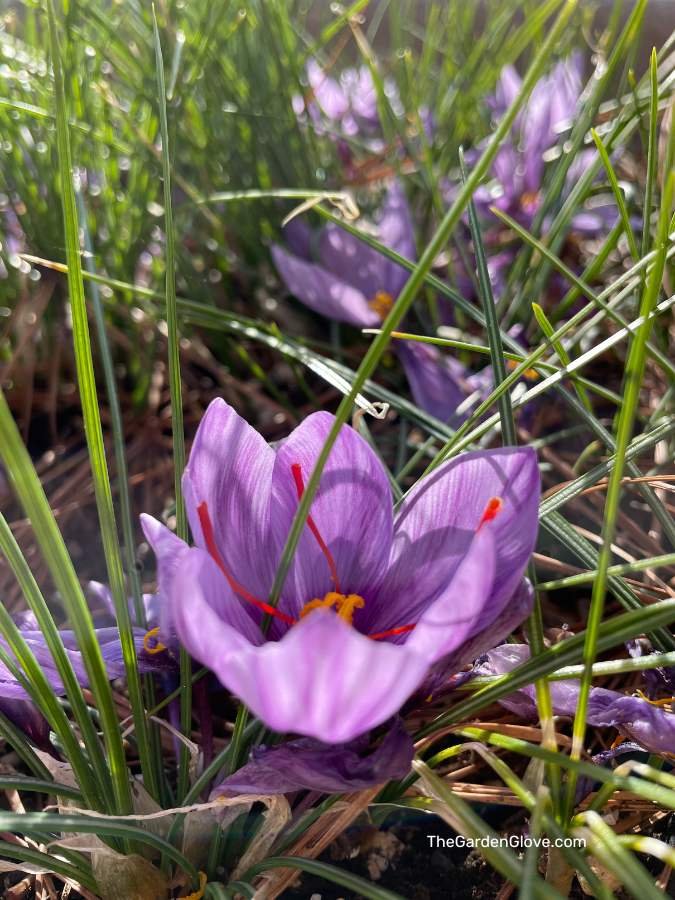

Saffron is the most valuable spice in the world, so you might be surprised to learn that it’s actually quite easy to grow at home. I know I was. So when I heard about this feature, I knew I had to try it out for myself.

This has been an enjoyable learning experience and I’m here to share the insights and tips I’ve gleaned. In this post, I’ll provide some background on this delicious, albeit expensive spice, and then detail how you can successfully grow it in your home garden.
About saffron
Saffron, often called the “golden spice,” boasts a rich history dating back over 4,000 years. Originating in ancient Persia, this luxurious spice quickly became a sought-after commodity, traveling along trade routes to Asia, Europe and North Africa. Respected for its vibrant color, unique aroma and medicinal properties, saffron has been used in cooking
dishes, traditional medicines, even as a fabric dye.
The spice comes from the delicate red spots of the Crocus sativus flower. This is the flower you see below and probably what you think of when you think of spring bulbs and cottage gardens. Each flower produces only three stigmas, which are harvested by hand, making saffron one of the most demanding spices to produce.

Today, while saffron is grown in various parts of the world, Iran is the largest commercial producer, contributing over 90% of the world’s saffron supply. The meticulous cultivation and harvesting process, combined with its multifaceted uses, cement saffron’s position as one of the most valuable spices in the world.
Why Grow Saffron?
Just the look of these cute flowers and the rich history behind them seems like reason enough to add saffron to your garden. But, if you still need some convincing, I have many more reasons to grow this lovely flower.

Saffron blooms in autumn
If you love growing spring bulbs, you’ll love growing saffron. It’s really a similar process, except you’re rewarded with blooms in the fall rather than the spring. This means that as the garden quiets down and you are tasked with its chores garden cleaning and planting spring bulbsyou can enjoy some colorful blooms!
Grow a new spice for your pantry
Most gardeners enjoy growing herbs in their garden. So you’ve probably already appreciated how rewarding it is to cook with your own ingredients. But how many gardeners do you know who grow saffron? It is rather unusual and makes a more unique and tasty addition to meals. Paella anyone?

Health benefits of saffron
Beyond its value in recipes, saffron also offers unique benefits medicinal properties. This includes high levels of antioxidants, potential cancer-fighting properties, and may even help improve mood and depression symptoms. For this reason, some even call it the “spice of the sun”.
Incorporate saffron into your landscaping
Saffron is wonderful edible landscaping plant. So, unlike many edible plants or vegetables, saffron won’t look out of place, it’s just worked into your landscaping. It is a low-growing flower, ideal for garden borders or small unused spaces.

How to grow saffron
Still here? I’m sure you’re convinced it deserves space in your garden, so let’s discuss how to grow saffron!
Choose a suitable location
The right spot can make all the difference, here are a few things to keep in mind when choosing a location for your saffron plants.
- Light requirements: Make sure the spot you choose receives 6-8 hours of direct sunlight daily. Saffron plants thrive in such conditions.
- Drainage requirements: Prefer soil that drains well. Saffron plants do not take kindly to wet conditions.
- Space requirements: While they start small, saffron plants need room to grow (multiply and spread). Aim for about 6 inches apart. For example, this photo is from the first year of flowering from my saffron, while the other photos used above were taken just a year later – a lot more flowers in just one year!
Container gardening
If ground space is limited or you want to keep your saffron plants mobile, they adapt well to container gardening. That’s how I started my saffron journey and it’s a method I can vouch for.
Planting and care
From buying the right bulbs to the actual planting process, here’s a step-by-step guide.
- Market quality bulbs: Start with healthy bulbs from a trusted source. I get mine and many other bulbs, seeds and bulbs online from Eden Brothers.
- Prepare the ground: Loosen the soil and make sure it is well ventilated. This helps the bulbs establish more quickly and is a practice I have found beneficial, especially when preparing spring bulbs and autumn vegetables.
- Lubricate: A balanced fertilizer can give your bulbs the initial boost they need.
- Planting: Plant the bulbs about 2 inches deep and 6 inches apart. This depth protects them from surface fluctuations in temperature and humidity.
Continuous Care and Harvesting
Once planted, crocus requires minimal care. However, when it comes time to harvest, a gentle touch is needed:
Harvest
The best time to harvest is in the morning. Make sure the plants are dry so the stamens are not soggy when harvesting and drying them. You can either cut the flowers or use tweezers to pluck the stamens. I choose the latter to continue enjoying the purple flowers in the garden as much as possible

Drying and storage
This is similar to how you can already dry herbs grown in your garden. Spread the saffron threads on a plate, making sure they are spaced for good air flow. Place the plate in a sunny, dry place. Once dry, store in an airtight container.
Enjoy your local saffron!
Growing saffron has been an enjoyable experience for me and I hope this guide inspires you to start your own saffron gardening journey. If you enjoyed this post, you should definitely check out our post edible landscaping for more ways to work edible plants into your yard. For more fall beauty, check out our posts on autumn planters, how to raise momsand autumn patio decoration. Want More Bulb Garden Inspo? Check out our list of bulbs to plant in Fall, then how to plant those spring bulbs. Happy gardening!



