
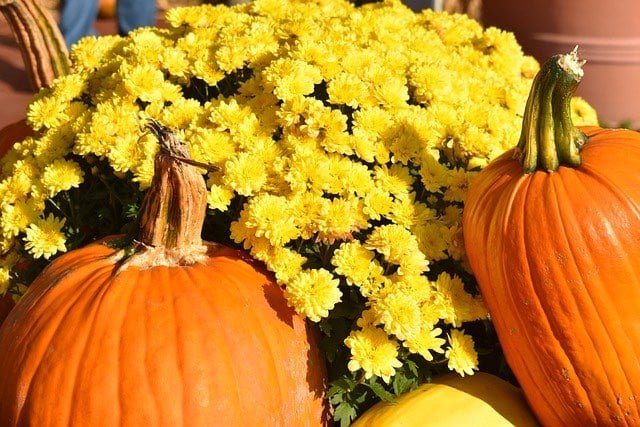

Pumpkins are delicious, decorative, good for you, and fairly easy to grow inside of you autumn vegetable garden. This guide has everything you need to grow your own delicious pumpkins, either for eating or for use outdoor halloween decorations. Read on to learn all about growing your own pumpkin at home.

Pumpkin Planting: Everything You Need To Know
Knowing when and how to plant pumpkin seeds is essential to a successful harvest. Let’s take a look at how to make your pumpkins for success!

When to plant pumpkins
Timing is of the essence when it comes to planting pumpkins, as they have specific temperature and light requirements for optimal growth. Pumpkins are warm season cropsand thrive in temperatures between 70°F and 80°F.
It is best to plant them after the danger of frost has passed and the soil has warmed. For most areas, this means planting in late spring to early summer. Check your local climate and frost dates for a more accurate schedule.

How to plant pumpkins
Choose a sunny spot in your garden that receives at least 6 to 8 hours of direct sunlight per day. Pumpkins need plenty of light to thrive. Prepare your soil by adding organic matter, such as compost or well-rotted manure, to improve its fertility and drainage.
Pumpkins prefer well-drained soils with a pH level between 6.0 and 6.8. Plant pumpkin seeds in hills or rows, with hills being a common choice. Create mounds of soil about 4 to 6 inches high and 2 to 3 feet apart. Sow 2-3 seeds per mound, evenly spaced.

Plant the seeds about 1 inch deep. If planting in rows, space them about 4 to 6 feet apart to allow enough room for the vines to spread.
The best growing conditions for pumpkins
Pumpkins are fairly easy to grow, but they have specific requirements to grow and become healthy. Make sure your pumpkins get plenty of sunlight and plenty of room.
Pumpkin vines are known for their sprawling growth, so give them plenty of room to spread out. Depending on the variety, pumpkin plants can take up 20 to 200 square feet of garden space. Make sure you leave enough space between plants and rows to avoid crowding.

Watering pumpkins
Constant watering is also essential for pumpkin growth. Keep the soil consistently moist, especially during dry periods. Water deeply at the base of the plants to encourage deep root growth, but avoid wet conditions as this can lead to root rot.
Fertilizing pumpkin
Pumpkins are heavy feedersmeaning they require a steady supply of nutrients to produce large fruit. Consider using a balanced slow-release fertilizer or organic fertilizer at planting and throughout the growing season.
Be careful not to over-fertilize, as too much nitrogen can lead to vigorous vine growth at the expense of fruit production.
Pumpkin Harvest: How to Know When Pumpkins Are Ready
Harvesting your pumpkin at the right time ensures that they are tasty, ripe and ready to eat! But how do you know when your pumpkins are ripe for picking?
One of the most obvious signs that a pumpkin is ready to harvest is its color. Ripe pumpkins usually have a deep, solid orange hue. The color should be the same throughout the pumpkin, with no green or yellow patches.
Inspect the stem of the pumpkin. A ripe pumpkin will have a dry, woody stem. When the pumpkin is ready to harvest, the stem will be hard and may begin to break near the pumpkin. Avoid picking pumpkins with green, flexible stems, as they are not fully ripe.
Gently press your fingernail or thumbnail into the skin of the pumpkin. If the skin resists piercing and feels tough, the pumpkin is probably ripe. If your nail easily pierces the skin or leaves a dent, the pumpkin may need even longer to ripen.
And finally, don’t forget the knock test! Give the pumpkin a gentle tap or tap its surface. A ripe pumpkin should sound hollow, indicating that the flesh inside has solidified and is ready. If the pumpkin sounds dull or dense, it may need more time on the vine.
Different Types of Pumpkin: Which Pumpkin Plants Are Best?
Pumpkins come in a huge variety of shapes, sizes, colors and flavors. The choice depends largely on your intended use, be it food or addition fall decorations in your yard or porchor jack-o’-lantern carving.

If you plan to carve some fall front door decorationsyou will need a traditional pumpkin with a lantern. They are usually medium to large in size, round or slightly oblong in shape and have a smooth, orange skin. And don’t worry, we have plenty unique pumpkin carving ideas if you want to get away from the typical jack-o-lantern face. Giant pumpkins is another fun and decorative option! You will need to buy seeds for a specific, huge variety like this. Keep in mind that these strains are usually not great for drinking, but rather for the fun of growing something innovative.
Pie pumpkins are smaller and rounder than jack-o’-lantern pumpkins. They have a sweeter flesh with a smoother texture that is perfect for making pumpkin pies, soups and other delicious treats.
Miniature pumpkins are perfect for decorating tables, creating centerpieces or using in seasonal crafts. Although they are edible, their small size means they are not commonly used for cooking. Consider adding them to yours autumn planters for a decorative touch!
You can also try heirloom or specialty pumpkin varieties. These offer a range of flavours, shapes and colours. Examples include Blue Hubbard, Cinderella and Red Kuri pumpkins. This “fairy tale” pumpkin it would make beautiful fall decor without even carving.
Common pumpkin pests and diseases
Like all plants, pumpkins are susceptible to certain pests and diseases. The most common pests are squash bugs, which are round, flat, brown/black insects. They feed on plant sap, causing wilting and yellowing of the leaves. Hand pick them when you spot them or use insecticidal soap.
A common pumpkin disease is powdery mildew, a fungal disease that appears as white, powdery spots on pumpkin leaves. It can reduce photosynthesis and weaken the plant. Check your plants regularly and use fungicides, sprays or remove infected leaves to manage the fungus.

Enjoy your fall gardening and pumpkin harvest
I hope these tips and tricks help you achieve a stellar pumpkin harvest to round out your fall gardening achievements! If you love all things fall in the garden, you’ll want to check out our how to grow posts broccoli, garlicand our list of vegetables to grow for a fall harvest. Then learn how to plant spring bulbs in the fall! Need inspiration on what bulbs to plant, check out our list of favorites!



