


On an 880-square-foot site in Toshima City – about the size of a generous one-bedroom apartment –Key Operation Inc. / Architects has created a building that contains shops, clinics, cafes, maisonette residences, a curved atrium, a boulder wall, a slide and a hammock net hanging in an attic void. Adjacent to the renewed Naka-Ikebukuro Park and just a two-minute walk from the east exit of Ikebukuro Station, Clerestory Garden has a total area of approximately 5,000 square feet. This ratio, nearly six to one, is not unusual for downtown Tokyo, but what Clerestory Garden suggests is a density that doesn’t read as compression.
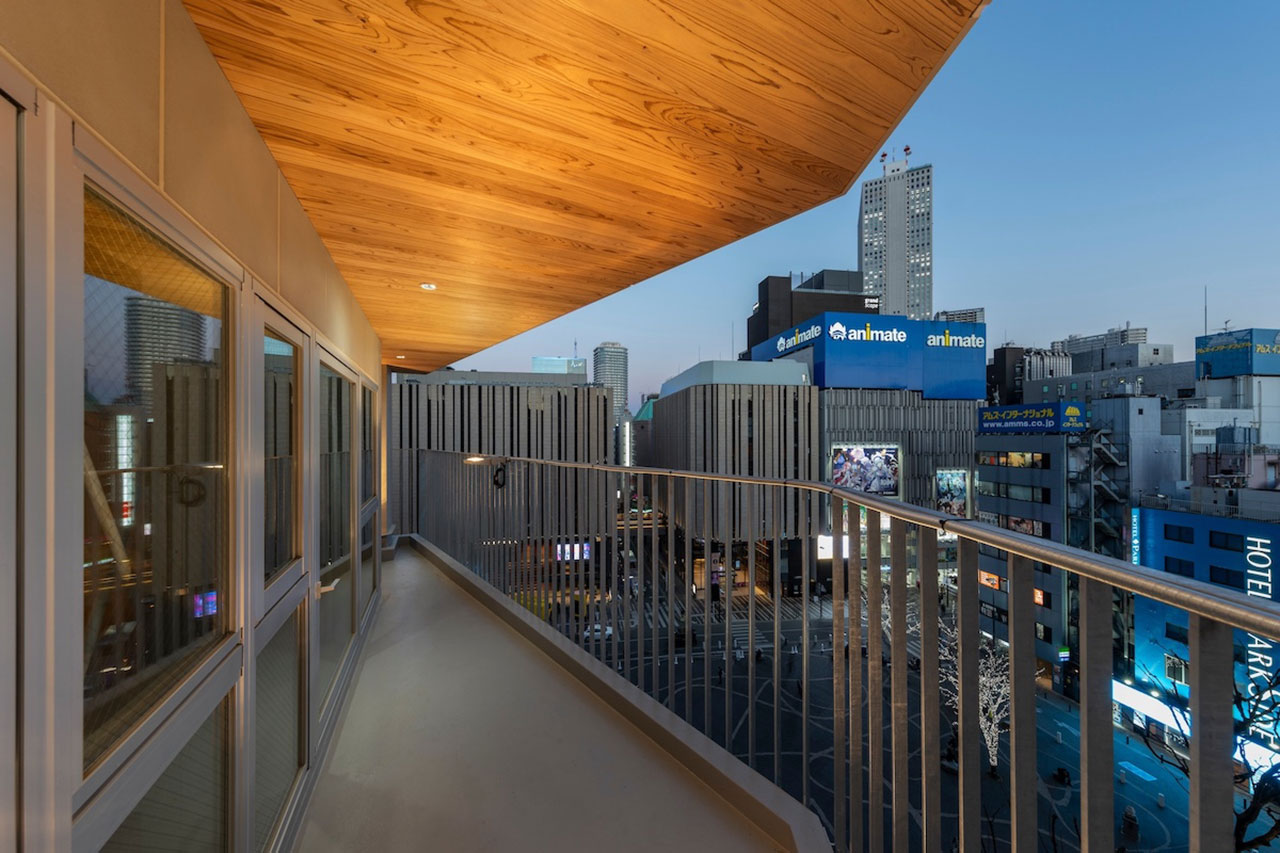
The project was designed in relation to both Naka-Ikebukuro Park and Hareza Ikebukuro, the mixed-use cultural and commercial facility that opened in 2019. Once a sandy open space, the park has been renewed as a paved square, a civic hall that recalls the character of a European square, and now supports daily cultural events. Creating a sense of continuity with this square became a central theme of the building’s facade design.
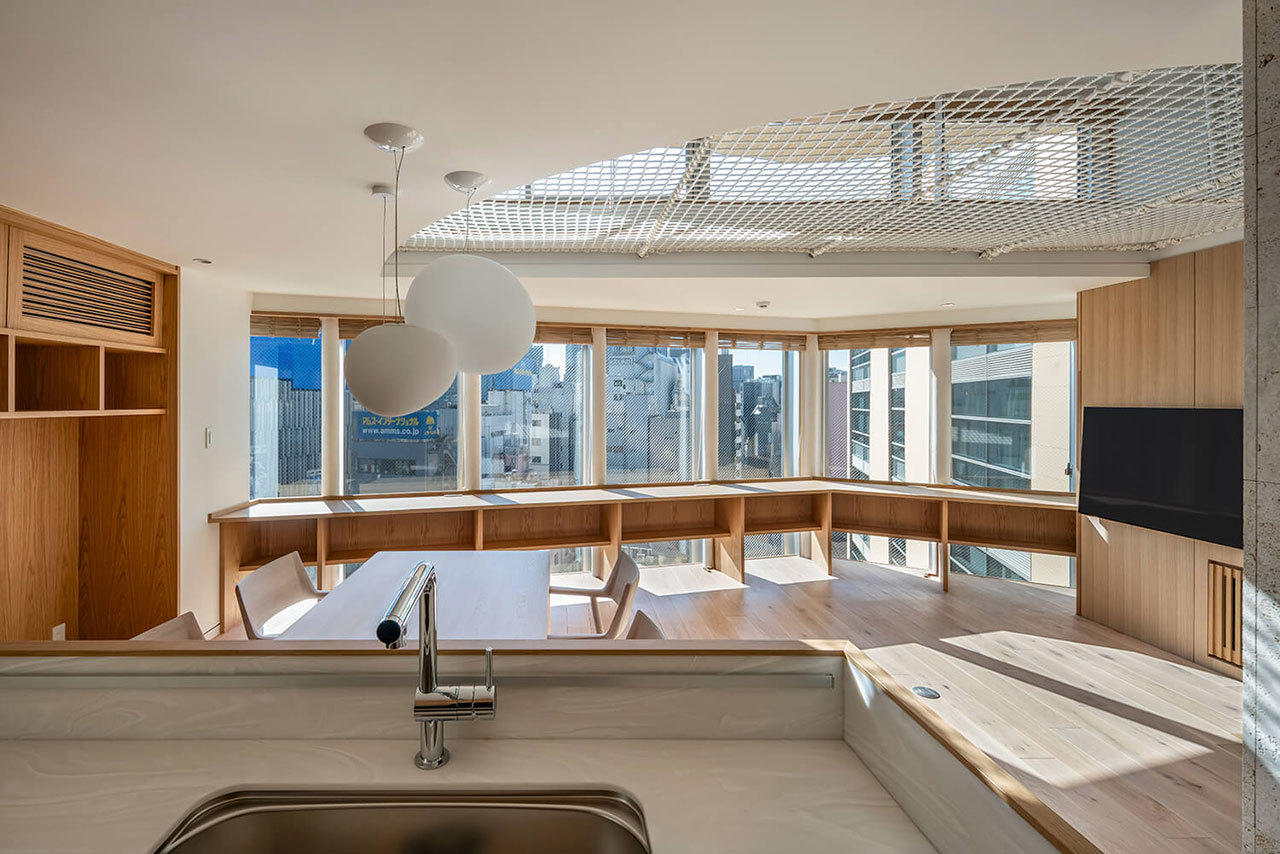
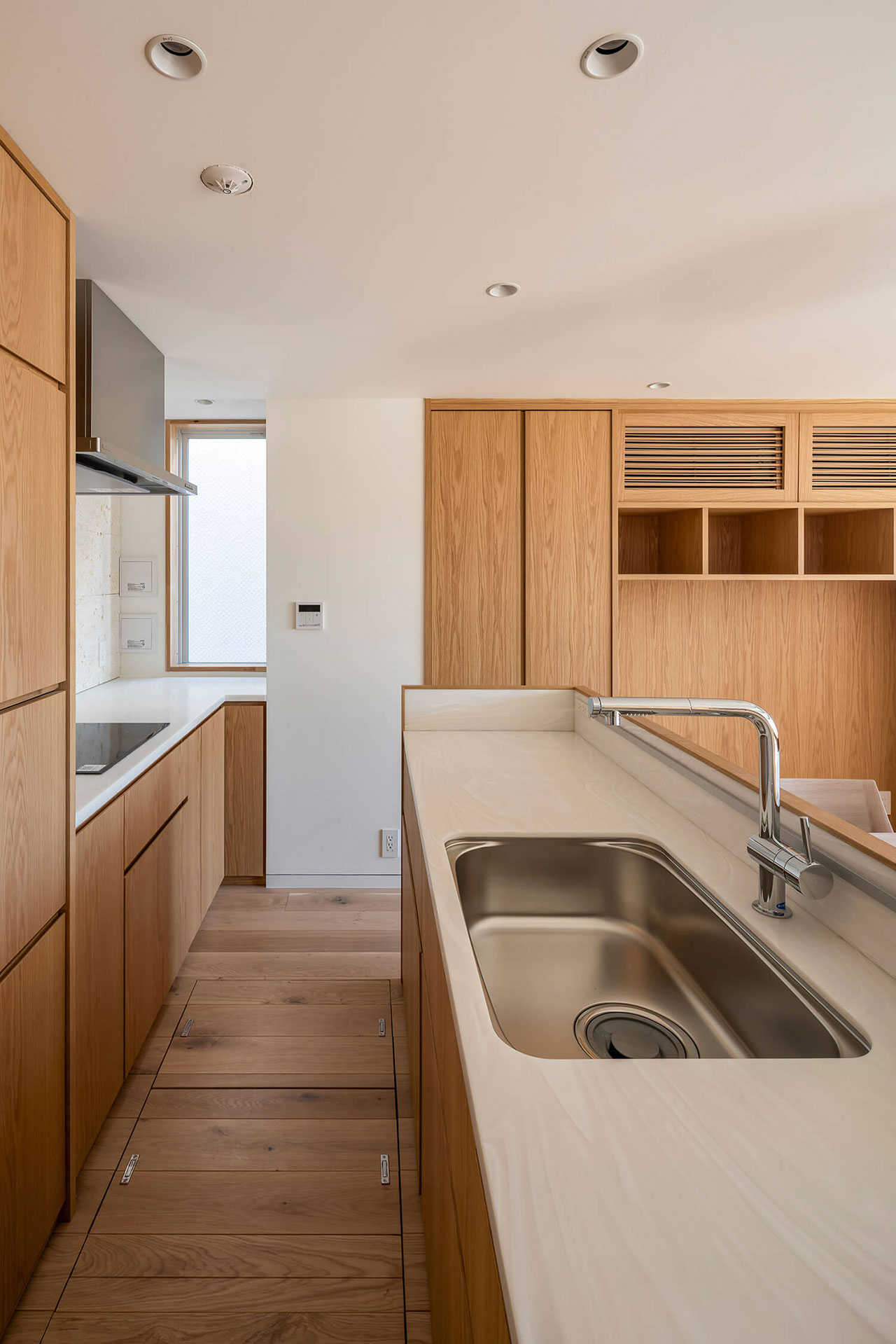
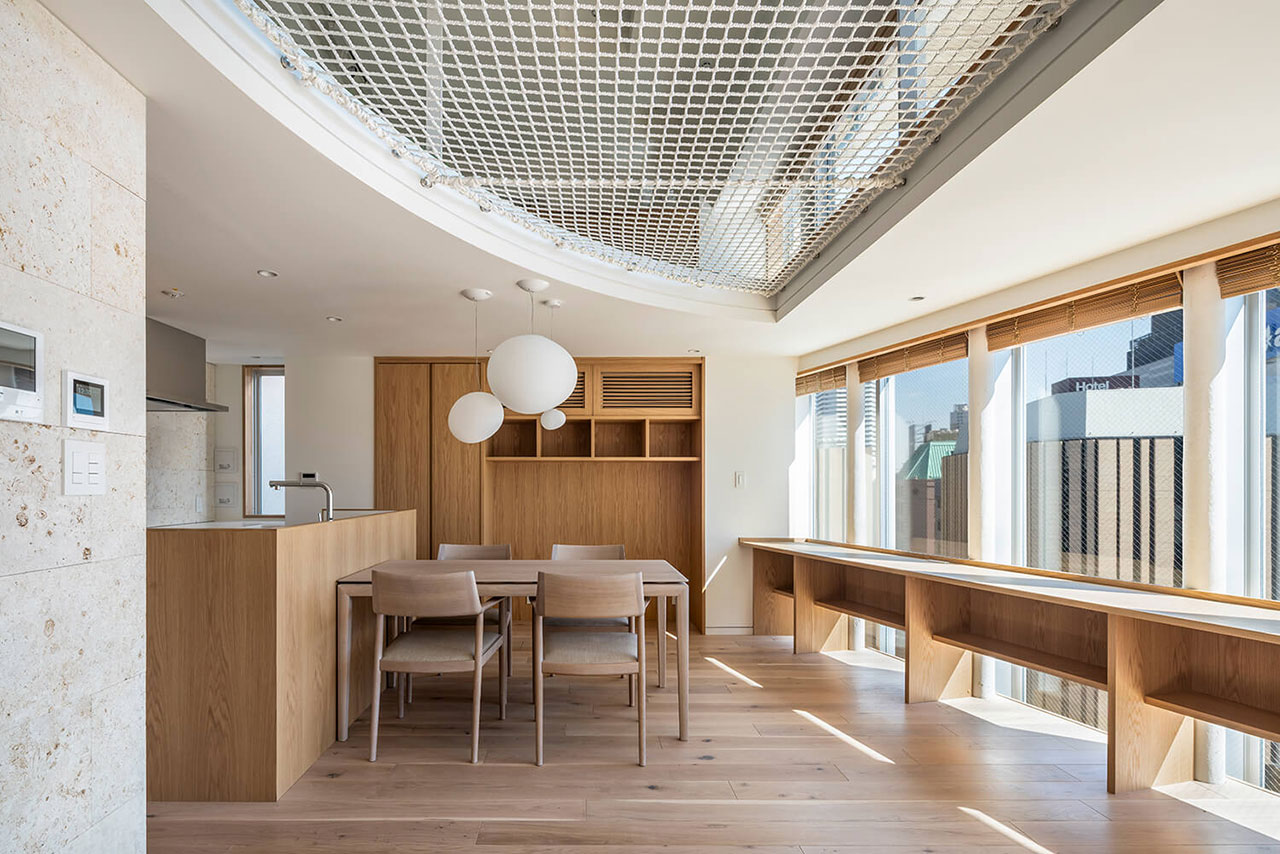
Floor-to-ceiling heights of approximately 13 feet—generous by any urban mixed-use standard—create an interior register of extensibility that the narrow site would otherwise preclude. The decision was driven in part by the site’s relatively loose height restrictions, but the move to take full advantage of that allowance, rather than simply meeting code minimums, reflects the studio’s deliberate spatial philosophy. Here, height is not treated as a residual zoning capacity, but as a tool to produce breath, light and spatial complexity within a compact urban envelope.
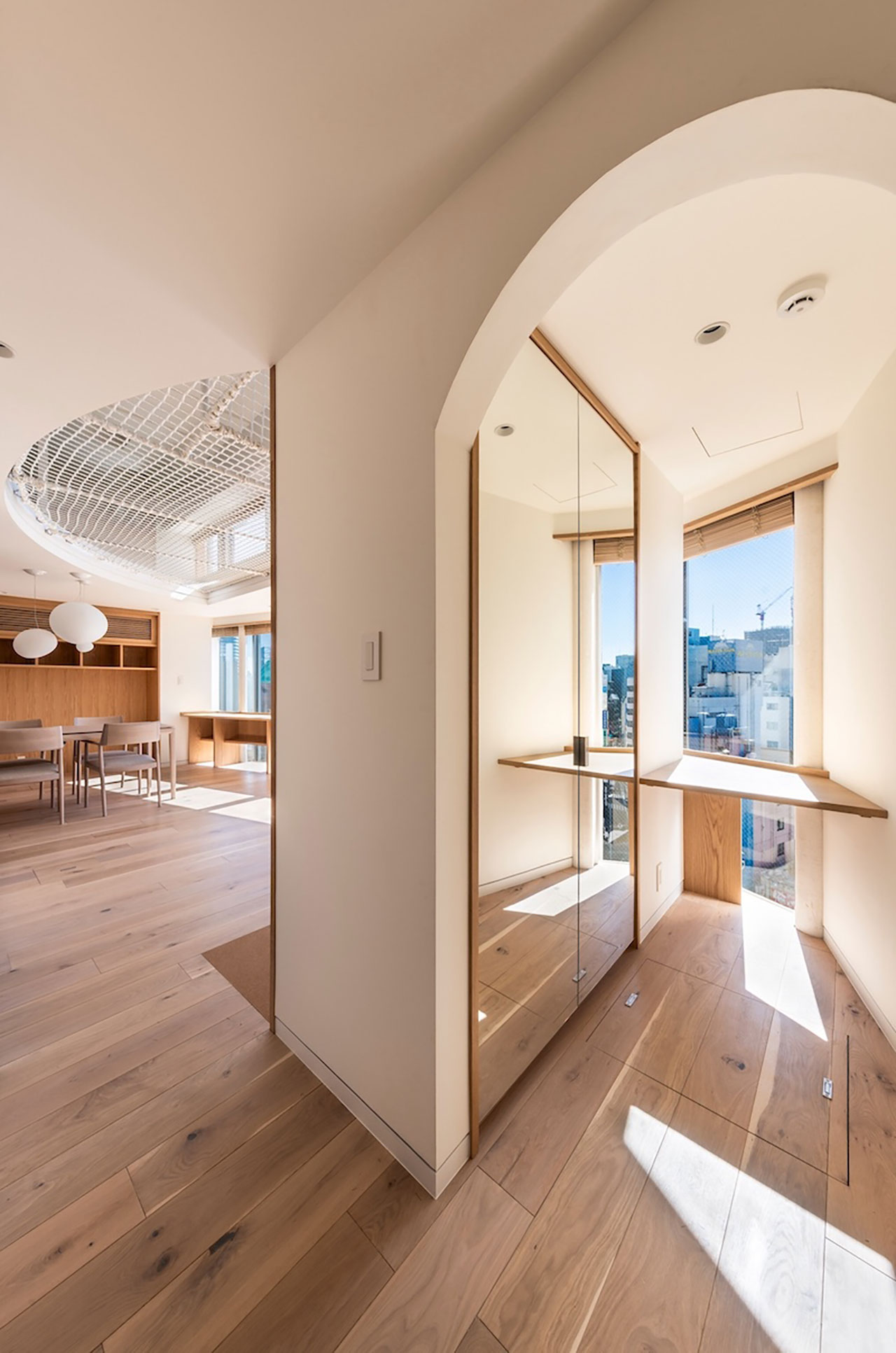
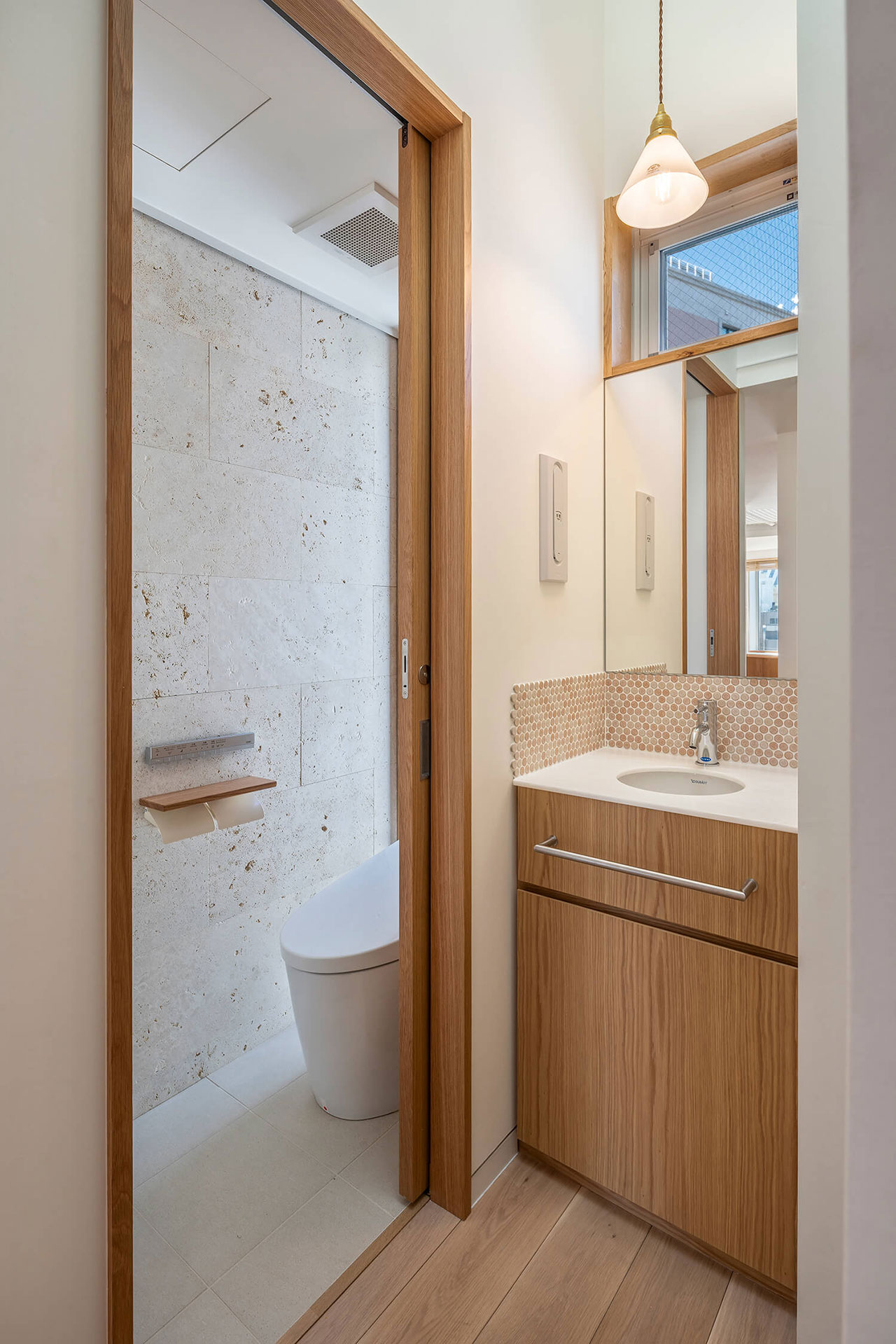
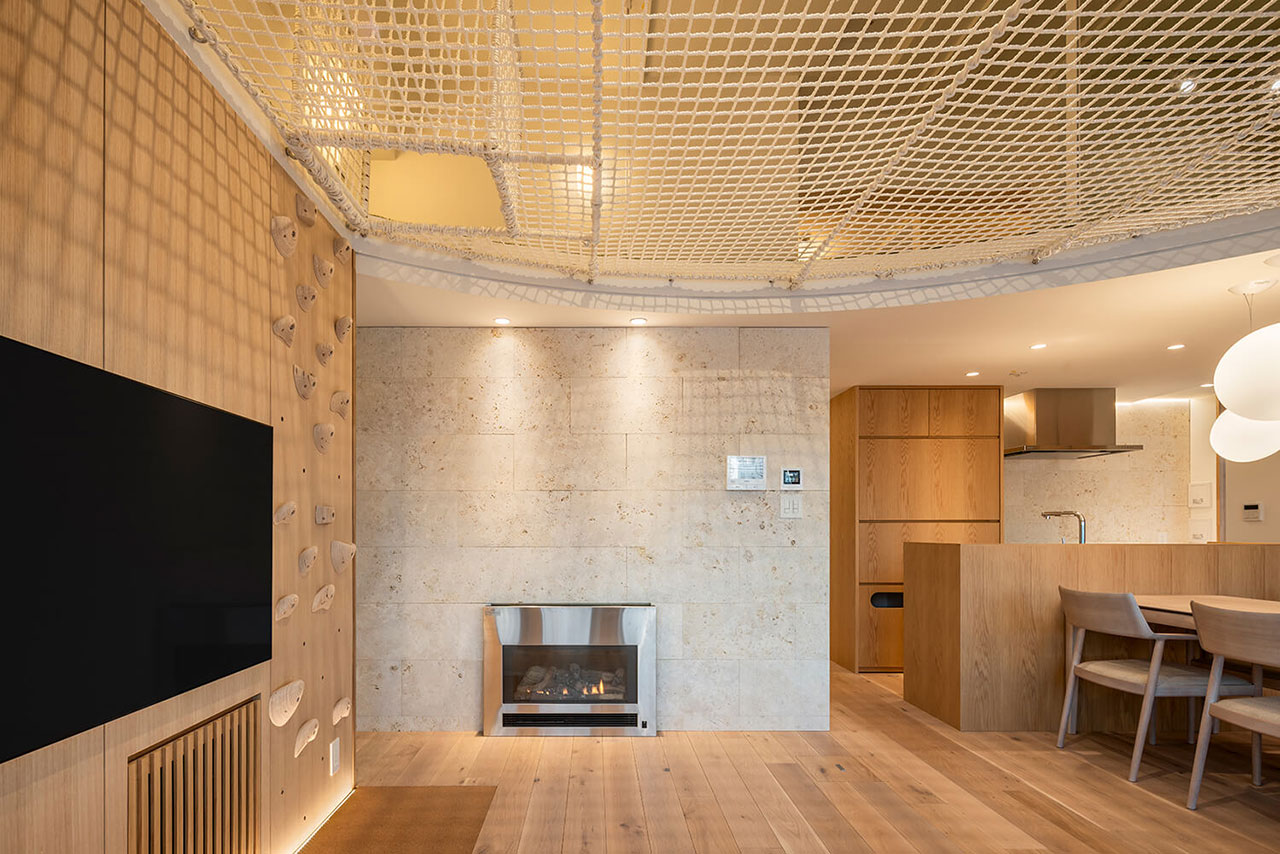
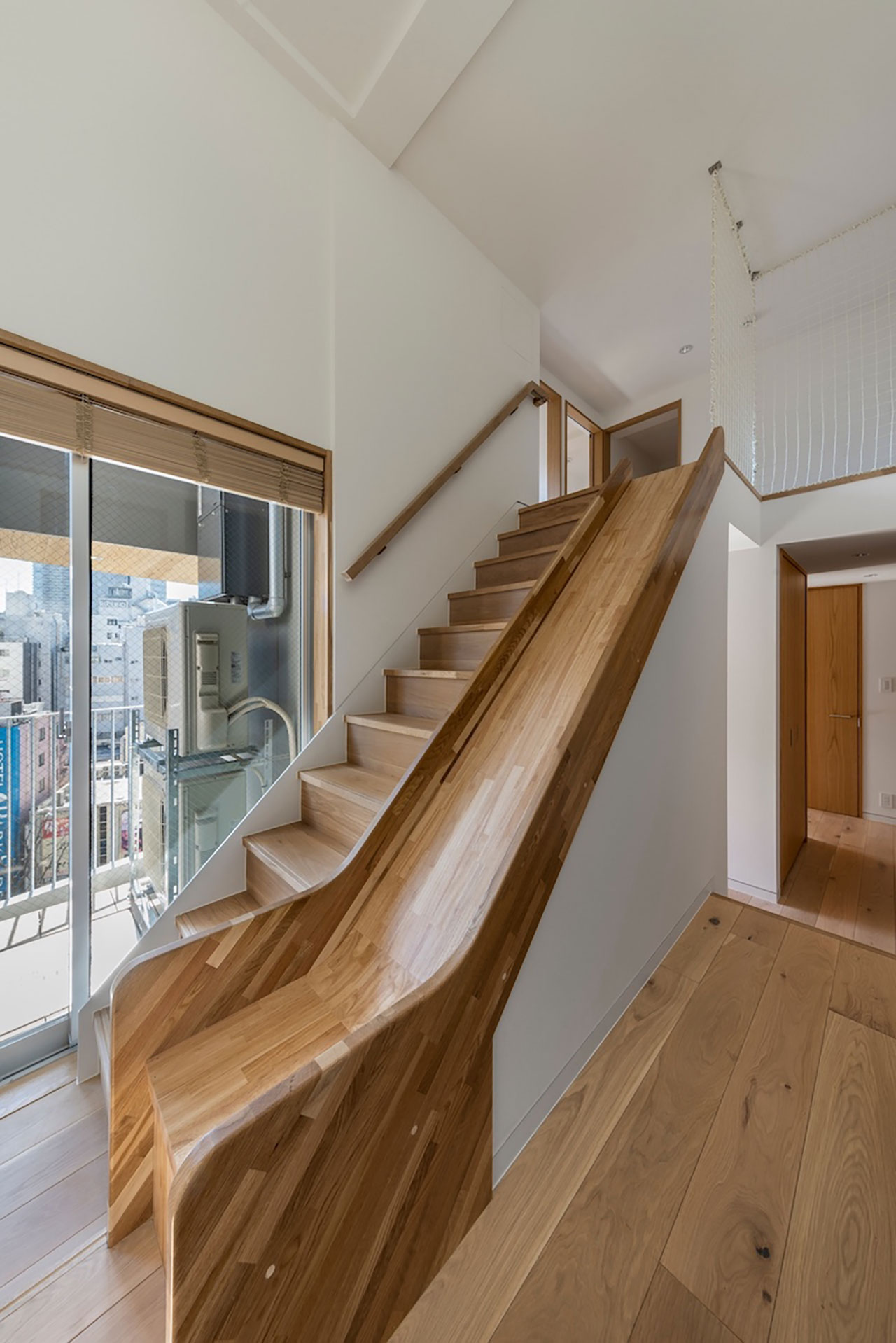
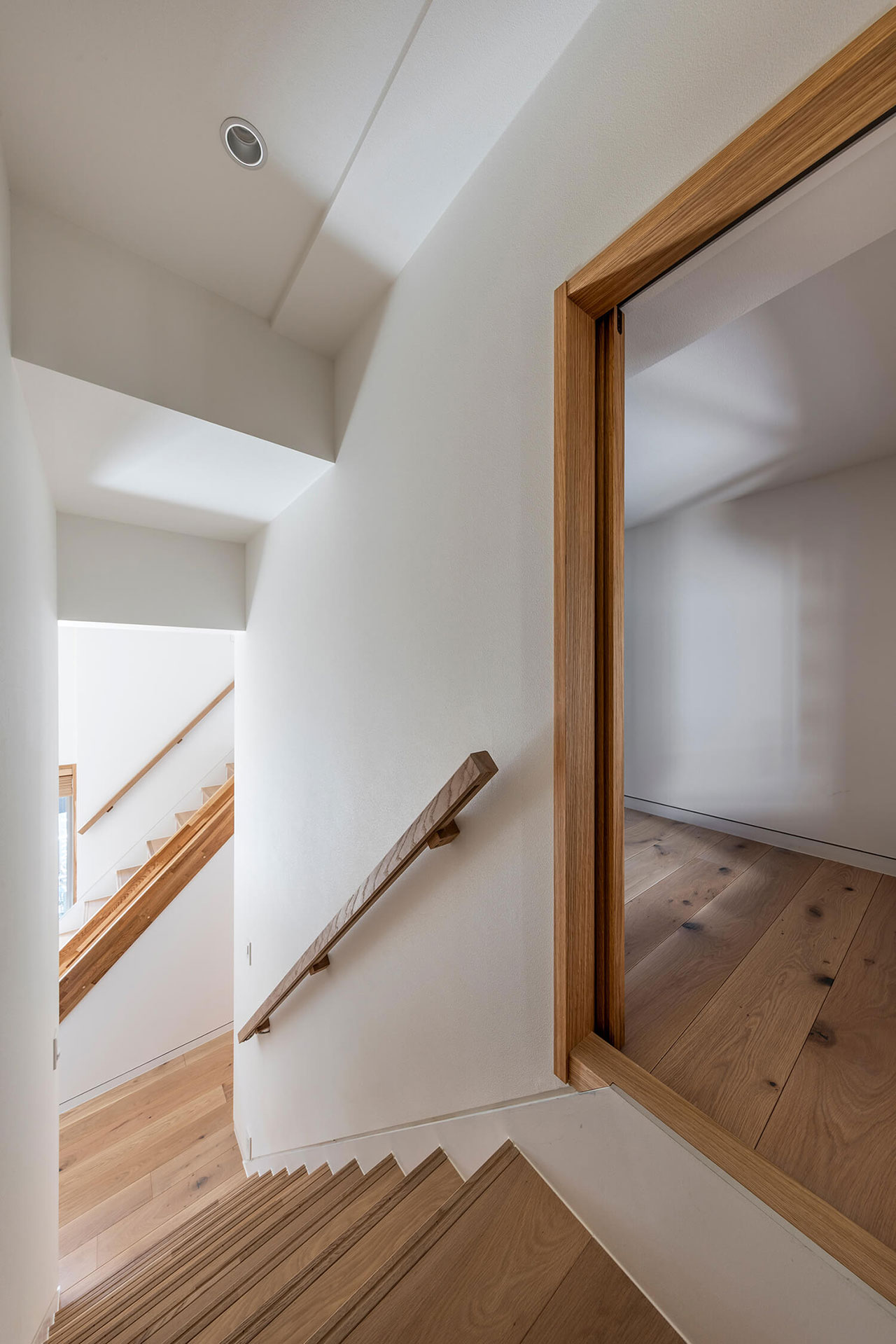
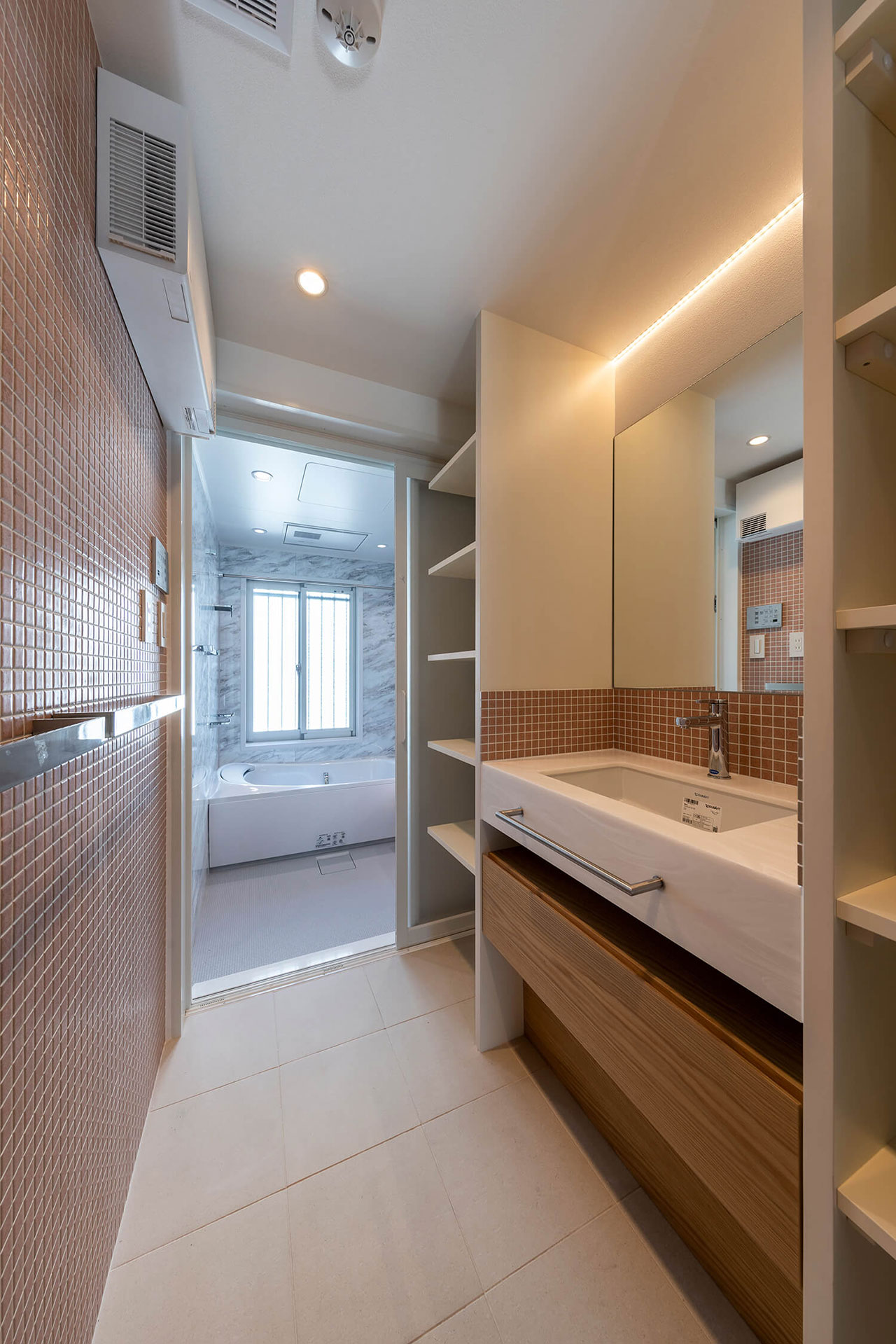
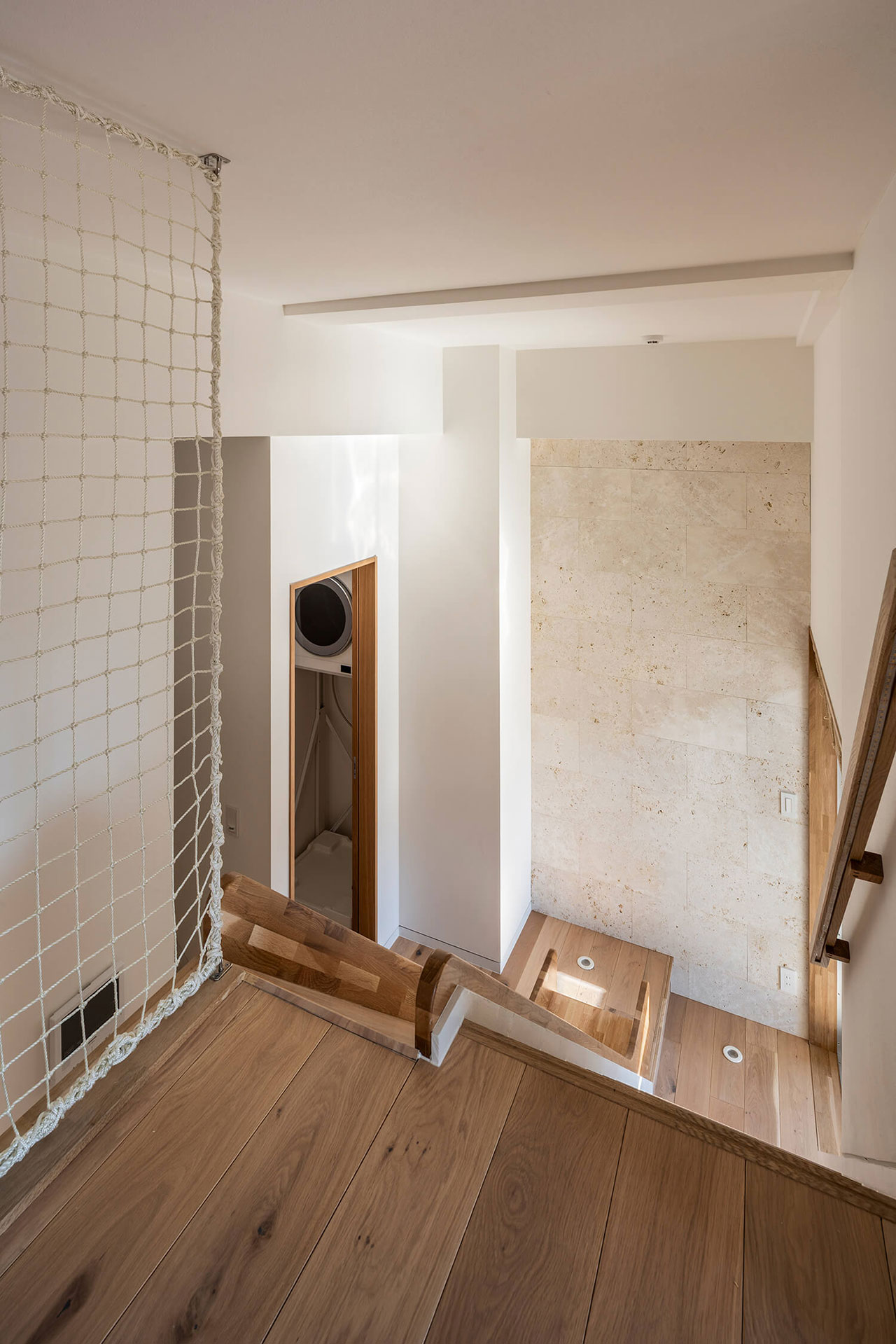
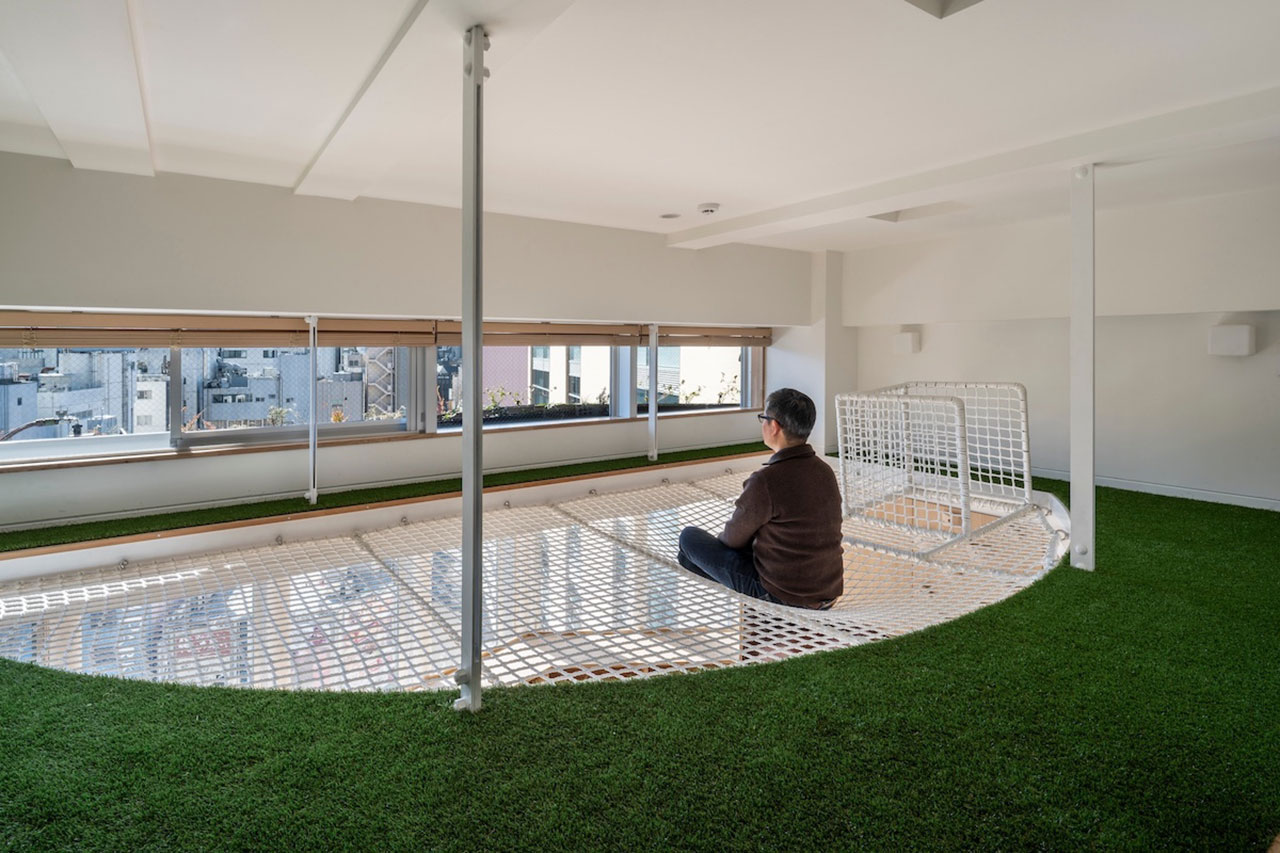
The residential levels on the seventh and eighth floors further this logic, with the maisonettes organized over two floors. The introduction of the lofts transforms each into a quartet: a four-level domestic environment compressed into a two-story envelope. Traffic becomes part of the live experience. A slide connects the levels, stairs double as spatial events, and movement within the apartment is choreographed rather than simply adjusted.
The eighth floor pushes the idea further, with a curved atrium that vertically opens up the living-dining space and a net suspended within it to create a hammock-like platform, accessible from above through the wall. Private rooms and wet spaces are arranged on the seventh floor, allowing the domestic program to unfold as a three-dimensional sequence rather than a conventional stacked plan. Below the residences, the commercial portion of the building applies the same cross-cutting intelligence. The first and second floor tenant spaces can function independently, but are also designed to be joined by internal stairs and a closet, while the third to sixth floors are reserved for shops, clinics and similar uses.
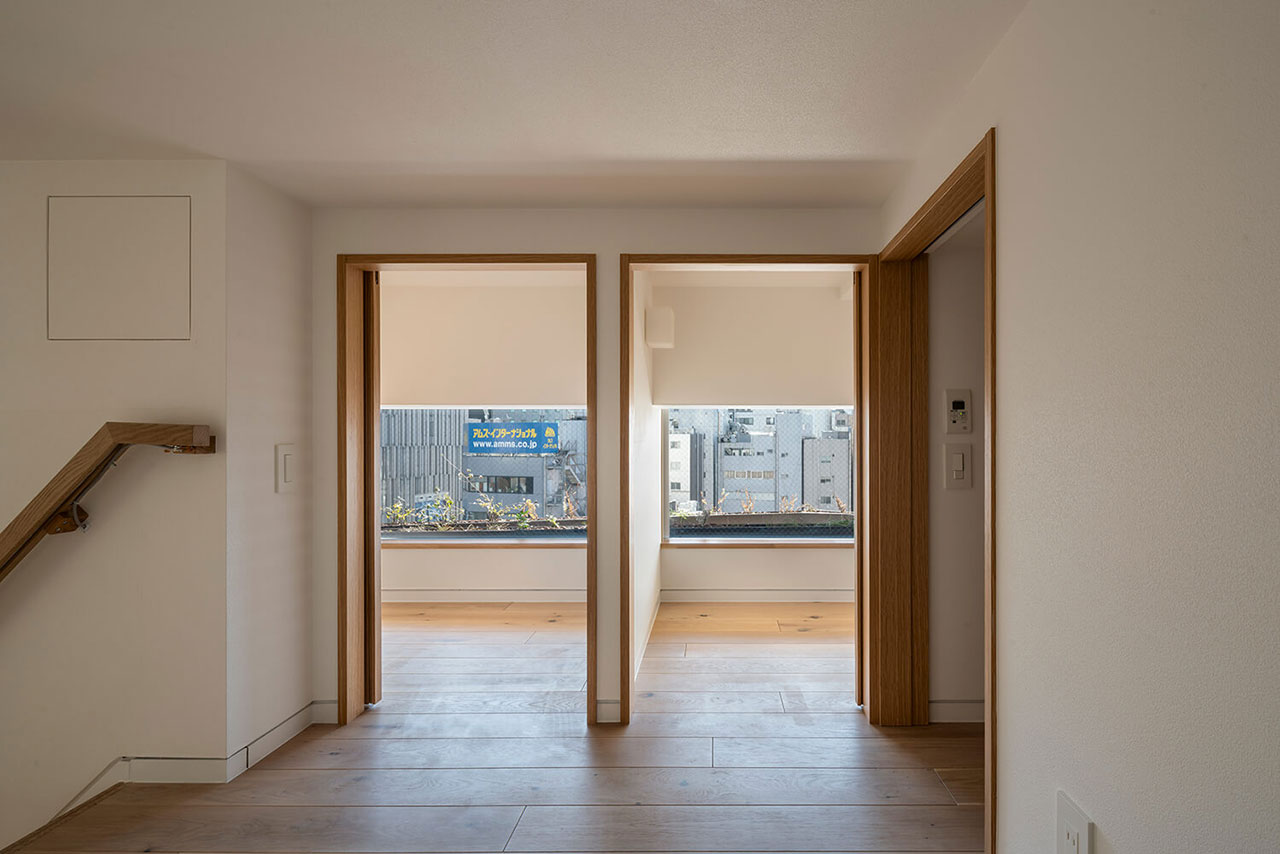
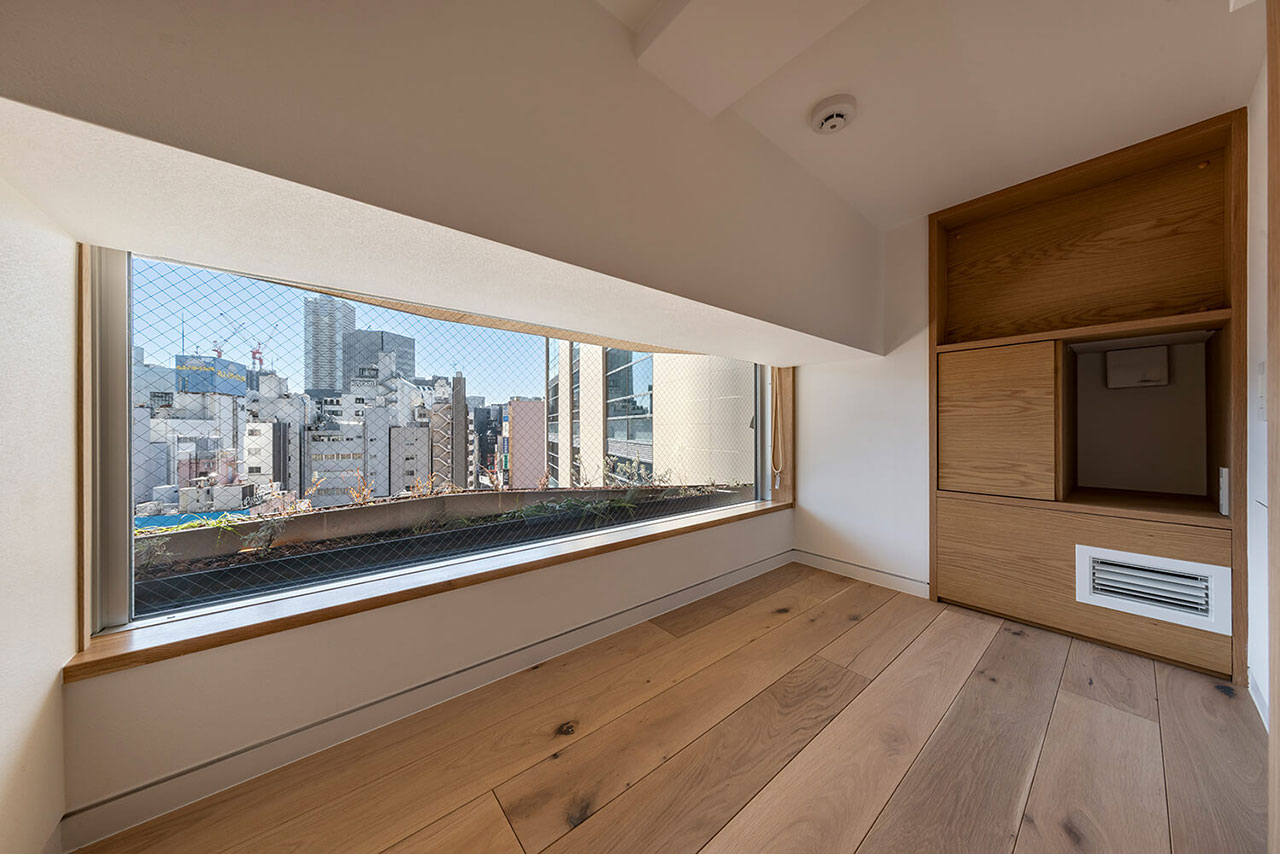
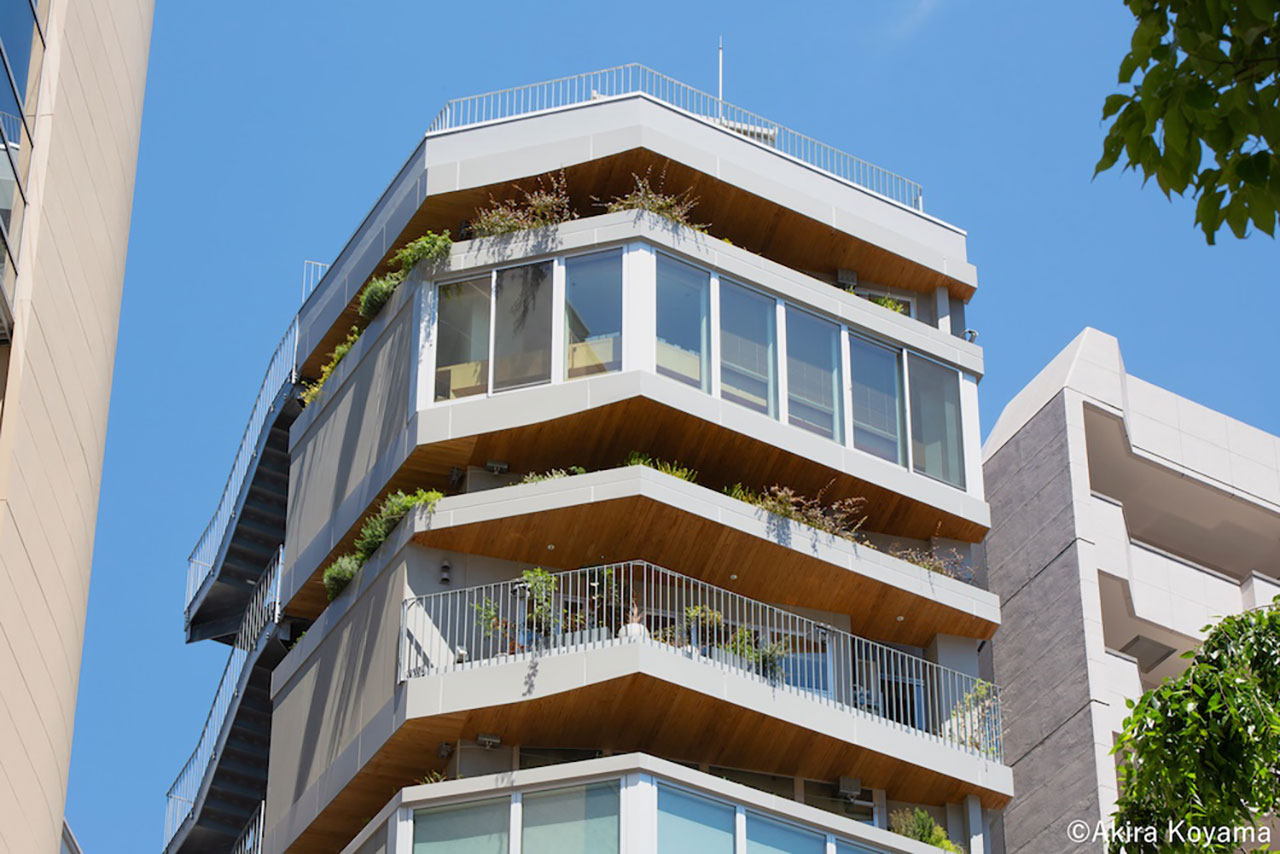
The transom gardens—three-dimensional planting installed in the approximately seven-foot-high windows and transom sections above them—create intermediate green volumes between the occupants’ interior spaces and the street. Greening the walls was considered, but the architects chose this recessed planting strategy to maintain visibility into the tenant spaces while giving the facade a softer, more verdant presence relative to the plaza. The result is greenery that is not just applied to the exterior, but spreads throughout the building itself. Recessed above a lower section that extends to the site boundary, the traverse gardens allow the building to maximize the lettable floor area while introducing porous, planted depth along the facade.
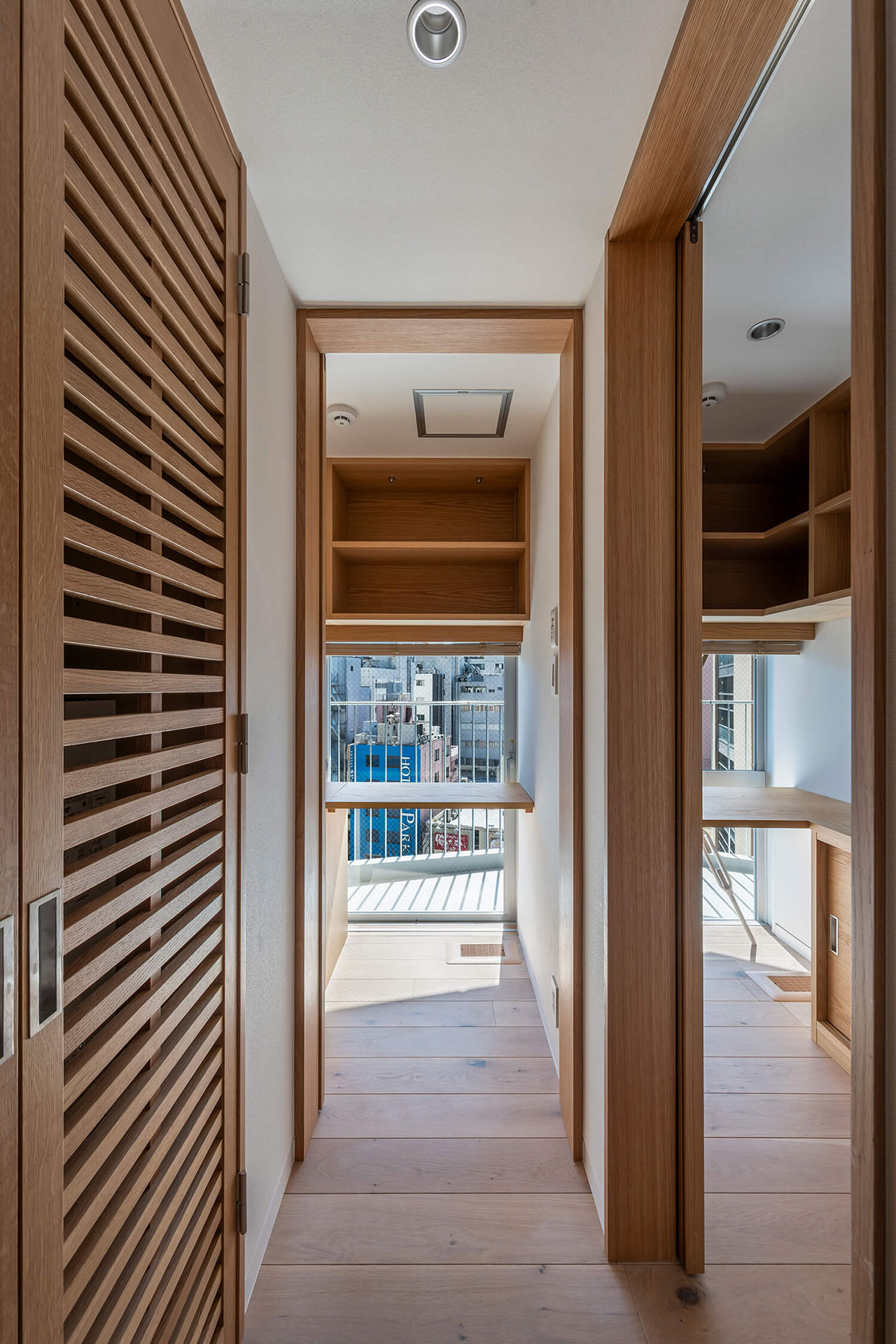
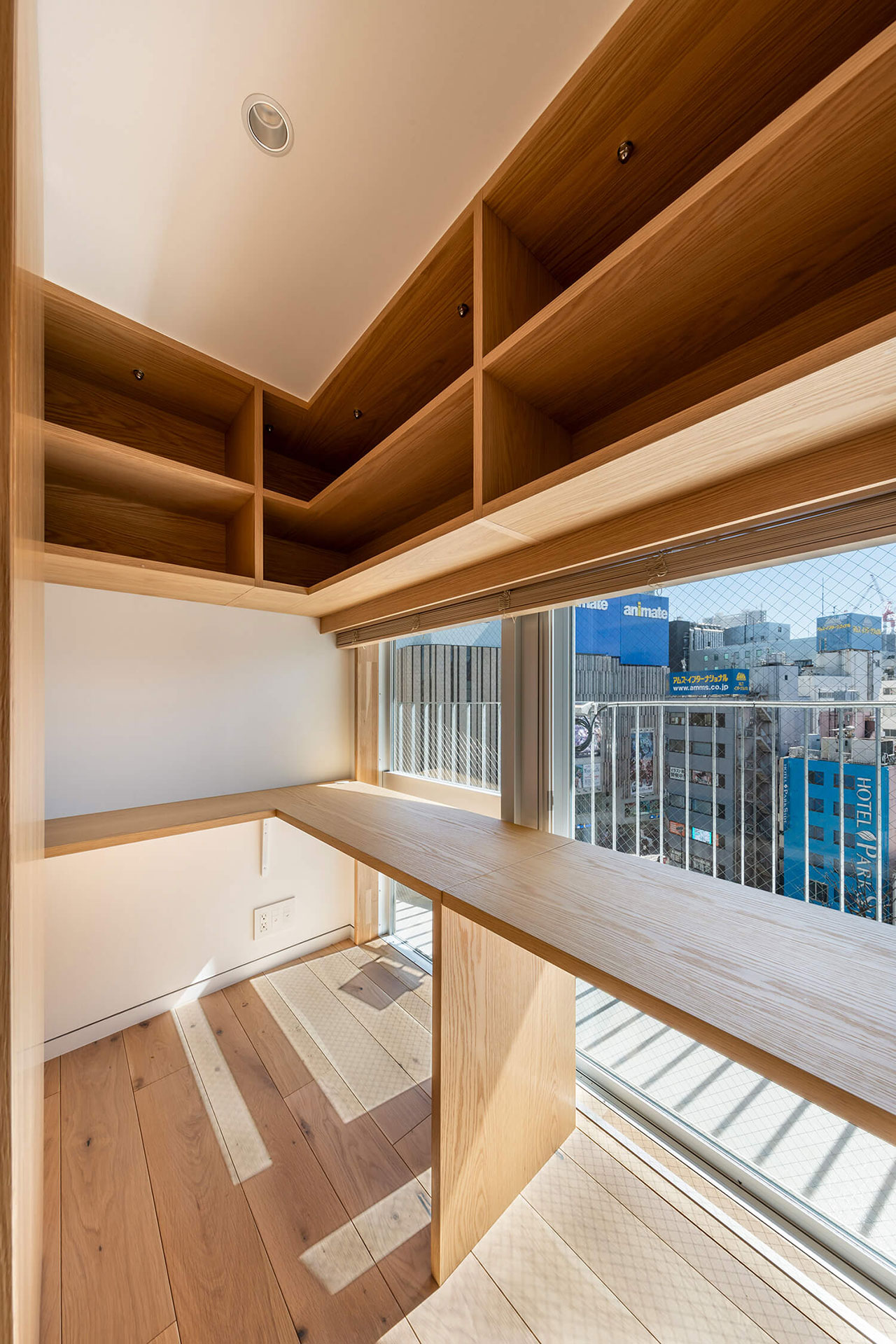
This multi-layered strategy continues in the structure of the building. Instead of matching the structural frame to the polygonal exterior shape of the space, the architects adopted a simpler central grid for cost and construction efficiency. The exterior could respond to the irregular geometry of the space, while the interior framework remained rational.
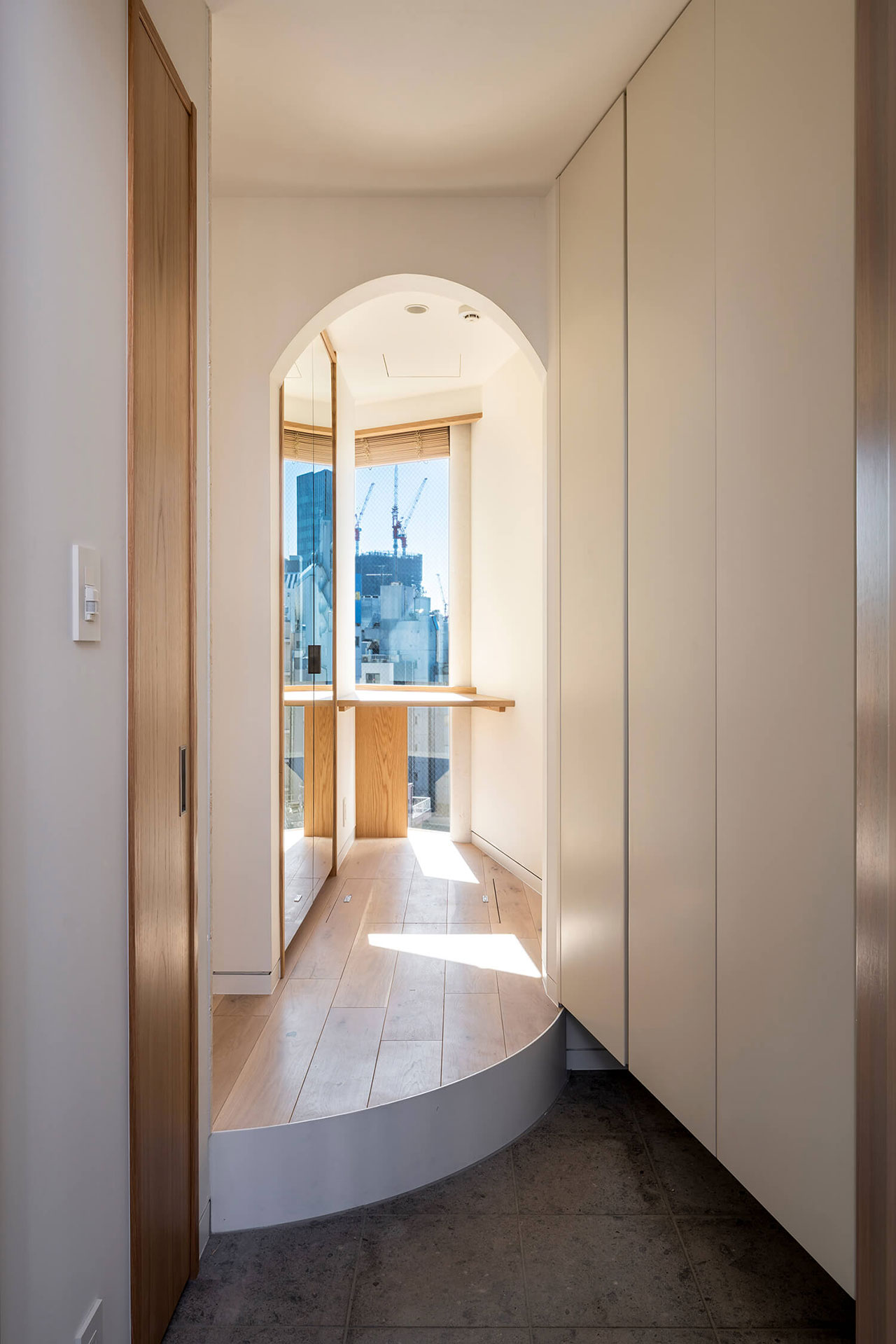
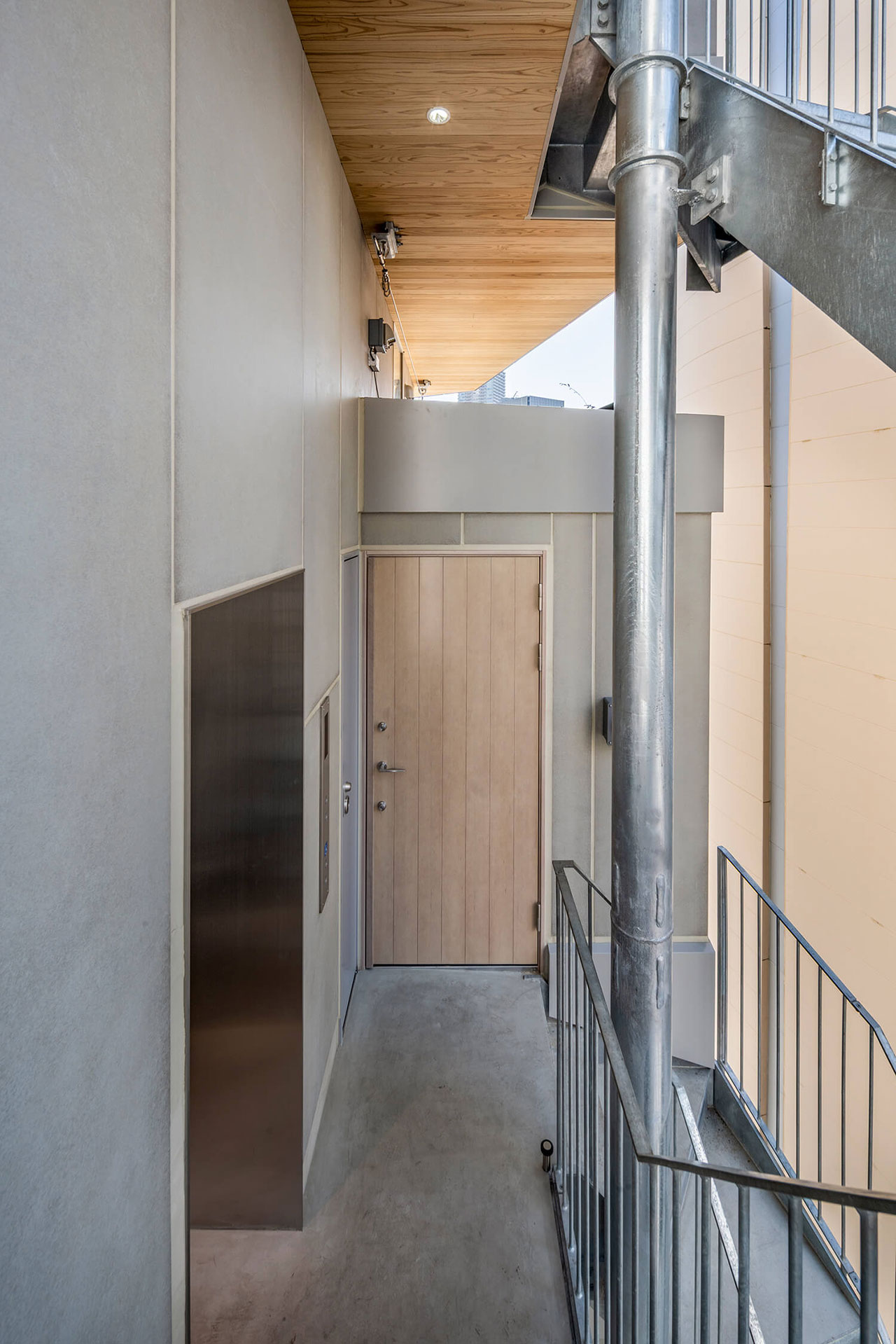
Behind the transom gardens, windows aligned with this grid form what the architects call the ‘Luce Jardin’, or Light Transom Garden, where daylight gently filters through the planting and into the interior. The timber used on the underside of the garden eaves transom creates a second facade of sorts – one experienced from eye level when looking up – lending warmth to a building otherwise defined by density, precision and urban containment.
The Clerestory Garden finally proposes a more porous model for the middle building of the city. It maximizes the floor area ratio while carving out intermediate spaces for planting, light and movement. In this way, it harmonizes with the adjacent square and the surrounding urban fabric, while producing an architecture of density that feels unexpectedly expansive.
To view this and other projects from the studio, visit keyoperation.com.
Photo by ToLoLo Studio Mayu Nakamura.




