


In recent years, design applied to medicine has increasingly shown how collaboration between these fields can help create new products and tools or improve their usability or life cycle. An example of this approach is Urifywhich combines a sanitary toilet product with an early screening system for kidney disease, devising a novel solution that addresses several critical issues.
Student Yidan XuHer work, which earned her a place as a global finalist in the Top 20 of the James Dyson Award, redefines traditional diagnostic tools to offer a homegrown solution aimed at those who do not normally seek active medical monitoring. The designer developed her research with his help Imperial College’s Advanced Hackspace and in collaboration with London Kidney Network.
Urify, Yidan Xu © James Dyson Award
Urify, Yidan Xu © James Dyson Award
Urify, Yidan Xu © James Dyson Award
Urify, Yidan Xu © James Dyson Award
The story behind Urify: a tool for accessible health monitoring
Urify was conceived two years ago after a personal experience: “My father was diagnosed with stage 3 chronic kidney disease (CKD) when the damage was already irreversible. For years, he had symptoms such as proteinuria, but continued to feel healthy: by the time of diagnosis, his kidney function had already declined by about 50%.
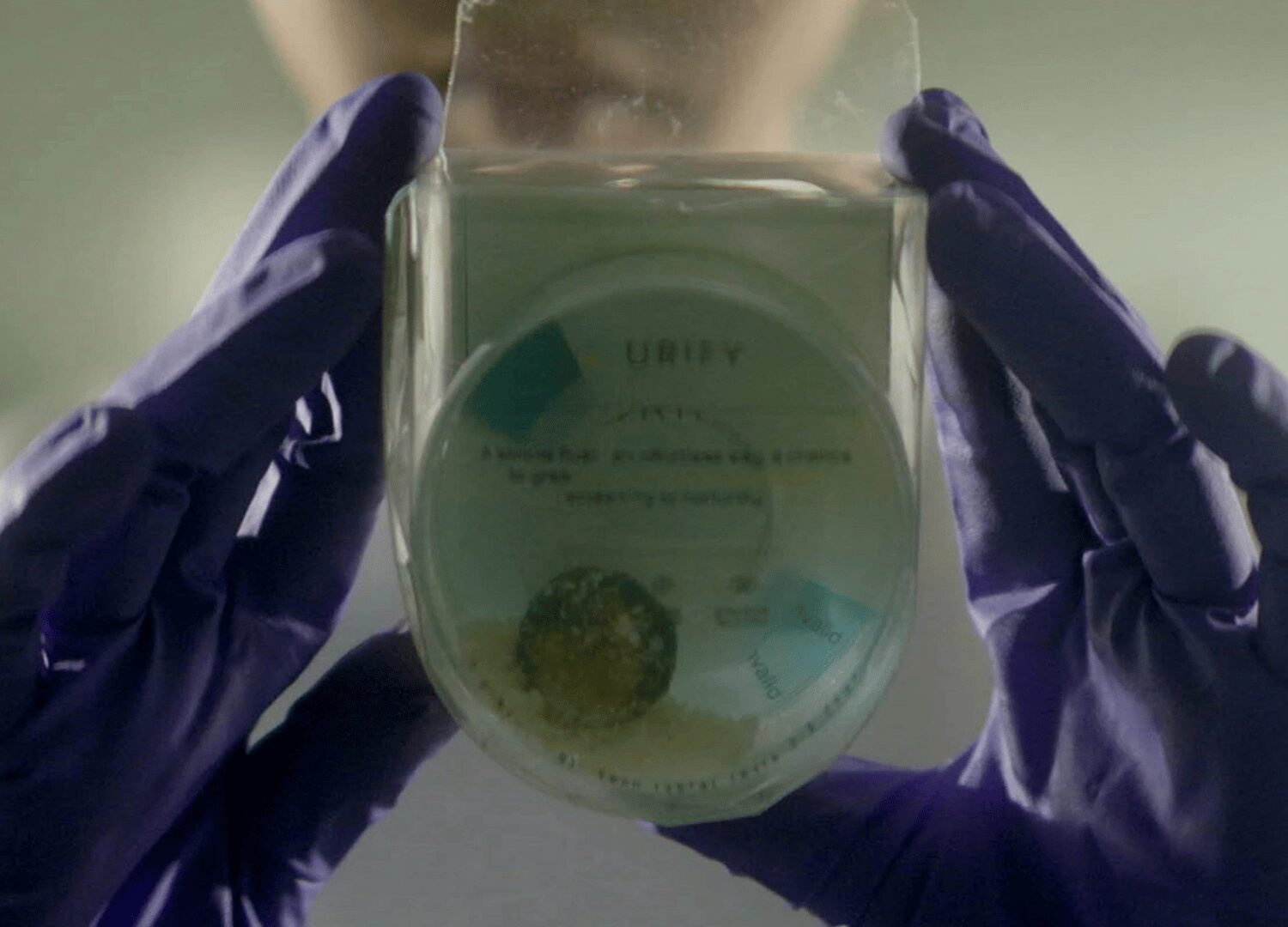
Currently, there are no early screening tools that are truly accessible to the general public, and this fact, combined with his father’s diagnosis, led Xu to understand why CKD often goes undetected until its advanced stages, resulting in increased cost and complexity of treatment. This is where the idea for Urify came from: it’s a toilet cleaning tablet that, by interacting with urine, also helps in the early detection of kidney disease. With each flush, it releases a reagent capable of detecting urinary albumin, one of the best early indicators of kidney damage.
A system as simple as a toilet cleaning tablet
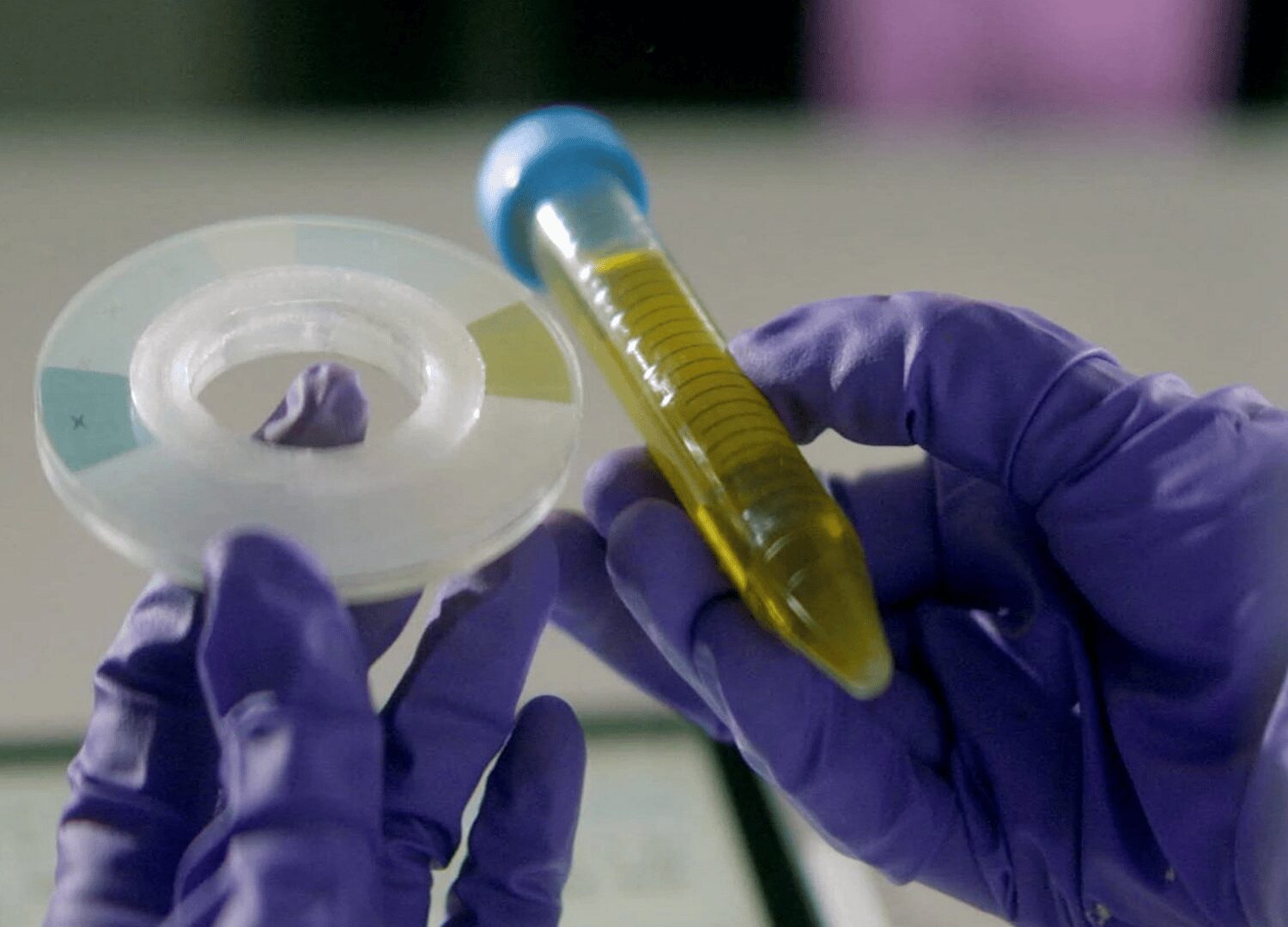
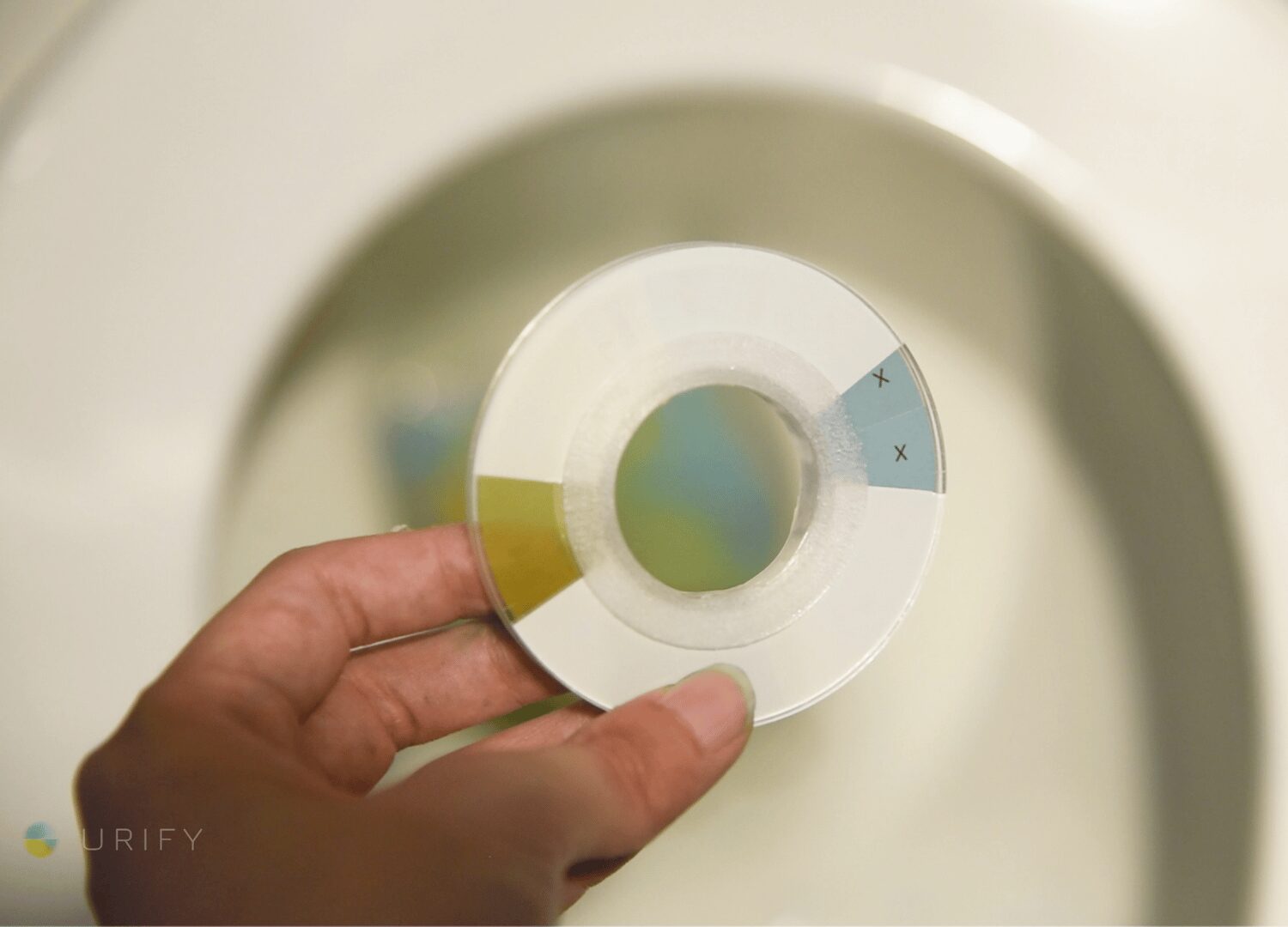
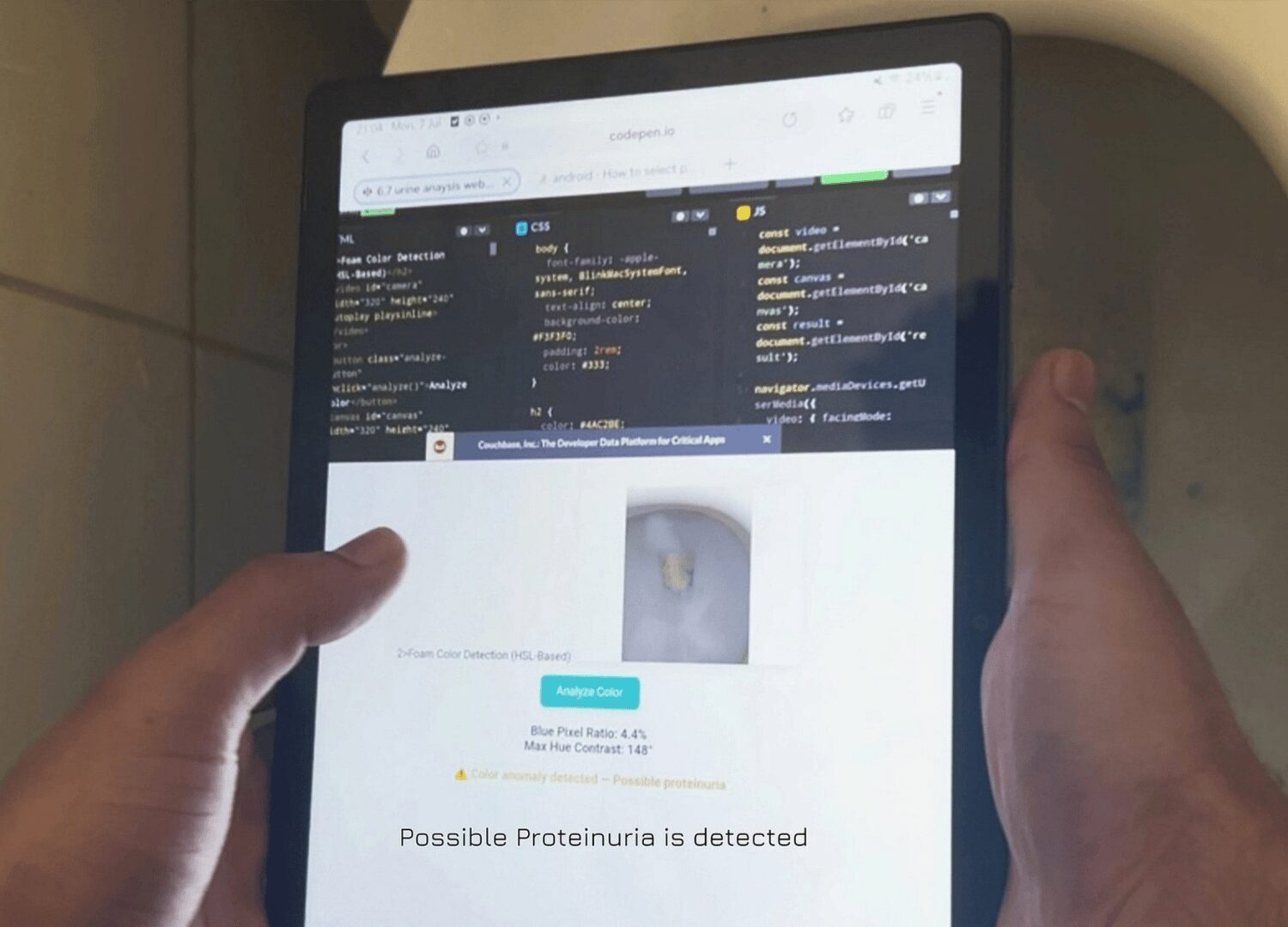
The system consists of two components: the tablet and the Color Visual Assistant. The first works like a standard product, it attaches under the toilet rim and releases a floating foam with each flush. When urine comes into contact with the foam, the increased levels of urinary albumin cause a visible color change from pale yellow to blue. Even if there are no symptoms, this signal alerts the user to the possible presence of kidney abnormalities and encourages them to consult a healthcare professional. The product is designed to be used once or twice a year and each tablet lasts 3-5 days.
A complex research process shaped through collaboration
The development process took six months and combined technological experimentation with user research, expert consultation and chemical testing: from the start, Xu realized that it was necessary to provide people with a solution that could be integrated into their existing routines, making it easier to use and encouraging adoption. Thanks to a partnership with London Kidney Network and GP Experts, the designer discovered that urine albumin levels can vary from day to day – a single test may not detect significant signals. This observation led to its redesign as a multi-day monitoring system.
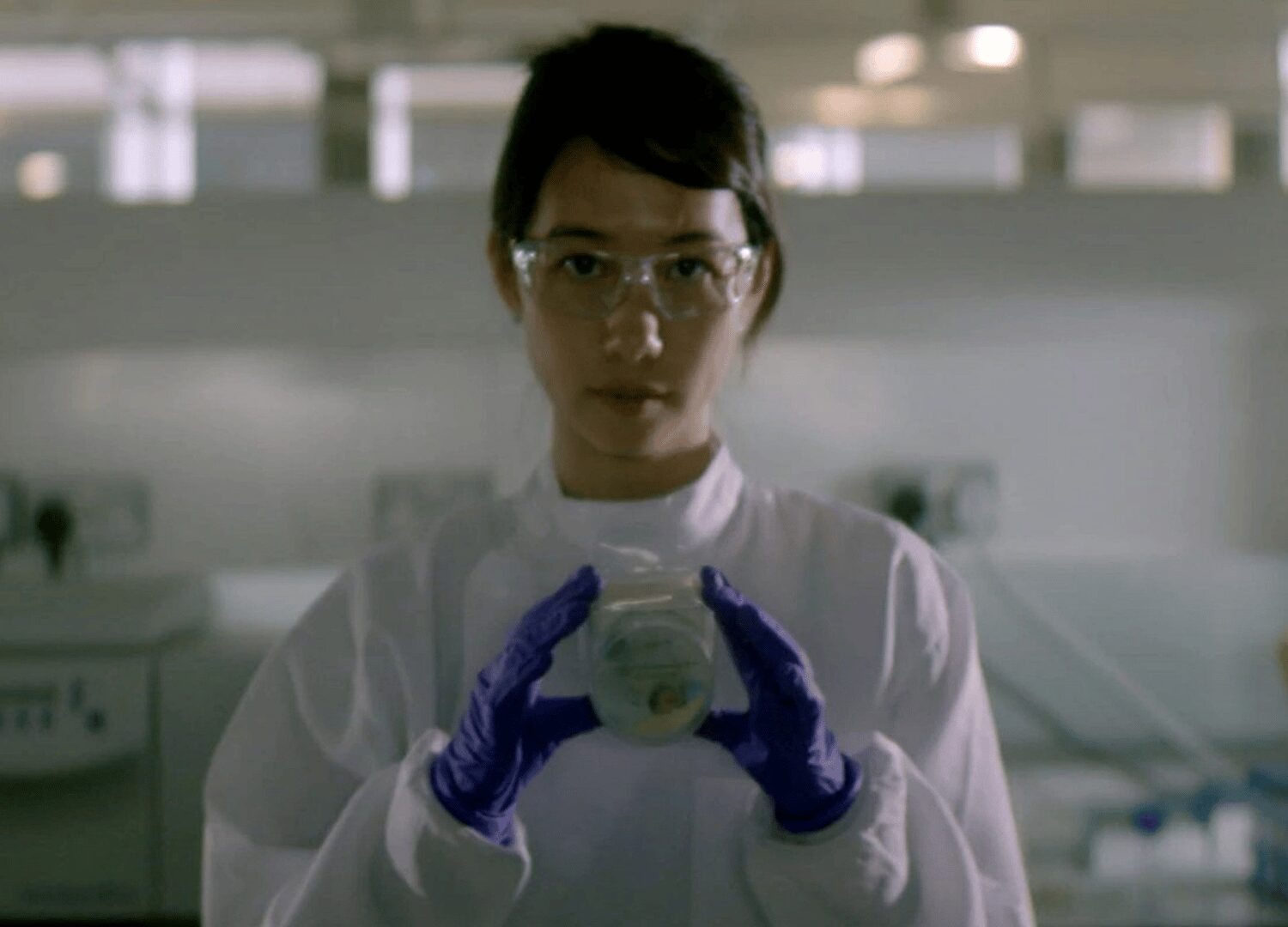
Chemical validation, on the other hand, was achieved through hardware testing and visual perception studies conducted at Imperial College’s Advanced Hackspace. Continuous release of the reagent over several days helps reduce the risk of false positives, while the color wheel and computer vision-assisted interpretation help limit potential misinterpretations.
Unlike traditional diagnostic tools such as urine test strips, smart toilets or wearable sensors, Urify requires no additional costs, behavioral changes, or active user involvement. It is designed to reach a very large number of people and make prevention more accessible through a common hygiene product.
The future of Urify
The project is currently in the patent application phase. The next step will be to collaborate with research institutions to further explore the chemical and clinical aspects and to seek industrial and commercial partners able to support development and distribution.
The ultimate goal is to bring it into homes as a simple daily hygiene product, capable of enabling timely control in a discreet and affordable way, making health monitoring as simple and natural as flushing the toilet.



