

Interview by Sara Gray on March 10, 2026
Tattoo occupies a unique space between art, design and personal narrative. Unlike traditional illustration, tattoos live on a moving, breathing canvas – the human body. For Lisbon-based tattoo artist Veronika Klinkova, this relationship between design and body is at the heart of her creative process.
Known online as Tokki @tokki.ttt, Veronika has developed a distinct style inspired by Asian aesthetics and thoughtful composition. With over 14,000 Instagram followers and an international clientele, her work continues to reach audiences beyond Portugal, with scheduled visits to cities such as Munich, Paris and Cologne.
In this interview, Veronika Tokki shares how she discovered tattooing, how she approaches body design, and why tattoos can become powerful symbols of personal transformation.
Discovering Tattoo through Art
Art has always been present in Veronika Tokki’s life. Long before she started tattooing, drawing was already an essential part of her daily life.
“I started drawing a lot and taking a deep interest in art from a young age,” she says.
But the tattoo idea came from a more personal source: her older sister.
“My main inspiration was and still is my older sister. She has a lot of amazing tattoos and I was fascinated by them. At one point I thought – maybe I could create this kind of art too.”
Motivated by this idea, Veronika Tokki began to create a portfolio of designs. This eventually led to an apprenticeship where he learned the fundamentals of the art.
“During my apprenticeship I really understood the basics of tattooing,” he explains.
Design for the body
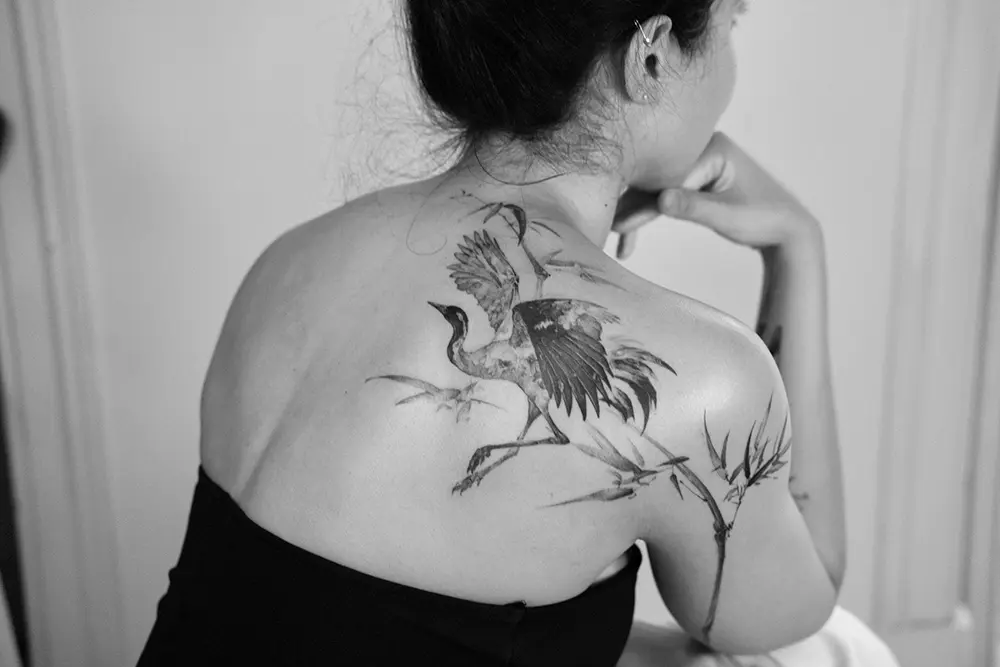
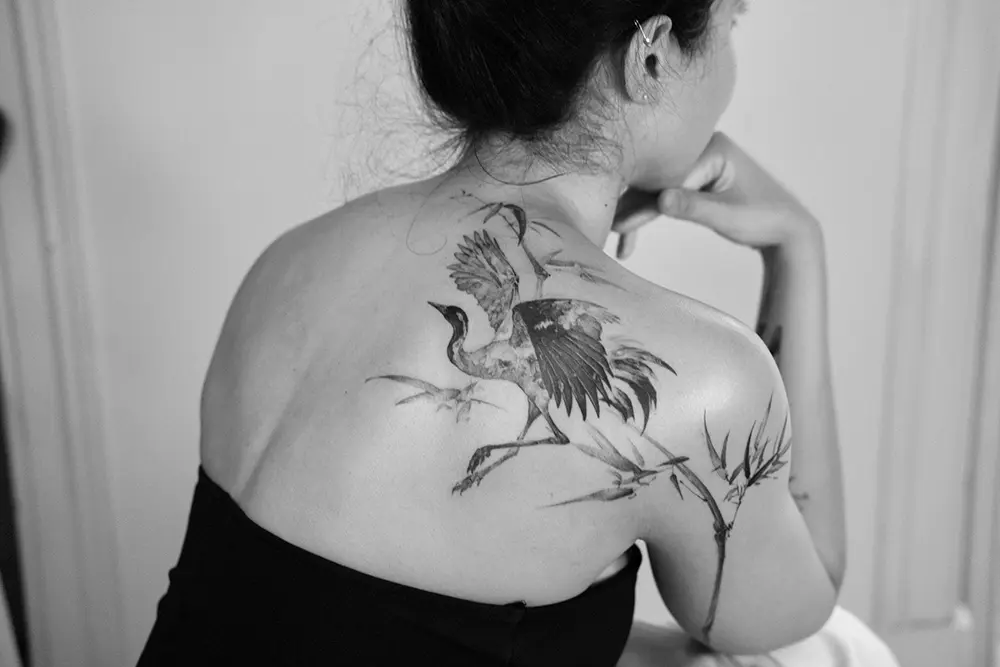
Unlike traditional depiction, tattoo design should work in harmony with the shape and movement of the body. For Veronika Tokki, this relationship between artwork and anatomy is essential.
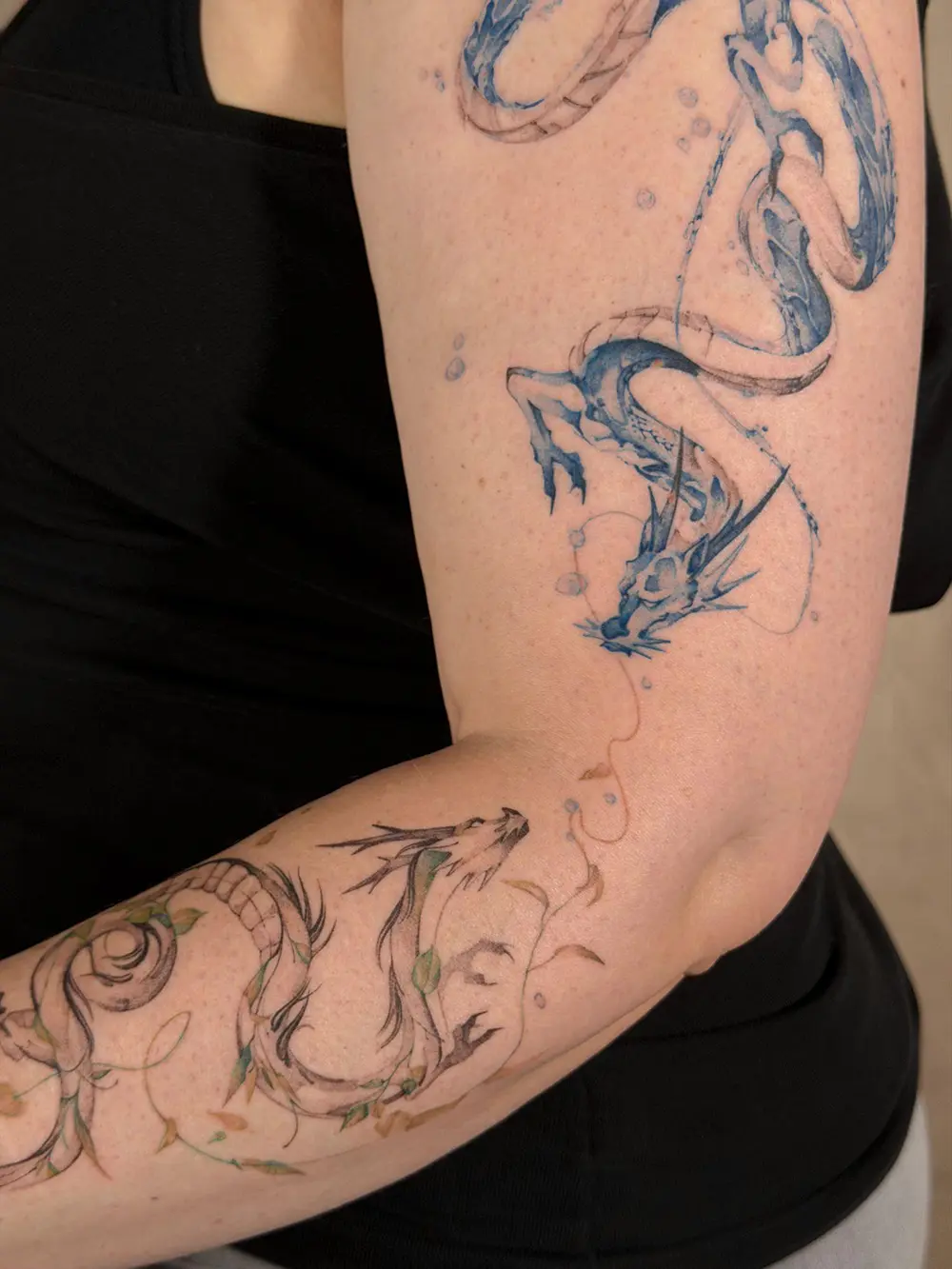
“My style combines Asian-inspired aesthetics with a strong focus on detail and composition,” he explains. “I like designs that flow naturally with the body.”
This concept of flow guides her entire design process. A tattoo shouldn’t feel like an image just placed on the skin — it should become part of the visual rhythm of the body.
“I always try to find a balance between creativity and clarity in design,” he says.
From idea to tattoo
Every project starts with a conversation.
“It usually starts with talking to the client about their idea, placement and what the tattoo means to them,” explains Veronika Tokki.
After this initial discussion, he begins to develop the visual concept.
“I design the pattern and fit it to the body so it fits naturally.”
Once the design is complete, the technical work begins — a stage that requires patience and precision.
“Technique, patience and attention are the key elements for the realization of the project.”
Tattooing as emotional transformation
While many tattoos are purely aesthetic, some have a deeper emotional meaning. One particular project remains particularly memorable for Veronika Tokki.
She was once approached by a client with scars on her arm from a difficult time in her life. Instead of hiding them, the client wanted to transform them into something meaningful.
The two chose a concept inspired by Kintsugithe Japanese philosophy of repairing broken vessels with gold.
“In Kintsugi, cracks are not hidden, but highlighted as part of the object’s history,” explains Veronika Tokki.
She designed the tattoo to follow the natural lines of the scars, turning them into subtle patterns that emphasized the body’s history rather than hiding it.
“By the end, what once seemed like painful reminders became a symbol of strength and healing,” she says.
For Veronika Tokki, moments like this reveal the deeper impact a tattoo can have.
“It reminds me that tattooing can be very personal and powerful.”
The evolution of tattoo culture
The tattoo industry has changed dramatically in recent years. Social media has allowed artists to share ideas, styles and techniques across borders.
“The industry has become more mainstream and accepted,” says Veronika Tokki. “There’s a huge exchange of ideas thanks to social media.”
This global connection has also allowed her work to reach an international audience. In addition to working in Lisbon, he regularly travels to meet clients in other cities.
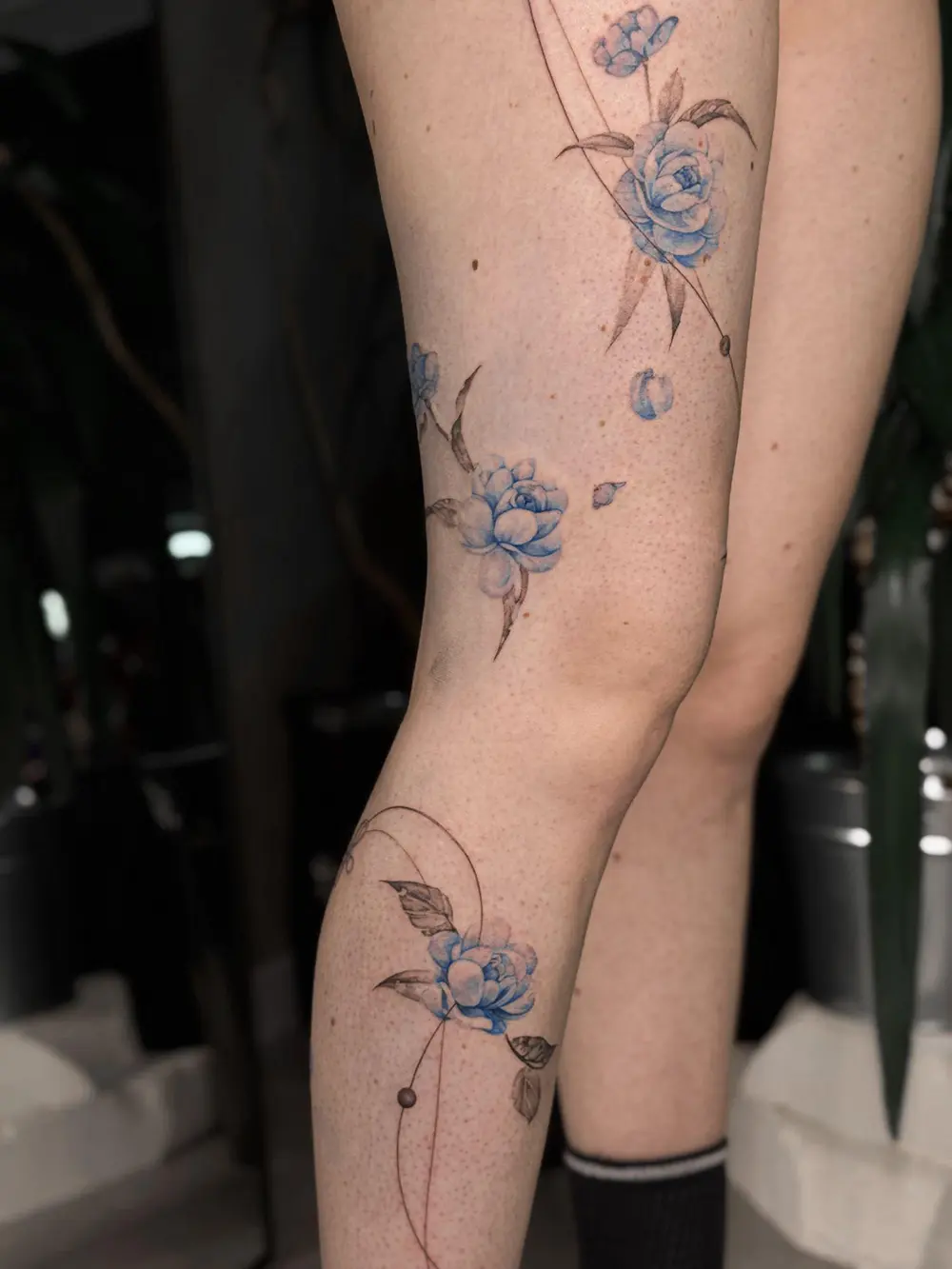
As tattoo culture continues to evolve, he believes innovation will play an important role in the future of the art.
“I think we’ll see even more new styles, techniques and technologies in the coming years,” he says, “while still respecting the traditional foundations.”
Rethink what tattooing really is
Despite its growing popularity, tattooing is still often misunderstood.
“A common misconception is that tattooing is just painting,” says Veronika Tokki.
In fact, the profession requires a wide range of skills — from technical accuracy and hygiene standards to customer communication.
“You also have to be constantly learning and improving,” he adds. “Finding better ways to place designs on the skin so they flow naturally is a big part of the process.”
Tips for a first tattoo
For those considering their first tattoo, Veronika Tokki recommends patience and research.
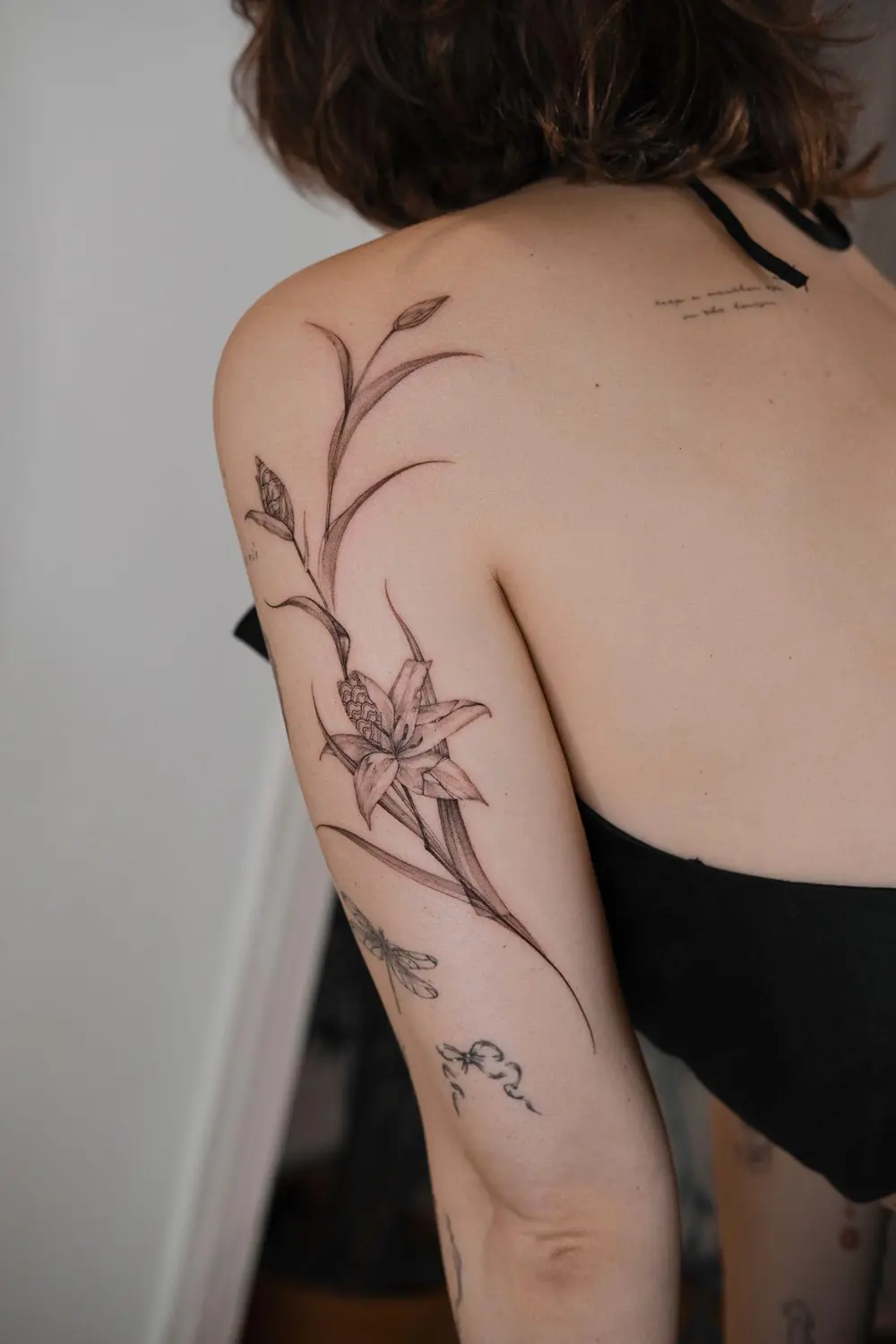
“Take your time choosing both the design and the artist,” she advises. “Look closely at the portfolios and see what the tattoos look like once they’ve healed.”
Being comfortable with the artist is just as important.
“A thoughtful decision usually leads to a much better experience.”
A creative path
Although tattooing has become her primary artistic medium, Veronica Tocchi believes that her creative path would always involve art in some form.
“I’ve always been interested in fashion design,” she says. “It’s another creative field where you can work with your hands and create artistic pieces.”

For now, though, the human canvas remains her favorite space for artistic exploration.
Through careful composition, meaningful storytelling and designs that flow with the body, Veronika Veronika Tokki continues to transform personal stories into lasting works of art.



