
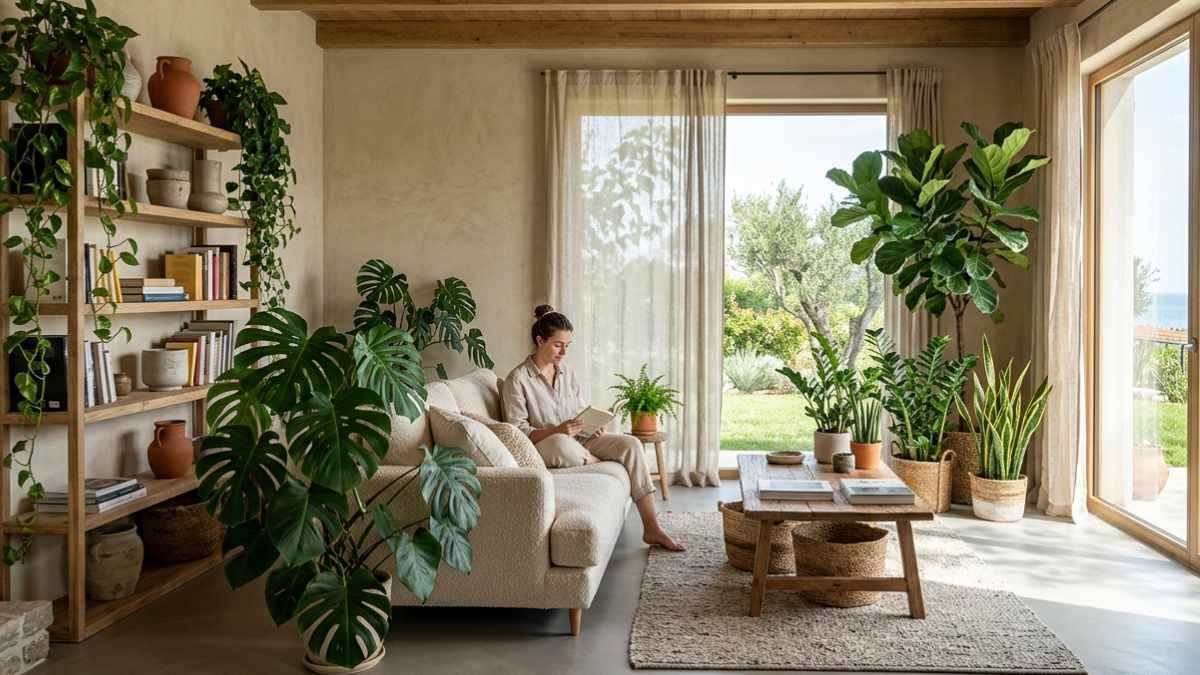

The incorporation of biophilia into contemporary interior architecture represents much more than just a furnishing trend, as it responds to people’s atavistic need to connect with the natural world. THE plant They are not just static objects to be admired, but real living organisms that constantly interact with the environment, influencing the air quality, the acoustics and the psychological perception of the architectural volumes.
Enter a green corner in the living room or an accent plant in the kitchen not only enriches the color palette, but helps create a healthier and more balanced atmosphere, reducing mental fatigue.
Embrace it biofilico design means to recognize the profound effect that natural elements have on our biology and psychosomatic well-being by positively altering cortisol levels. THE plants at home act as natural biofilters that eliminate harmful volatile toxins and balance indoor humidity, improving residents’ breathing and concentration during the day.
Their subtle sensory presence provides constant visual and tactile stimulation that promotes recovery of mental energy after a day’s work.
Design with nature it requires a holistic vision that considers light, textures and smells as fundamental building materials to define the restorative atmosphere of the main living space. The ultimate goal is not to create a messy home jungle, but a harmonious composition where every element, plant or inert, is in constant dialogue with our sensory perception.
This visual and tactile connection to the organic matter it is what makes biophilic design so powerful and effective in combating the stresses of modern life.
Plants as tools of invisible architecture
Its strategic use plant allows you to manipulate the perception of the size of a room, creating organic shaded areas that visually expand the space. Grouping different types of plants in specific corners of the living room, using supports of different heights, allows you to reproduce the visual complexity of natural formations. Repetition of similar shapes and colors helps create a pleasing visual rhythm that transforms thegreen corner in a sophisticated and deeply refreshing decorative element for the sight.
For less lit areas of the living room, its use resistant plants like it Zamioculcas o yes Sansevieria it guarantees a continuous green presence without requiring excessive care. Place a large accent plant, such as a Monstera Deliciosanear the conversation area creates an organic focal point that calms the gaze and lowers the heart rate.
The arrangement of plant in the living room it offers subtle sensory stimulation that promotes concentration, making the environment also ideal for study or work activities.
THE plant they can be used to create organic and movable partitions, useful for defining the different functional areas of a loft without resorting to rigid walls. Incorporate greenery into material vases, such as raw ceramic or the natural woodit enriches the tactile and visual experience of the design, creating a micro-environment that embraces and relaxes visitors. Experiment with different textures of the leaves, from their glossiness Ficus in his winged paralysisallows you to create dynamic plant compositions that maintain high visual attention without tiring the mind.
Maximize natural light for an immersive experience
THE natural light It is the main driver of biophilic design, essential not only for plant health but also for regulating circadian rhythms and improving mood. Designing a biophilic living room requires keeping windows free of visual clutter by using linen curtains light that diffuses sunlight without blocking the passage of rays. The presence of direct sunlight on the green leaves creates dynamic shadow effects that recreate the atmosphere of a forest, reducing the sense of confinement that characterizes aseptic interiors.
For those who do not have large windows, its use mirrors strategically placed in front of windows can double the perception of light and greenery, visually expanding the space. Incorporate artificial lighting with lamps that simulate the sunlight it guarantees the continuity of the biophilic perception even in the evening hours, keeping the atmosphere warm. Well-diffused artificial light eliminates annoying shadows and helps make the space appear larger, enhancing the natural beauty of any space plant present in the room.
Organic matter and tactile sensory contact
Use organic materials It is a fundamental pillar of biophilic design, creating a tactile connection that calms the nervous system and reduces muscle tension. His heat light woodits roughness natural stone and the sensory softness of fibers such as linen o yes jute are essential elements. Integrate furniture into solid wood or a material floor, such as parquet treated, enriches the overall sensory experience of the modern living environment.
Avoiding the excessive use of plastics helps create a home microcosm where every material element interacts harmoniously to create well-being. The juxtaposition between its cold surface ceramic and its heat natural fiber basketslike wicker, it creates a very interesting visual contrast. Choose coordinating fabrics for curtains or rugs, made exclusively in natural fibersit adds an extra layer of visual softness to a room often dominated by hard surfaces.
Its use natural materials makes the environment an extension of the outside world, promoting relaxation and deep psychosomatic well-being of the residents. The ultimate goal is to create a space where every organic element converses with the architecture, turning the house into a balanced ecosystem. This layering of different materials, from wood of the shelf to stone of the coffee table, enriches the room with details typical of the most refined and efficient interior designs.



