


Globally recognized skin care and fragrance brand Aesop It is no stranger to bold design innovation, often taking bold leaps into uncharted territory. This April, the Australian company launched Aposē, its first foray into furniture product development. The limited edition line of lamps was inspired by the official vocabulary of aluminum tubes used to develop new perfume and cream formulations. This unexpected but deftly realized departure was presented in a riveting display at Milan Design Week: a sloping field of recycled 50ml perfume bottles.
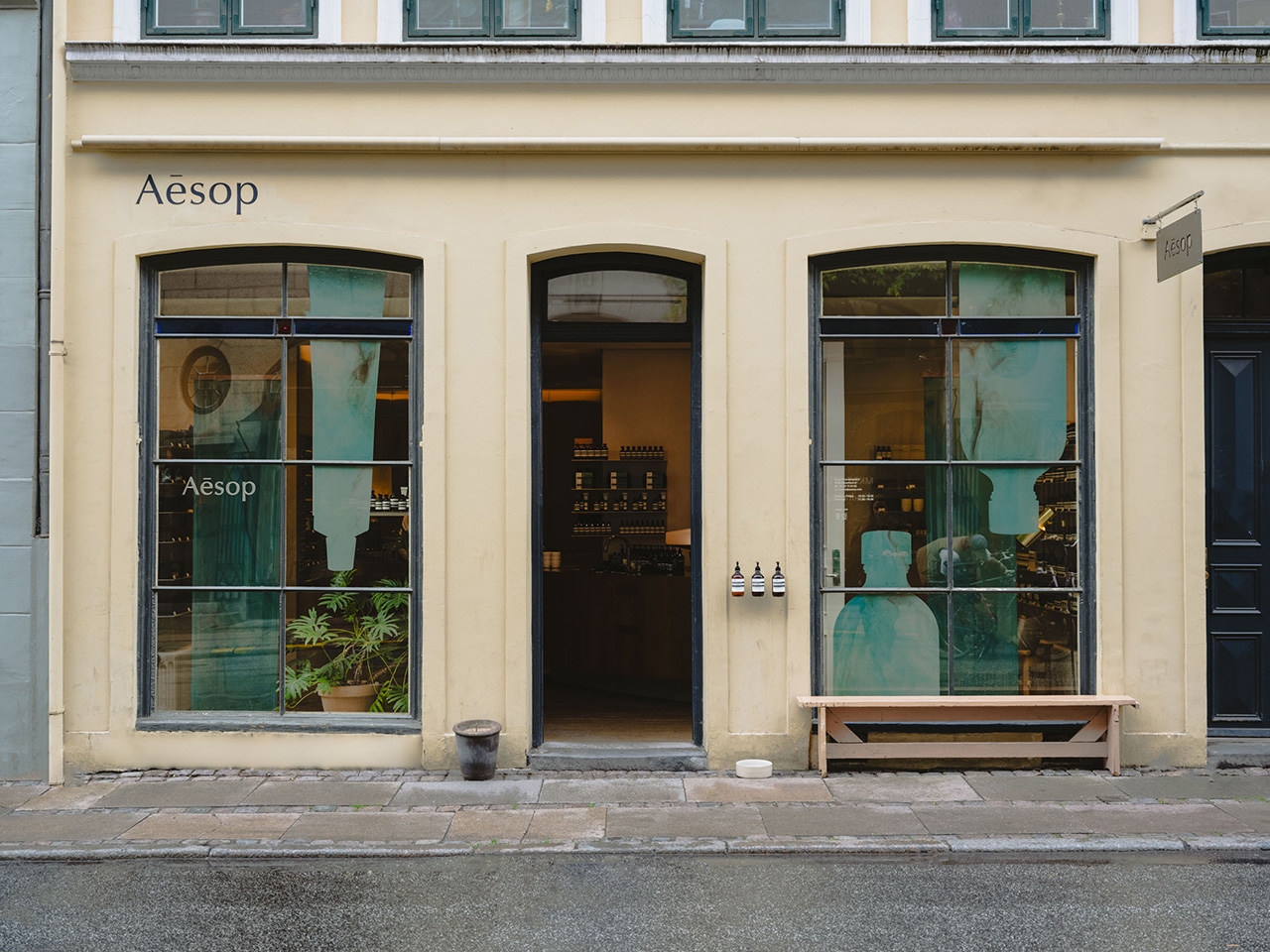
Aesop carried this dynamic spirit of sustainability into this month 3daysofdesign Copenhagen. Instead of carrying out an ambiguous activation simply to be present at the increasingly influential event, the brand used the opportunity to unveil the latest iteration of the Enduring Forms initiative. While the first project focused on reuse, the second demonstrates the potential of alternative bio-based materials. Together, these strategies represent two important aspects of sustainability today: circularity and biodegradability.
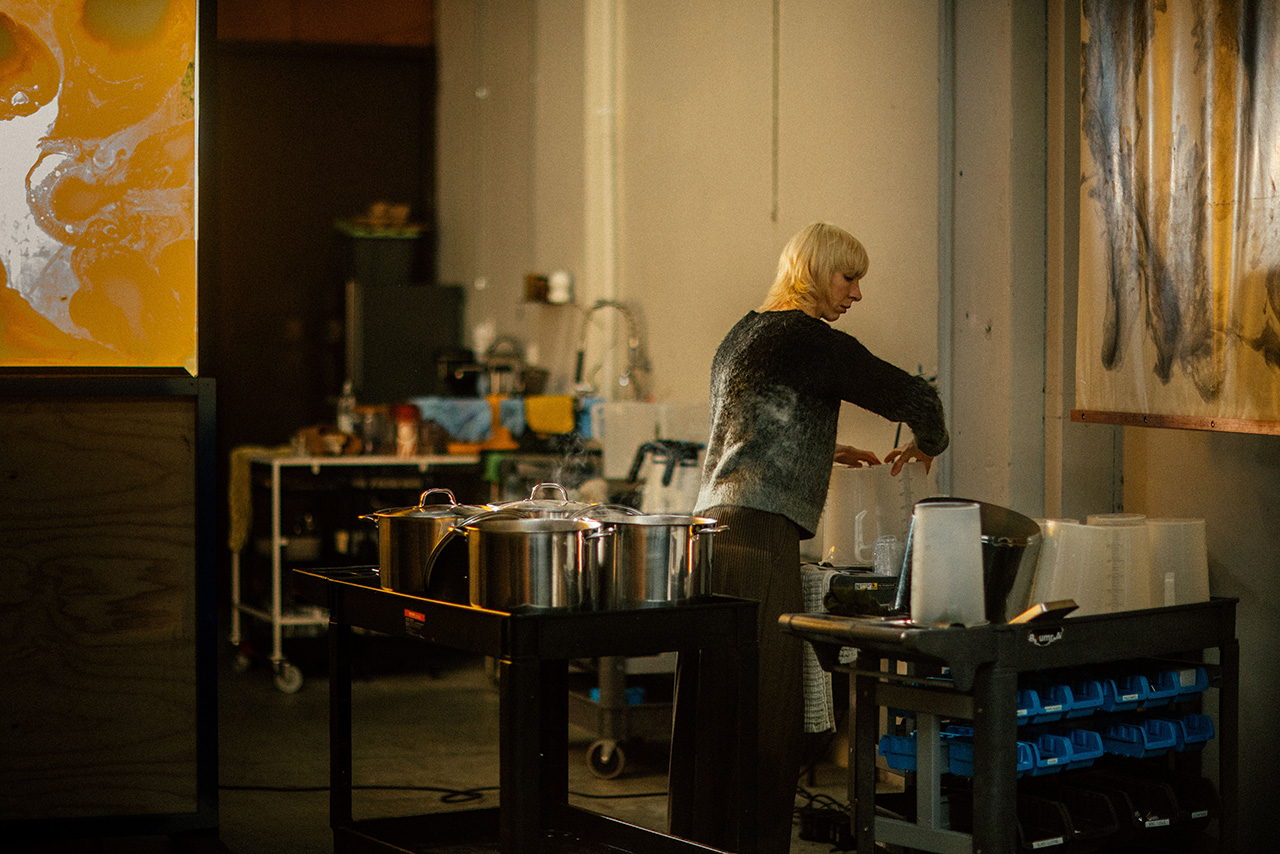

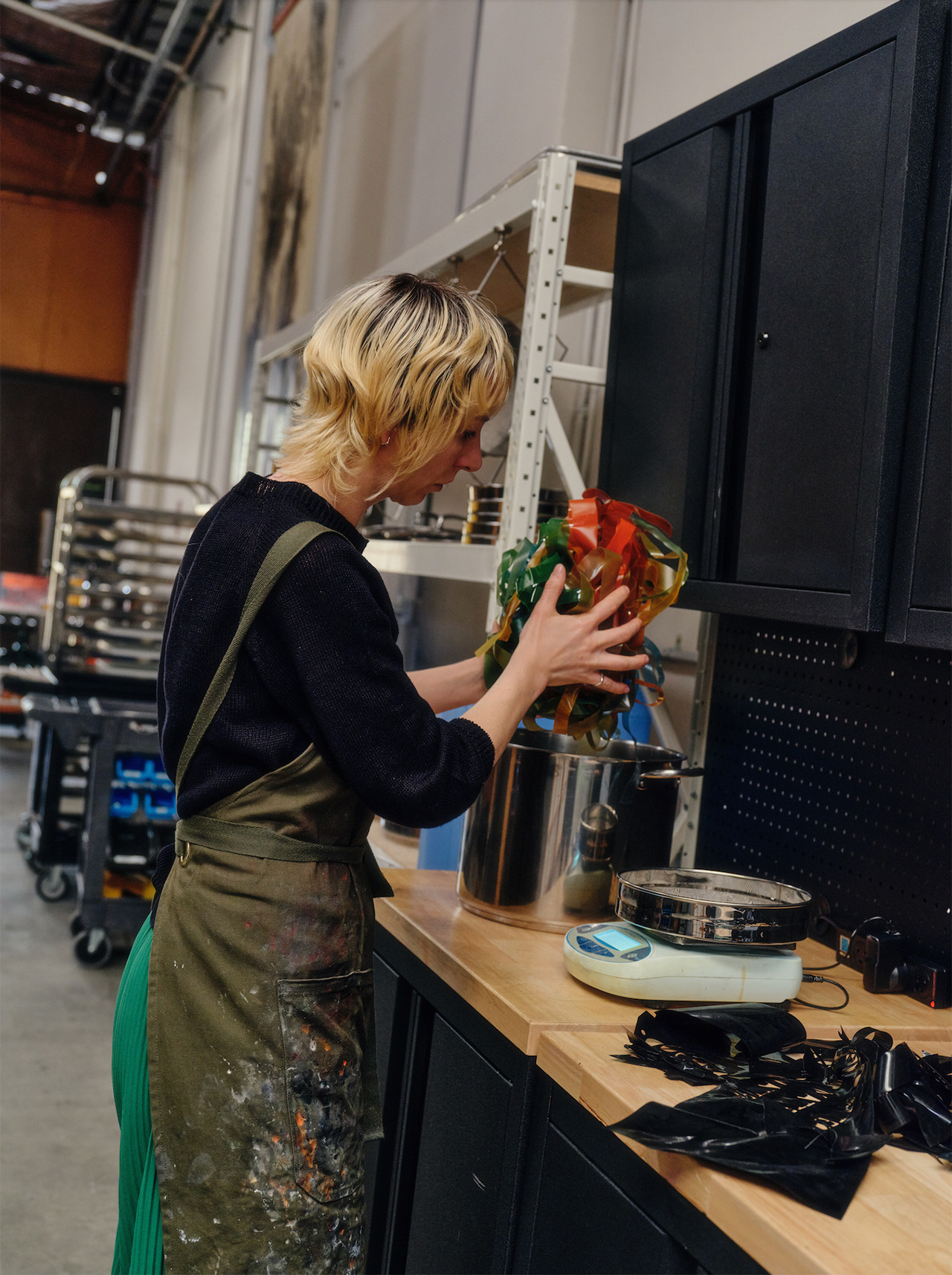
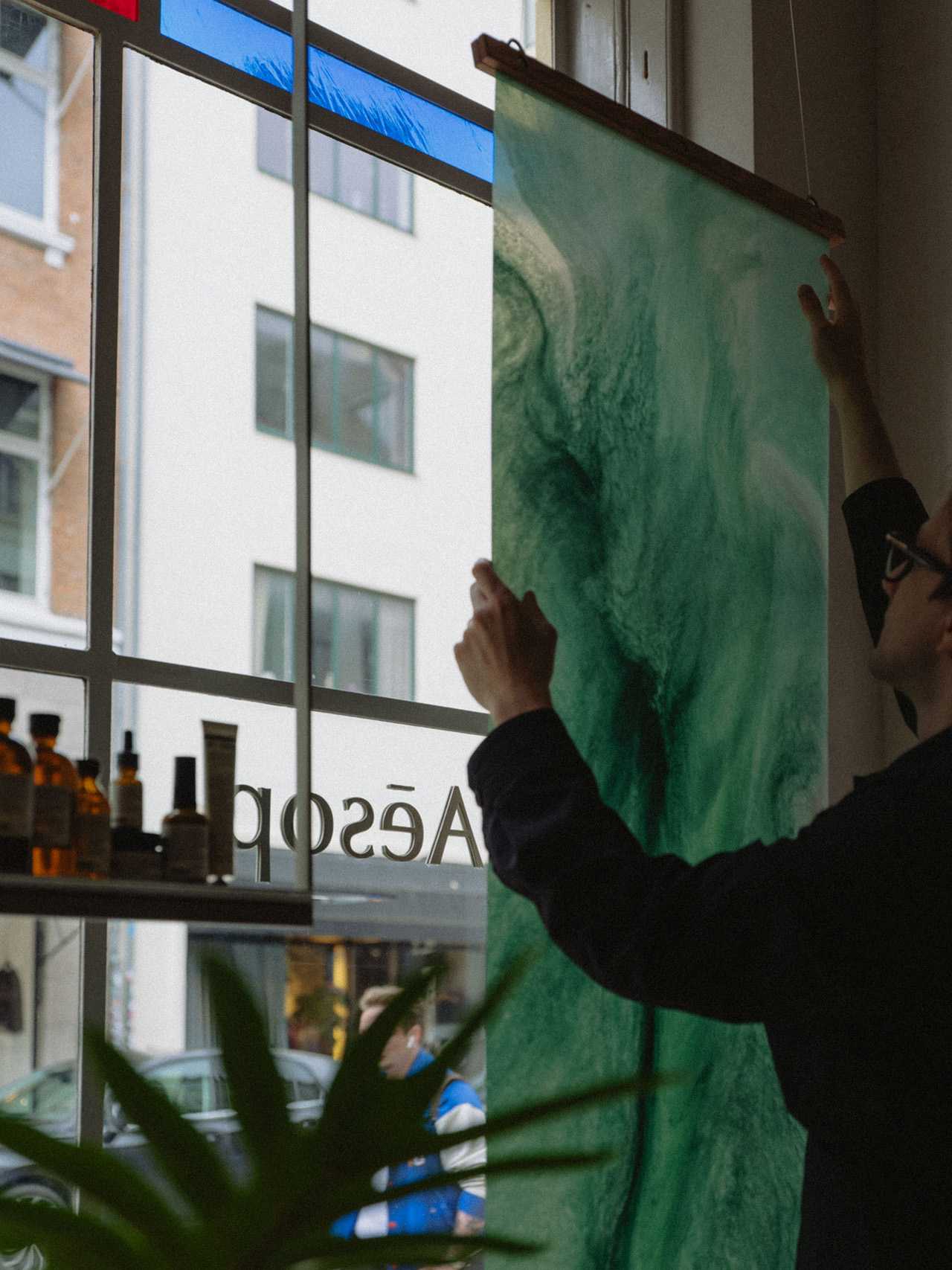
Developed by Jessie French – founder of Melbourne-based research practice Other Matter – the latter is a bioplastic, skin-like alternative to conventional signs and window decals. Perfectly suited to help launch the new Parsley Seed Skin Care range, a collection of formulations tailored to urban skin, the flexible sheet of material is made from seaweed and takes on an ombre green tone.


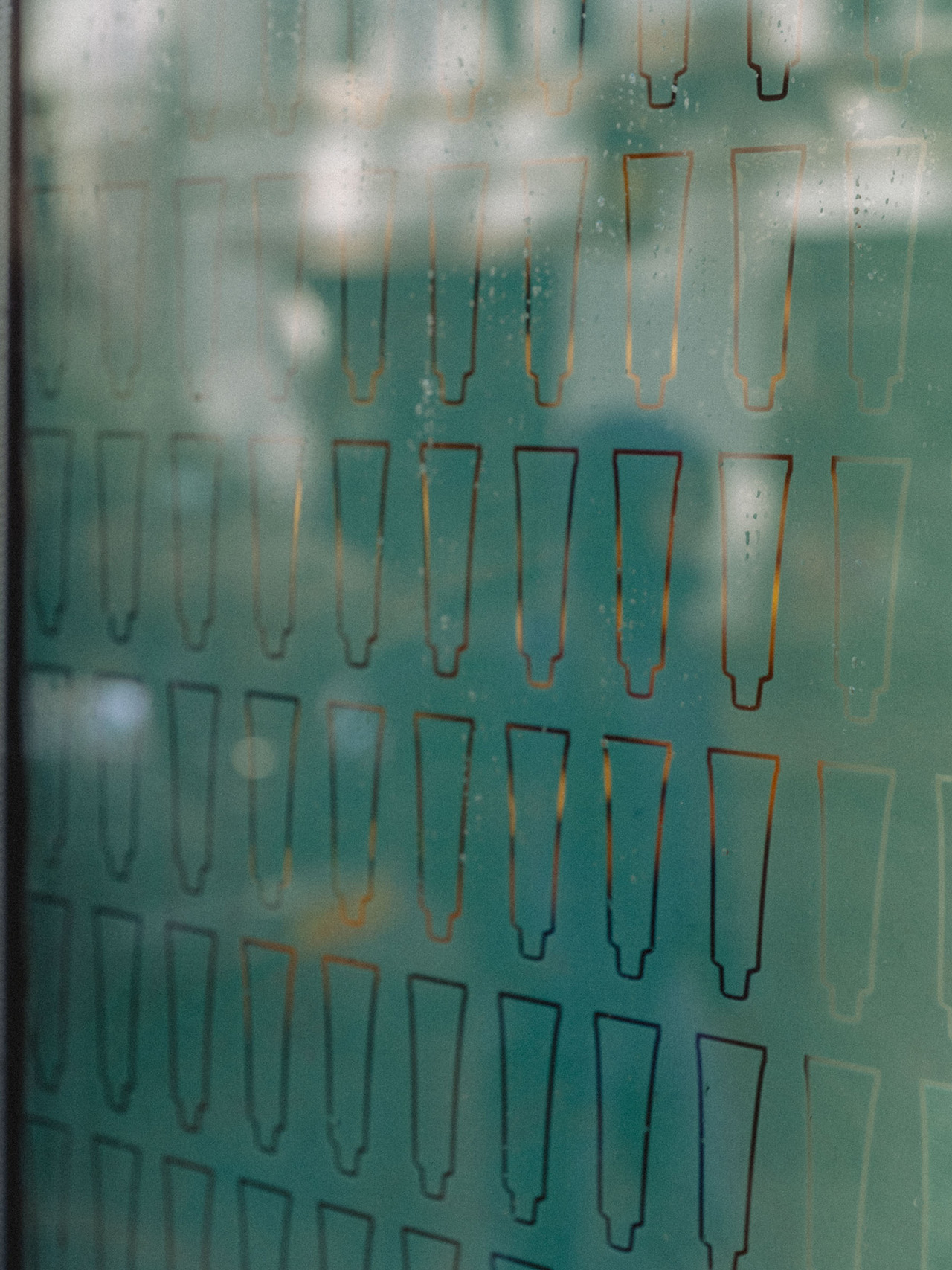
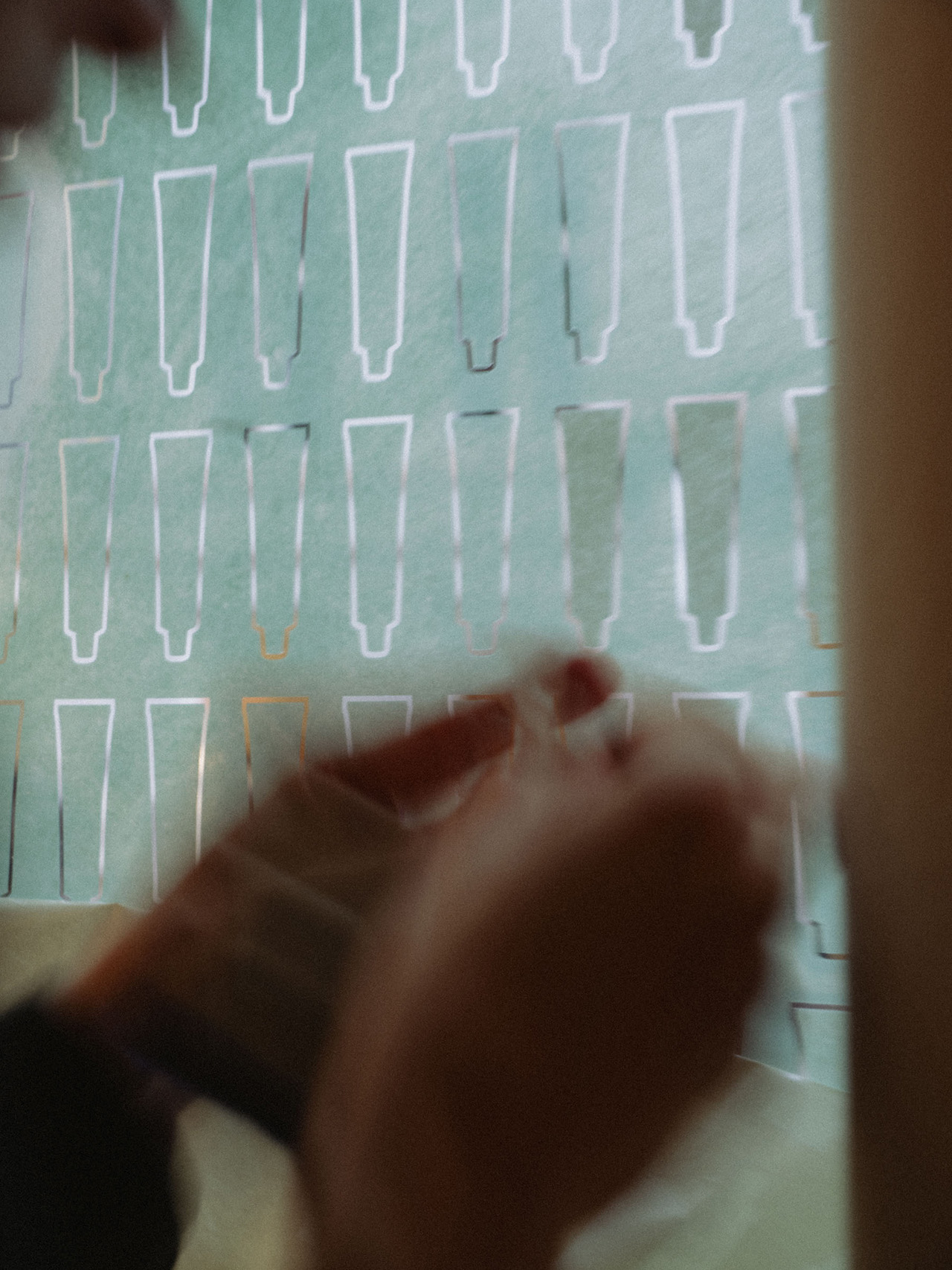
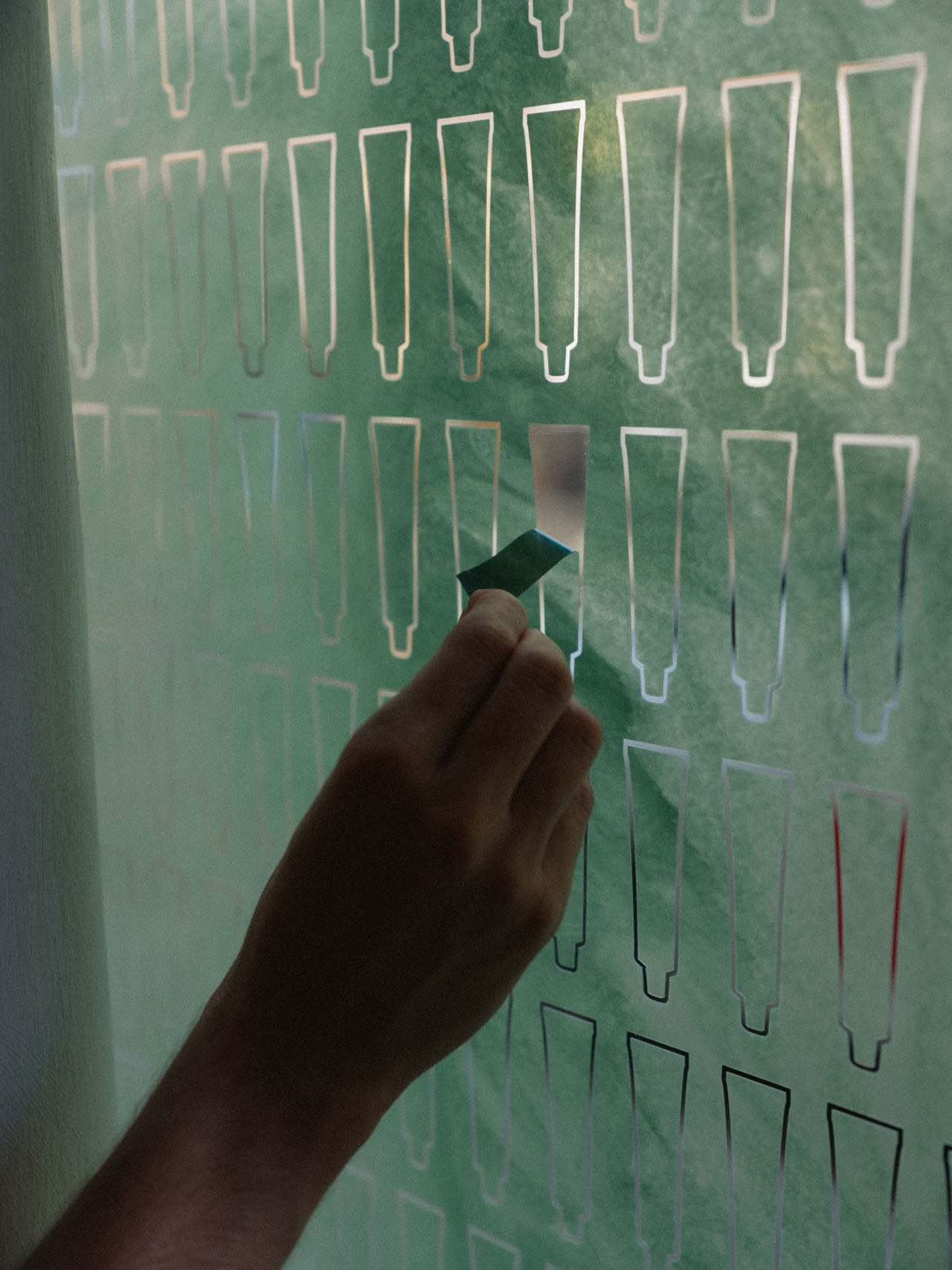
At Aesop’s Nyhavn storefront in Copenhagen, the material appeared as oversized product silhouettes. At his store on Kronprinsensgade across town, a window layer was made of detached cut profiles of the product packaging. Visitors could snap one and take it home, demonstrating the durability and versatility of the new bioplastic.


French focuses much of her practice on the engineering of renewable, non-petrochemical polymers. In this case, the new material aligns with both ideas of sustainability: circularity and biodegradability. While the former methodology tends to focus on finding ways to reuse materials that may not have been responsibly produced to begin with, the latter starts with a more considered material base. This naturally shaped and hardened substance can, in fact, be reused over and over again, but it can also be allowed to biodegrade when needed.

It’s a potential game changer when you consider the incredible amount of waste that conventional—and especially temporary—street and retail window signage can create. A persistent criticism of newer, greener solutions is that they are cost-prohibitive. Given the dual capacity of this alternative, this now-clichéd argument begins to lose some of its merit. It also opens the door to entirely new possibilities, going beyond small print and icons. Retailers could experiment with different scales of visual application and even explore the potential of heat absorption in window treatments – another sustainable, energy-efficient benefit.

To discover the brand’s skincare innovations, visit aesop.com.
Photo by Armin Tehrani.




