


Soichiro Tanaka, founder of the Tokyo-based studio SOTANAKperceives the design process as a journey of exploration, both aesthetic and material, leading to the final product. An example of this approach is his latest collection, Uneriwhich was presented during the Three Days of Design.
As the designer explains: “If my approach seems different from that of conventional industrial design, I believe it is because I see the two factors mentioned above – the aesthetic aspect of the design process and the limitations imposed by the properties of materials – not as obstacles to be overcome, but as a mechanism capable of igniting creativity.”
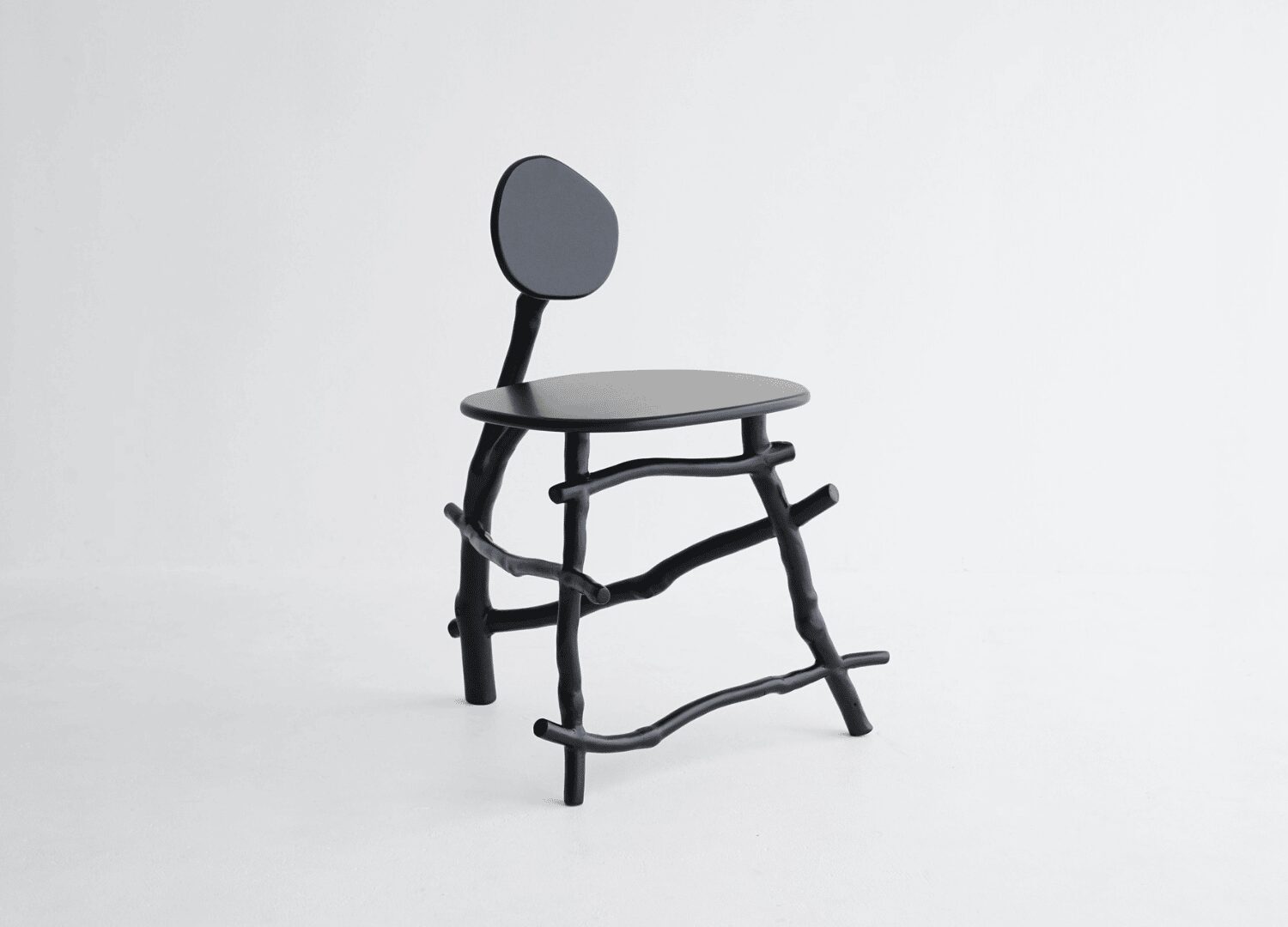
Uneri © Sotanaka
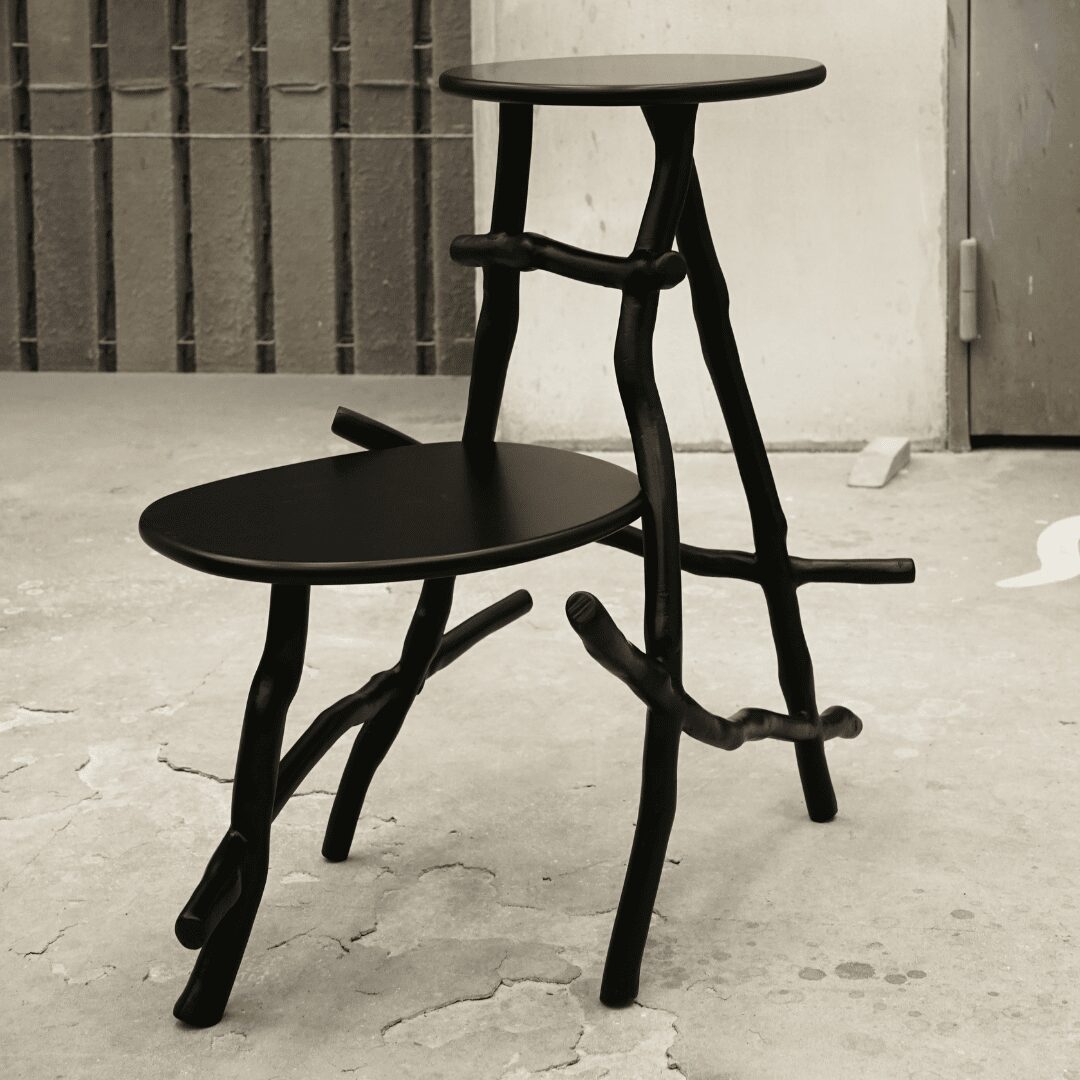
Uneri © Sotanaka
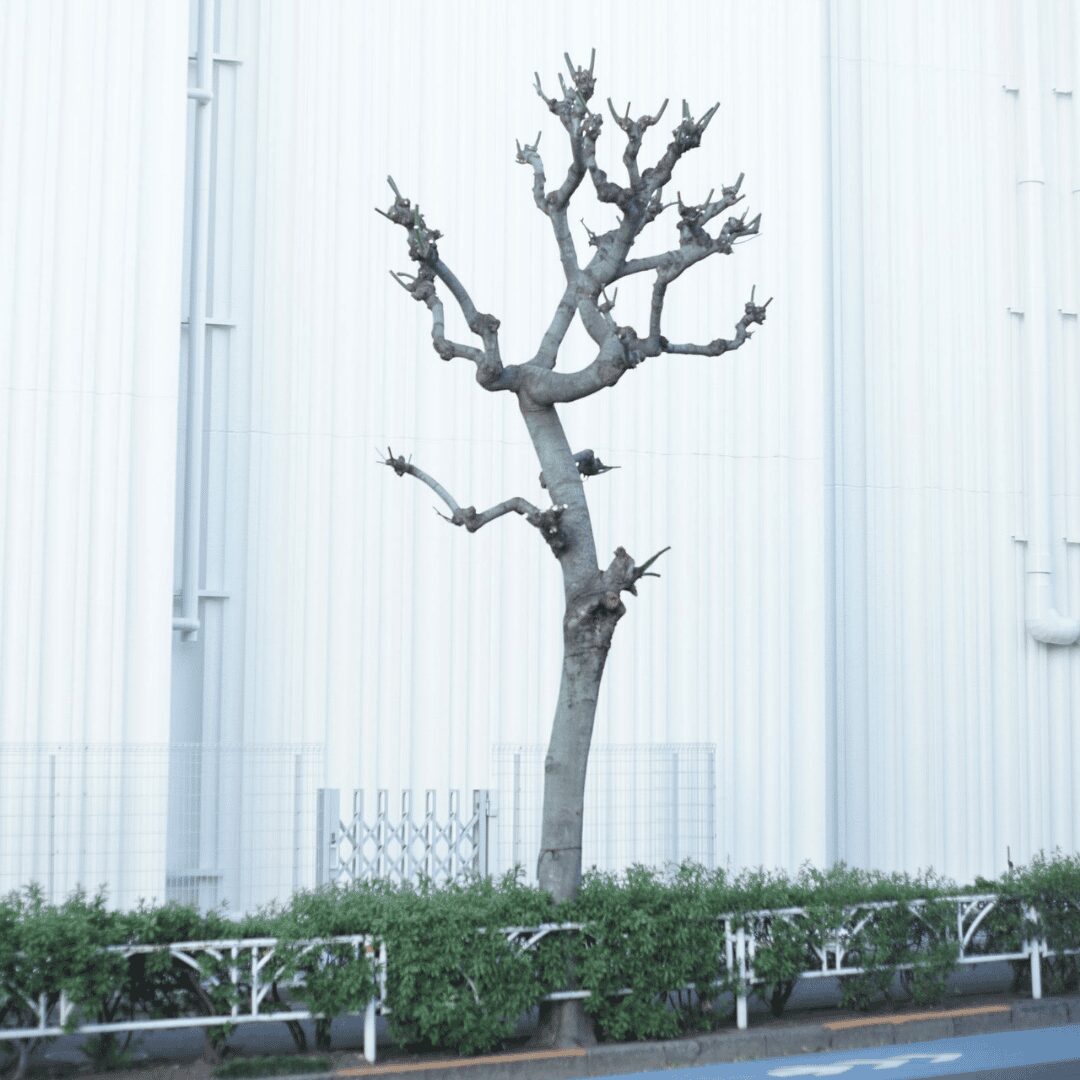
Tree in Tokyo © Sotanaka
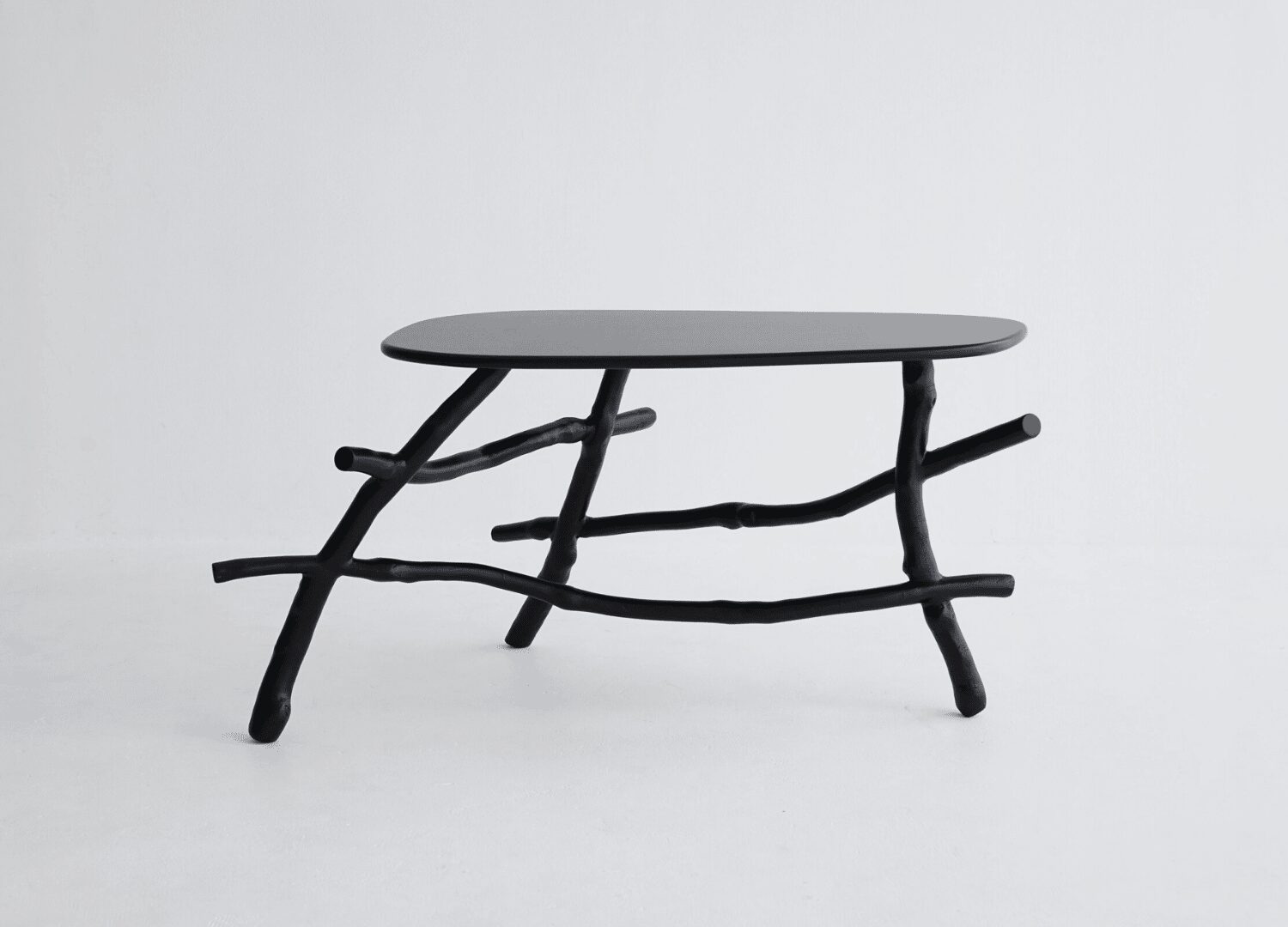
Uneri © Sotanaka
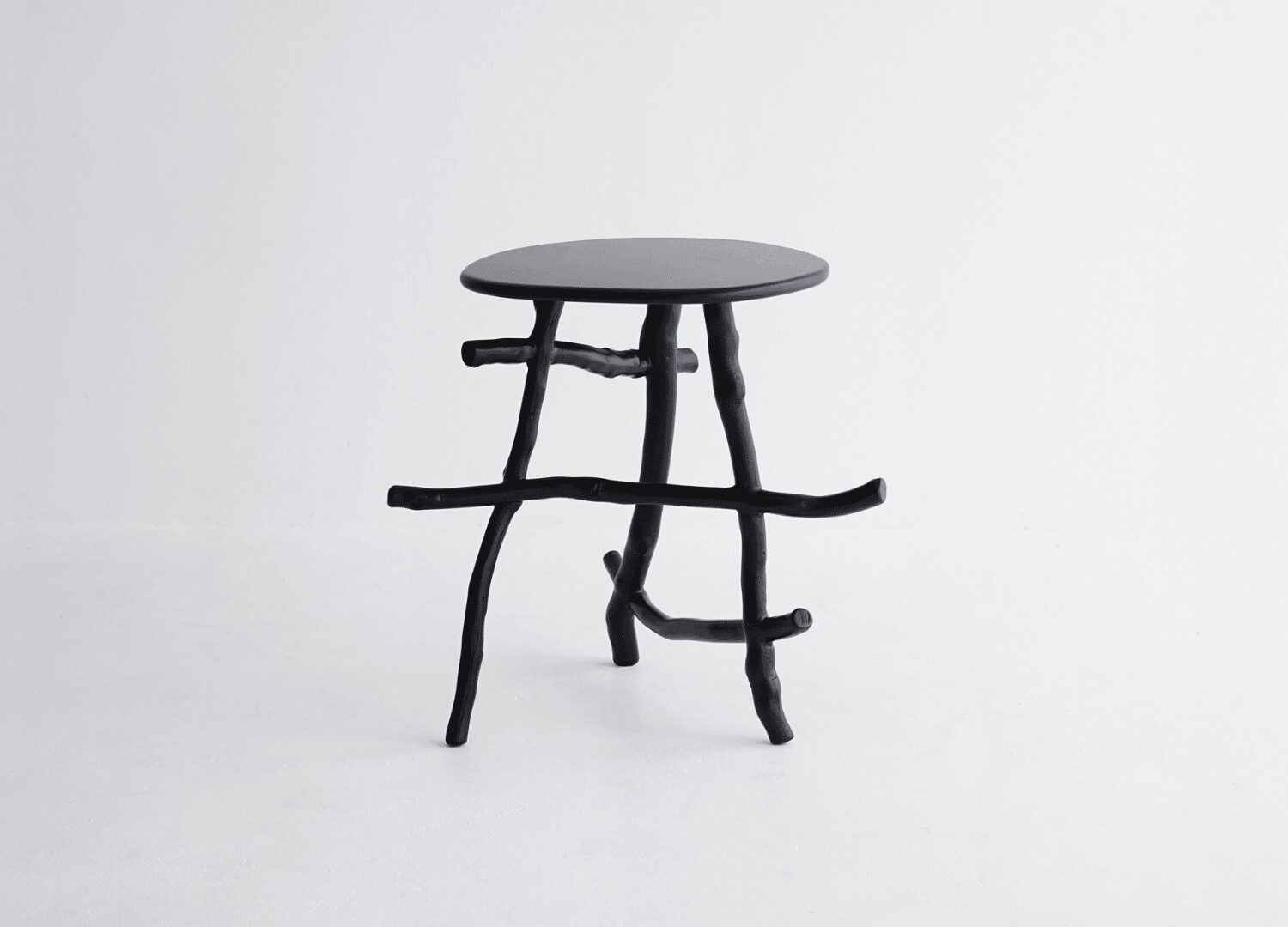
Uneri © Sotanaka
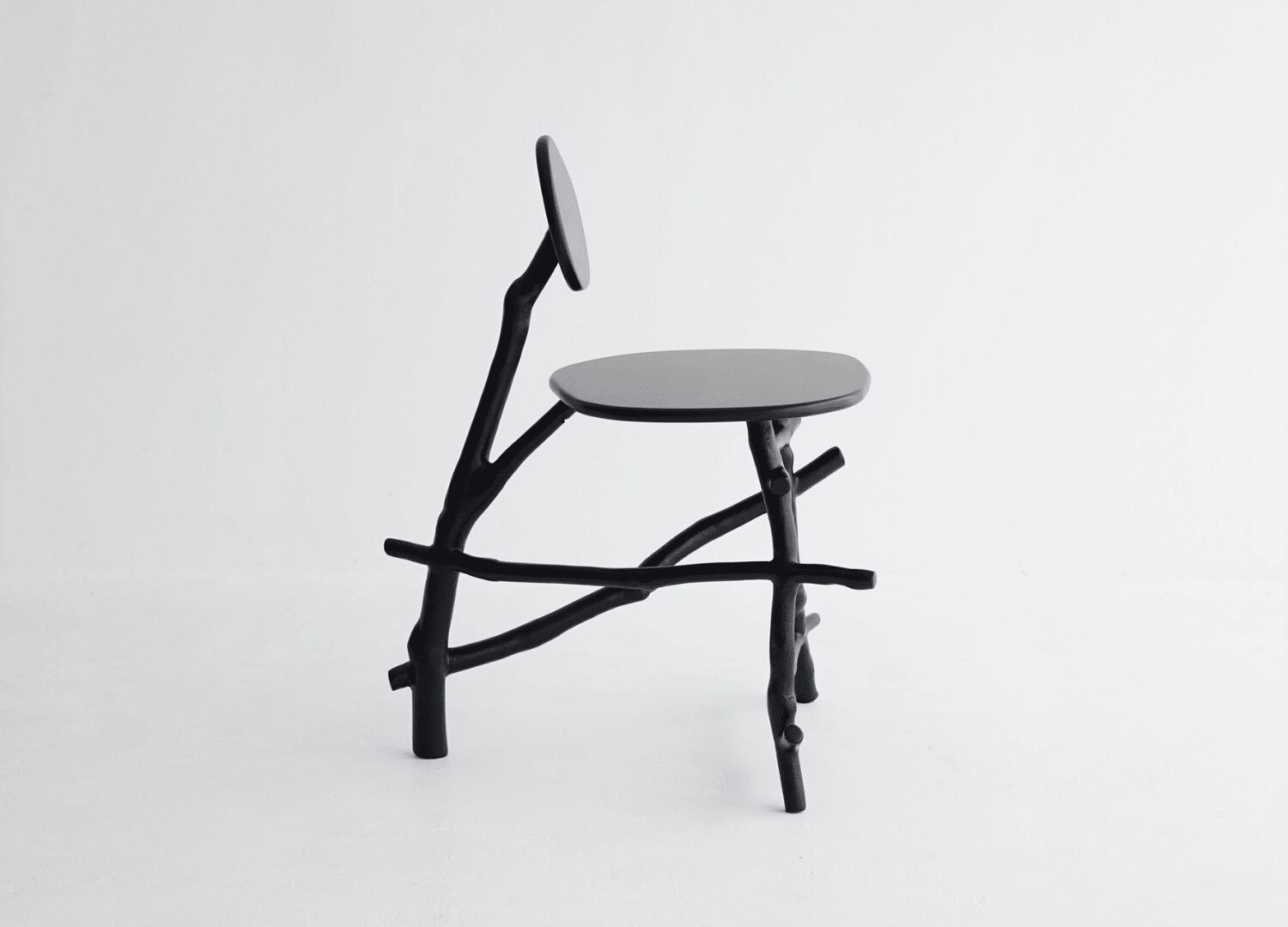
Uneri © Sotanaka
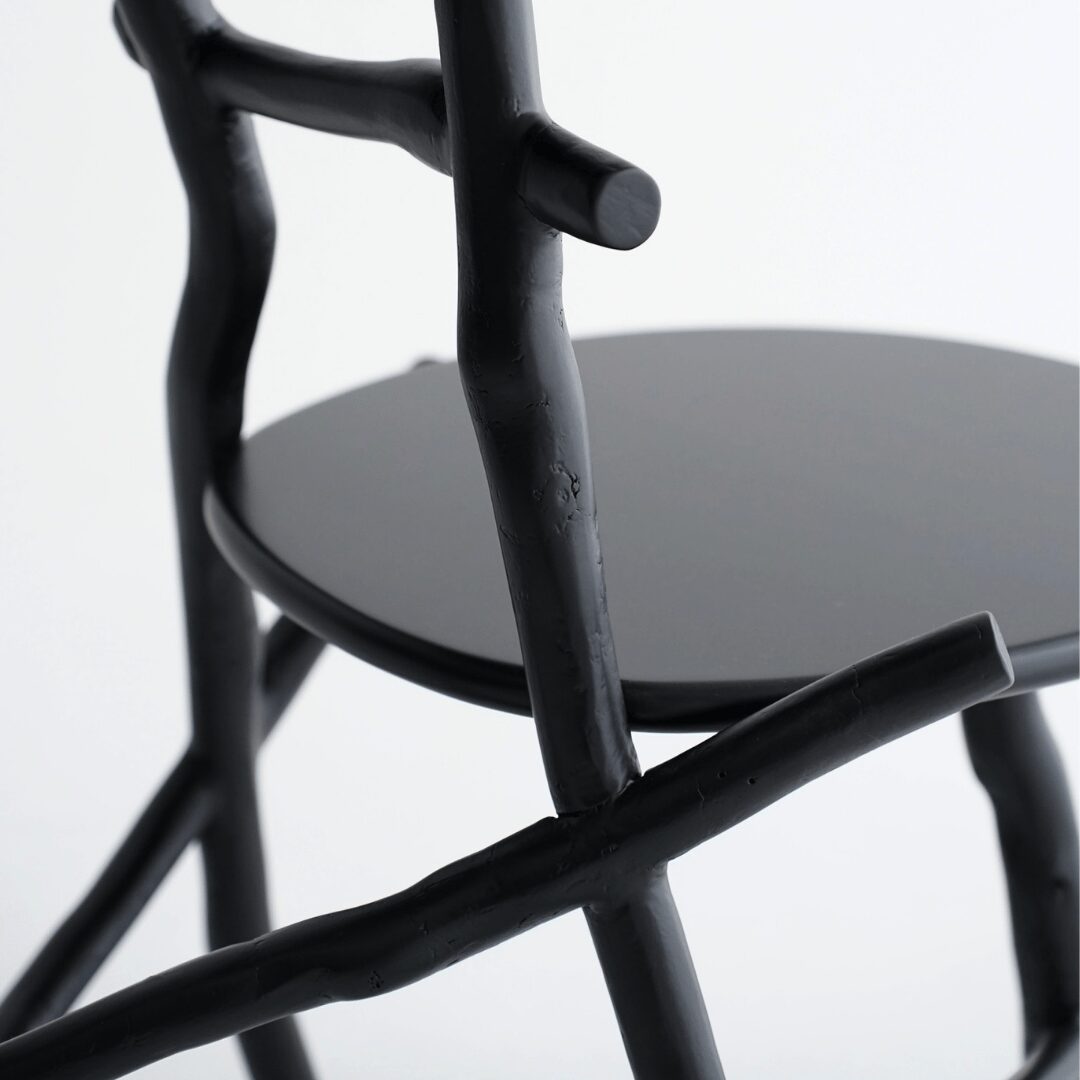
Uneri © Sotanaka
Uneri: SOTANAKA’s method in practice
The designer does not start with sketches or drafts but with intuitions drawn from his environment. Before the theoretical and research phase comes experimentation – the process of learning by actually doing. An example of this approach can be found in Uneri, a collection of poetic furniture inspired by urban trees, particularly their falling branches.
“Like hairs on the floor, they belong to no one: waiting to return to earth or be thrown away. Yet if you look closely at their intricate curves, they have an inexhaustible charm.” Sotanaka he told us.
Following this insight, the designer began a process of experimentation to understand how to incorporate the properties of the branches – as objects in their own right – into his structure. furniture. The result is a solid, original collection that looks like it’s straight out of a fairy tale.
The creative process
The actual construction begins with a selection phase: only branches with a diameter between 3 and 5 cm are collected. The thinner ones are used where finer curves are desired, while the thicker ones are used for parts that require greater structural strength.
Branches should be in good condition with minimal damage. The selection strikes a balance between relatively straight pieces and branches with sharper curves.
About the types of wood: “Camphor trees – especially those commonly used as street trees in Tokyo – are not only hardy but also contain an aromatic substance that makes them less vulnerable to insects.”
The pieces are temporarily fixed to the wooden boards with screws to adjust their arrangement towards the final composition. Once a basic structure is defined, the designer selects the branches for reinforcement – these often have even more characteristic curves than those used for the legs. After they are cut to the required length, they are temporarily fixed with clamps.
A custom woodworking method
This phase requires a lot of patience and care, as even small variations in the attachment points can significantly change the overall appearance. Proportions and stability are carefully evaluated from various angles, so this operation can take several hours of work. Once the placement is finalized, the actual assembly begins.
The designer has developed his own method of fastening the pieces – “In principle, it is not much different from a classic half-round joint, but it needs a special process to adapt to the unique curvature of each branch.”
The points where the branches intersect are marked with a pen, and then the braces are removed one by one. Using a saw and chisel, the joints are cut in the overlapping areas – both on the brace and on the structural legs – while constantly checking the shape. The goal is to achieve a secure fit that closes perfectly when pressure is applied.
Given the different curves of each branch, the intersection must also be precisely adjusted. Once the desired effect is achieved, wooden dowels and glue are applied and the elements are secured with clamps that are tightened to the limit, ensuring that the branches fit together as if they were always a single piece.
The aesthetic language of Uneri
The collection features a matte black enamel finish that enhances the durability of the pieces. This shade was chosen to better emphasize the contours of the branches, emphasizing their silhouette-like presence. Another reason is the traditional nature of this finish, which is found in other typical Japanese woodworking techniques such as lacquer, ink and lotus tannin.



