


There is one part of Europe whose design industry has transformed almost beyond recognition over the past decade. Central and Eastern Europe—once considered peripheral to the talks taking place in Milan, Paris, and Stockholm—has steadily built an ecosystem of interior design, architecture, and furniture manufacturing that is now truly impossible to ignore. Warsaw House & Contractwhich celebrates its 10th anniversary edition this October, has been one of the central forces behind this shift.
Now recognized as the largest trade fair for interiors and design in Central and Eastern Europe, the event returns from 22 to 25 October 2026 at the Ptak Warsaw Expo, once again bringing together manufacturers, designers, architects, investors and brands from all over Europe and beyond. For our community, it represents one of the most comprehensive views of a space on where the regional — and by extension the wider European — interiors industry is going.
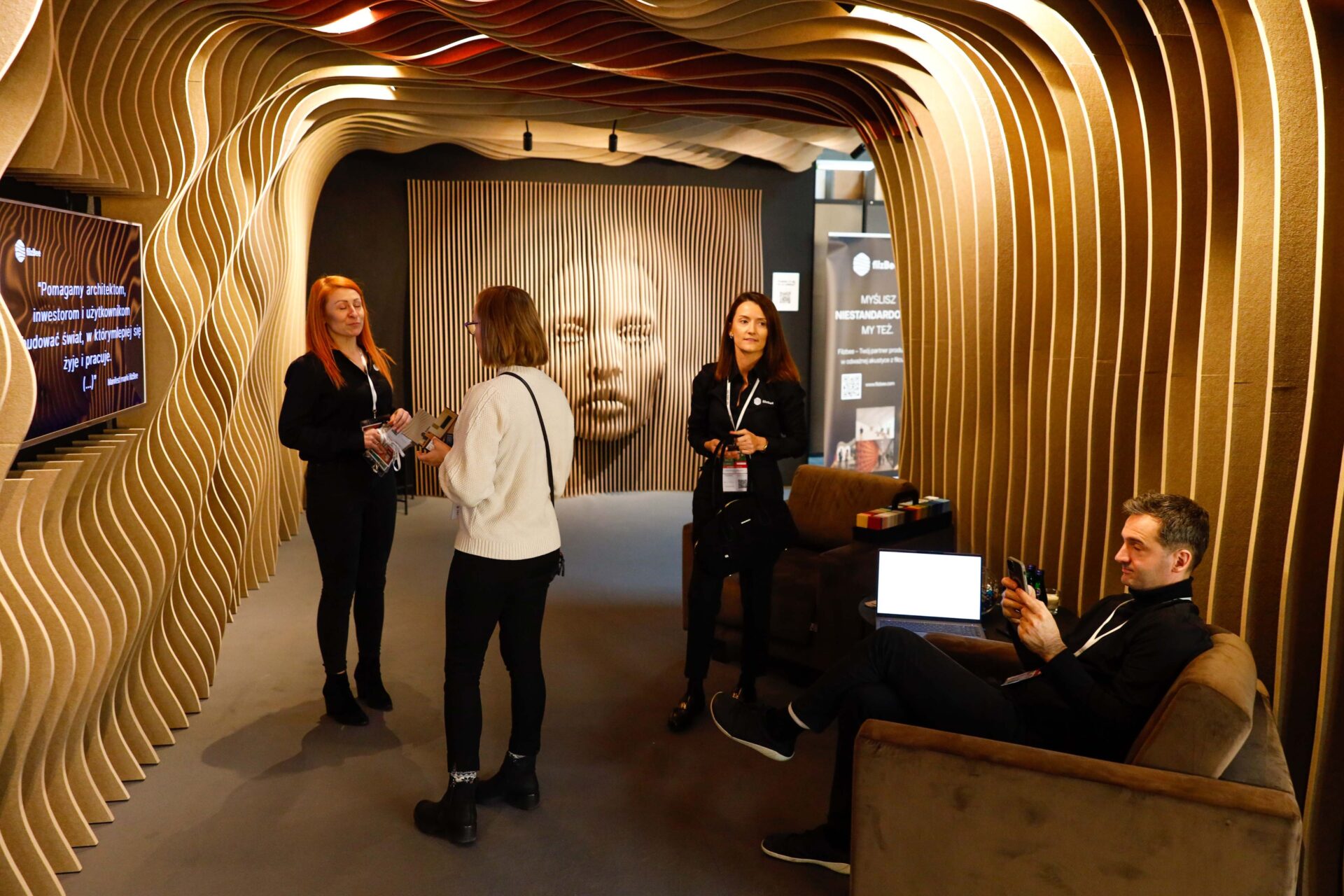
©Warsaw Home & Contract
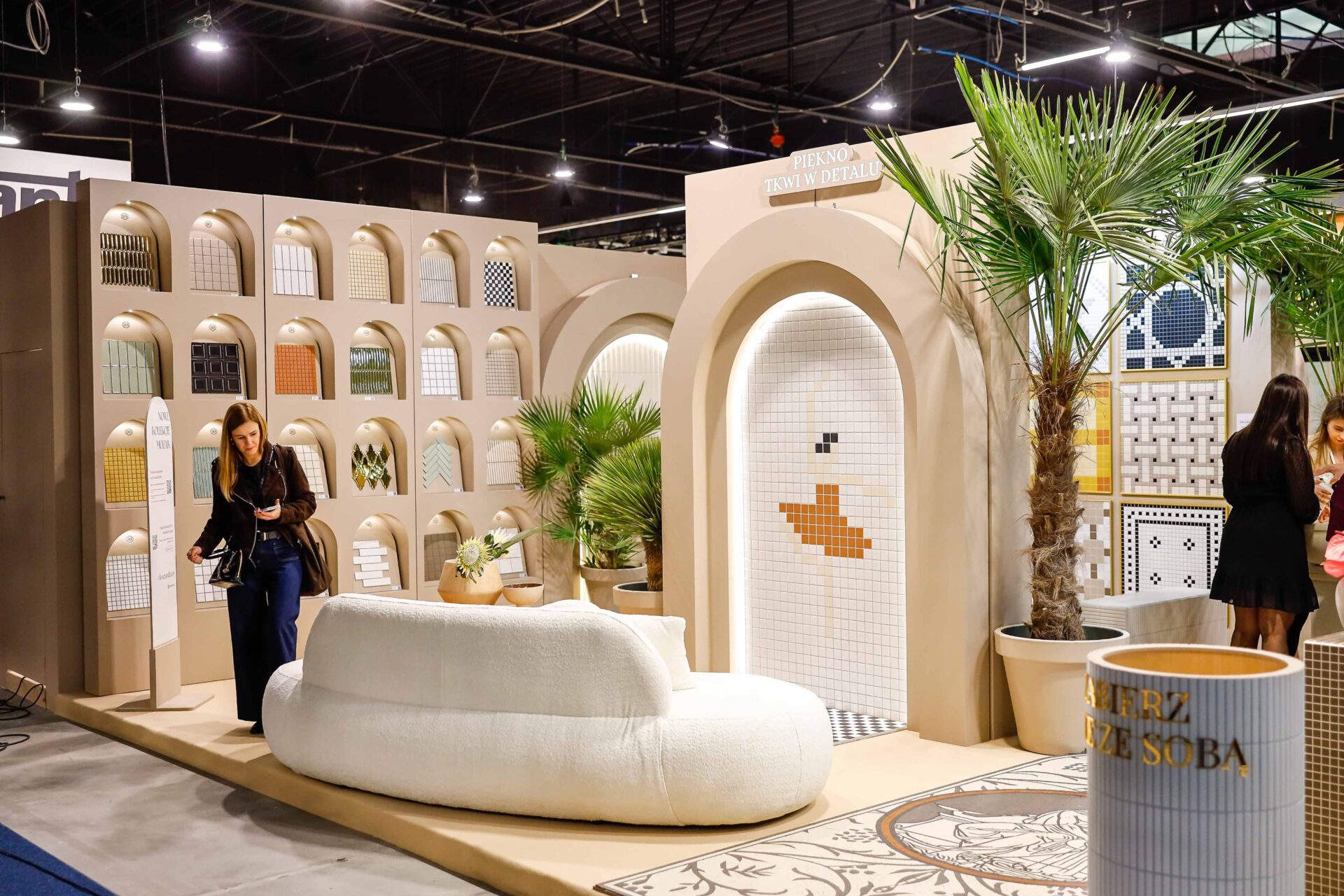
©Warsaw Home & Contract
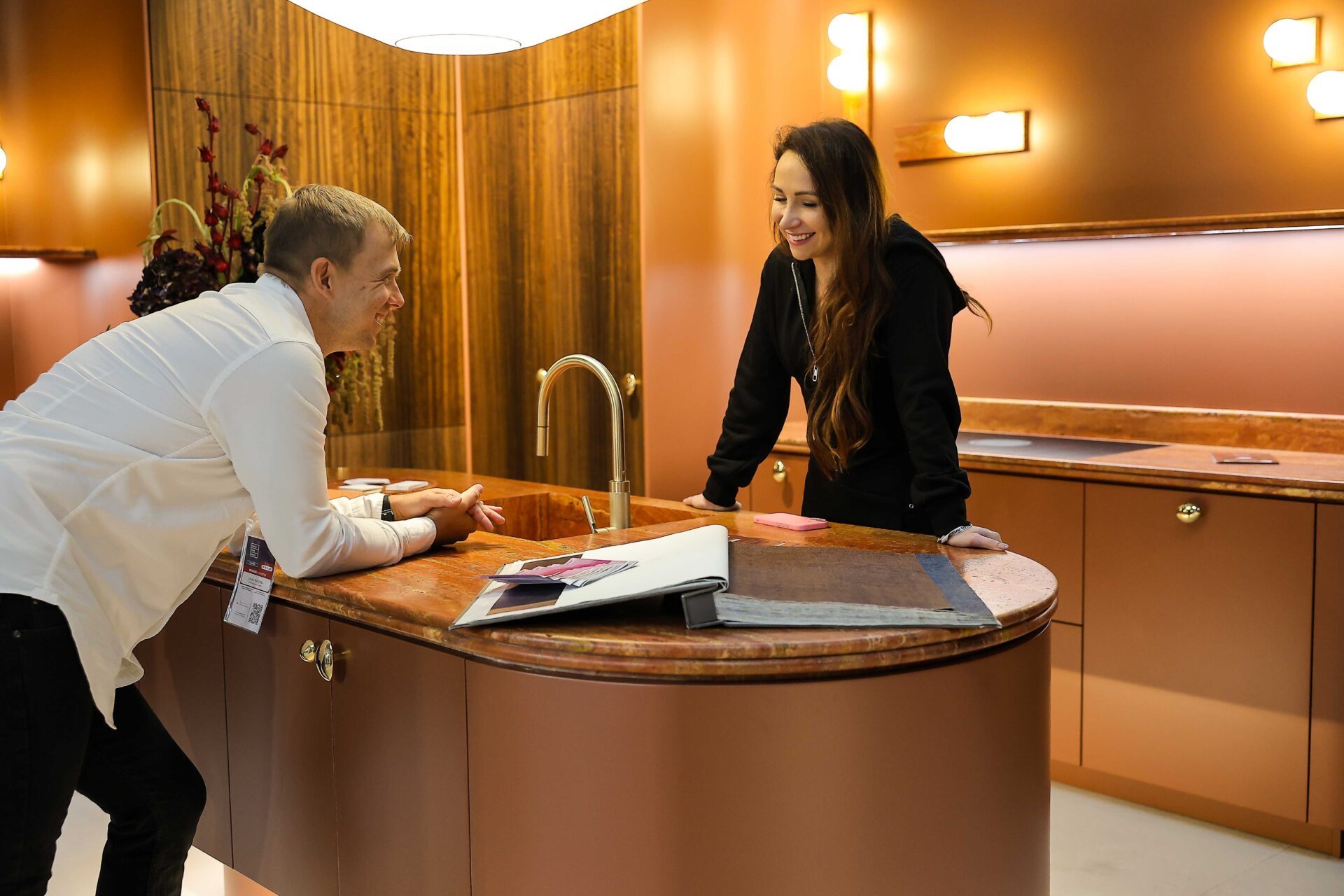
©Warsaw Home & Contract
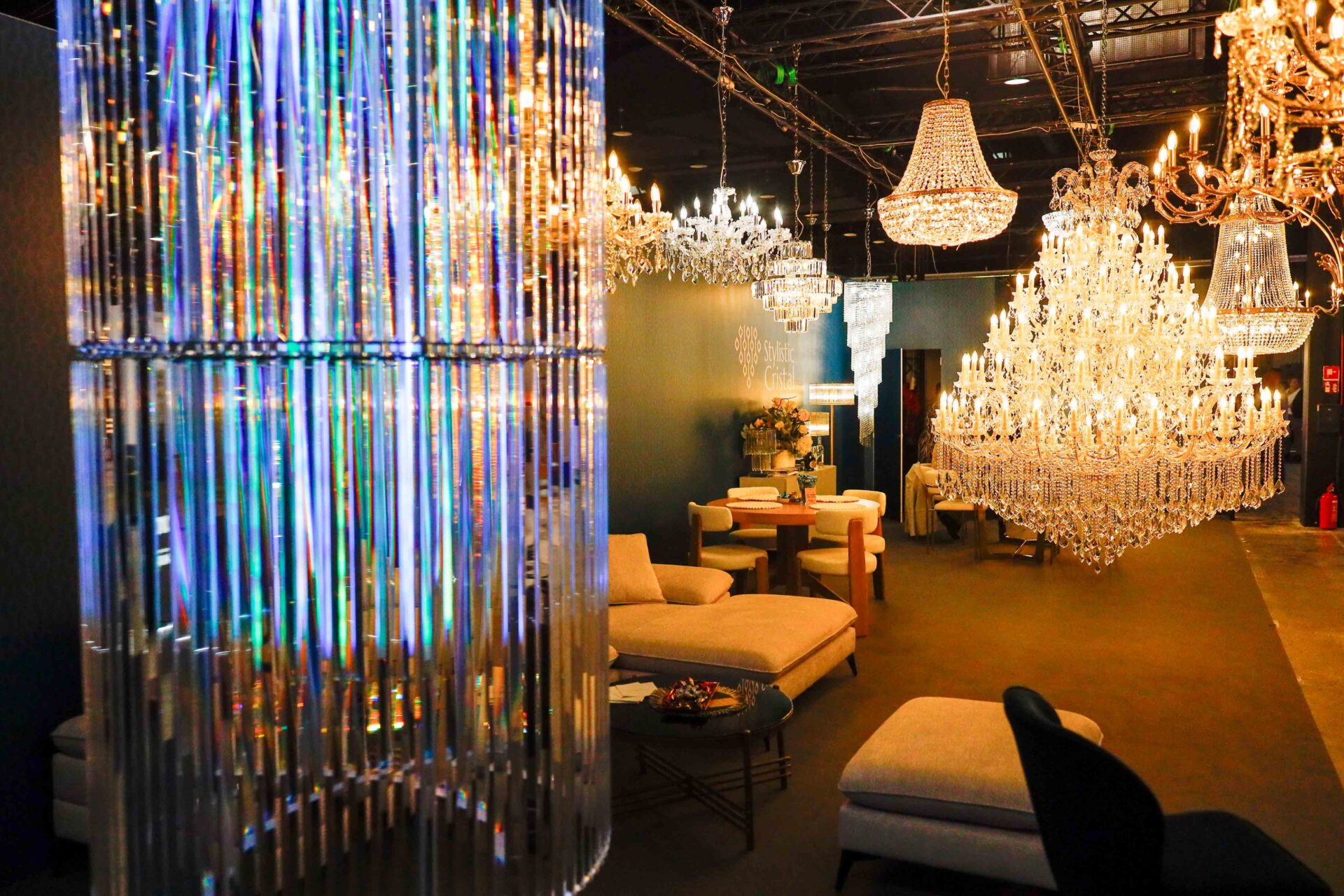
©Warsaw Home & Contract
Warsaw House & Contract – Features:
Six exhibitions, one design ecosystem
The festivalits structure reflects a core belief: that contemporary interiors are never the product of a single discipline, but the result of collaboration between furniturefabrics, lightingkitchens, bathrooms and building and finishing solutions. Warsaw Home Furniture, Warsaw Home Textile, Warsaw Home Light, Warsaw Home Kitchen, Warsaw Home Bathroom and Warsaw Home Build together form a complementary ecosystem that maps the entire spectrum of how spaces are designed and delivered in reality — from residential and hospitality to commercial and contract.
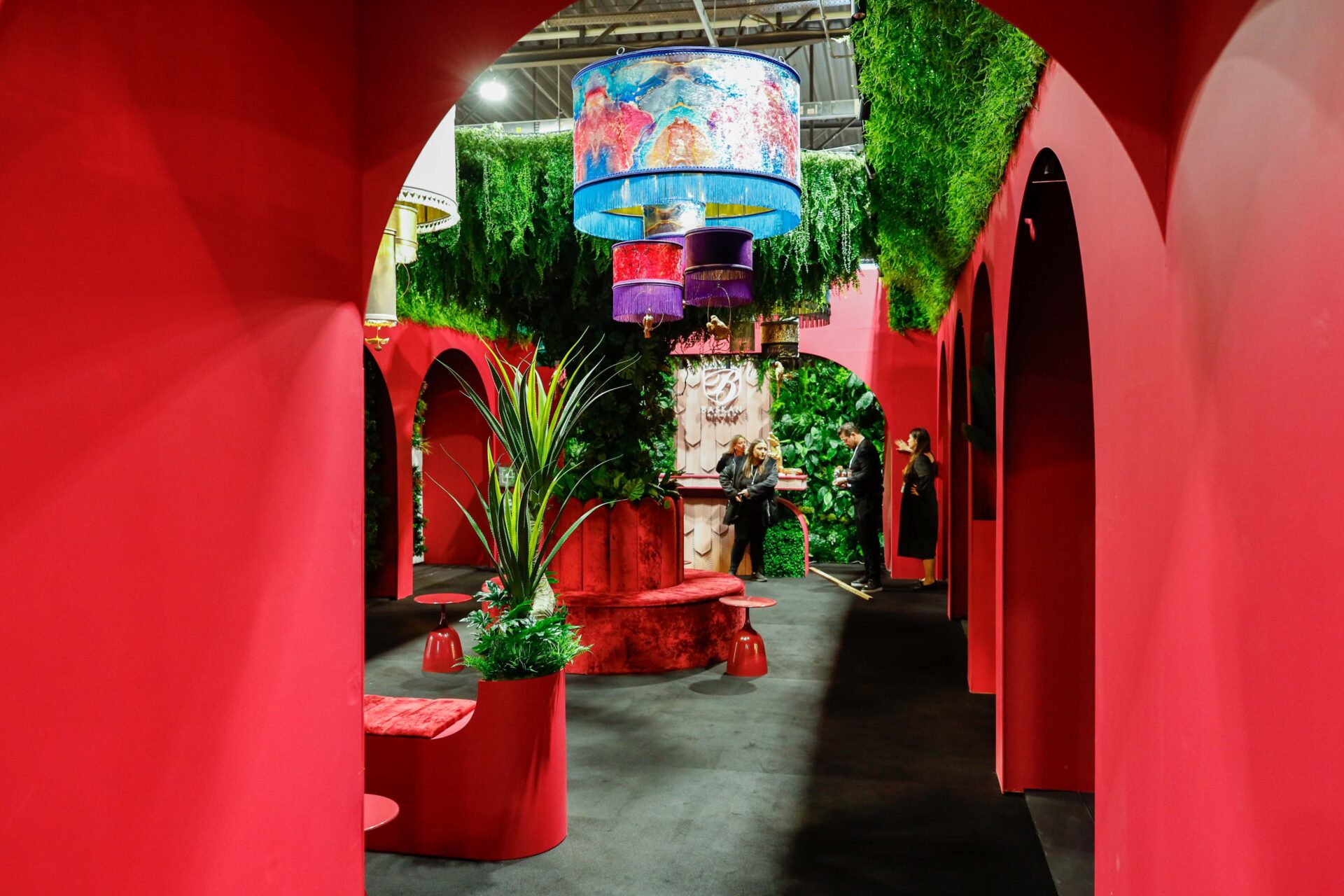
This interdisciplinary architecture has become one of the exhibition’s defining strengths. Rather than presenting individual product categories, it creates the conditions for the kinds of cross-sector conversations that lead to truly interesting outcomes — between designers and builders, between technologists and investors, between the people who design spaces and the people who build them.
Beyond the exhibition floor: design as dialogue
The 10th anniversary edition puts a special emphasis on its conference program, which is anchored by the Design Trends Congress — one of the event’s premier knowledge-sharing platforms. Through lectures, panel discussions and expert presentations, the conference will address the future of interior design through material innovation, sustainability, technology and the evolving expectations of users and investors.
A highlight of this year’s program is VIVA DESIGN – Meetings with Italian Design by MAS MARKET, now in its second edition. The initiative brings together executives, designers and experts from leading Italian companies to present the latest products, technologies and solutions in interior architecture and finishing — structured around four thematic tracks: Floors & Doors, Bathrooms, Walls & Effects and Furniture. Architects, designers and engineers can attend specialized training sessions led by Italian professionals focusing on innovative systems, materials and technical applications.
New additions to VIVA DESIGN this year include an interactive test zone where visitors can experience the products first-hand and workshops developed in collaboration with Italian brand Spaghetti Wall. The program culminates in a competition whose winner receives a study trip to Italy, including visits to factories and design workshops – a hands-on, riveting conclusion to what is essentially a concentrated encounter with Italian design culture on Polish soil.
A decade of relevance
Ten years later, the fair has become more than just a trade fair. It is a platform where design intersects with business, innovation and education — and where the growing maturity of the Central and Eastern European interior market becomes visible in one place, for four days, every October.
As the anniversary edition shows, maturity is not just a local story. The presence of Italian industry partners, the international profile of its speakers and the breadth of the exhibition ecosystem all point to an exhibition that has earned its place in the European design calendar — not by replicating what already exists elsewhere, but by building something specific to its geography and its moment.



