


Recess headed for Mexico City. The independent design platform has announced its first edition in Latin America, which will take place during Art Week in February 2027. The move marks the next step in Alcova’s international expansion after nine years of specific projects in Milan and three editions in Miami.
Founded in 2018 by Valentina Ciuffi and Joseph GrimaAlcova has built its identity around movement, temporarily occupying and activating spaces with multi-layered stories. In Milan, the platform has occupied former factories, military hospitals, modernist villas and industrial ruins, turning each site into an active part of the design experience. Its extension to Mexico City continues this approach, placing experimental design within buildings of architectural, cultural and urban significance.
Mexico City arrives as a natural next destination for Alcova. Mexican designers and galleries have long played a visible role in Alcova Milan, while the city itself has become one of the most dynamic creative capitals in the Americas. Its growing design scene, contemporary art ecosystem and strong Art Week calendar position it as a key meeting point for international creative exchange.
For its debut in Mexico City, Alcova will partner with Proyectos Públicos, the Mexico City-based platform founded by Pepe Islas. Known for its work in architecture, hospitality and culture, Proyectos Públicos focuses on reactivating sites of historical value and creating new forms of public life through exhibitions, residences, cultural programs and large-scale activations.
Alcova Mexico City 2027 will unfold in three main locations. Two of them are located in the Juárez neighborhood, one of the central hubs of Art Week and an area shaped by residential, commercial and cultural layers.
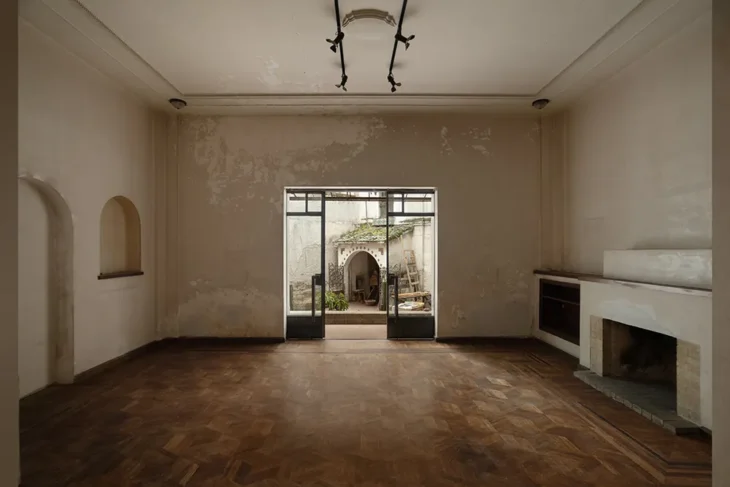
The first venue, Casa Palomar, is located on General Prim, a street lined with Porfiriato-era mansions that reflect Juárez’s early twentieth-century history as an aristocratic enclave. Built in 1920 and renovated in 1932 by Carlos Obregón Santacilia, the house belonged to a pioneering obstetrician-gynecologist and his family. Its rooms, staircases and courtyards will be opened to the public as a backdrop for contemporary design.
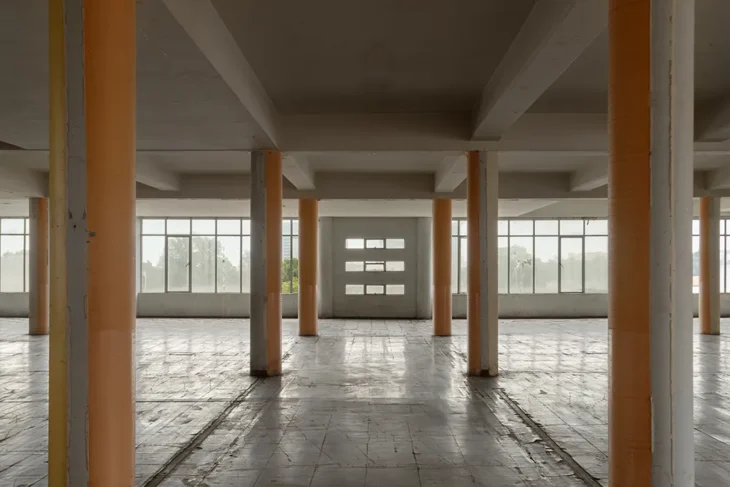
Nearby, Alcova will activate the Bucareli School, located on one of Mexico City’s oldest grand avenues. In contrast to the domestic scale of Casa Palomar, the school offers generous classrooms and circulation spaces designed for collaborative use. Together, the two buildings create a dialogue between intimacy and public life, allowing the character of each site to guide the works presented within it.
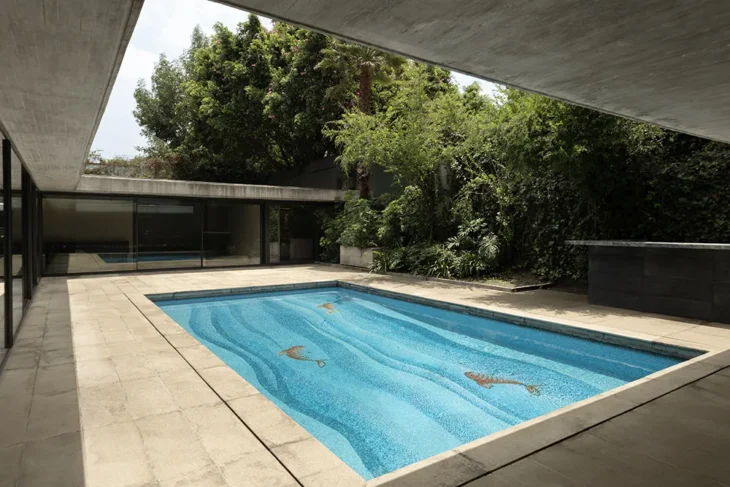
A third space, Villa Reforma, will open as a parallel space fifteen minutes from Zona Maco. Designed in the 1950s by Francisco Artigas, the villa remains one of the few examples of his residential work outside of El Pedregal. Its low horizontal structure, L-shaped floor plan and extensive glazing connect the interior space with the surrounding landscape. After years of vacancy, Lorena Vieyra restored the building to its original clarity. Today, it serves as the home for Piacere’s operations.
In these three locations, Alcova Mexico City 2027 will bring together emerging and established exhibitors from Latin America and beyond. The publication will provide a space for new talent, independent practices and fresh perspectives outside the mainstream design circuit.
With Mexico City, Alcova continues to develop as an itinerant platform shaped by place, architecture and cultural exchange. Its first edition in Latin America positions the city as the next chapter in a project that follows the evolving currents of contemporary design.



