


When designing lighting, the focus is almost always on what makes a space more beautiful, comfortable or functional. However, good lighting could (and should) also be measured by another, less visible but equally important factor: the way it interacts with our biological clock. This perspective is gaining increasing attention, bringing to the fore the relationship between light and circadian rhythms – still a relatively unexplored area within the discipline.
Light, in fact, affects much more than the way we perceive a space. It also affects the physiological processes that regulate sleep, attention and energy levels during the day. It is at the intersection of design, technology and biology that research into photobiological lighting opens up new possibilities for the future of the field.
Within this evolving landscape, BAENUE emerges as a Korean brand based on its expertise Baeluxcompany specializing in LED light sources for professional and architectural applications. Drawing on his years research in advanced lighting engineering, the brand brings this knowledge to the world of design with the ambition to create lighting that supports people prosperityinstead of just lighting spaces.
Lamps @ BAENUE
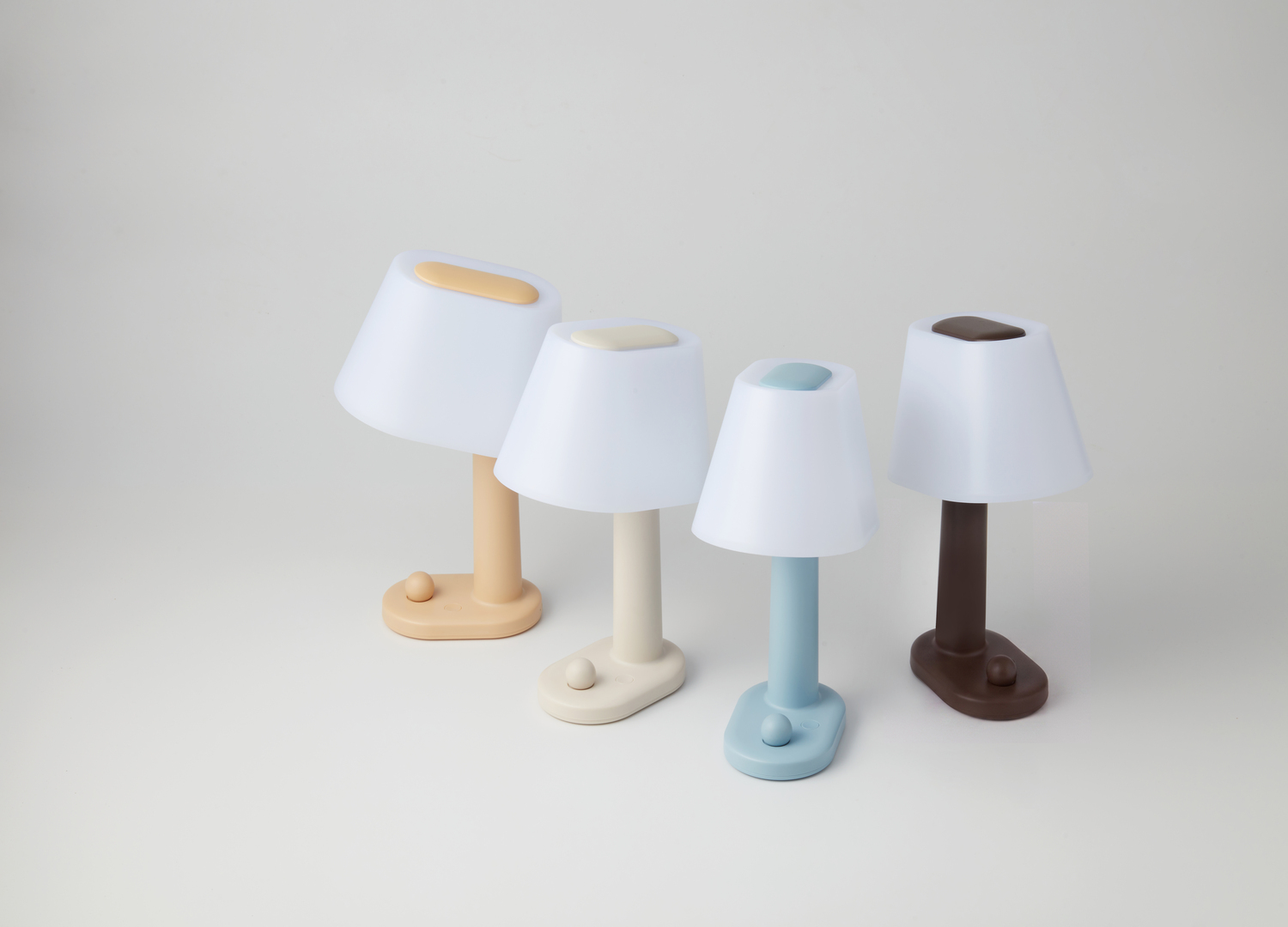
MINI @ BAENUE.jpg
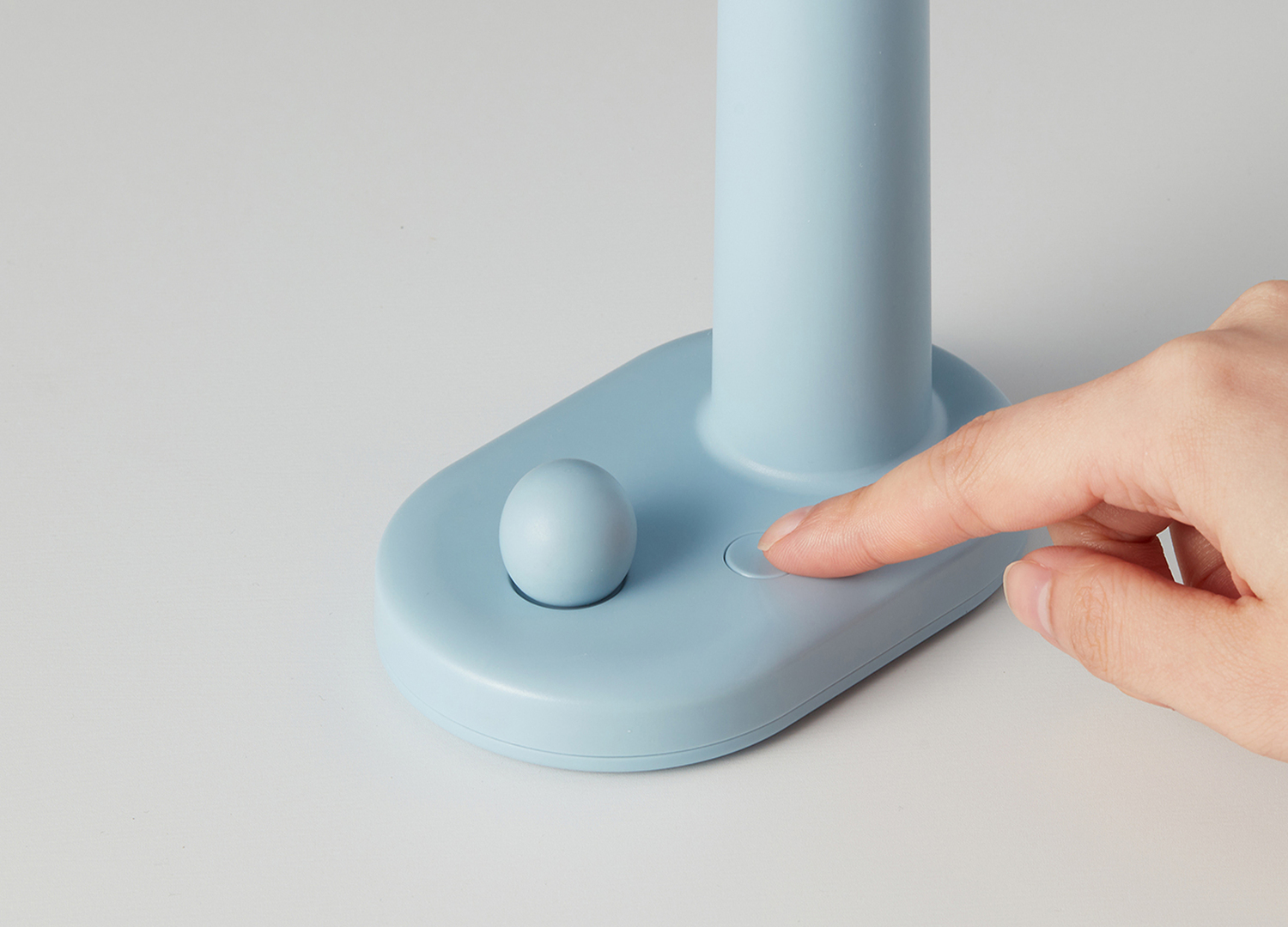
MINI Dial @ BAENUE
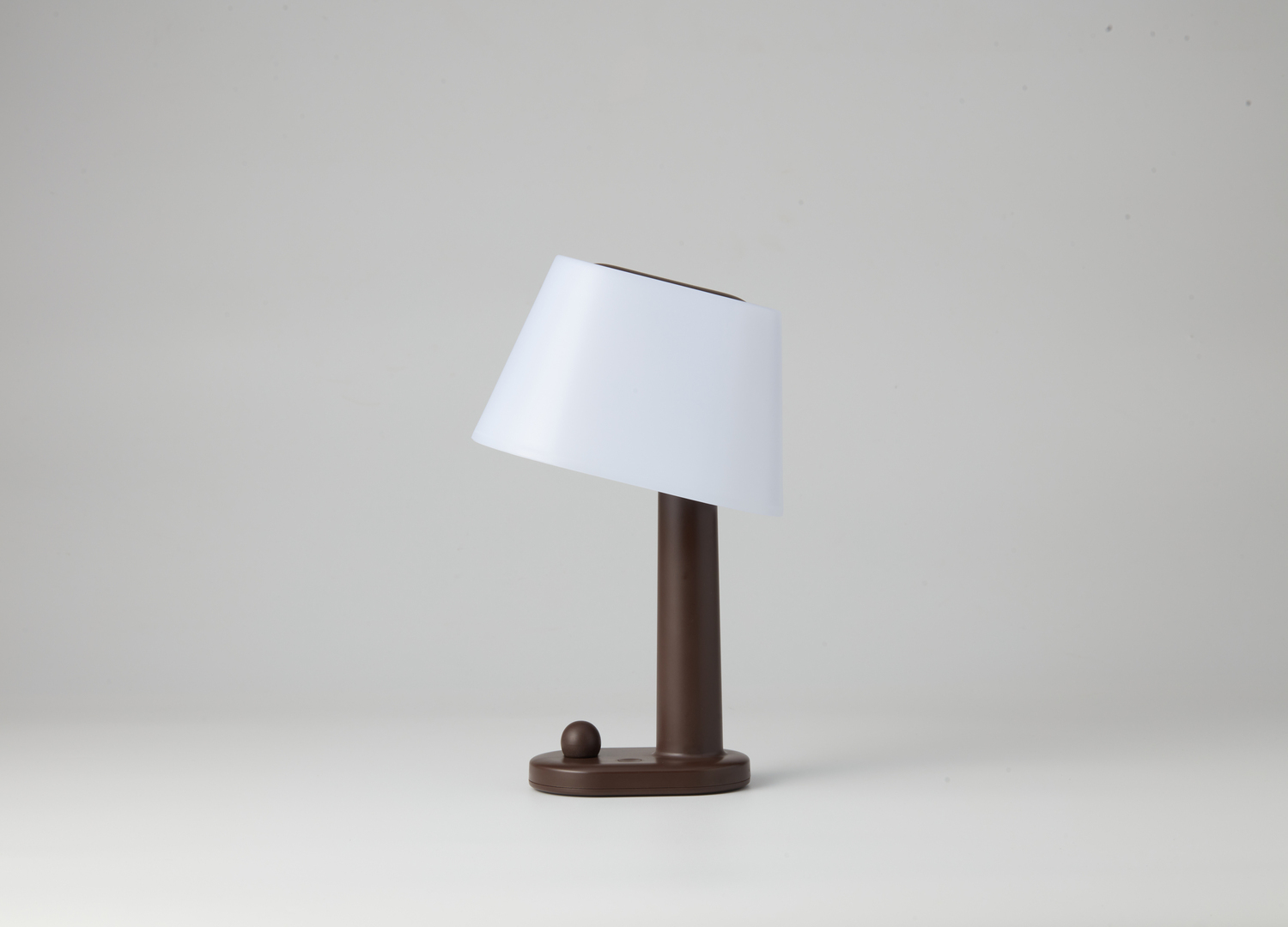
MINI @ BAENUE
MINI @ BAENUE
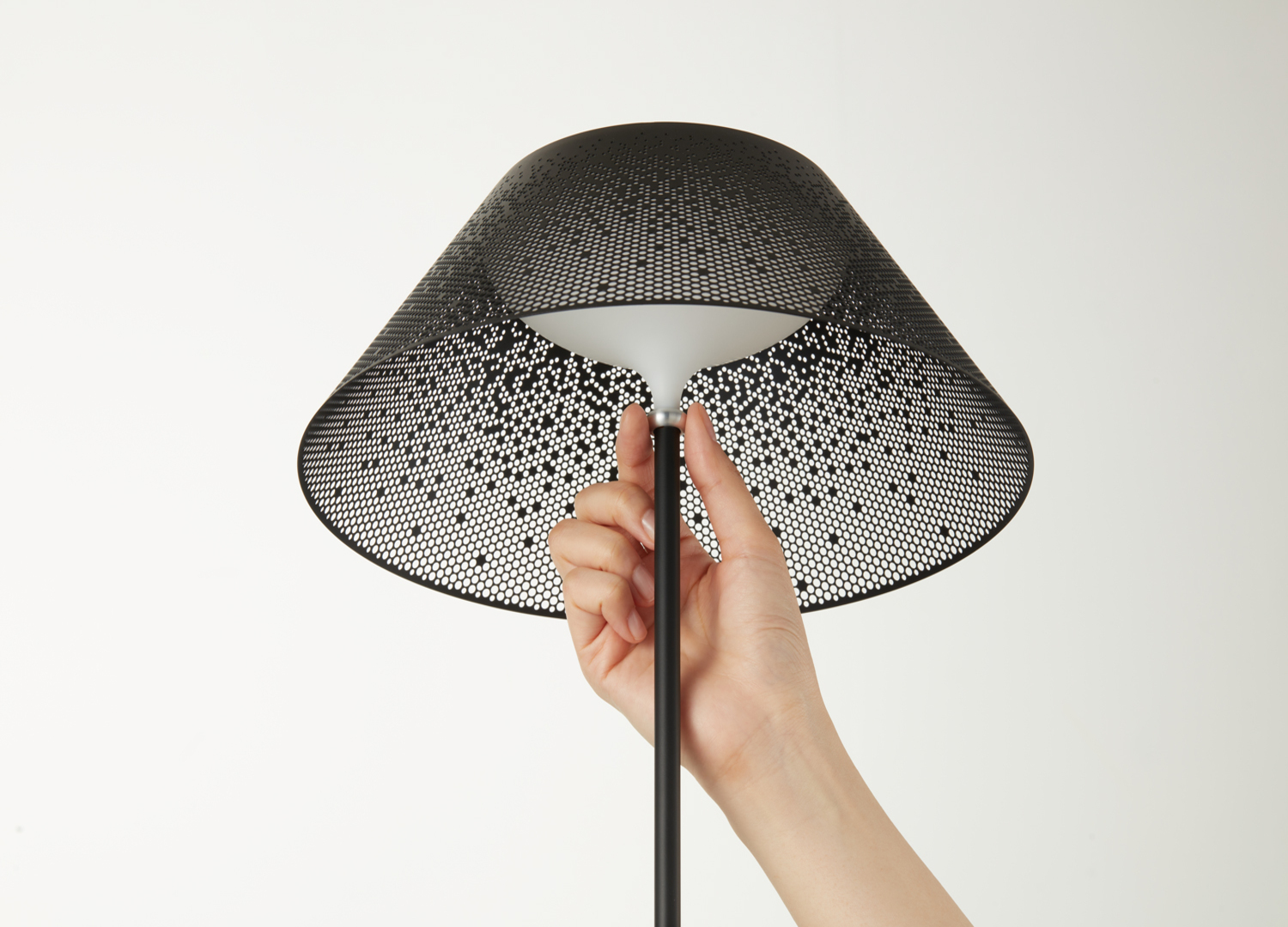
SHIIM Øivind Slaatto @ BAENUE
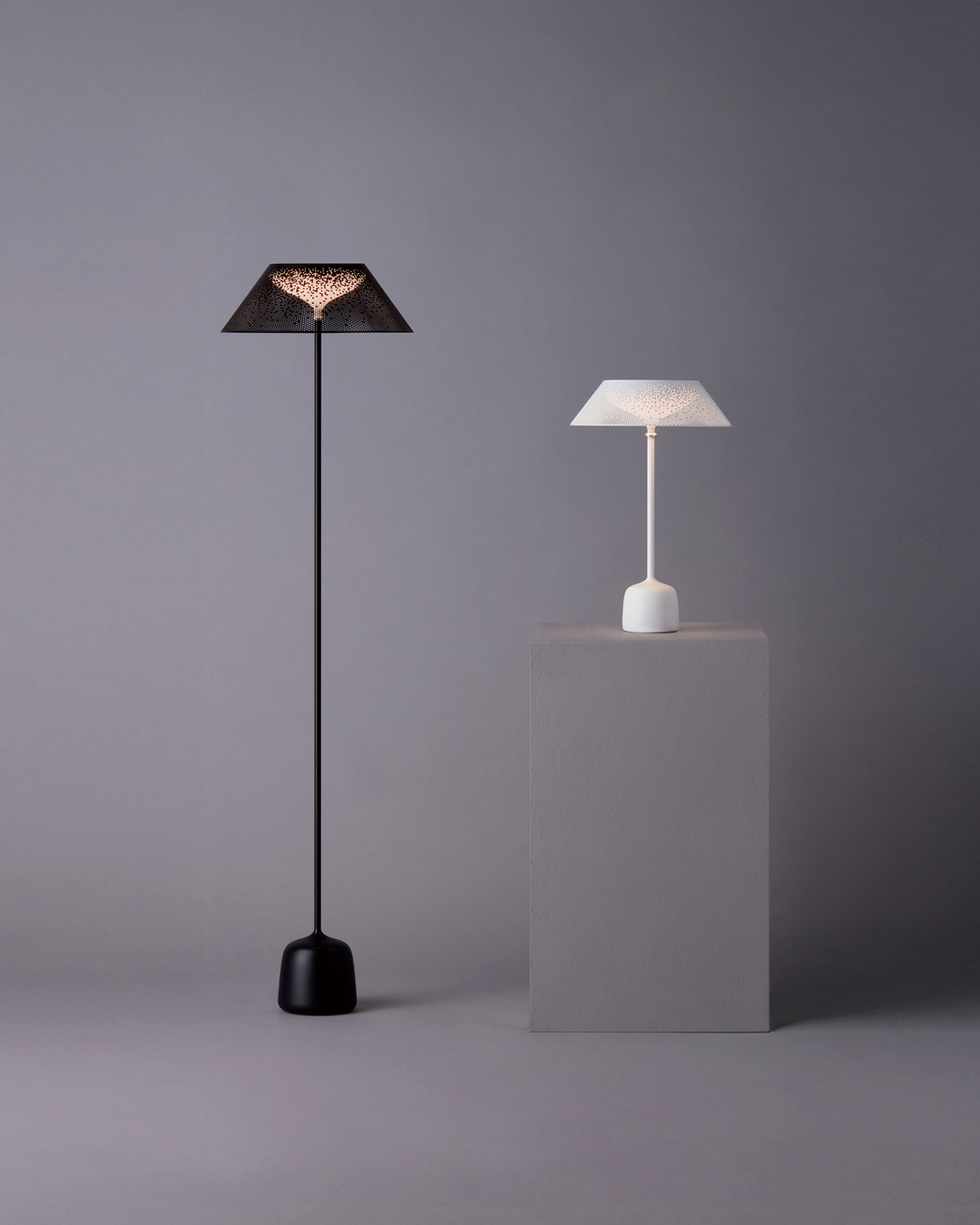
SHIIM Øivind Slaatto @ BAENUE
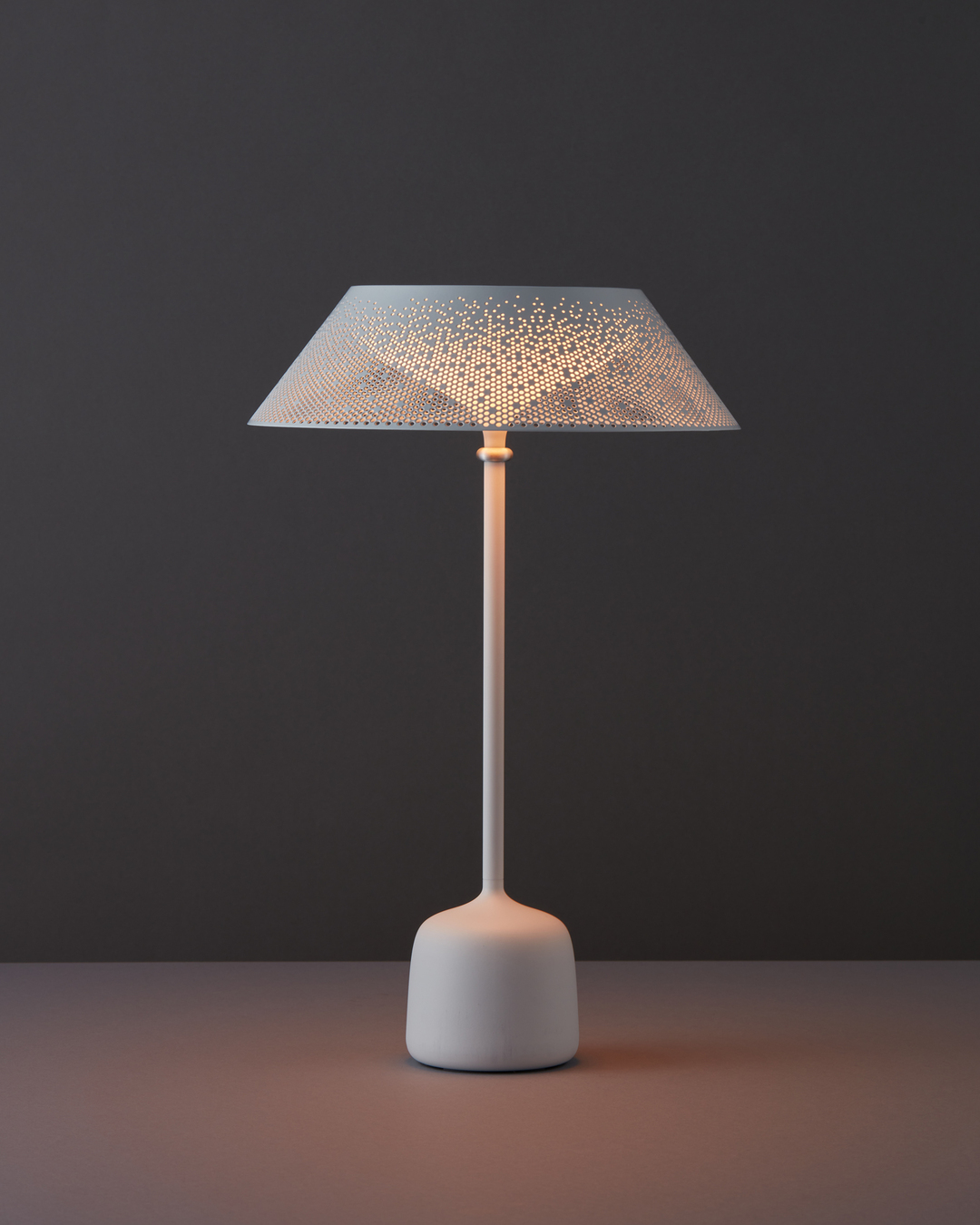
SHIIM Øivind Slaatto @ BAENUE
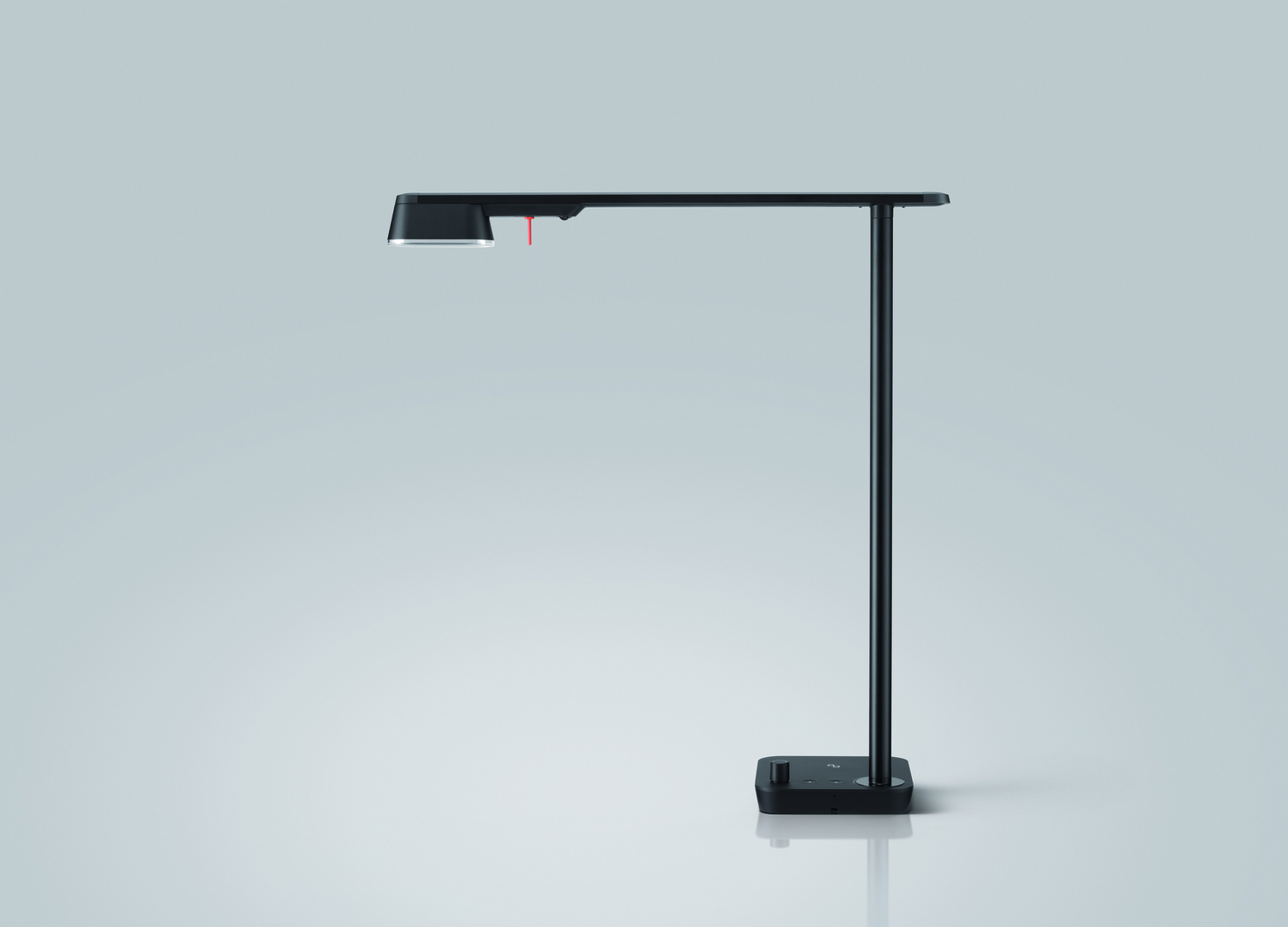
THE NEW LAMP @ BAENUE
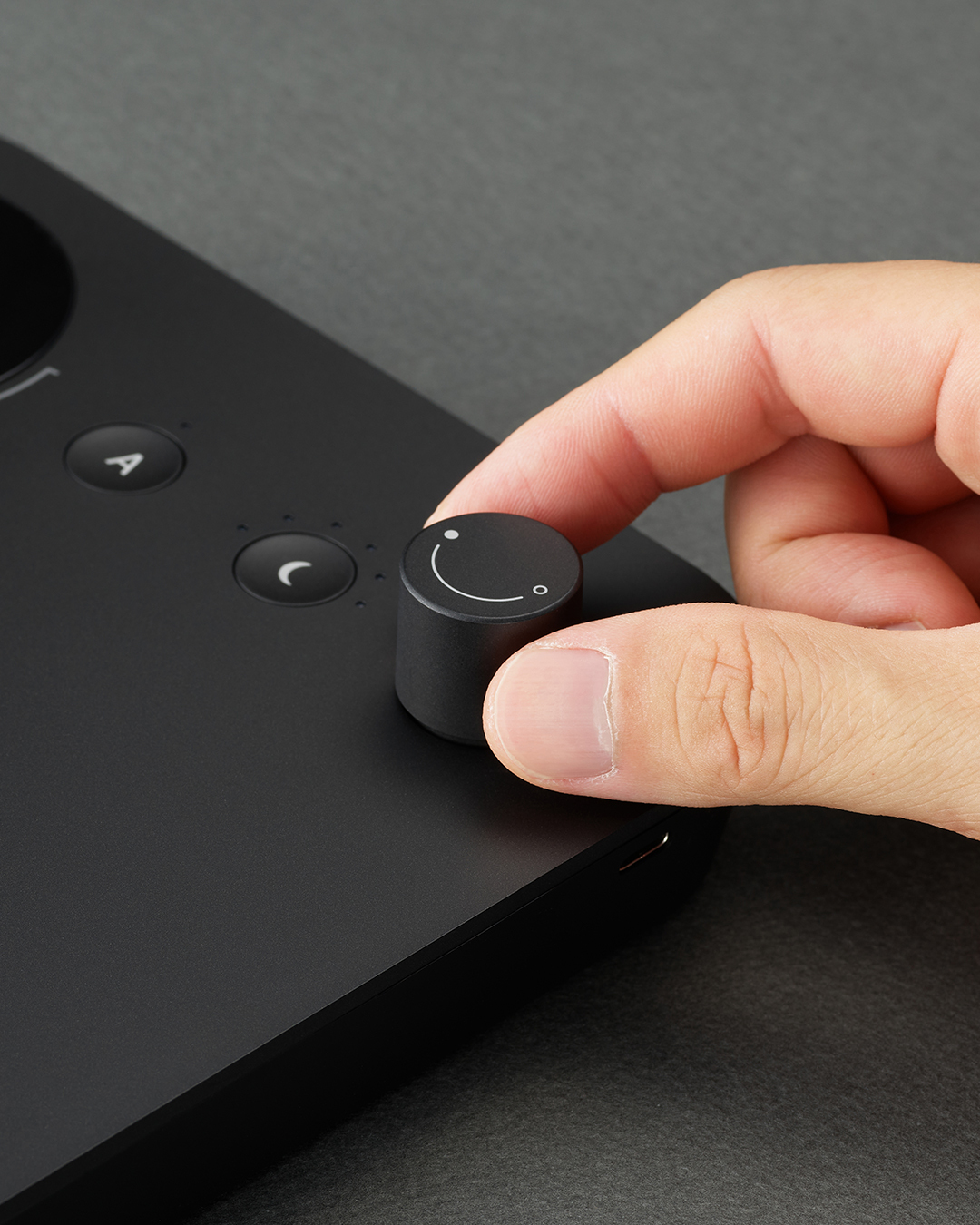
THE NEW LAMP Call @ BAENUE
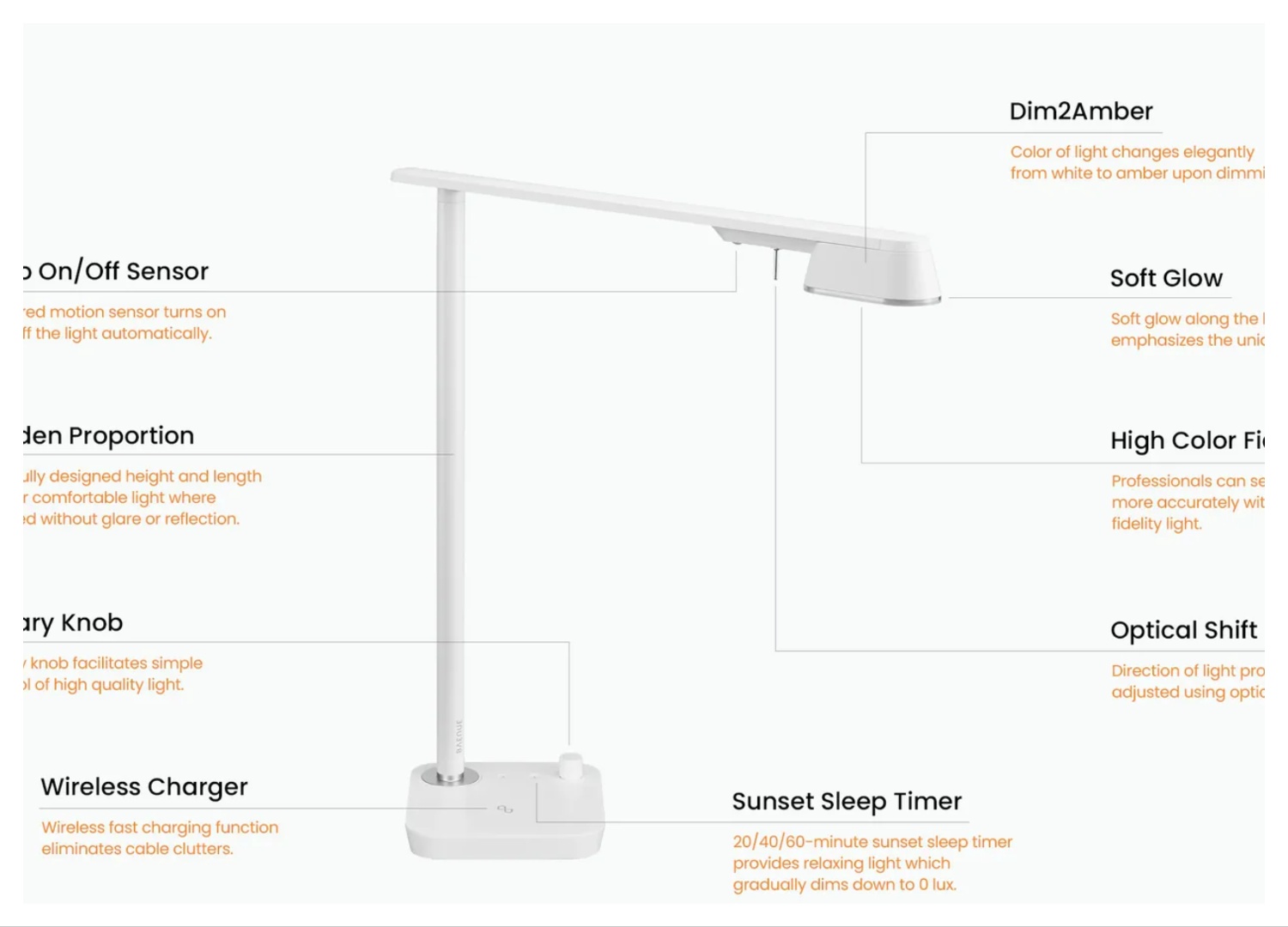
THE NEW LAMP Features @ BAENUE
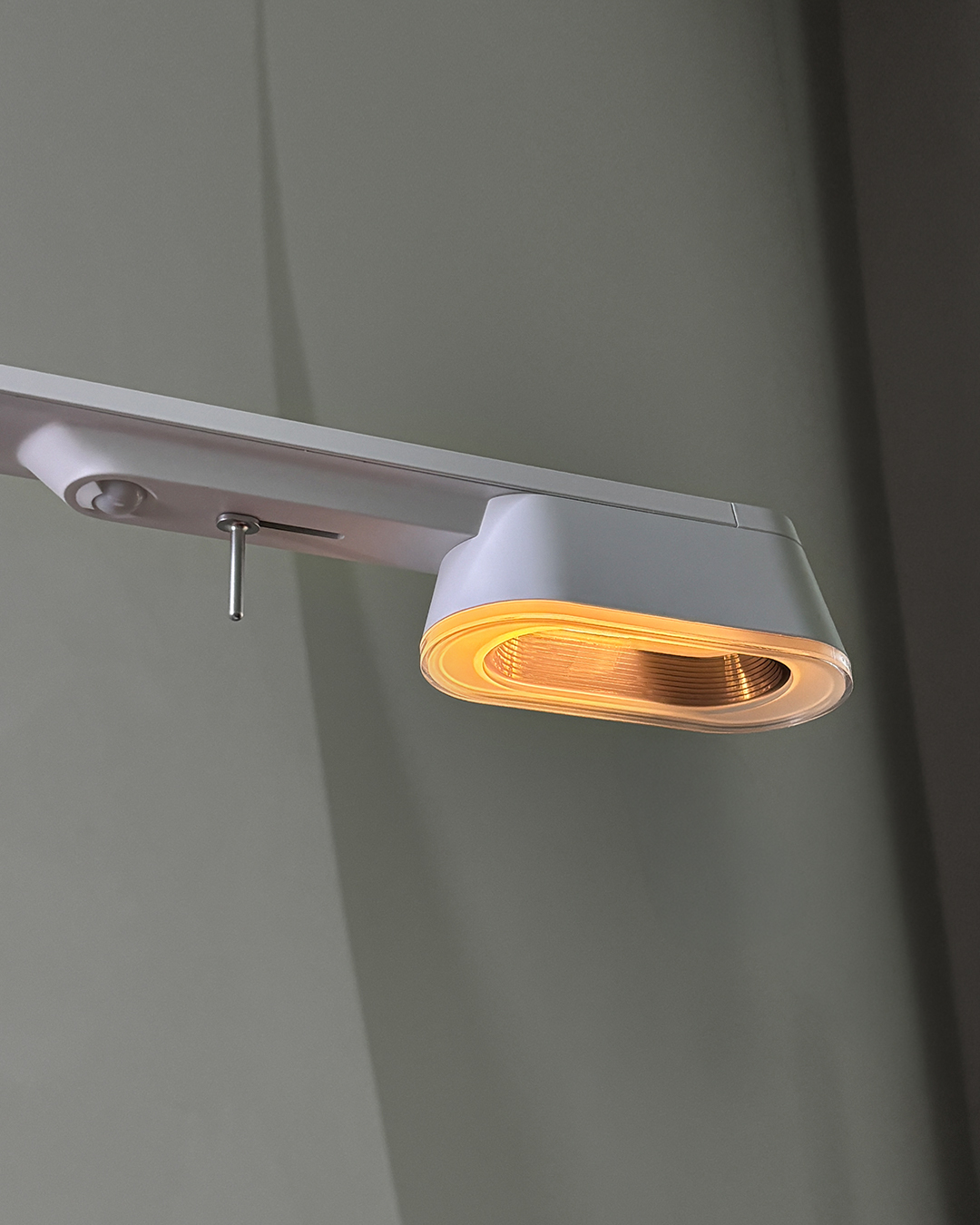
THE NEW LAMP Optical Shift @ BAENUE
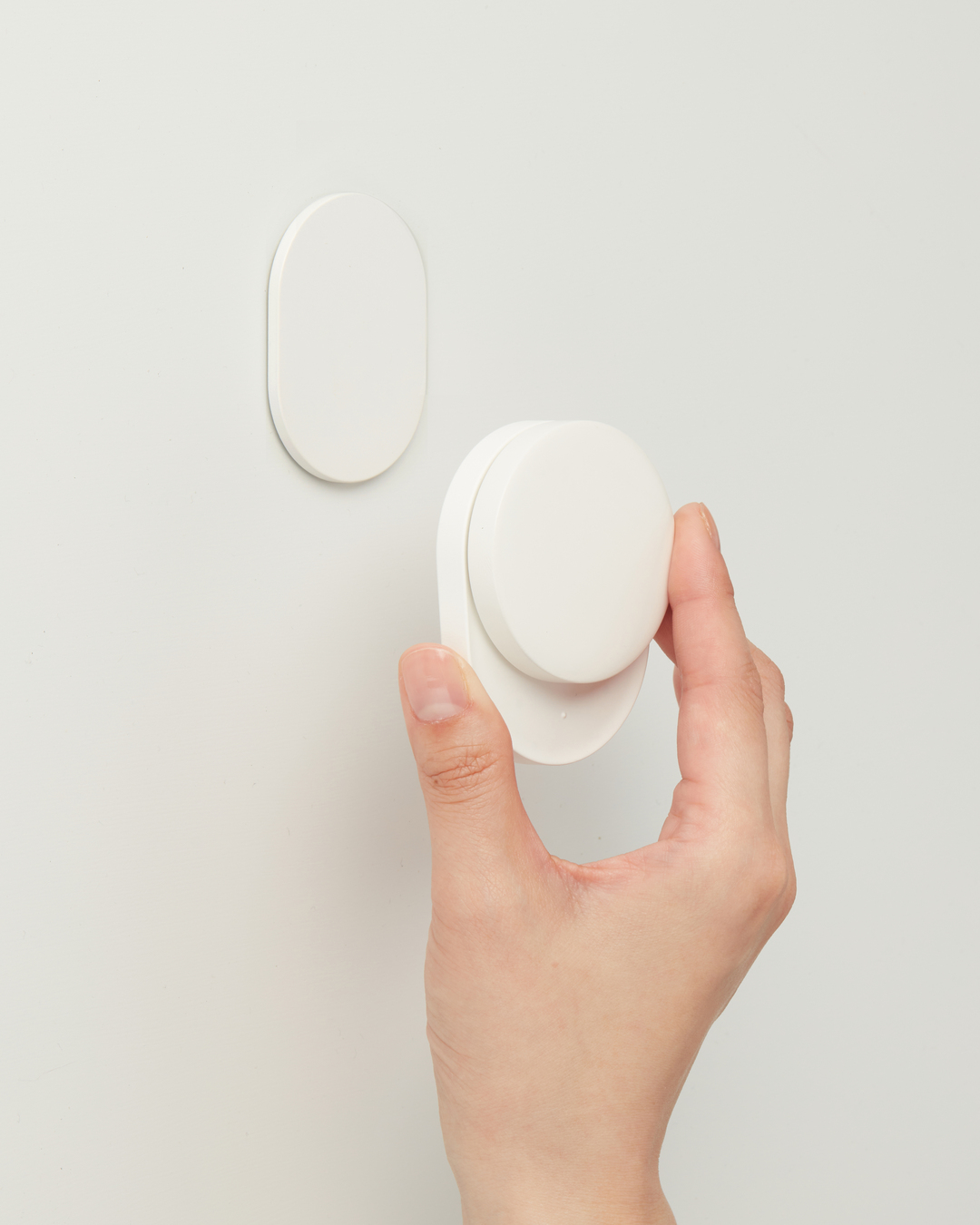
Dimmer @ BAENUE
BAENUE, the light that follows our biological clock:
The technology behind the project: Dim2Amber™
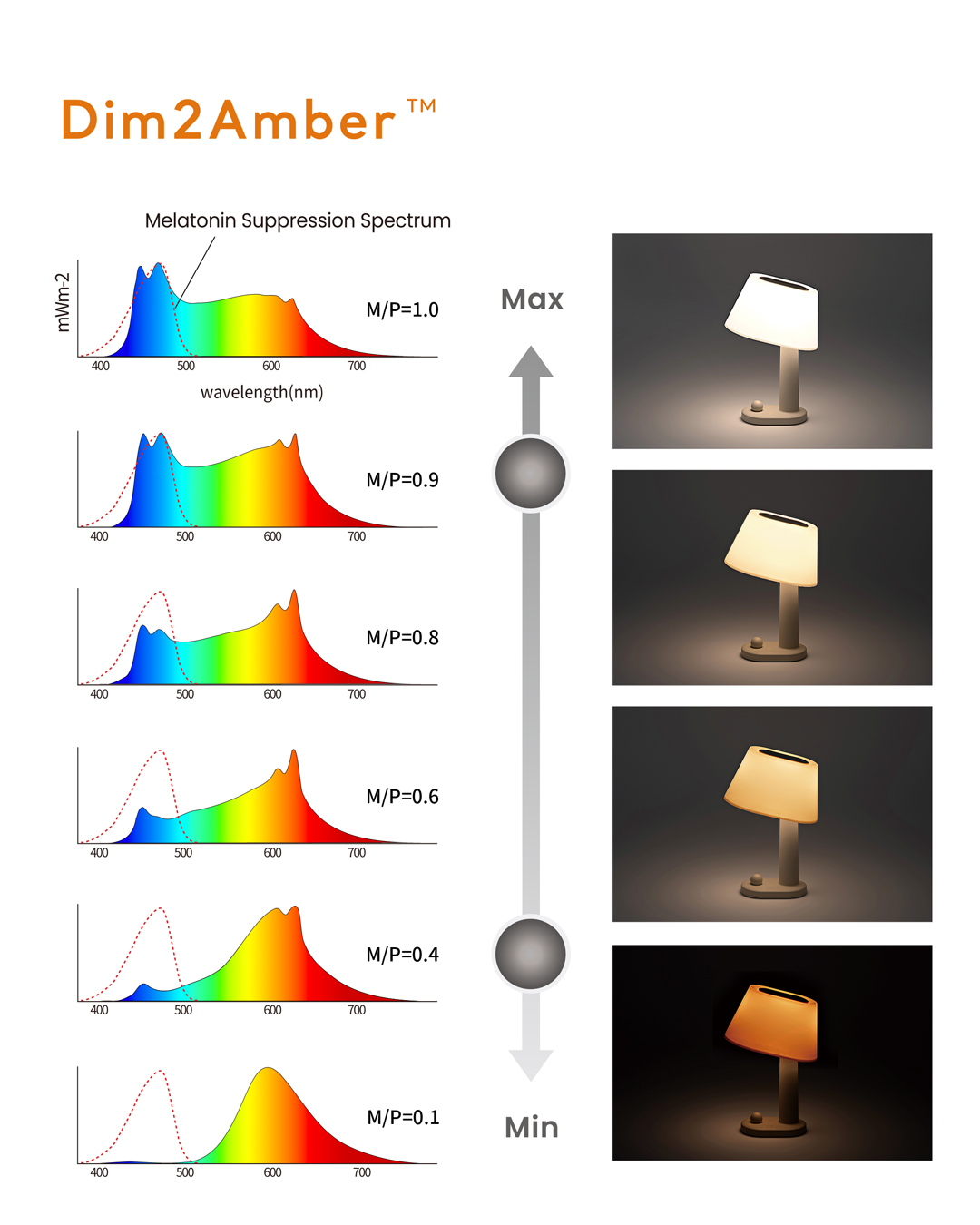
At the core of BAENUE’s approach is Dim2Amber™, a proprietary technology that adjusts not only light intensity but also its spectral composition. The idea is to follow the natural progression of daylight: the cooler, energizing light during the day gradually transforms into a warm amber glow in the evening, recreating the hues of the sunset while reducing interference with melatonin production and supporting the body’s natural circadian rhythm.
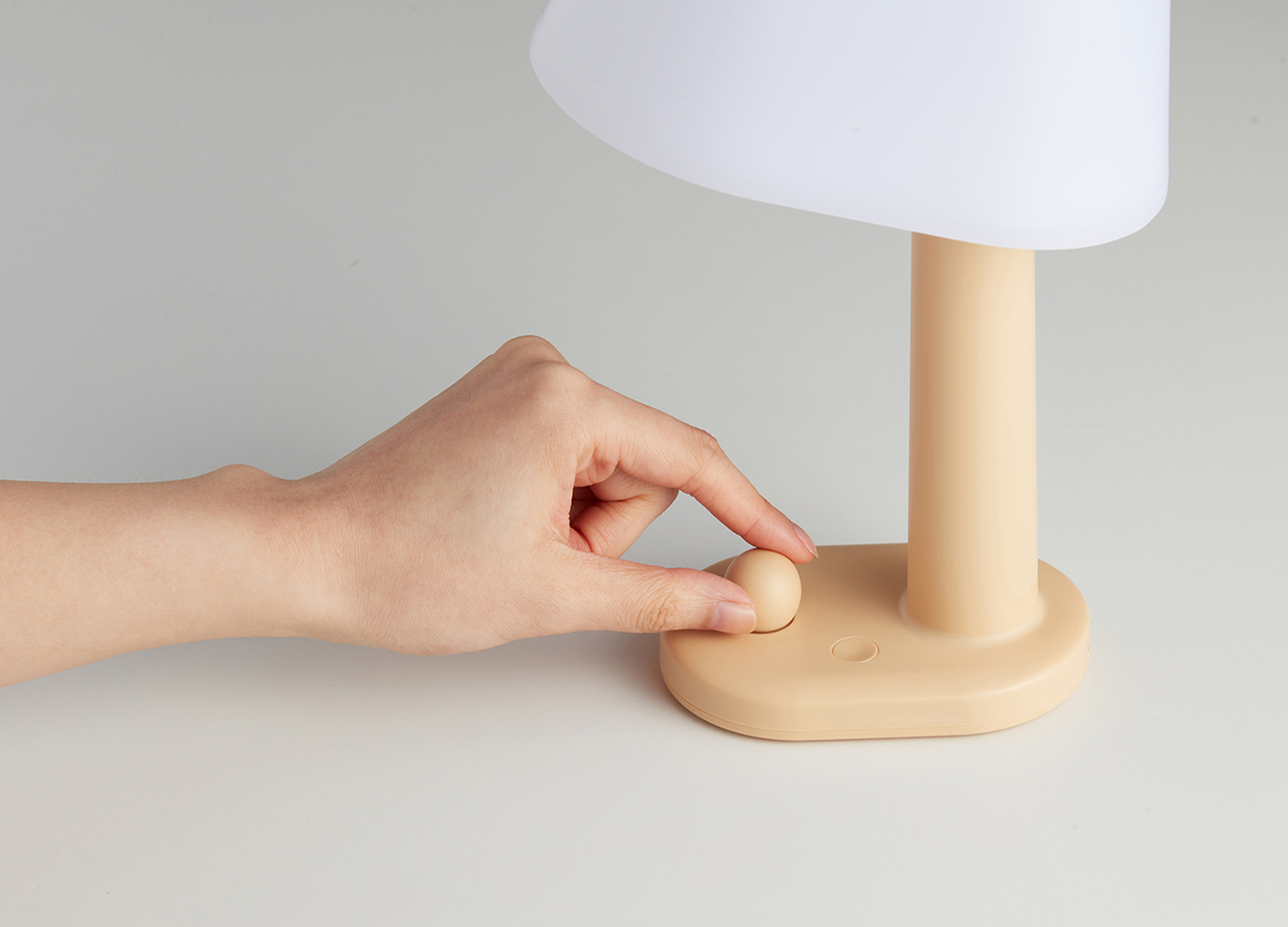
This research takes shape through a collection that includes THE NEW LAMP, a work lamp that features the proprietary Optical Shift system. MINI, a portable lamp designed to provide glare-free directional lighting. and SHIIM, developed in collaboration with a Danish designer Øivind Slaatto. Three distinct products united by the same ambition: transforming sophistication technology in an intuitive, almost effortless user experience.
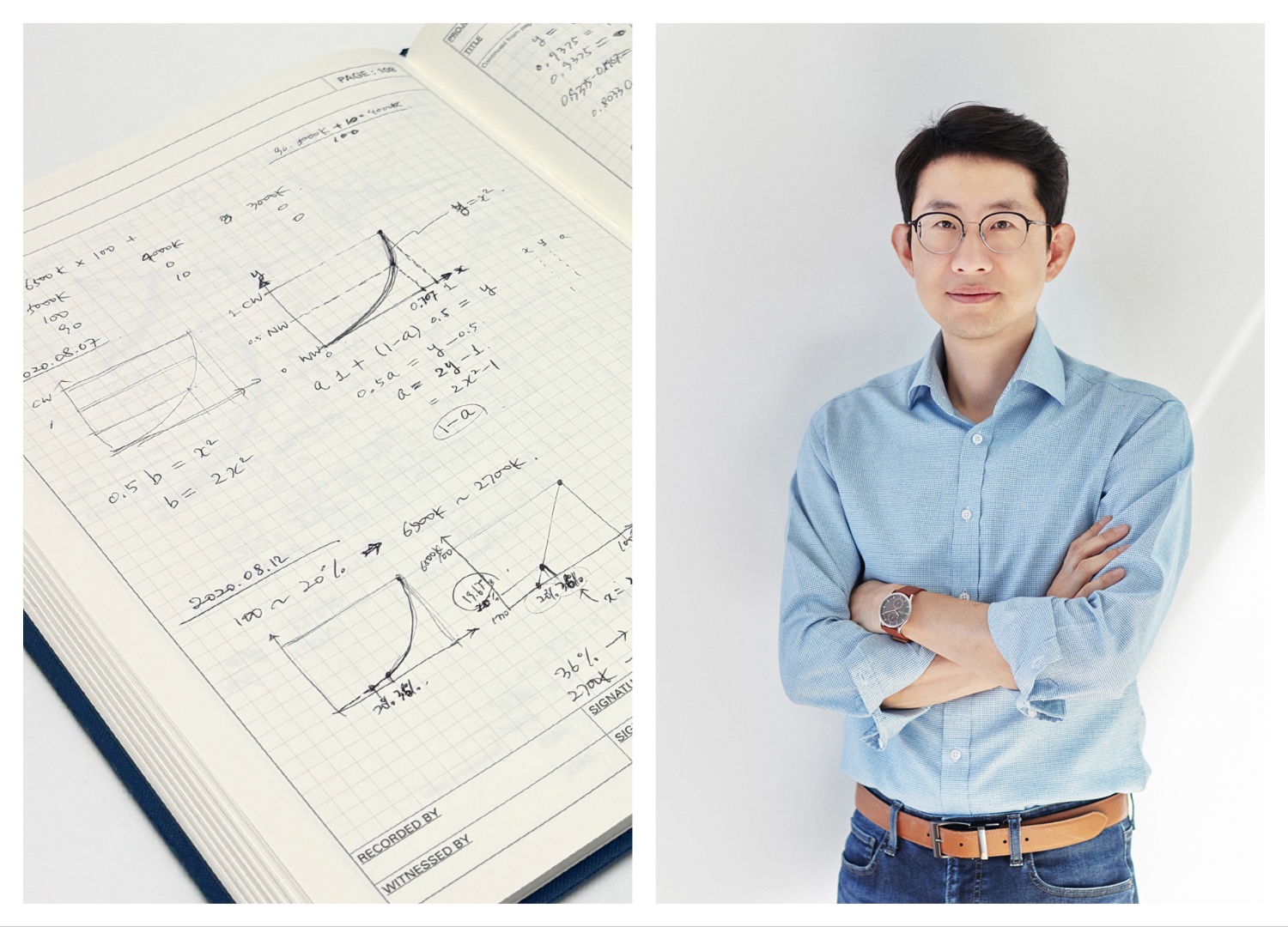
On the occasion of the debut of the brand in 3daysofdesign 2026 in Copenhagen, we spoke with founder and CEO Dr. Jinwoo Bae to explore the research behind Dim2Amber™, his role BAENUE photobiological designand if designing light around human biology could become the next frontier of lighting design.
BAENUE has its roots in engineering light research, yet your ultimate goal seems to be human well-being. At what point did you realize that your real product was no longer the lamp itself, but the biological experience that light can create?
The idea came from my personal battle with sleep quality, which led me to discover how deeply light and its spectrum affects our circadian rhythm. Having spent years building custom LED light sources for professional and architectural applications, I always had the dream of creating my own lamp, but lacked the catalyst of how and where to start. The idea of Dim2Amber™ – which struck me unexpectedly during a quiet dinner at home during the pandemic – was the real turning point. It made me start a new journey.
Many lighting systems focus on color temperature regulation. Why did you feel it was necessary to work directly on the spectral composition of light?
Our bodies are naturally designed to synchronize with the Earth’s 24-hour rotation cycle by detecting the blue-cyan spectrum of light around 475nm. It was obvious to me that we need light with the right spectrum for any given situation. However, brightness is also a critical parameter of light. The core idea of Dim2Amber™ is to connect this vital spectrum change with a very familiar user behavior, dimming. As the user dims the light up and down, the spectrum changes dramatically in the 475nm region, seamlessly shifting the light from a bright, energetic white to a soft, soothing orange that protects our natural sleep cycle.
In your work, you often refer to the M/P (Melanopic/Photopic) ratio, a measurement that relates the biological effect of light to its optical efficacy. Do you think this could become an important standard in the future of lighting design?
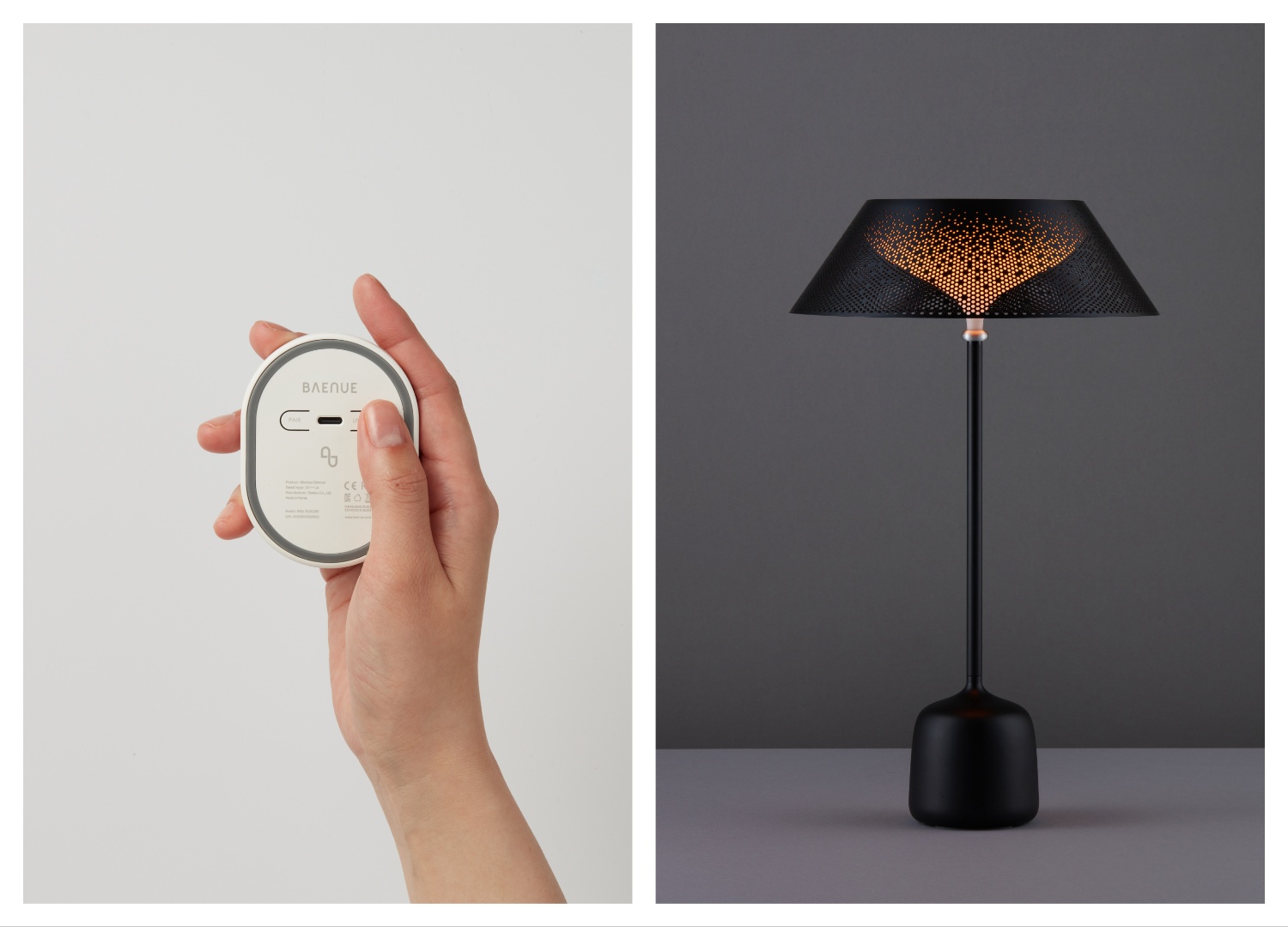
In professional lighting, the M/P ratio has been reported for several years, but only for a limited number of projects. It is an important measurement for assessing how much light affects melatonin secretion and our circadian rhythm. For example, the M/P ratio of daylight is about 1.0, while that of candlelight is about 0.3. Dim2Amber™’s M/P ratio varies from 1.0 to 0.1 when dimming, a dynamic range of 10:1. A M/P ratio of 0.1 means that the light has a 3-fold reduction in interference with melatonin secretion compared to candlelight at the same visual brightness level.
With Dim2Amber™, this M/P ratio change is naturally delivered alongside the brightness adjustment to truly support our circadian rhythm. While I personally believe this biological aspect is vital to our well-being, it remains to be seen whether the M/P ratio will become a universal standard for future lighting design.
What have been the biggest challenges in turning the research behind Dim2Amber™ into technology mature enough to be incorporated into a collection of products?
Conceptualizing the basic idea was perhaps the biggest first step in this effort to provide better light for a better life. After that, the next big challenge was to overcome the initial skepticism about coupling the spectrum change directly to attenuation. Some critics have argued that users should have the freedom to independently adjust brightness and spectrum. However, once they actually experienced the Dim2Amber™ prototype, they understood the organic nature of the interaction and began to support the concept. On the other hand, the technical execution – like designing the attenuation profile, fine-tuning the spectrum and configuring the current control – was a natural extension of our daily engineering routine.
Let’s talk about the products. NEW LAMP, MINI and SHIIM differ significantly in form and function. What design principles have remained consistent throughout the collection to translate your research into light into different user experiences?
While designed to serve different locations in our living spaces, there are 3 key elements that are consistent throughout our collection. The first is obviously the Dim2Amber™ light, which serves as the biological backbone of all our lamps. The second is our commitment to a tactile, analog user interface. The third is that every aesthetic detail in the design has a reason and is the result of practical problem solving.
For example, the elongated, round head of THE NEW LAMP is a direct result of the function of visual displacement. The 13.5 degree tilt of the MINI shade towards the user is designed to provide light from the user’s periphery. Likewise, the 10,000+ micro-holes in the SHIIM’s shade are meticulously designed to prevent glare from the internal lamp while diffusing a soft, ambient light throughout the space.
As technology becomes increasingly invisible and complex, you’ve chosen to rely on a simple physical dial as your primary interface. Why was it important to you to keep the interaction with light intuitive and tactile?
For ease of design and construction, touch sensors, long presses, or dimming are commonly chosen for many modern lighting products. Personally, I found these interfaces quite buggy and often frustrating to use. I firmly believe that the classic physical dial provides the most accurate and fastest light control. It is universally intuitive. In addition, a physical dial allows you to locate the control interface even in complete darkness. You can find it instinctively, guided purely by your fingers.
How has your collaboration with Danish designer Øivind Slaatto influenced or enriched the way you think about light—not just as a technology, but as an experience?
Denmark has a rich, centuries-old history of controlling artificial light, perhaps born of long winter darkness and smaller building windows. In contrast, traditional Korean houses featured large paper-based windows designed to stay wide open and flood the space with natural light. This collaboration with Øivind was an enlightening learning process where our two separate worlds met with a common purpose.
Through this, I understood the cultural nuances of Danish light – why they value candlelight at the dinner table so much for its effect on skin tones, and how scattering multiple points of light in a single space can enrich the overall atmosphere. This last image inspired us to develop the wireless dimming ecosystem (SHIIM DIMMER), allowing users to effortlessly control and orchestrate multiple points of light.
If you had to convince today’s designers and architects to rethink the way they approach lighting, what is the most important lesson your research into circadian rhythms and light-based well-being has taught you?
Lighting has a substantial, undeniable impact on the atmosphere of any given space. This visual power is already well known and deeply embedded in architectural practices. In other words, the “photographic” aspect of lighting is handled well. However, light has another equally critical dimension that directly governs human biology: the “melanopic” aspect. We must design light not only for how it looks but also for how it makes us live. By consciously incorporating the melanopic aspect into spatial design, architects and designers can go beyond pure decoration and create authentic human-centered environments that possess both profound visual beauty and biological harmony. This, to me, is the future of spatial wellness.



