


Founded in 1993 in Puglia, MV line began life as a maker of mosquito nets, but for more than three decades has steadily broadened its scope, turning a highly specialized skill set into a broader design culture. What began as a small business venture, started by Paolo Montanaro in a garage on the outskirts of Bari, is today an industrial group with eight production facilities, over 640 employees and an established presence in the main markets of Europe – further strengthened in 2025 with the acquisitions of ETASpüscher and Germany.
Company growth cannot be measured by numbers alone. From its earliest days, research has focused on improving the user experience, developing systems that combine ease of installation, mechanical reliability and aesthetic quality. The shift from producing components to designing its own models in-house marked the beginning of a trajectory that led MV Line to treat even its most technical elements as genuine architectural elements – designed to engage with the building rather than simply serve a function.
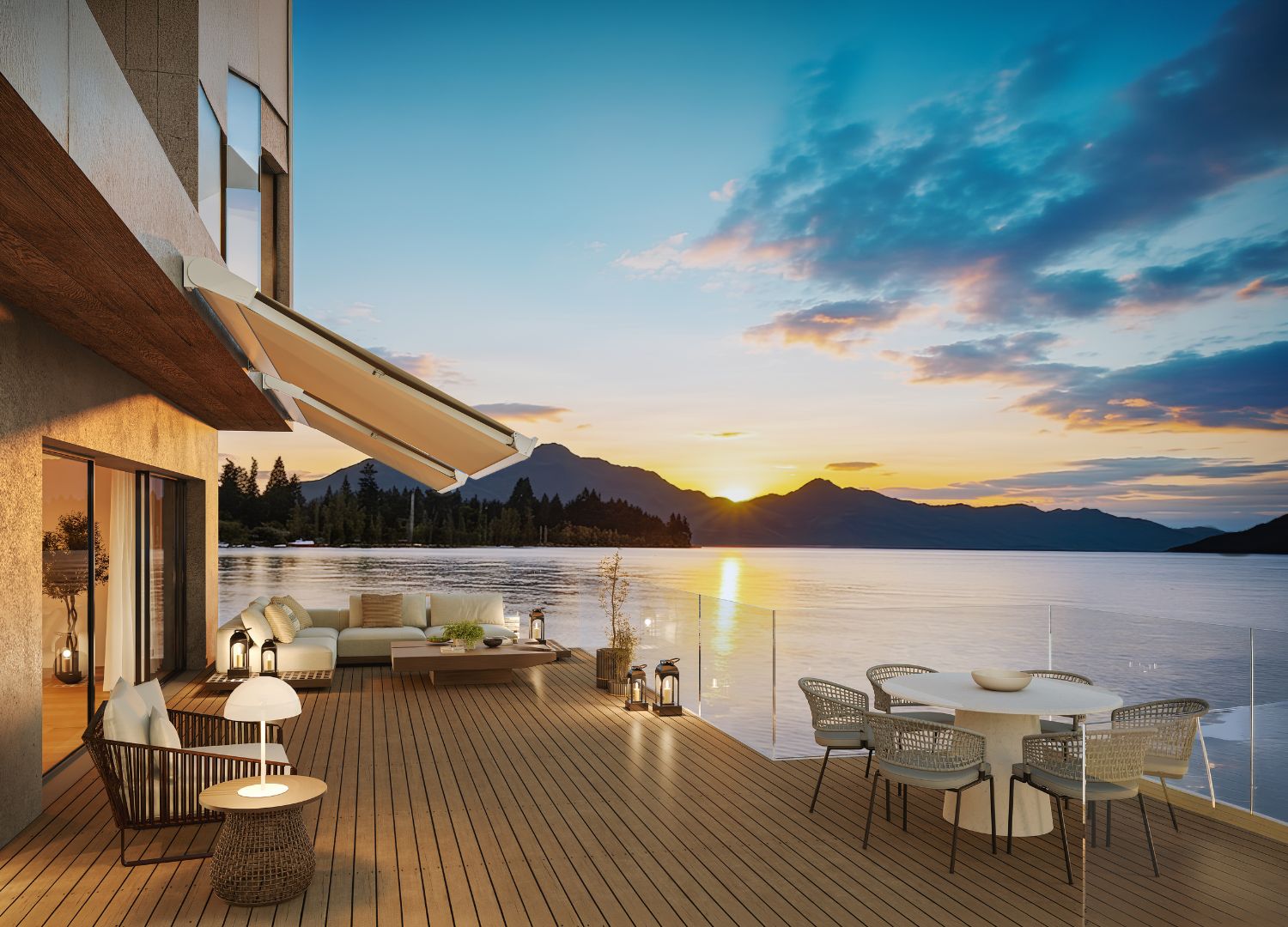
SunDrive, MV Line
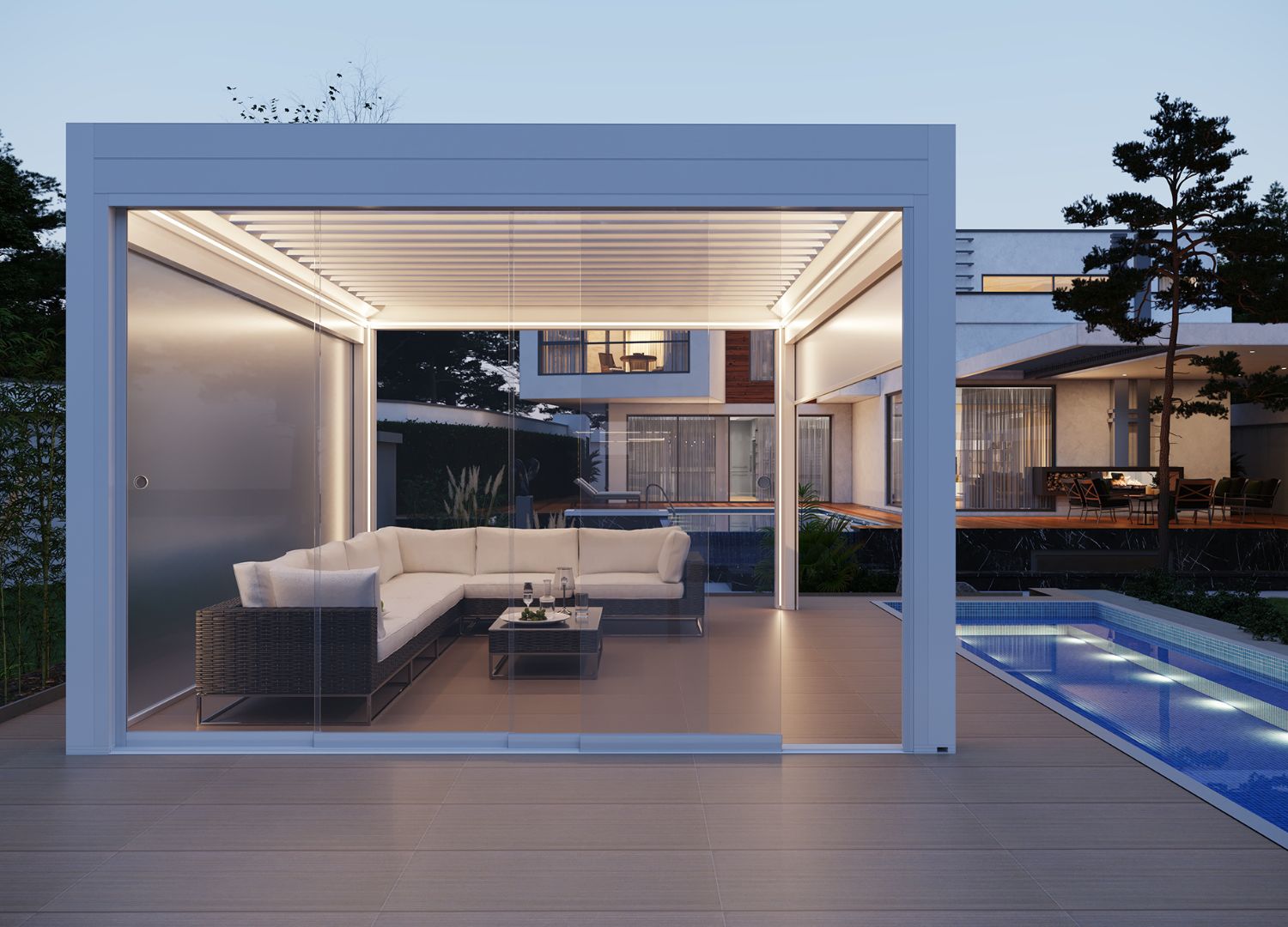
Ischia, MV Line
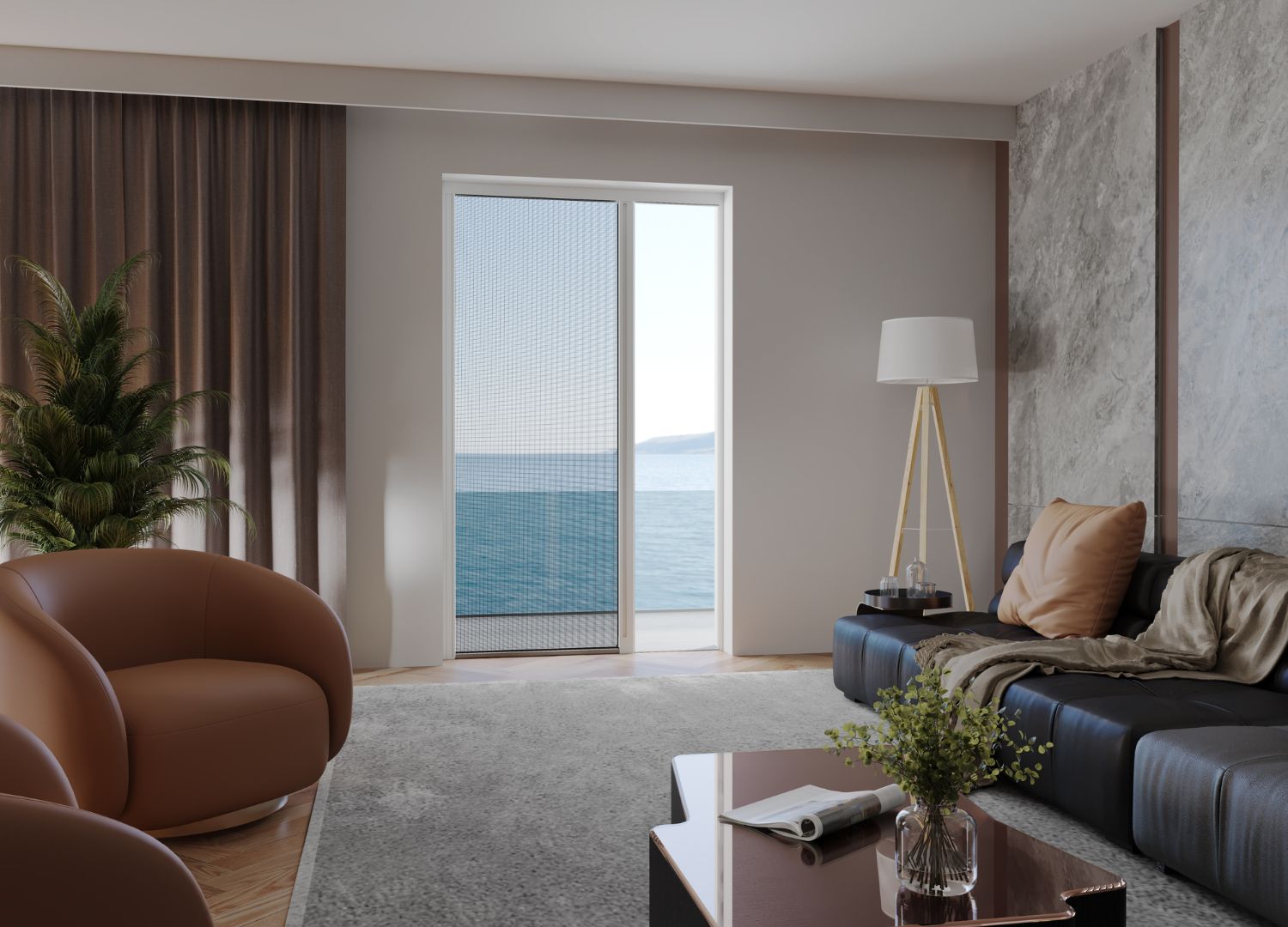
Bora, MV Line
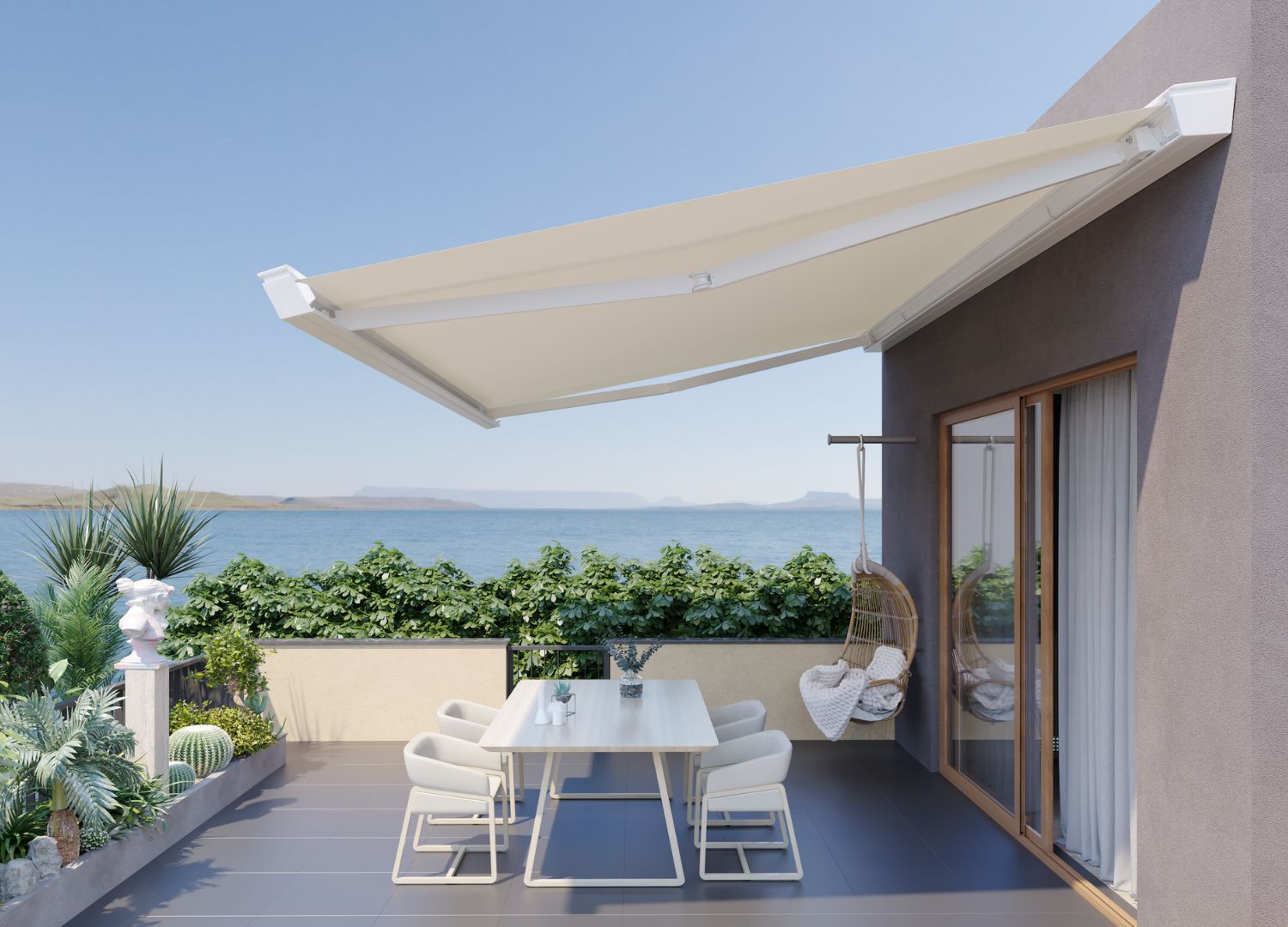
Hawaii, MV Line
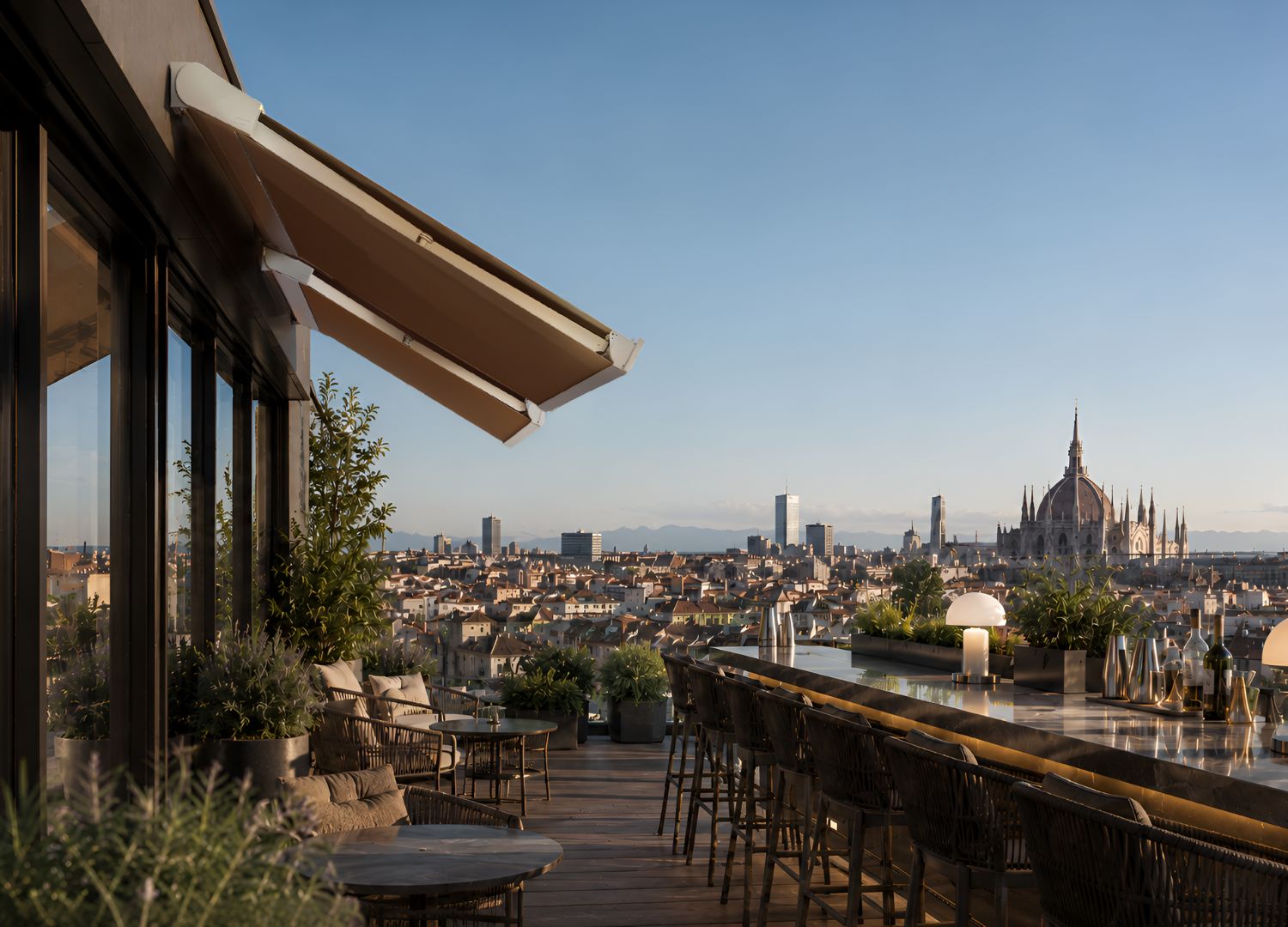
SunDrive, MV Line
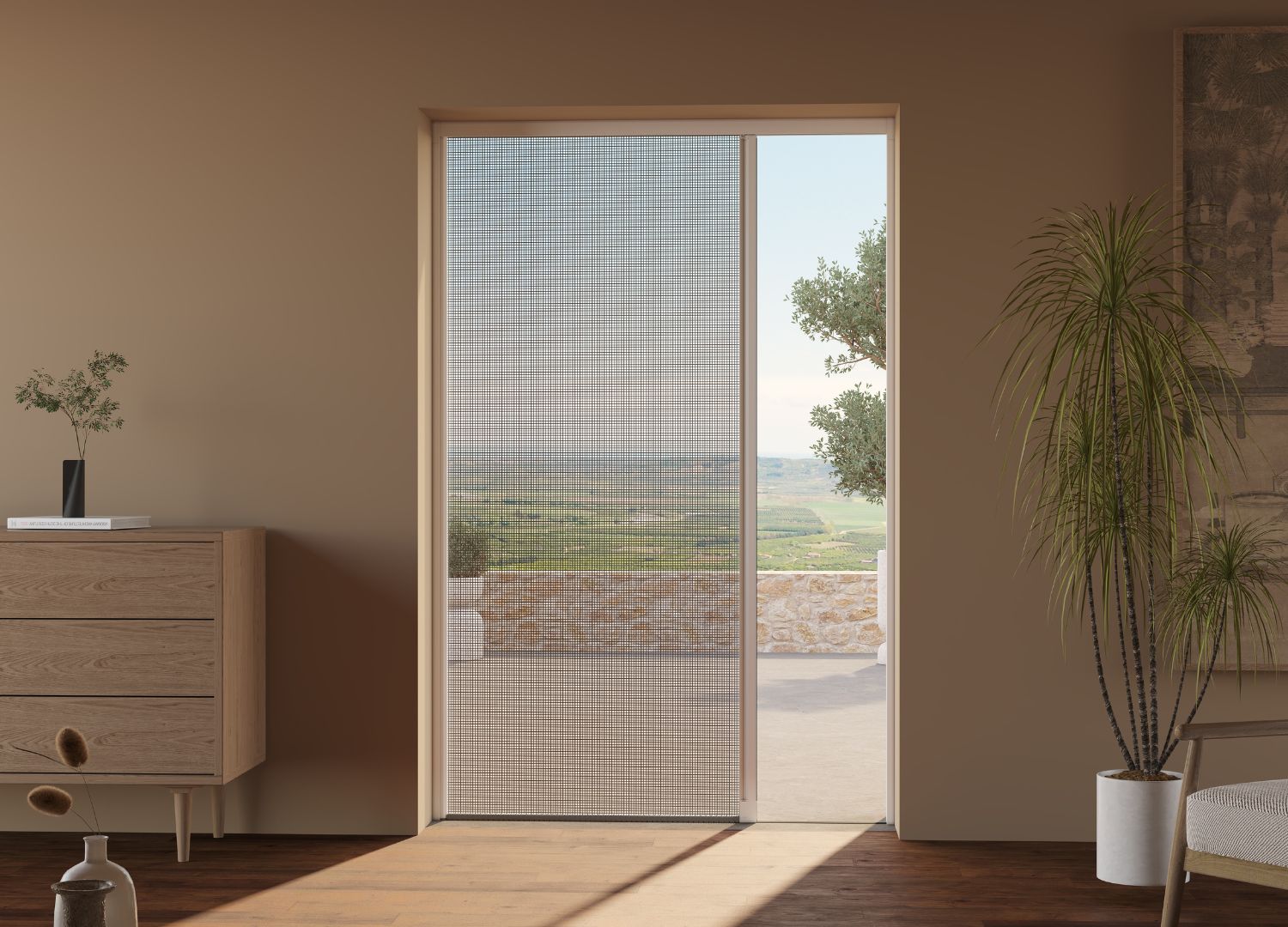
Phantom25, MV Line
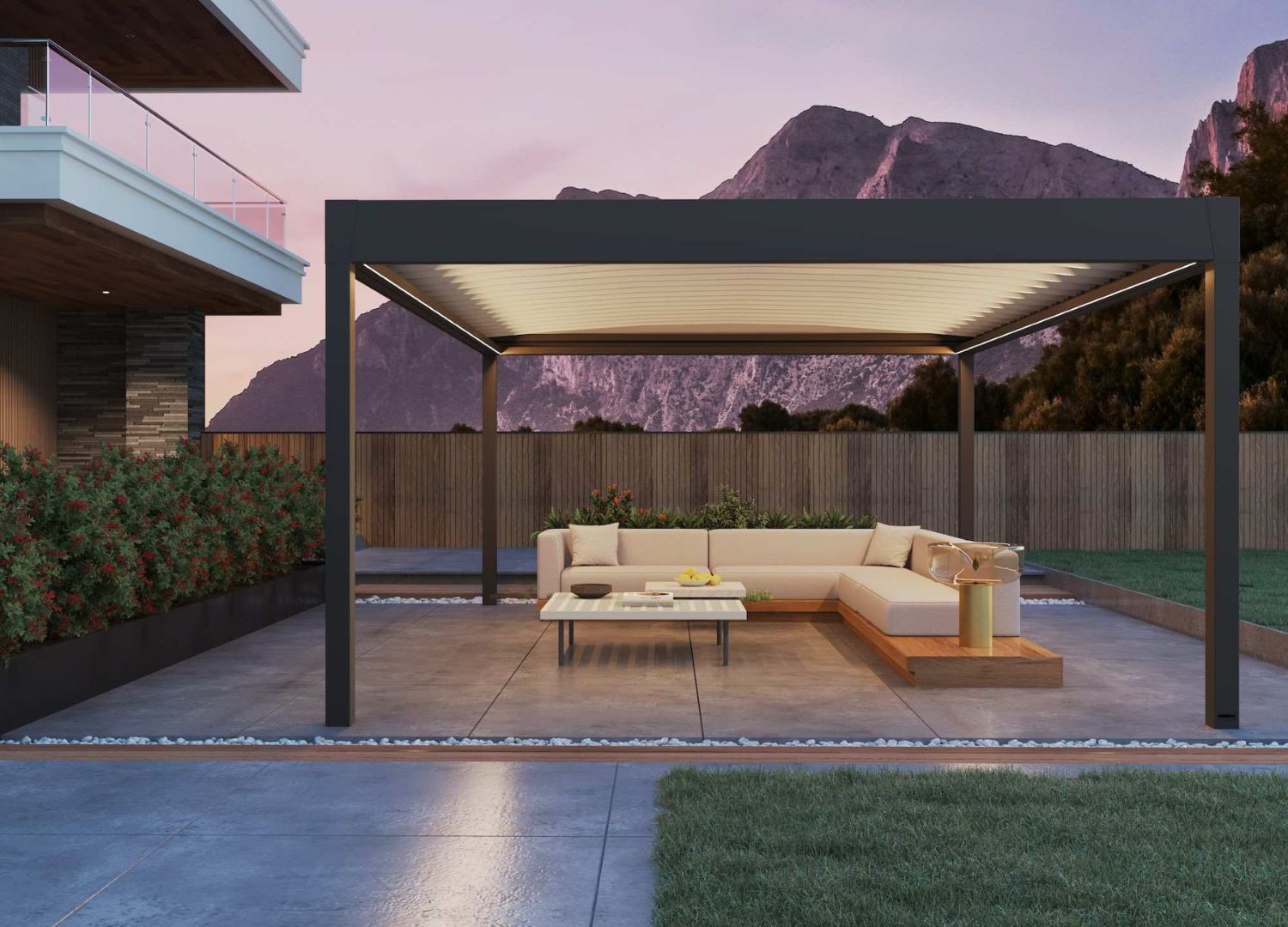
Panarea, MV Line
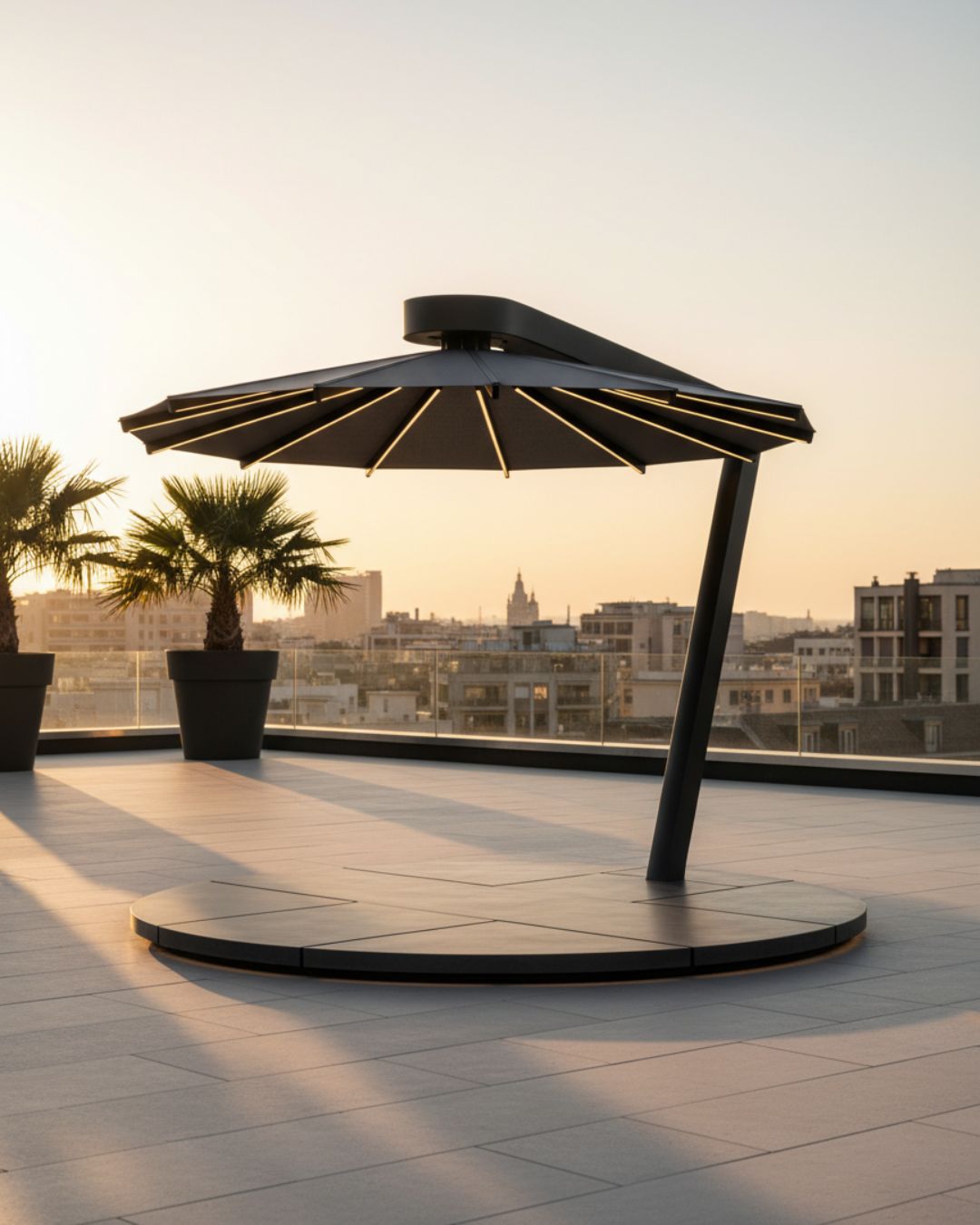
Papillon, MV Line
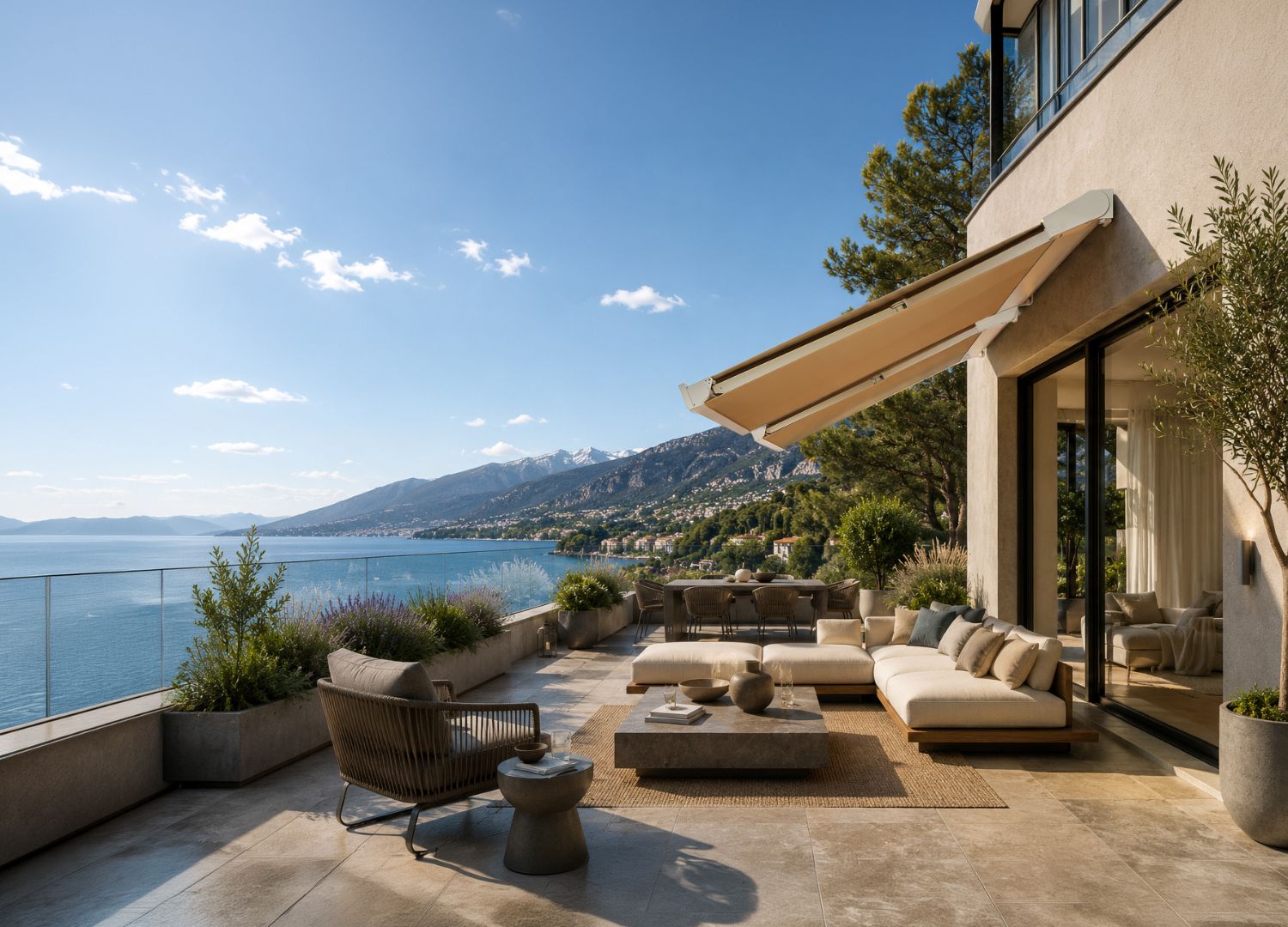
SunDrive, MV Line
MV Line: Can the spaces between indoor and outdoor become the most important?
MV Line: a vision for outdoor living
The same vision has shaped the development of its catalog. Today, the Italian team is one of Europe’s key reference points in the design of insect protection systems, solar shading and outdoor living solutions, developing products that find their place in a wide range of architectural contexts while sharing a single goal: enhancing living comfort through a balance of technology, design and industrial innovation.
At a time when the design of living spaces is increasingly expanding beyond the domestic perimeter, the control of light, climate and the intermediate spaces that connect indoor and outdoor spaces has taken on a central role. Bioclimatic pergolas, awnings and shading systems are no longer simple technical devices, but design tools that help shape the way we experience our environment, turning the outdoors into a natural extension of the home.
Papillon, SunDrive and Ischia
Some of the most recent projects of the company were formed in this very reflection. Among them, the Papillon, designed by Giulio Iachettireinterprets the traditional umbrella as a true architectural element. Its horizontal opening, inspired by the movement of a butterfly’s wings, completely removes the central support, freeing up the space below and making it more flexible and usable. This design intuition is combined with smart functions such as automatic closing, wind detection and a dual LED lighting system that extends the use of the space into the evening. The project earned Iachetti the 2025 Masterpiece Design Award in the Outdoor category.
The collaboration with Iaccheti continues with SunDrive, which was revealed during Milan Design Week 2026 as part of the Sunflower installation, hosted by MoscaPartners Variations in Cortile dell’Orologio at Palazzo Litta. Much more than just an awning, SunDrive reframes shading as an architectural device capable of transforming and interacting with its surroundings. Its innovation lies in the full integration of the mechanical arms in a second layer of fabric that hides them from view, resulting in a continuous surface and an essentially clean silhouette.
In addition to eliminating the visual impact of the technical structure, the solution increases the shaded surface and improves UV protection. In the Milan installation, eight canopies arranged on two levels unfolded like the petals of a giant blue flower, transforming a technical function into a spatial and sensory experience.
The same attention to the relationship between architecture and well-being defines Ischia, a bioclimatic pergola designed to naturally adapt to changing weather conditions. Louvres that tilt up to 140 degrees regulate light and natural ventilation, helping to create a comfortable microclimate all year round. Made entirely of aluminum, it can be customized with LED lighting, vertical screens and sliding glass walls, making it a system capable of meeting a range of design needs without sacrificing a basic design language.
Hawaii and Panarea
Awnings follow the same pursuit of balance between technical performance and standard restraint. The Hawaii stands out for its compact cassette, which fully protects the fabric when retracted, its ability to cover surfaces up to ten meters wide and four meters deep, and its integrated water drainage system, built to deliver strong performance even in harsh weather conditions. An optional LED lighting system further extends the usability of the outdoor space into the evening hours.
With Panarea, the concept of coverage evolves into a hybrid between an awning and a pergola. Aluminum profiles, a retractable PVC fabric and an integrated rainwater drainage system are combined in a minimalist structure that can be complemented with lighting, side closures and glazing to suit different architectural environments and uses.
Phantom25 and Bora 2025
While MV Line is recognized today for its outdoor living solutions, the roots of its design culture are really in mosquito nets. This is the area in which the company has developed, for more than thirty years, in-depth research into drive mechanisms, perfecting systems that are increasingly smooth, reliable and built to last. A body of expertise that continues to shape his entire design process to this day.
The Phantom25 is a case in point: an evolution of the historic Phantom Z, designed to minimize its own visual presence. Rather than adding an element to the architecture, the Phantom25 seems to disappear into it, thanks to its basic profiles and ultra-slim footprint. Its modular components make it easy to install and adapt to existing or non-uniform openings, while the use of sustainable materials suggests an approach that considers the entire product life cycle. A path recognized by numerous international awards, including the 2025 Archiproducts Design Award, the ADA Sustainability Award, the Made Sustainability Prize and EPD certification.
Designed for larger apertures, the Bora 2025 takes this technical research to another scale. Its lateral sliding system keeps the mesh perfectly stable even in strong winds, preventing it from sliding out of position, while the lower track – less than two millimeters high – makes the passage virtually imperceptible. A small detail that says a lot about MV Line’s design approach: perfecting the most technical aspects without ever losing sight of the everyday experience of the people who live in these spaces.
A quiet kind of innovation
More than a collection of individual products, the solutions developed by the company outline a coherent vision for modern living – where design, innovation and technology do not try to overshadow architecture, but work quietly to improve comfort, expand the way spaces are used and make the relationship between indoors and outdoors feel more natural.



