


In a growing number of Italian primary school classrooms, science is something children build, shake and observe with their hands. This is it Scintillaban educational kit promoted by the Fondazione Agnelli together with Ferrari, developed with his scientific input CNR – Public Relations and Integrated Communication Unit and co-designed by OpenDot Foundationbringing STEM disciplines into the classroom through hands-on experimentation. Fortune telling rollers with sound, shadow theaters, rolling object ramps: each tool turns an abstract concept into something kids can touch and make mistakes on their way to understanding.
Since its launch in 2025/2026, the project has already reached almost five thousand students in six Italian provinces. We spoke to Laura Delamotta, president of Fondazione OpenDot, about co-design, inquiry-based learning and putting the body back at the center of how children learn.
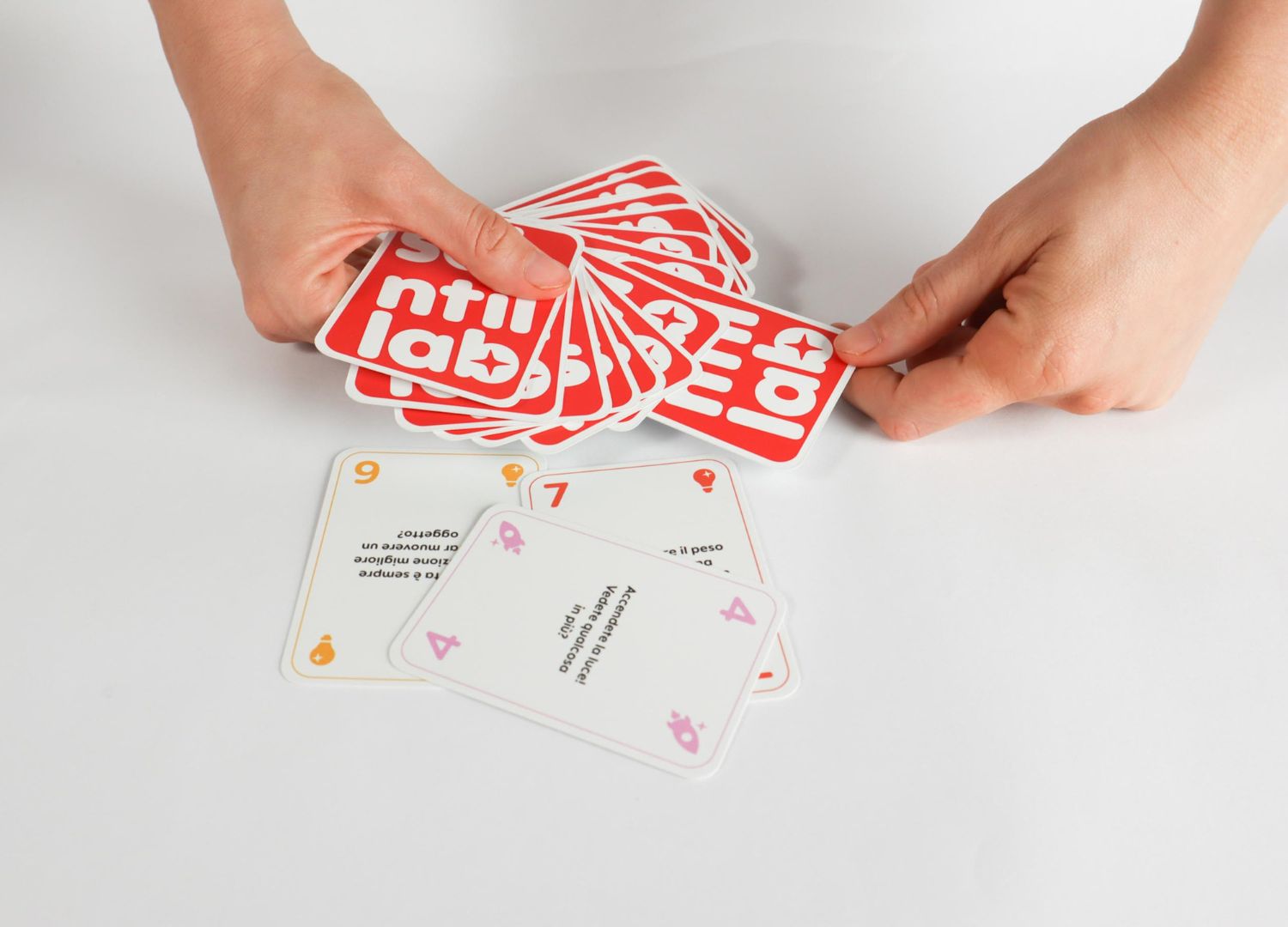
Scintillab, promoted by Fondazione Agnelli and Ferrari, co-designed by Fondazione OpenDot with scientific input from CNR
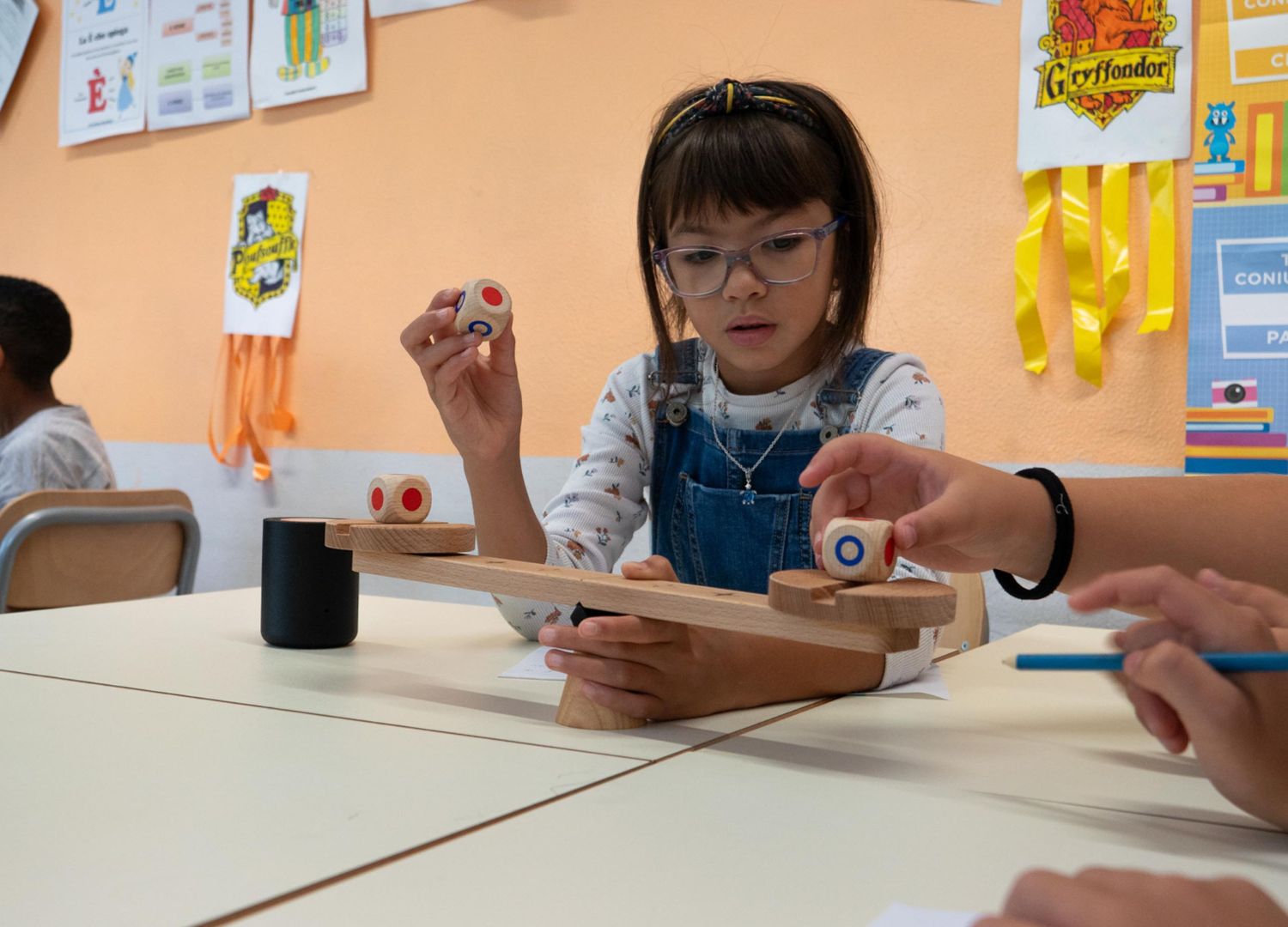
Scintillab, promoted by Fondazione Agnelli and Ferrari, co-designed by Fondazione OpenDot with scientific input from CNR
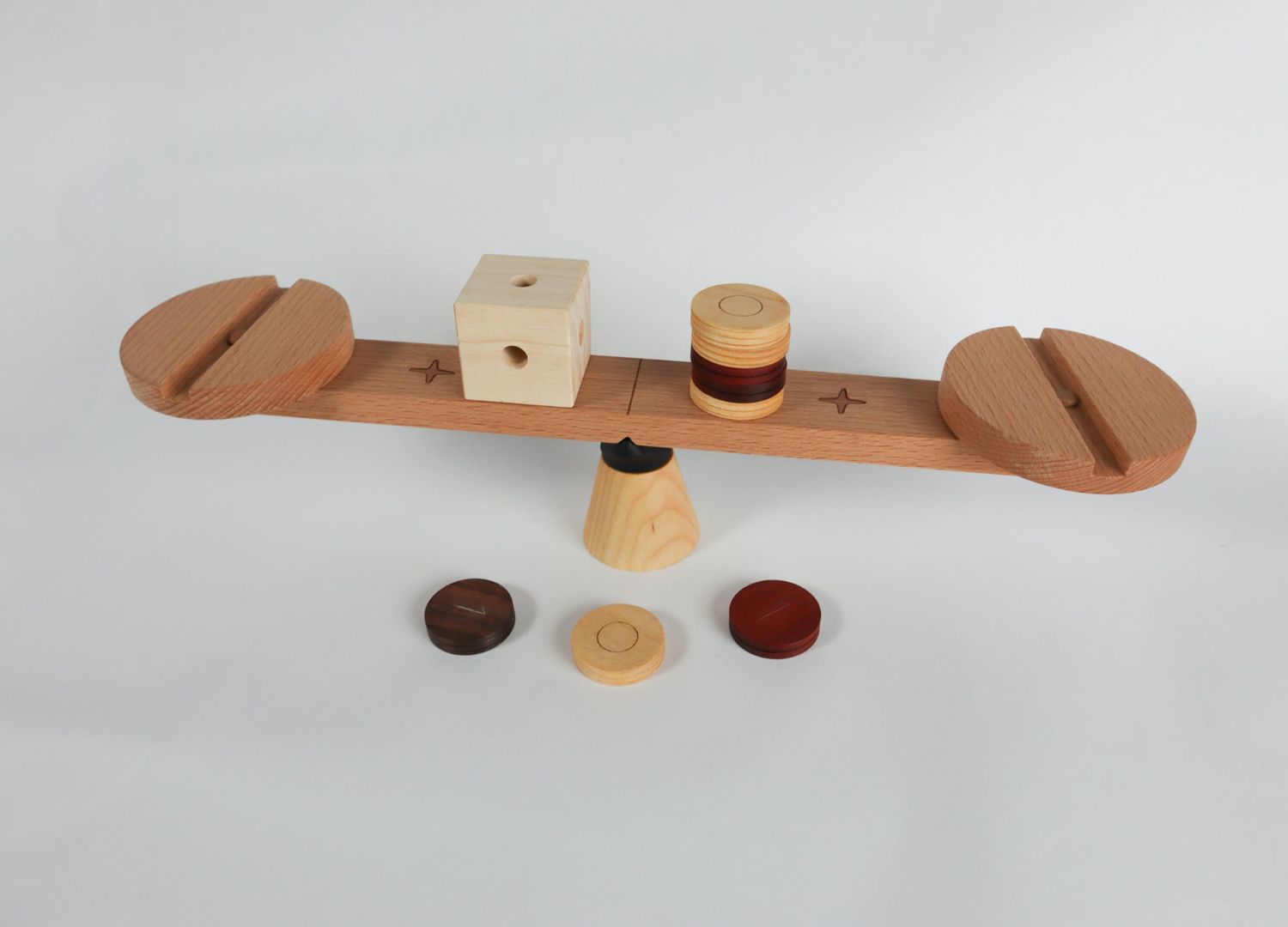
Scintillab, promoted by Fondazione Agnelli and Ferrari, co-designed by Fondazione OpenDot with scientific input from CNR
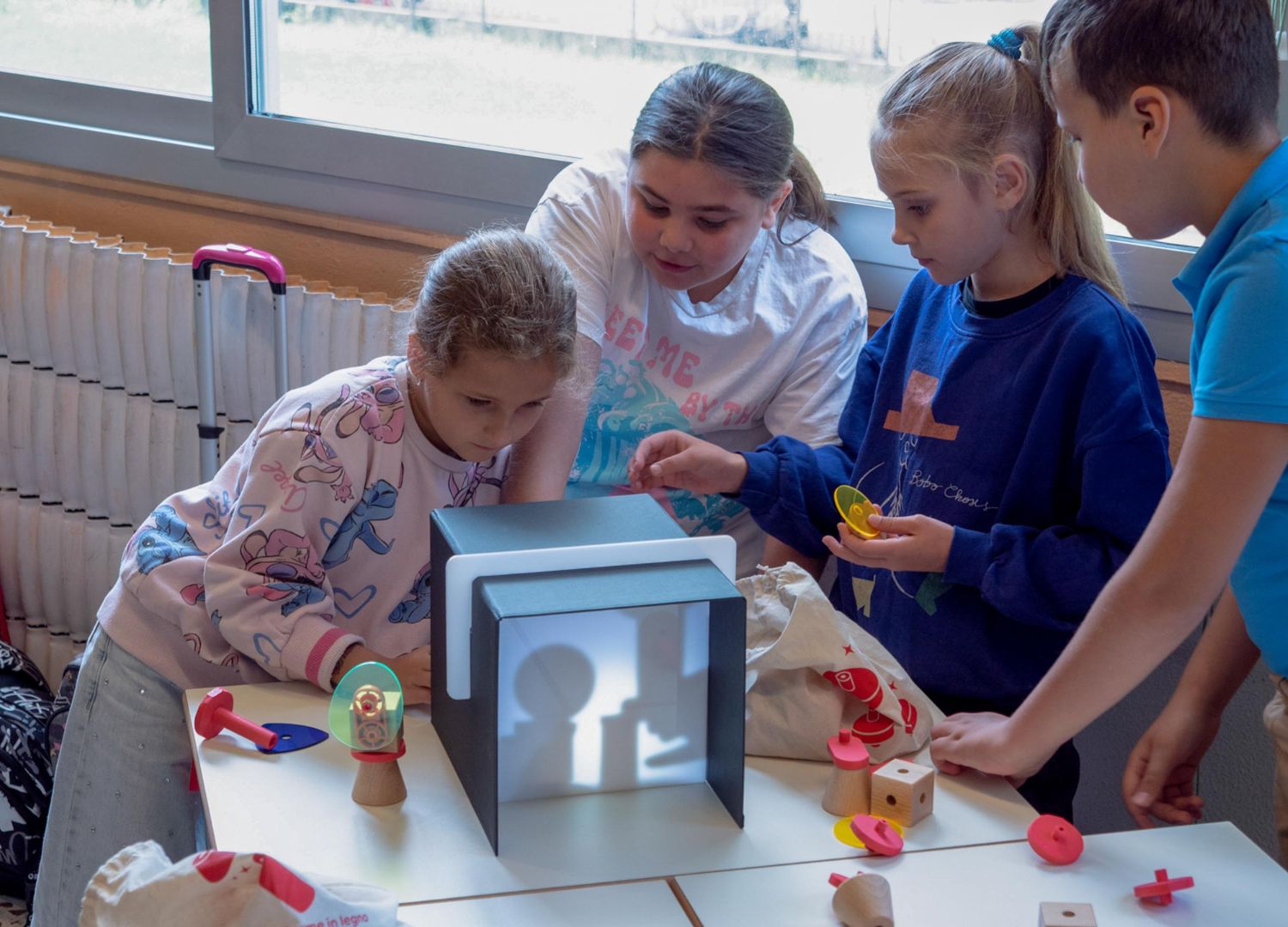
Scintillab, promoted by Fondazione Agnelli and Ferrari, co-designed by Fondazione OpenDot with scientific input from CNR
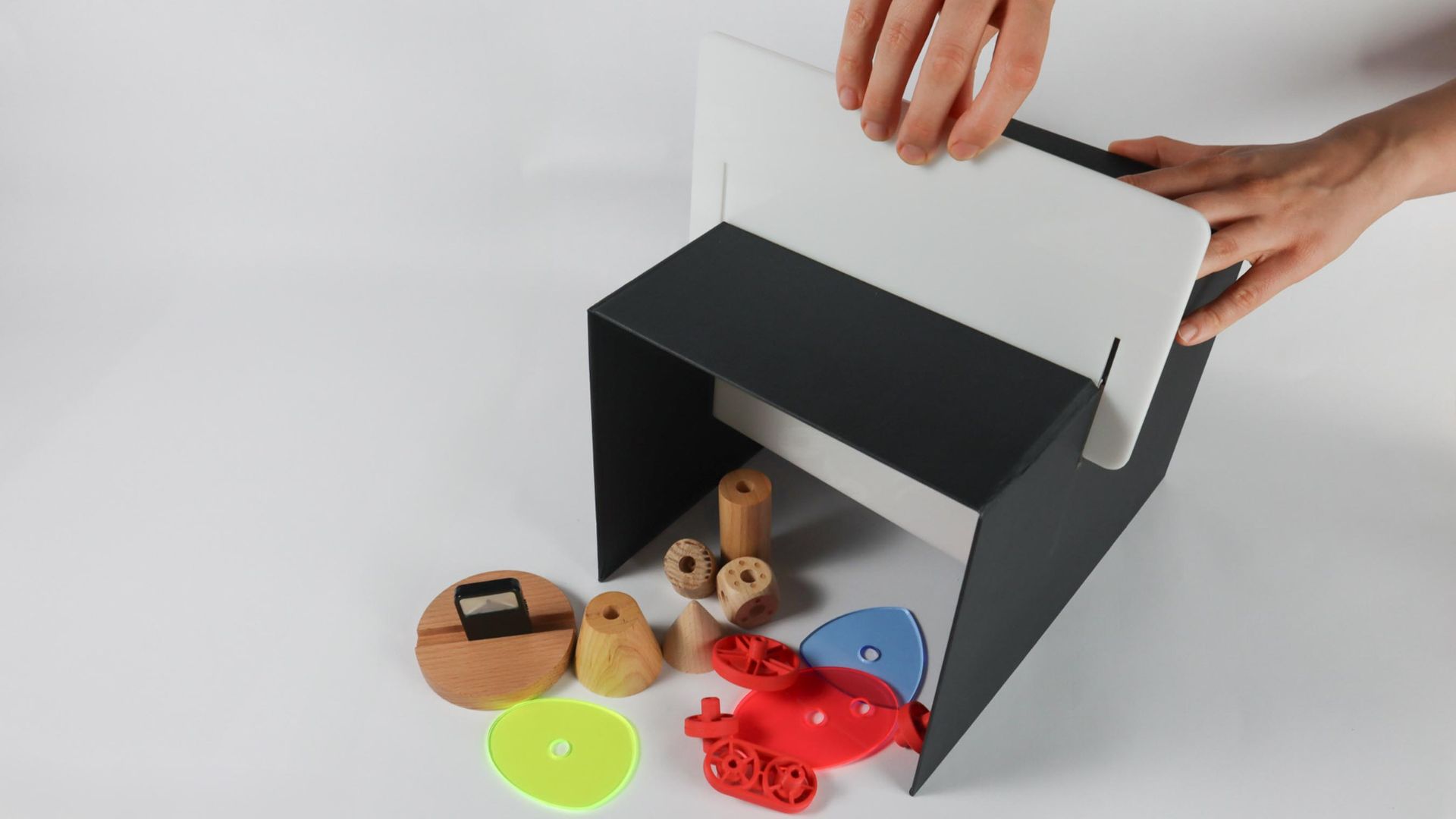
Scintillab, promoted by Fondazione Agnelli and Ferrari, co-designed by Fondazione OpenDot with scientific input from CNR
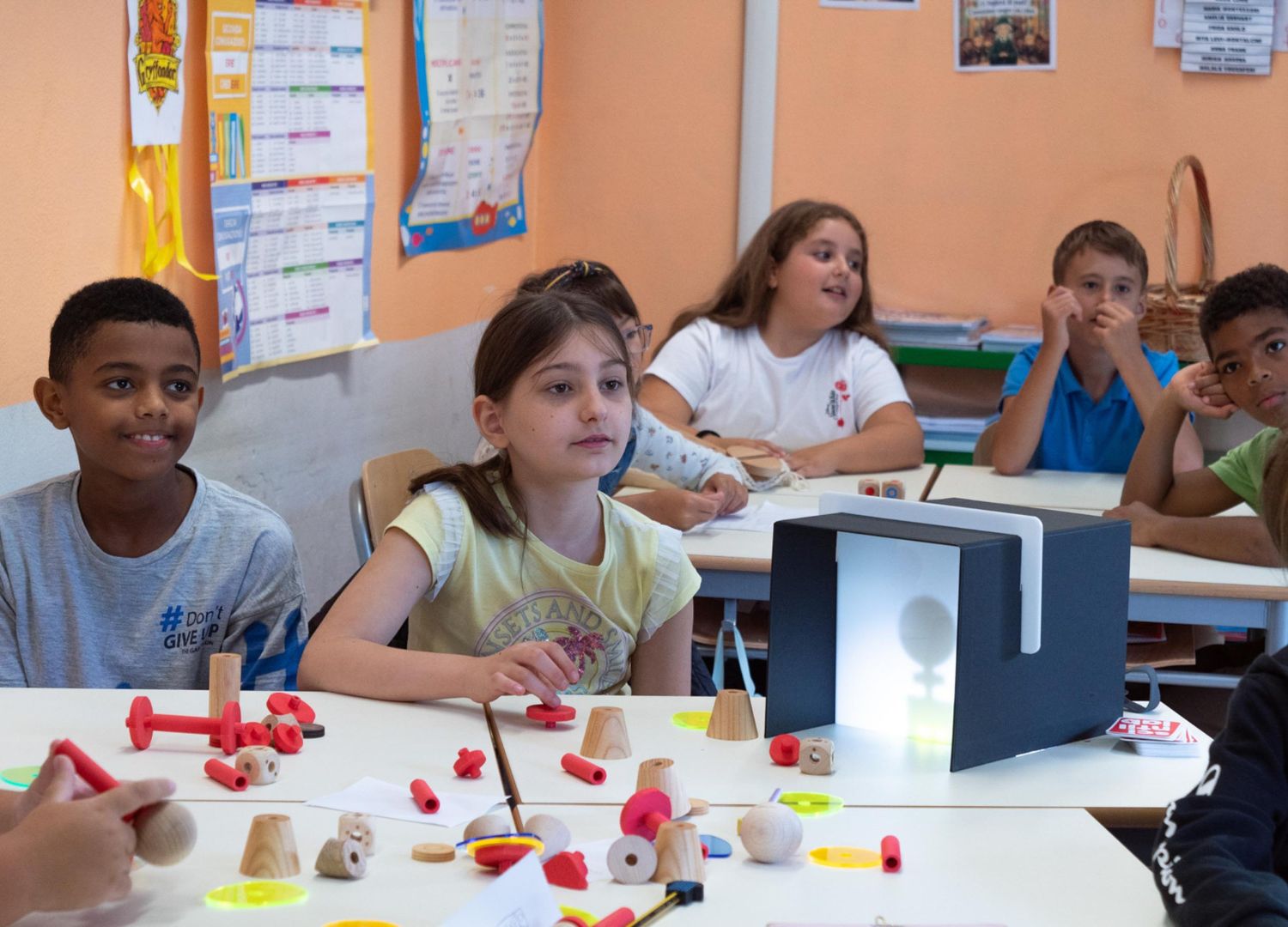
Scintillab, promoted by Fondazione Agnelli and Ferrari, co-designed by Fondazione OpenDot with scientific input from CNR
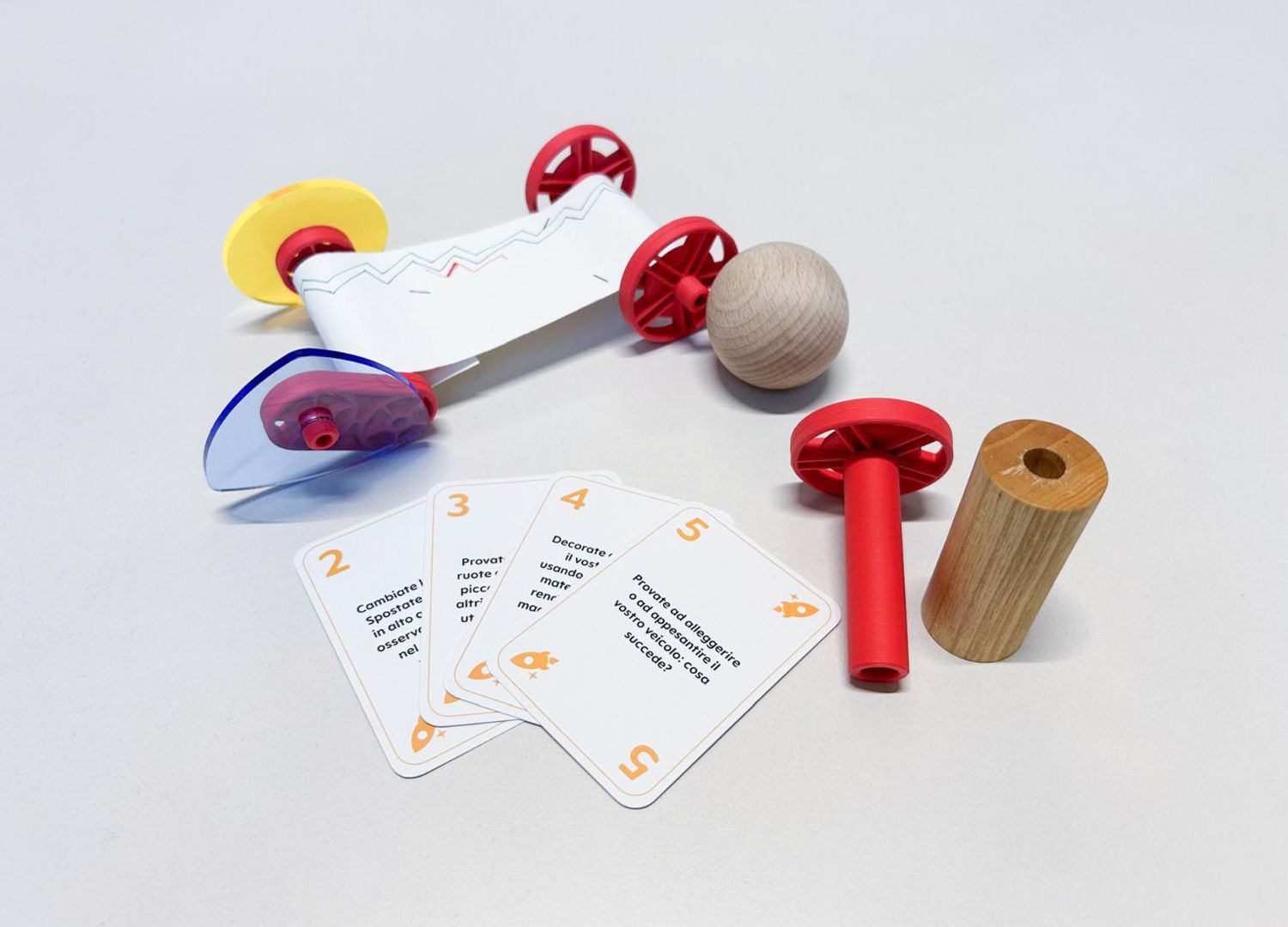
Scintillab, promoted by Fondazione Agnelli and Ferrari, co-designed by Fondazione OpenDot with scientific input from CNR
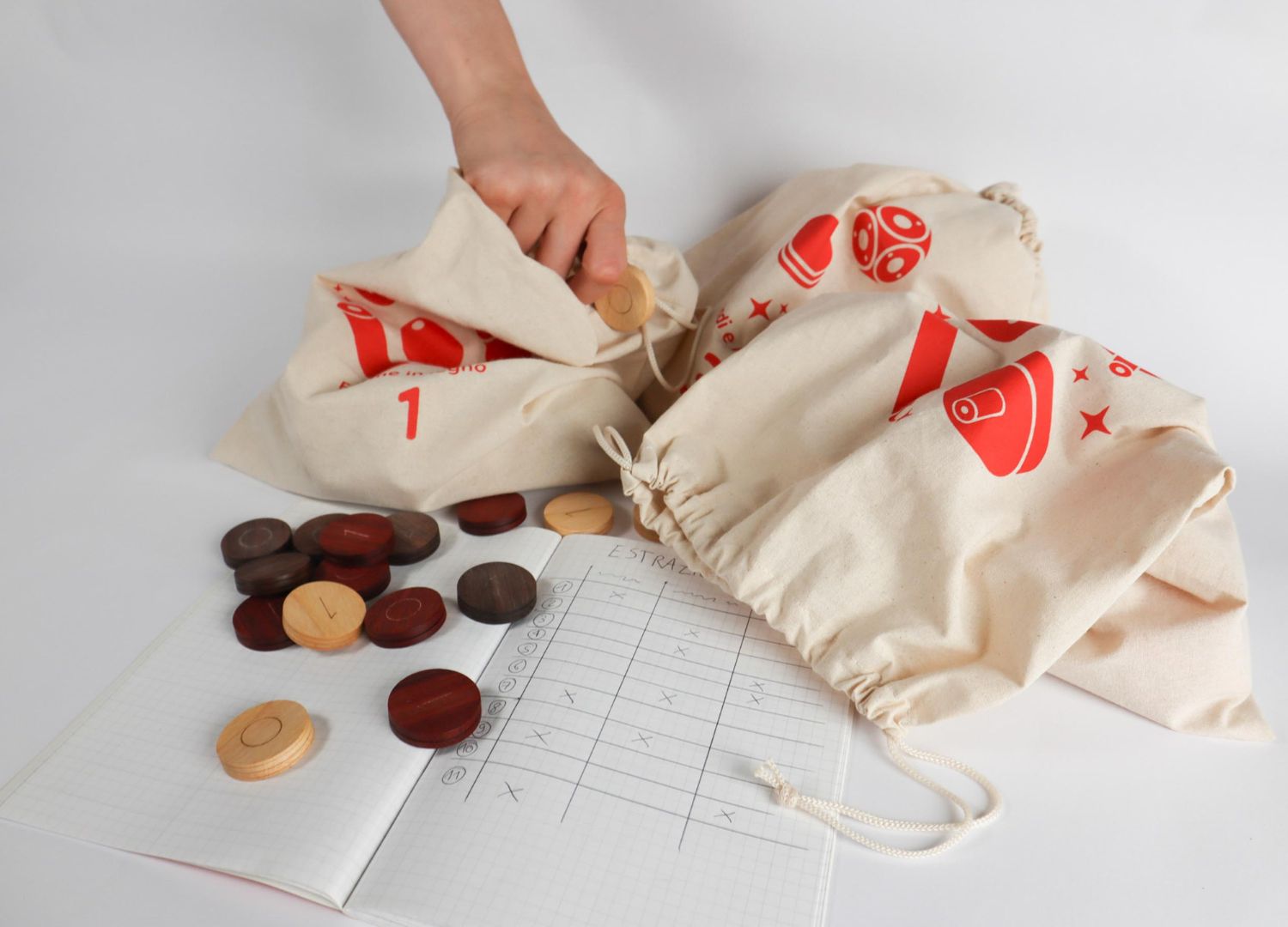
Scintillab, promoted by Fondazione Agnelli and Ferrari, co-designed by Fondazione OpenDot with scientific input from CNR
First off, could you tell us what Scintillab is and how the project came about?
Laura Delamotta:
Scintillab is an innovative educational kit co-designed by OpenDot in partnership with CNR, created to bring STEM disciplines into elementary school classrooms through hands-on experimentation, inviting students and teachers to see the world with curiosity and scientific rigor. It is an initiative promoted by Agnelli Foundation together with Ferrariwith the scientific contribution of the Public Relations and Integrated Communication Unit of the CNR and is offered to schools completely free of charge.
The project was initiated by the Fondazione Agnelli, long active in STEM education through initiatives such as Matabì and HOP, which brought the CNR to the scientific design of the kit’s content, with Ferrari stepping in as a funder. OpenDot was then selected to co-design and develop the kit itself, both conceptually and physically. The choice made sense given our background: we started as a great lab and grew into a hub of research-focused innovation that also applies to education, giving us both the experience and the specific ability to design and produce, from the first prototypes to the final classroom-ready objects.
At the heart of the initiative is an educational kit designed for primary schools. What is in the box and how is it used by teachers and students?
Laura Delamotta:
The Scintillab is what we like to call a “science box,” designed for grades three and up to turn the classroom into a discovery lab. Inside are simple, open, flexible tools organized around different areas: reels you shake to guess what’s through the sound; an area of light and shadow where children build a kind of theater and observe how the shadows change. a gravity and movement area with ramps and objects to go down them. a math and probability area with coins and dice. and a balance area for making improvised scales.
The activity sheets guide the entire experimental journey. It follows inquiry-based learning, so experience always precedes theory. Teachers act as guides rather than distributors of answers and spend a free training day, accredited on the SOFIA platform, before using the kit. Students work in small groups, are encouraged to experiment and get things wrong, since here a mistake is not a failure but a step towards discovery. The project was designed with special care for under-resourced schools to show that science doesn’t require sophisticated technology, just keen eyes and curious minds.
Co-design is a key element of OpenDot’s approach. How did this methodology shape the development of Scintillab?
Laura Delamotta:
Scintillab is the product of a complementary network involving Ferrari, Fondazione Agnelli, CNR and ourselves, where collaboration between very different skill sets creates real value. OpenDot functioned as a kind of third space, connecting the scientific rigor of the CNR with the educational needs of the school and the culture of creating design features. Co-design is what transformed Scintillab from a simple supply of materials into a genuine educational method, one that doesn’t so much teach content as create the ability to ask questions about the world.
One of our core principles in education is to put the body back at the center of learning, and co-design allows us to translate abstract concepts like probability or gravity into gestures, physical exploration and concrete prototypes, incorporating error as part of the experience throughout.
Scintillab is based on inquiry-based learning. How does it work and what are its main benefits?
Laura Delamotta:
Inquiry-based learning turns the classroom into a discovery laboratory, moving away from lecture-based teaching. The teacher ceases to be a distributor of answers and becomes a guide, there to spark curiosity rather than provide immediate solutions. Activities are created to raise questions – where does my shadow go when I turn off the light, why do things always fall – which naturally lead to further inquiry. Children work in small groups, observing and testing their own ideas, and mistakes are treated as a normal, necessary part of the process.
The benefits are far-reaching: curiosity combined with scientific rigor, the ability to reach a goal through different paths, abstract concepts made physical and tactile, and collaboration built through teamwork. And because it relies on simple materials rather than expensive technology, it works equally well in schools with very limited resources, showing that scientific discovery is accessible to all.
Where has Scintillab been implemented so far and how many schools have participated?
Laura Delamotta:
In its first school year, 2025/2026, Scintillab has already reached 59 school institutes, 238 teachers and 4,700 students in the provinces of Cuneo, Savona, Modena, Parma, Ancona and Matera. In the next two years, the aim is to consolidate and expand the initiative nationally, reaching 800 teachers and 15,000 students, expanding Brindisi, Salerno and Catania.
The feedback was very encouraging: among 125 teachers who answered a follow-up survey, 81% had already used the box in the classroom and all 15 activities had been tried in at least one classroom. Teachers reported greater student engagement, stronger observational skills, and increased interest in science, with particular engagement from students typically less active during class. Overall, 88% described their experience as “very positive”, with the remaining 12% “fairly positive”.
Why is it important to introduce children to STEM subjects from an early age? And what role can design play in this process?
Laura Delamotta:
Elementary school is when children build their basic sensibilities, languages, and cognitive and relational skills, so introducing STEM early means you’re working on prevention, not contingency. When mediated by the body and direct experience, this compensates for a kind of poverty of experience – without physical exploration, children risk losing the ability to perceive nuance – and they continue to learn holistically, so intelligence is never separated from perception and movement.
Design plays a key role as the discipline that builds relationships between spaces, people, tools and bodies, translating abstract concepts into physical experiences and tangible prototypes that children can touch and manipulate. It creates spaces of possibility that allow freedom and student agency rather than imposing a right way of doing things, treating technology as an extension of the body rather than an end in itself. Ultimately, design applied to STEM education shifts the focus from passive content teaching to active learning, where science becomes an adventure for whole-body exploration.



