

Condominium living is often fertile ground for disagreements and misunderstandings, especially when it comes to deciding the fate of common areas.
While for many resolutions a majority vote is sufficient, there are interventions that require the consent of all condominium owners. This is the case, as recently clarified by case law, of the cutting of healthy trees present in condominium green spaces.
A seemingly routine decision may, in fact, hide significant legal consequences, such as invalidating a resolution passed without following the rules of the Civil Code.
Cutting a healthy tree is innovation, not maintenance
The central legal issue revolves around the distinction between routine maintenance and innovation of common parts. The removal of a diseased, unsafe or structurally unstable tree is one of the conservation activities that can be decided by the assembly by majority vote, as they are intended to protect the building and the safety of the residents.
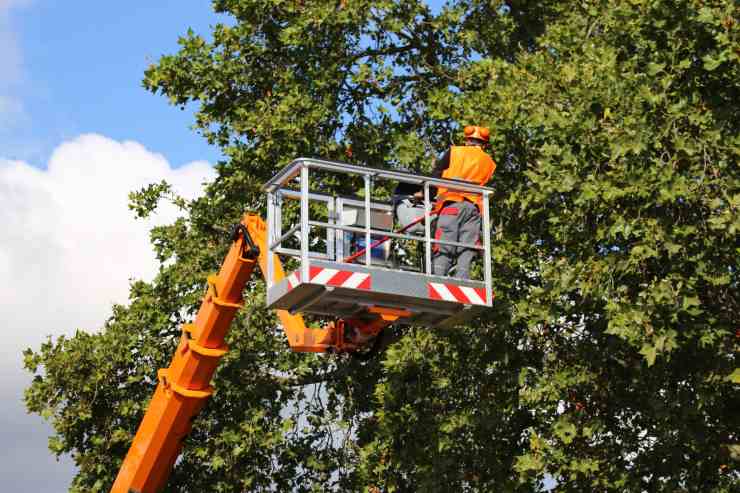
A completely different matter applies to trees in good health: in this case, their removal is a real innovation according to the art. 1120 AK, as it definitively removes an element that contributes to the architectural decoration and overall value of the property. When an intervention irrevocably modifies a common part, the decision of the meeting is valid only if it is approved unanimously or by a consensus equal to one thousand thousandths.
Otherwise, the resolution is void due to the legal impossibility of the object. This principle protects each condominium owner from the risk of a majority imposing permanent transformations that harm the rights and interests of those who did not vote in favor.
The decision of the Court of Potenza: what changes in practice
To clarify this principle, proposal no. 586 of March 4, 2026 of the Court of Potenza, which declared unlawful the resolutions by which a condominium had ordered the cutting of three tall cypress trees, which had been in the common green space for about forty years.
The reasons given by the condominium: thinning of foliage, previous insufficient pruning, possible production of allergenic pollen were not considered sufficient to justify the elimination of plants without unanimous consent. The court emphasized that mere potential danger, discomfort caused by allergies or a partial aesthetic alteration do not constitute a state of necessity deviating from the rule of unanimity.
An additional factor weighing on the decision was the fact that the condominium had cut down the trees while the trial was still ongoing, compromising the possibility of an unbiased technical evaluation. This conduct was judged by the judge to be contrary to the duties of fairness and procedural fidelity, further confirming that in condominiums decisions about common areas must always be made according to the rules, both substantive and procedural.



