
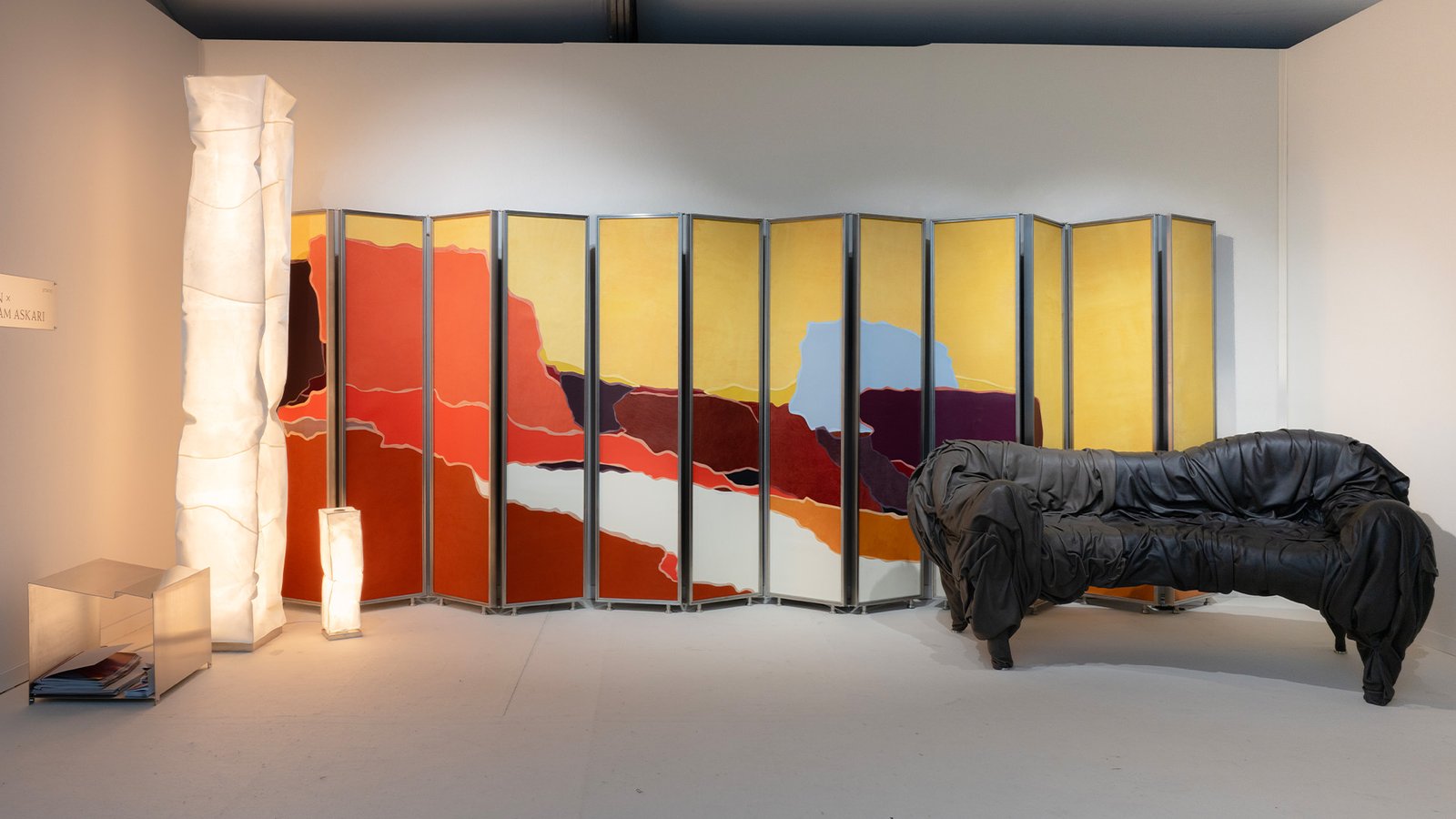

“Waste is not a problem to hide from, but a resource to explore.“This reflection from Payam Askari is the driving force behind Hidescapesa project developed with SK!Nthat challenges our perception of waste and sustainability by turning scraps of leather into true works of art. When we think of waste, we often see it as something to be discarded, but Askari has realized that within what appears to be “useless“Material, there is unexpected possibility. Thus, waste leather from tanneries is transformed into sculptural surfaces, telling a story of reuse and innovation.
The project was born after a visit to tanneries, where the designer observed how leather was selected, treated and sometimes dismissed as “deadlock.” These scraps, which were previously considered unusable, became the core of the project. “The collection is a direct response to this observation: treating discarded hides not as waste, but as productive material and starting point for form and surfacesays the designer.
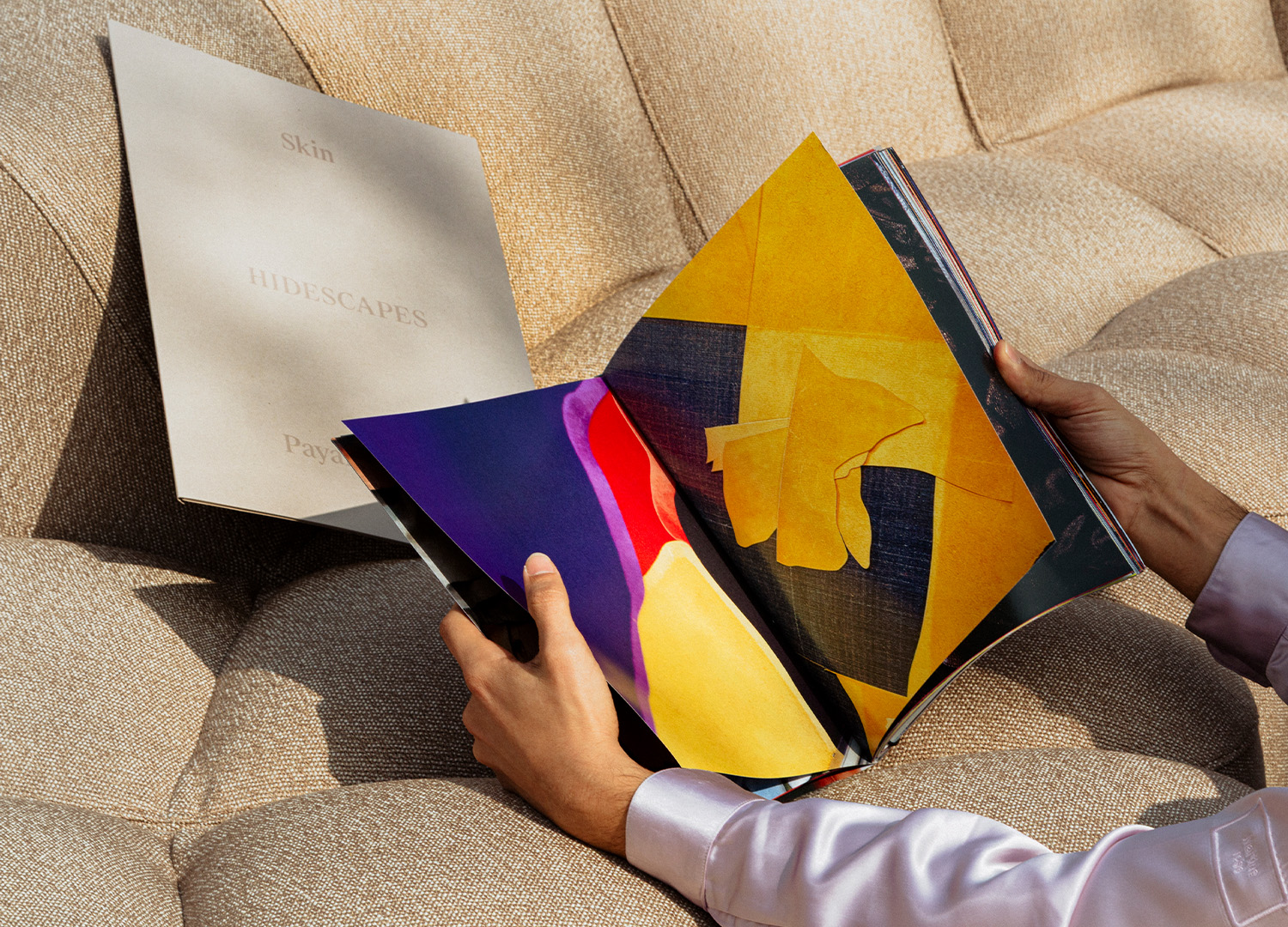
Hidescapes by Payam Askari in collaboration with Sk!n © Nicky Roding
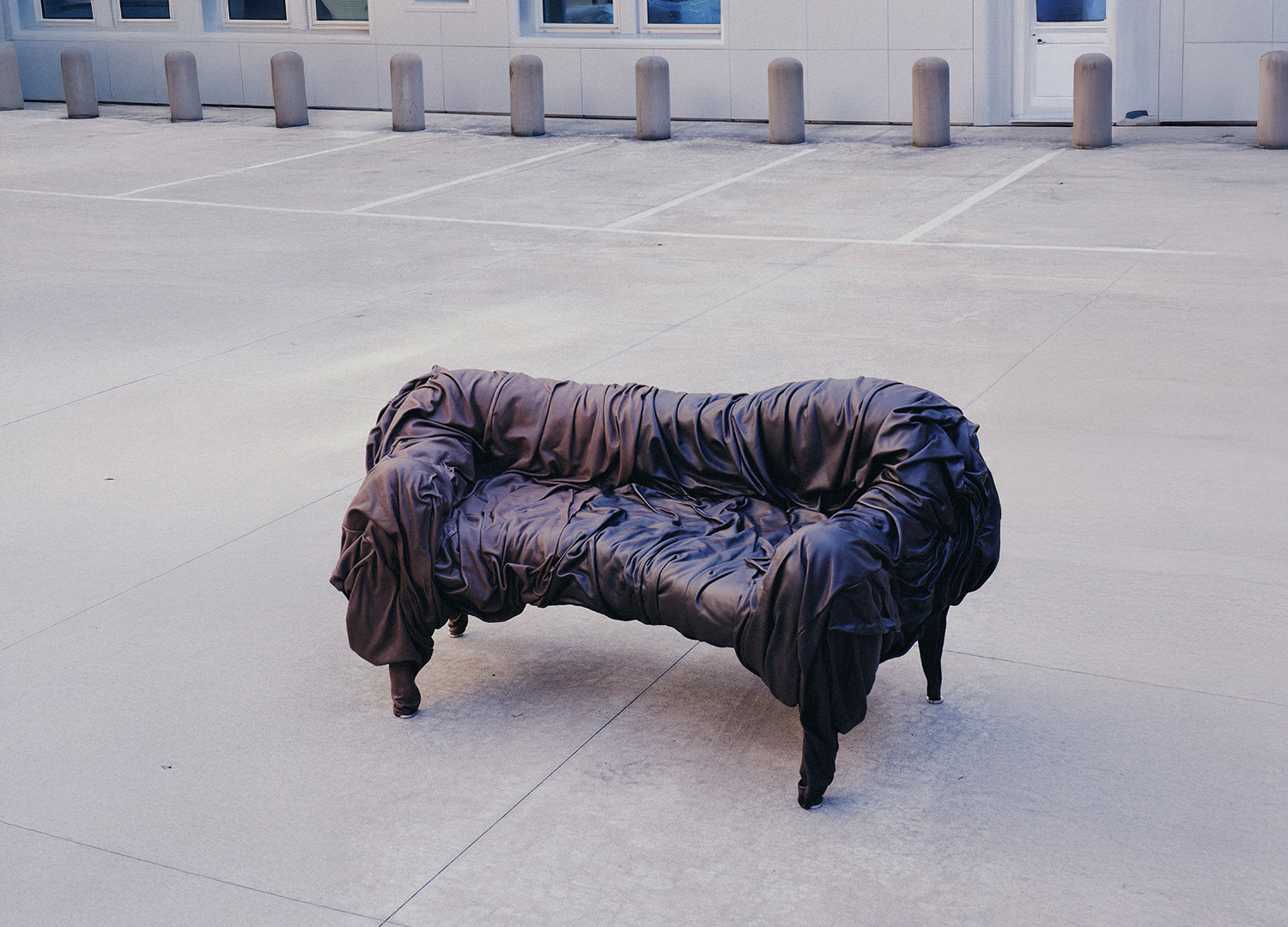
Hidescapes by Payam Askari in collaboration with Sk!n © Nicky Roding
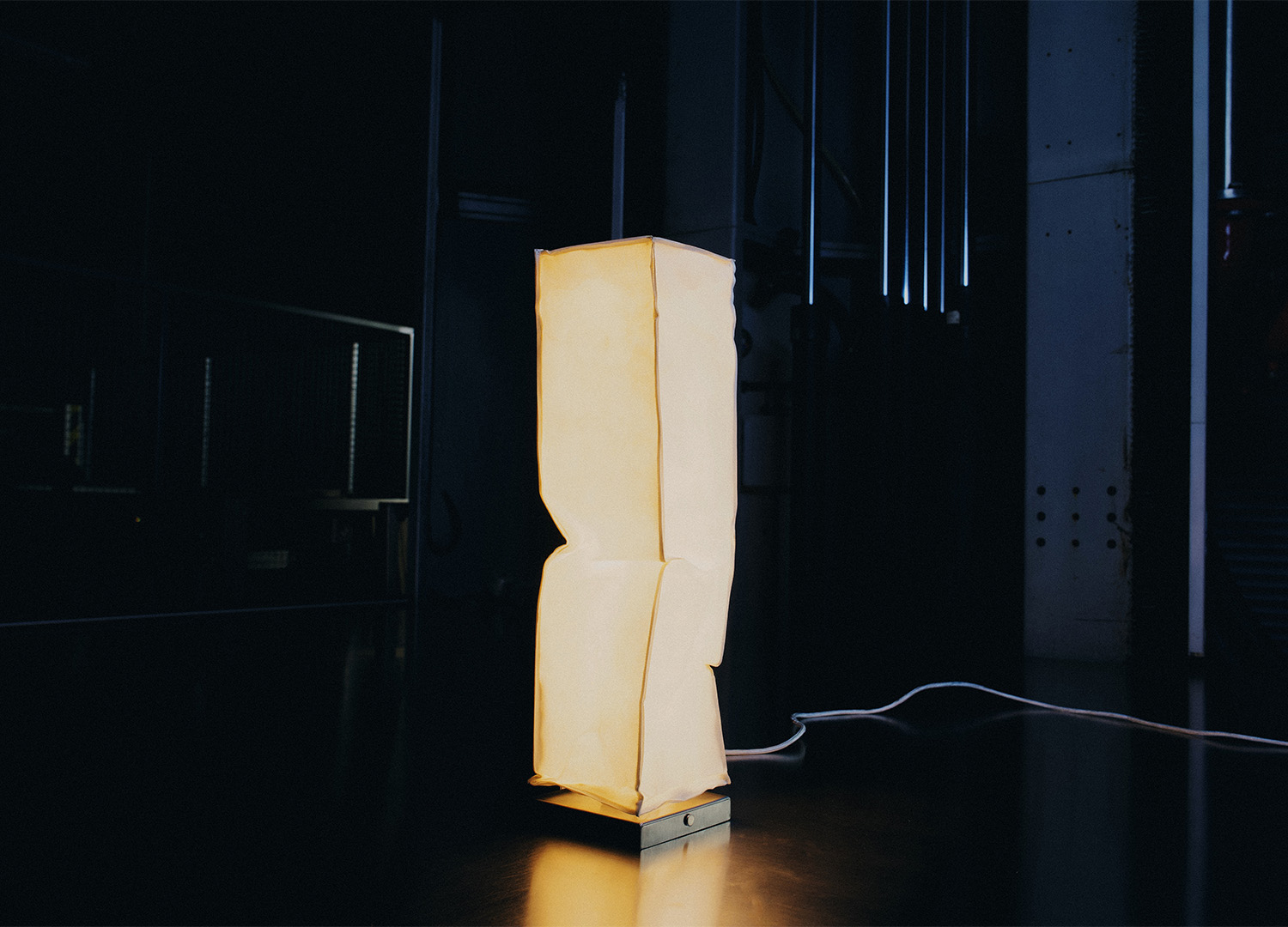
Hidescapes by Payam Askari in collaboration with Sk!n © Nicky Roding
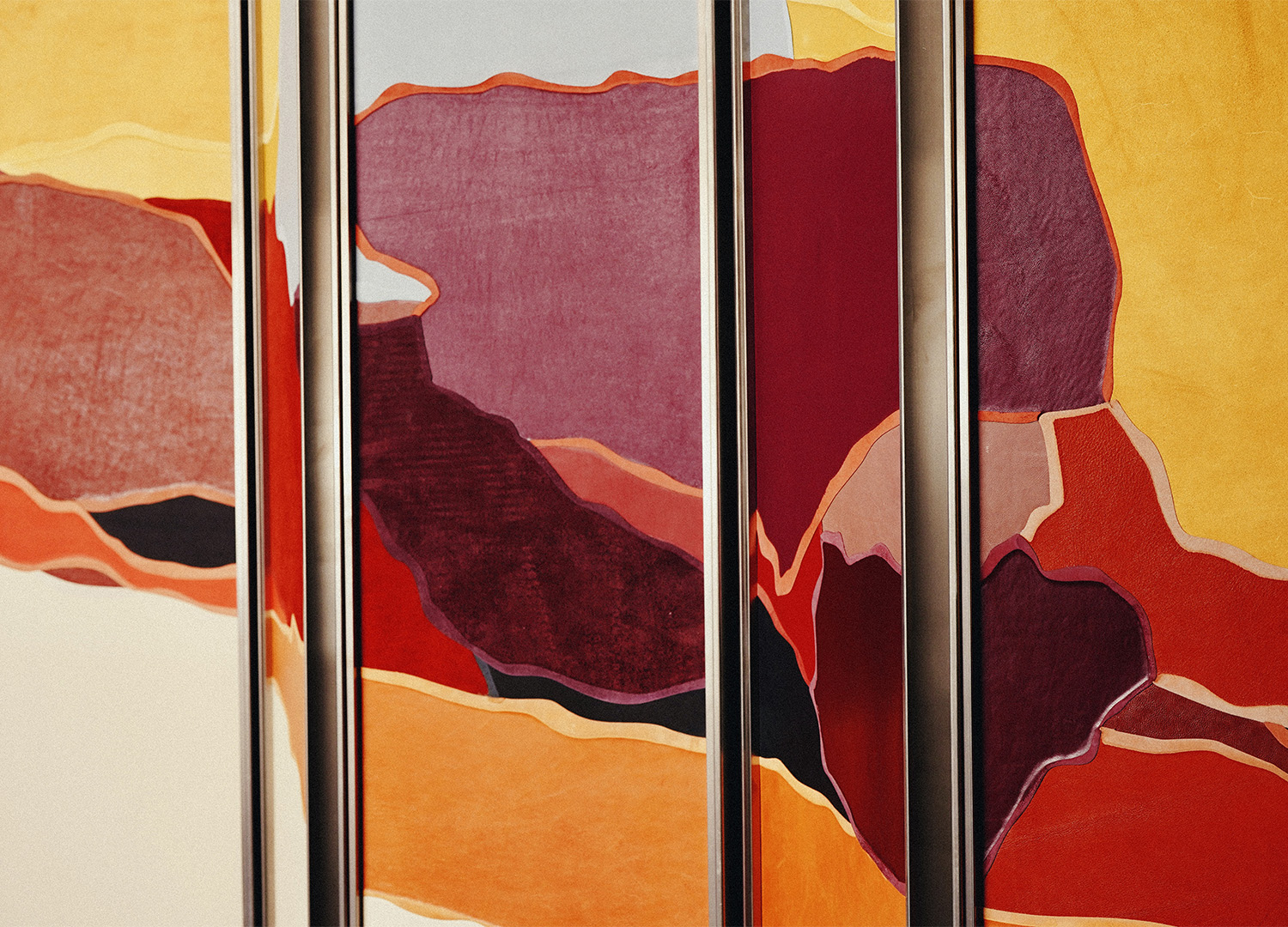
Hidescapes by Payam Askari in collaboration with Sk!n © Nicky Roding
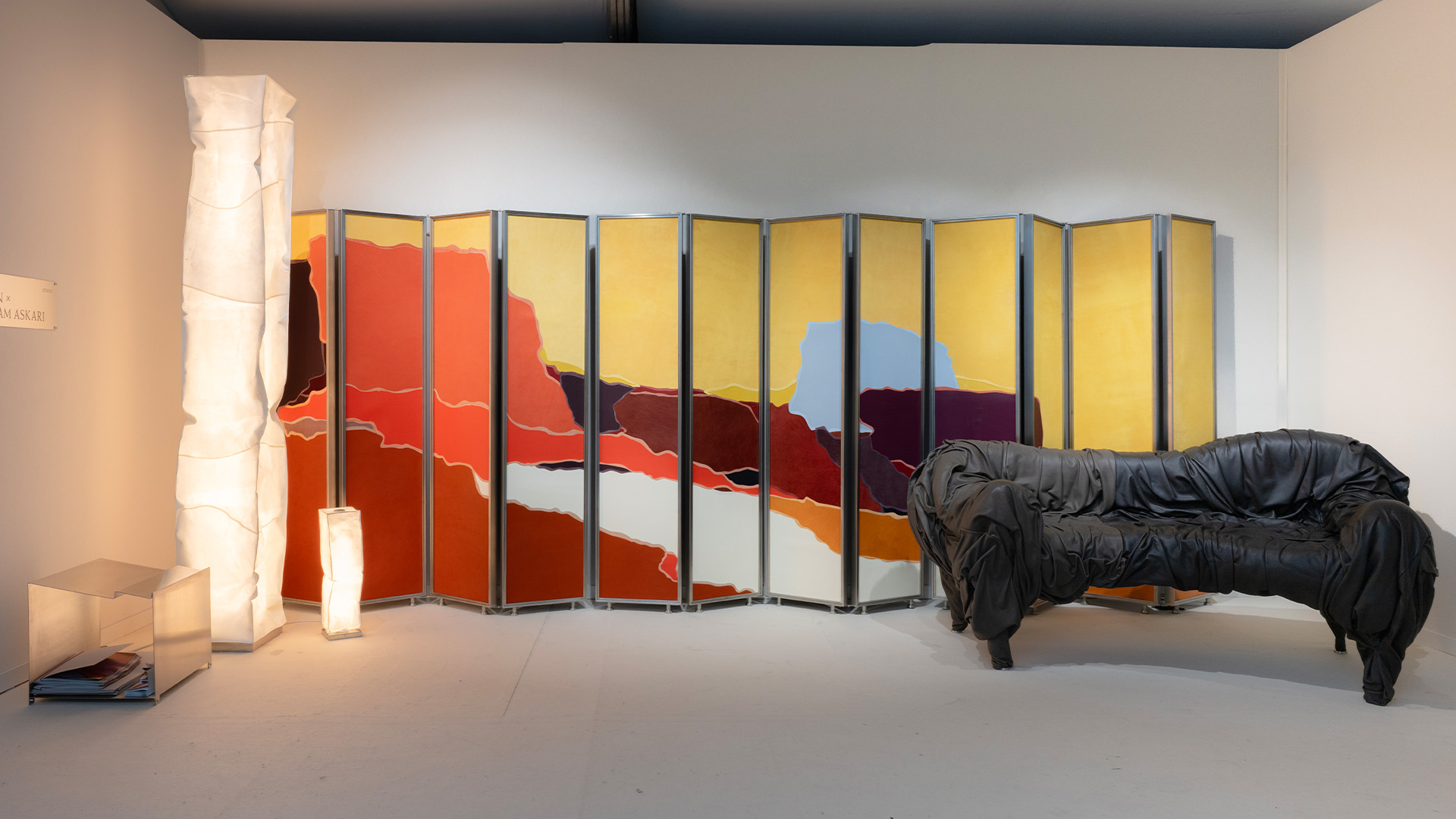
Hidescapes by Payam Askari in collaboration with Sk!n © Nicky Roding
Scars, creases and imperfections in the skin become integral parts of the design, no longer seen as flaws, but as opportunities to explore. “Treat scraps as material writing and a source of formal possibility, rather than problems to be hiddenAskari says, turning the common vision of reuse on its head.
The designer has a well-established approach to working with waste materials. In the previous work Remains developed in collaboration with OmniaWorks, marble offcuts were processed into unique pieces using resin and aluminum. A similar logic applies here, where discarded elements are treated as both a resource and a material with distinct visual properties. The project indicates a more considered use of materials, focusing on how existing matter can be extended rather than replaced. The result is a collection that provokes reflection on the intrinsic value of scraps, which are transformed by the designer’s innovative approach to elegance and functionality.
The surfaces of the work are not just a patchwork of skin, but true abstract landscapes. Fragments of skin, joined in a composition that evokes layers, valleys and ridges, transform the surface into a topography. This technique comes from observing leather in tanneries, where overlapping layers create lines and edges that evoke the natural landscape. Scars, grains and folds in the skin become structural elements in the design. The surface itself becomes a textured field that is never static but constantly evolving.
Some pieces, like the Drapeform sofa and the SoftPillar Light, go beyond mere functionality. These are sculptures that engage with the body and emotions. The sofa, with its soft sculptural folds and the light, with its translucent skin that seems to breathe, is the result of an idea that merges sculpture with design.
“I wanted to extend the idea of patchwork into 3D formsAskari says. Thus, these pieces become artistic expressions that challenge the traditional idea of design. Leather, a visceral and tactile material, is used to create objects that are both functional and seductive, inviting the viewer to engage with them from a new perspective.
The design of Hidescapes invites the public to explore the skin through physical interaction. The Drapeform sofa is designed to be touched, felt and experienced, while the Horizon screens, seen from afar, appear as simple visual jumbles but are revealed as stunning up close, inviting a deeper exploration of the material. SoftPillar Light challenges expectations, encouraging viewers to approach it and discover a world of imperfections and details.
Each object is a sensory discovery, where surface imperfections become an integral part of a story that unfolds as the object is experienced. There is never a “simple” interaction but a constant dialogue between the material and those who explore it.
But Payam Askari it does not stop with the success of the project. “There is still much to exploreHis future projects include extending this material language to new architectural applications and innovative geometries, exploring more scalable and integrated solutions. The possibilities are endless: modular panels, new lighting systems and ongoing research into material translucency.
Payam Askari is ready to expand Hidescapes by working with other industrial sectors such as glass and metal foundries to apply the principles of reuse and circularity to different materials. Transforming what we consider waste into something extraordinary, Askari has created a collection that explores leather as a new material, bringing it to a dimension of art, sculpture and sensory experience.



