

Louis Vuitton is building its latest campaign around a simple gesture. Open the bag and reveal what matters. With “in my bag” the house places the Speedy P9 at the center of a series of still life images and short videos, where personal objects define each portrait. The campaign is coming together Jeremy Allen White, Jude Bellingham, Future, LeBron James, Jackson Wang, and Victor Wembanyamaeach presents a version of the bag shaped by routine, profession and personal rhythm.
The Speedy P9 traces its roots to one of Louis Vuitton’s most established designs. First introduced in the 1930s, the Speedy became a defining travel companion. Under his direction Pharrell Williamsthe house revisits this model and changes its proportions and material expression. The name P9 refers to the Pont-Neuf in Paris, linking the bag to the location of its first runway. The update focuses on calf leather that has been treated through a double-tanned and drum-milled process, resulting in a soft, supple surface with a waxed finish that responds to use over time.
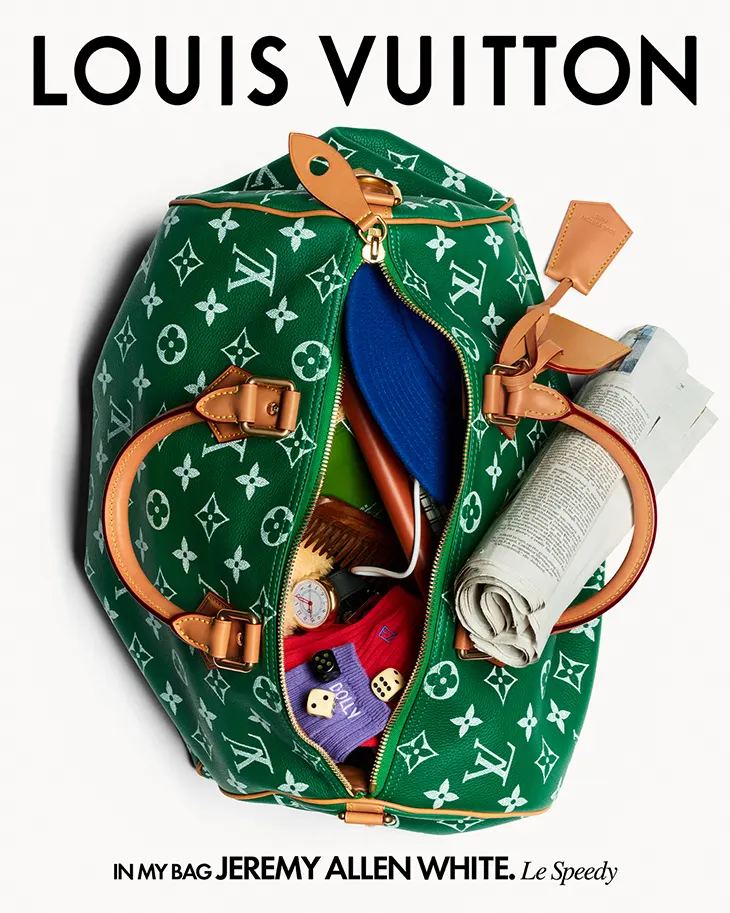
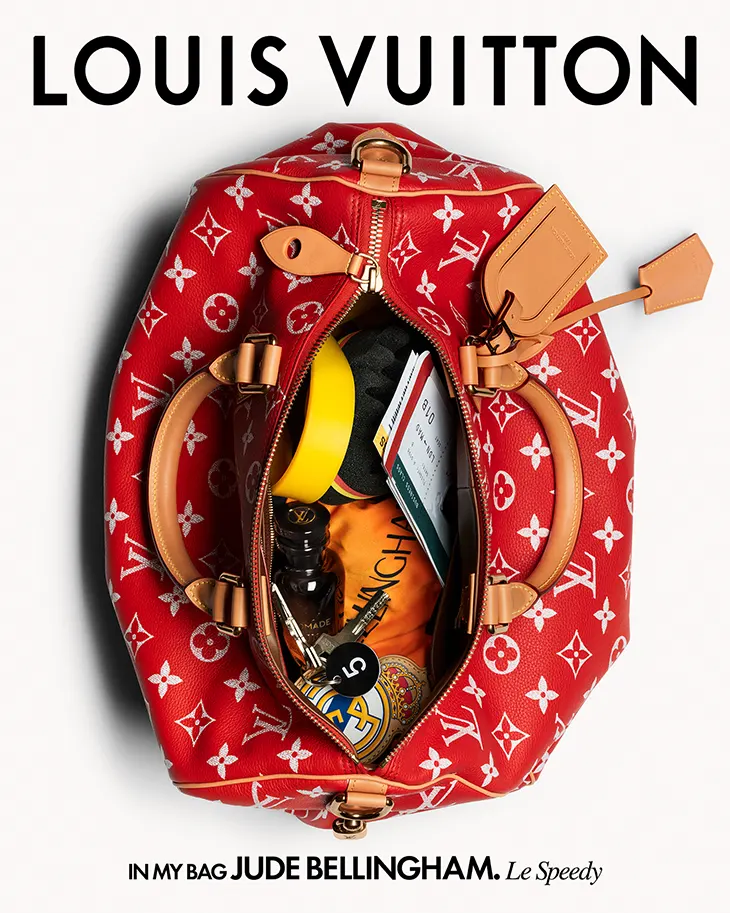
The campaign is not just about style. It builds each image through the contents of the bag. Jeremy Allen White fills his green Speedy P9 with an everyday mix of items including a newspaper, notebook, cap and small essentials that suggest movement between work and downtime. Jude Bellingham’s red edition contains items associated with travel and sports, from aviators and documents to jersey and perfume. Each object shows a timeline formed by a fixed transition.
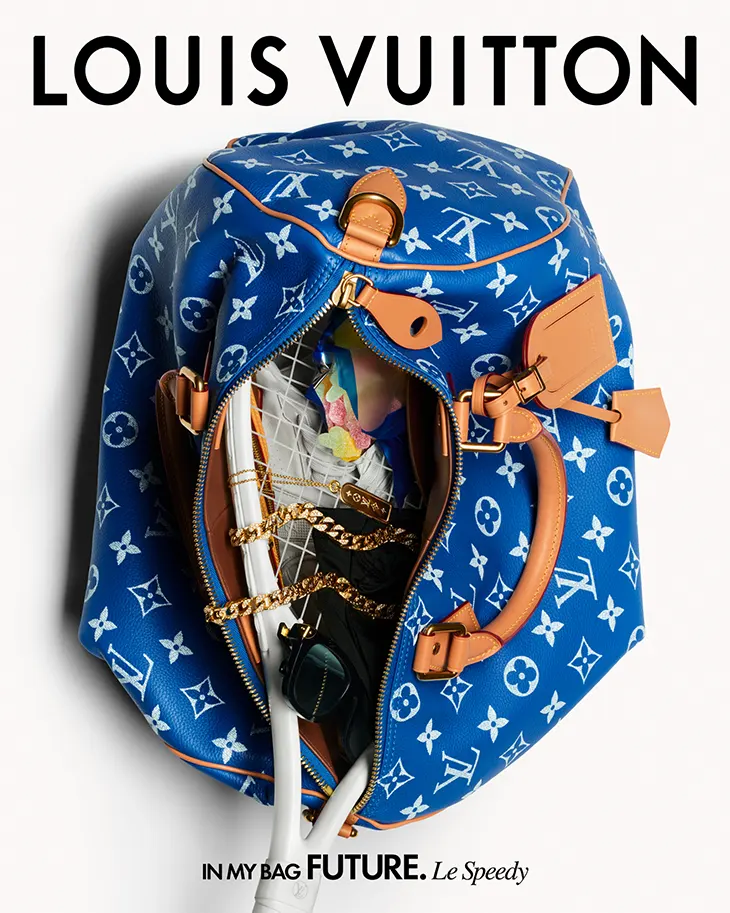
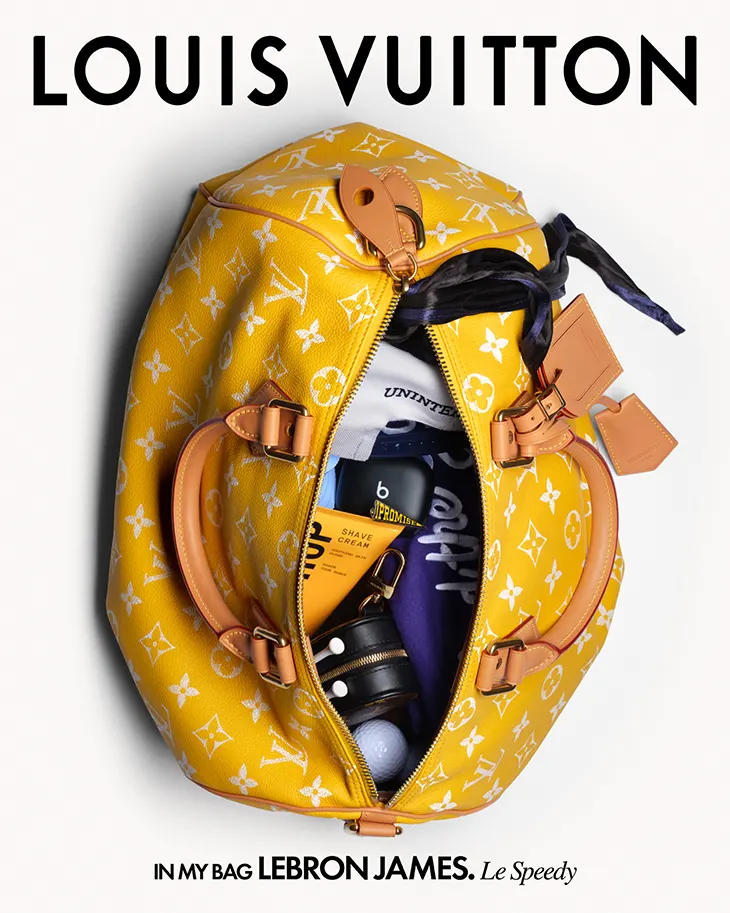
The future approaches the bag through contrast. His blue Speedy P9 combines performance and personal details, combining a tennis racket with jewelry, candy and sneakers. LeBron James introduces a different rhythm. His yellow bag contains golf accessories along with toiletries, forming a compact set that reflects the time spent between practice and recovery. These options avoid excess and focus on use, presenting the bag as a functional container rather than a static object.
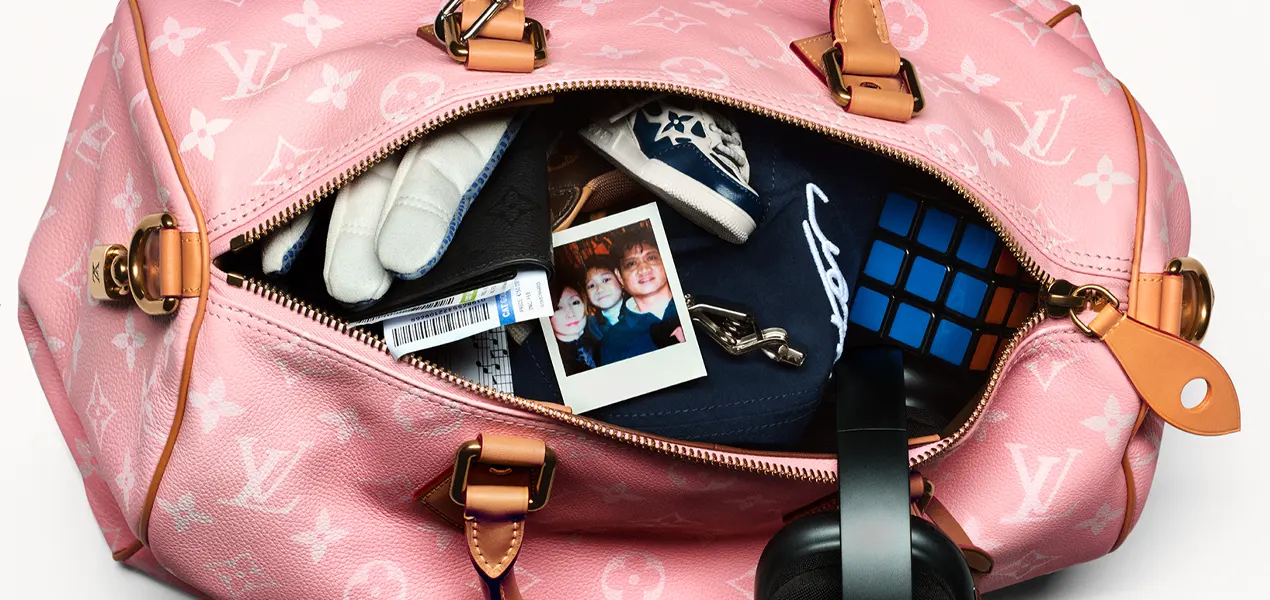
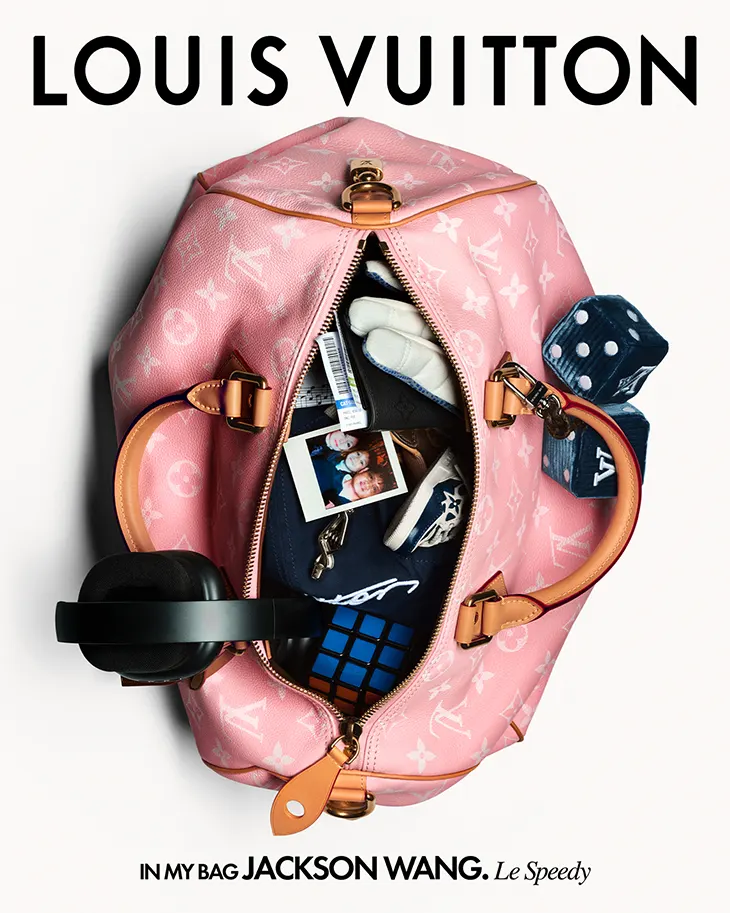
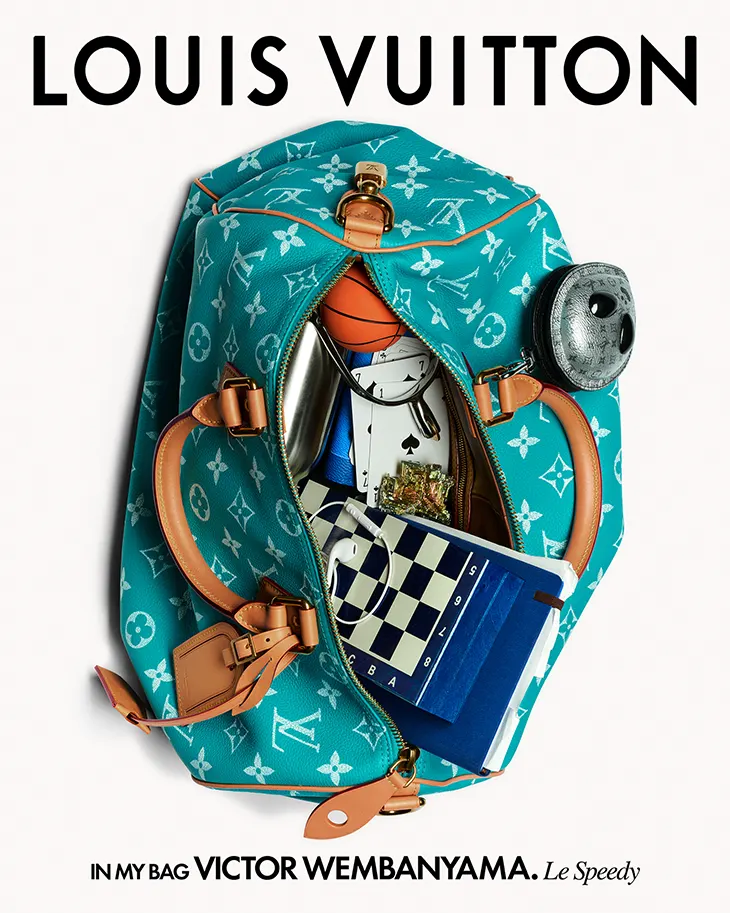
Jackson Wang’s pink Speedy P9 moves towards memory and process. Headphones, musical notation and a Polaroid photo create a direct connection between work and personal history, while smaller objects such as a Rubik’s cube and tiny sneakers add layers of reference. Victor Wembanyama completes the series with a teal version that includes a mini basketball, cards and headphones, combining elements linked to both routine and personal habit.
Photographed by Thomas Lagrange, the campaign draws attention away from the outside of the bag and towards what it carries. Each composition functions as a portrait without relying on the body. The Speedy P9 becomes a structured frame that holds fragments of identity, turning the act of packing into a visual language.



